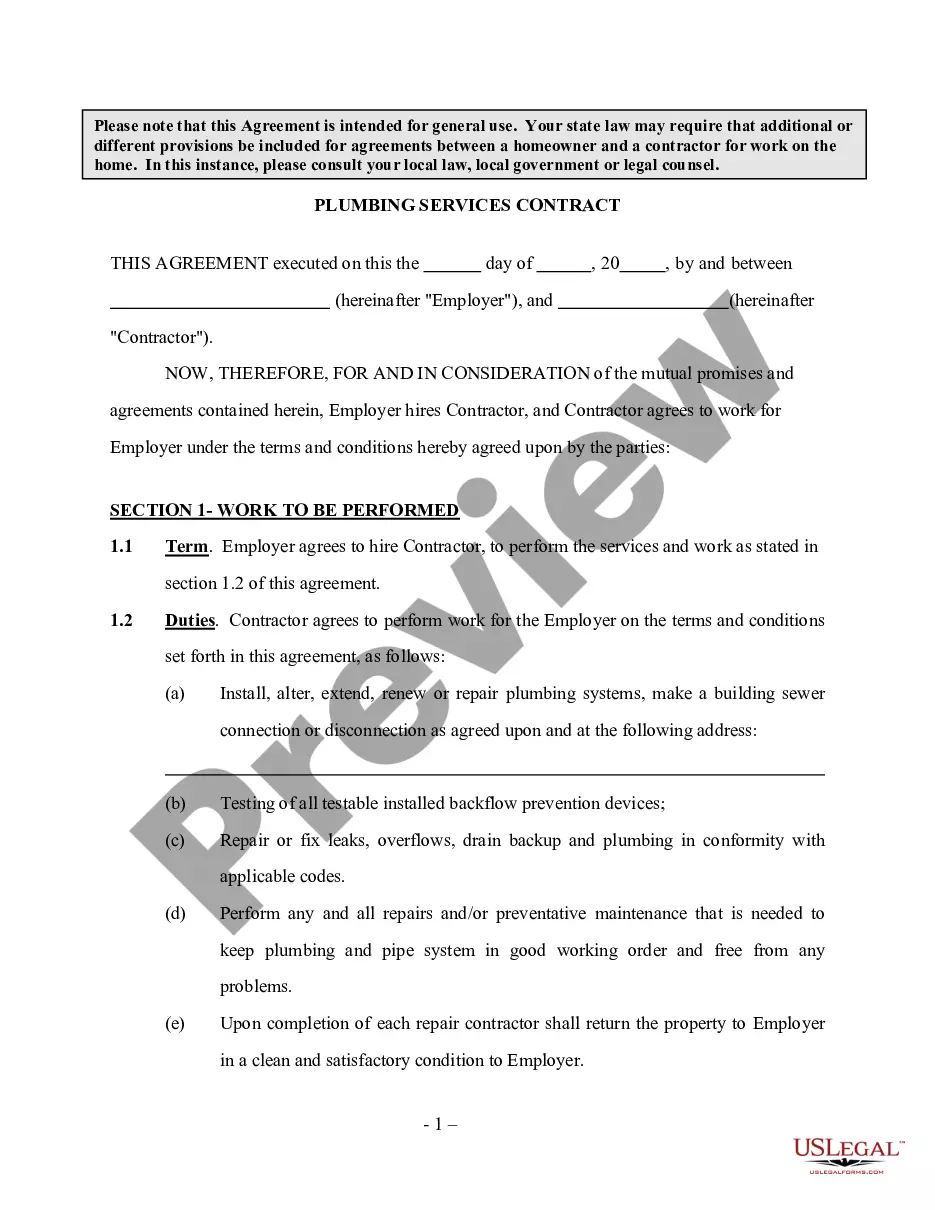
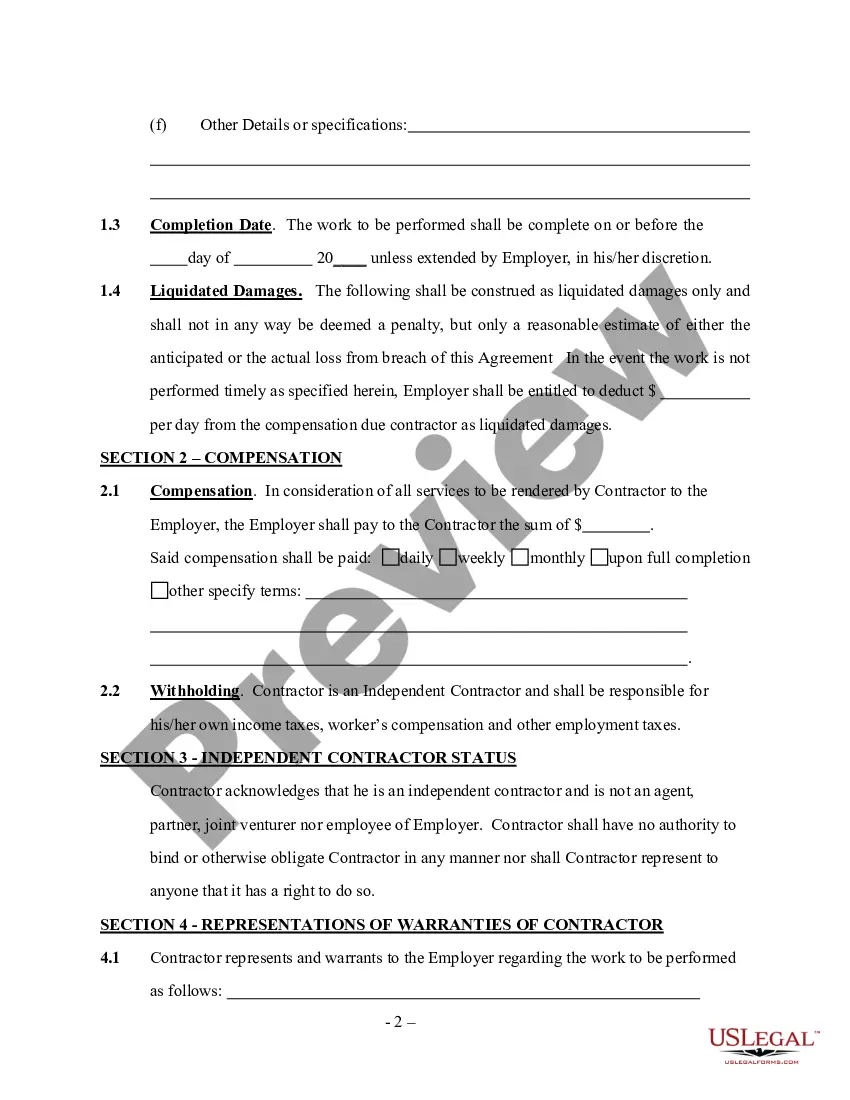
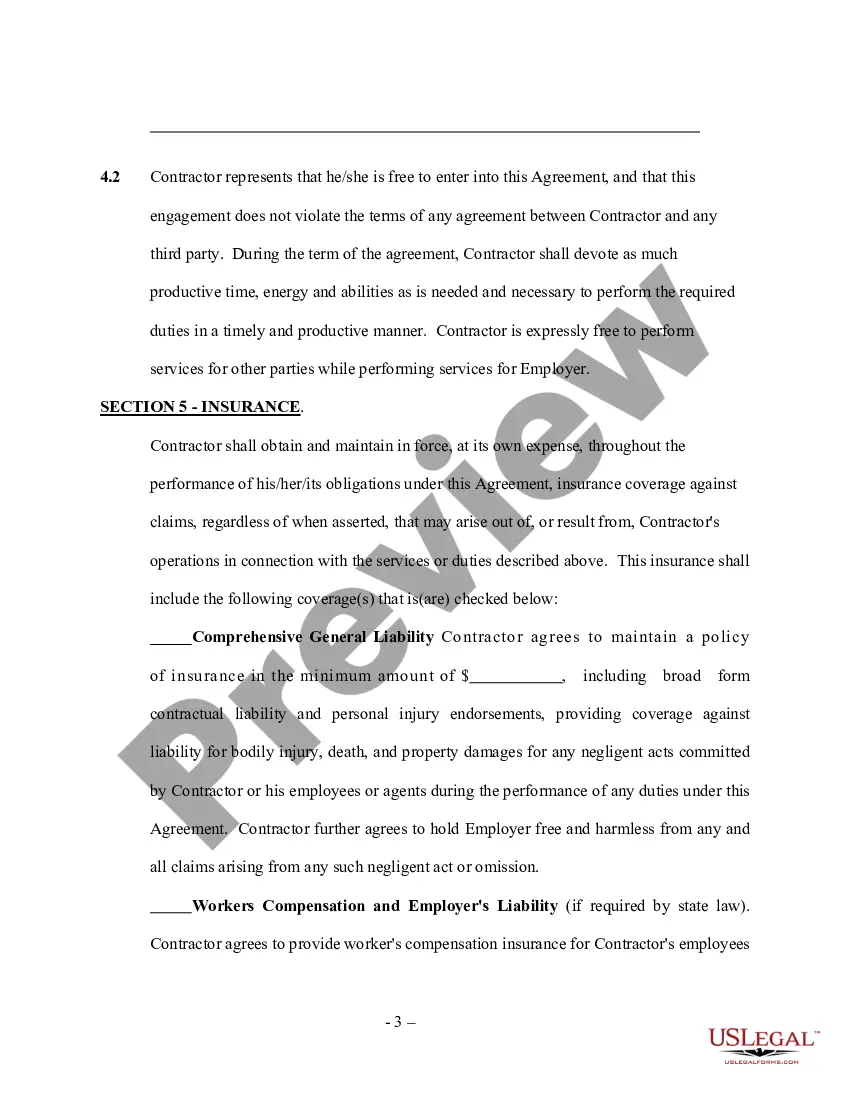
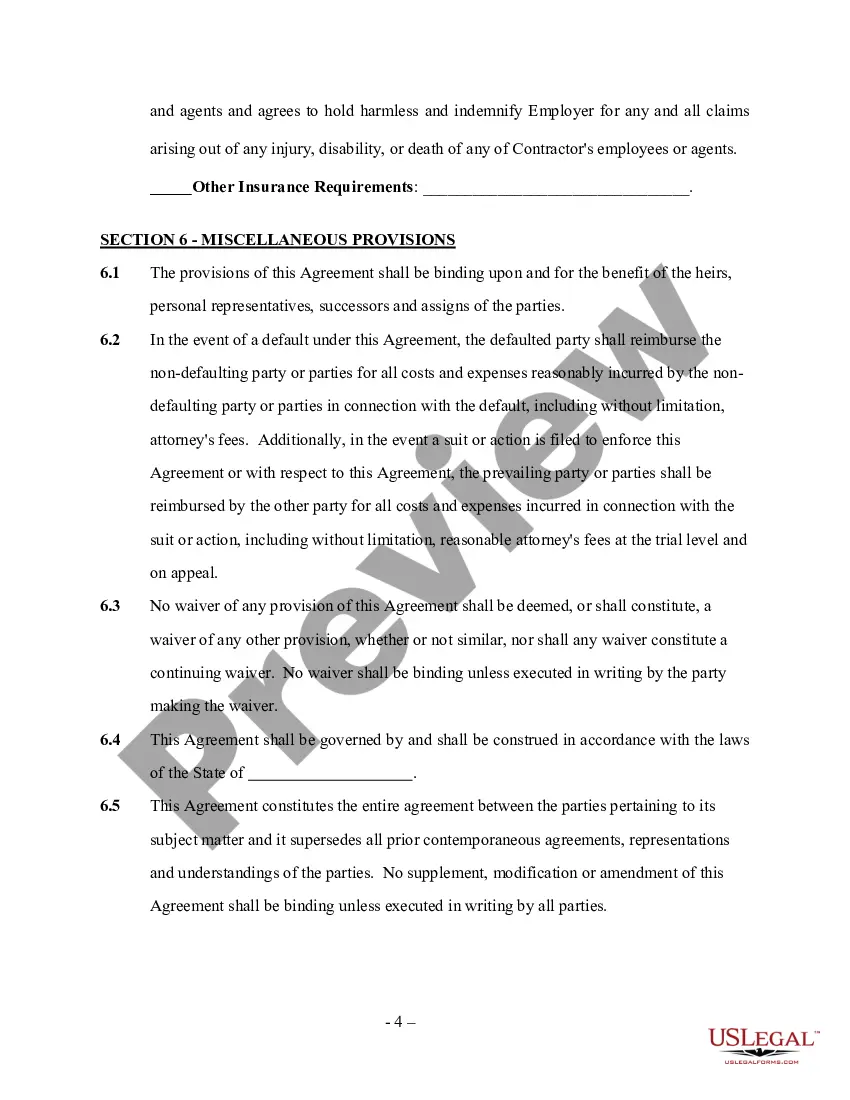
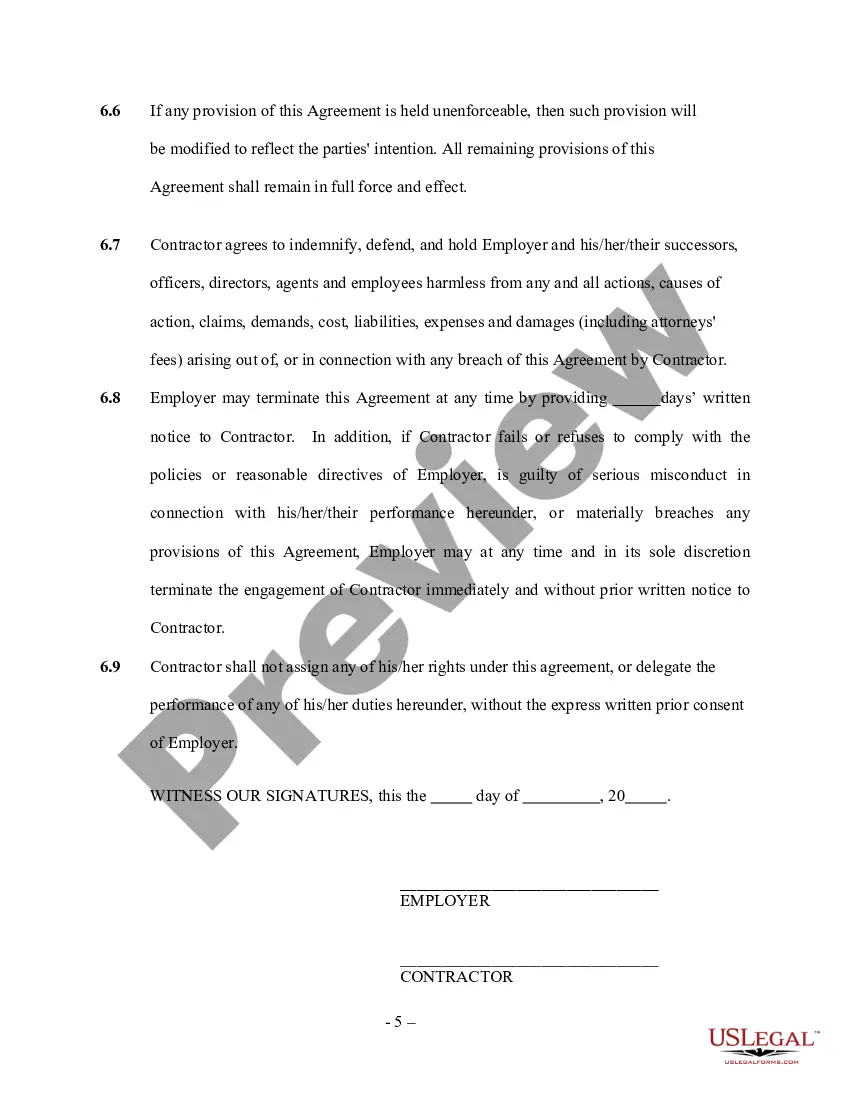
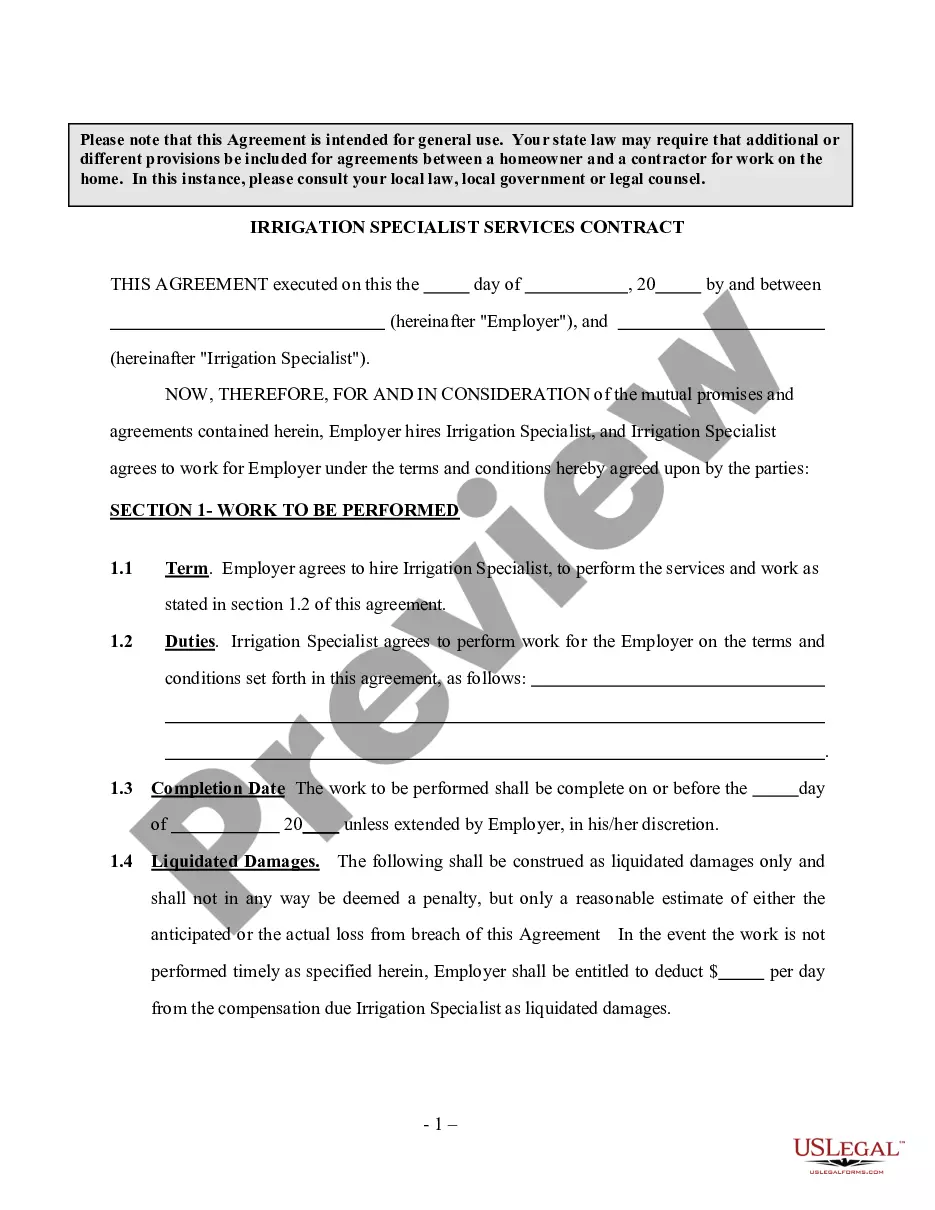
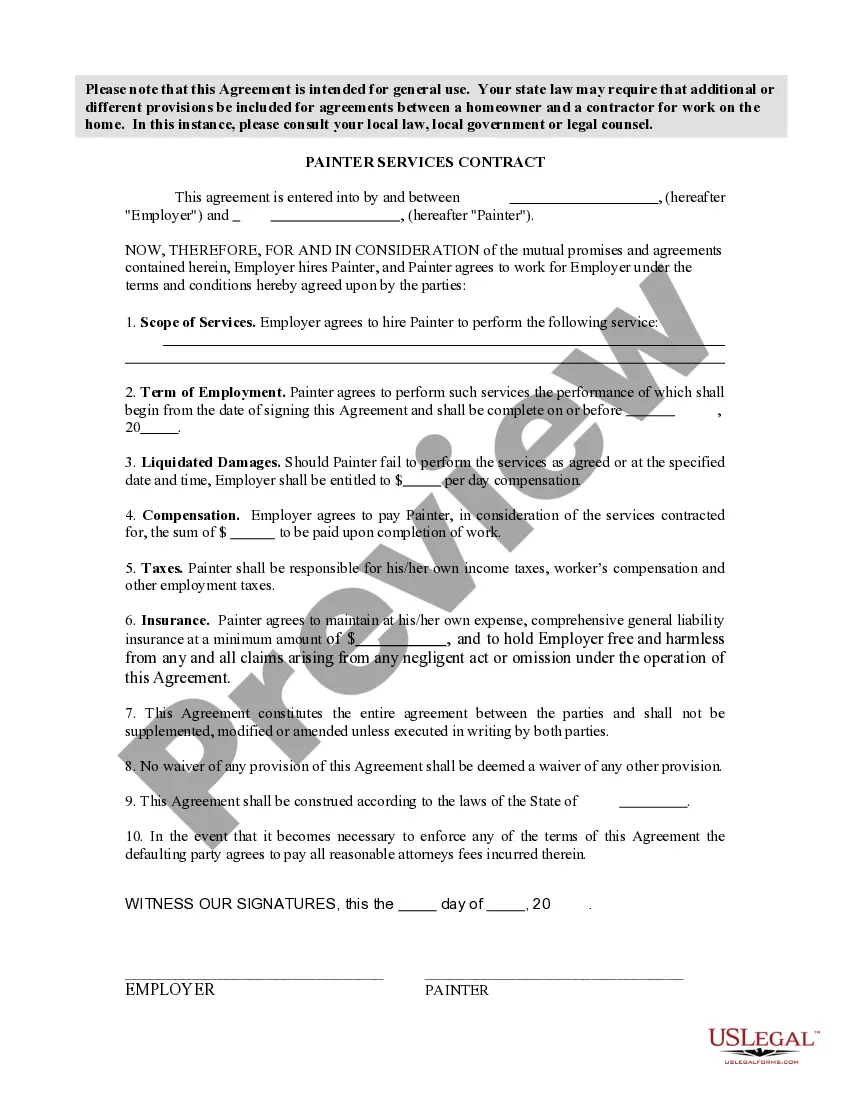
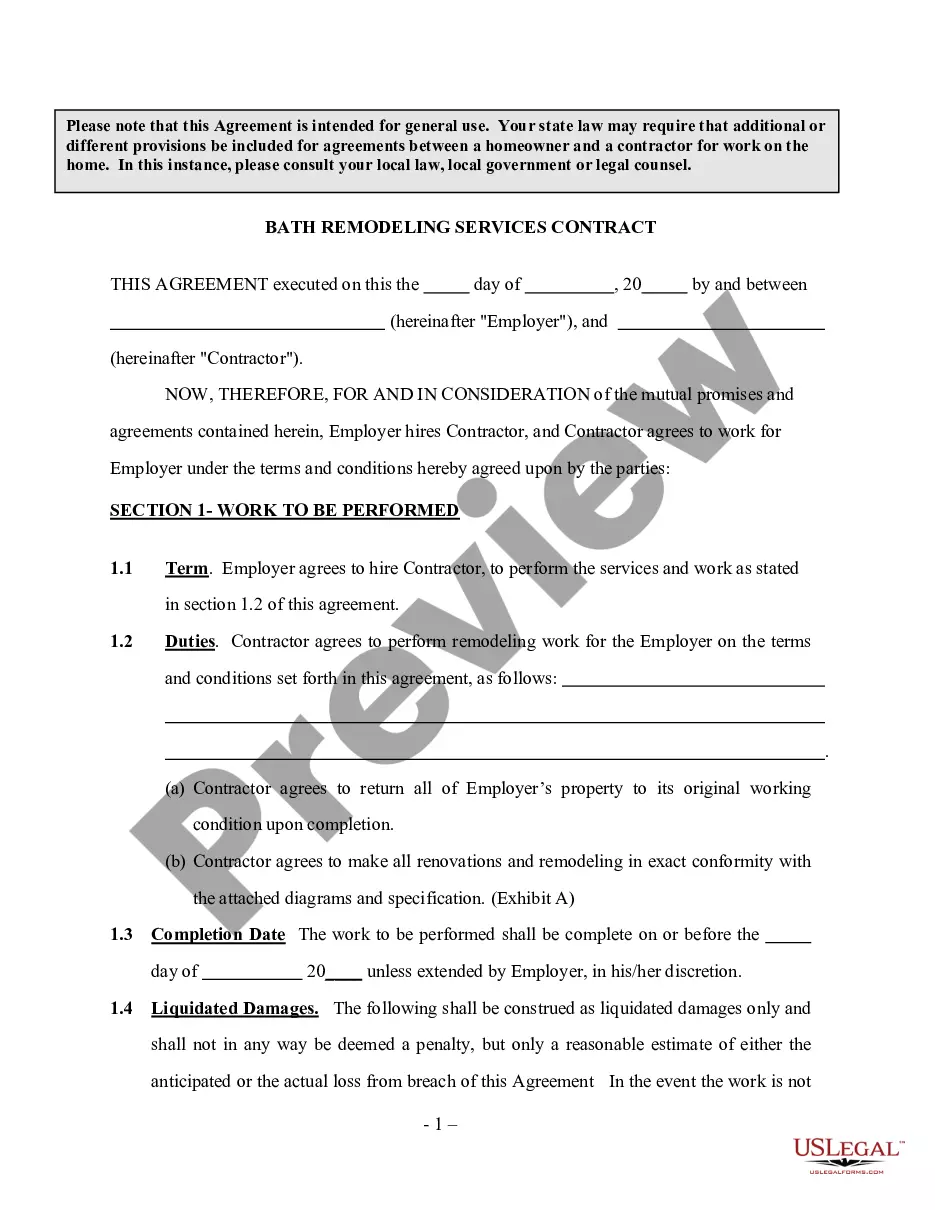
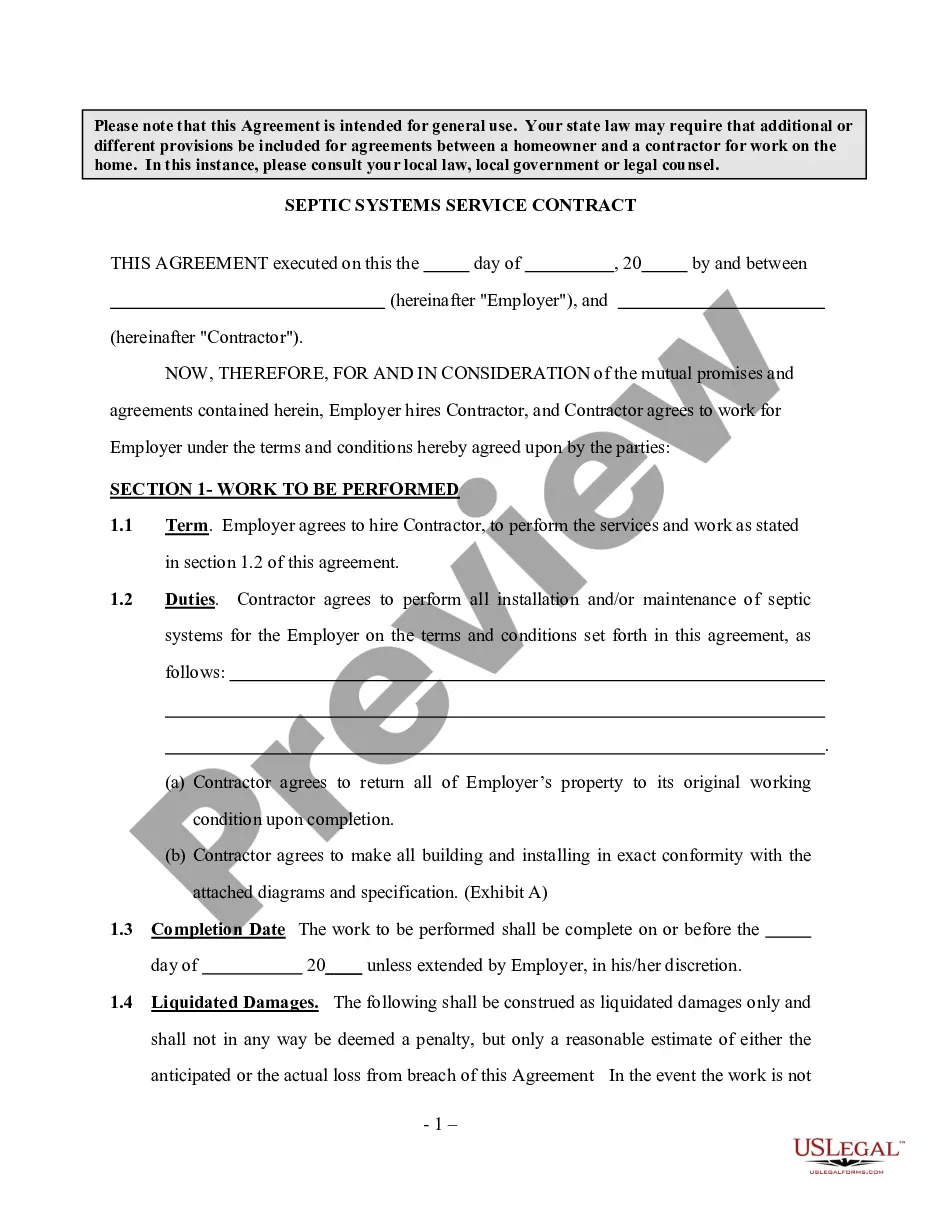
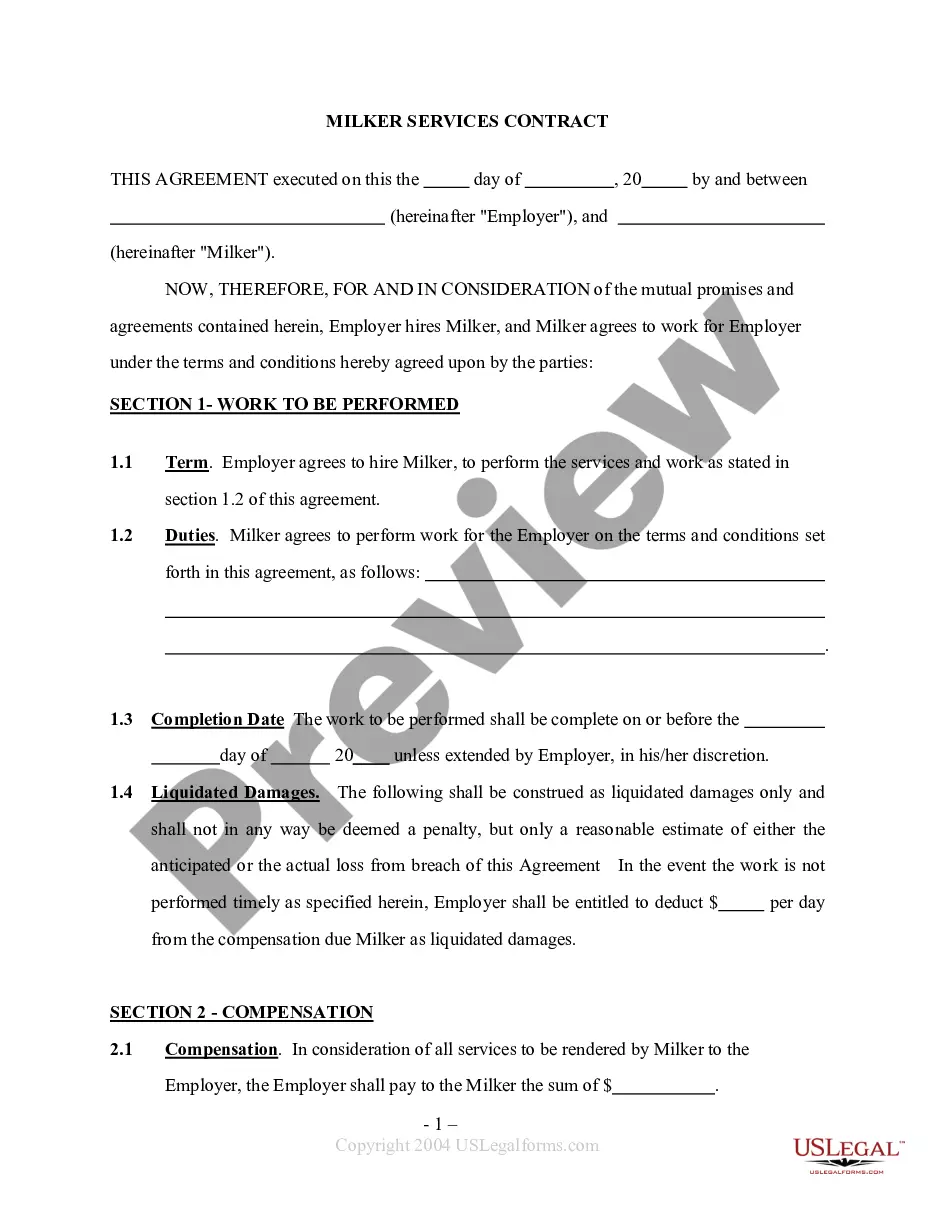
Employer hires plumber as an independent contractor to perform plumbing services as agreed upon in the Contract. Please note that this Agreement is intended for general use. Your state law may require that additional or different provisions be included for agreements between a homeowner and a contractor for work on the home. In this instance, please consult your local law, local government or legal counsel.
If the plumber doesn't hold up their end of the bargain, you can refer back to the contract. It's your backup plan—an important step to addressing any issues and possibly seeking remedies.
Check out online reviews, ask for recommendations from friends or family, and ensure they have the proper licenses. Trust your gut, too—if something feels off, it might be worth looking elsewhere.
It's always a smart move to have things in writing. Verbal agreements are as good as a paper boat in a storm, so get it down on paper to keep both parties accountable.
A solid contract should include the scope of work, project timeline, payment terms, and warranties. The more details, the better to avoid any misunderstandings later.
Absolutely! A contract lays everything out clearly—what to expect, timelines, and materials to be used. It’s like a safety net, giving you peace of mind.
If the job is major, like a full renovation or involves significant repairs, it's a good idea to have a contract. It helps ensure everyone is on the same page and protects you in case things go sideways.
When searching for a self-employed plumber, check their experience, customer reviews, and whether they have the right licenses. A good plumber will have a solid reputation and be happy to provide references.