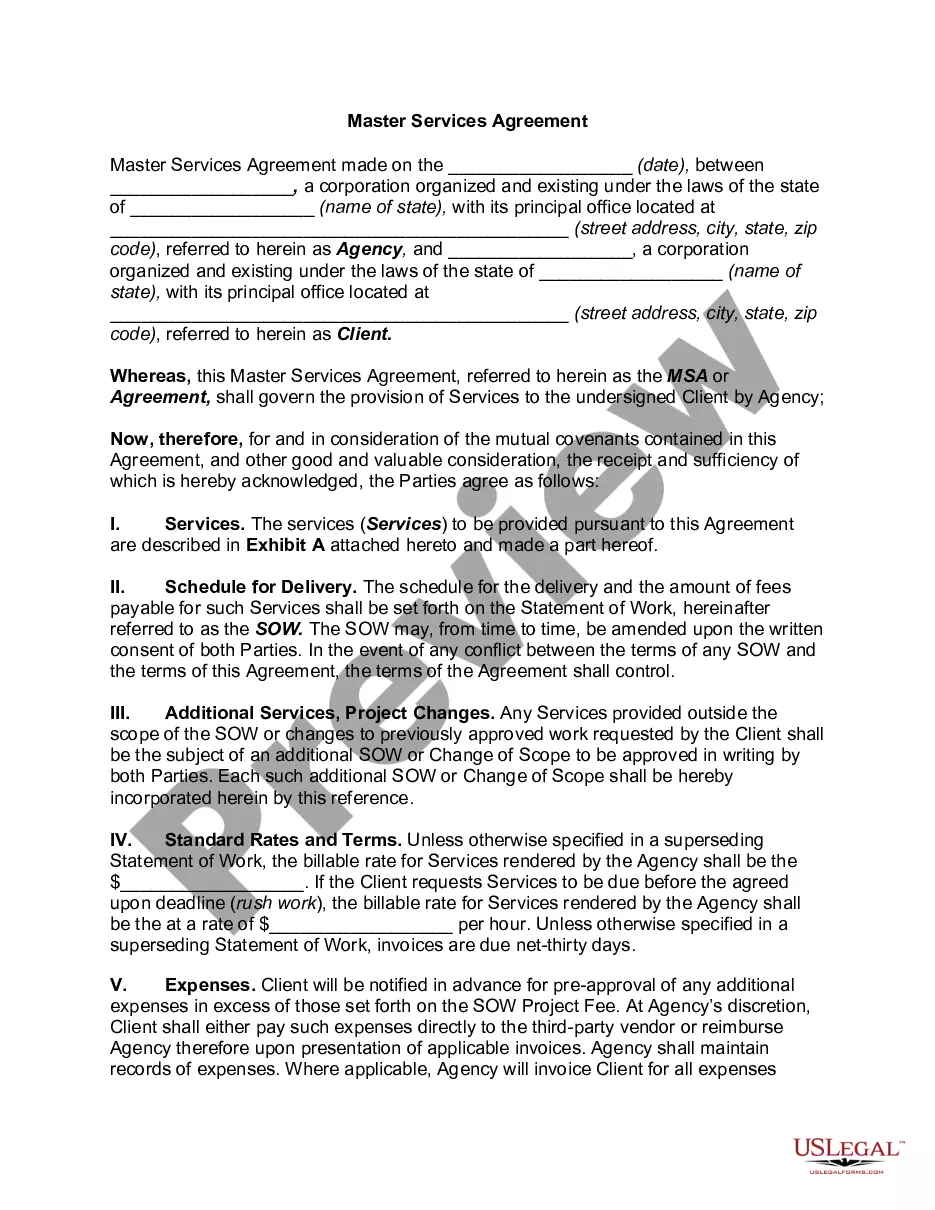
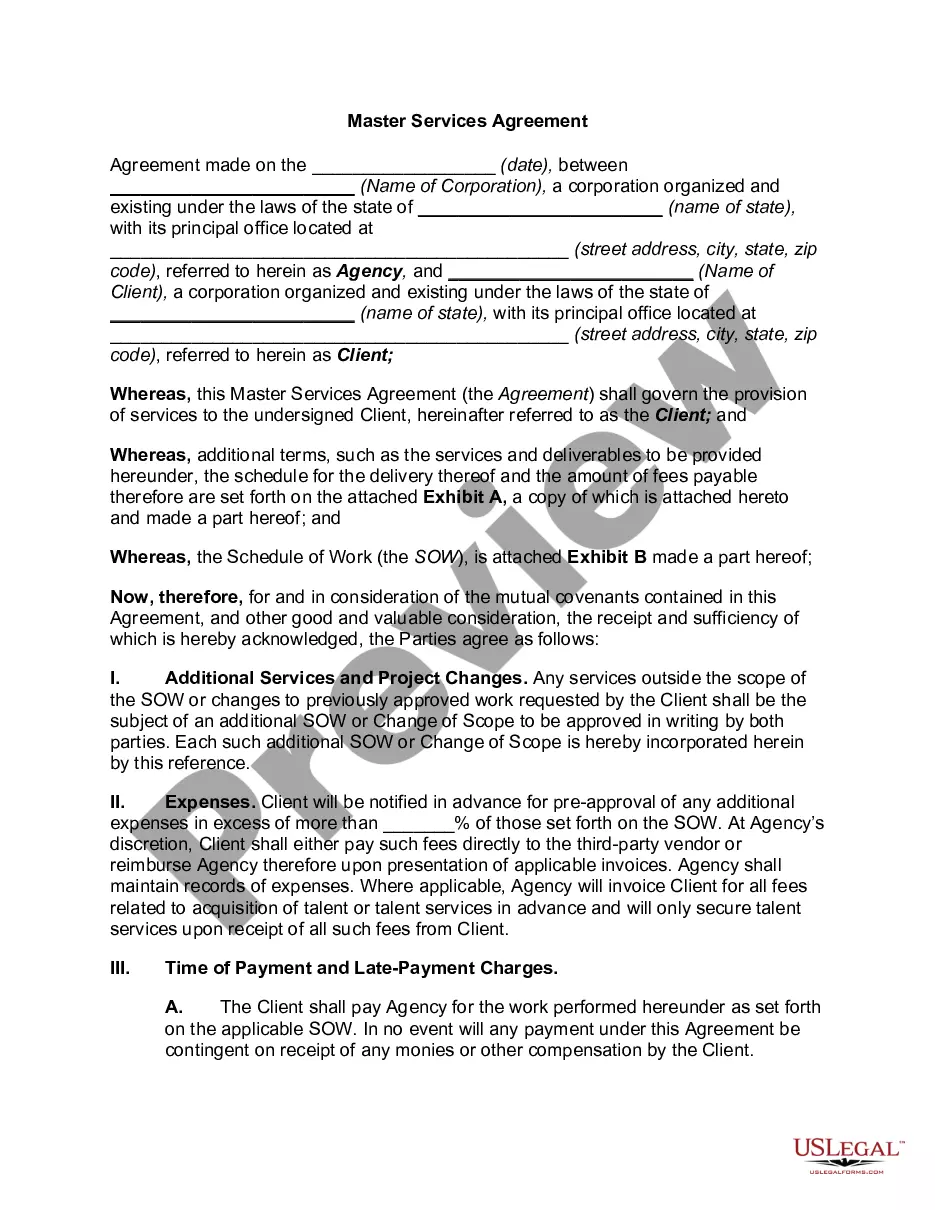
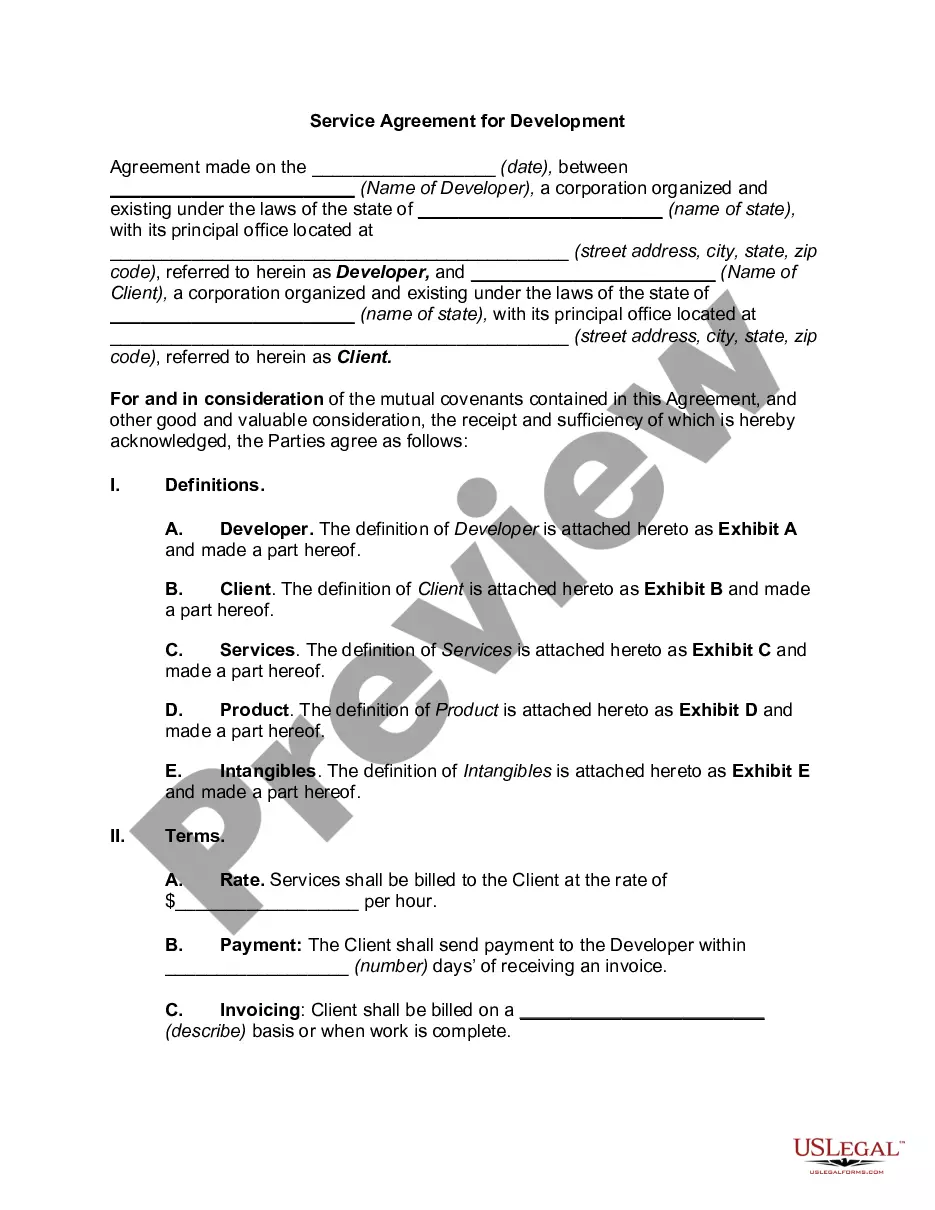
While it’s not strictly necessary, consulting a lawyer can be a wise move. They can help ensure everything is above board and that the agreement covers all the bases.
If a subcontractor doesn’t meet the terms of the agreement, it could lead to penalties or even termination of the contract. It’s better to have a clear plan in place for such situations.
Generally speaking, changes to the work can be tricky. Any changes usually need to be agreed upon in writing by both parties to avoid any snafus.
Checking a subcontractor's qualifications is key. Look for their experience, licenses, and references from previous work. It’s all about doing your homework!
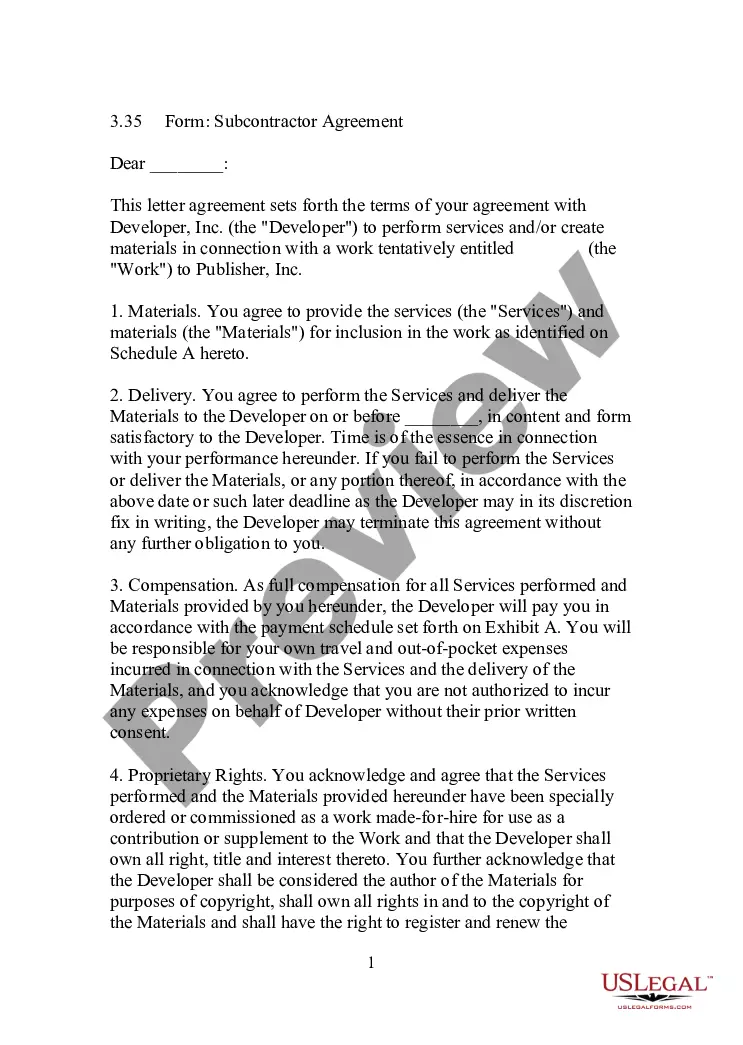
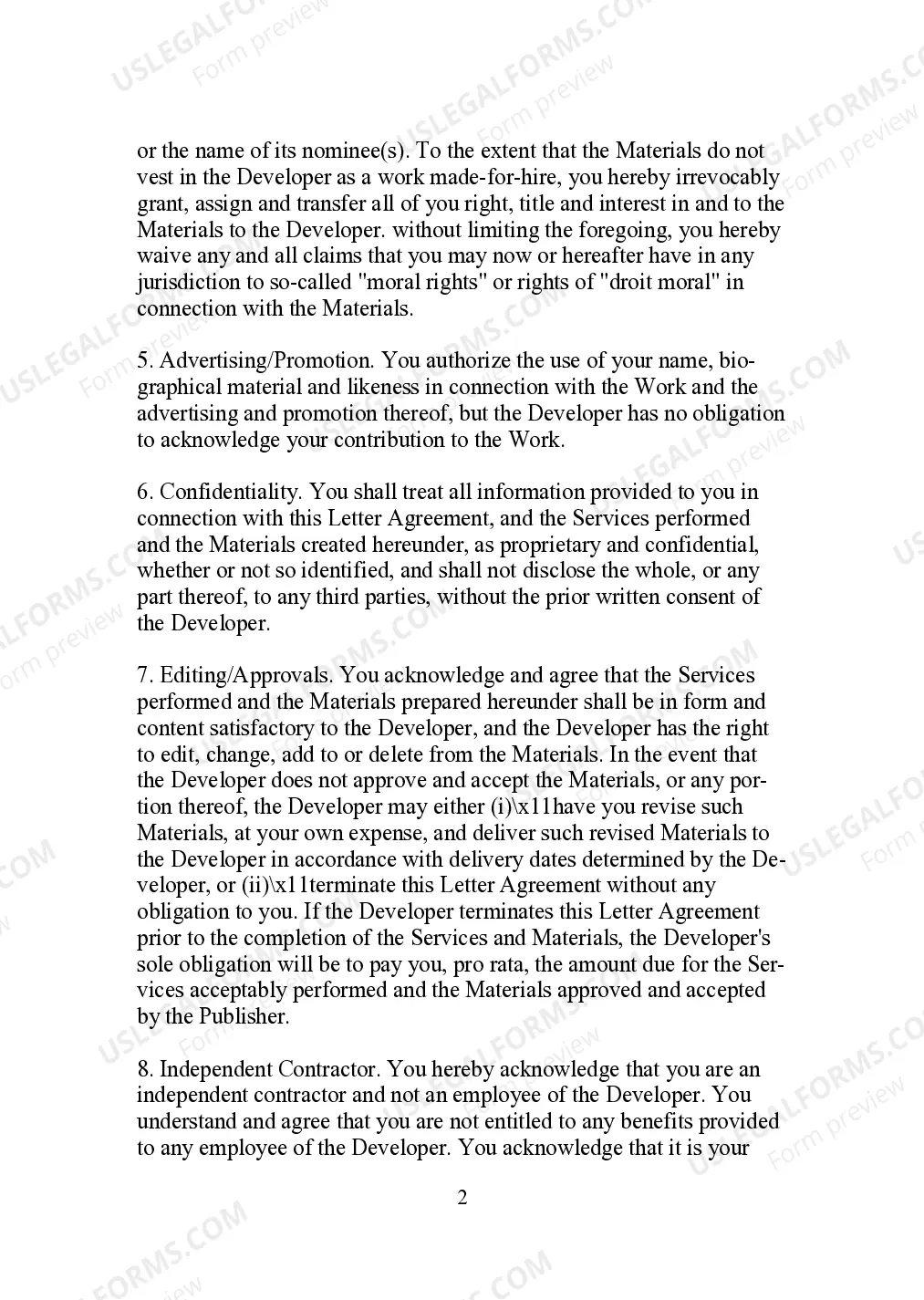
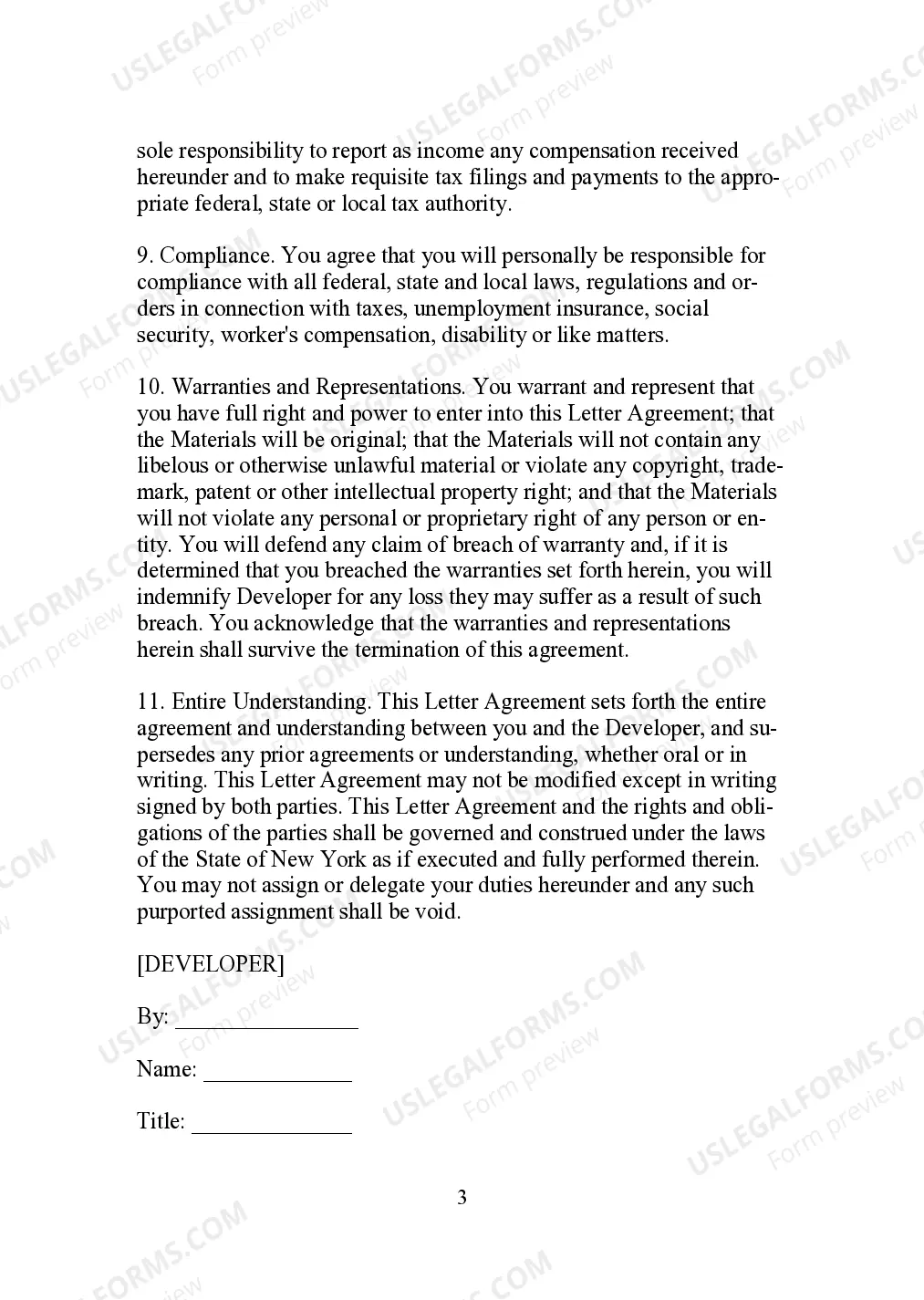
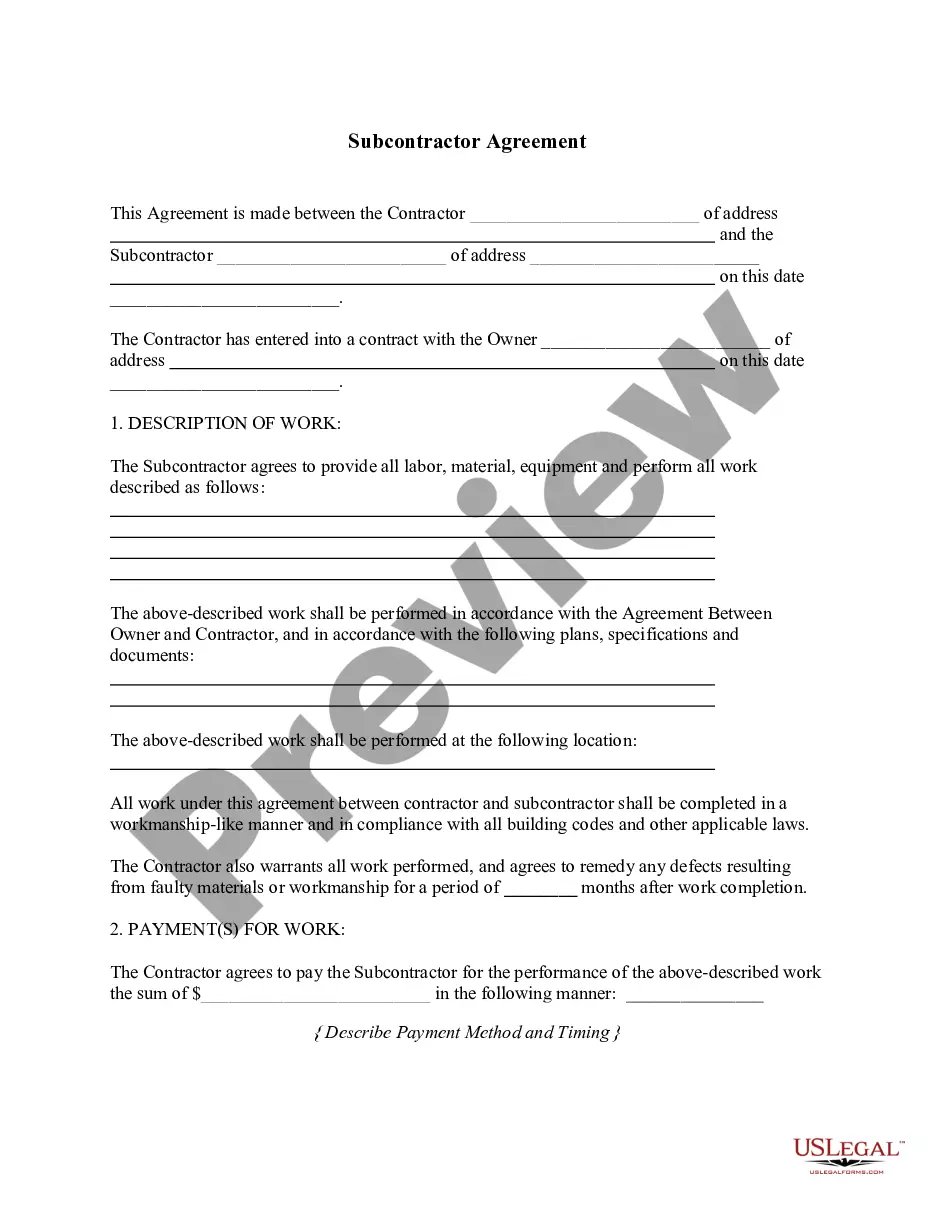
A good subcontractor agreement should include the scope of work, deadlines, payment terms, and any specific responsibilities or requirements for both parties.
Having a subcontractor agreement is crucial because it protects both parties. It ensures everyone knows what to expect and helps avoid misunderstandings down the line.
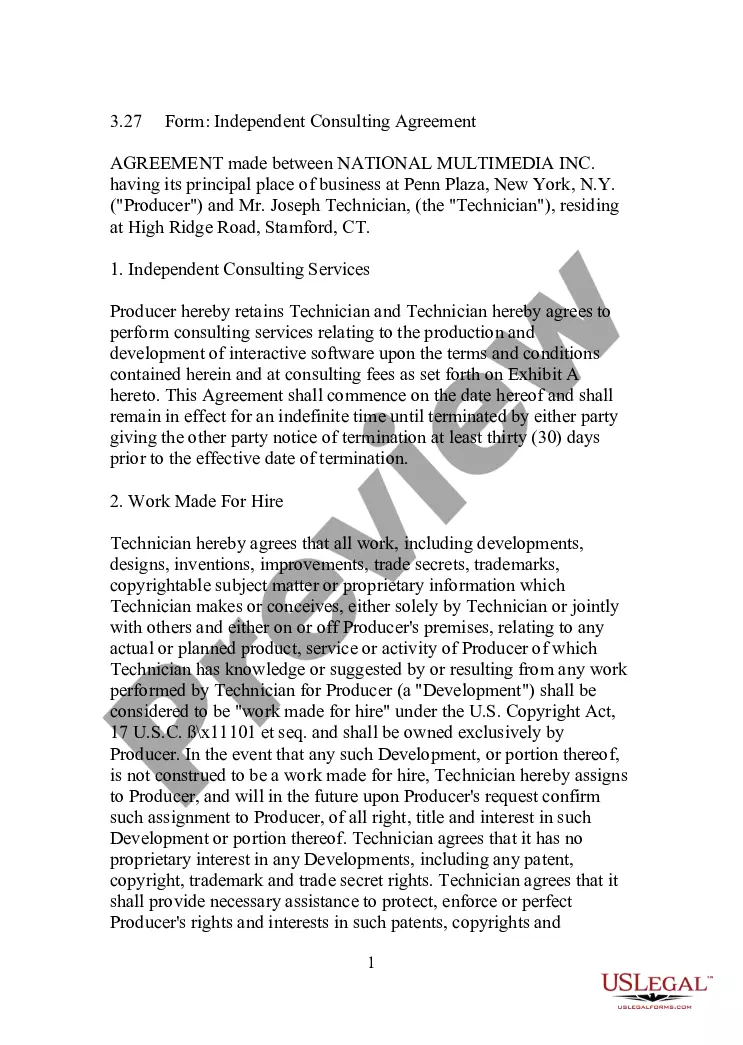
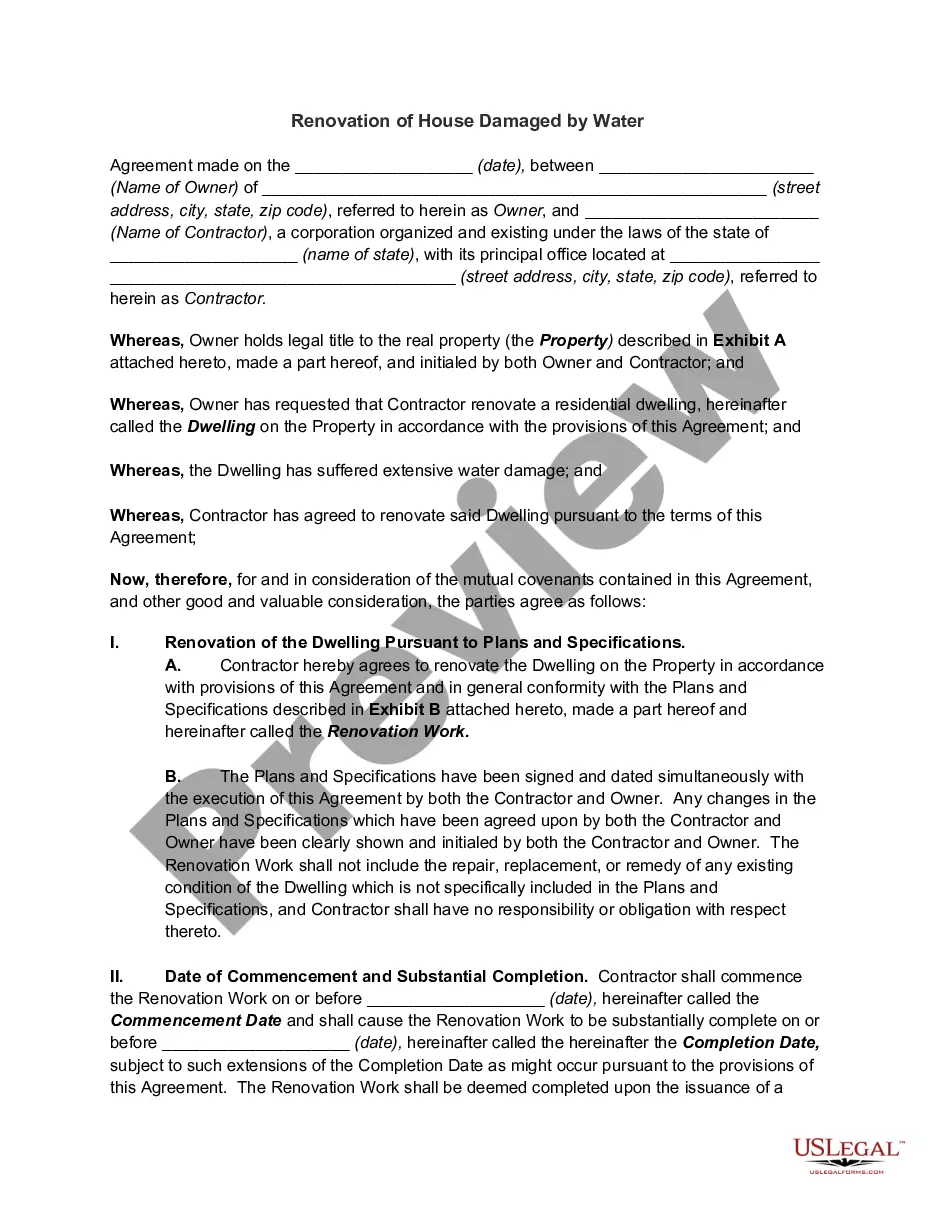
A subcontractor agreement is a contract between a main contractor and a subcontractor. It lays out the terms and conditions for the subcontractor's work on a specific project.
Trusted and secure by over 3 million people of the world’s leading companies