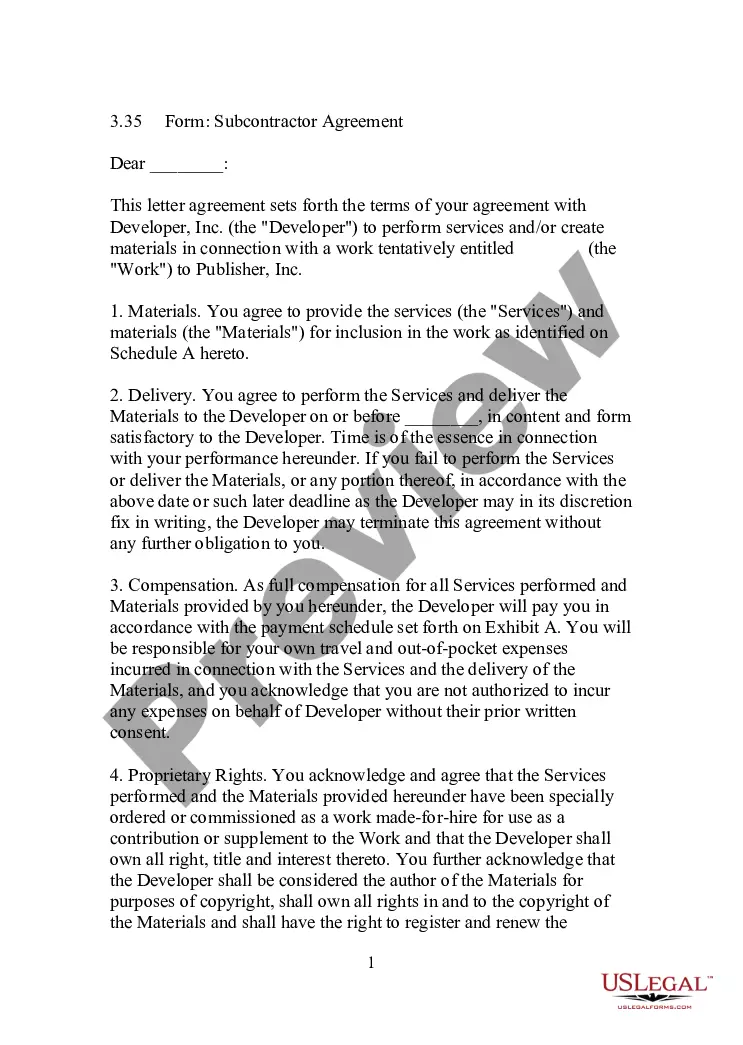
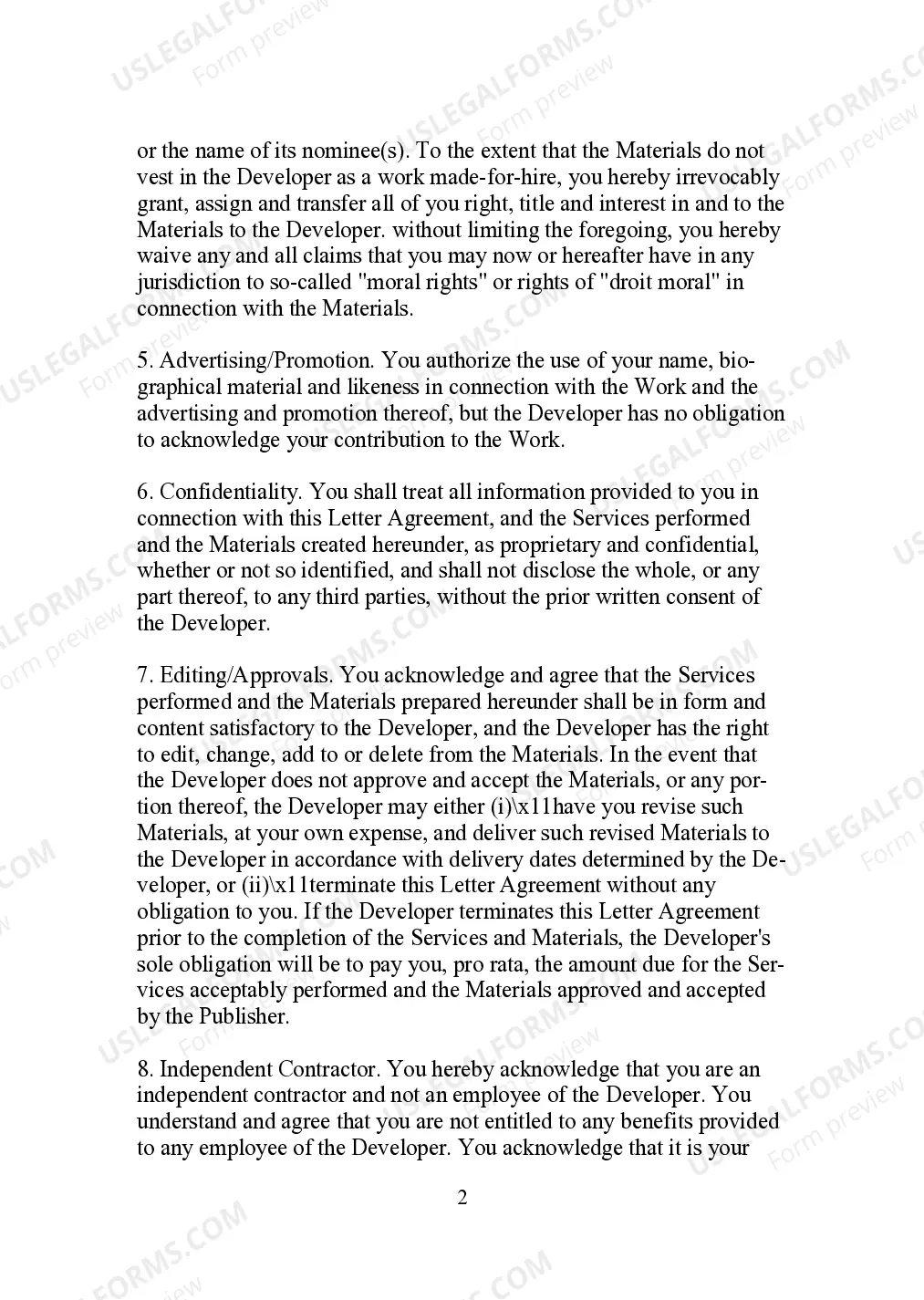
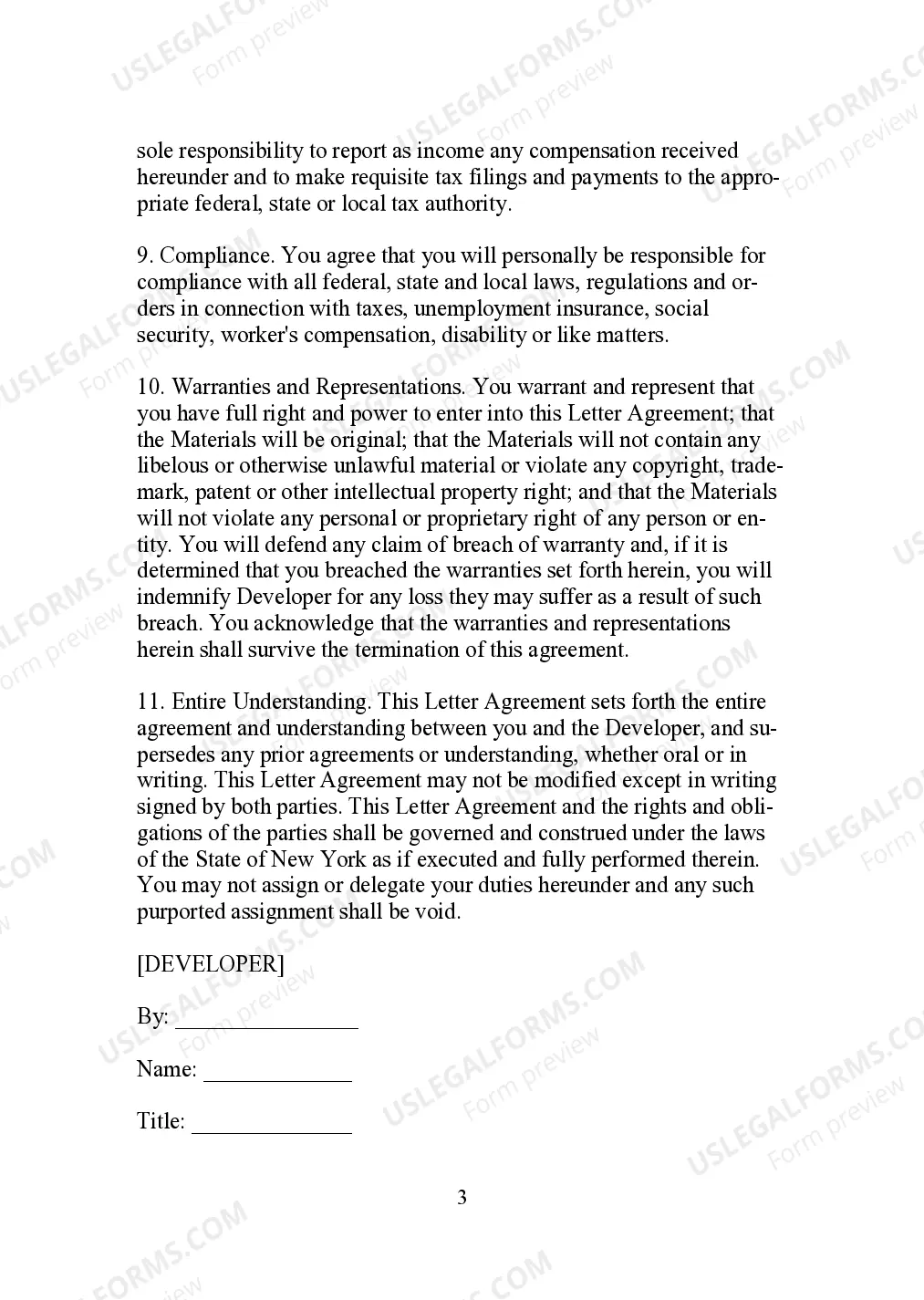
While verbal agreements can hold some weight, they are tricky to enforce. It’s always better to have things in writing—think of it as having a recipe versus just cooking from memory.
If a subcontractor doesn't meet the terms, this can lead to legal consequences or the project being delayed. It's like missing the train; you might have to wait for the next one.
The duration of a subcontractor agreement can vary, usually lasting as long as the project requires. It's like a road trip—you'll go as long as the journey lasts!
Yes, you can modify a subcontractor agreement, but it's crucial to get both parties to agree in writing. It’s like getting a fresh coat of paint on an old fence, but both sides need to come to the table.
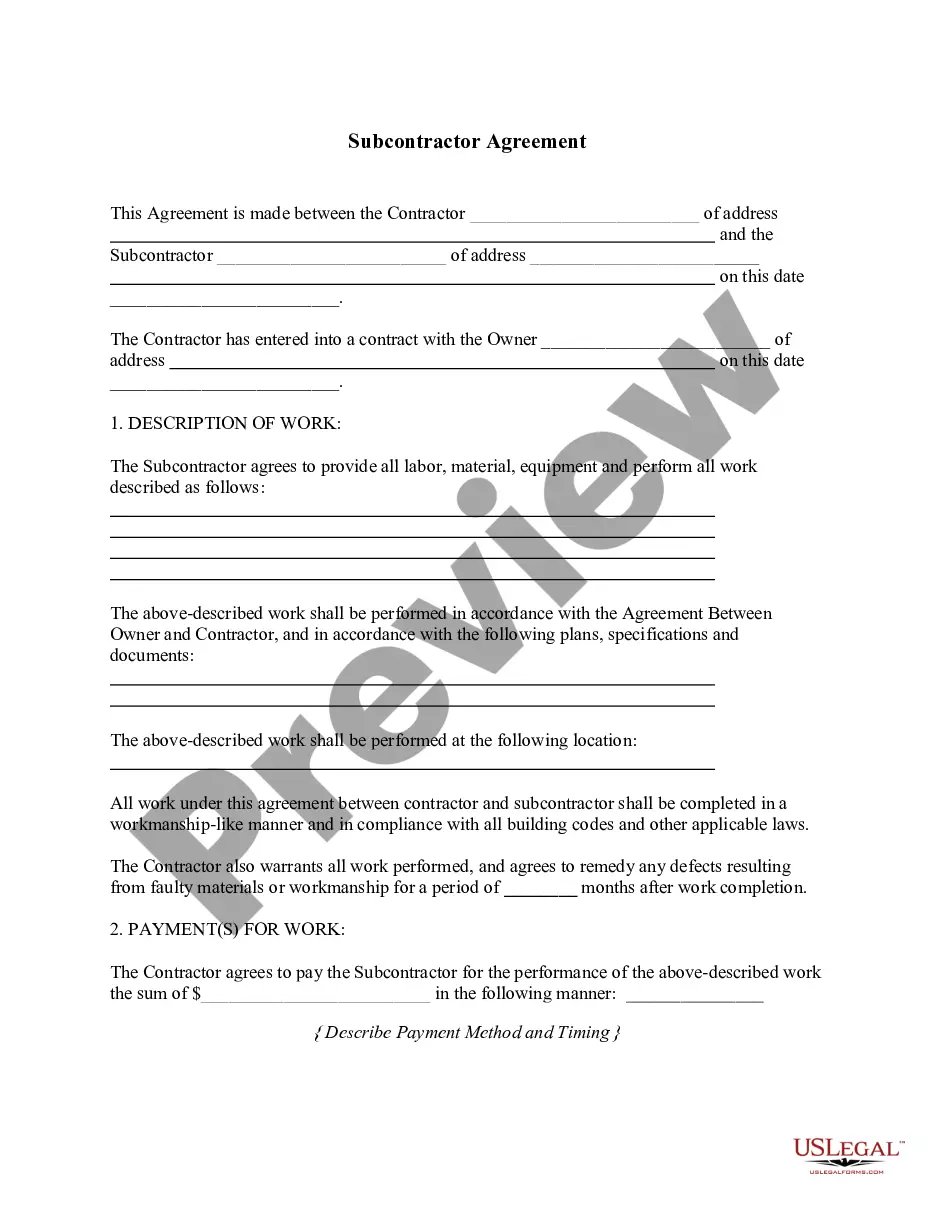
A good subcontractor agreement should include details like the scope of work, timelines, payment terms, and any safety or insurance requirements—like having a safety net before you jump.
Having a subcontractor agreement helps ensure everyone is on the same page and protects both parties in case something goes south. It's like tying a secure knot before setting sail.
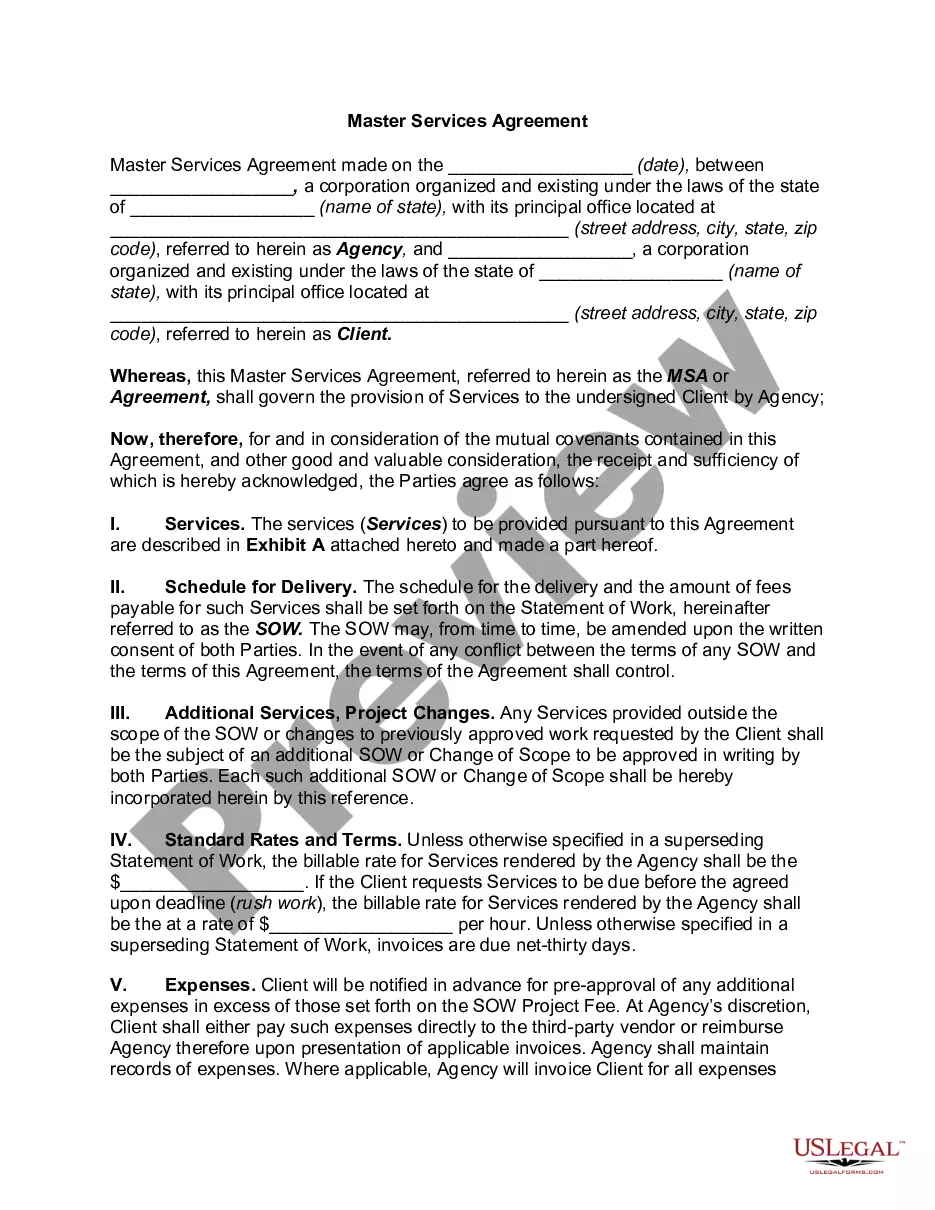
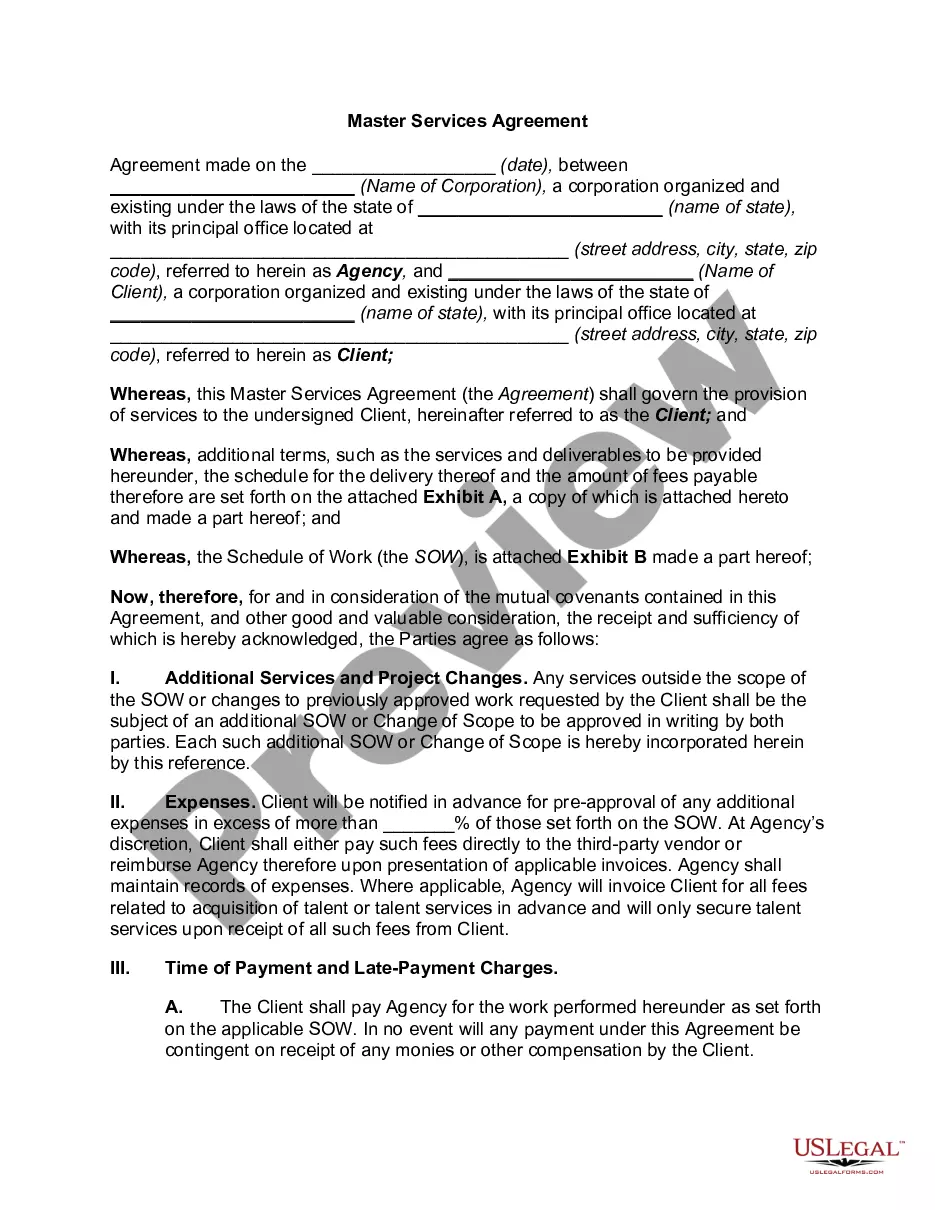
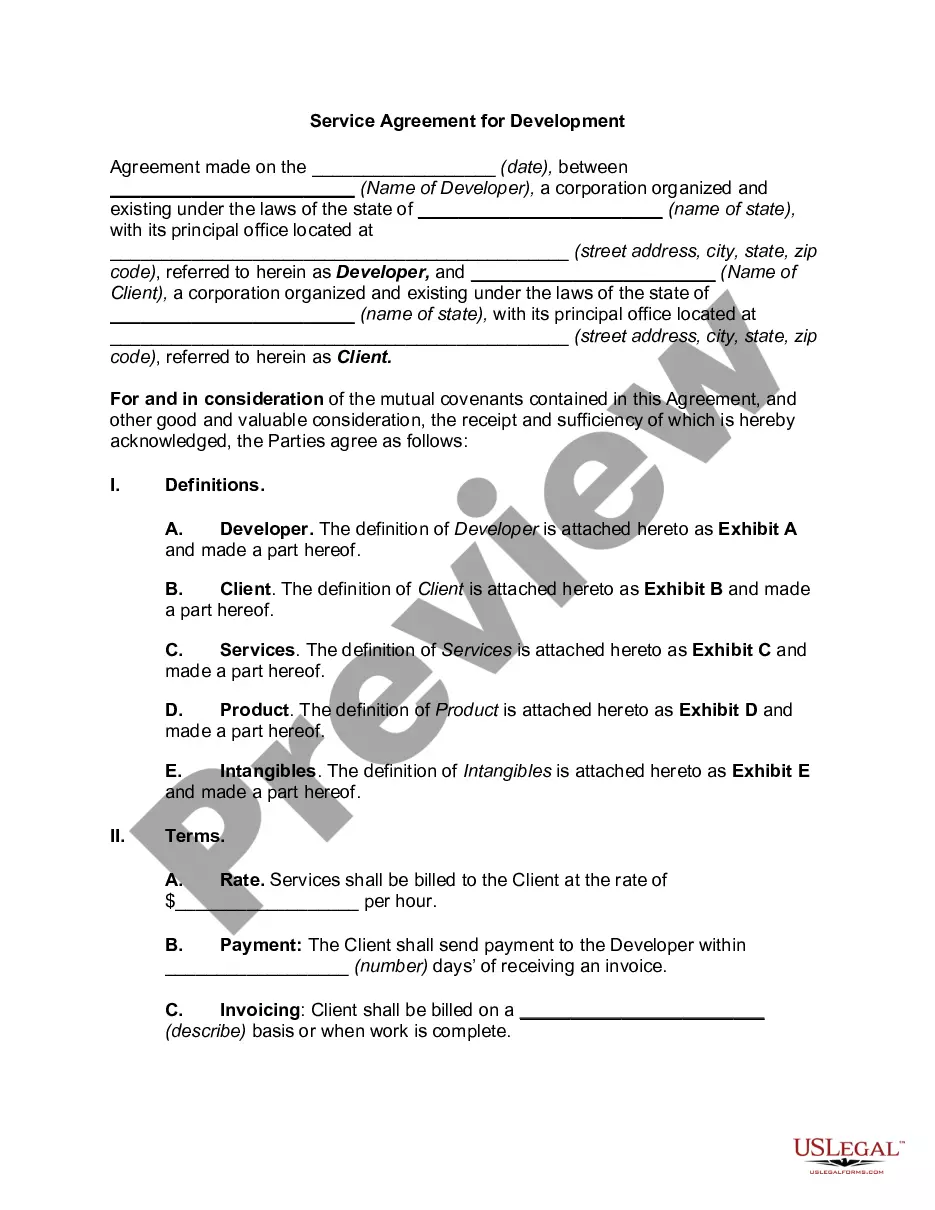
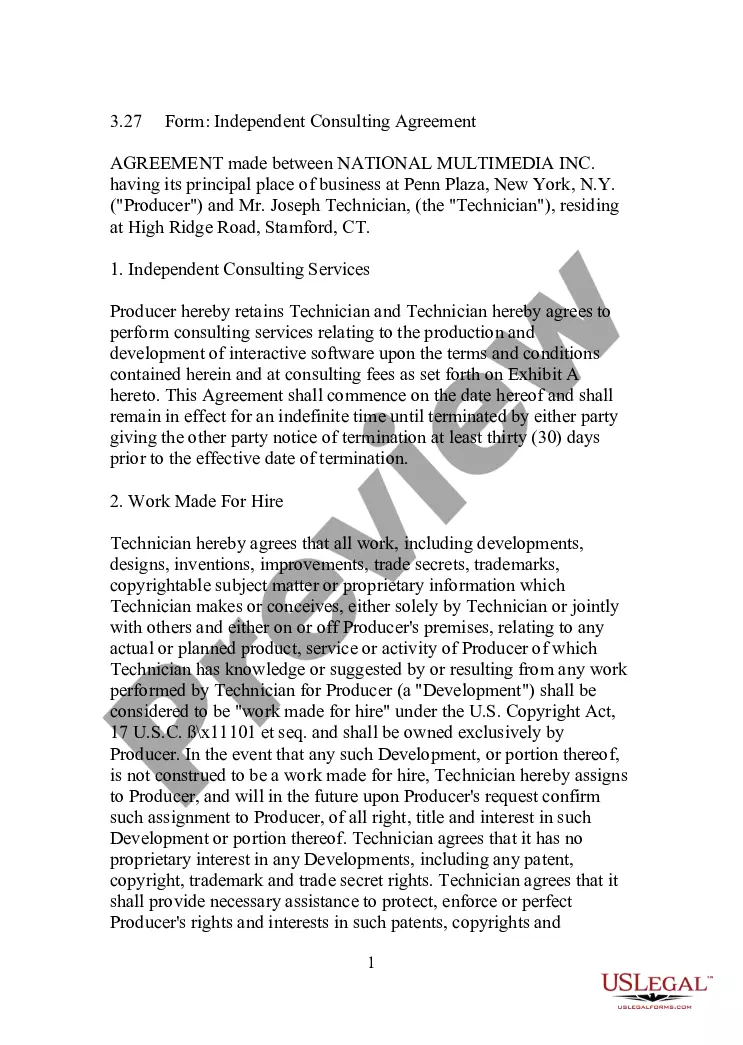
A subcontractor agreement is a written contract between a main contractor and a subcontractor that outlines the work, responsibilities, and terms of cooperation in a specific project.