In some cases, yes! If you’re dealing directly with the software provider, it’s worth a shot to ask for changes. Just remember, sometimes they might not budge.
Usually, the license will specify its terms clearly. Look for keywords like 'prohibited', 'limited', or 'not allowed'. It’s all about following the rules of the road.
That depends on the agreement. Many restrictive licenses don't allow transfers, while some might. Always read the fine print, just like you'd check a map before a road trip.
If you break the agreement, you could face legal consequences. It's like driving without a seatbelt; you might get a ticket for it.
Companies use restrictive licenses to protect their intellectual property and ensure their software is used in ways that they approve of. It's like keeping the keys to the kingdom safe.
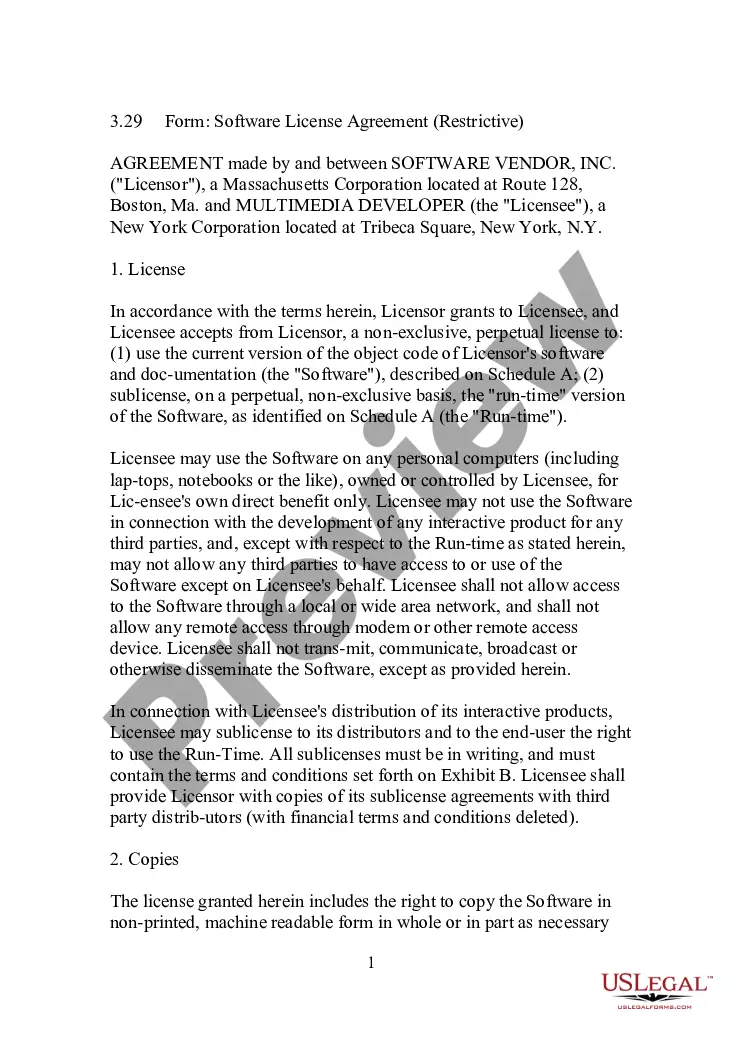
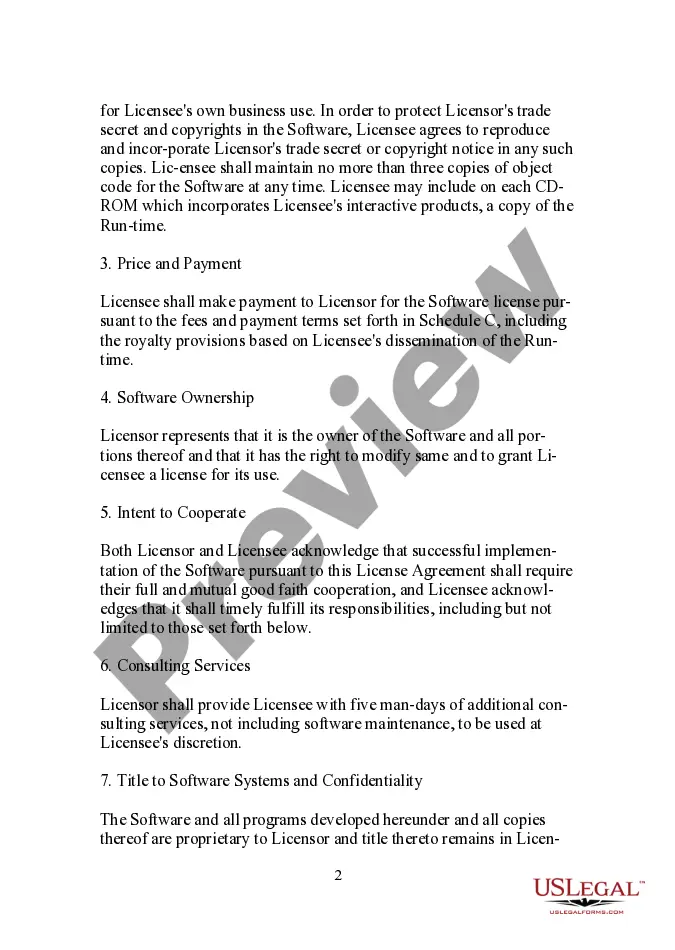
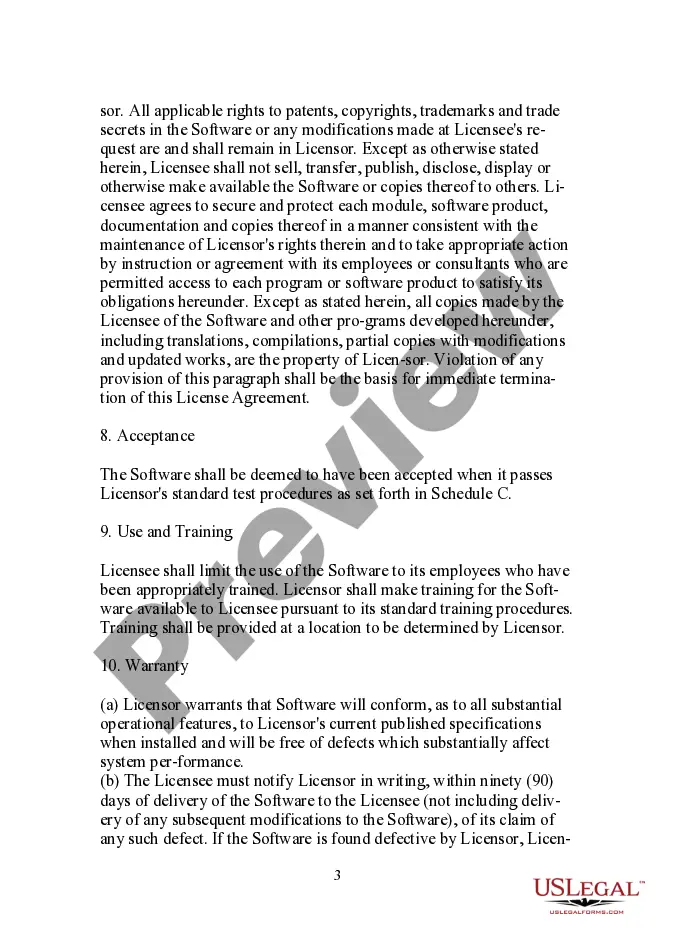
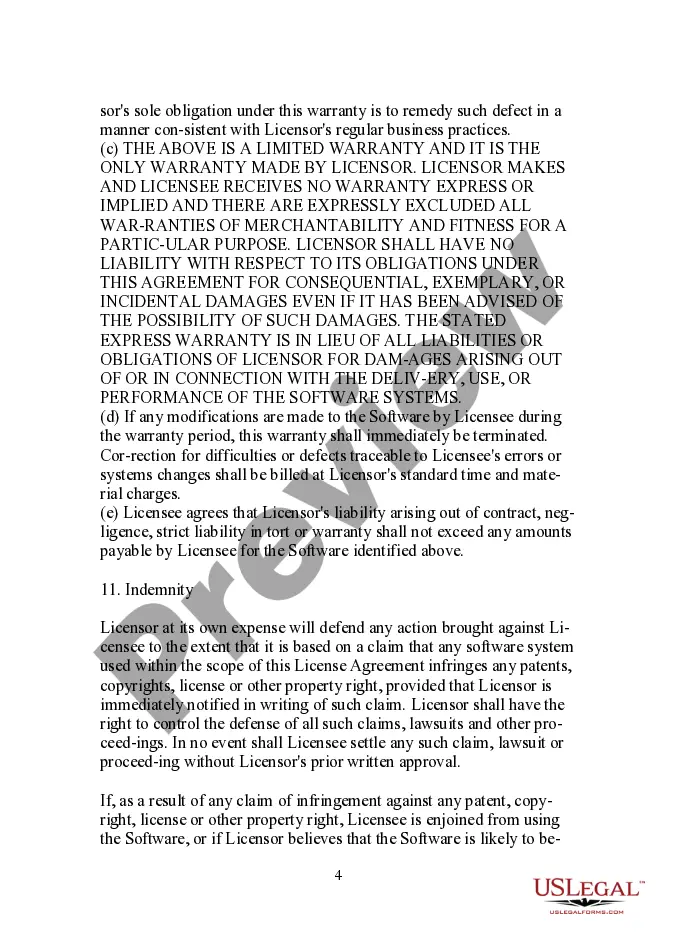
A restrictive license means there are limits on how you can use the software. For instance, you might not be able to share it with others or modify it freely.
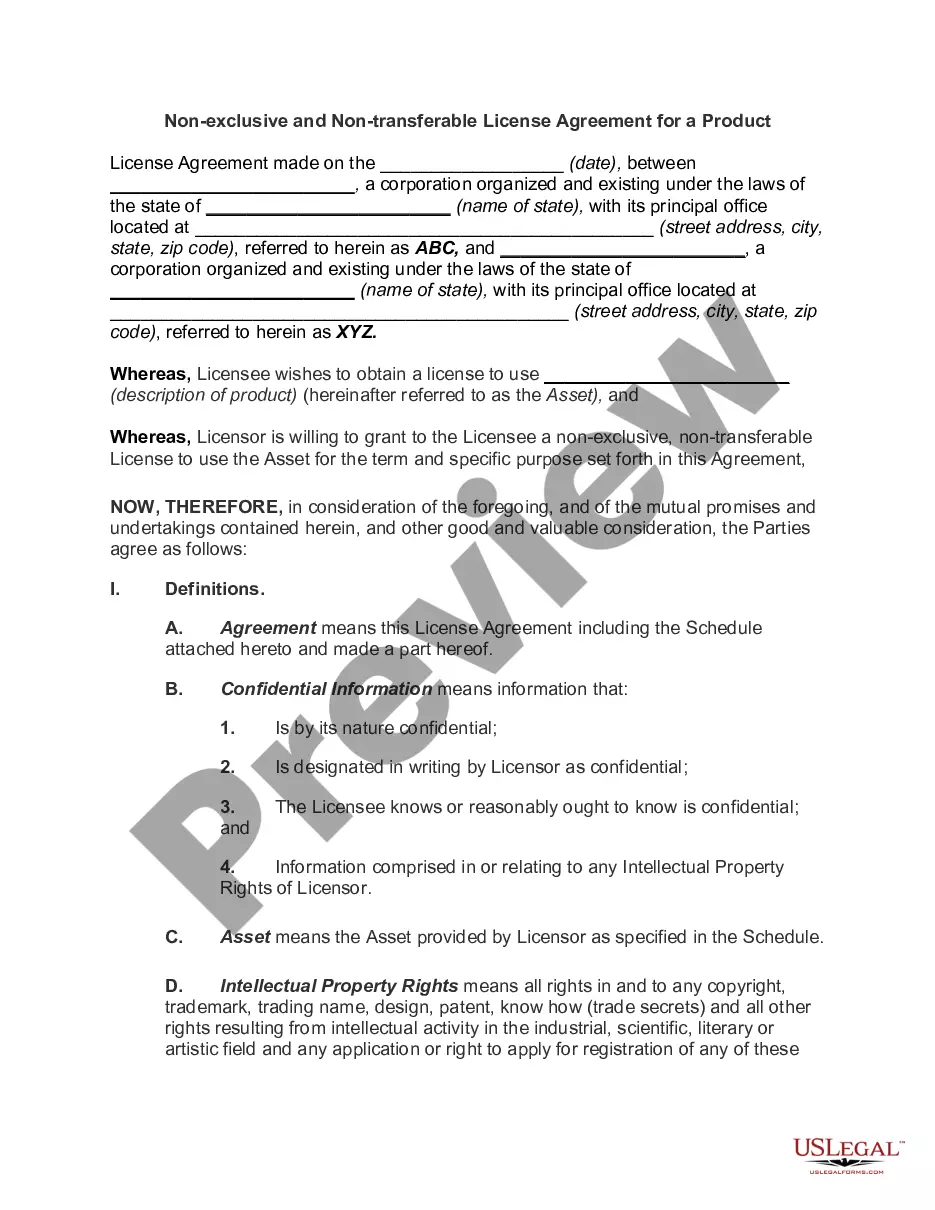
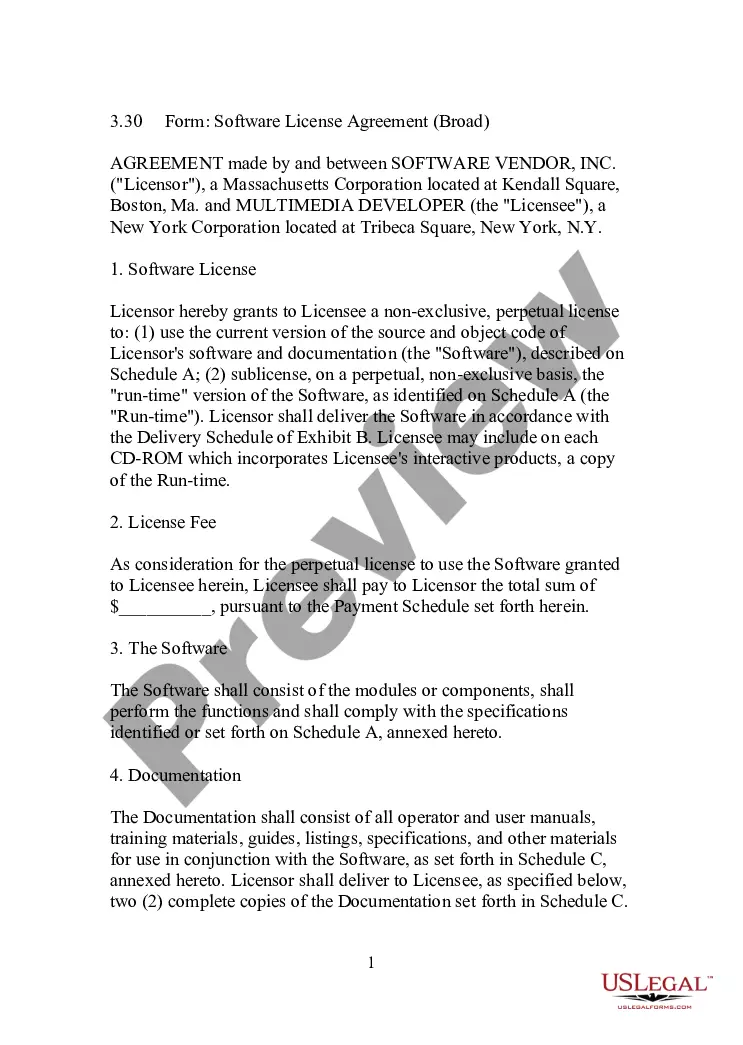
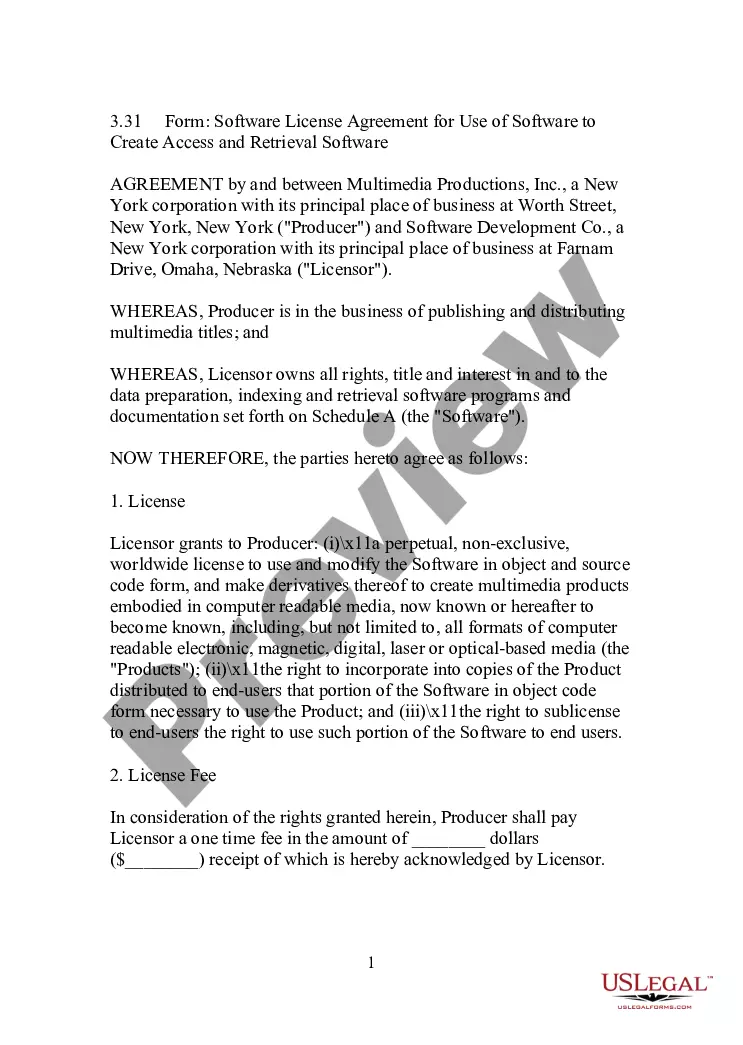
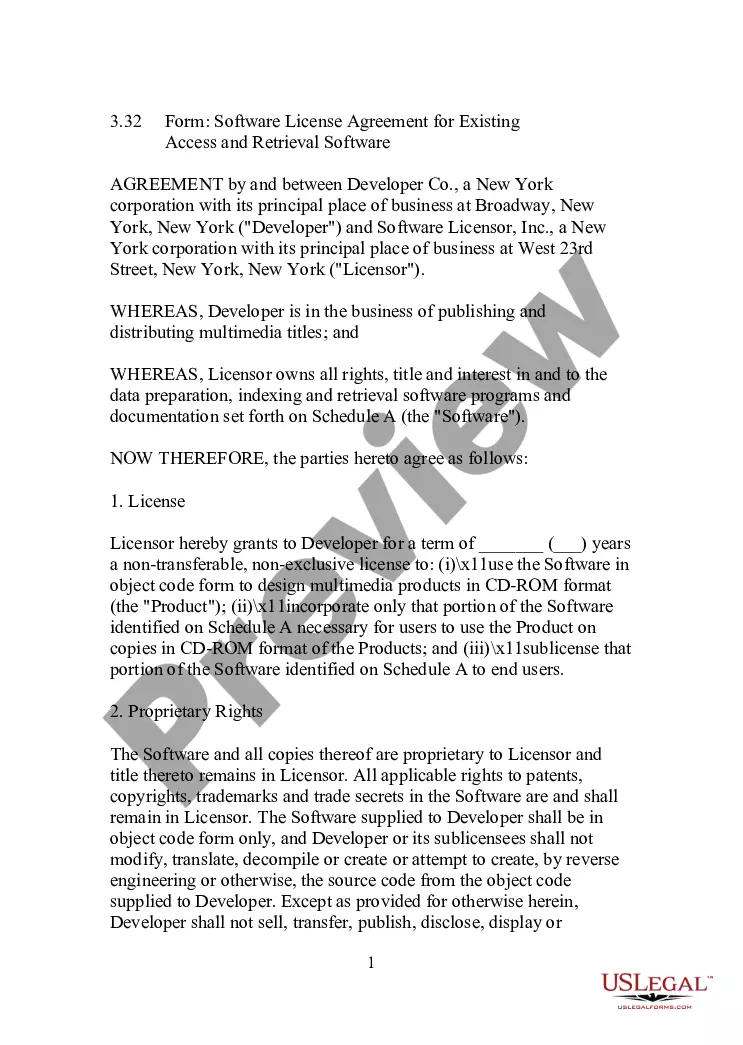
A Software License Agreement is a legal contract that allows someone to use software under specific terms and conditions. In Austin, it outlines the dos and don'ts of using that software.