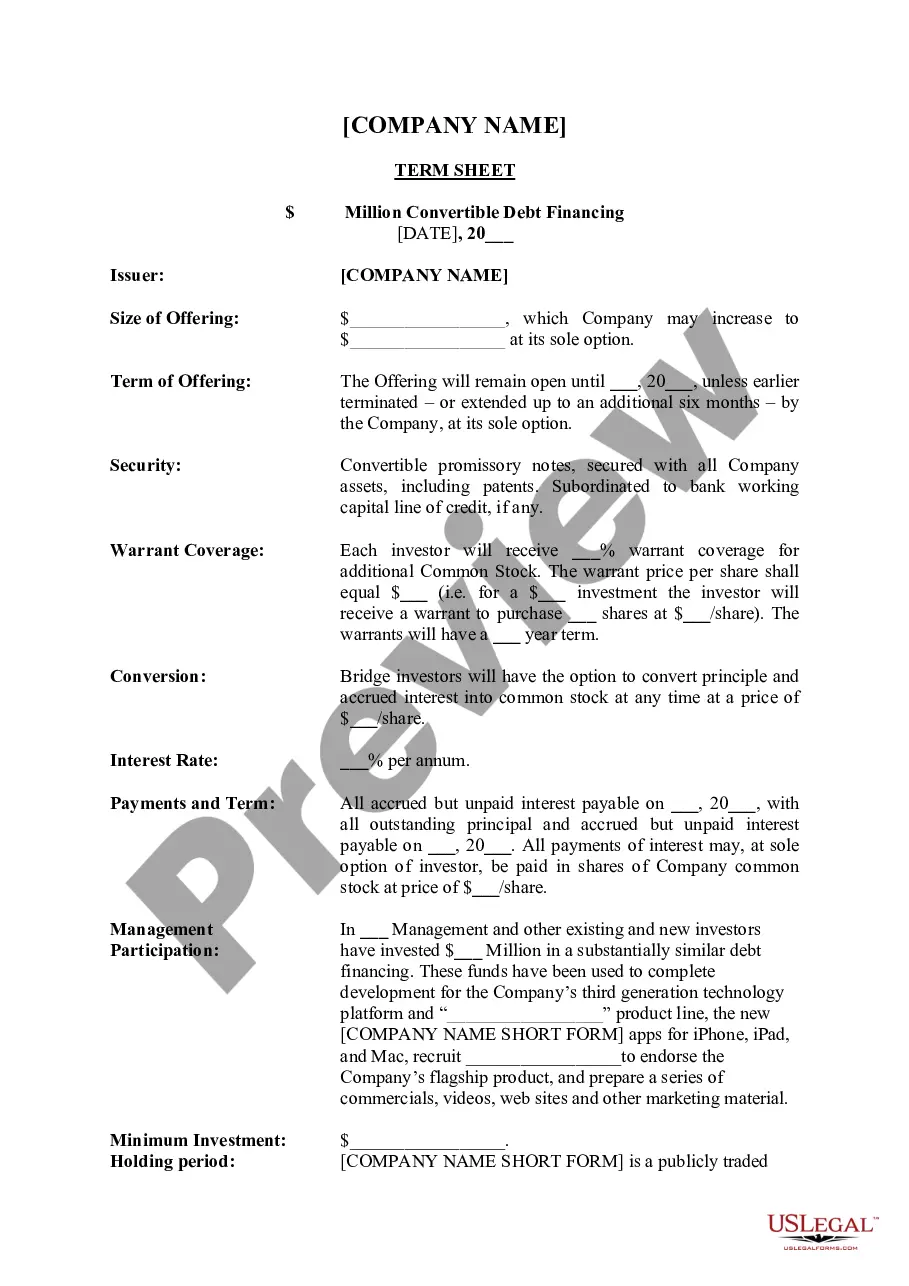
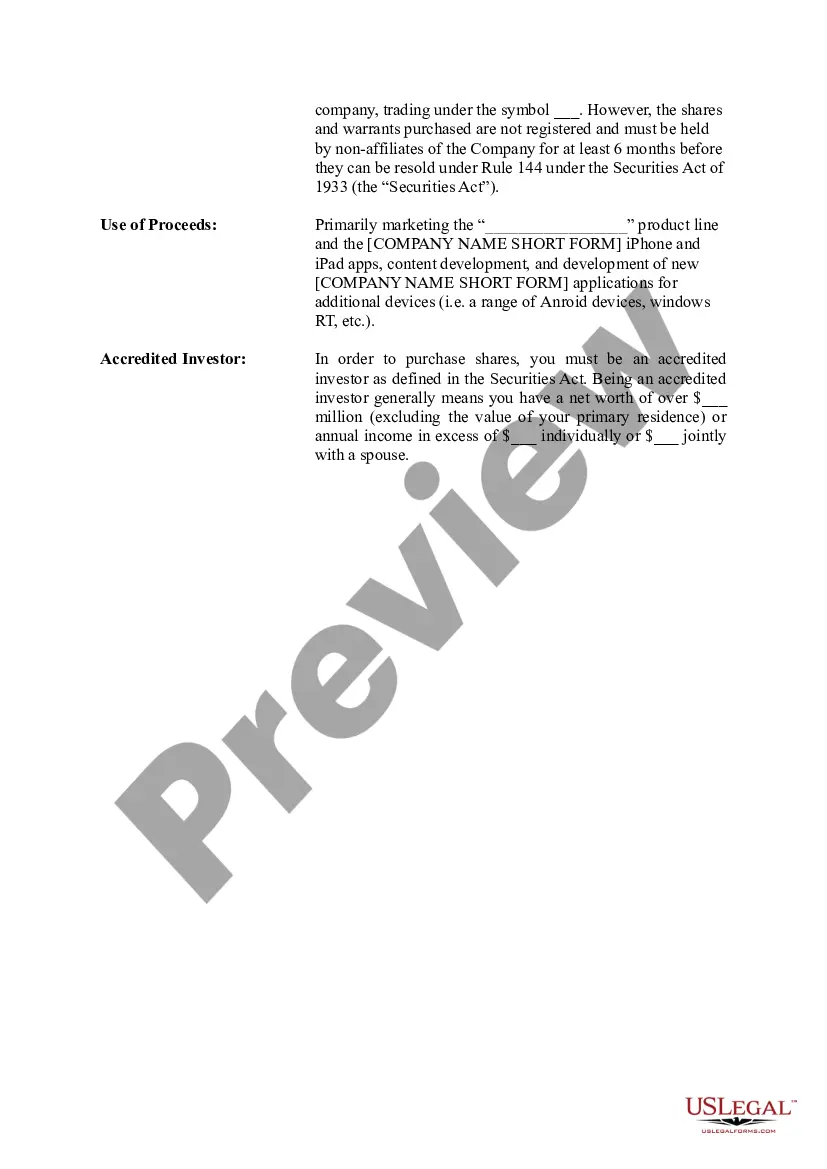
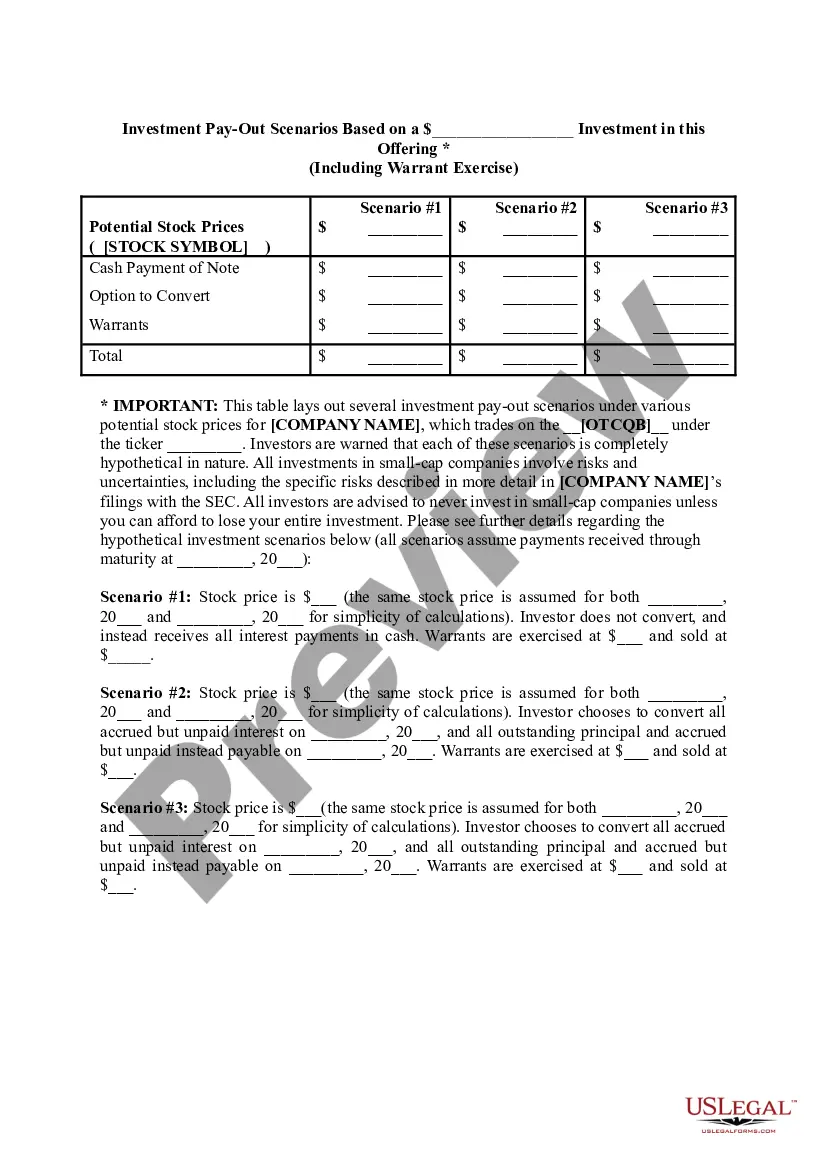
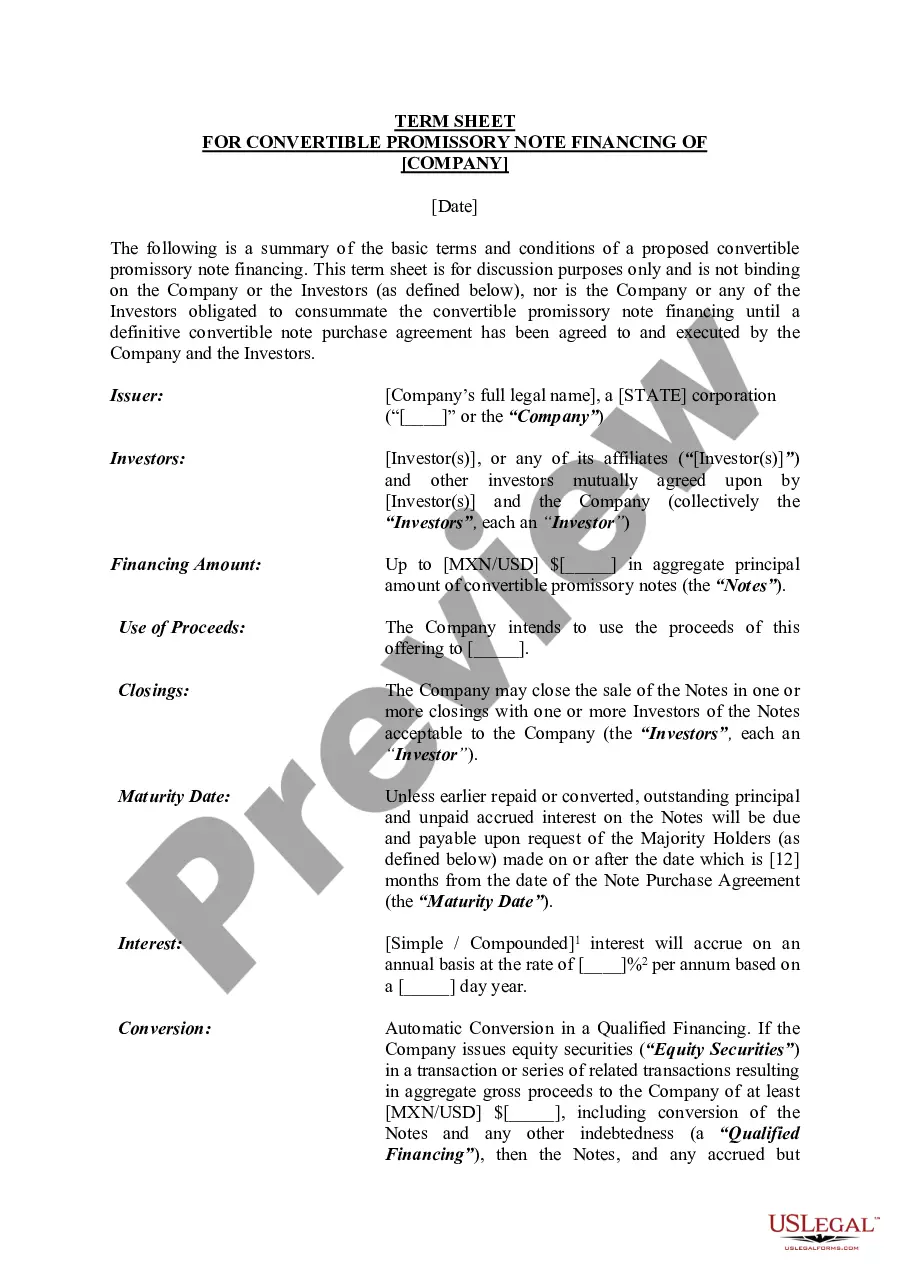
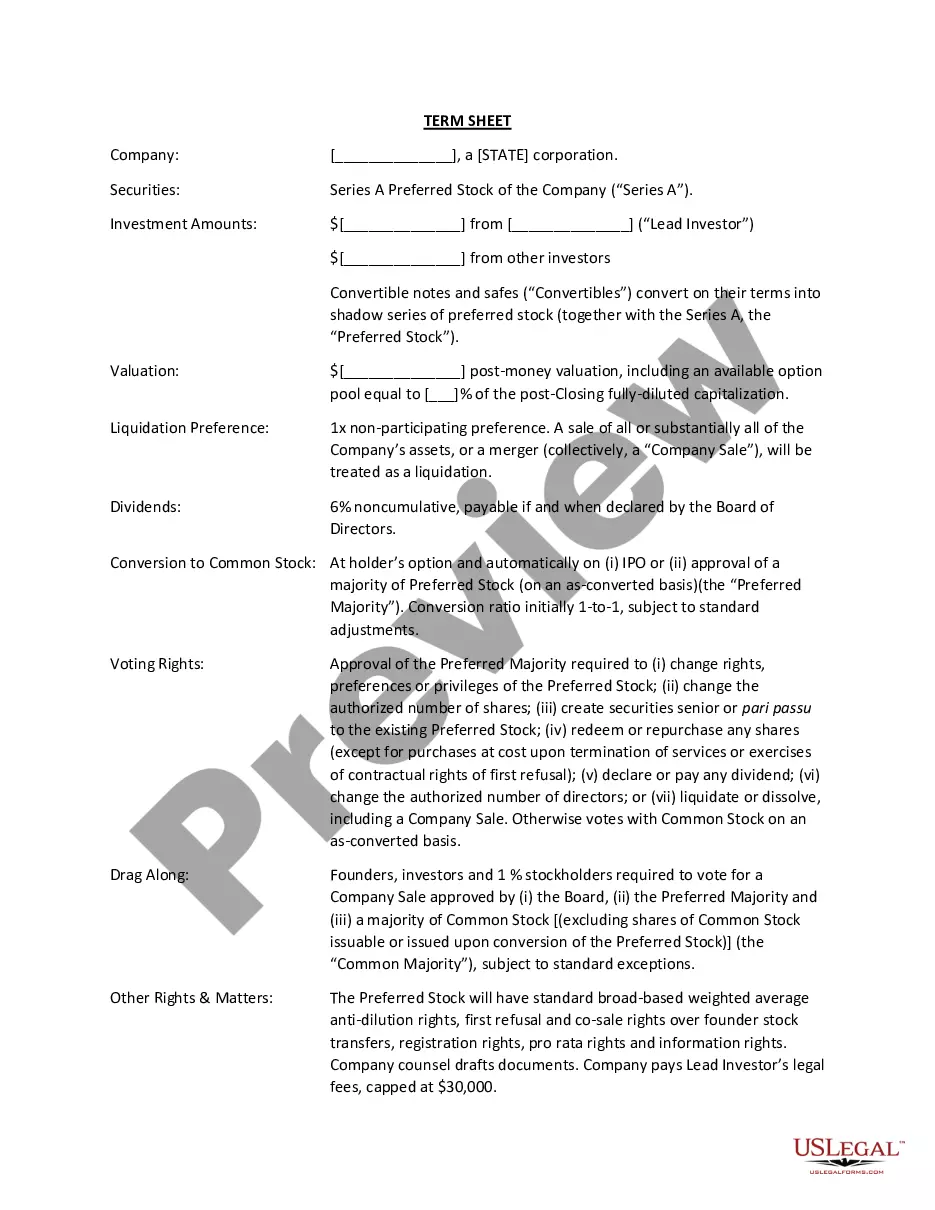
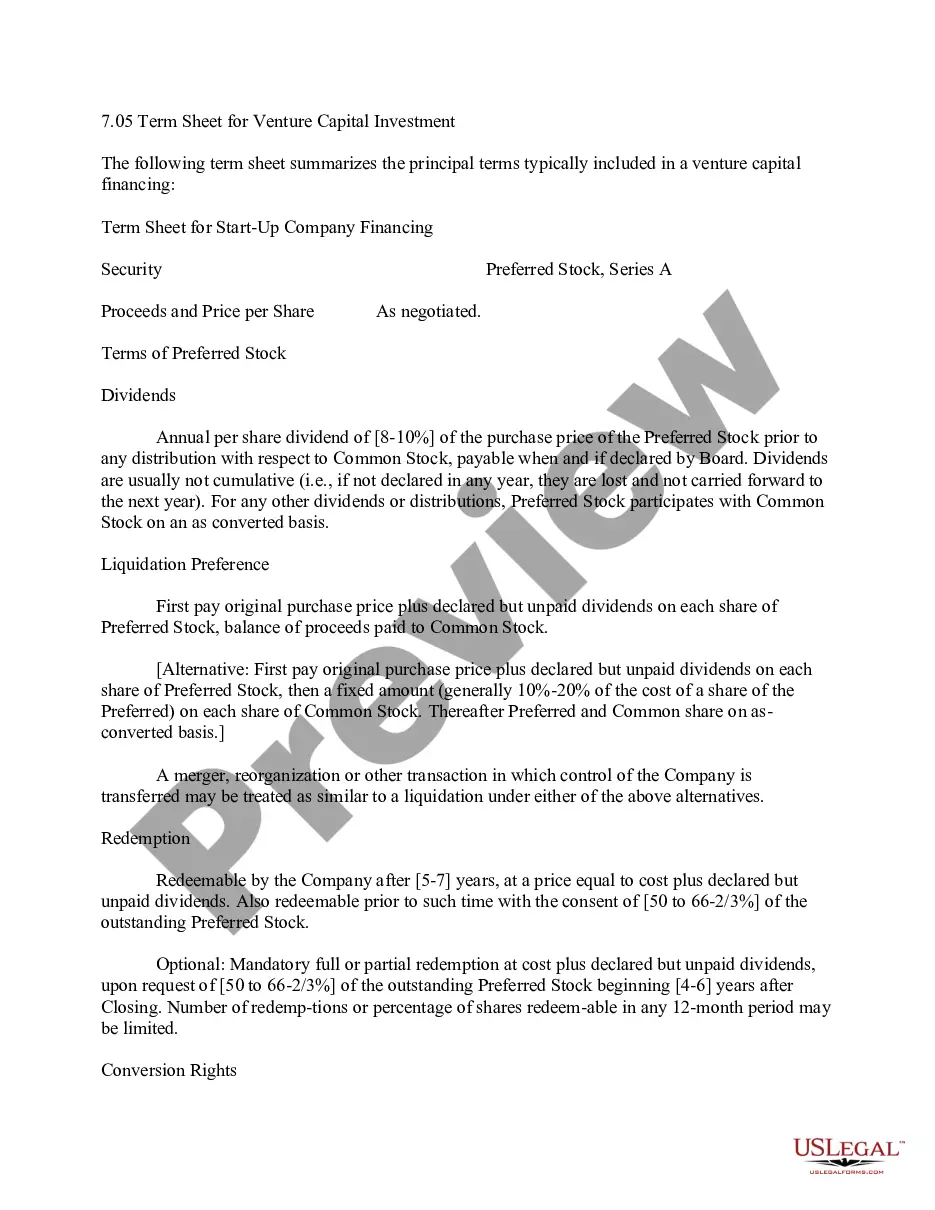
A Term Sheet spells out the terms. It is a non-binding agreement that establishes a level of trust. It is a part of the due diligence phase, meaning there is an intention to proceed with the purchase. A general idea of how the transaction will play out might be included. A Term Sheet can open the door for negotiation and hopefully an investment or purchase.
Companies should think long and hard about their growth plans and how convertible debt fits into their strategy. It can be a great tool, but like any tool, it needs to be used wisely!
Yes, it can. When investors convert their debt into equity, it can impact the overall valuation of the company, sometimes diluting existing shareholders. It’s a bit of a balancing act!
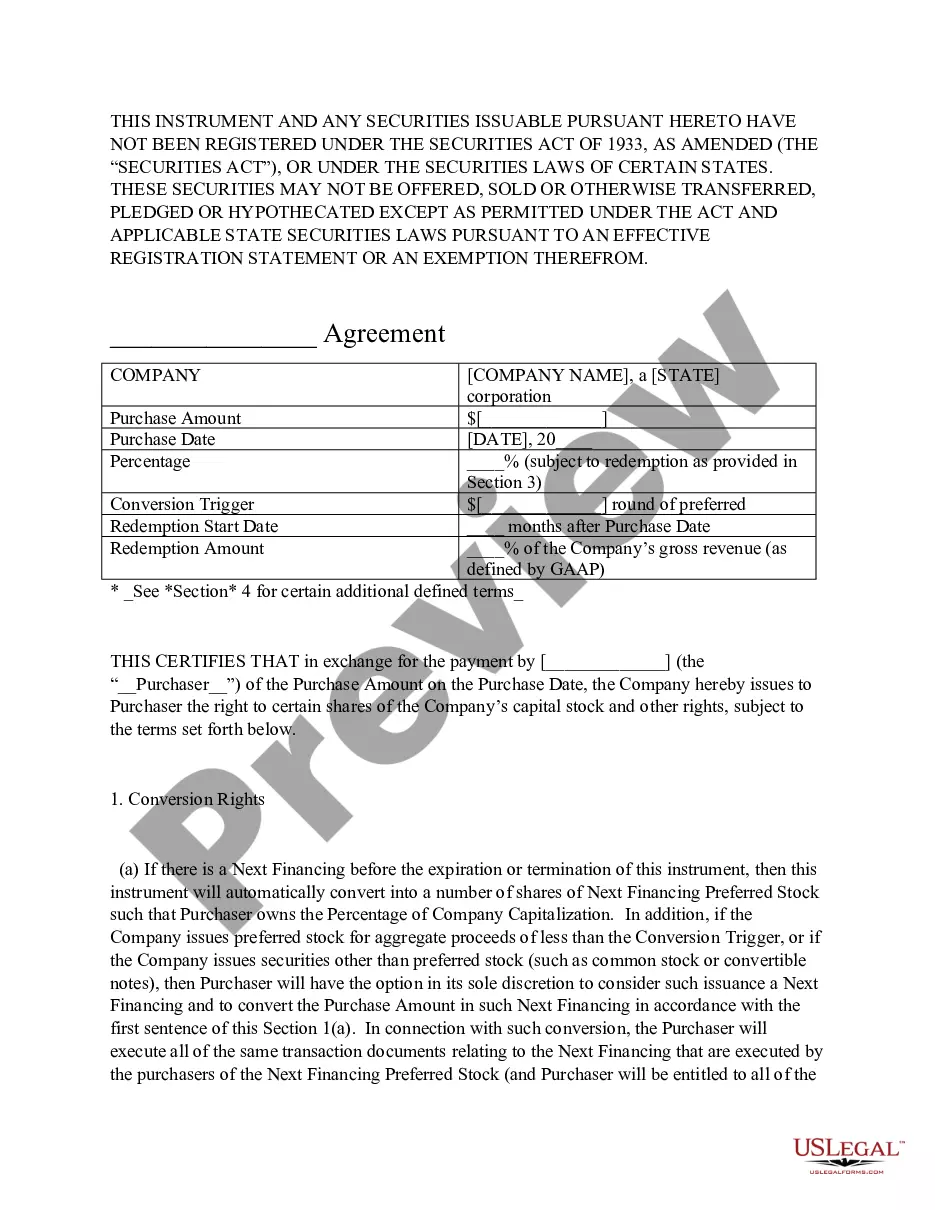
The conversion process is usually straightforward. At a trigger event, like a new funding round, investors can opt to turn their loans into shares based on a pre-set formula. It’s like flipping a switch!
Absolutely! Like any investment, there are risks. If the company doesn’t do well, the debt might not convert, and investors could lose their principal.
A company might opt for convertible debt because it’s a great way to secure funding without giving away too much control early on. Plus, it might keep investors happy if the company does well.