Middlesex Massachusetts Term Loan Agreement
Description
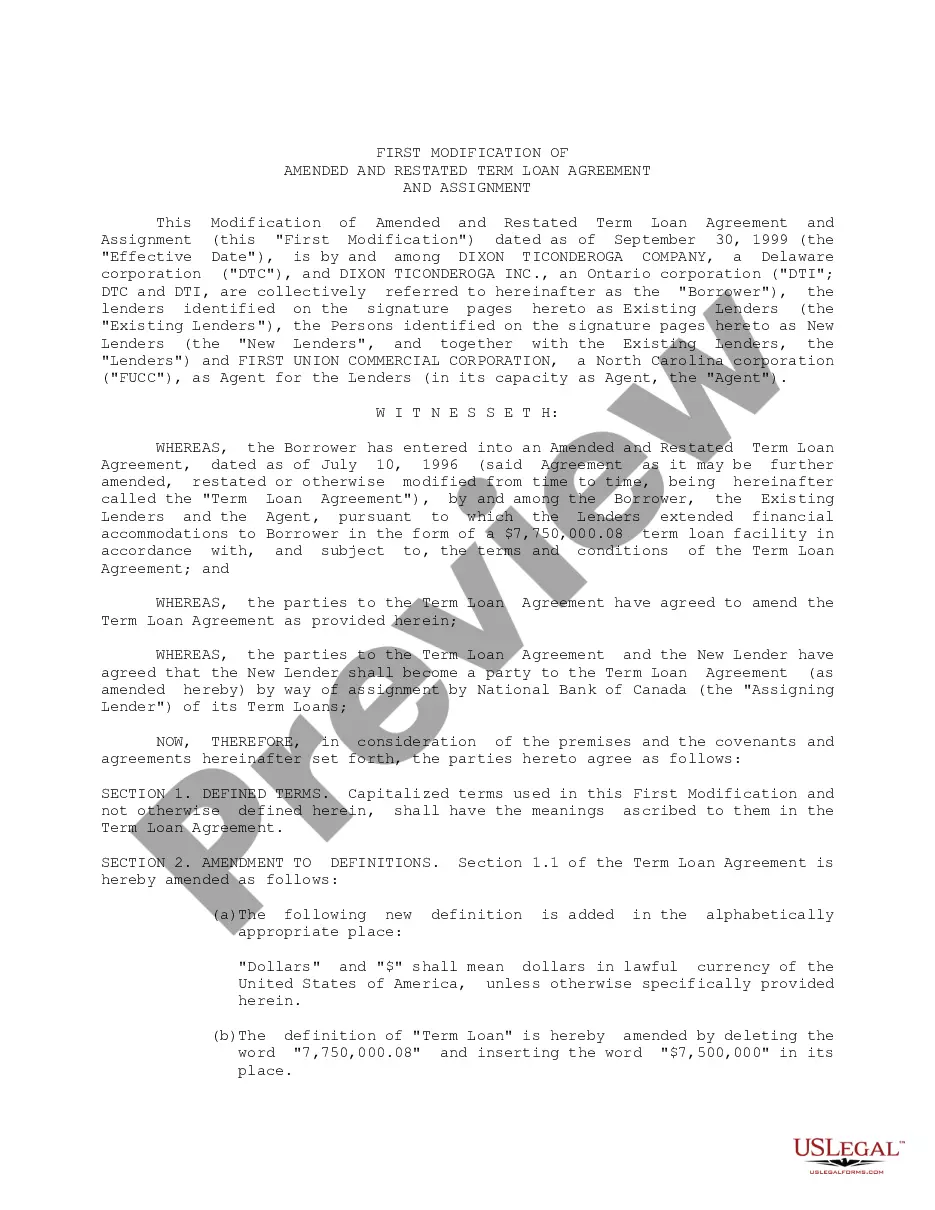
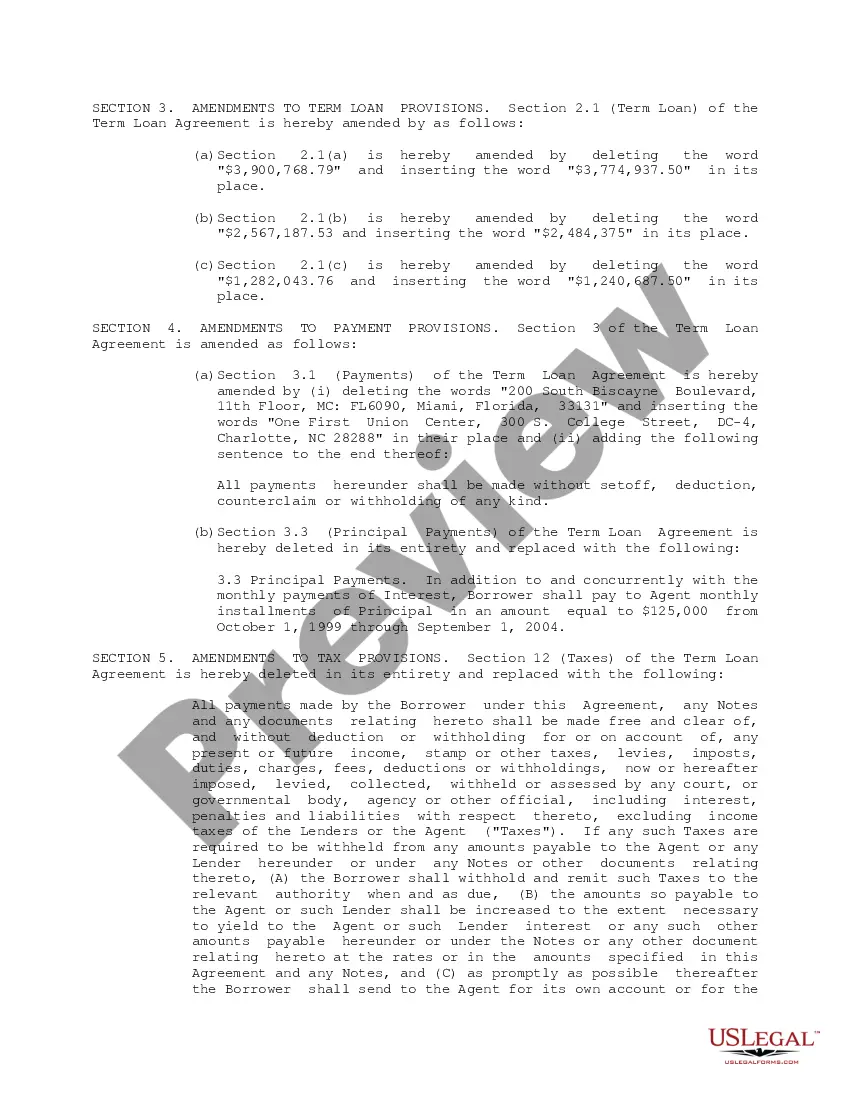
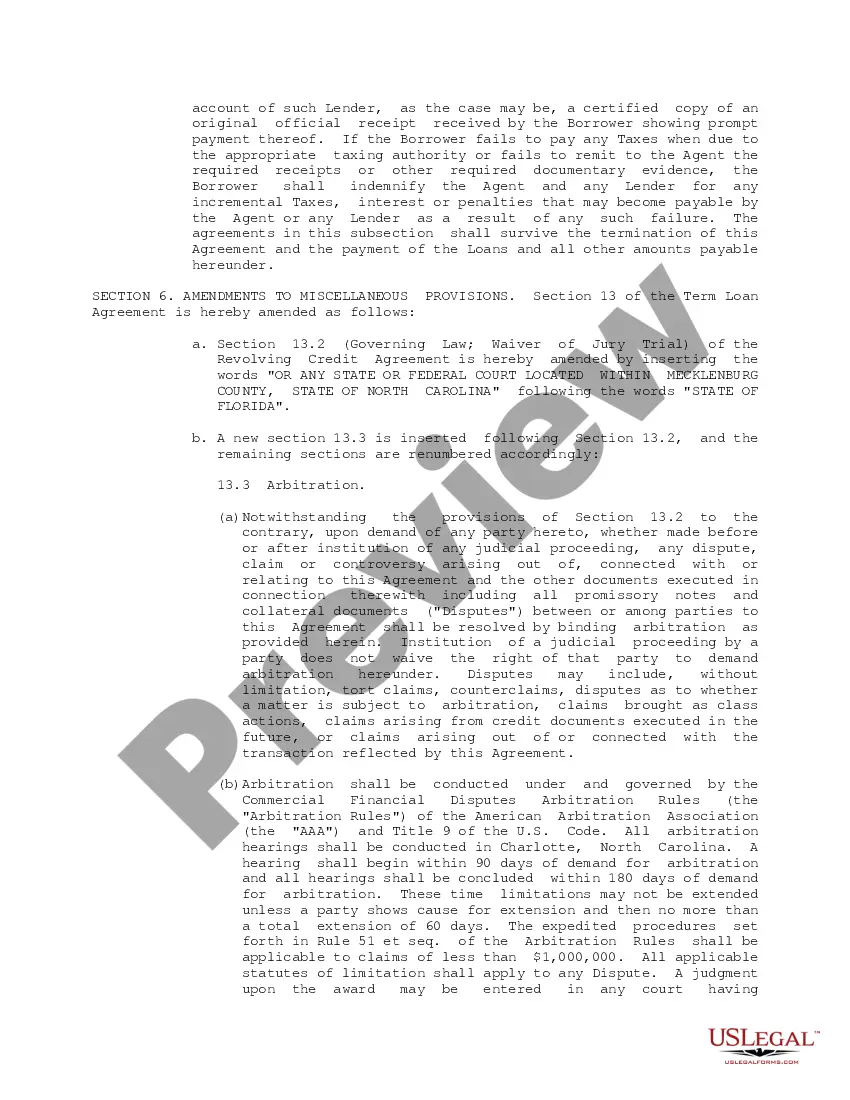
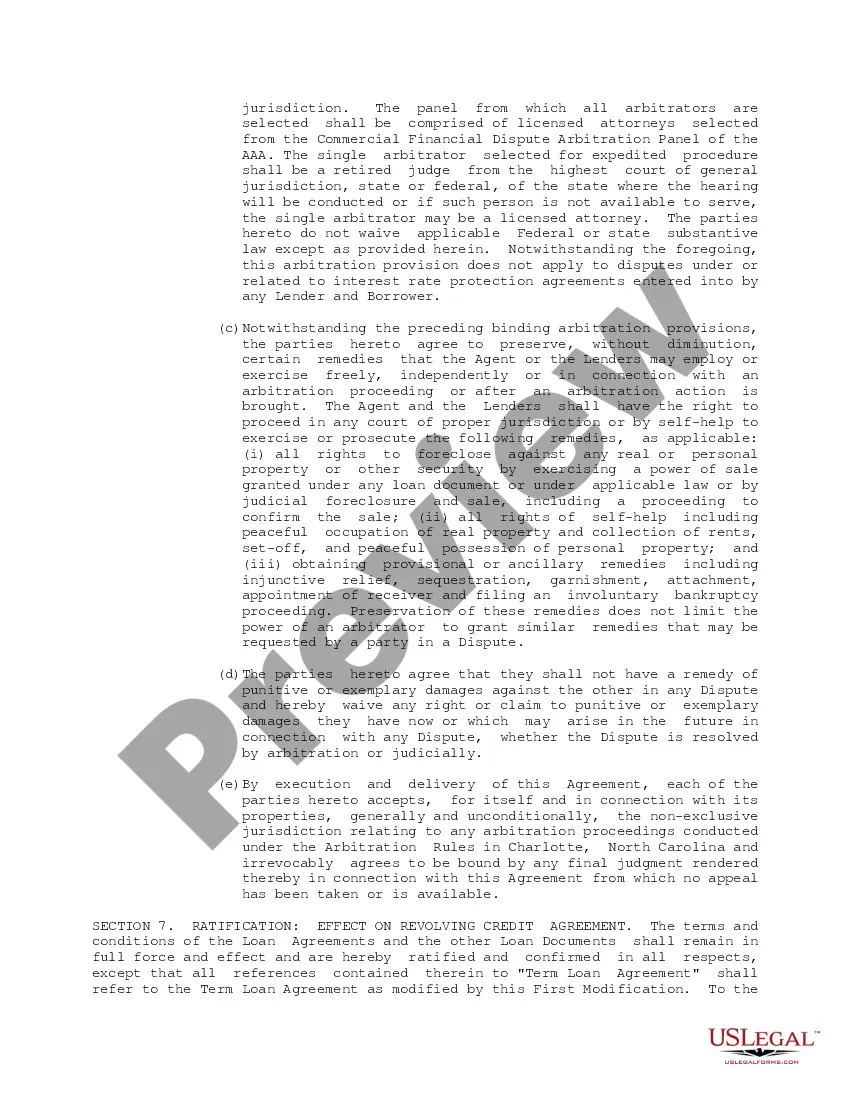
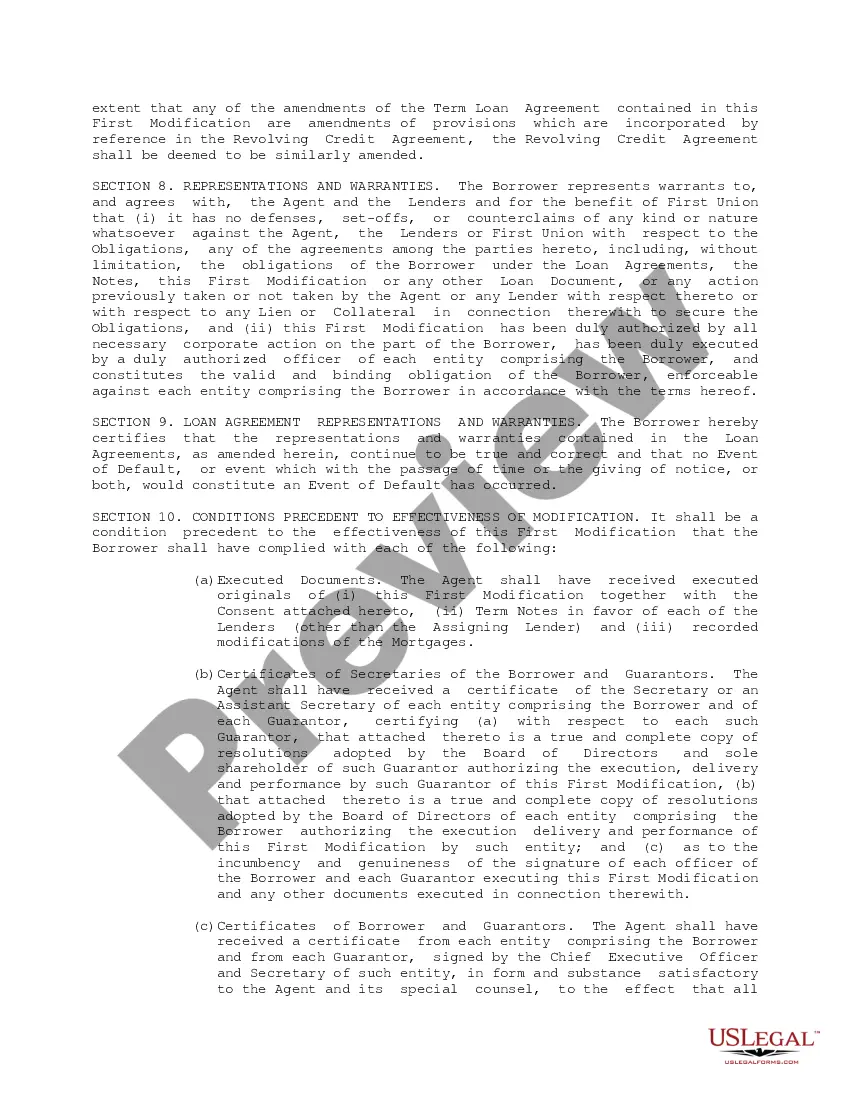
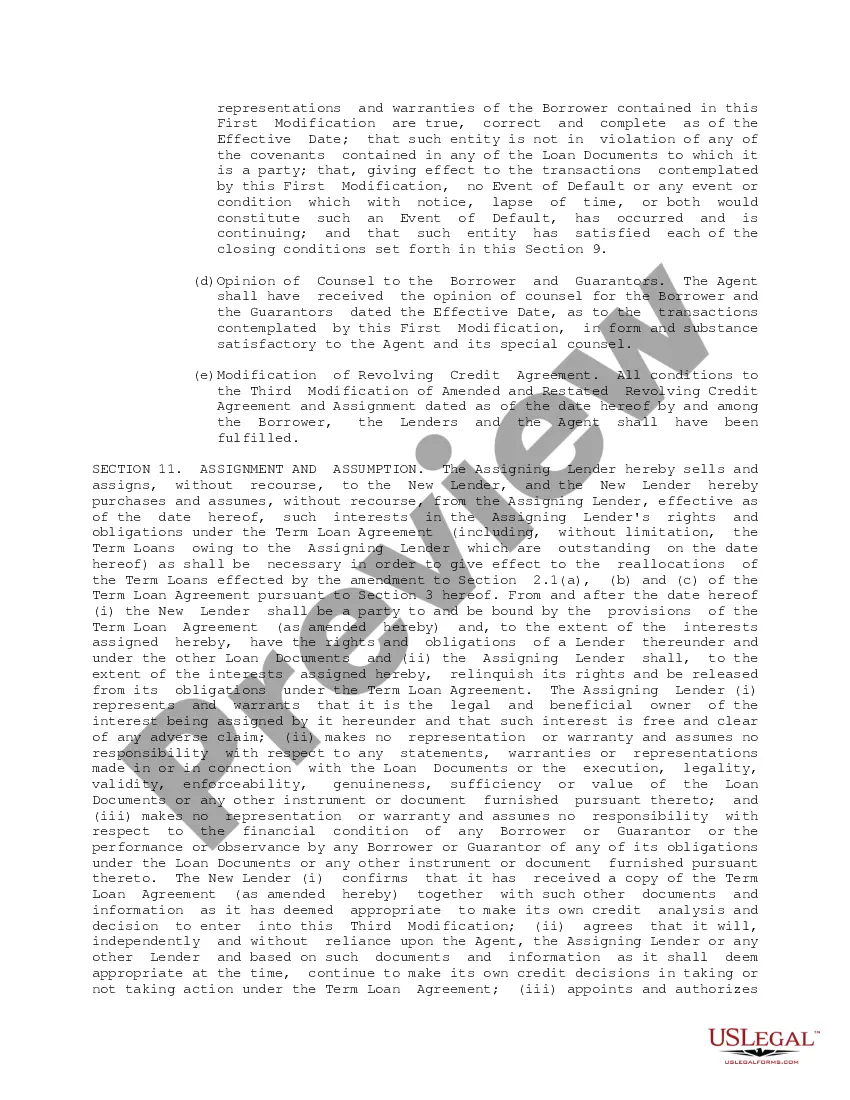
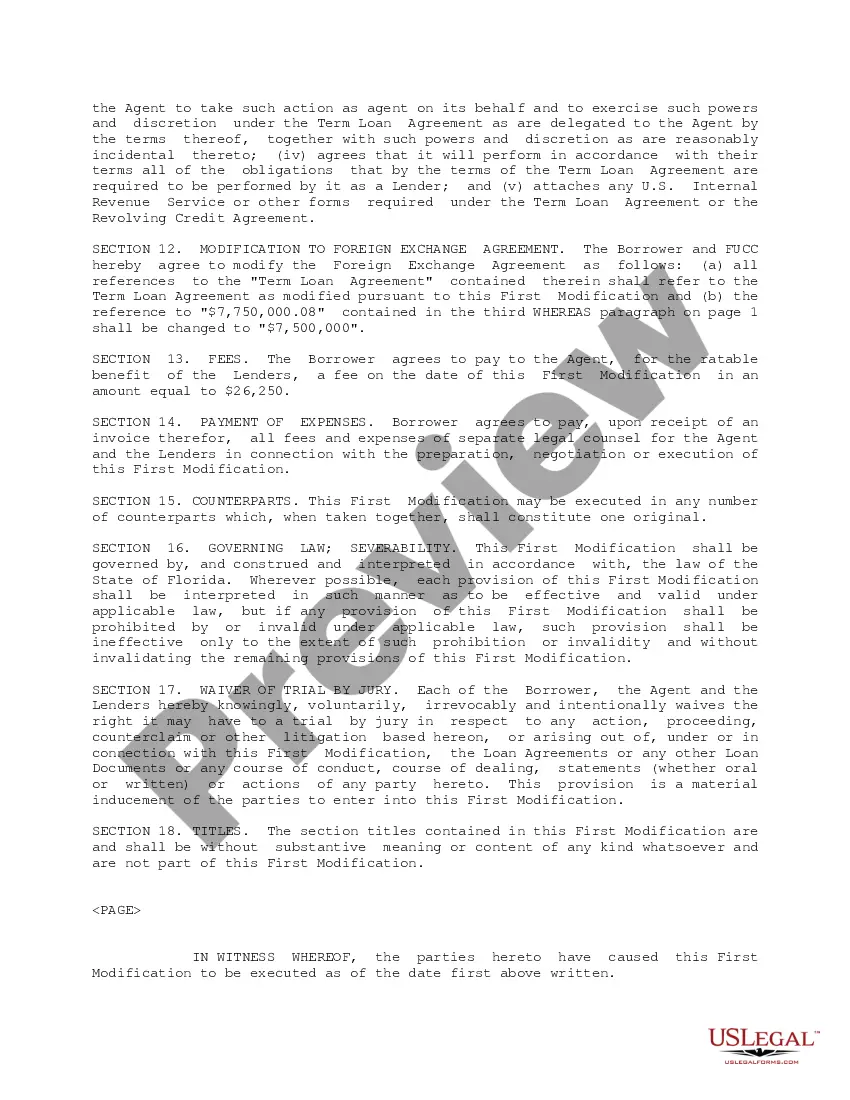

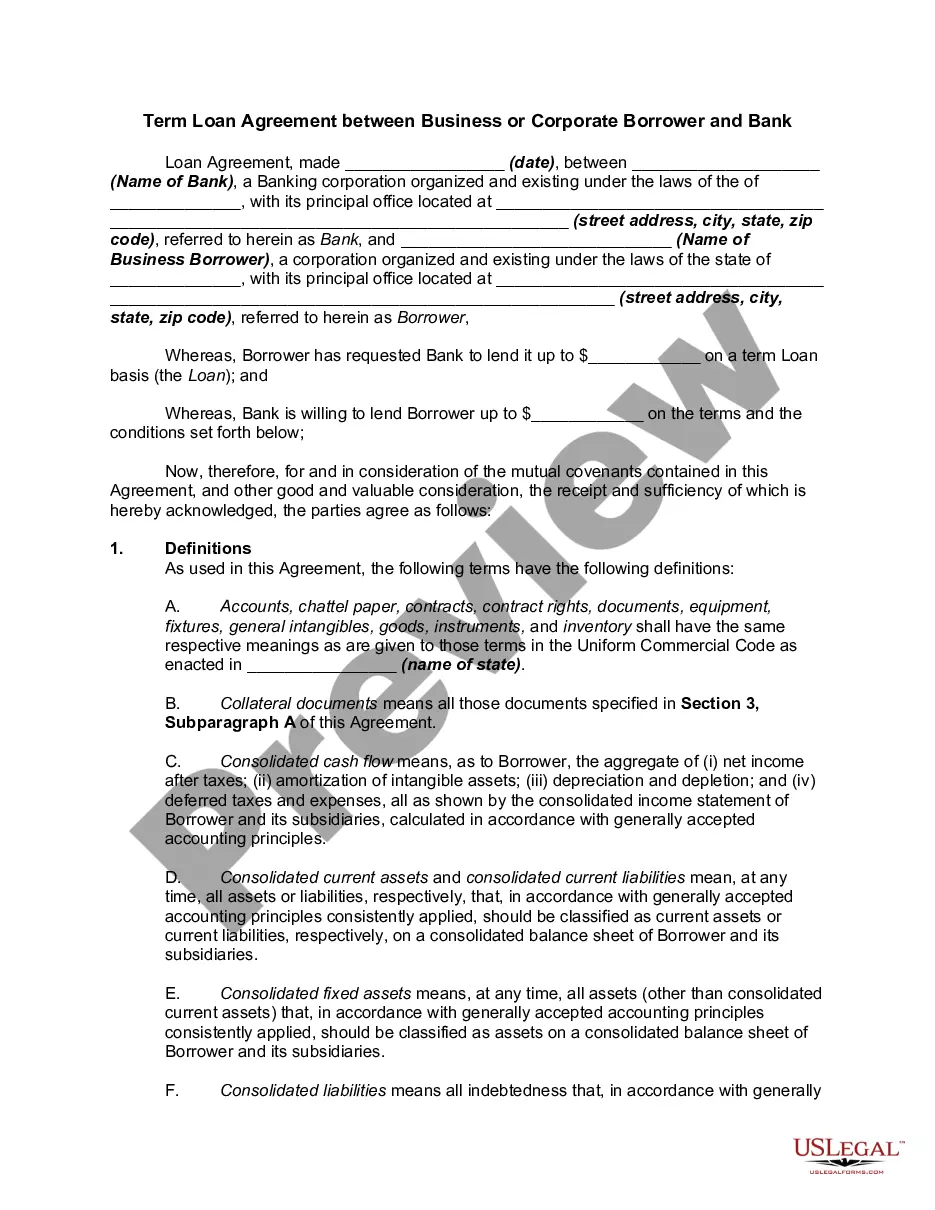
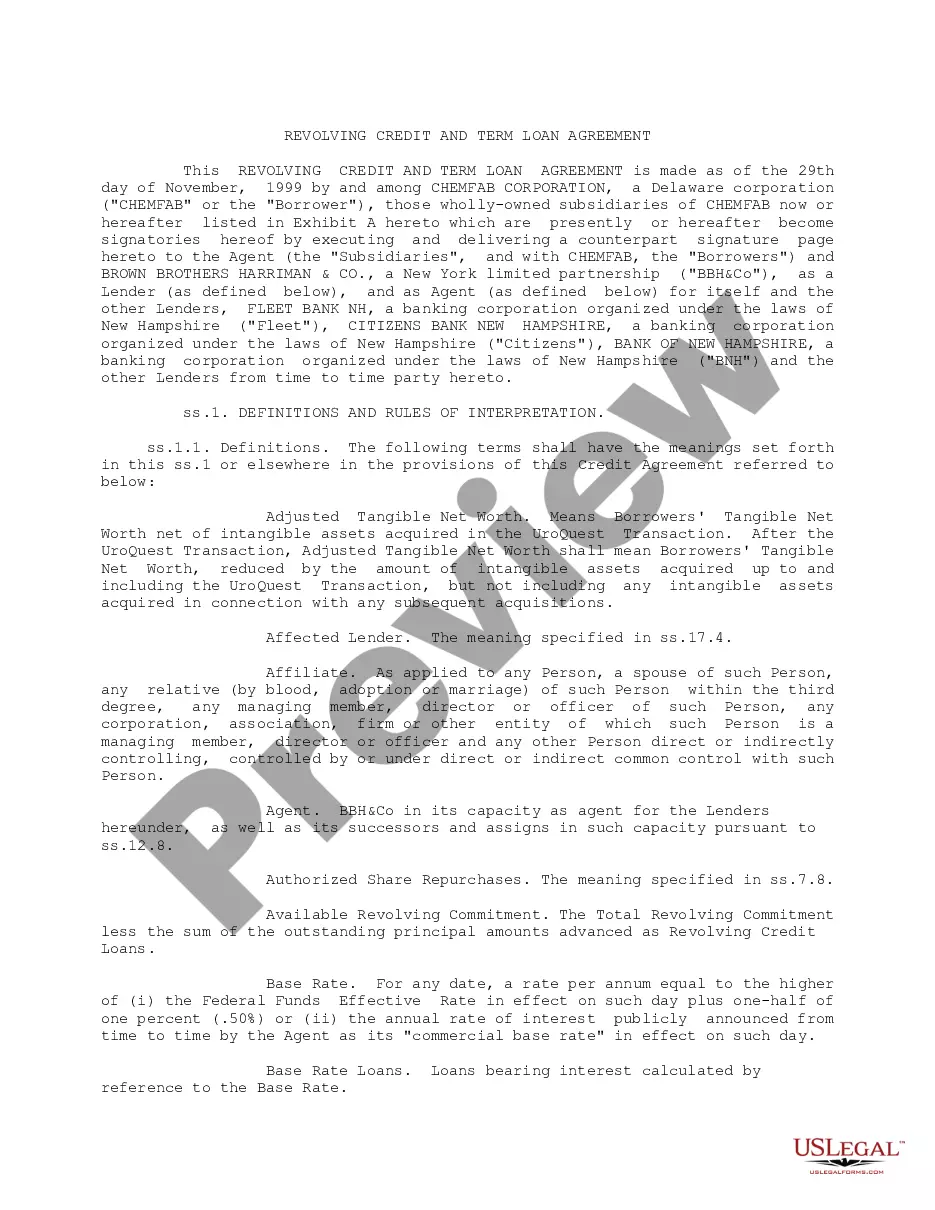


How to fill out Term Loan Agreement?
How long does it usually take you to draft a legal document.
Considering that each state has its own laws and regulations for various life circumstances, finding a Middlesex Term Loan Agreement that complies with all local standards can be tiring, and obtaining it from a qualified attorney is frequently costly.
Many online services provide the most commonly used state-specific templates for download, but utilizing the US Legal Forms library is the most advantageous.
You can print the document or utilize any preferred online editor to complete it digitally. Regardless of how many times you need to use the purchased template, you can find all the files you’ve ever saved in your account by accessing the My documents tab. Give it a try!
- US Legal Forms is the largest online repository of templates, organized by states and areas of use.
- In addition to the Middlesex Term Loan Agreement, you can discover any specific form necessary for your business or personal transactions, adhering to your local requirements.
- Experts verify all samples for their relevance, giving you confidence to prepare your documents accurately.
- The service is quite straightforward.
- If you already possess an account on the site and your subscription is active, you only need to Log In, select the desired form, and download it.
- You can keep the file in your account for future access.
- However, if you are a newcomer to the website, there are a few additional steps to finalize before you can acquire your Middlesex Term Loan Agreement.
- Examine the information on the page you’re on.
- Review the description of the template or Preview it (if accessible).
- Look for another form using the related option in the header.
- Press Buy Now once you are confident in the selected file.
- Choose the subscription plan that fits you best.
- Sign up for an account on the platform or Log In to move on to payment methods.
- Pay through PayPal or with your credit card.
- Alter the file format if needed.
- Press Download to save the Middlesex Term Loan Agreement.
Form popularity
FAQ
For a personal loan agreement to be enforceable, it must be documented in writing and signed by both parties. You may choose to keep a copy in your county recorder's office if you wish, though it's not legally necessary. It's sufficient for both parties to store their own copy, ideally in a safe place.
Loan Term Example Let's say you have a 15-year fixed-rate mortgage. The loan term will then be 15 years. During this time, the loan must be paid off or refinanced during the term. Your loan can last for any length of time it just needs to be agreed upon by the lender and you as the borrower.
This article will go through eight key terms in a loan agreement and what you should consider about each of them. Interest.Default Interest.Prepayment.Events of Default.Committed or Uncommitted Loan Agreement.Repayment On Demand or Fixed Term.Secured or Unsecured.Bilateral or Syndicated.
Key Takeaways A loan may be secured by collateral such as a mortgage or it may be unsecured such as a credit card. Revolving loans or lines can be spent, repaid, and spent again, while term loans are fixed-rate, fixed-payment loans.
Key Takeaways. A term loan provides borrowers with a lump sum of cash upfront in exchange for specific borrowing terms. Borrowers agree to pay their lenders a fixed amount over a certain repayment schedule with either a fixed or floating interest rate.
Loan agreements, commonly referred to as 'facility agreements' are a legally binding document between a lender and a borrower.
Loan agreements are beneficial for borrowers and lenders for many reasons. Namely, this legally binding agreement protects both of their interests if one party fails to honor the agreement. Aside from that, a loan agreement helps a lender because it: Legally enforces a borrower's promise to pay back the money owed.
A loan agreement does not require a notary signature. The purpose of a notary seal is to provide evidence that the signature is genuinely the signature of the person signing.
Loan agreements typically include covenants, value of collateral involved, guarantees, interest rate terms and the duration over which it must be repaid. Default terms should be clearly detailed to avoid confusion or potential legal court action.
Updated June 21, 2022. A loan agreement is a written agreement between a lender that lends money to a borrower in exchange for repayment plus interest. The borrower will be required to pay back the loan in accordance with a payment schedule (unless there is a balloon payment).