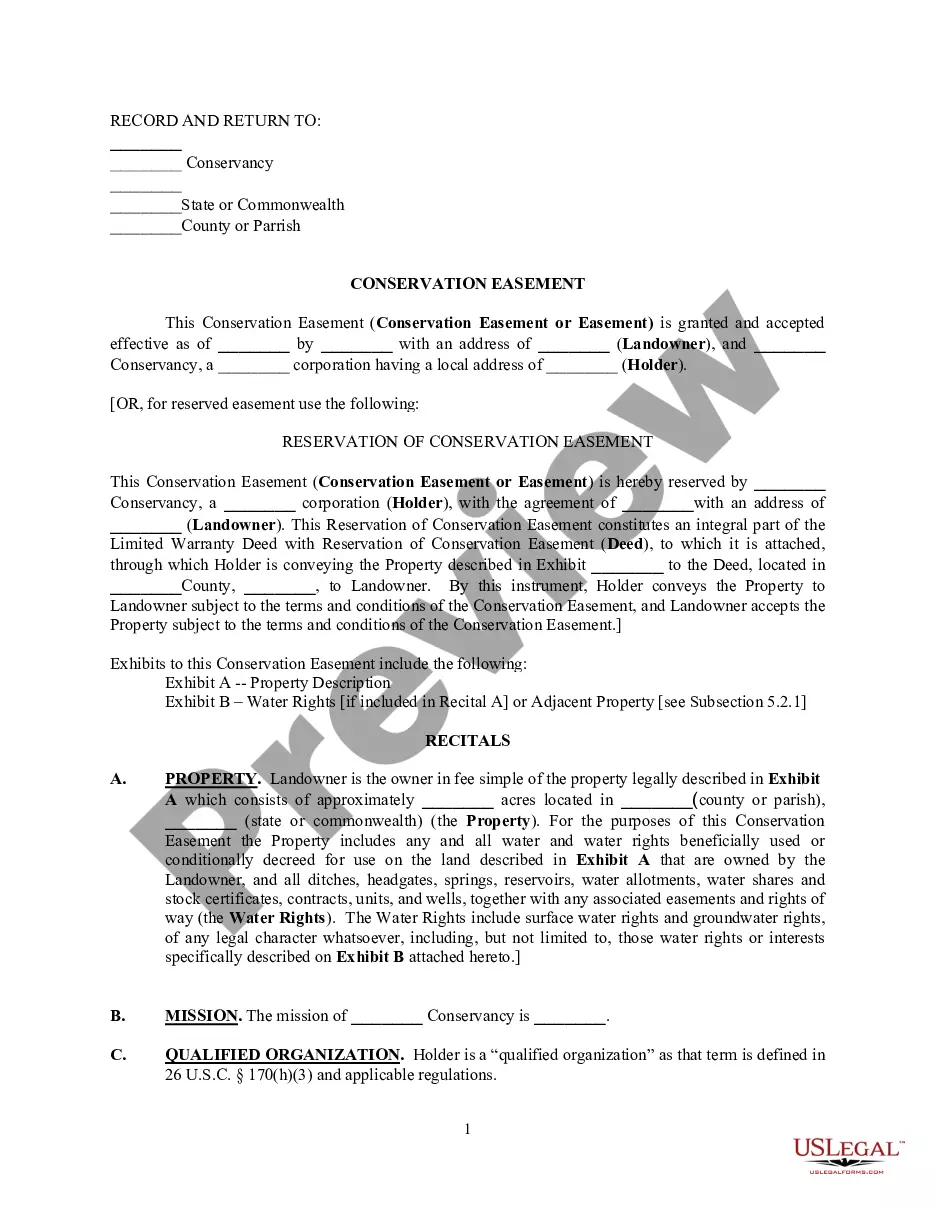
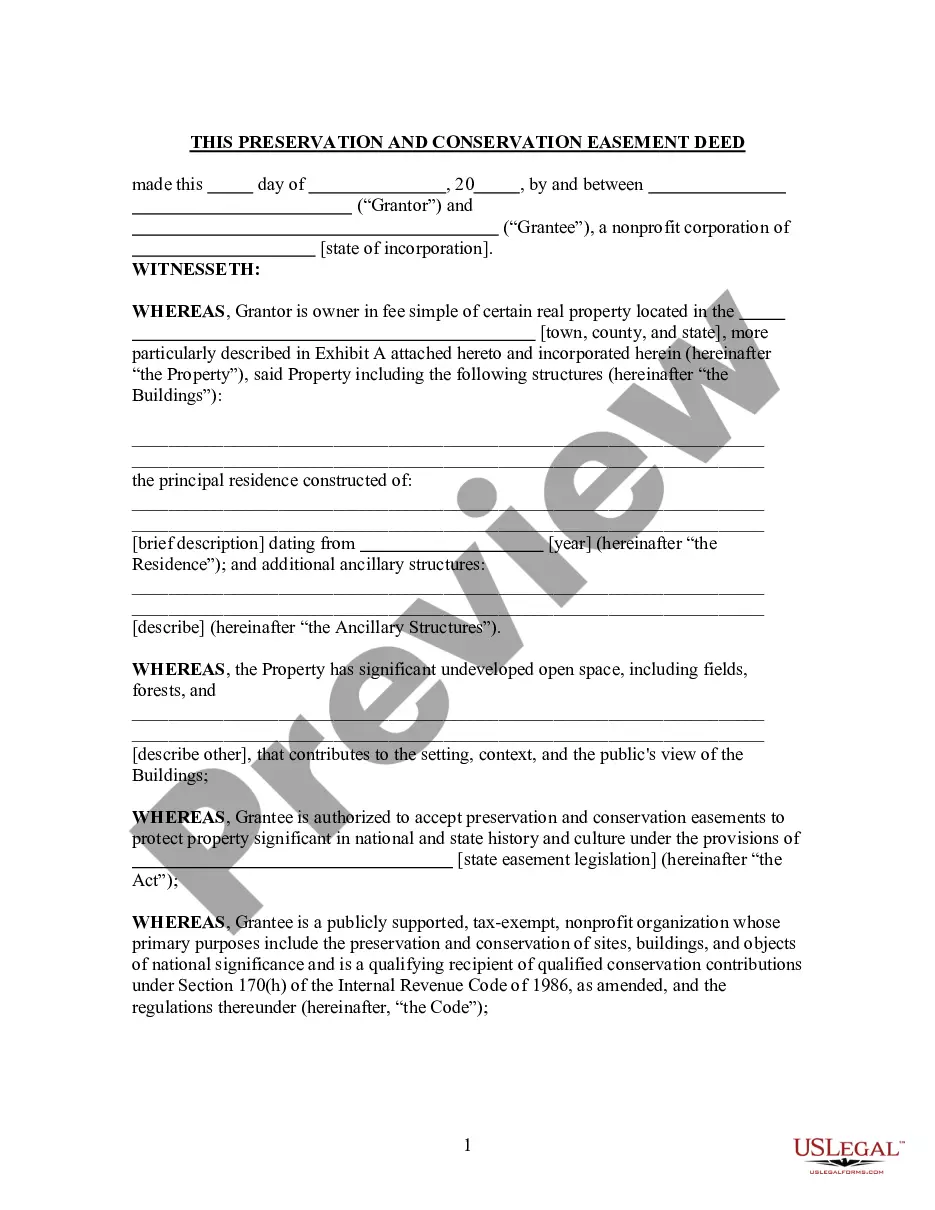
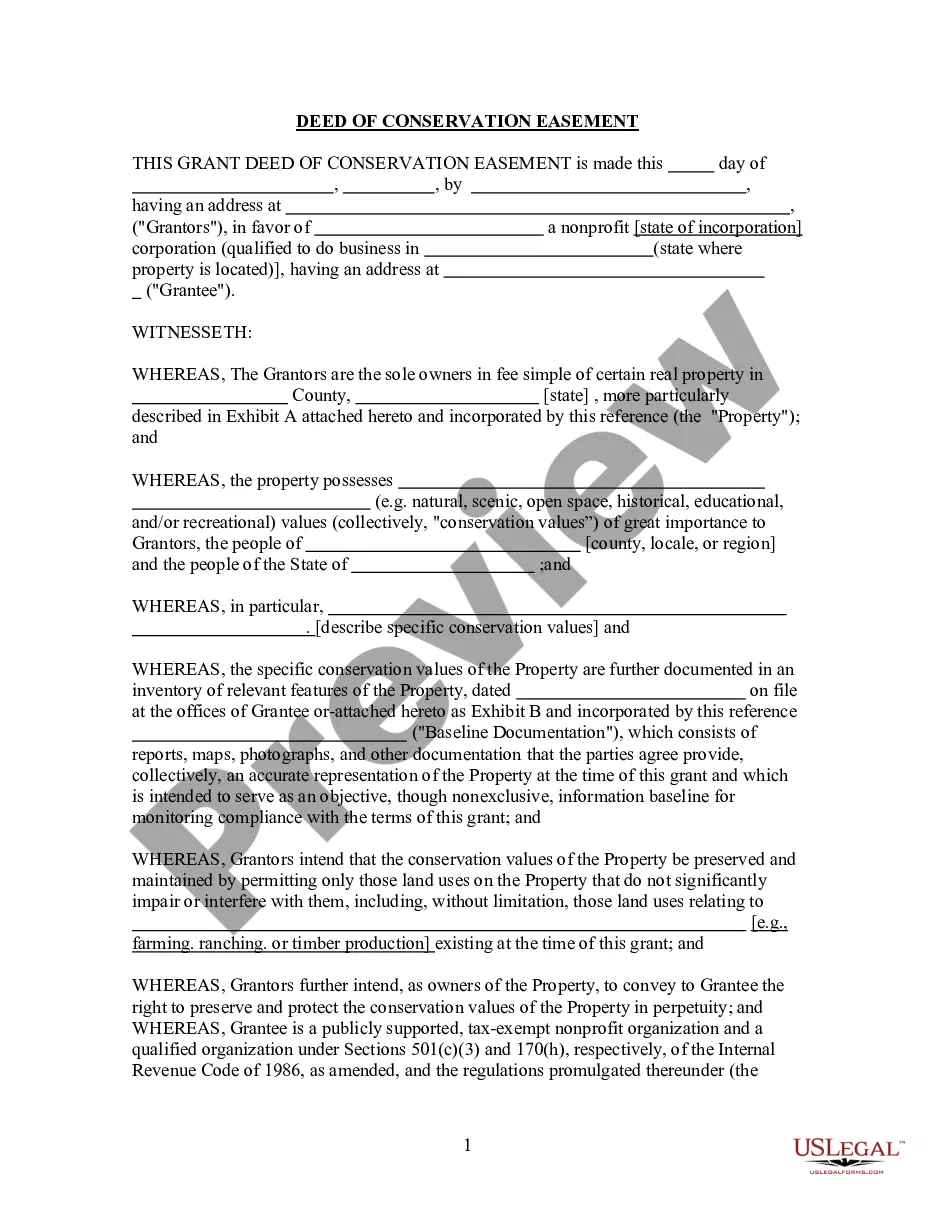
This is a sample form for use in transactions involving easements, an Environmental Restriction Easement. Requires a specific property to be subject to covenants, restrictions and easements as part of an order from federal court litigation.
Monitoring is usually handled by a local authority, nonprofit organization, or the landowner themselves. They keep an eye on the land to ensure everyone plays by the rules of the easement.
Changing the restrictions can be a bit tricky. It usually requires going through a formal process, so it's best to think ahead before setting them in stone, since these easements are meant to be lasting.
Typically, these easements last a long time, often forever, which means the restrictions stay in place even if the land changes ownership. It's like passing down a treasured family heirloom!
Absolutely! Having an easement can help protect wildlife habitats, enhance property values, and even provide some tax benefits. It's a win-win for landowners and the environment.
These easements put the brakes on activities that could harm the environment, like building structures, filling in wetlands, or dumping waste. They aim to keep the natural beauty intact.
Anyone who owns land in Saint Paul can apply for an environmental restriction easement, as long as they want to protect their land's environmental features. It's open to both individuals and organizations.
An environmental restriction easement is like a safety net for certain pieces of land in Saint Paul. It helps protect the environment by limiting what can be done on that land, keeping it safe from harmful activities.