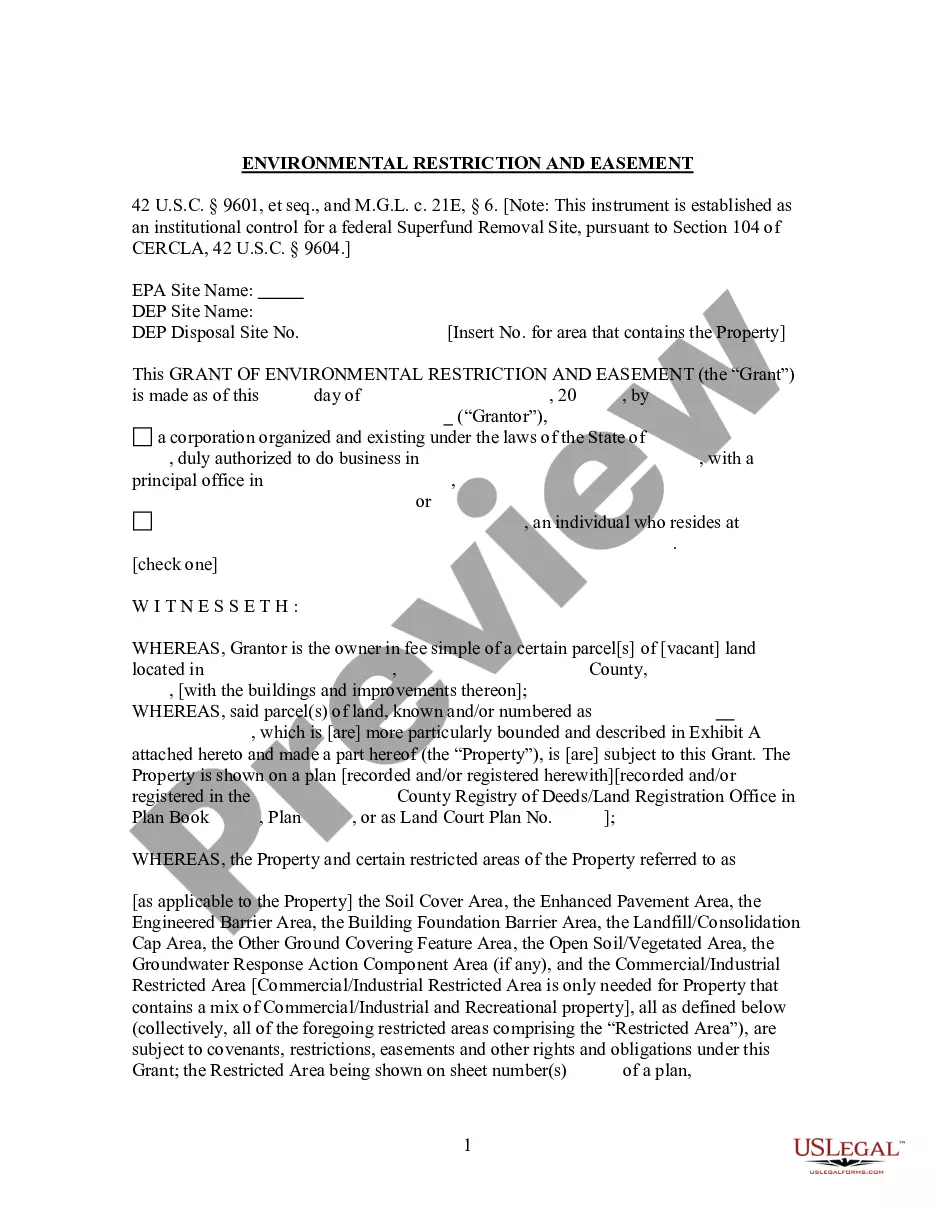
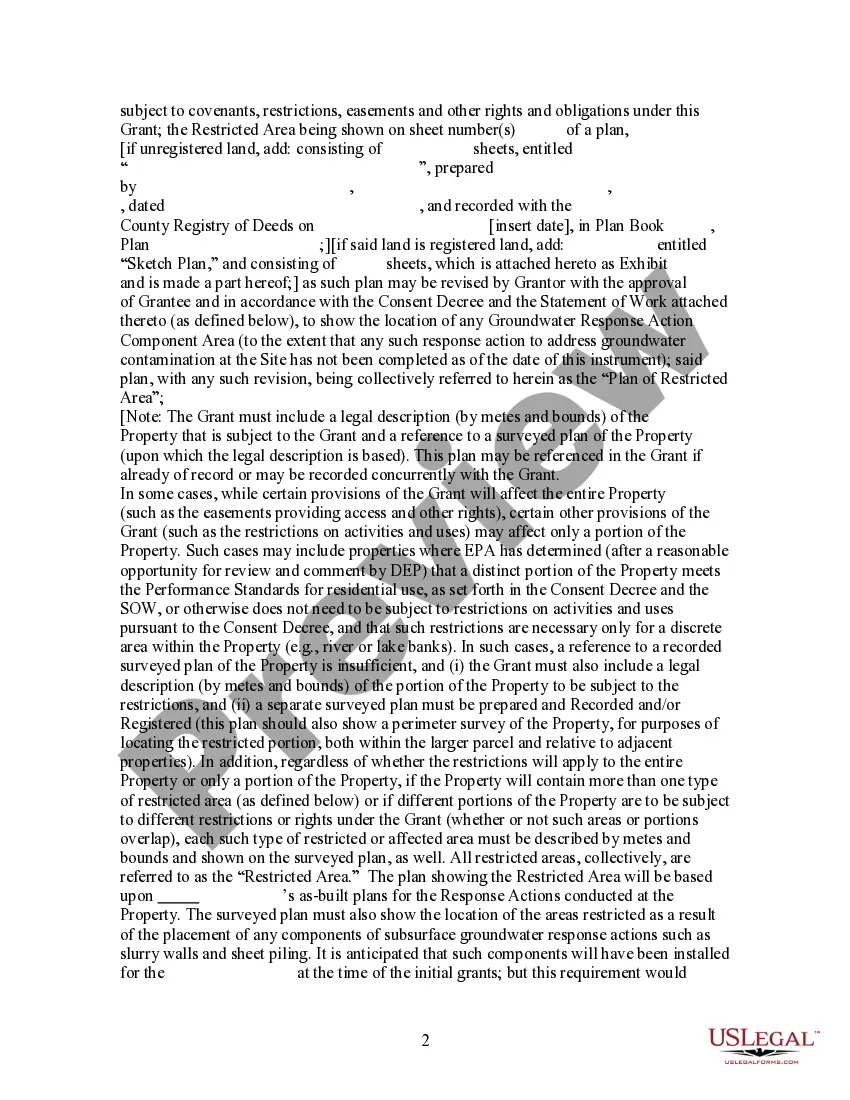
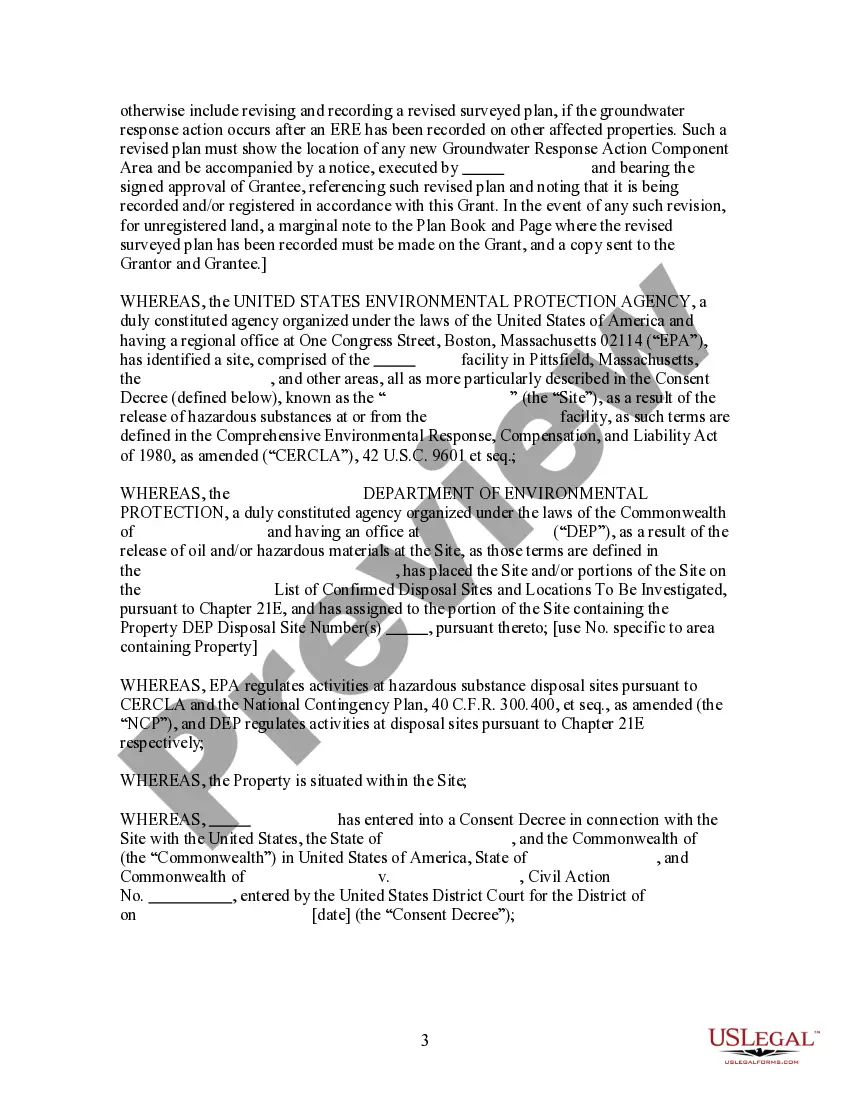
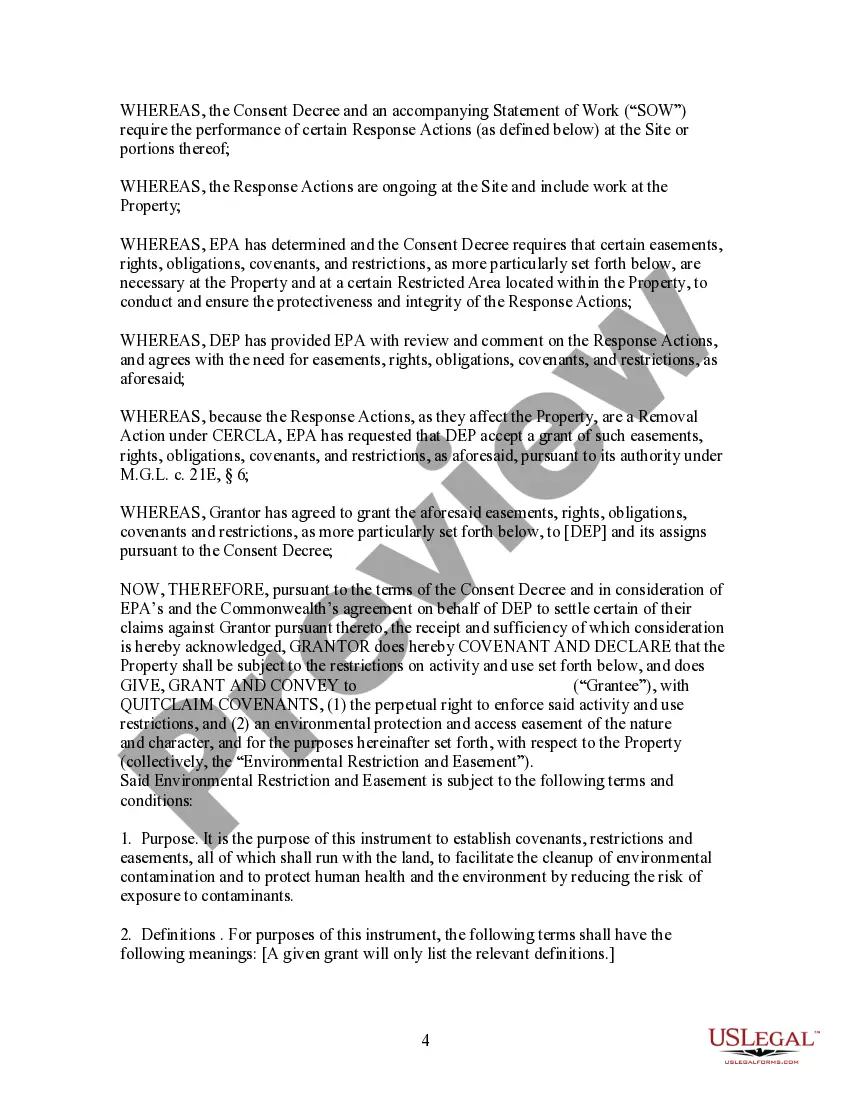
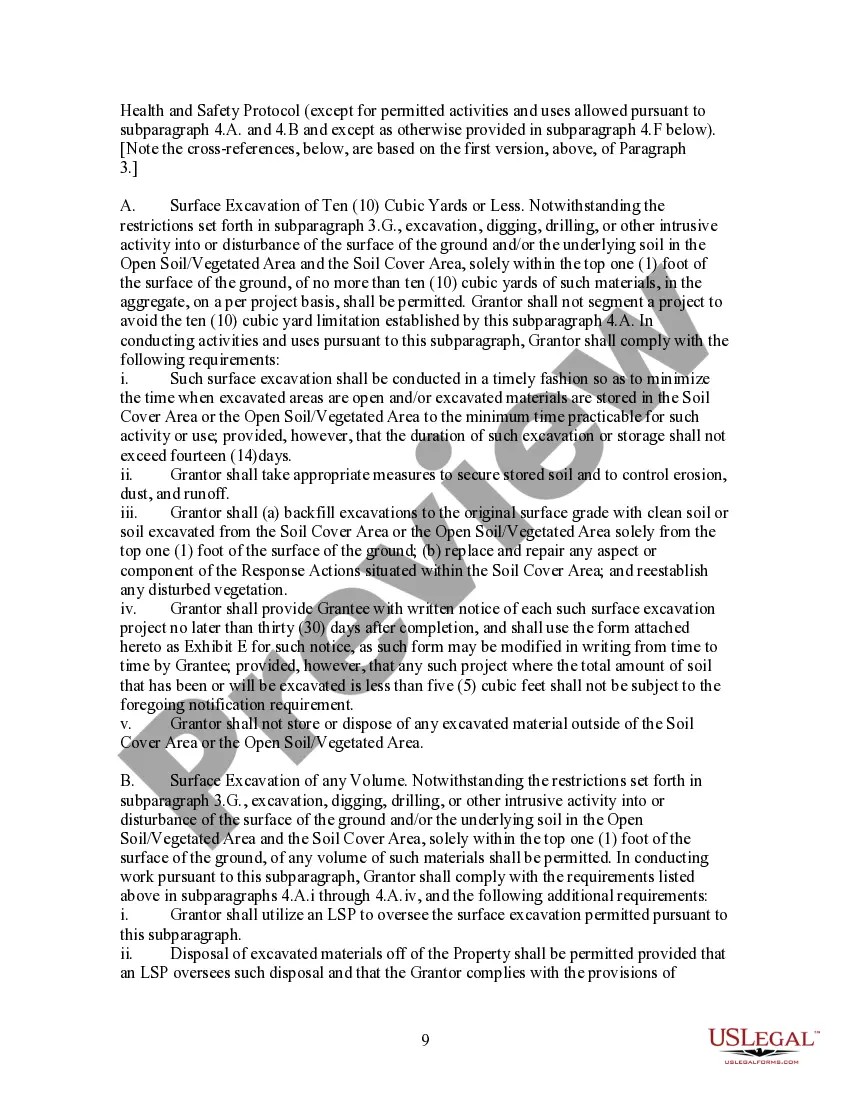
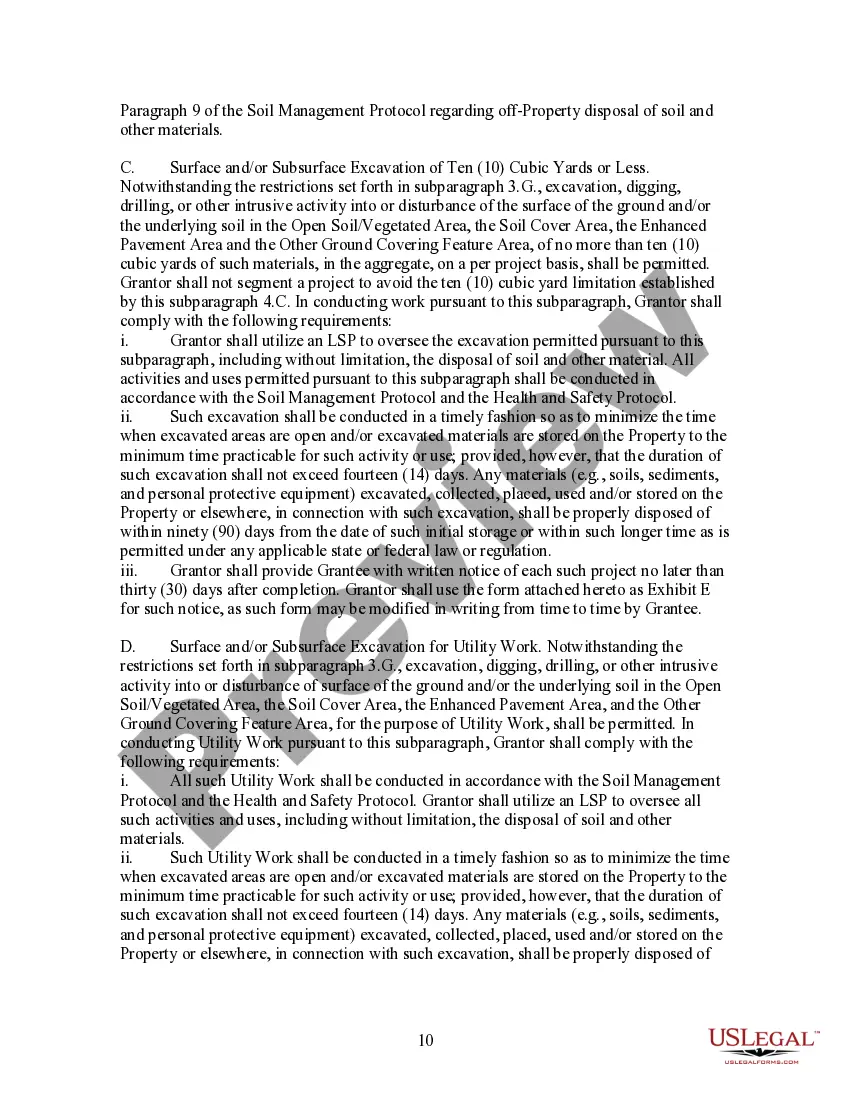
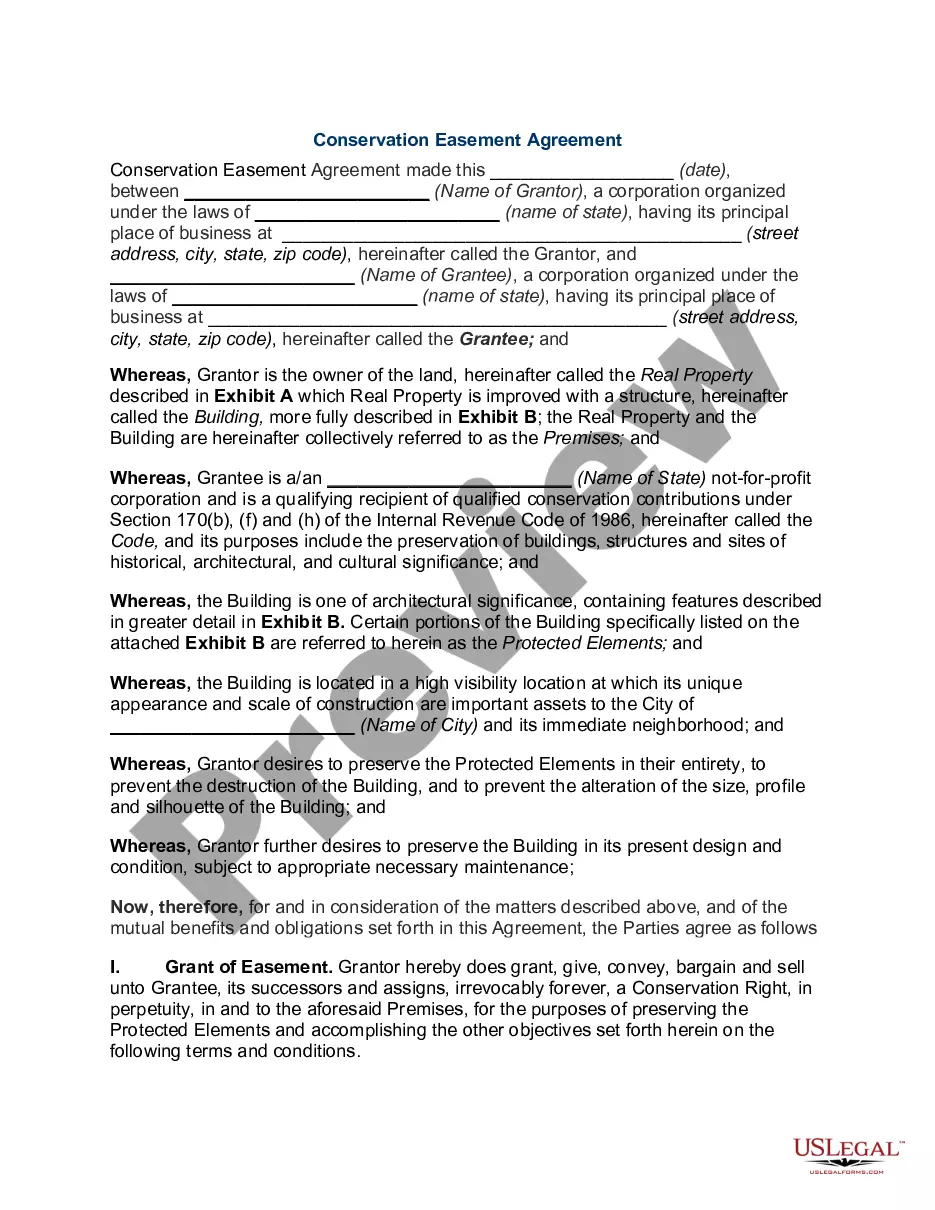
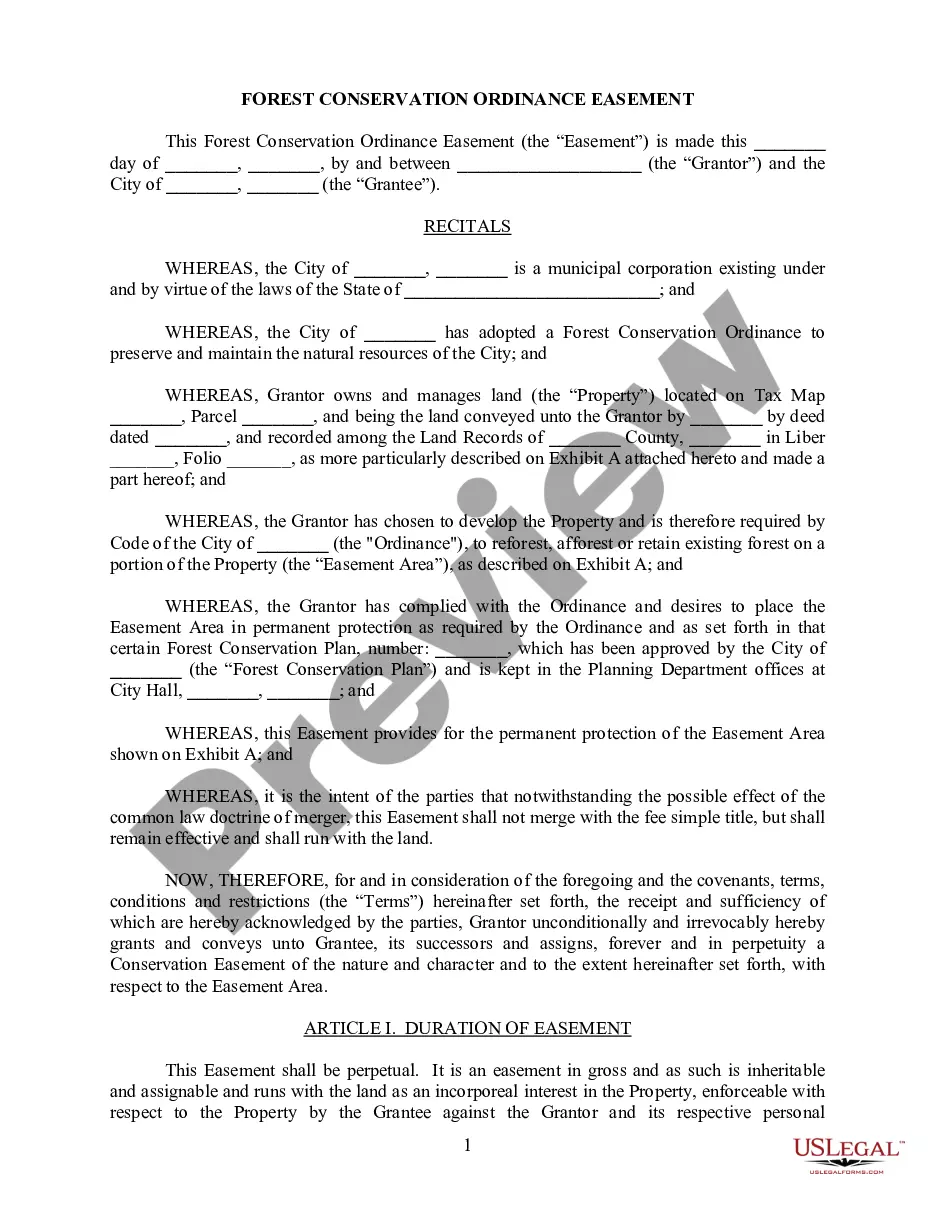
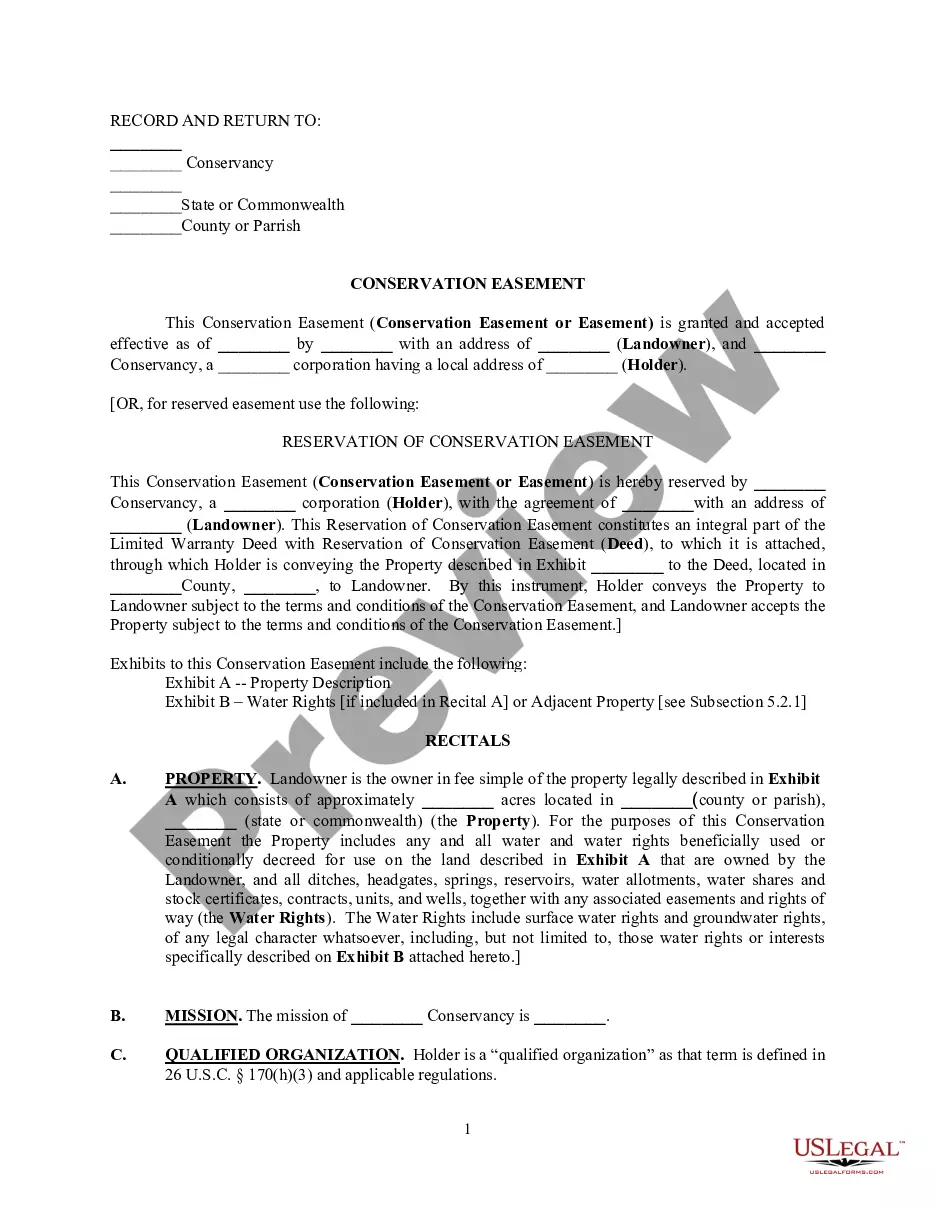
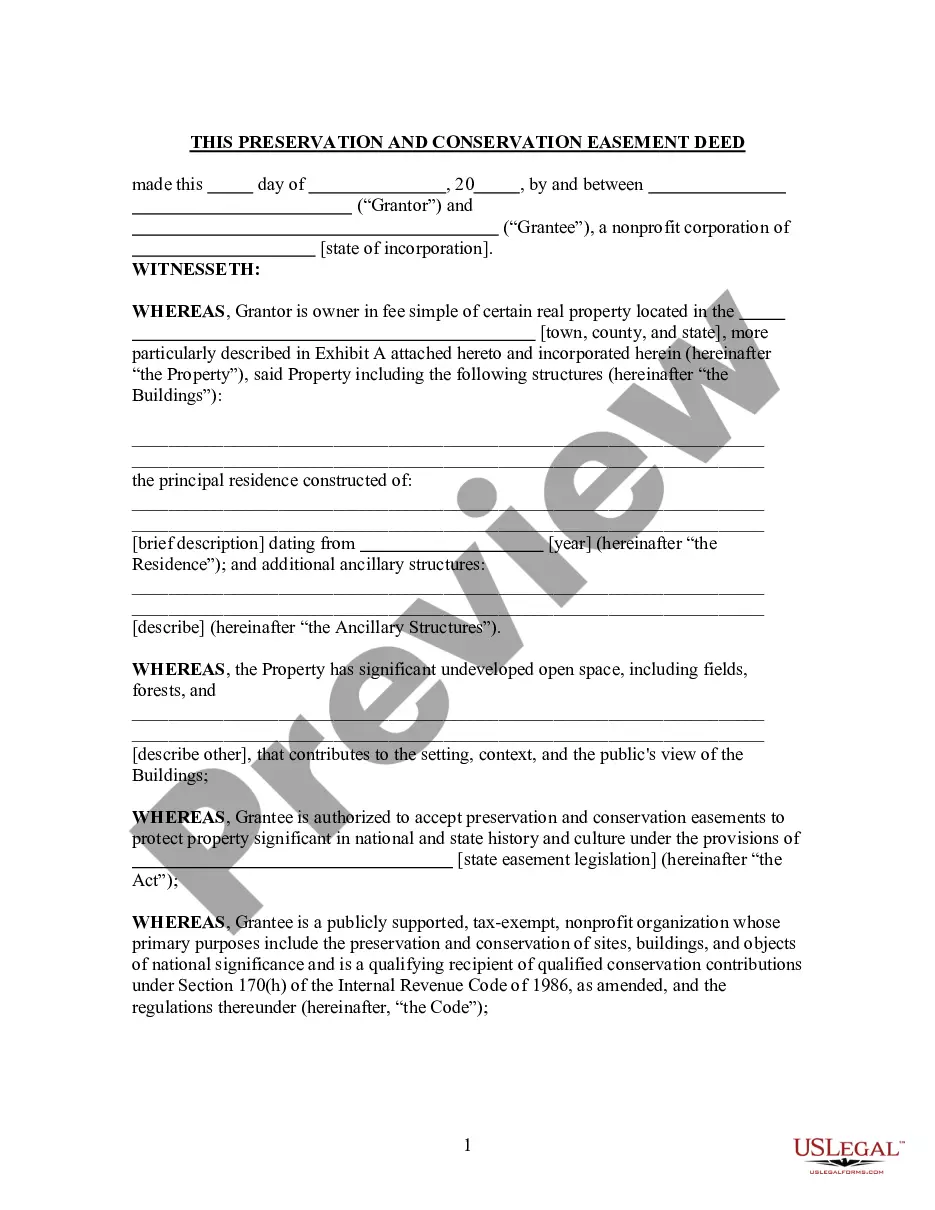
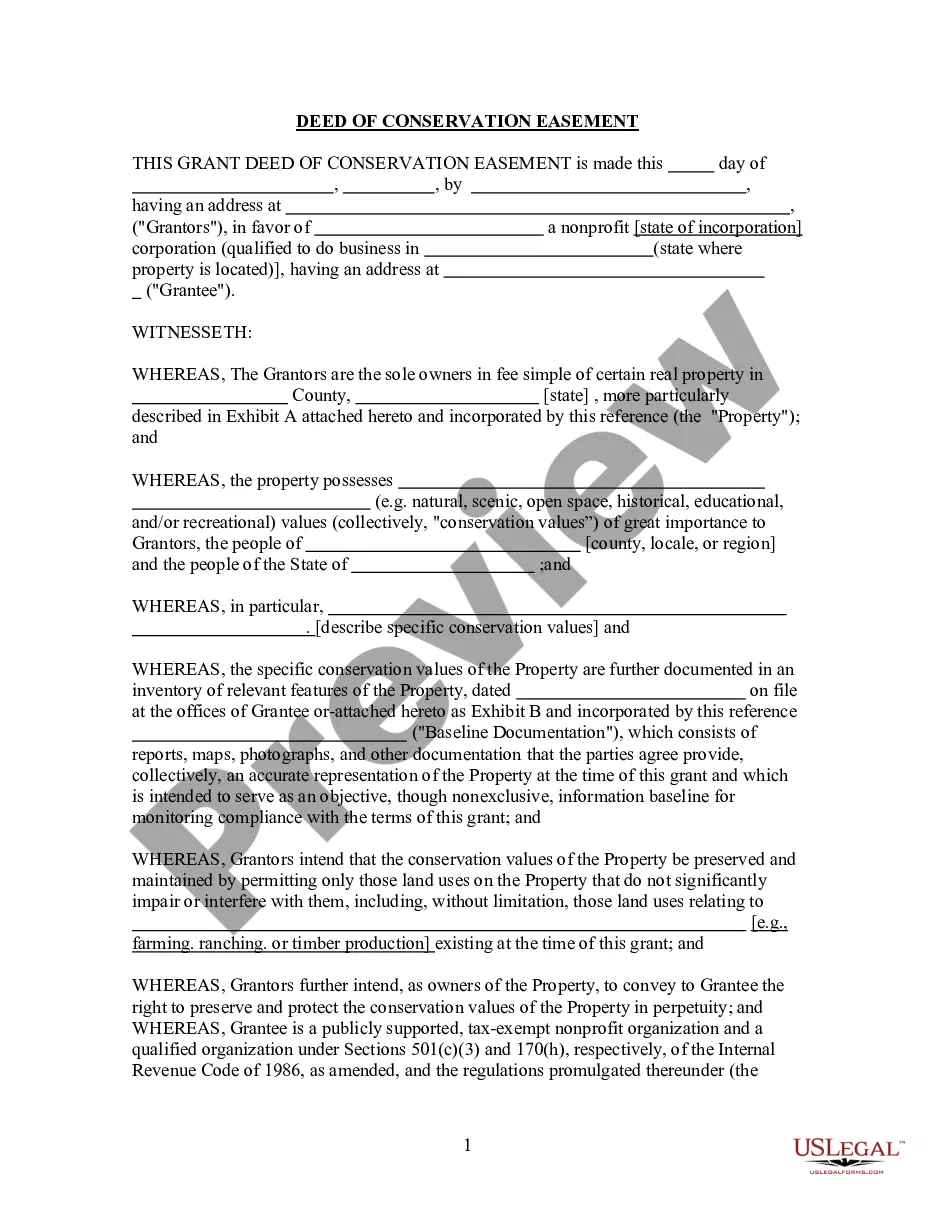
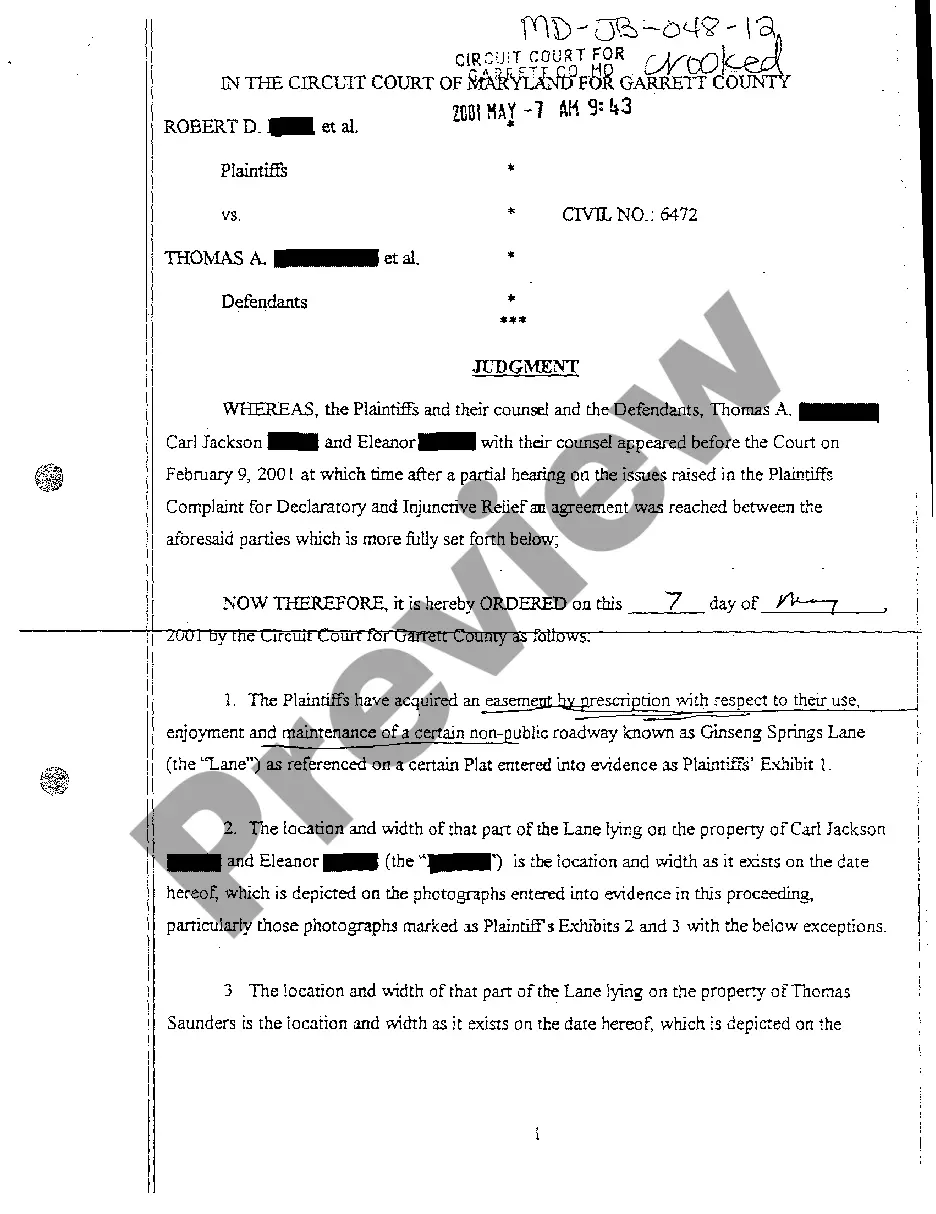
This is a sample form for use in transactions involving easements, an Environmental Restriction Easement. Requires a specific property to be subject to covenants, restrictions and easements as part of an order from federal court litigation.
Enforcement is typically handled by local government or an environmental organization, which monitors compliance to ensure the land remains protected.
They can sometimes increase property values by making an area more attractive due to preserved nature, while other times, they might decrease value if they limit development possibilities.
Generally, no. Changes can be tricky and usually require consent from both the landowner and the party holding the easement to keep the original intention intact.
These easements help preserve natural habitats, improve air and water quality, and provide recreational areas for the community. They're a win-win for people and nature!
These easements may restrict activities like building new structures, dumping waste, or changing the natural landscape. They aim to keep land in its natural state.
Anyone who owns land can create one, but it's often set up by property owners who want to make sure their land is protected for future generations.
An Environmental Restriction Easement is a legal agreement that limits how a piece of land can be used to protect the environment. It's like a safety net for green spaces in Aurora.