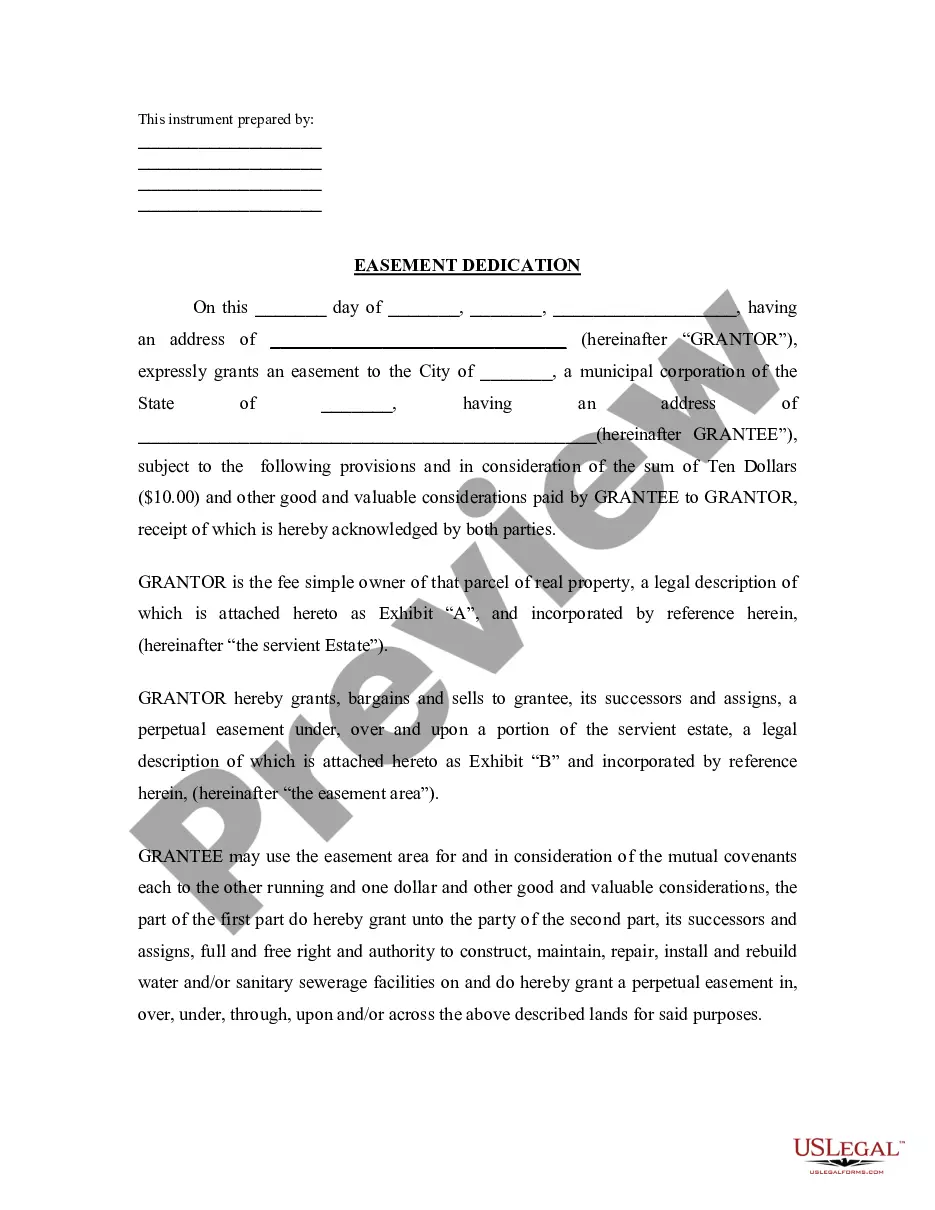
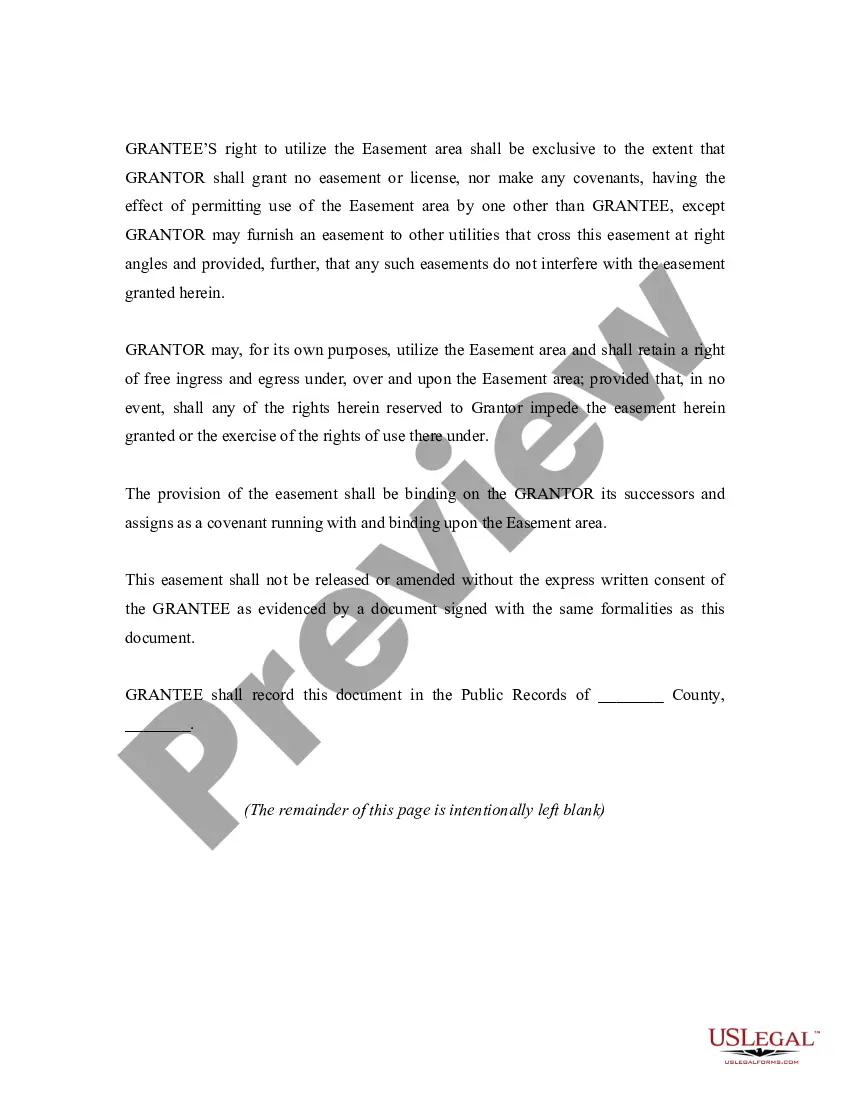
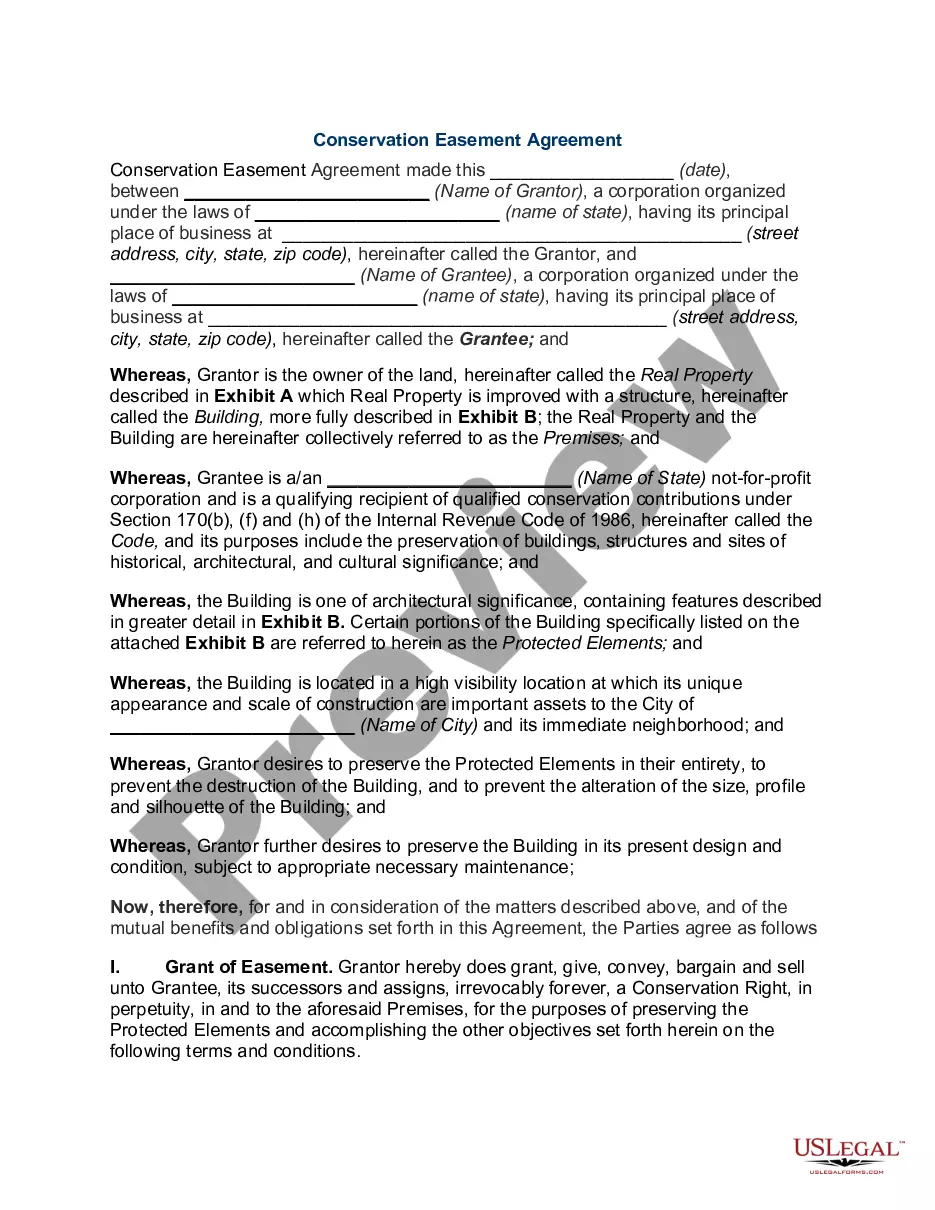
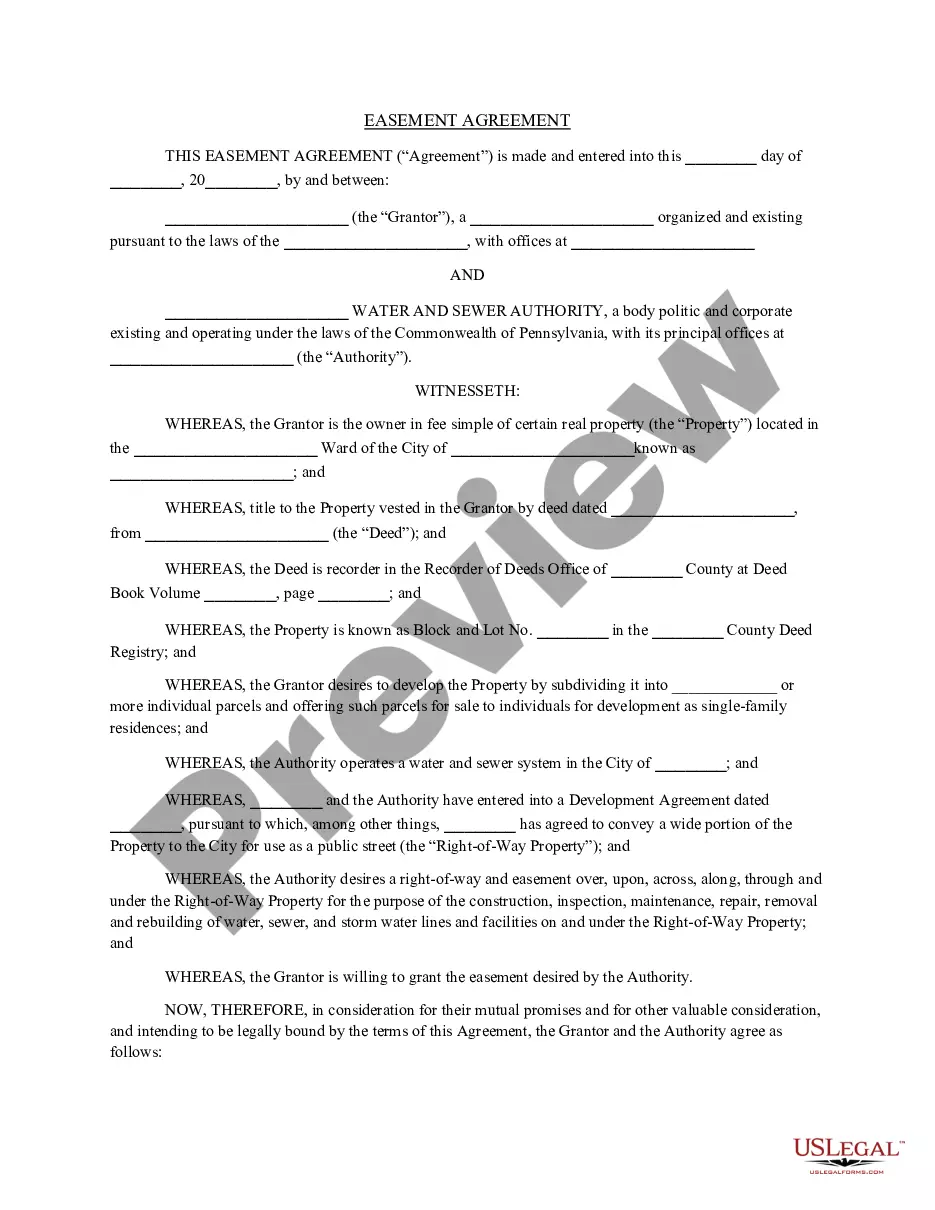
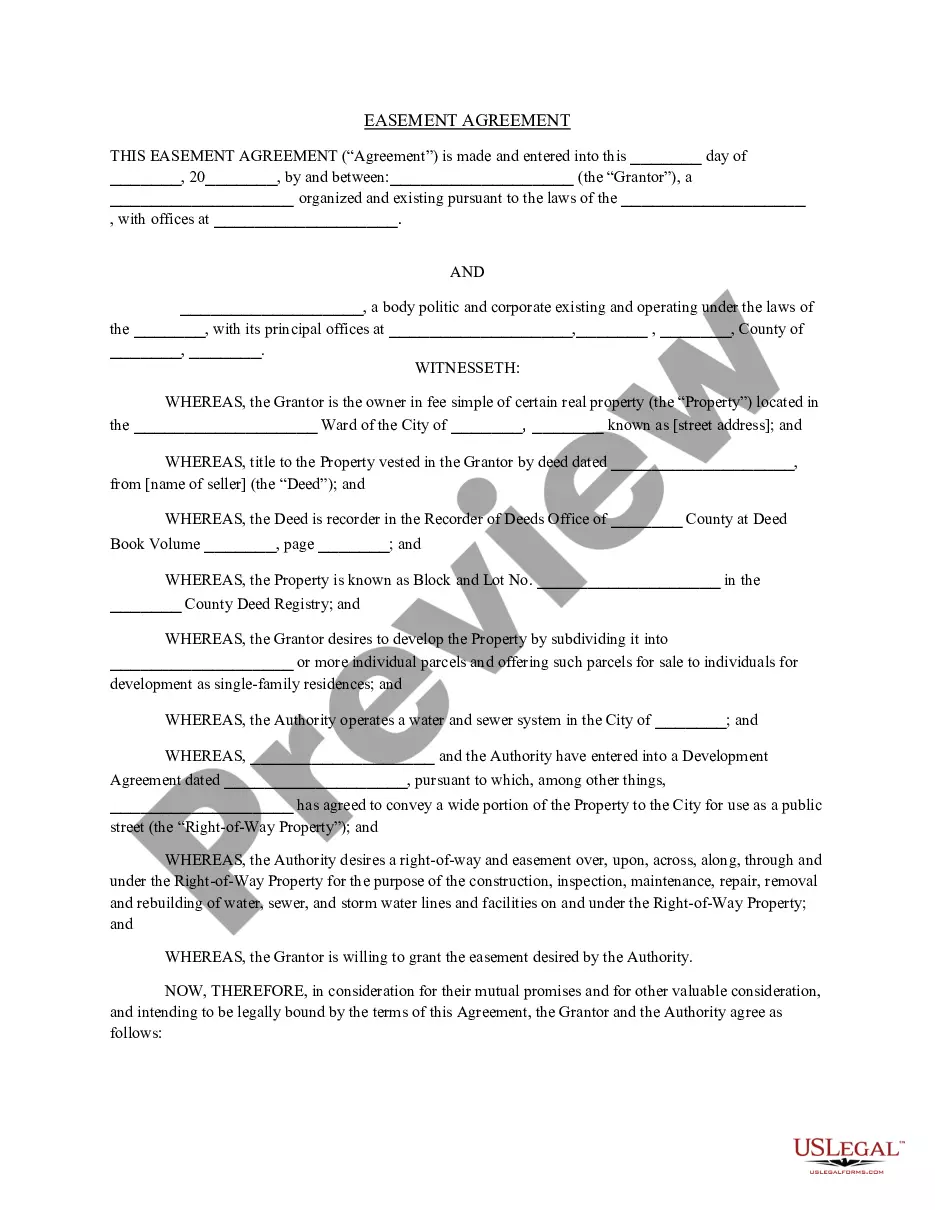
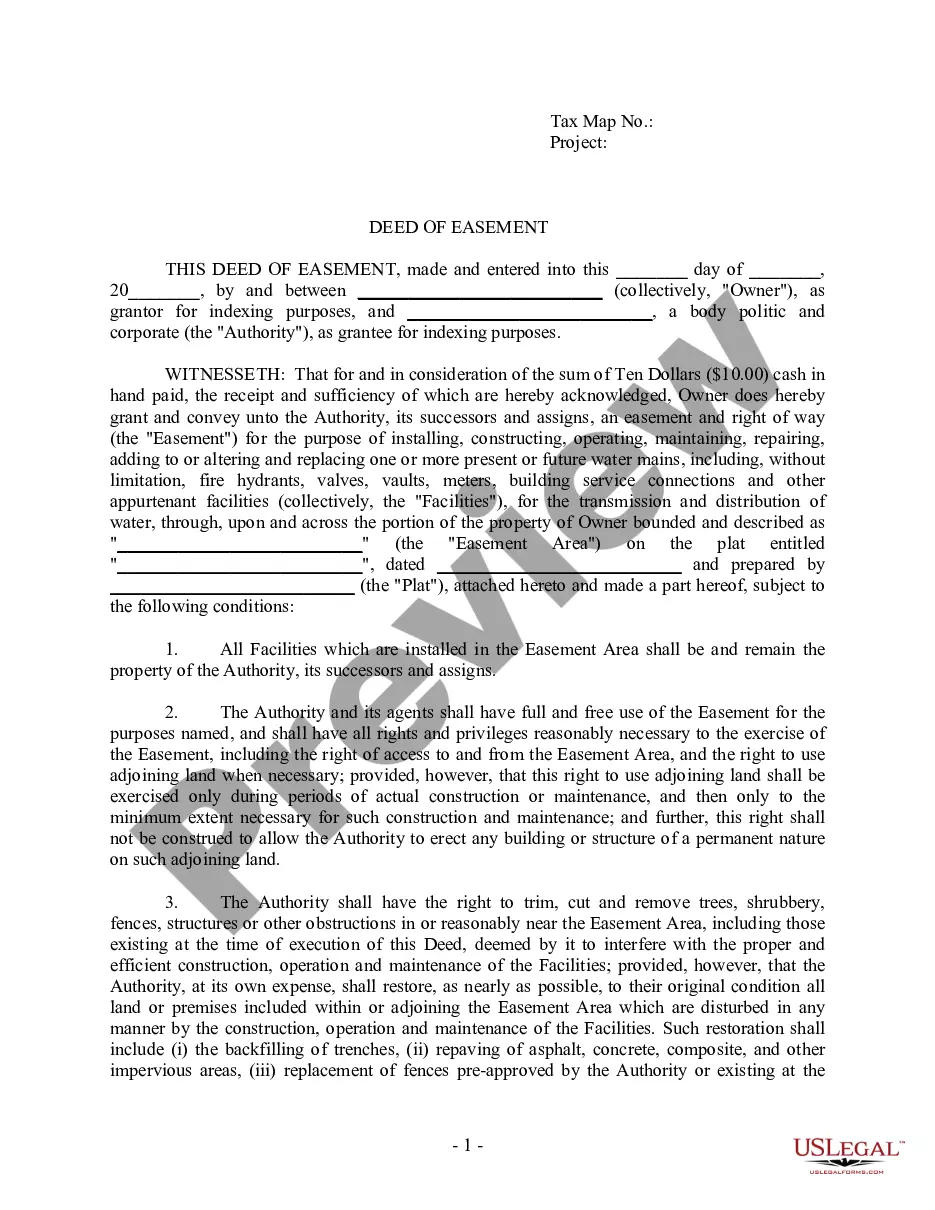
This form is an agreement to convey the use or benefit of a tract of land to another party for a specific limited purpose without giving the party the right to possess, take from, improve or sell the tract of land.
Yes, there are legal requirements! It's important to follow local laws and regulations when drafting and recording easements to avoid any hiccups down the line.
Revoking an easement isn't a walk in the park; it usually requires agreement from everyone involved or a legal process to terminate it.
There are a few common types of easements, like utility easements for power lines, right-of-way easements for roads, and conservation easements to protect natural areas.
Yes, having a well-placed easement can enhance property value by making it easier for others to access services or development opportunities, but it can also have its downsides if it limits your land's use.
In Omaha, you typically start by drafting an easement agreement, getting it signed by all parties, and then recording it with the local government to make it official.
People often dedicate easements to improve access or provide utilities to their property or neighboring lands, helping everyone get the services they need.
An easement dedication is when a property owner allows others to use a portion of their land for a specific purpose, like a road or utility line, but they still own the land.