This form provides instructions for the software license due diligence checklist in business transactions.
Broward Florida Instructions to Software License Due Diligence Checklist
Category:
State:
Multi-State
County:
Broward
Control #:
US-DD01308
Format:
Word;
PDF;
Rich Text
Instant download
Description
Free preview





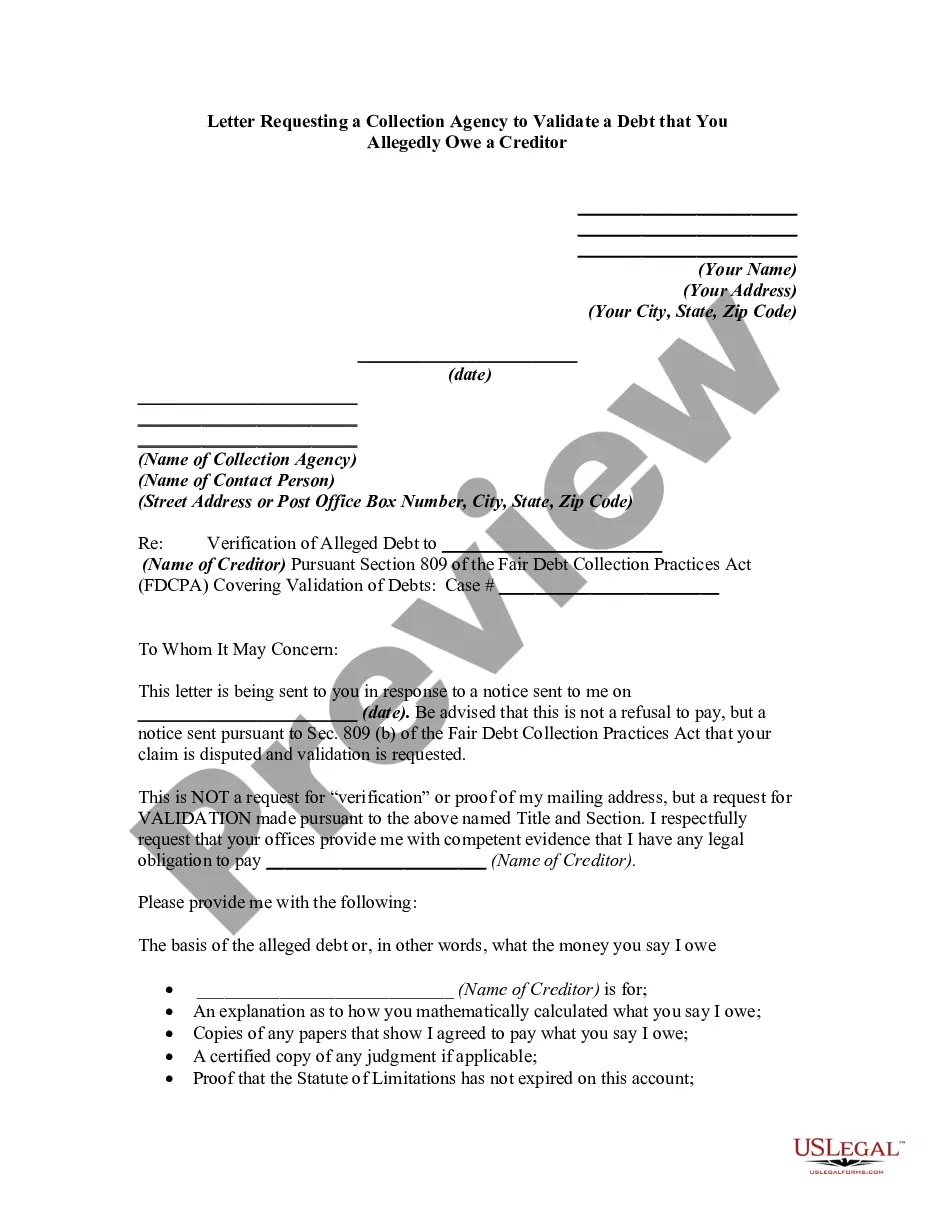
How to fill out Instructions To Software License Due Diligence Checklist?
If you seek a reliable source for legal documents to obtain the Broward Instructions to Software License Due Diligence Checklist, think about US Legal Forms. Whether your goal is to launch your LLC or handle your asset allocation, we have you supported. You don't have to be an expert in law to locate and download the suitable form.
Simply choose to search or browse the Broward Instructions to Software License Due Diligence Checklist, either using a keyword or by the state/county the form is designed for.
After locating the required form, you can Log In to download it or save it under the My documents section.
Don't have an account? It's straightforward to get started! Just find the Broward Instructions to Software License Due Diligence Checklist template, and review the form's preview and brief introductory details (if present). If you are confident about the terminology used in the template, feel free to proceed and click Buy now. Create an account and choose a subscription plan. The template will be available for download immediately once the payment is completed.
Managing your legal matters doesn't have to be pricey or labor-intensive. US Legal Forms is here to demonstrate that. Our extensive collection of legal forms makes this process less expensive and more economical. Establish your first company, manage your advance care planning, draft a real estate contract, or complete the Broward Instructions to Software License Due Diligence Checklist - all while relaxing at home.
Sign up for US Legal Forms today!
- You can explore over 85,000 forms organized by state/county and case.
- The user-friendly interface, extensive educational materials, and committed support team make it easy to acquire and complete various documents.
- US Legal Forms has been a dependable resource for legal forms to millions of clients since 1997.
Form popularity
FAQ
How to Conduct Successful Due Diligence How to Conduct Successful Due Diligence. USE A VIRTUAL DATA ROOM. REVIEW THE COMPANY'S BUSINESS STRUCTURE AND PRACTICES. REVIEW CORPORATE FINANCIALS. INVENTORY AND REVIEW ASSETS. INVESTIGATE OUTSTANDING LIABILITIES.
These processes usually include information about assets, financial projections, contracts, intellectual property ownership, equity holdings, information about your team, and/or outstanding legal issues.
The complete list of due diligence documents to be collected Shareholder certificate documents. Local/state/federal business licenses. Occupational license. Building permits documents. Zonal and land use permits. Tax registration documents. Power of attorney documents. Previous or outstanding legal cases.
Technical due diligence is an audit, investigation or review performed on a technical/software company (i.e. a company that is tech native, meaning that its core products or services are digital).
13 Critical Things To Do During The Due Diligence Period Research Home Prices.Look up Taxes.Find a Seasoned Real Estate Agent.Find a Lender.Read Disclosures.Home Inspection.Cost of Repairs.Insurance.
Sample Due Diligence Request List Formation documents and operating agreements. Detailed ownership information and member register. Details of any other investment or ownership interest in any other entity held by the company.
Due diligence checklist Look at past annual and quarterly financial information, including:Review sales and gross profits by product. Look up the rates of return by product. Look at the accounts receivable. Get a breakdown of the business's inventory.Make a breakdown of real estate and equipment.
A due diligence checklist is an organized way to analyze a company that you are acquiring through sale, merger, or another method. By following this checklist, you can learn about a company's assets, liabilities, contracts, benefits, and potential problems.
4 Key Elements of Technical Due Diligence Third-Party Software Usage. Conducting a comprehensive scan of the target company's codebase is an important step in any technical due diligence process.Current Product Offerings and Product Roadmap.Protections on Intellectual Property.Engineering Systems and Practices.
A due diligence checklist is an organized way to analyze a company. The checklist will include all the areas to be analyzed, such as ownership and organization, assets and operations, the financial ratios, shareholder value, processes and policies, future growth potential, management, and human resources.