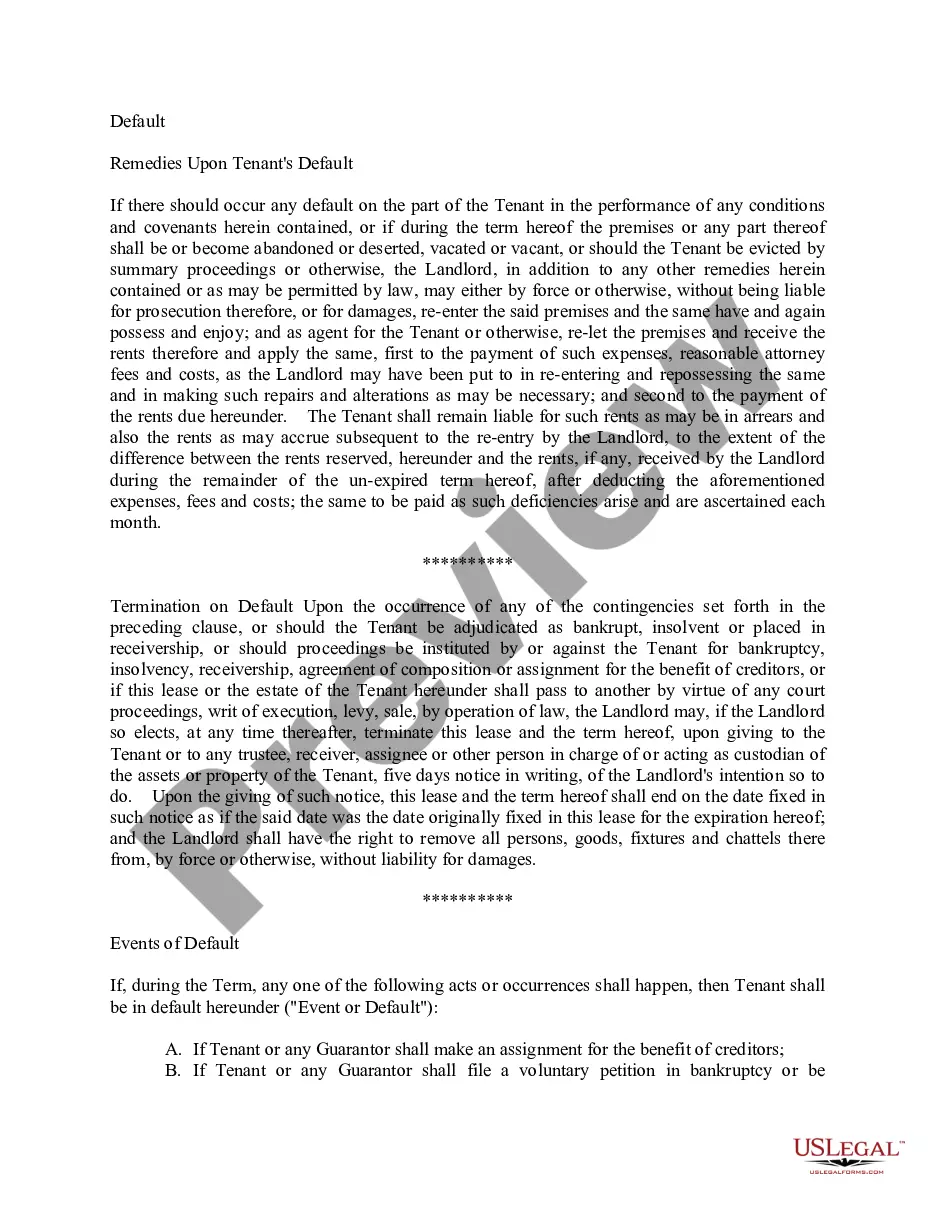
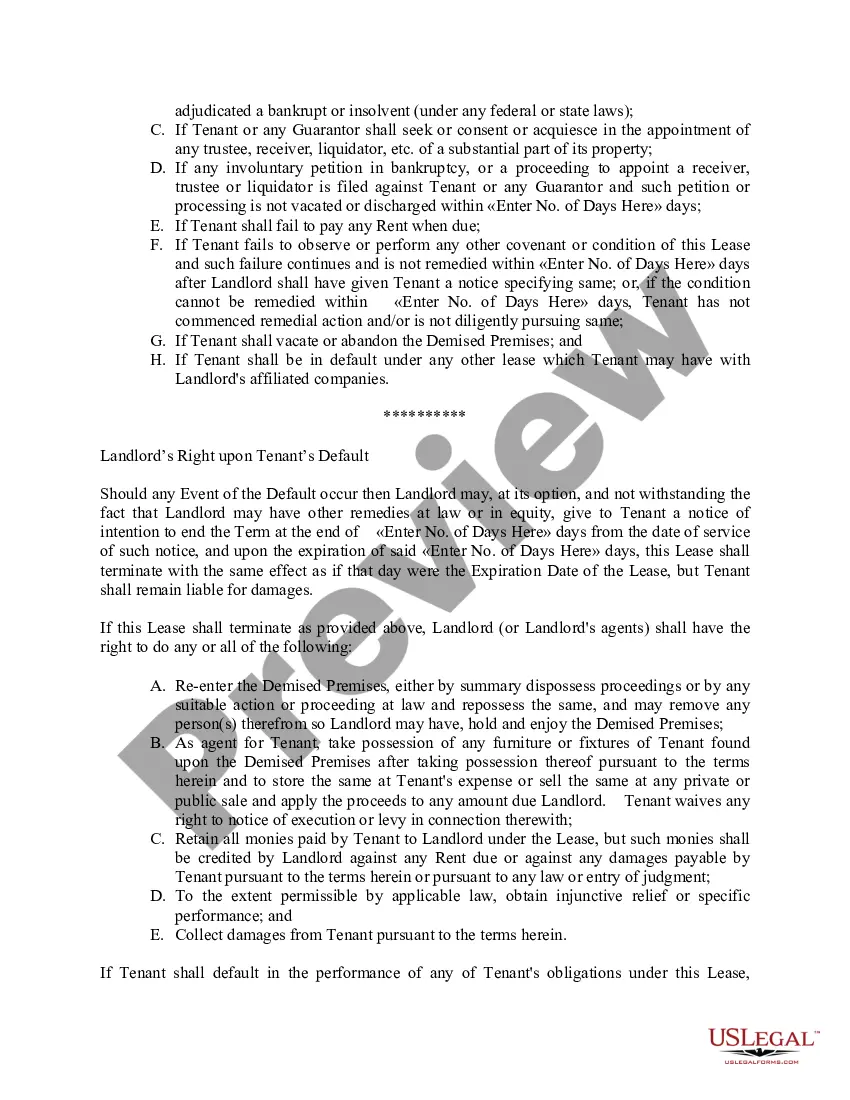
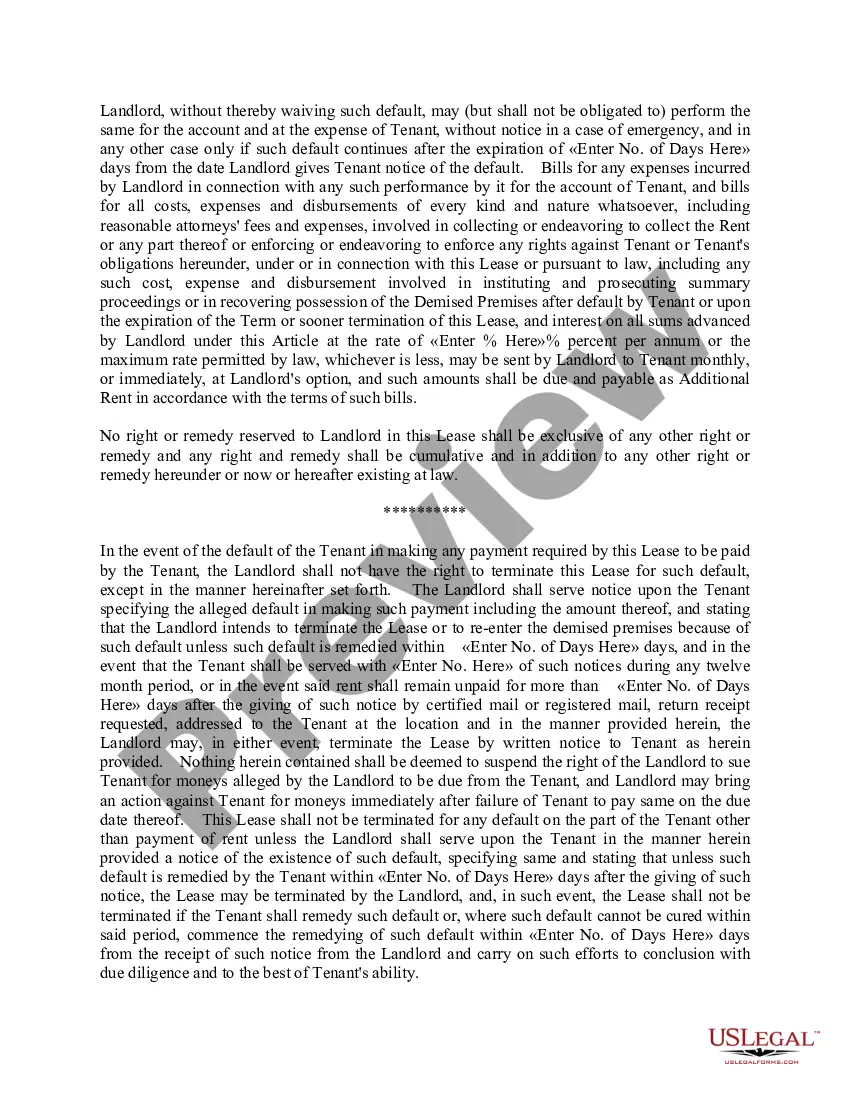
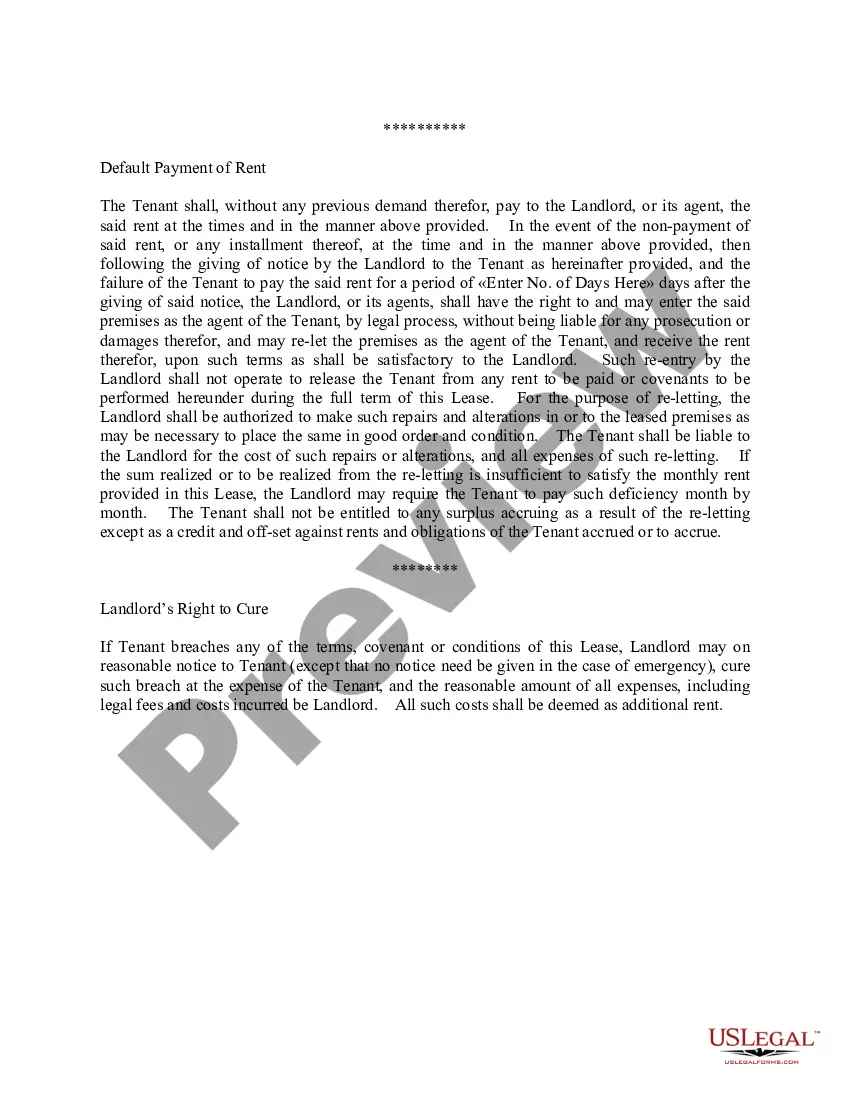
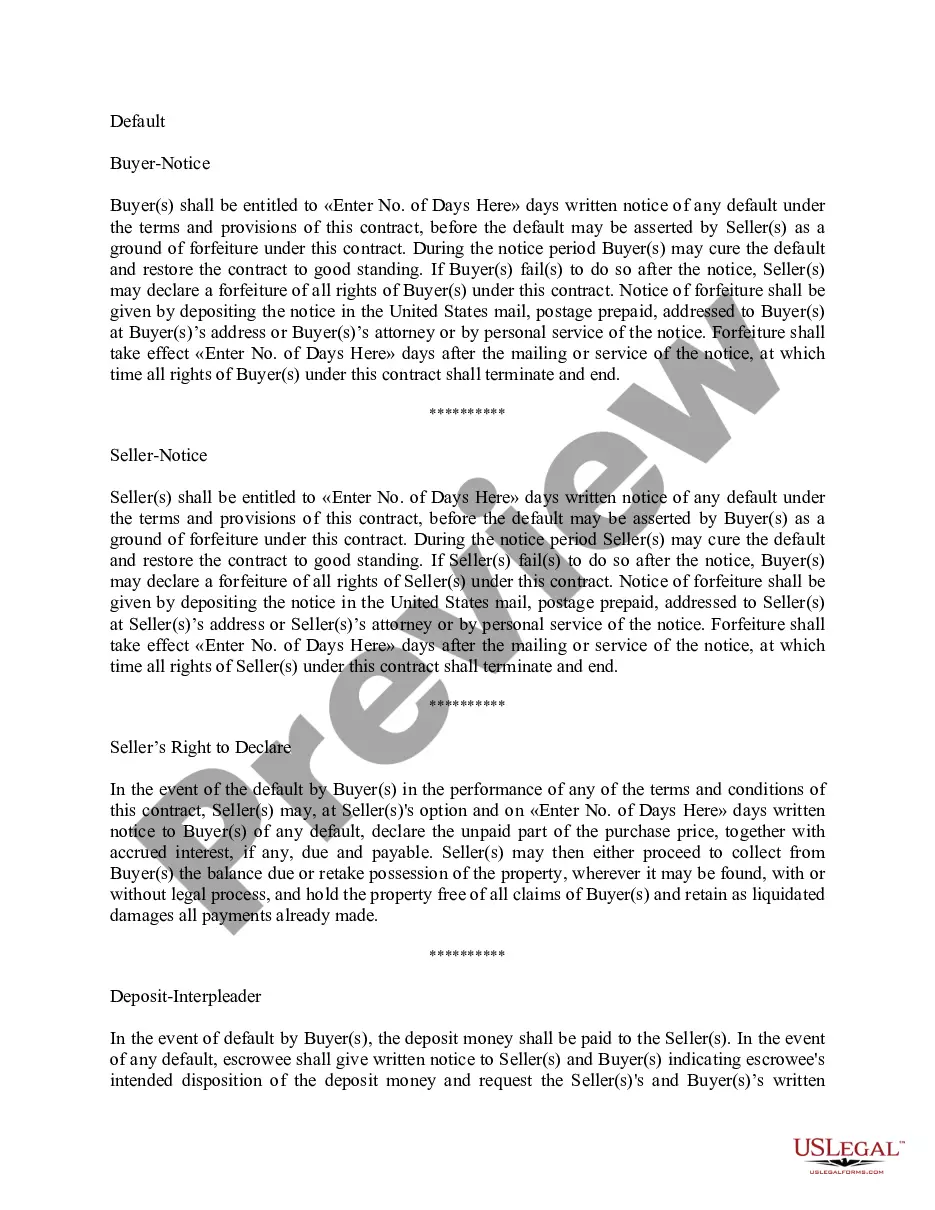
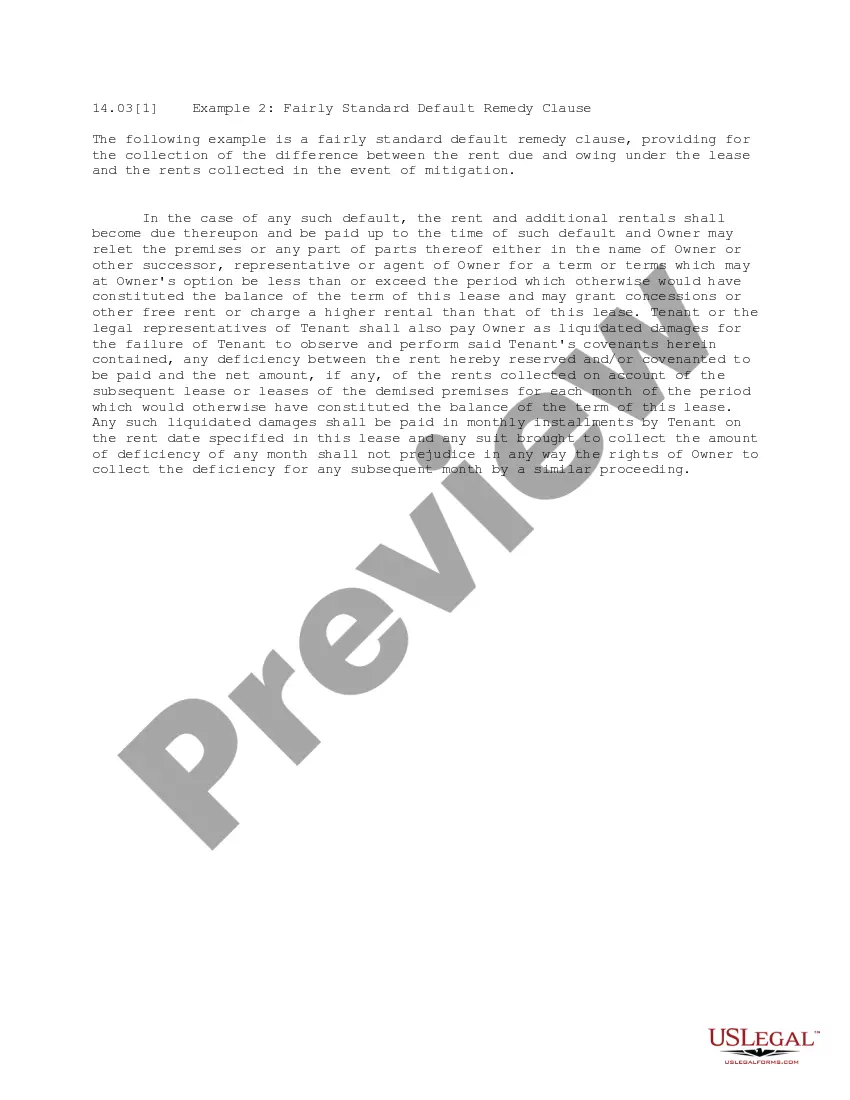
Example of clause regarding Default, and the acts or occurrences causing default of the lease. A default clause is a provision in a legal contract that states what will happen if either party in a contract defaults or fails to hold up their end of the agreement.
While it’s not a must-have for every contract, having a default clause is a smart move for both parties. It helps in avoiding misunderstandings and sets clear expectations.
The remedies can vary, but they often include options like renegotiating the contract terms, seeking damages, or even terminating the agreement altogether, depending on what’s laid out in the default clause.
Absolutely! Even after a default, there’s often room for negotiation. Sometimes a good chat can help get everything back on track.
If you find yourself in hot water with a default notice, it's best to consult a legal expert right away. They can help you understand your options and how to address the situation properly.
Life happens! Common reasons could include financial troubles, missed deadlines, or unforeseen circumstances that make fulfilling the contract tough to manage.
In Saint Paul, just like anywhere else, a default clause protects the interests of everyone involved in an agreement. If one side doesn't hold up their end of the bargain, this clause kicks in to clarify the next steps.
A default clause is a part of a contract that outlines what happens if one party fails to meet their obligations. It's like a safety net that comes into play when things go sideways.