The consequences can be serious. If you don’t respond, you might lose the case without even having your day in court. It's like playing a game without showing up – you can't win if you're not there!
While it's possible to handle it yourself, having a lawyer can be really helpful. They can guide you through the legal jargon and ensure you don’t miss any important steps.
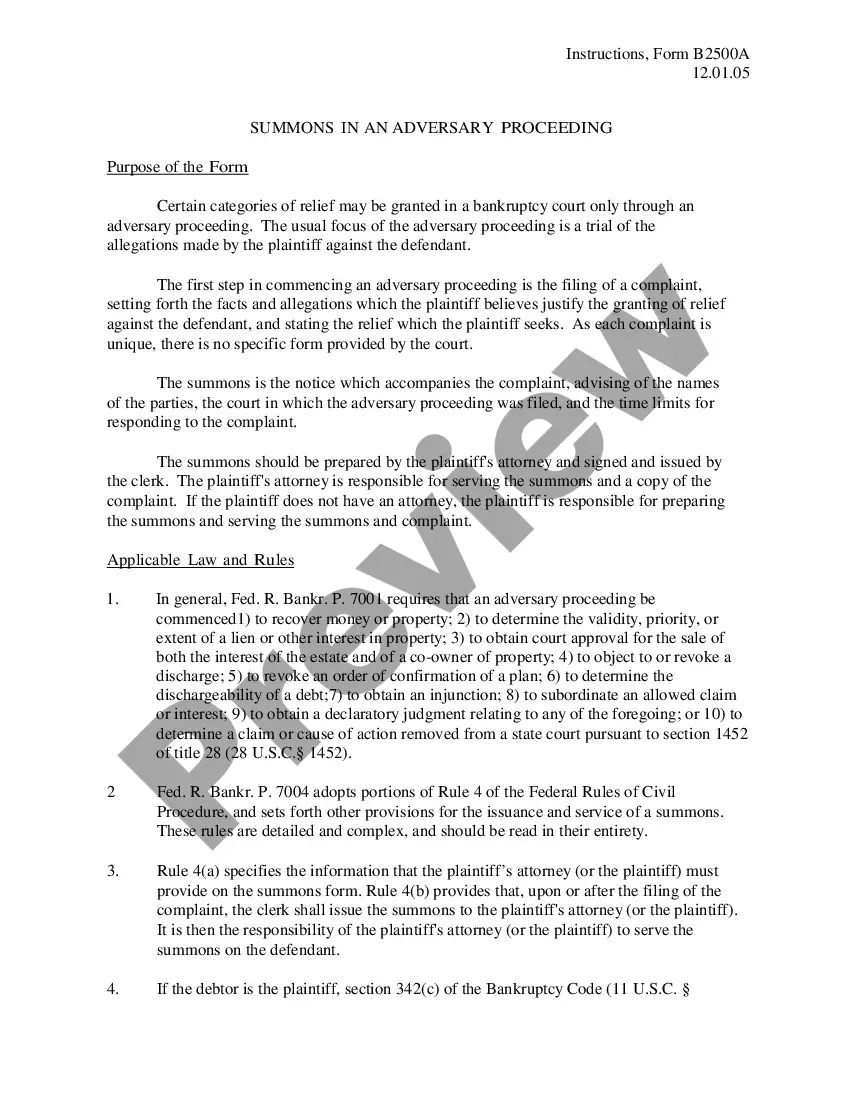
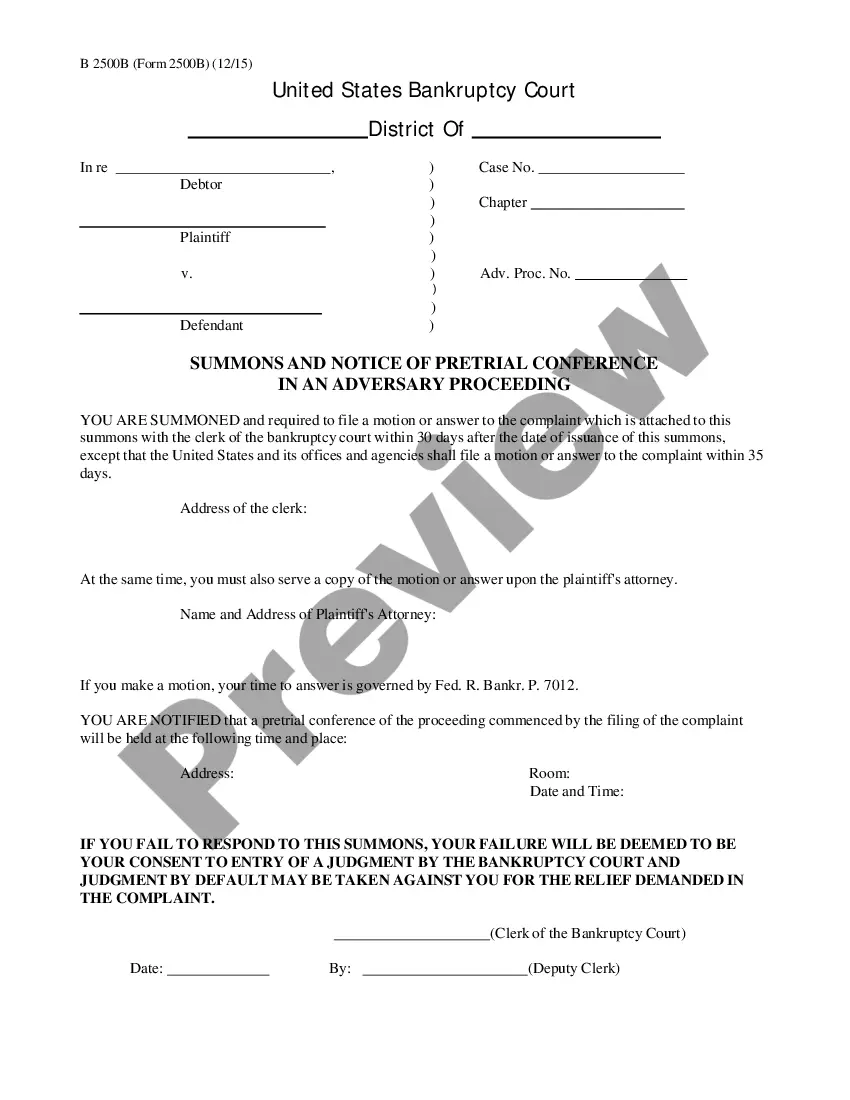
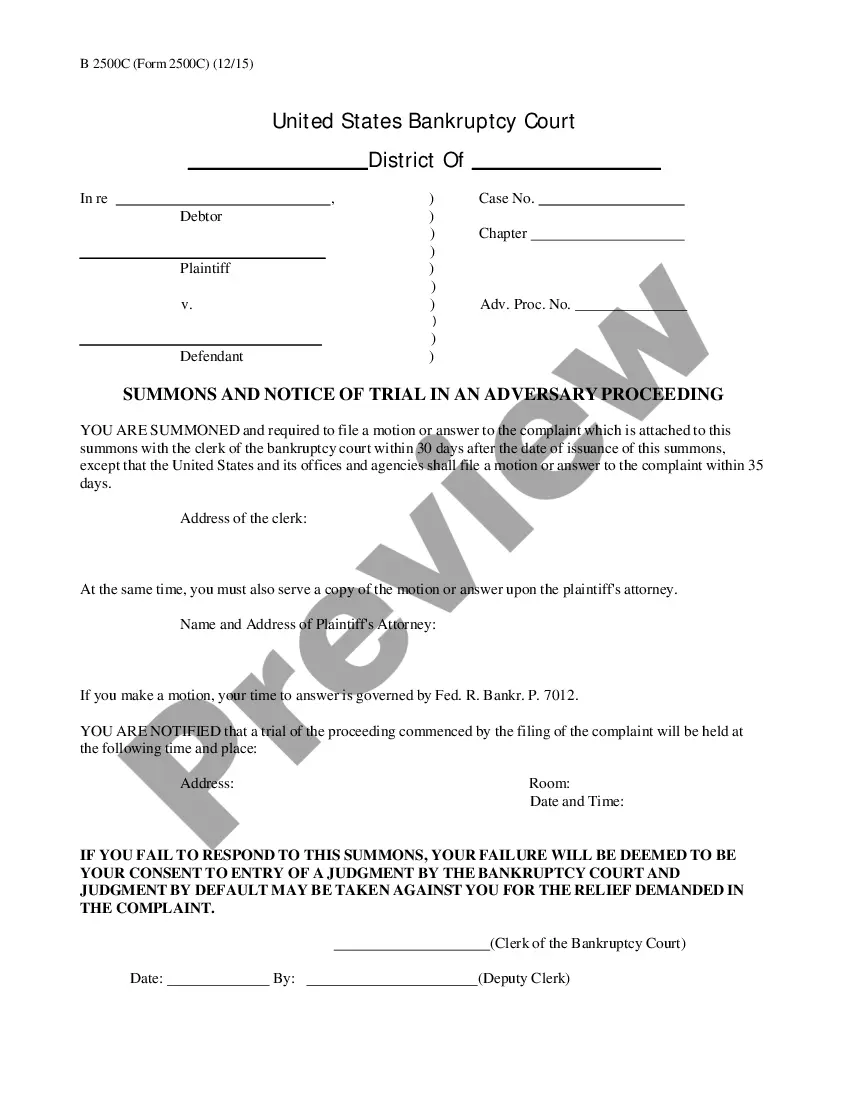
A summons usually includes the names of the parties involved, the court's name, and instructions on how to respond. Think of it as the trailer for a movie – it gives you the basics.
Yes, you can ask for more time to respond. Just like asking your teacher for an extension on a paper, you’ll need to file a request in court.
Ignoring a summons is like throwing away a ticket at a concert. You might end up getting a default judgment against you, which means the other party wins by default.
To respond, you need to file your answer with the court that issued the summons. Make sure to do this before the deadline to keep your case alive.
A summons is like a formal invitation to court. It tells you that a case has been started against you and gives you the details about where and when to respond.