Once you sign it and it’s approved by the court, it’s usually a done deal. So, make sure you’re sure before you put pen to paper because backtracking can be complicated.
You’ll want to consider your financial situation carefully. If you can handle the payments and keeping the debt will benefit you, it might be the right call. It’s best to weigh your options like you’re balancing a scale.
Yes, one risk is that you’ll still be on the hook for the debt if you reaffirm it, which can lead to financial stress if your situation doesn’t improve. It’s a bit of a double-edged sword.
If you don’t file it, you might lose your assets tied to those debts because they can be repossessed or foreclosed upon. It’s like throwing in the towel on keeping what’s important to you.
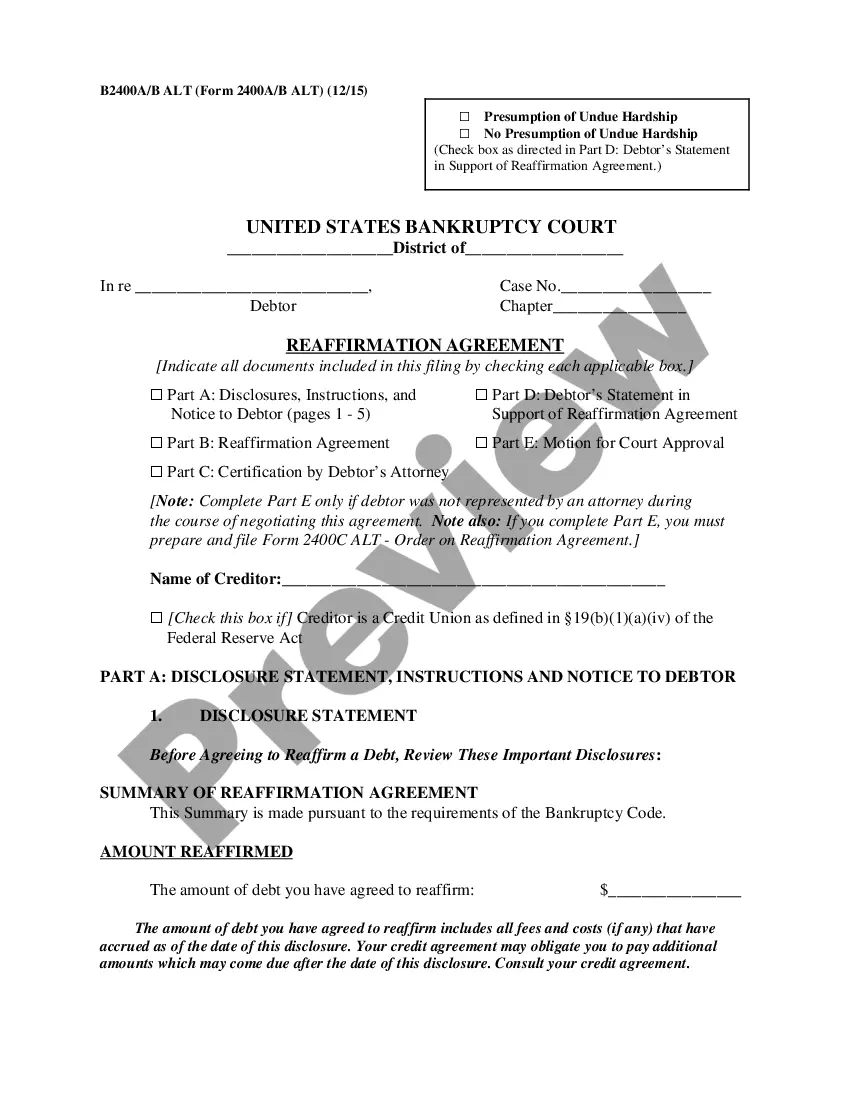
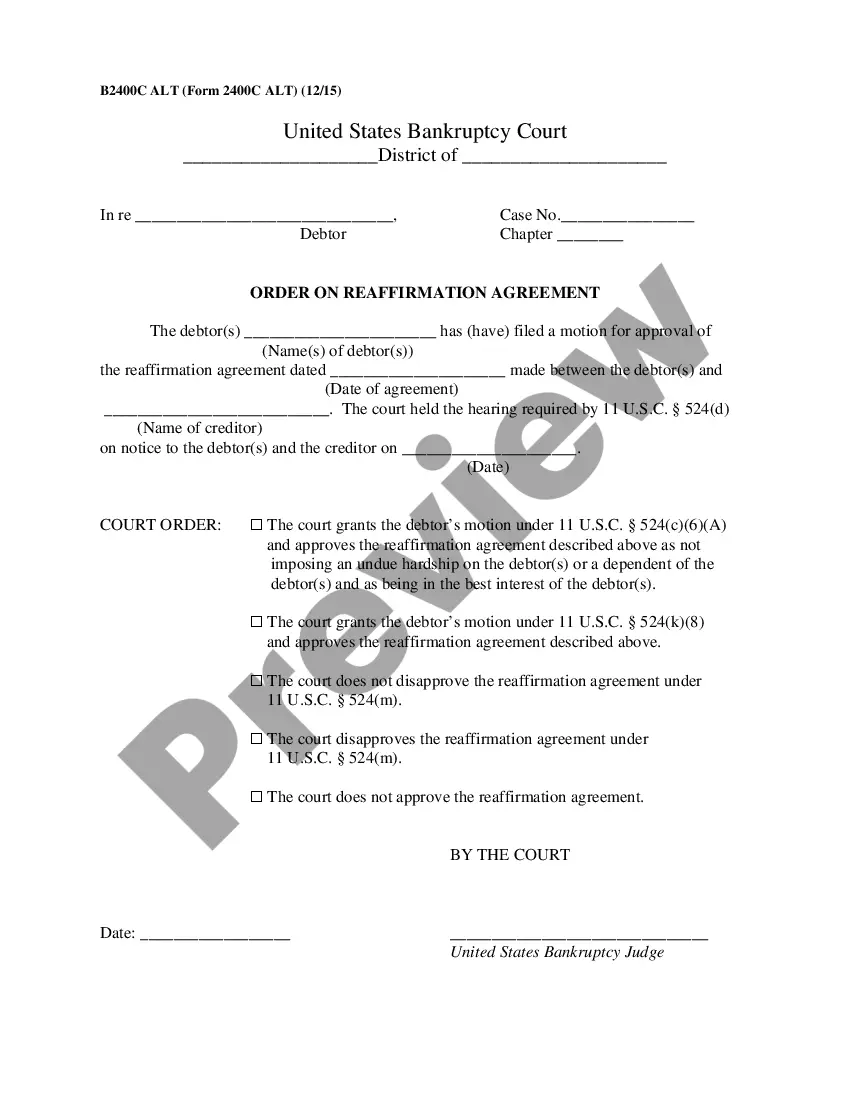
The process usually involves filling out the reaffirmation agreement, making sure both you and your creditor are on the same page, and then the court approving it. It’s kind of like getting a thumbs up from everyone involved.
Typically, anyone who wants to keep certain secured debts, like a car or home, after bankruptcy would need to file this document. It’s a way to ensure you can keep the roof over your head or your wheels on the road.
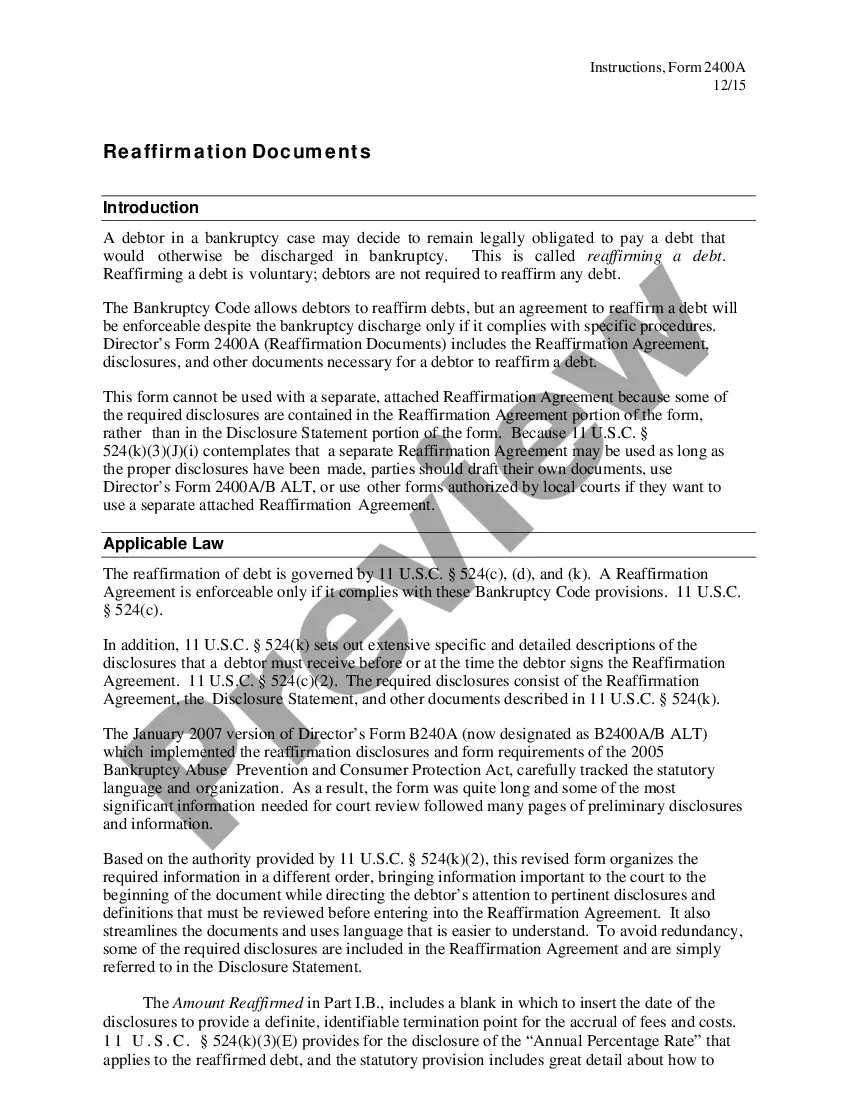
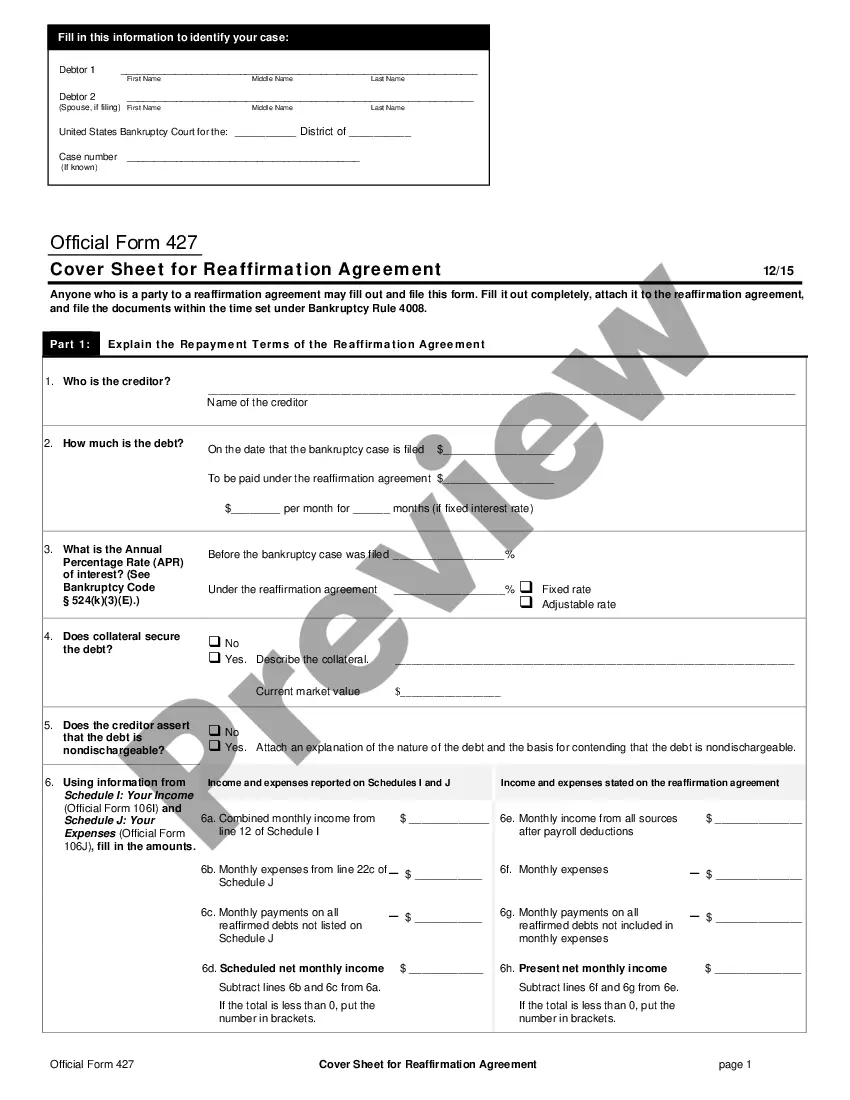
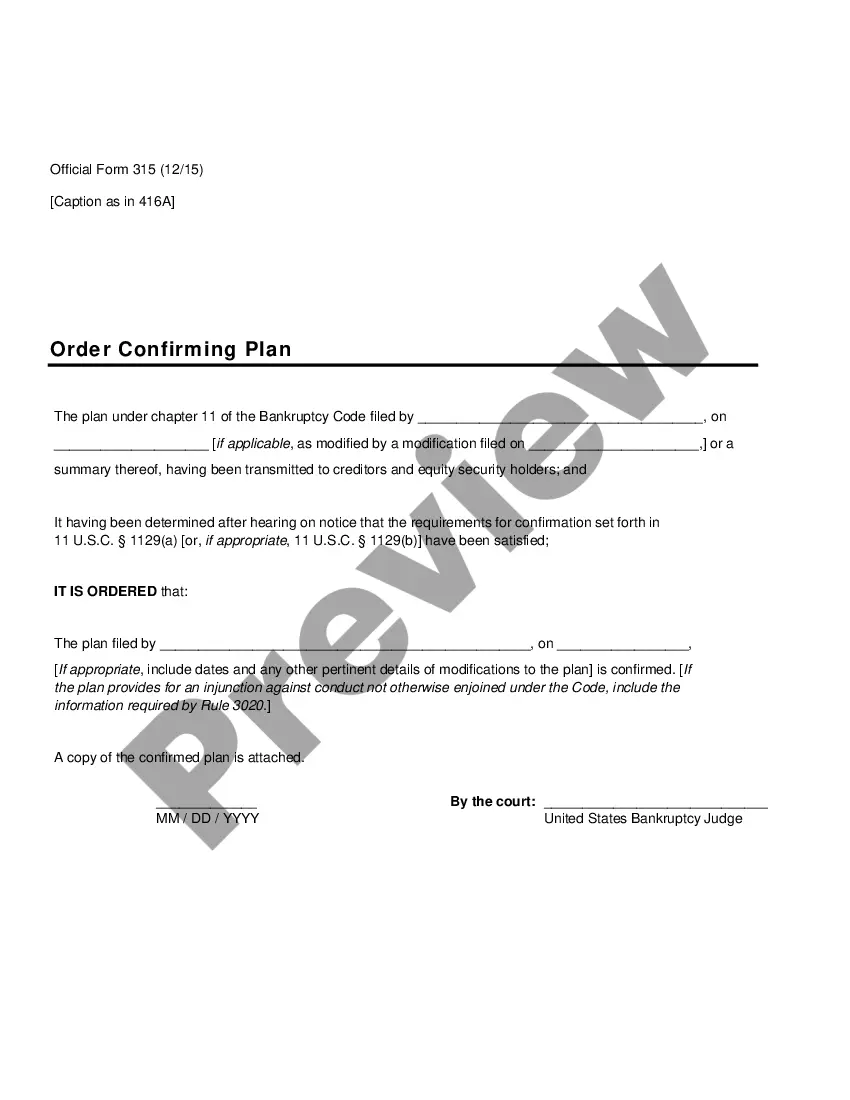
Plano Texas Reaffirmation Documents are legal papers that confirm a debtor's intention to keep certain debts after filing for bankruptcy. It's like giving a handshake to your creditors that you plan to keep paying them.