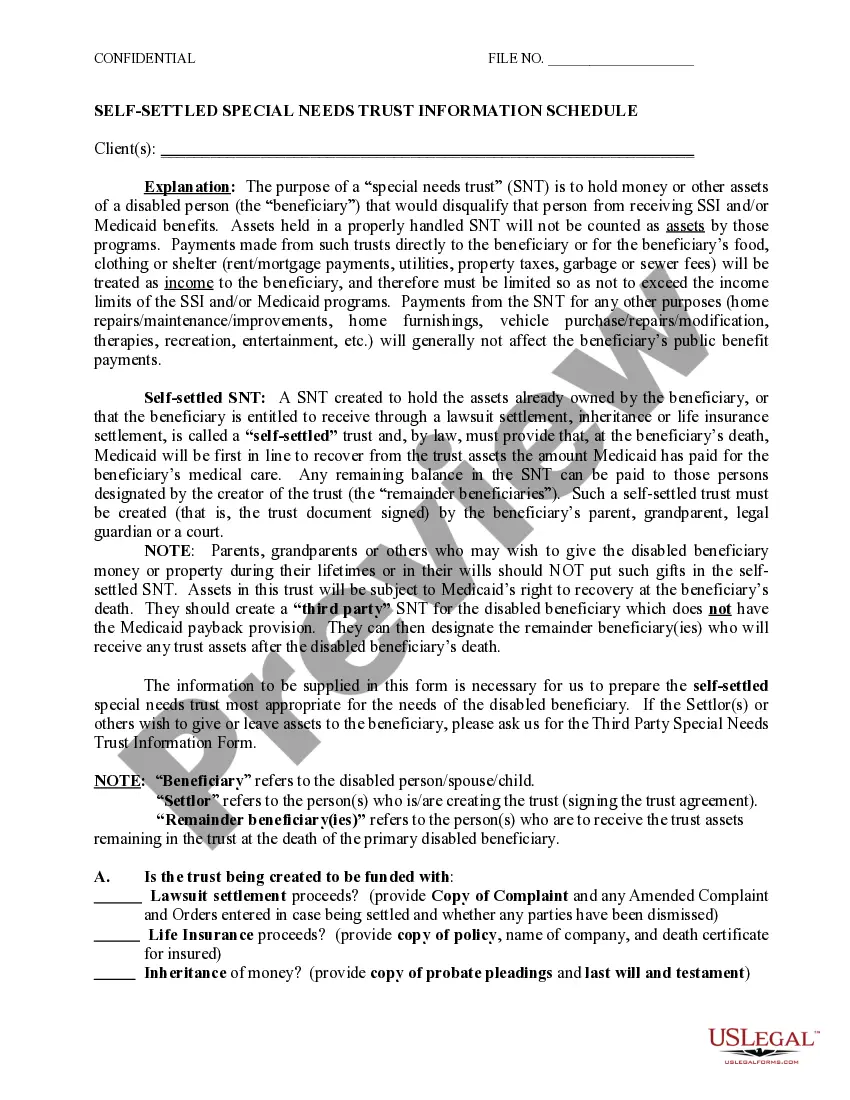
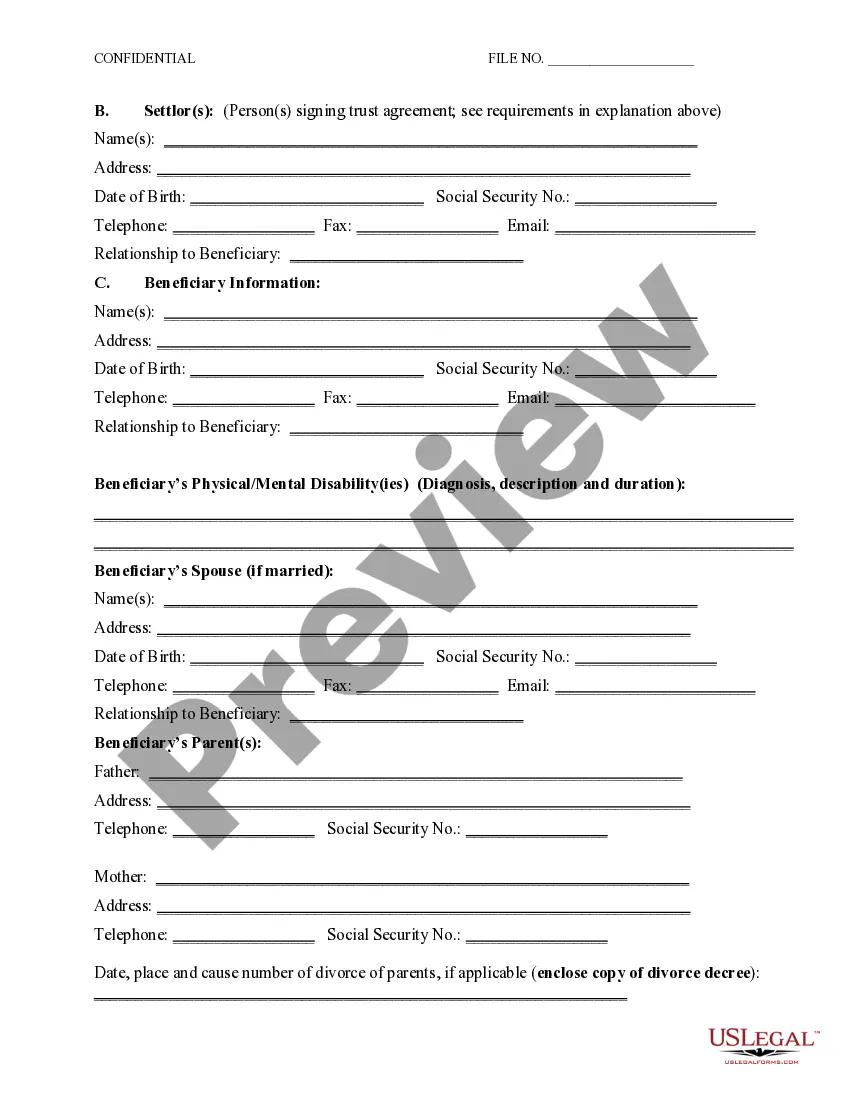
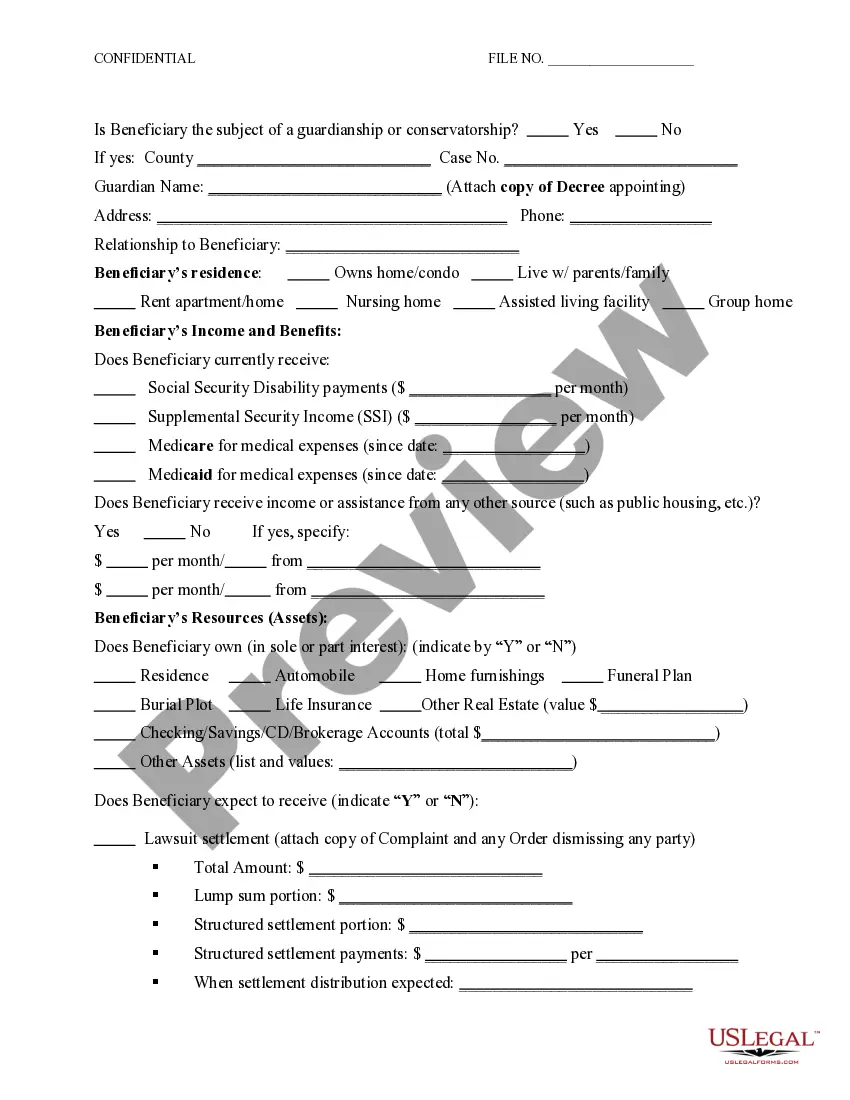
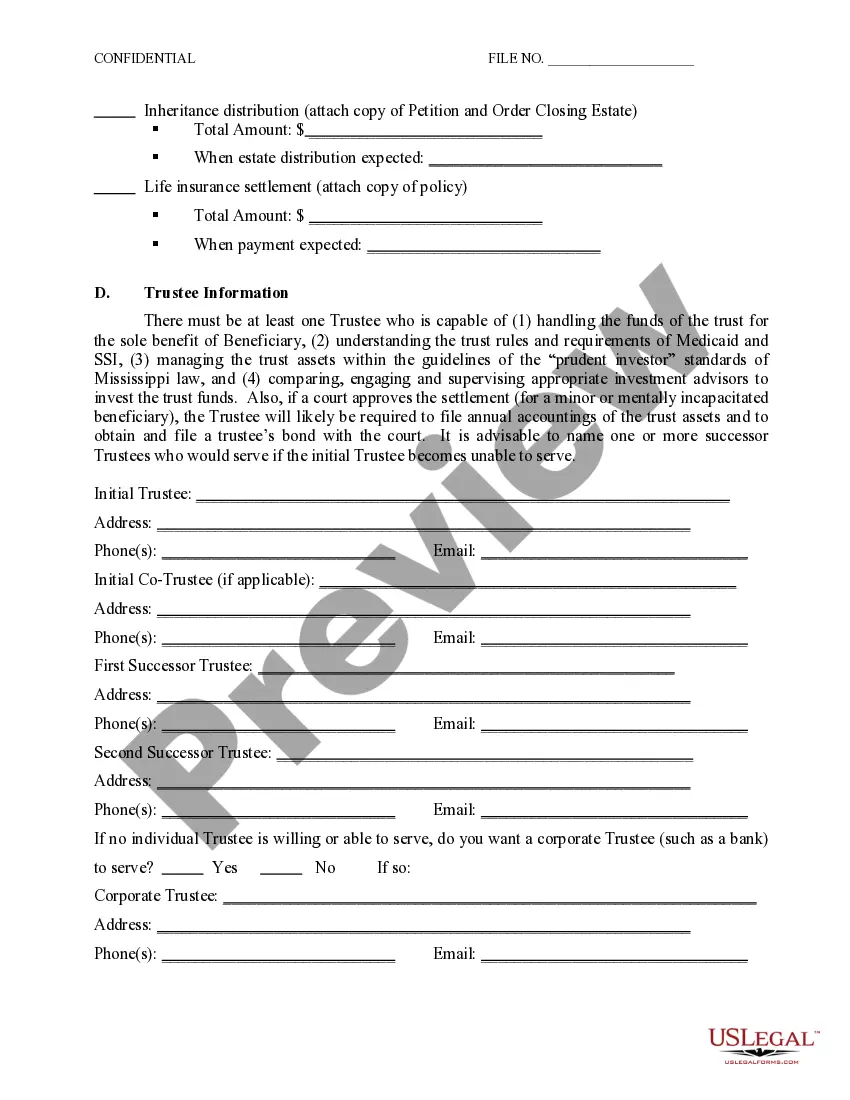
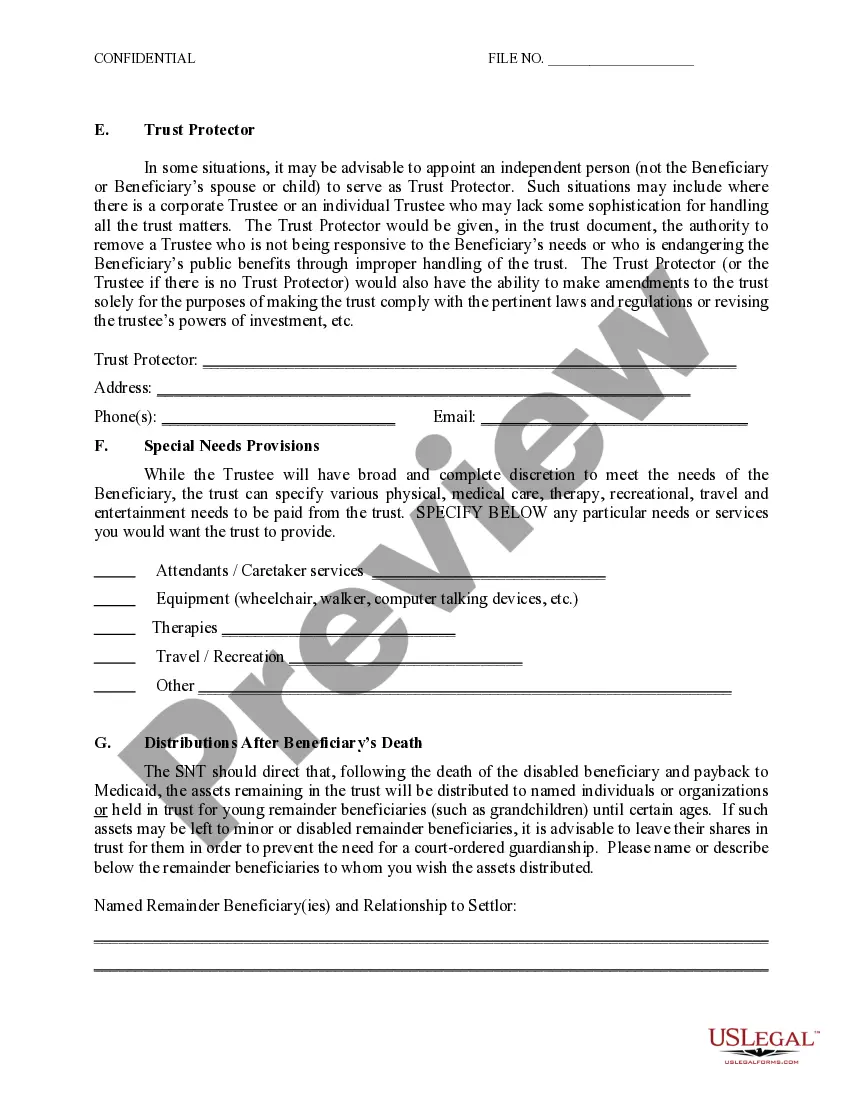
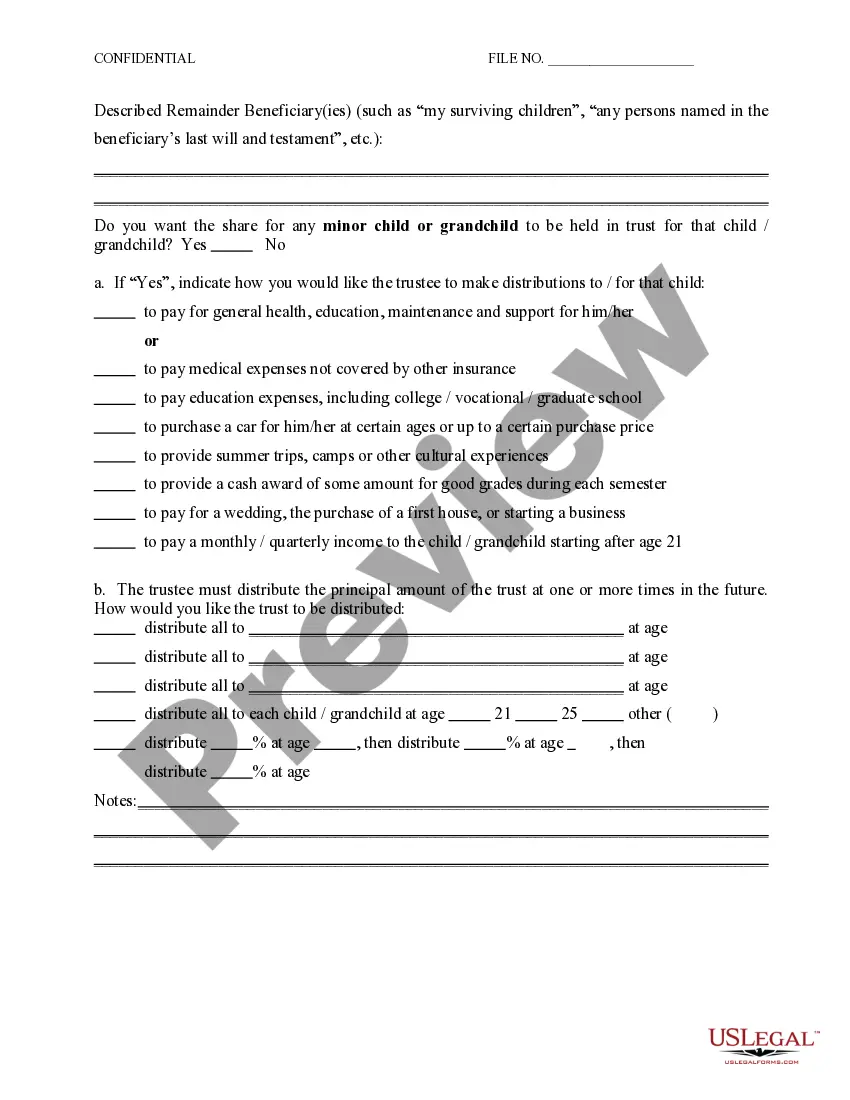
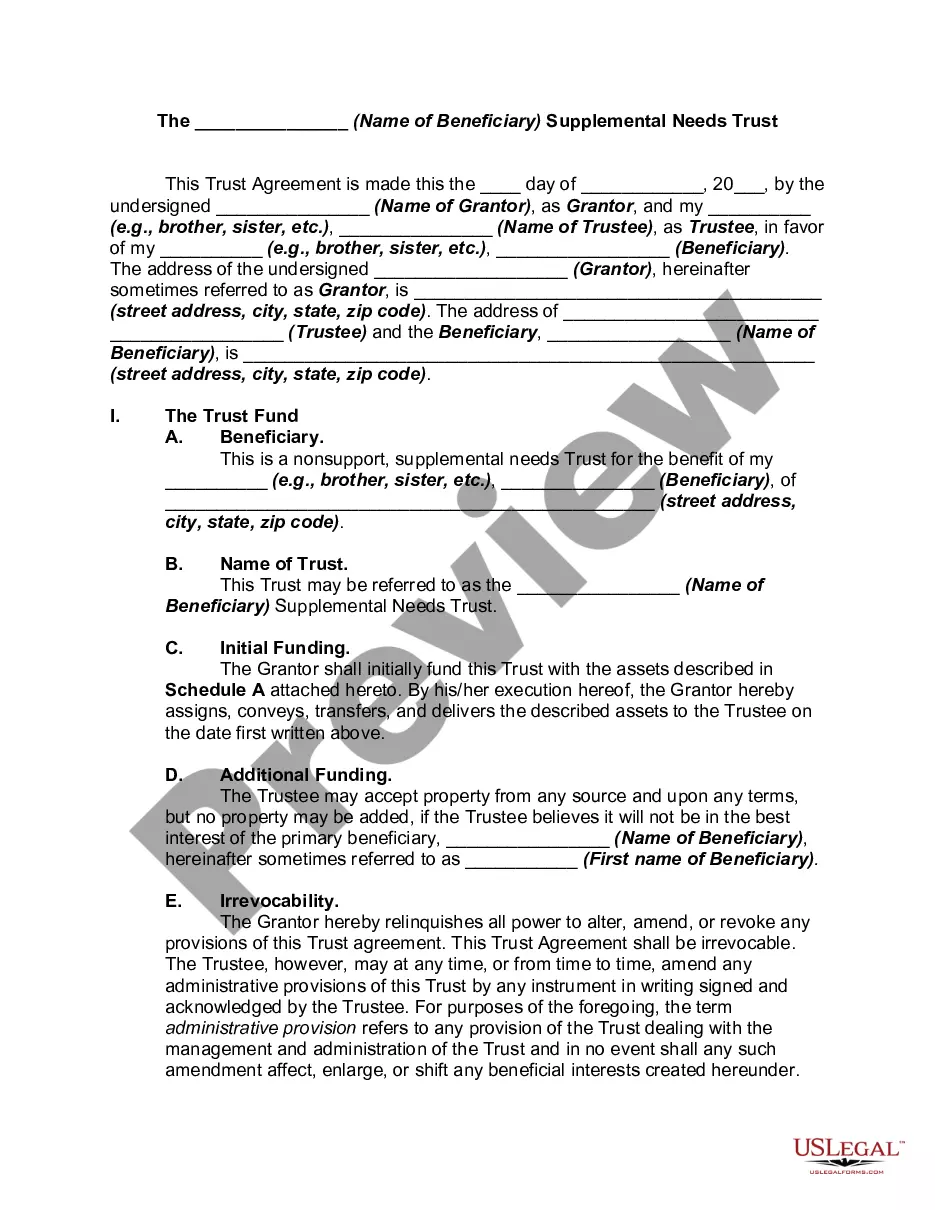
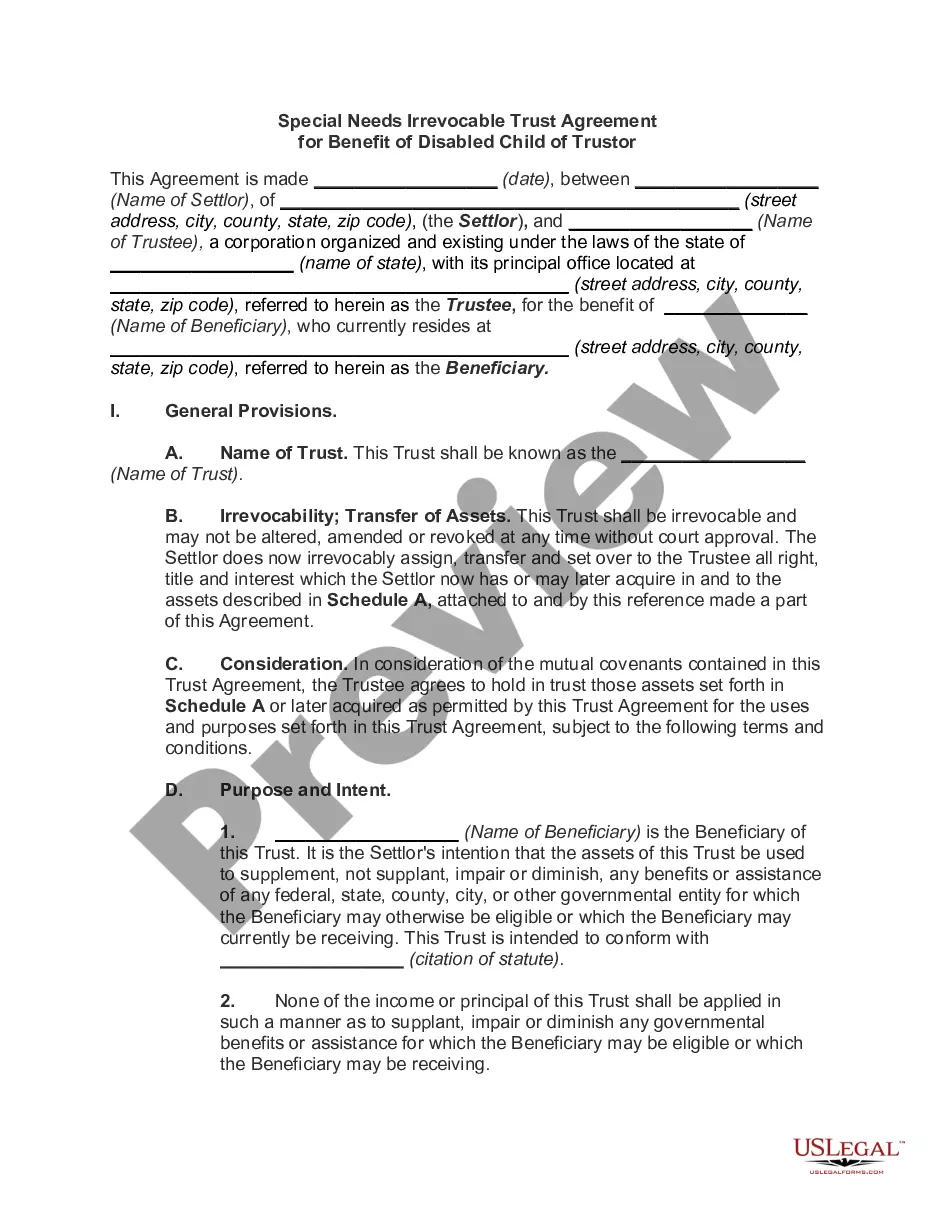
This document summarizes the progression of information that assists an attorney in preparing and advising a client about self-settled special needs trusts.
Managing the trust involves keeping an eye on the funds and ensuring they’re used for the right purposes. A trustee—someone you trust—will help with this task. With a good plan, you’ll have peace of mind knowing your loved one is taken care of.
While it's possible to go it alone, having a lawyer who knows their stuff about disability law is a smart move. They’ll help you navigate the twists and turns, ensuring everything is tight as a drum.
Nope! As long as the trust is set up correctly, it won't interfere with critical government programs like Medicaid or Supplemental Security Income (SSI). It’s all about keeping that safety net intact.
Typically, a Self-Settled Special Needs Trust can be set up by the person with disabilities, their parent, grandparent, or legal guardian. You don't need to be a rocket scientist to get it done; just someone who cares deeply about supporting their loved one.
Settled Special Needs Trust is a special type of trust designed to help individuals with disabilities manage their assets while still being eligible for government benefits. It's like having a safety net that keeps you secure without losing those essential aid programs.