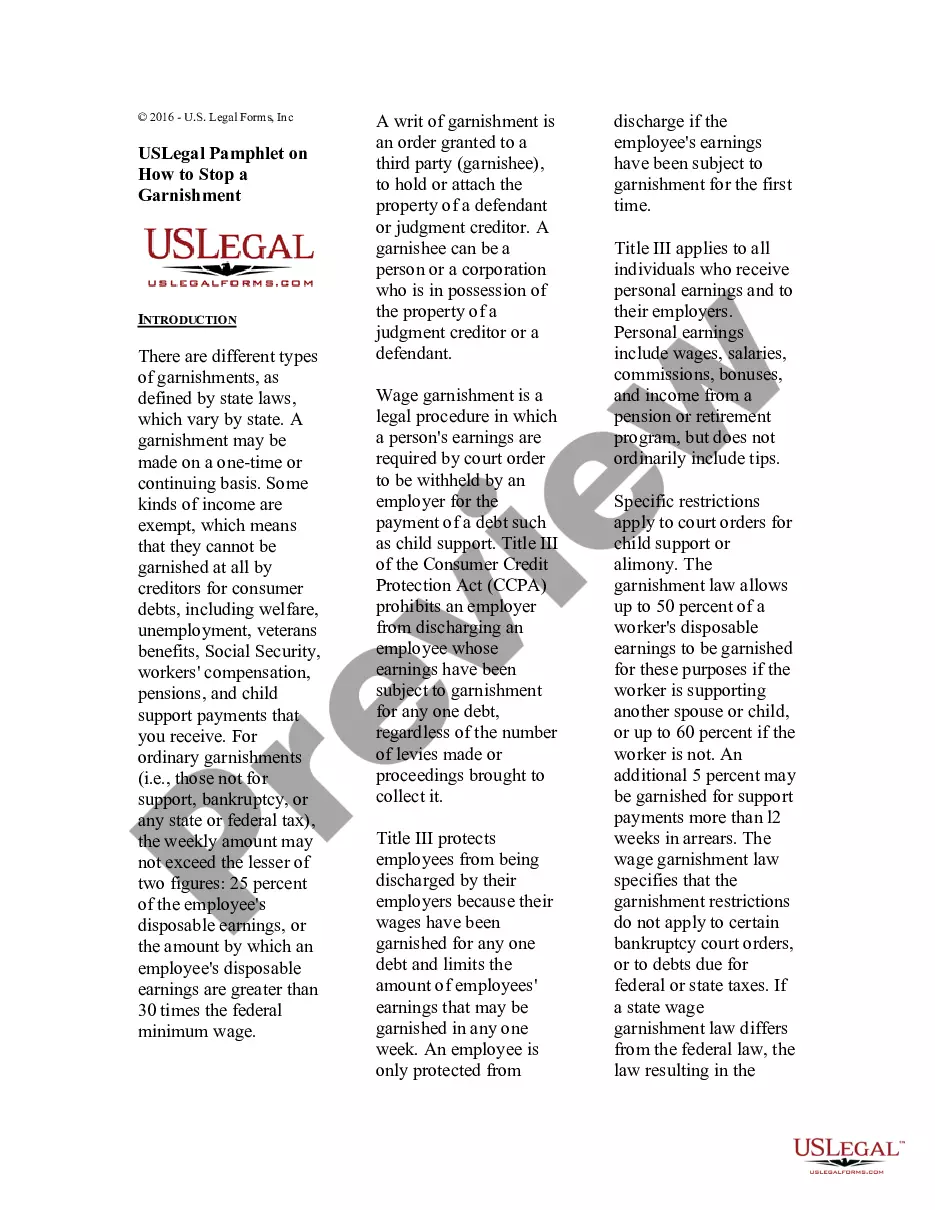
No, Texas law protects you from being fired just because your wages are garnished. However, if you have multiple garnishments, that could be a different story.
First, you should check to see if the garnishment is legal. If it is, consider reaching out to your creditor to discuss your situation and explore options.
Yes! Certain types of income, like Social Security benefits, disability payments, and retirement benefits, are usually off-limits to garnishment in Texas.
Yes, you can challenge a garnishment or negotiate a payment plan with your creditor, but you'll need to act quickly and may want to seek legal help.
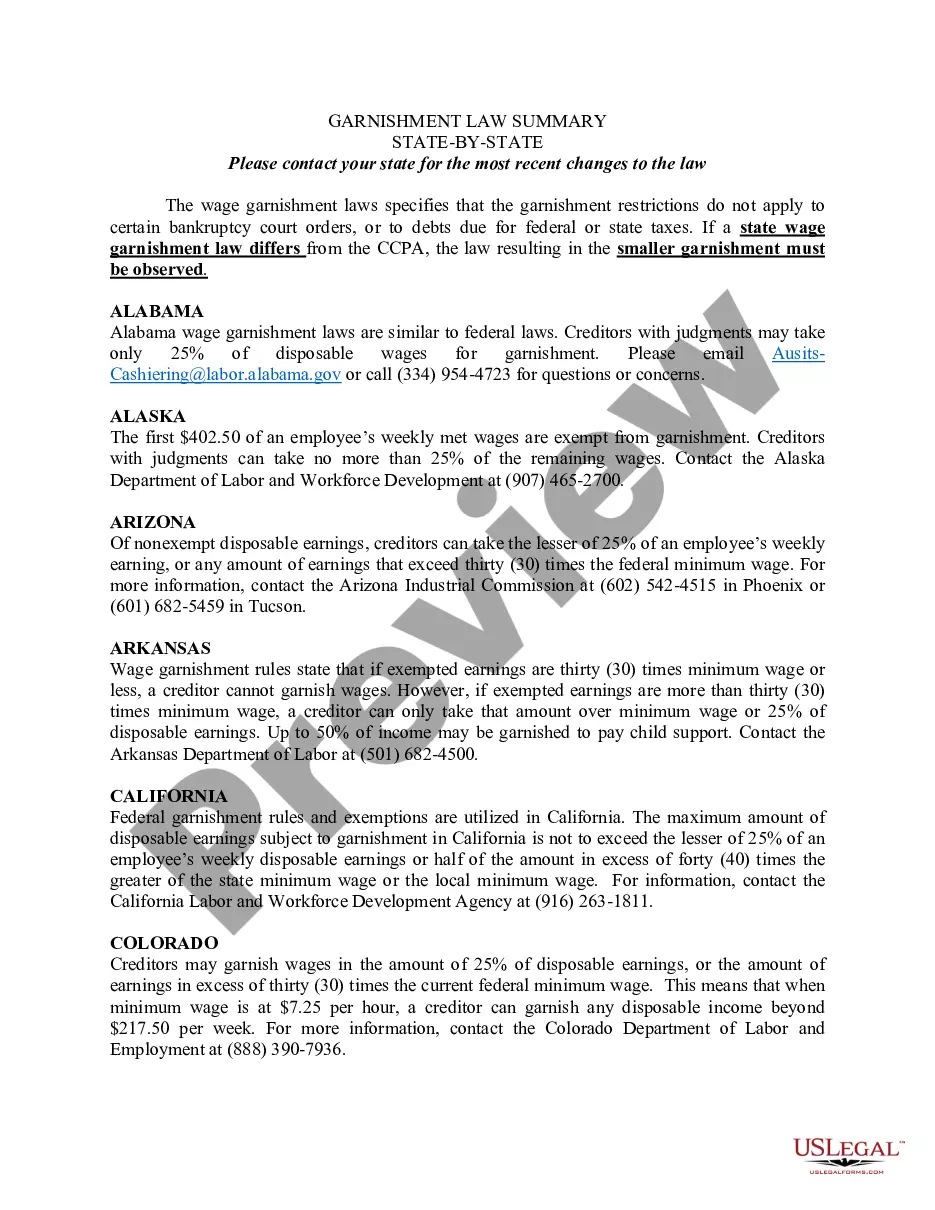
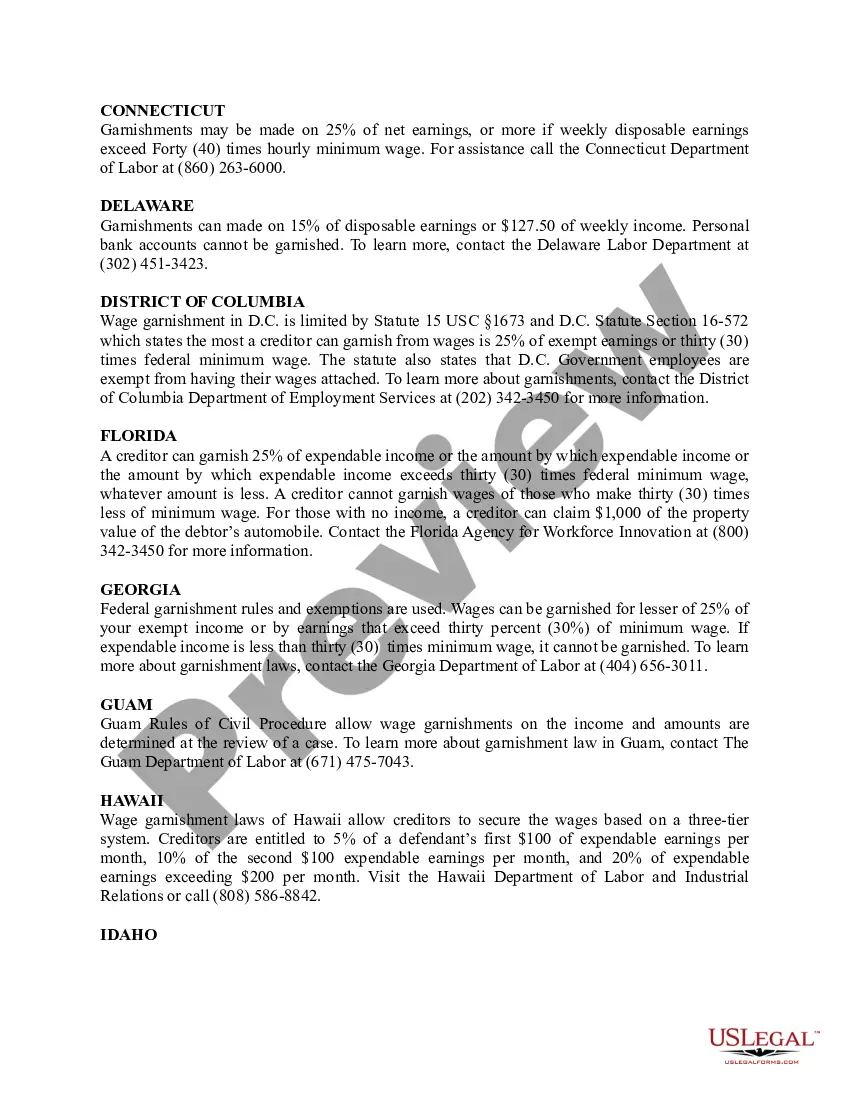
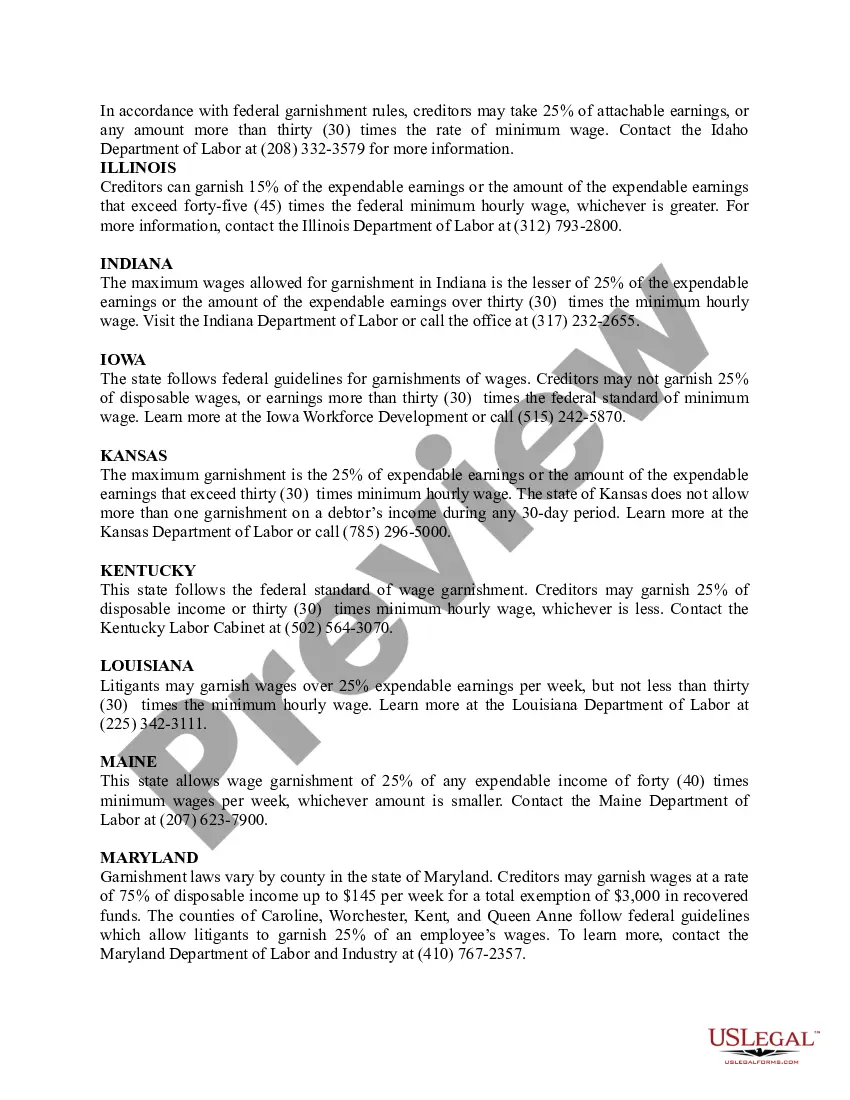
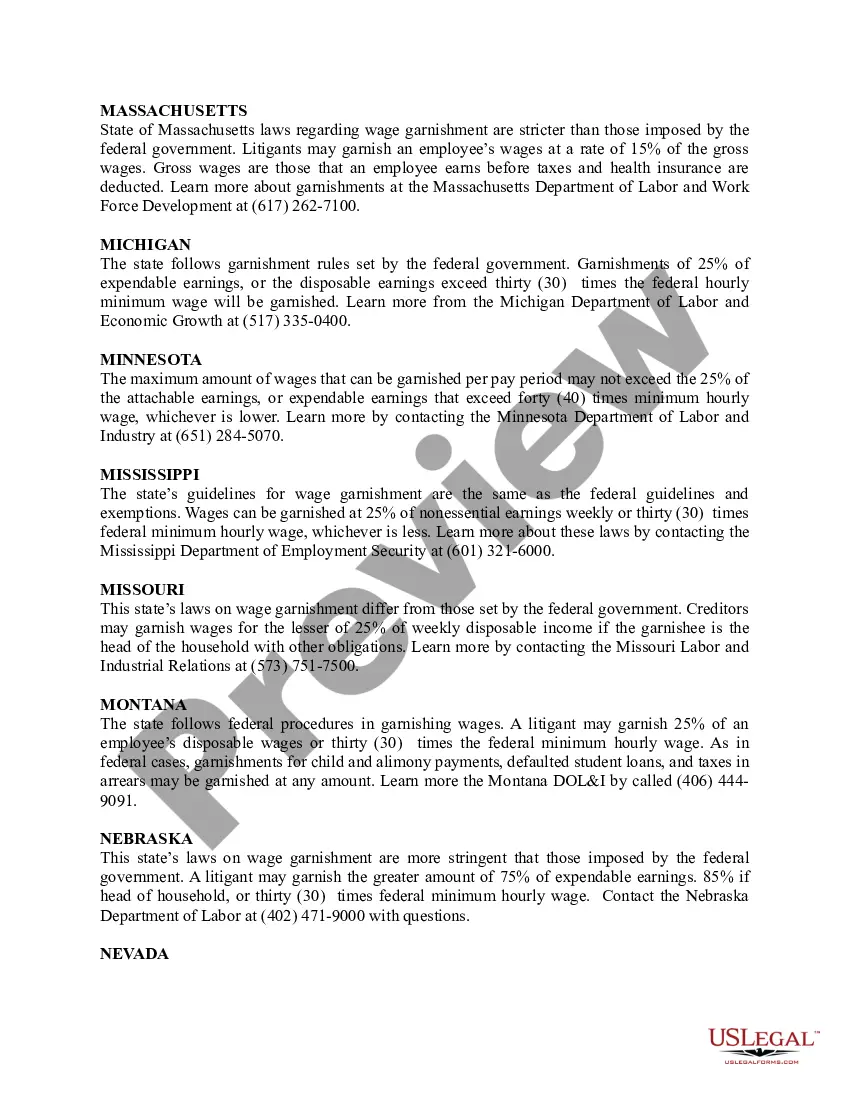
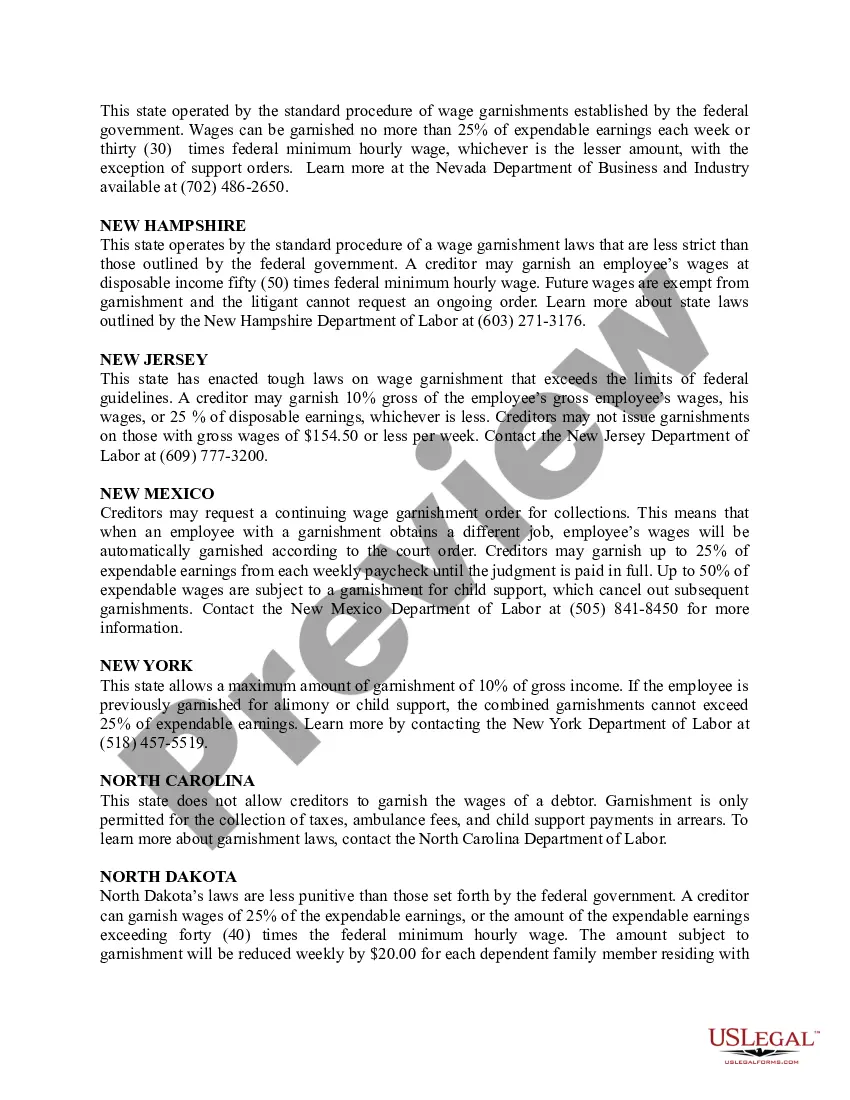
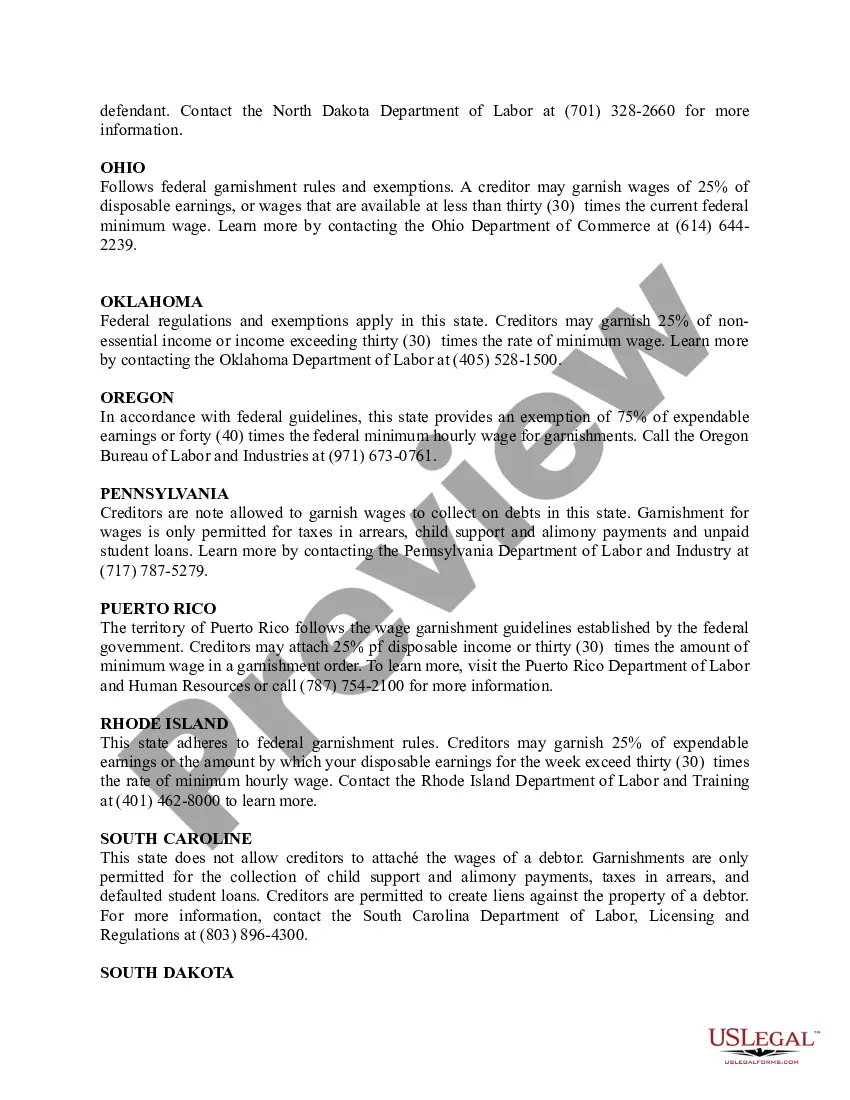
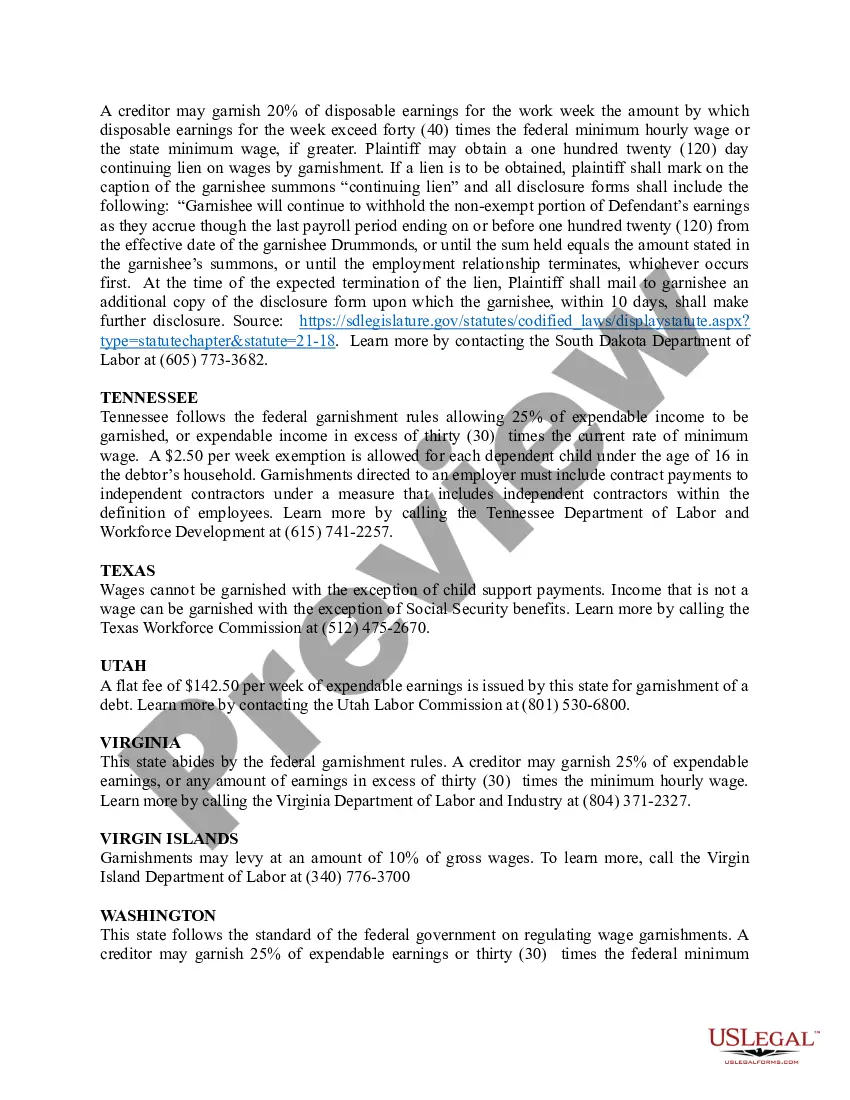
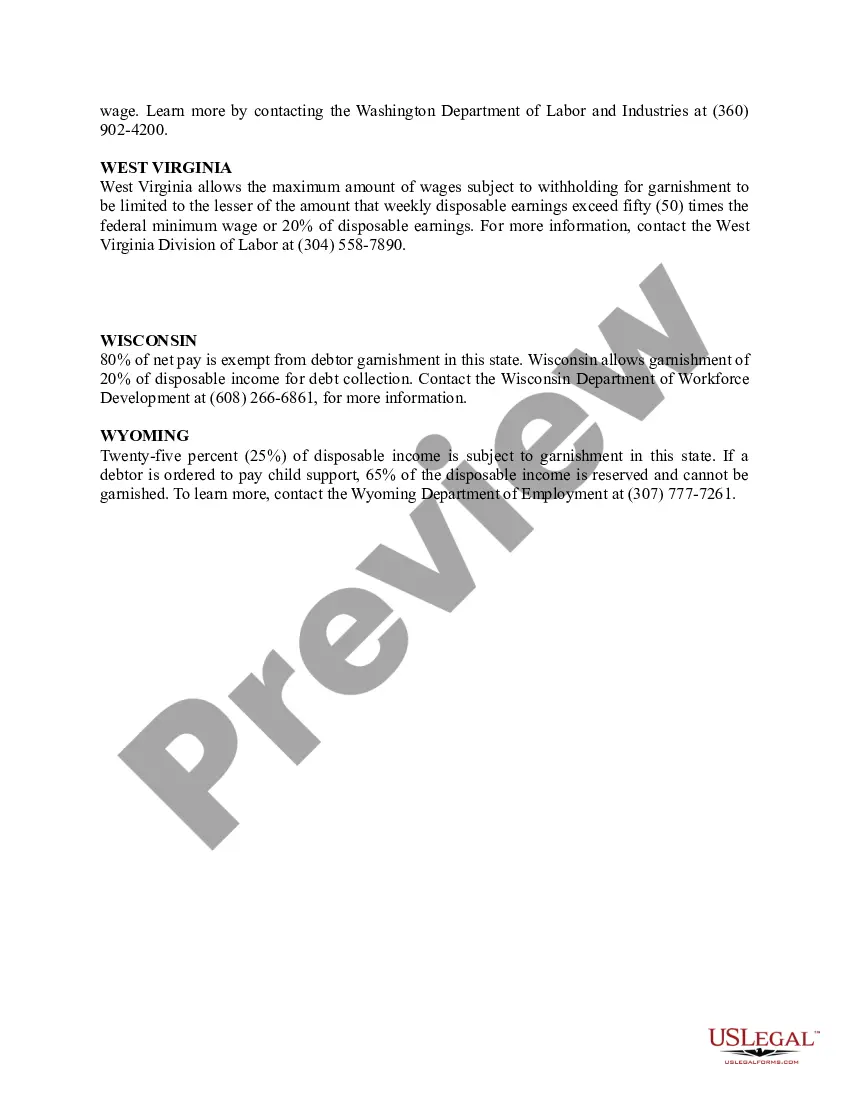
In Texas, the law limits garnishment to 25% of your disposable income or the amount by which your weekly earnings exceed 30 times the federal minimum wage, whichever is less.
Typically, creditors who have won a court judgment against you can garnish your wages, but there are some exceptions like federal student loans and certain child support obligations.