If you're feeling off about anything during counseling, it’s important to speak up. Having an open dialogue with your counselor can clear the air and help adjust things to make you more comfortable.
Yes, confidentiality is key in counseling. Your counselor is like a vault; they’ll keep your details under wraps, unless there’s a serious risk involved where they might need to break confidentiality.
That’s your call! You can decide to stop whenever you feel it's time. Just let your counselor know; they’ll understand and respect your decision.
Absolutely! This process is your chance to voice your concerns. If something doesn’t sit right, don’t hesitate to ask your counselor to clarify things.
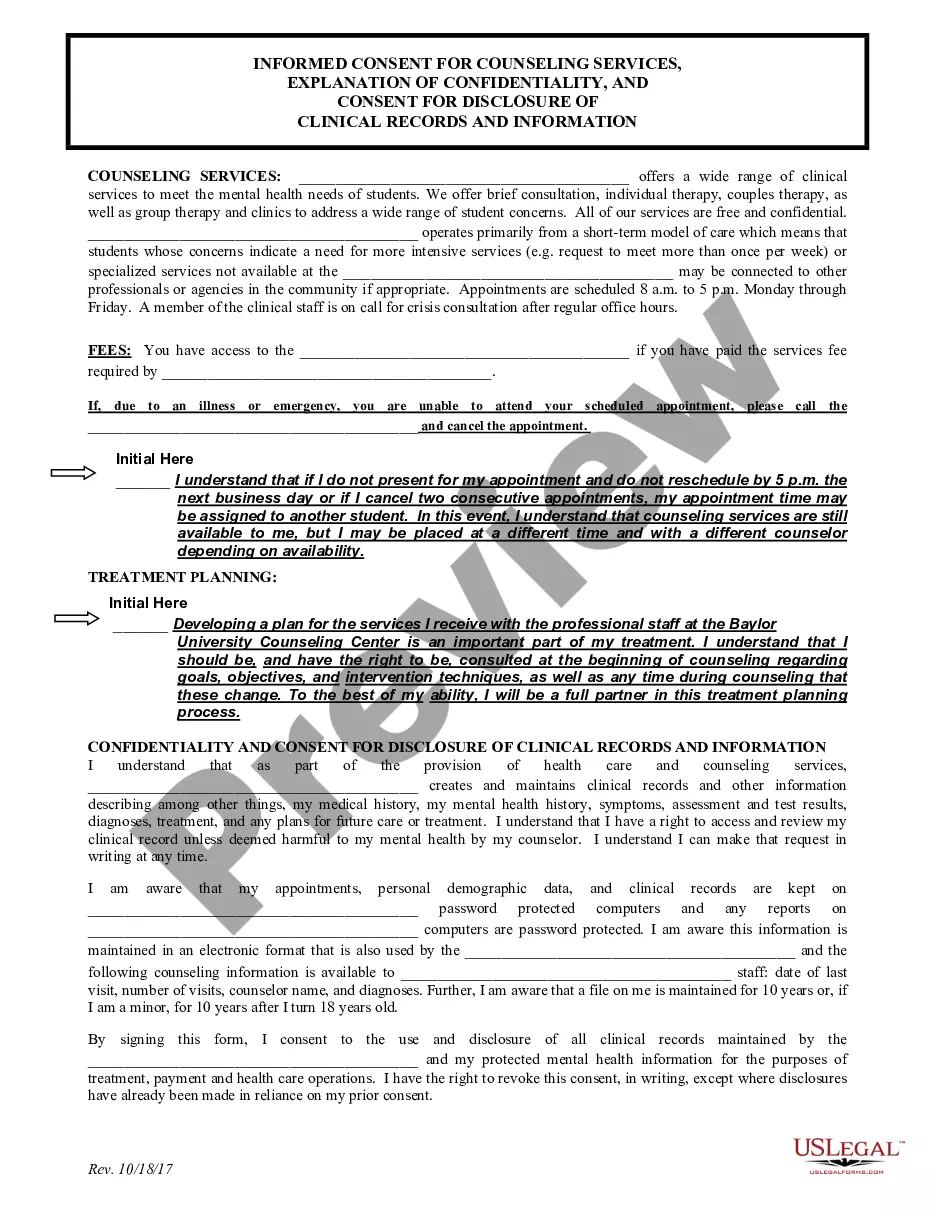
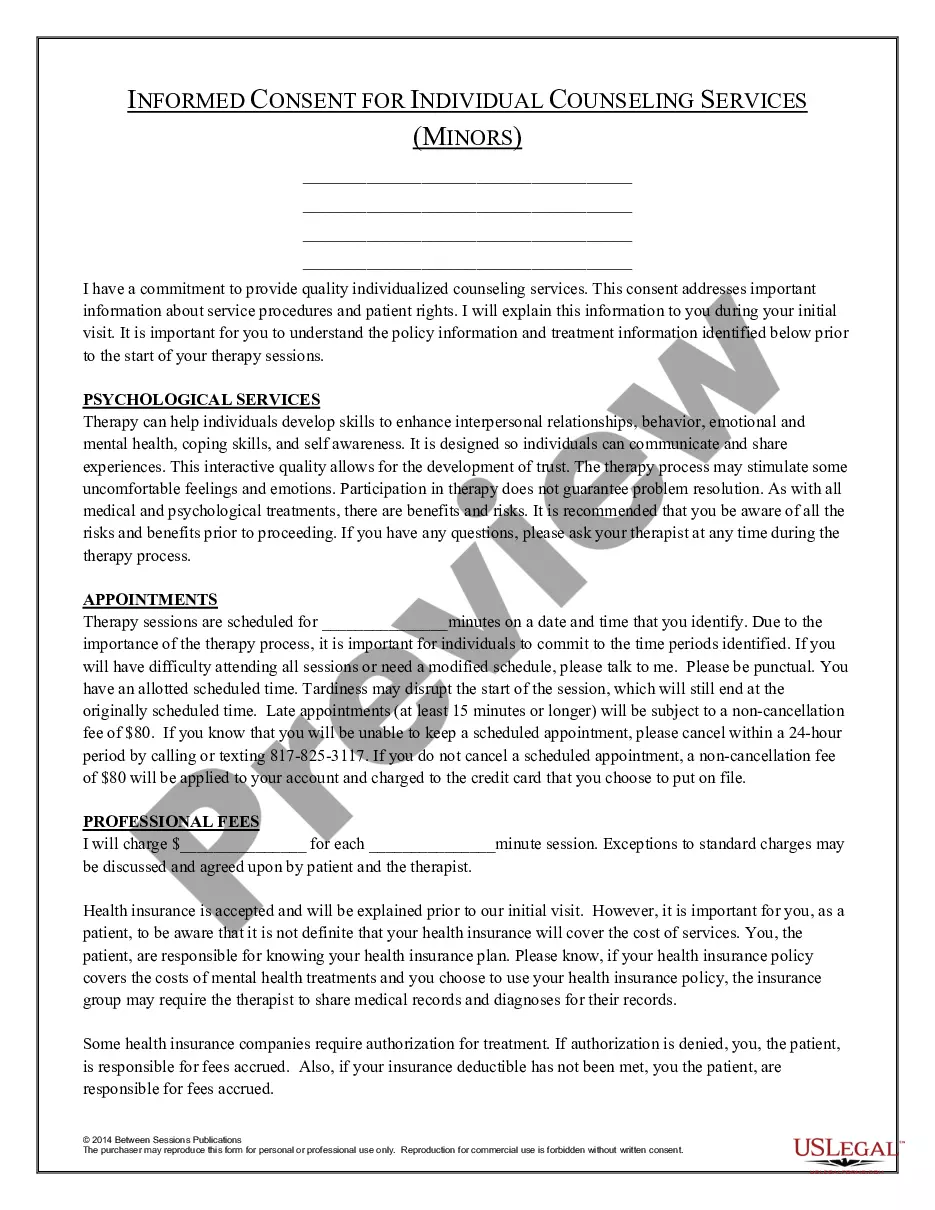
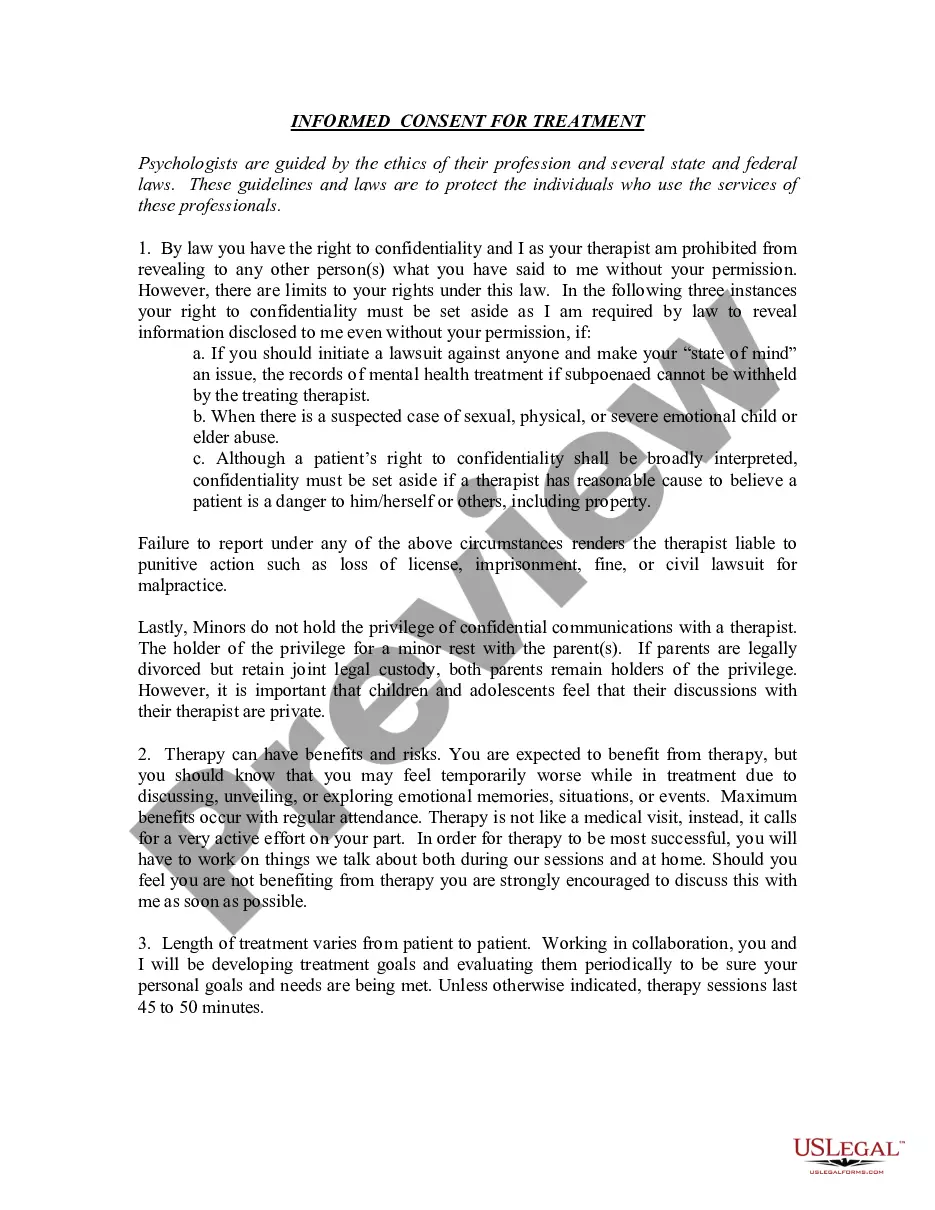
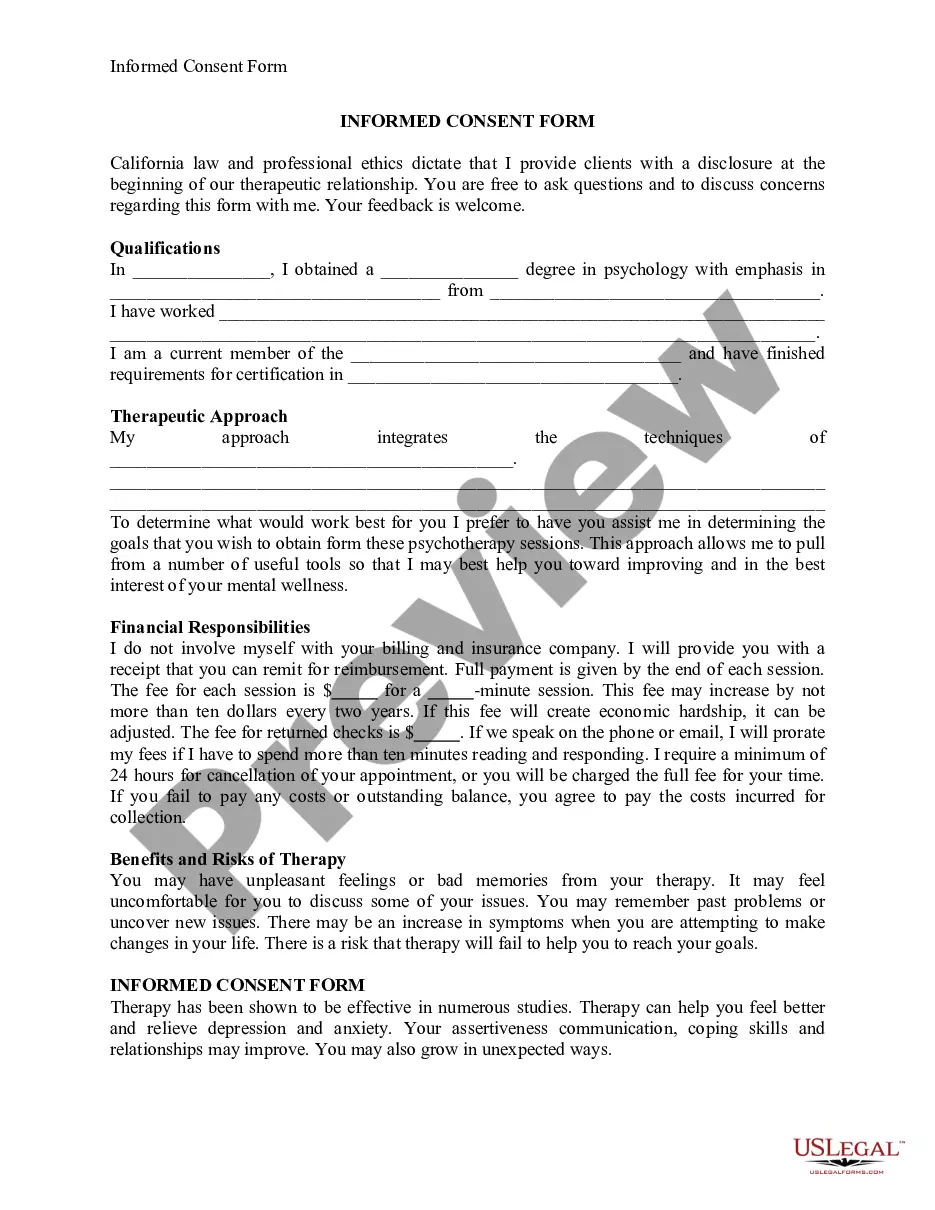
Your counselor will share the basics, such as their qualifications, the methods they use, potential benefits of therapy, risks involved, and your rights as a client. It’s like laying all the cards on the table.
Signing an informed consent document is like shaking hands on an agreement. It shows you're on board with the counseling process and that you've got a clear understanding of how things will go.
Informed consent is simply the process where a counselor explains the ropes, making sure you understand what to expect from counseling. It's all about keeping you in the loop.