While it's not legally required, having a lawyer can really help. They know the ins and outs of the legal system and can present your case more effectively, like having a seasoned pro on your team.
Absolutely! There are strict deadlines set by the court rules, so you need to be on the ball and file your motion within the time frame specified after the discovery phase.
If the court denies your motion, don’t lose heart! The case will move forward to trial, where both sides will present their arguments. It's just part of the legal roller coaster.
Yes, both parties in a lawsuit can file their own motions. It’s like a catch-22 where each side wants to prove they're in the right based on the facts they have.
The court looks at all the evidence presented, like affidavits or documents, and decides if there's any disagreement over key facts. If there isn’t, they might grant the motion and rule in your favor.
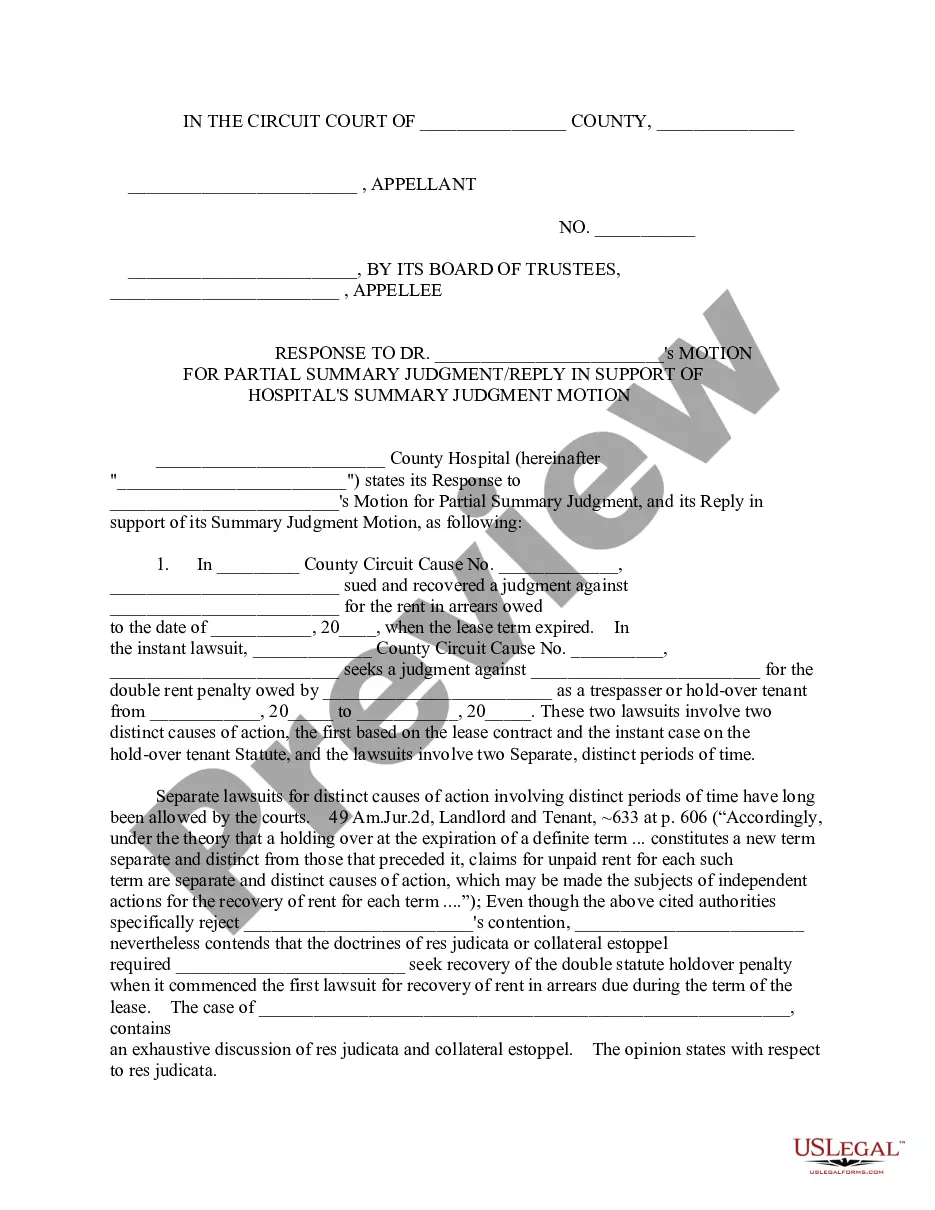
You might want to file this motion when you believe that there are clear-cut facts that support your case and it's unlikely that a jury would see things differently. It's a way to save time and get straight to the point!
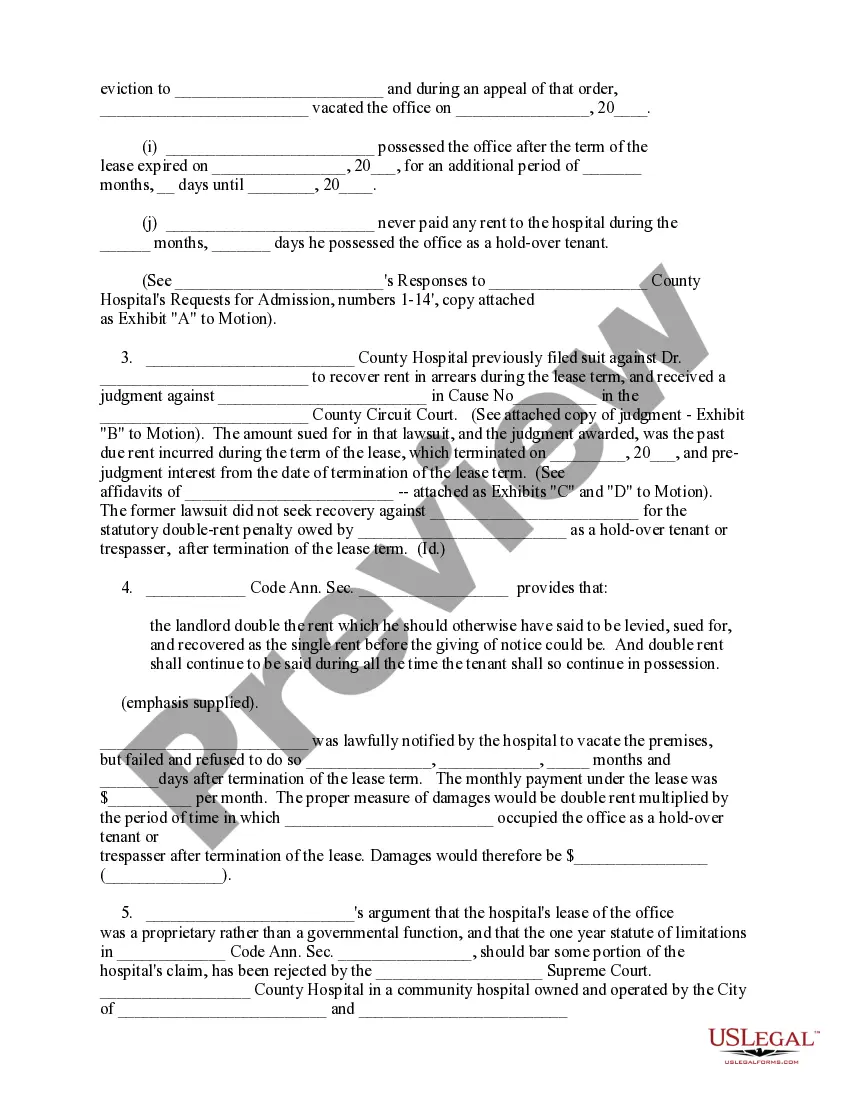
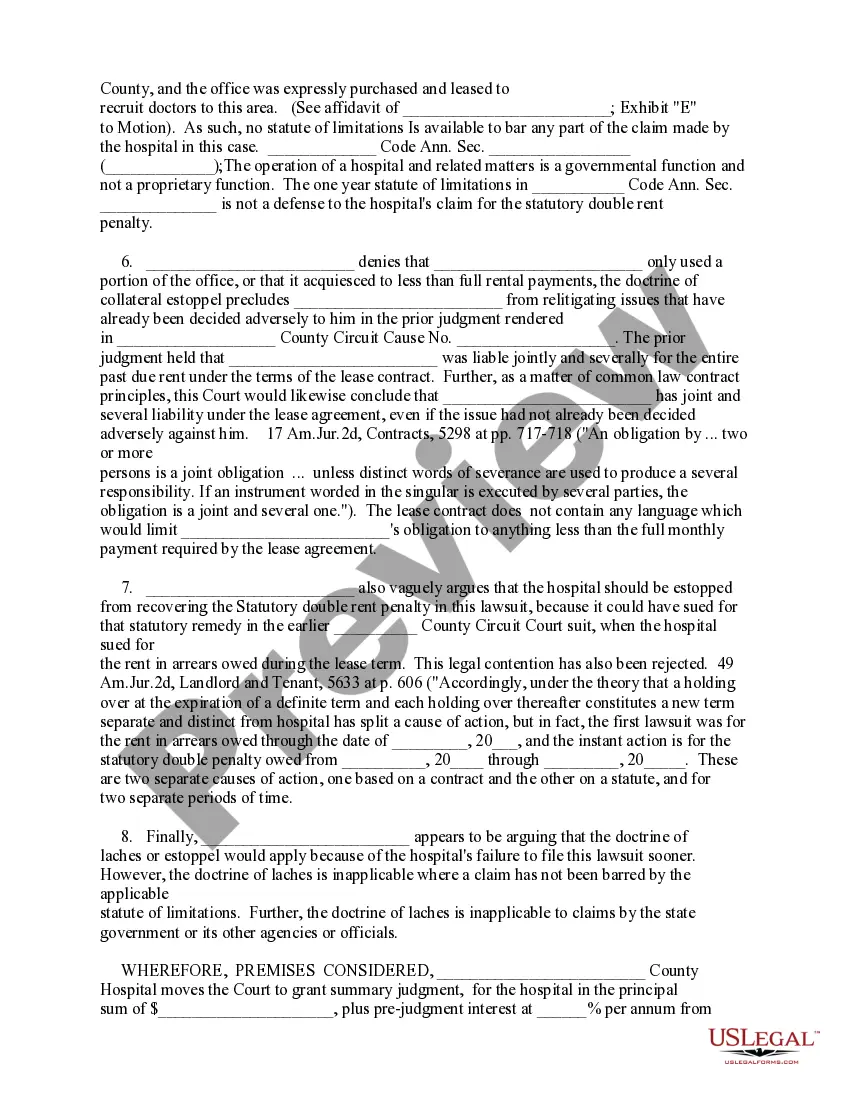
A Motion for Summary Judgment is a legal request asking the court to decide a case based on the facts that are not in dispute. It's like saying, 'Hey, there's no need to take this to trial because we already know what happened!'