If an employee disagrees, it's important to listen. Open a dialogue and discuss their points. Clear communication can often clear the air, making sure everyone's on the same page.
Involving employees means letting them share their own views before the review. Encourage them to reflect on their achievements and where they feel they need support.
Setting SMART goals – Specific, Measurable, Achievable, Relevant, Time-bound – can really help employees understand what is expected of them and where they're heading.
Feedback should be clear and constructive. It's best to use real examples and focus on behaviors rather than personal traits – aim to help, not hurt.
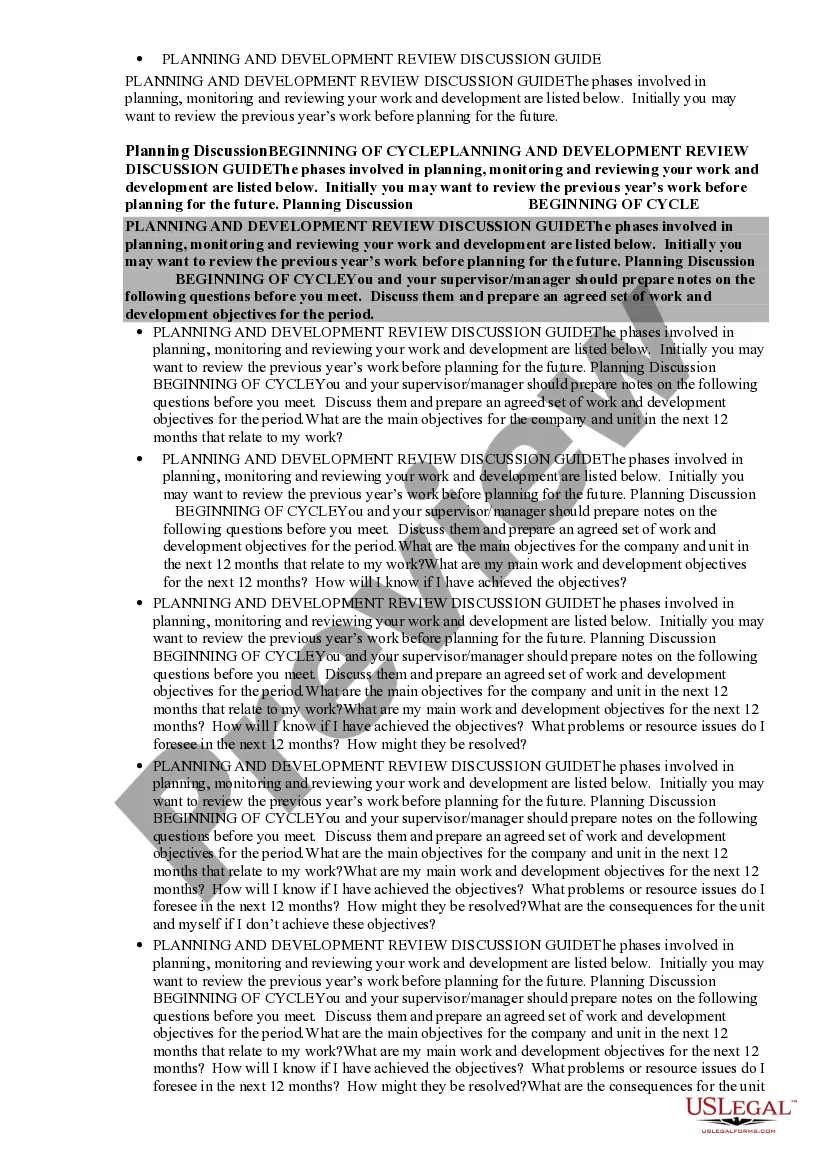
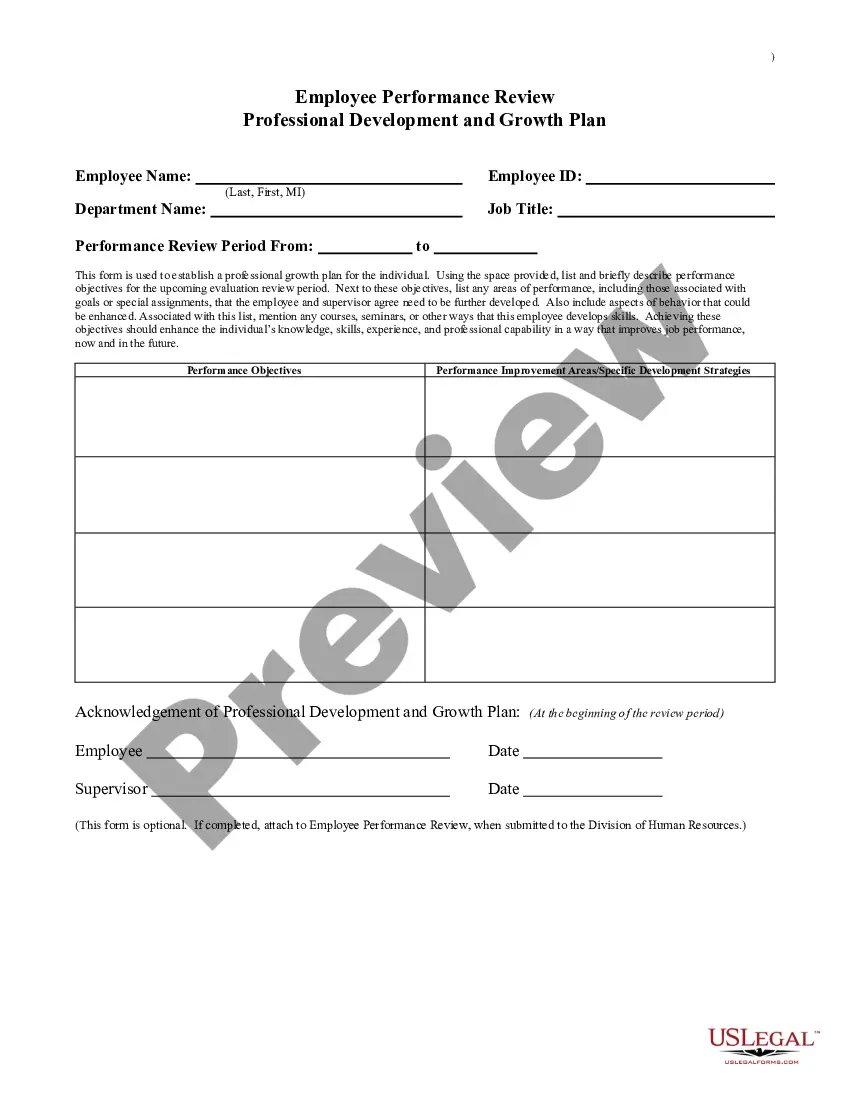
A development plan is designed to help employees grow in their roles. Think of it as a roadmap for career advancement and skills improvement.
Performance reviews are generally done annually or biannually, but some companies prefer to have them quarterly. It keeps everyone in sync and on their toes.
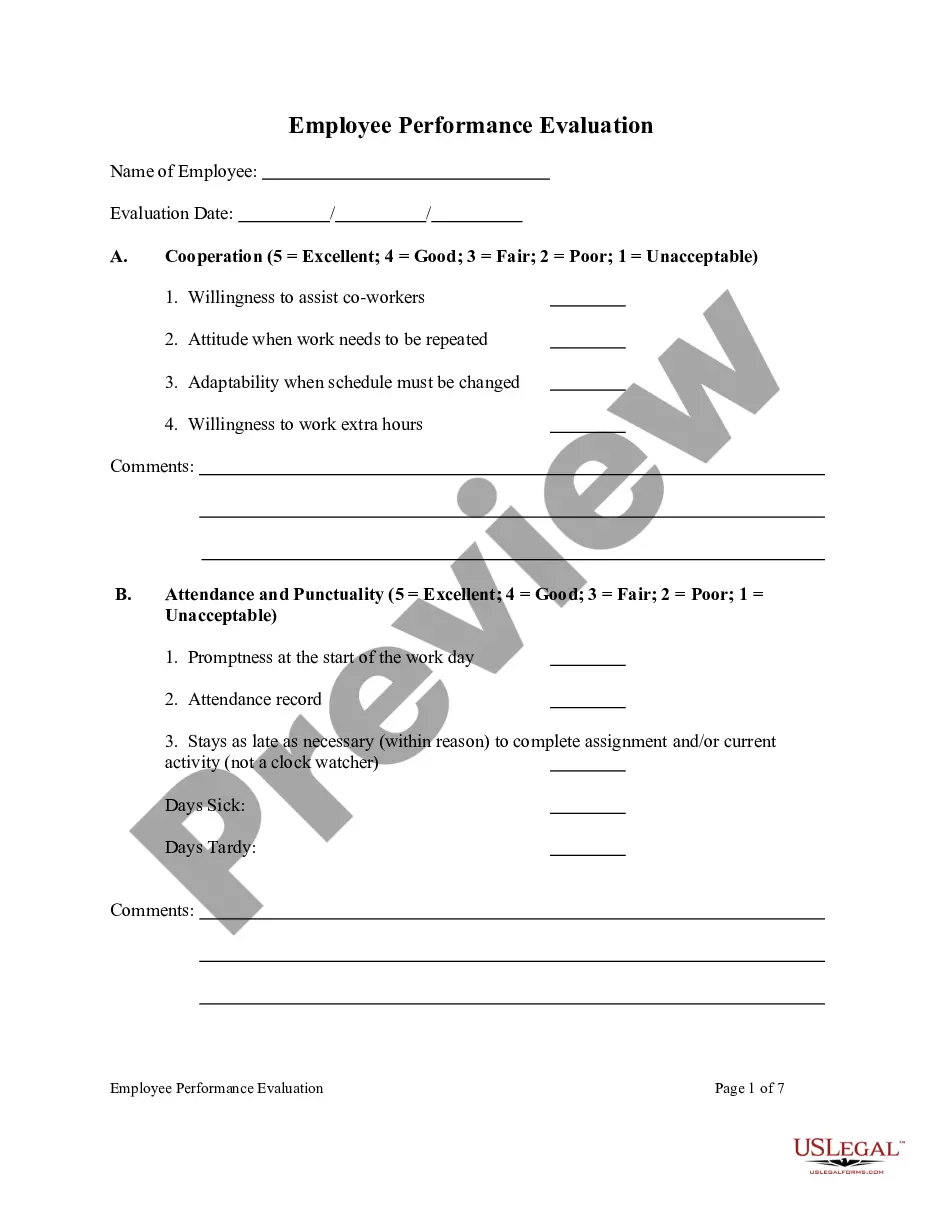
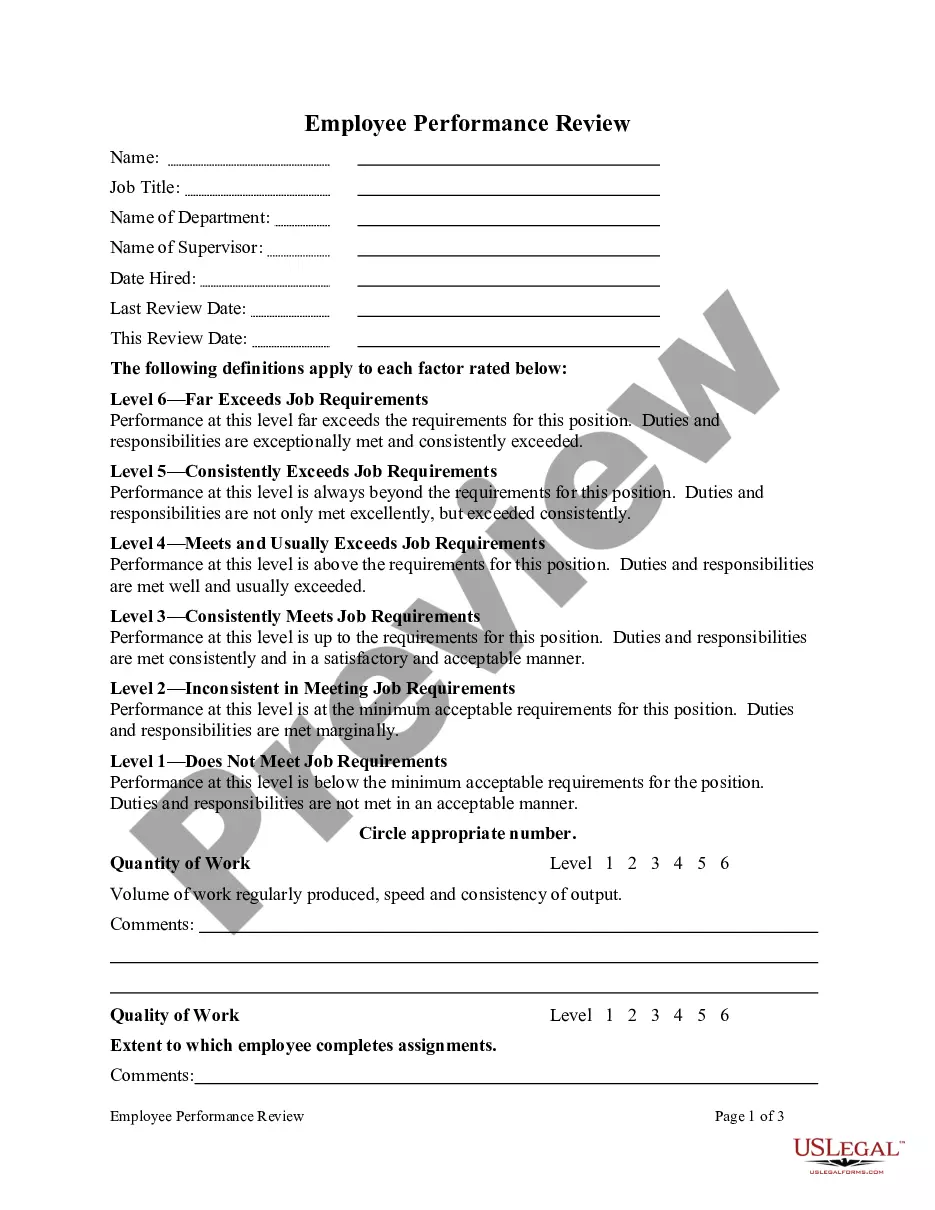
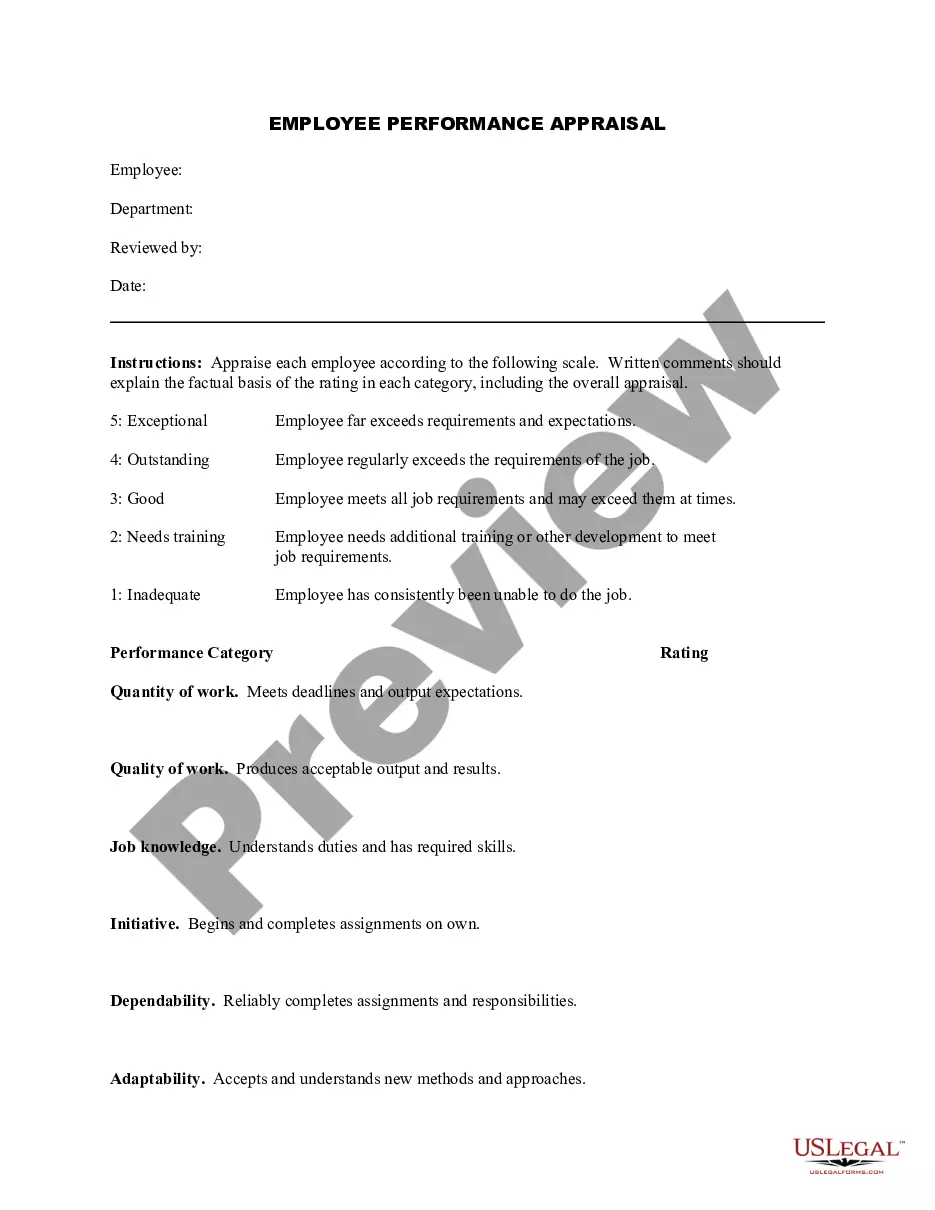
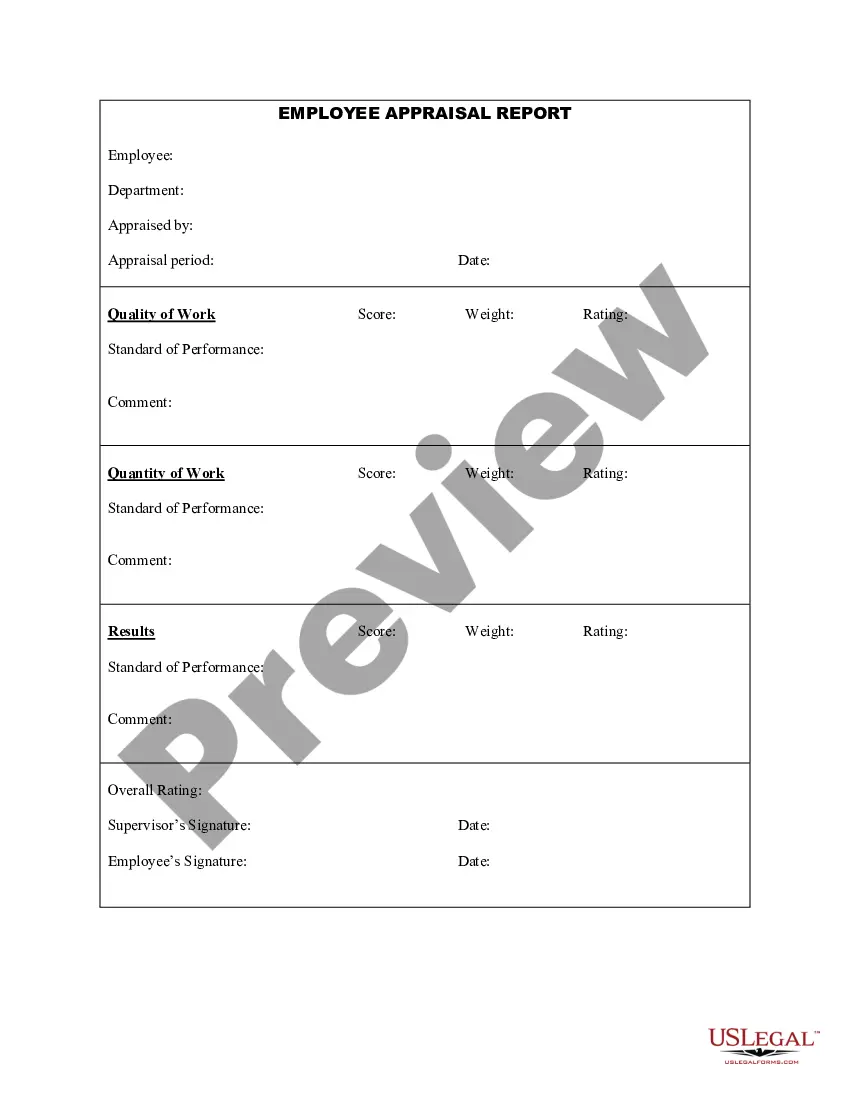
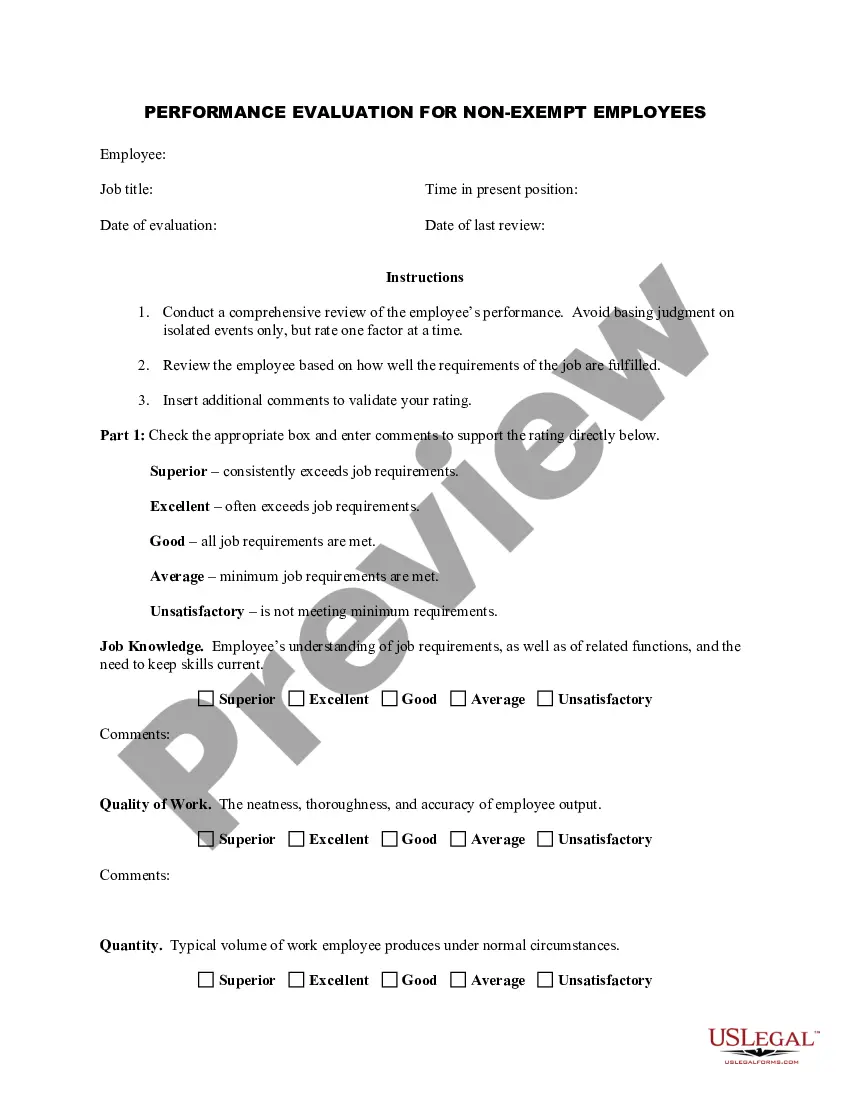
An employee performance review typically covers job performance, achievements, areas for improvement, and future goals. It's a way to look back and plan ahead.