Once a quitclaim deed is filed, it generally can't be revoked as it’s a done deal. It’s like locking a door behind you; you can’t just turn back without the right keys.
To record a quitclaim deed, you typically take the signed document to the local recorder's office in Anchorage. They'll put it on the public record so everyone knows who owns what – it's like putting your name on the mailbox.
While it’s not required, having a lawyer can ensure everything's above board. They can guide you through the legalese to avoid any hiccups that might come your way.
Nope! A quitclaim deed offers no warranties, while a warranty deed guarantees that the seller holds a clear title. It's like the difference between a ride on a rollercoaster without safety bars and one with them securely in place.
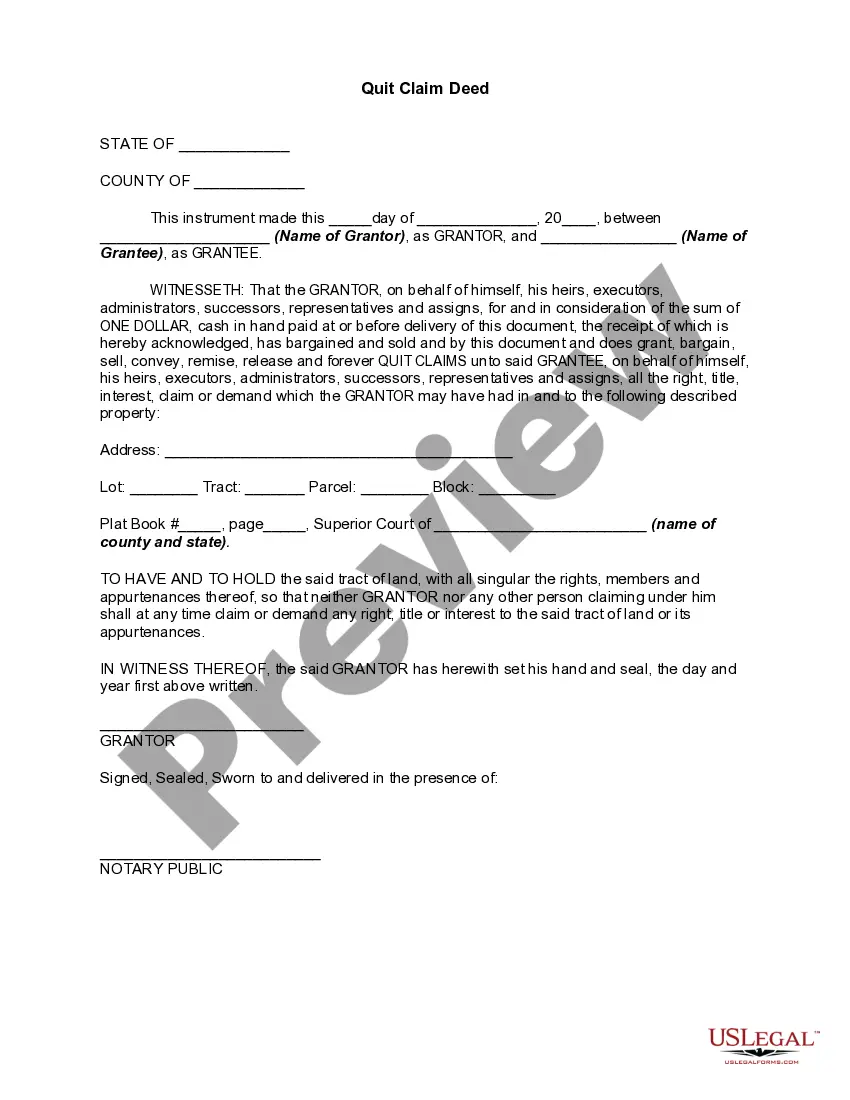
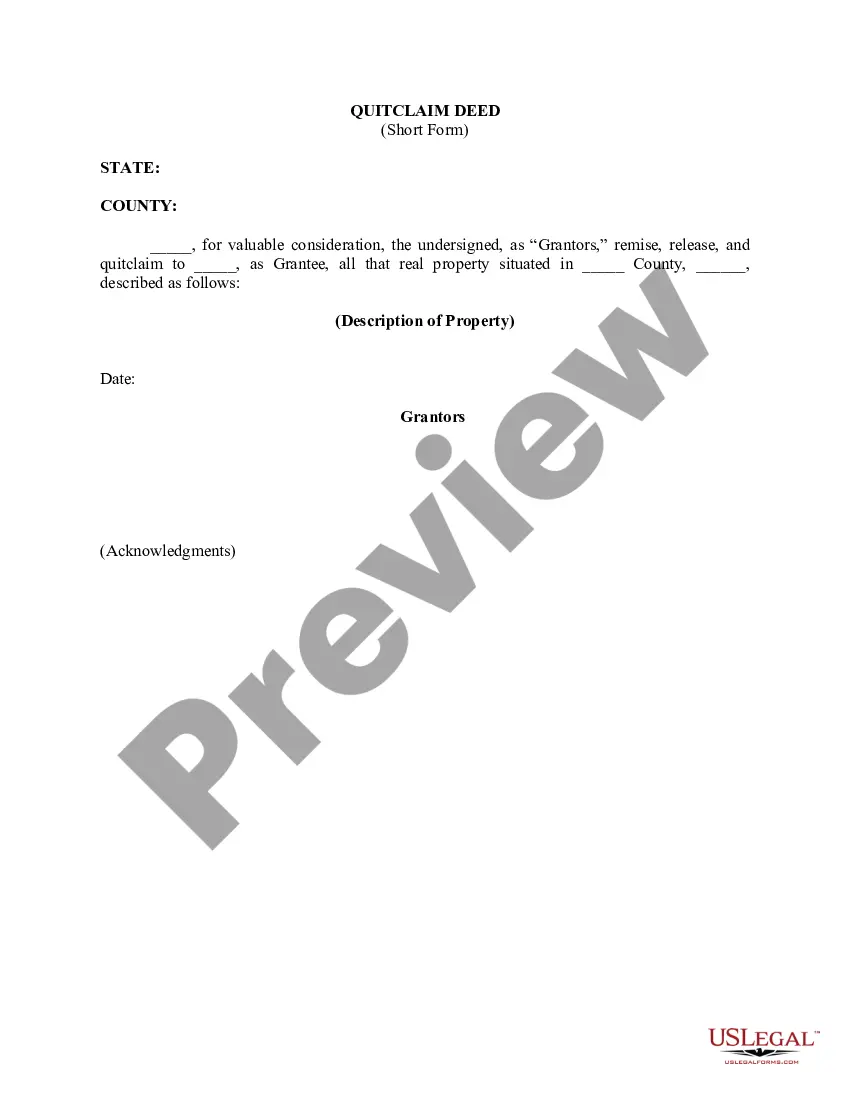
Make sure to include the names of the parties involved, a description of the property, and the date of the transfer. It's the who, what, and when that really seals the deal.
You'd typically use a quitclaim deed during situations like family transfers, property sales between friends, or transferring ownership after a divorce. It's useful when trust is the name of the game, but it’s not for major property transactions where a clear title is crucial.
A quitclaim deed is a legal document that allows a person to transfer their ownership interest in a property to another person without guaranteeing that the title is clear. It's like passing the baton in a race without knowing if it’s a winning ticket.