Queens New York Licensing Representation Agreement
Description
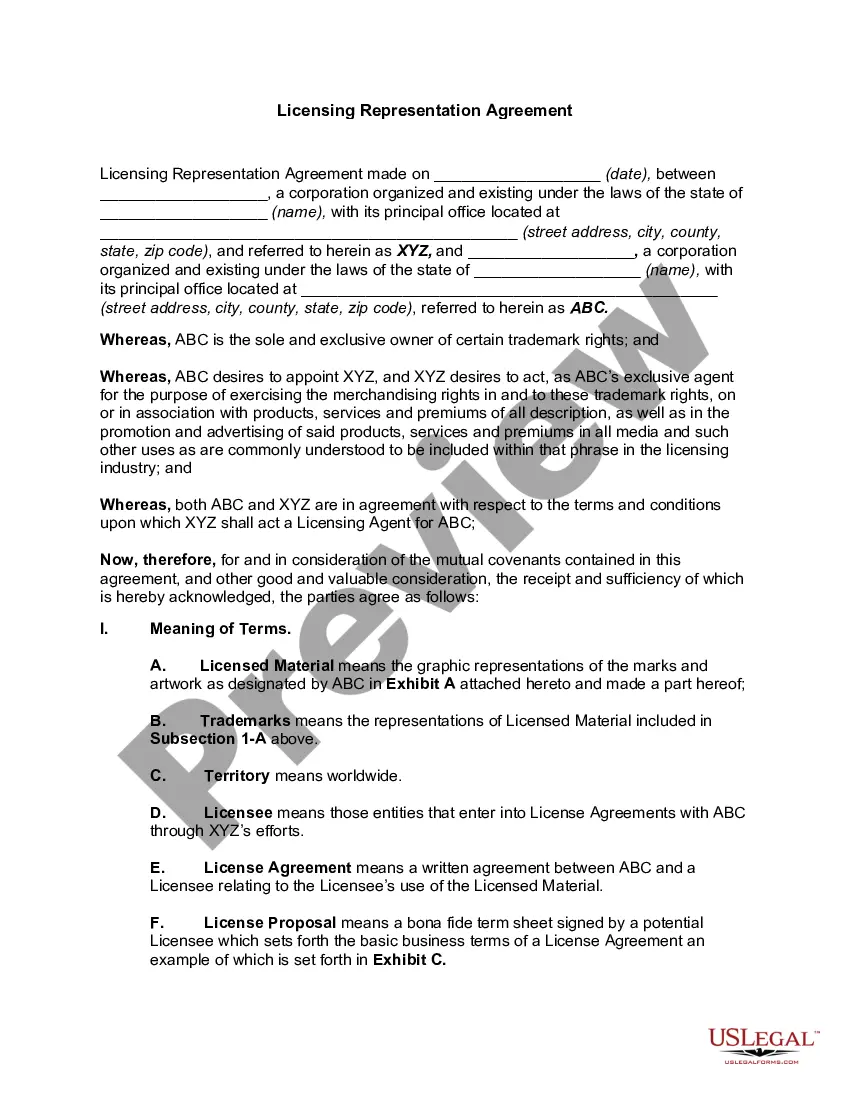
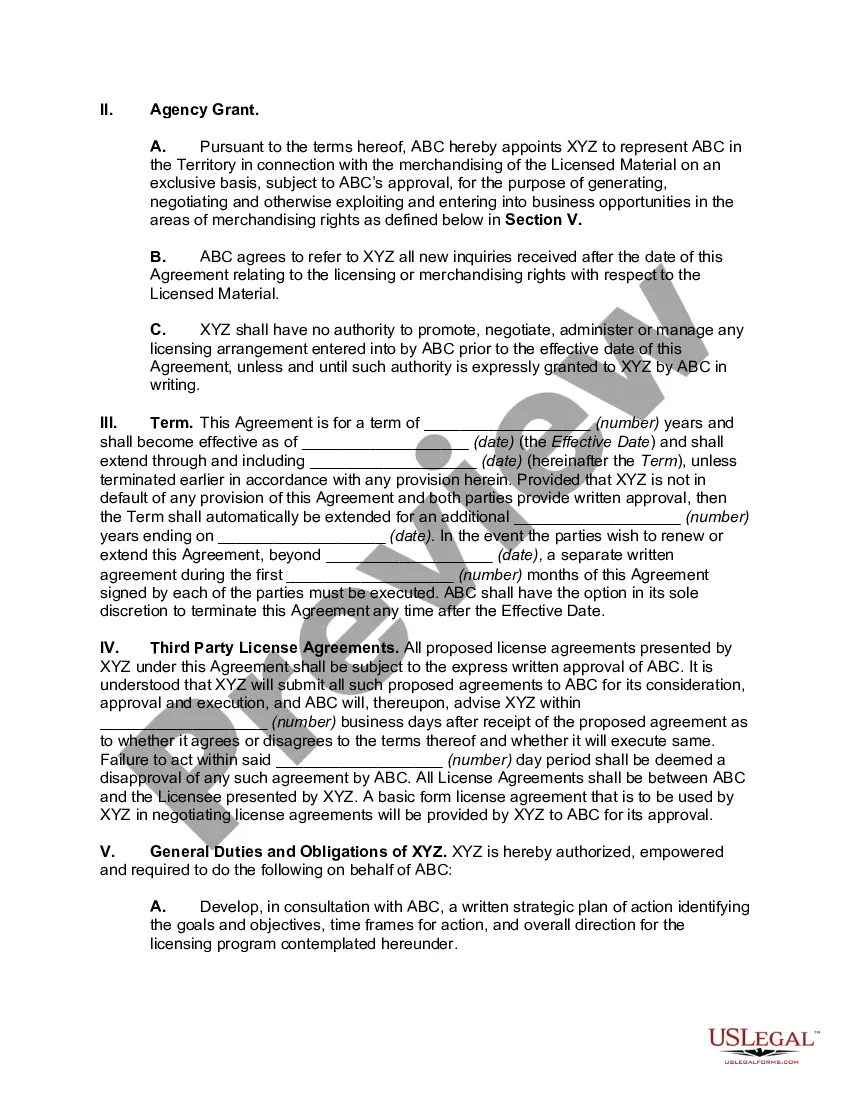
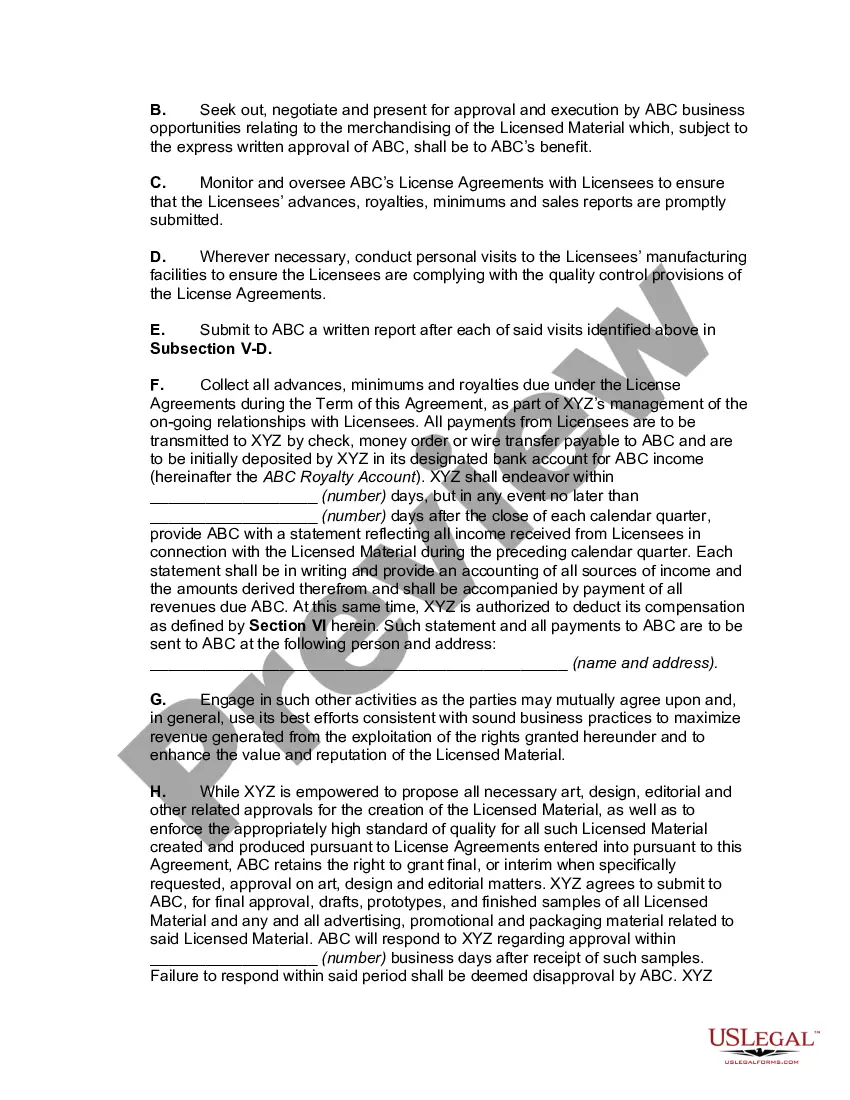
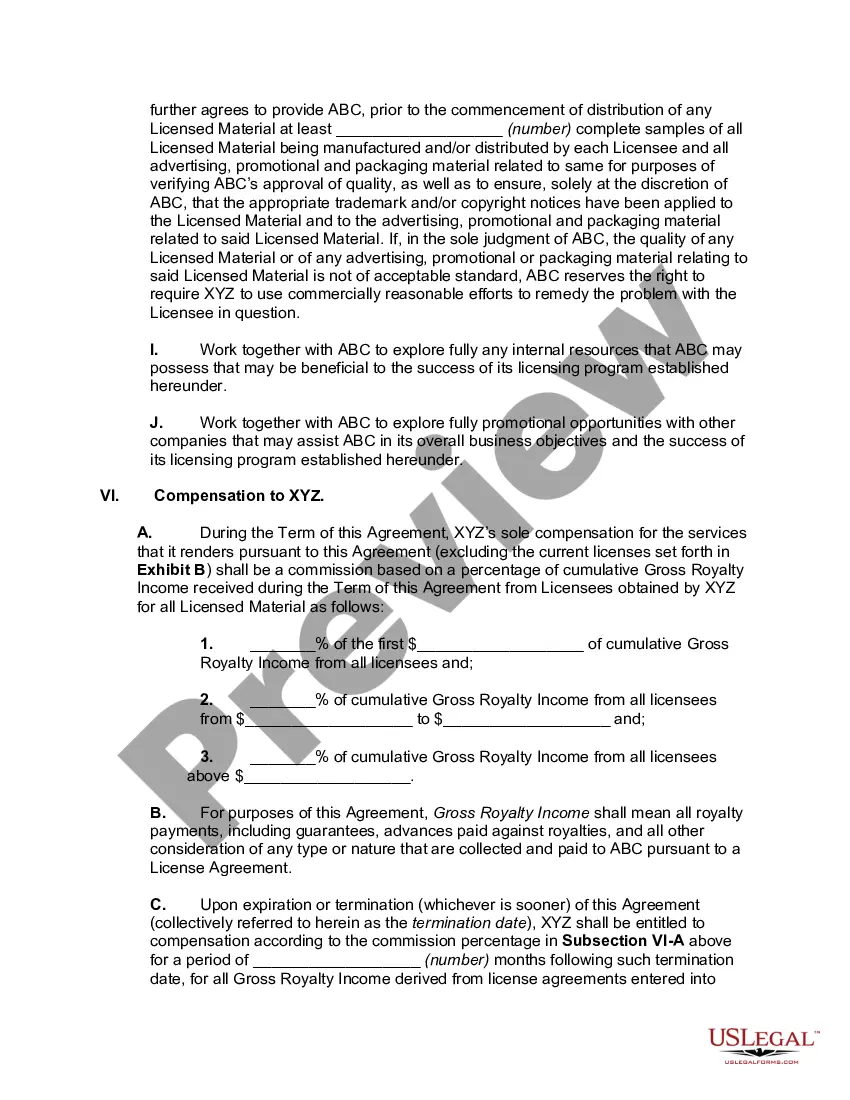
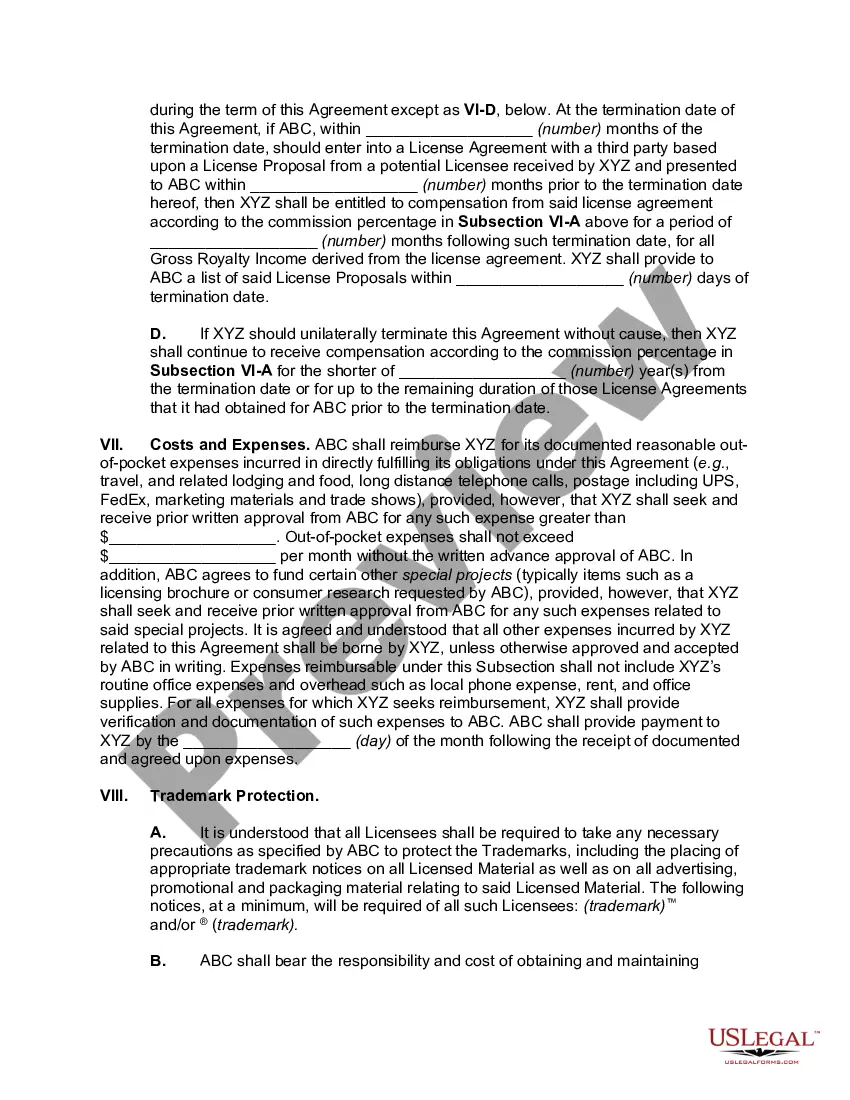
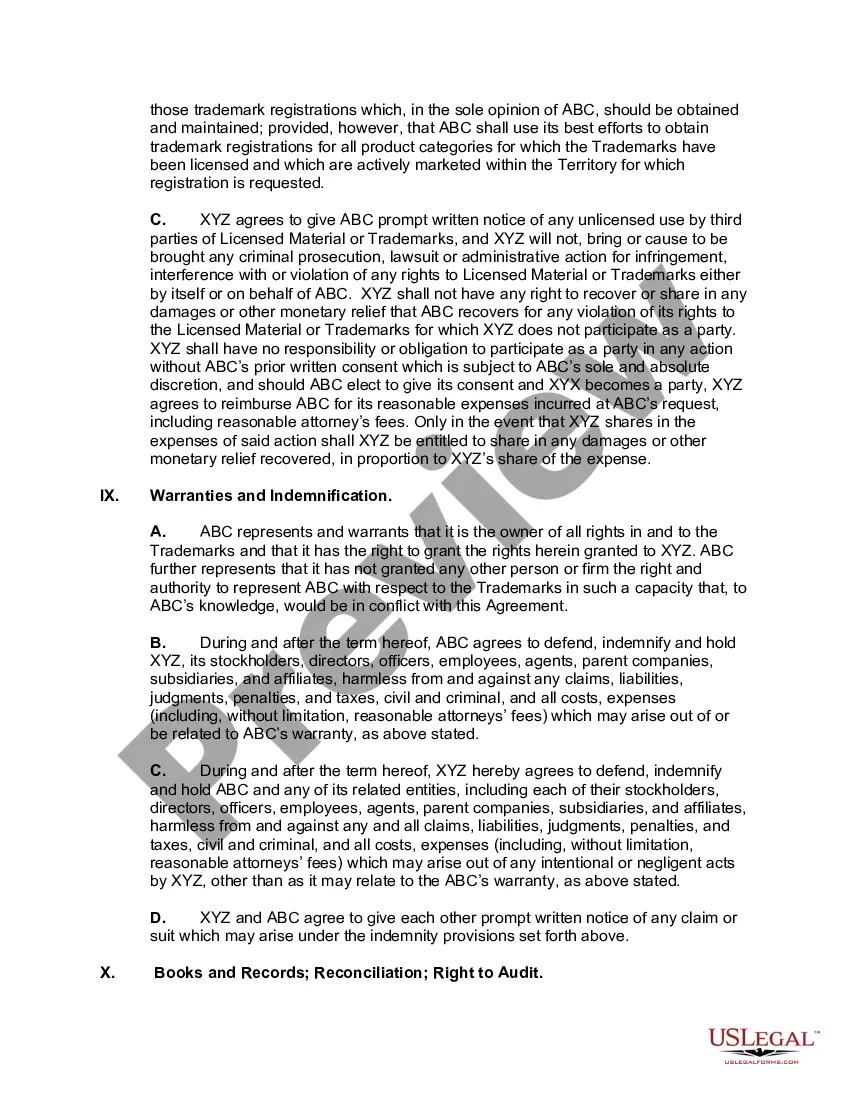
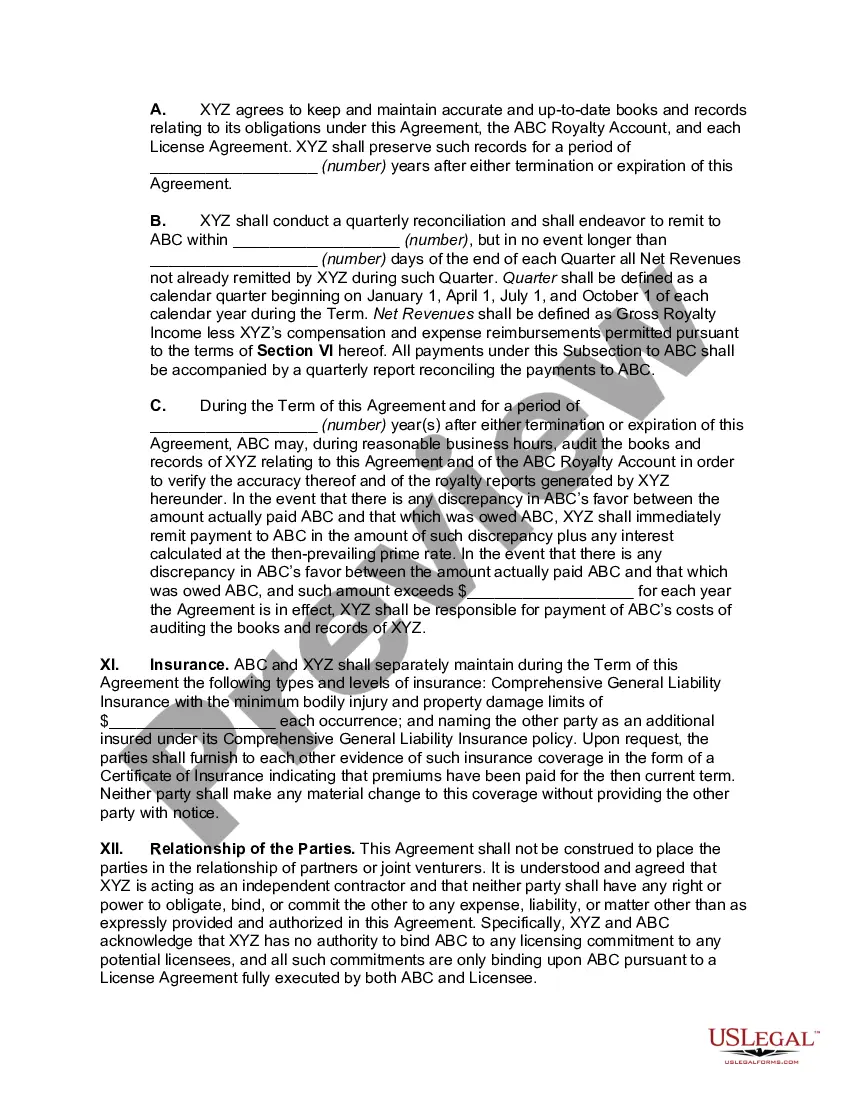
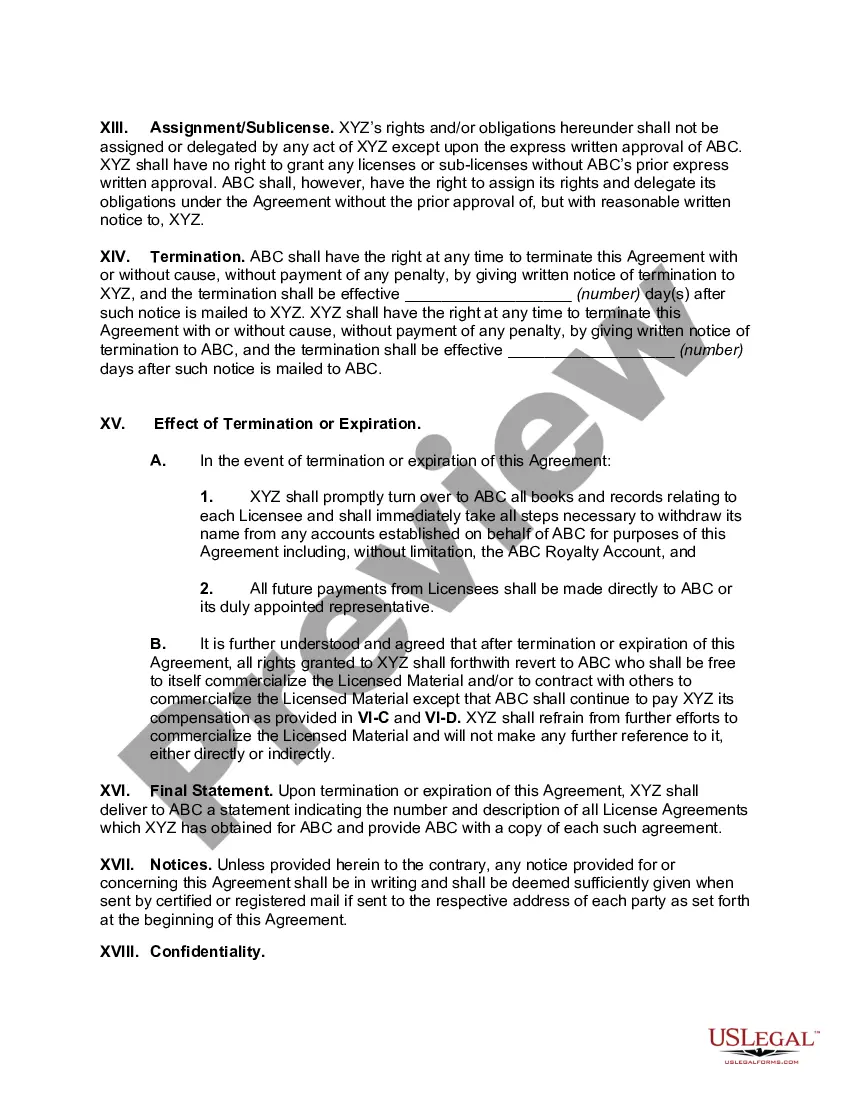
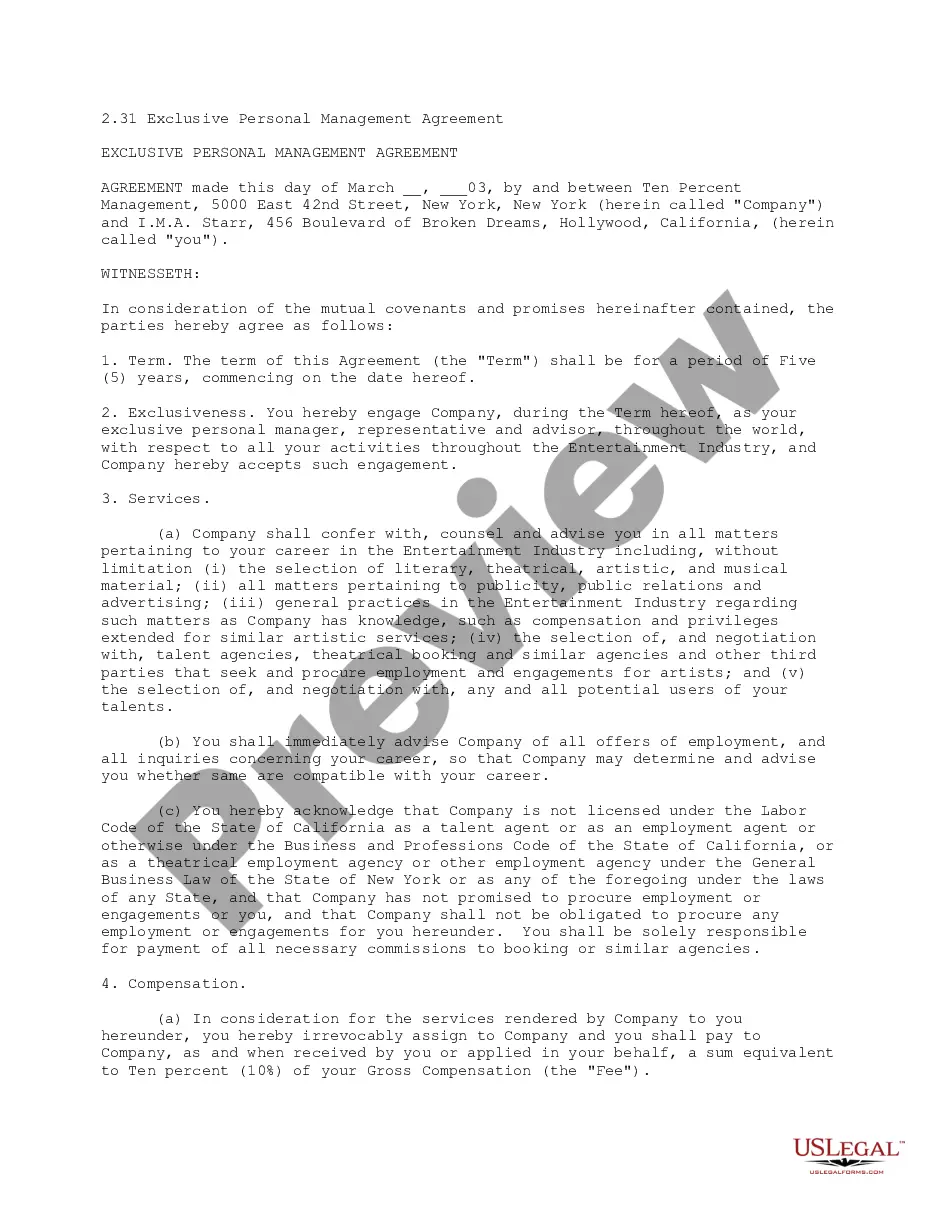
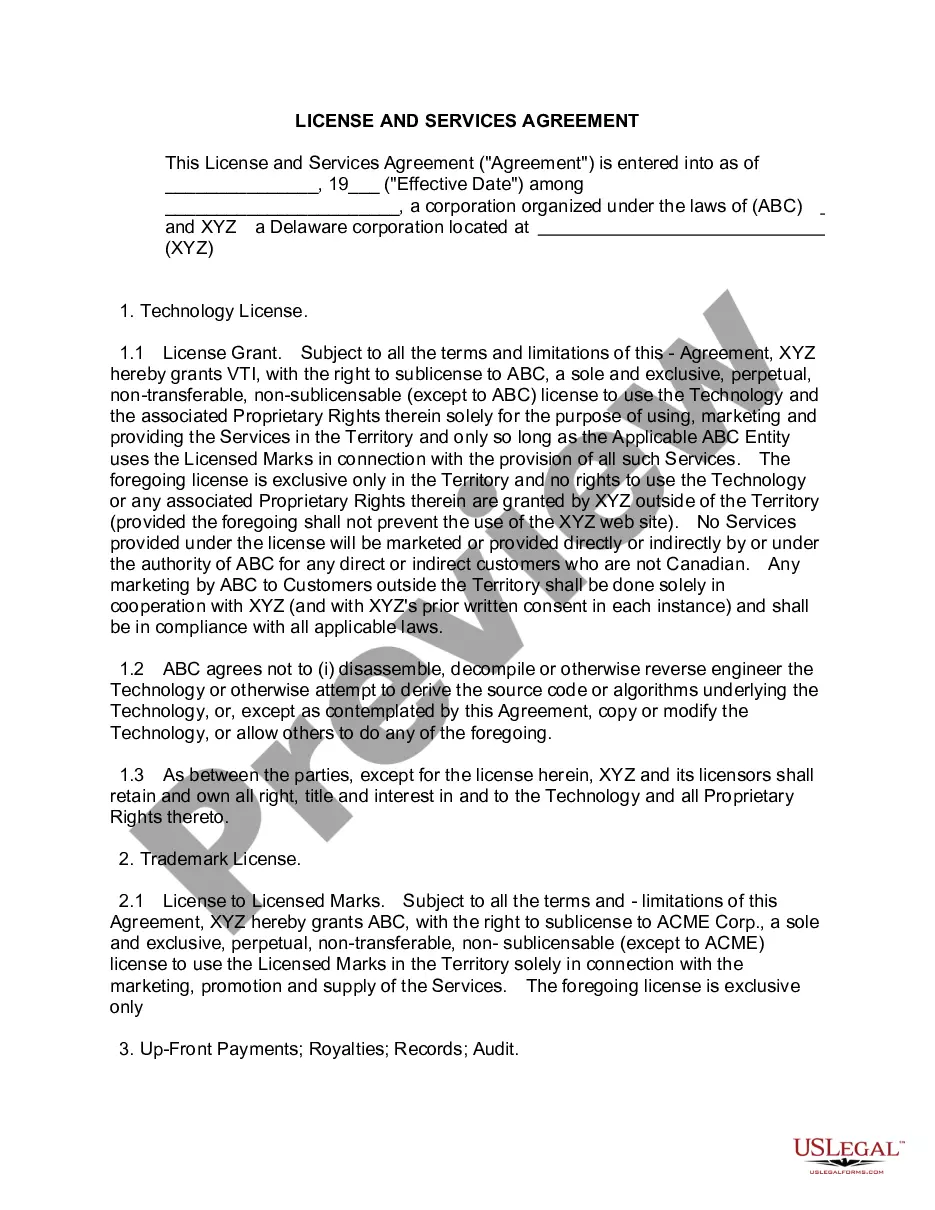
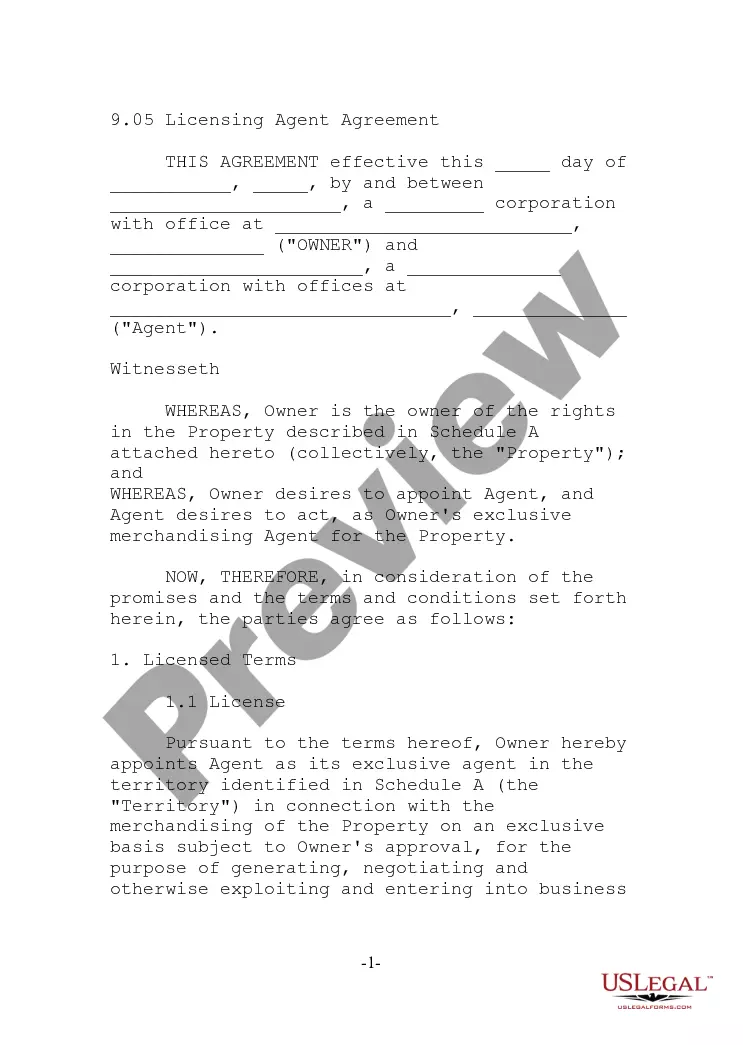





How to fill out Licensing Representation Agreement?
Drafting documentation, such as the Queens Licensing Representation Agreement, to manage your legal affairs is a challenging and time-consuming endeavor.
Numerous situations necessitate the involvement of a lawyer, which further increases the costs associated with this undertaking.
Nevertheless, you have the option to take control of your legal affairs and handle them independently.
The user onboarding process is quite clear! Here’s what you should do before accessing the Queens Licensing Representation Agreement.
- US Legal Forms is here to assist you.
- Our platform offers over 85,000 legal documents tailored for various circumstances and life situations.
- We guarantee that every form adheres to the regulations of each state, alleviating concerns about potential legal complications related to compliance.
- If you’re already familiar with our offerings and possess a subscription with US, you understand how simple it is to obtain the Queens Licensing Representation Agreement form.
- Feel free to Log In to your account, download the form, and customize it to meet your needs.
- Have you misplaced your form? Don’t fret. You can retrieve it in the My documents section of your account - accessible on both desktop and mobile.
Form popularity
FAQ
Licensing Fee vs. Royalties are usage-based payments for using an asset or property. It's generally a percentage of gross revenue or net profit. Meanwhile, a licensing fee is money paid by someone using someone's property, but this fee is generally a fixed amount.
A license agreement is a business contract between two parties. The licensor (the seller of the license) owns the asset being licensed and the licensee (the buyer) pays for the right to use the license. The licensee pays the owner in exchange for the right to sell the product or use the technology.
Strategic licensing, by which the developer of intellectual property, technology or a product embeds it in the licensee's product for distribution, is typically a win-win for the companies involved.
A royalty agreement is a legal contract between a licensor and a licensee. The agreement grants the licensee the right to use the licensor's intellectual property in exchange for royalty payments.
How to decide between types of licensing agreements Patent Licensing. Patents cover science and innovation.Trademark Licensing. Trademarks are signifiers of commercial source, namely, brand names and logos or slogans.Copyright Licensing.Trade Secret Licensing.Exclusive.Non-exclusive.Sole.Perpetual.
License Agreement Tips Firmly establish ownership. A good contract should clearly state what rights are being granted pertaining to the intellectual property in question.Do not overlook definitions.Define the royalty system.Explain the quality assurance monitoring process.Be aware of government regulations.
A licensing agreement allows one party (the licensee) to use and/or earn revenue from the property of the owner (the licensor). Licensing agreements generate revenues, called royalties, earned by a company for allowing its copyrighted or patented material to be used by another company.
In a typical licensing agreement, the licensor grants the licensee the right to produce and sell goods, apply a brand name or trademark, or use patented technology owned by the licensor.
Royalties are paid by the licensee (the party purchasing the rights to the property) to the owner (the party who owns the property). While they pay royalties, the licensee is entitled to use the owner's asset(s), but there are usually conditions that restrict how the asset can be used.
An example of a licensing agreement is a contract between the copyright holders of software and another company, allowing the latter to use the computer software for their daily business operations.