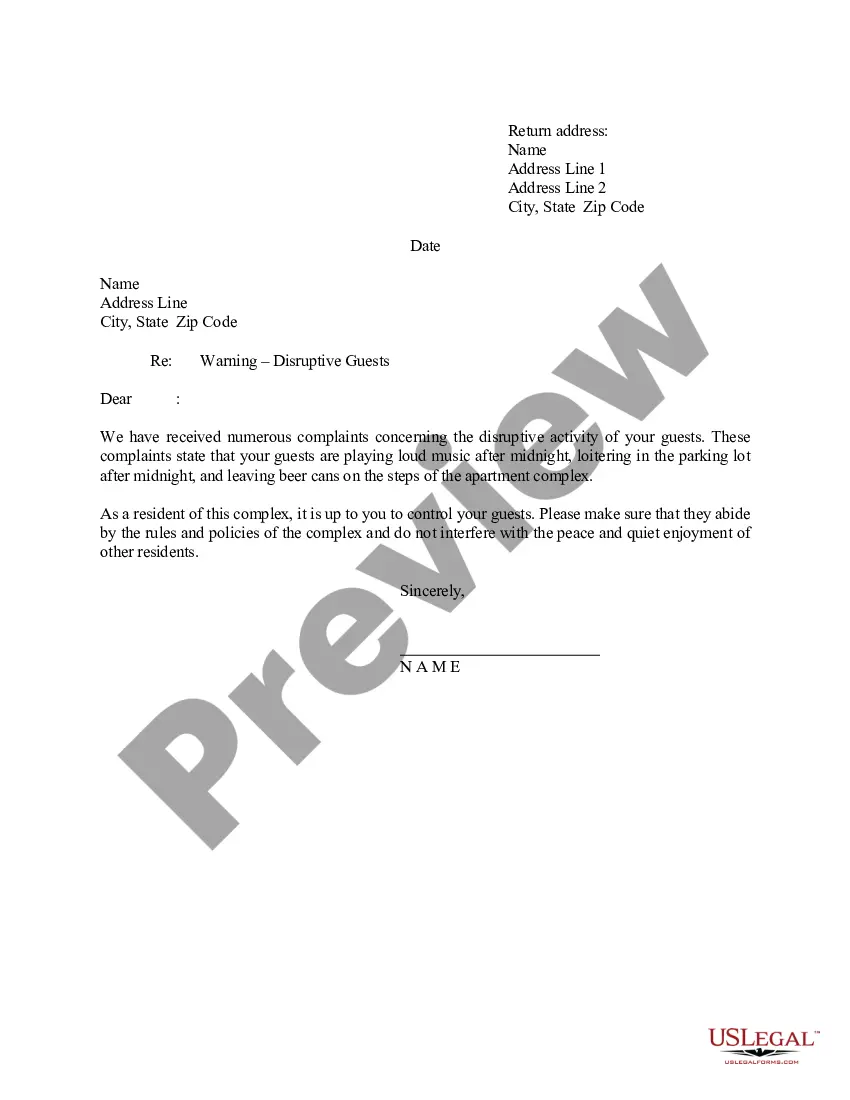
Clark Nevada Letter - Warning To Renter Regarding Disruptive Guests
Description
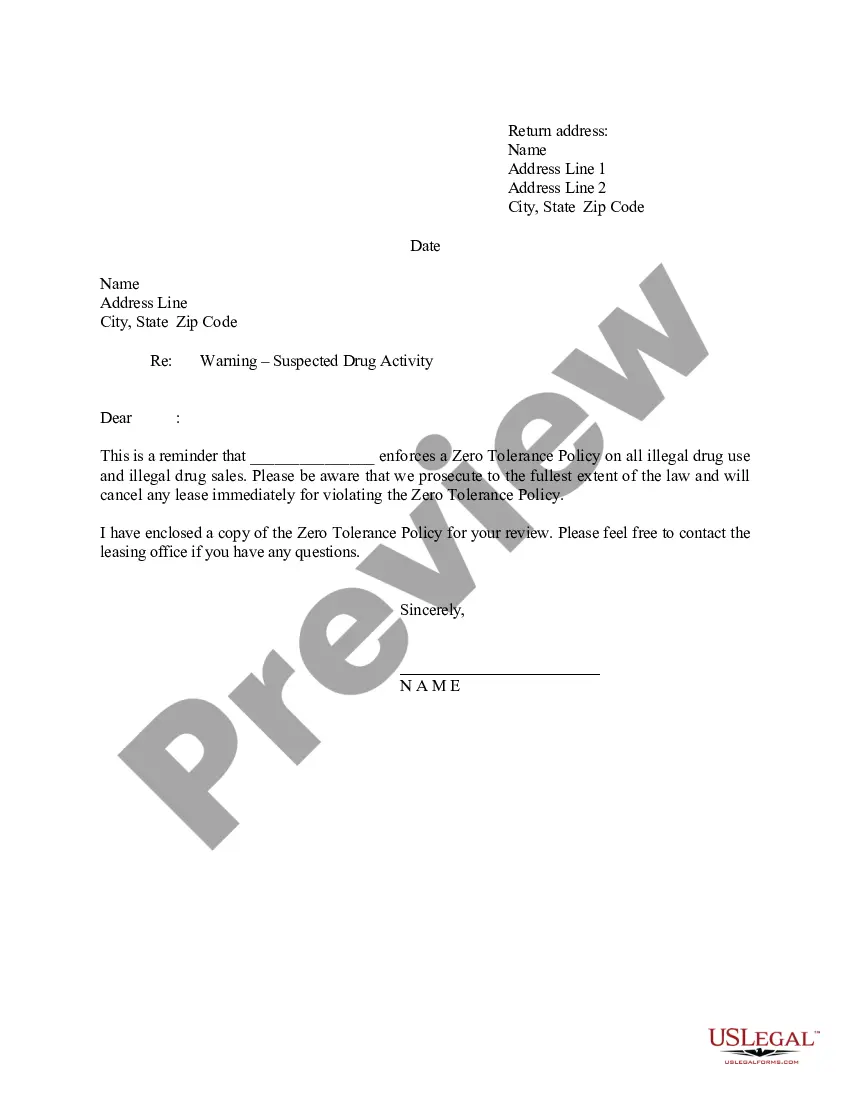
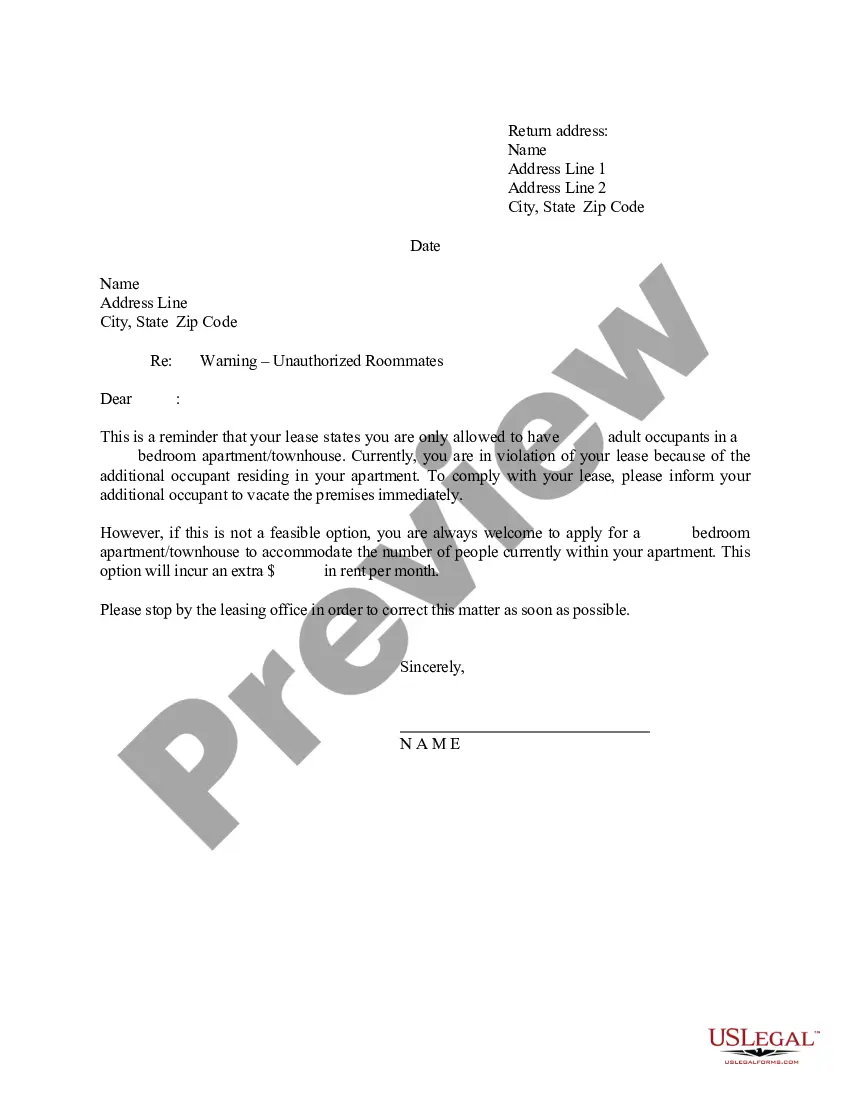
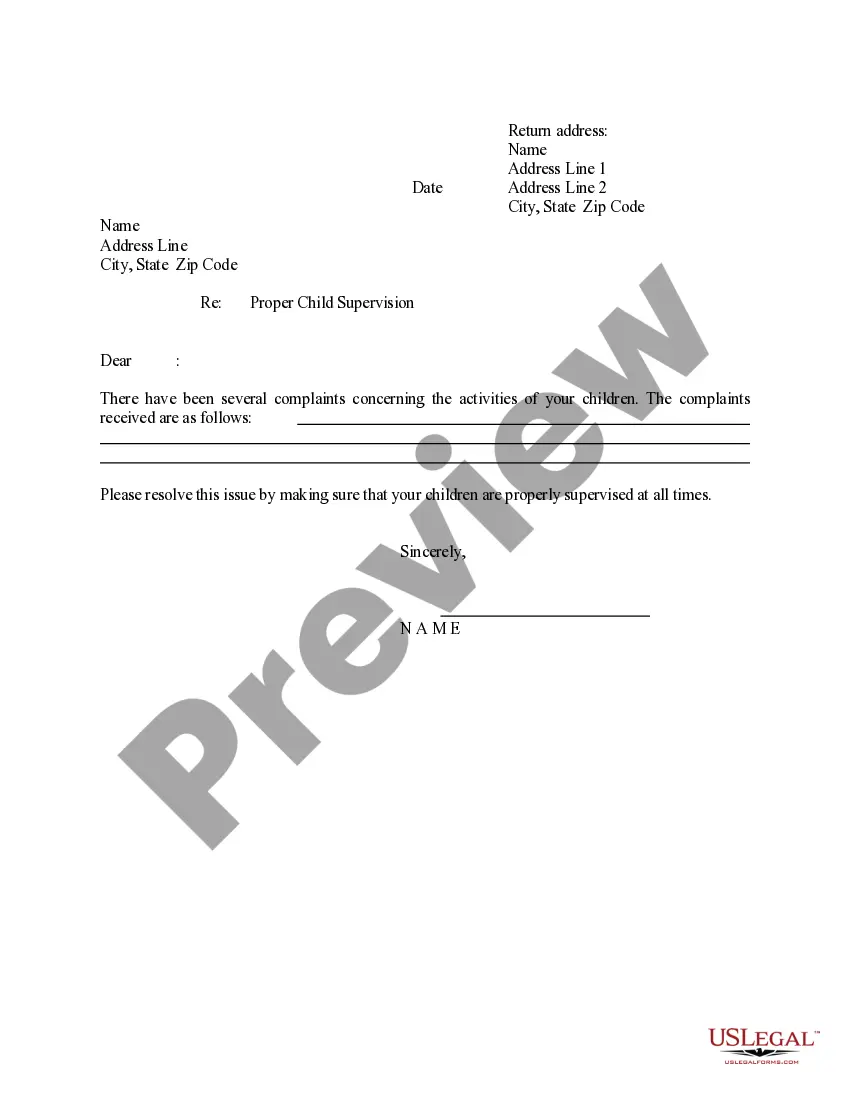
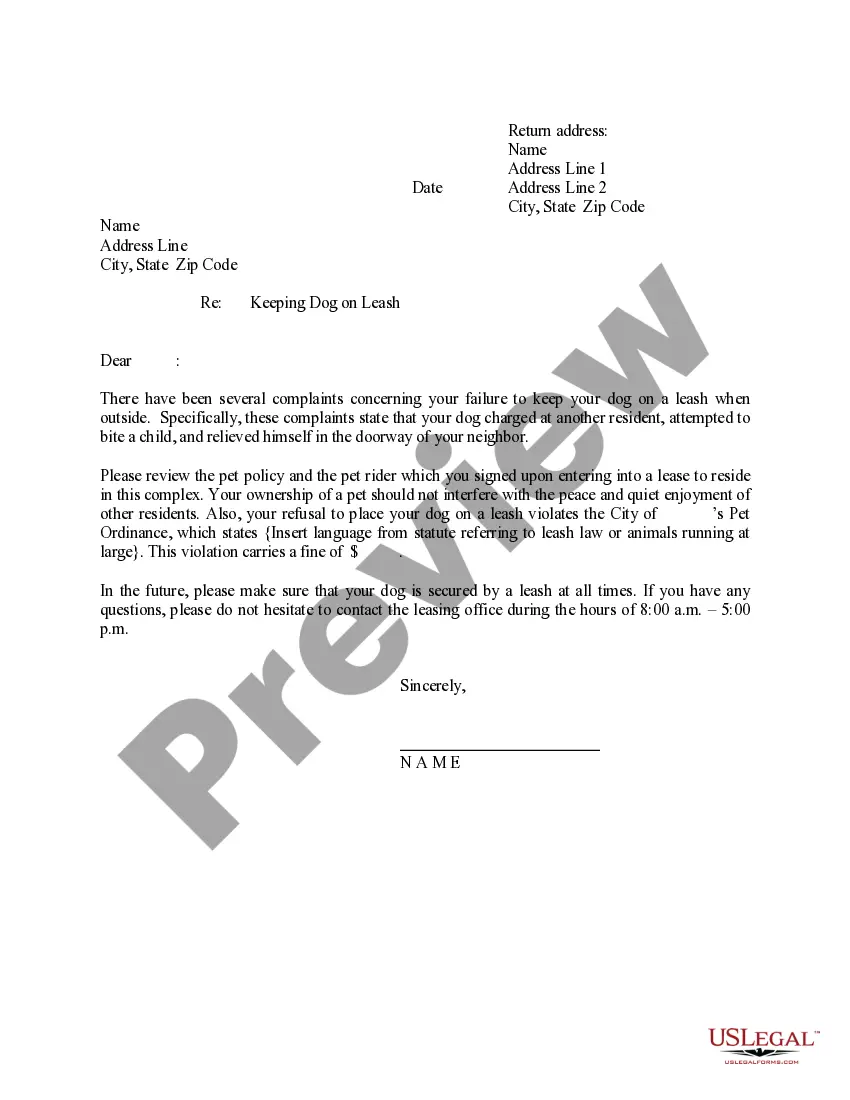
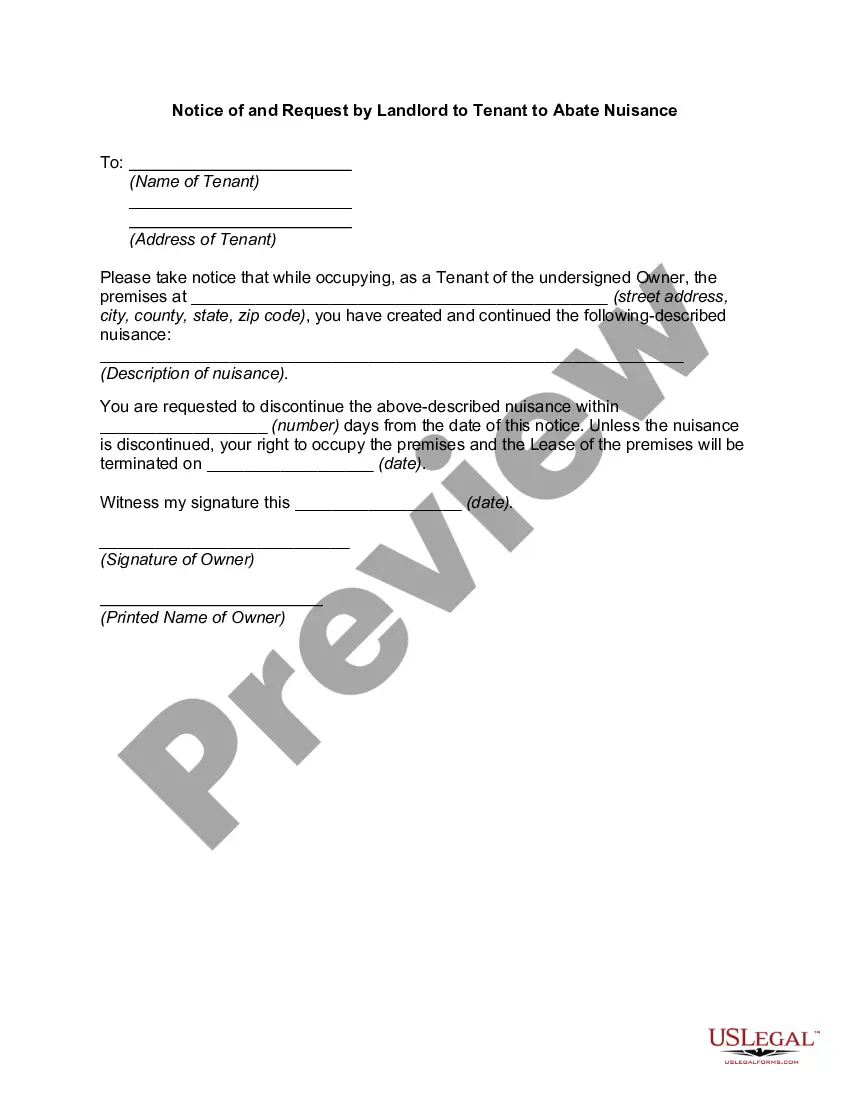
How to fill out Letter - Warning To Renter Regarding Disruptive Guests?
Regardless of whether you intend to launch your enterprise, enter into a contract, apply for a renewal of your identification, or settle familial legal matters, you must prepare specific documentation in accordance with your regional laws and regulations.
Finding the appropriate documents might demand considerable time and effort unless you utilize the US Legal Forms library.
The platform offers users access to over 85,000 professionally crafted and verified legal documents for any personal or business situation. All files are categorized by state and use case, making it easy and efficient to select a copy such as the Clark Letter - Notice to Tenant Regarding Disturbing Patrons.
Documents available in our library are reusable. With an active subscription, you can access all of your previously obtained forms at any time from the My documents section of your account. Stop expending time on a continual quest for current formal documents. Join the US Legal Forms platform and keep your documents organized with the most extensive online form collection!
- Ensure that the template meets your personal requirements and adheres to state law standards.
- Review the form description and check the Preview if it is accessible on the page.
- Utilize the search option specifying your state above to discover another template.
- Click Buy Now to acquire the sample once you identify the appropriate one.
- Select the subscription plan that is most suitable for you to continue.
- Log in to your account and process payment using a credit card or PayPal.
- Download the Clark Letter - Notice to Tenant Regarding Disturbing Patrons in your desired file format.
- Print the document or complete it and sign it electronically through an online editor to save time.
Form popularity
FAQ
When writing a letter to request a tenant to move out, focus on a polite and empathetic tone. Start with gratitude for their tenancy and include reasons why a relocation is necessary, such as repeated disturbances, as noted in the 'Clark Nevada Letter - Warning To Renter Regarding Disruptive Guests.' Offer them flexibility with the moving timeline to make the process smoother. This approach encourages a respectful transition.
Best Practices for How to Deal with Terrible Tenants Be calm, objective, and rational. Keep written records of everything. Teach tenants how they should treat you. Try to get your tenants on your side. Ask the terrible tenants to leave. Begin the eviction process. Hire a property manager.
Here are a few tips on how to respond to angry tenants: Listen taking the time to really listen to your tenants when an issue comes up shows them that you value them and care about what they are experiencing.Understand seek to understand your tenants.Affirm remind your tenants that you are on their side.
Evicting Someone Not on the Lease Contact law enforcement /deliver an eviction notice (if required). File an eviction case with the appropriate court (if required). Attend the eviction hearing (if a hearing is required). File an appeal if the court doesn't evict the party.
Nevada law requires a five-day notice to the tenant, informing the tenant that the tenancy-at-will is ending and instructing the tenant to leave, followed by a second five-day Notice to Quit for Unlawful Detainer (after the first notice period has elapsed) that tells the tenant to leave because the tenant's presence is
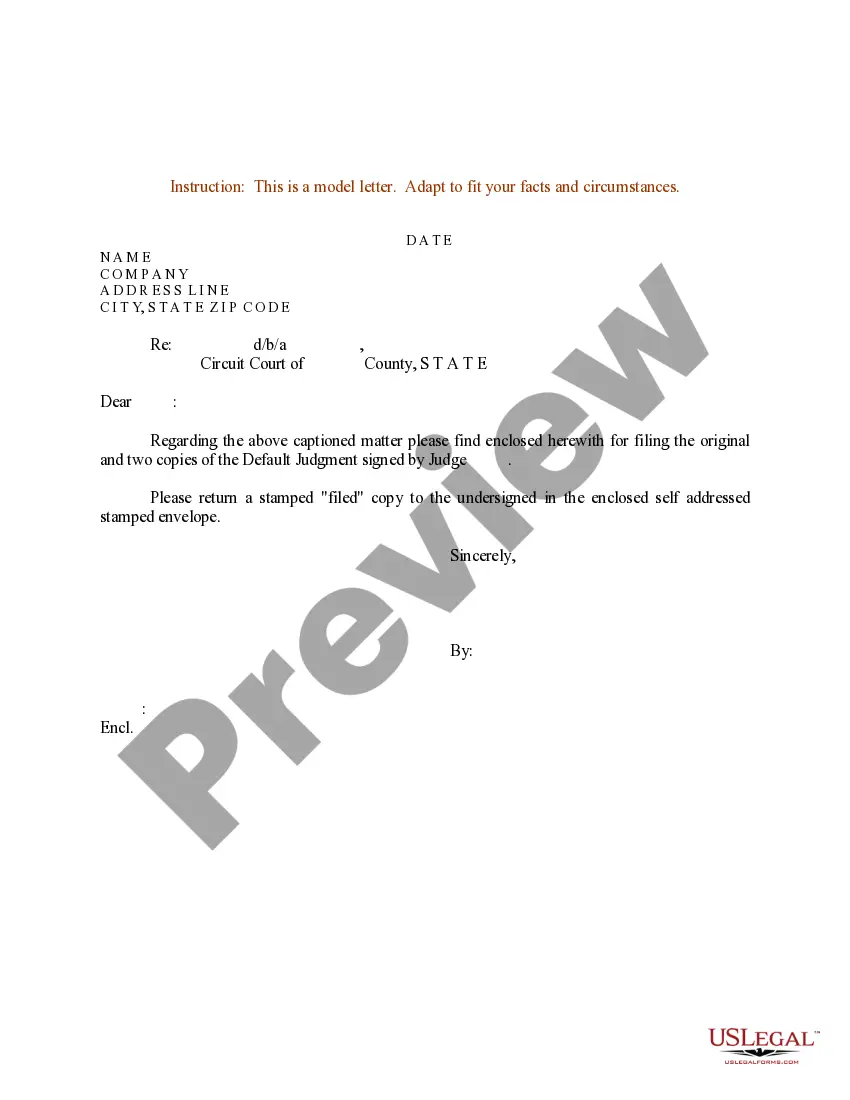
In a warning letter, you need to tell the tenant how they can resolve the problem after informing them of the violation....Take time to make the letter look official. Include a company or personal letterhead.Include the date in the top left corner. Include the tenant's name and address below the date.
Any guest residing at the property for more than 14 days in a six-month period or spending more than 7 nights consecutively will be considered a tenant. This person must be added to the lease agreement.
7 Tips for Dealing With a Difficult Landlord Review Your Lease Before You Sign. You want to make sure you are following the terms of your lease.Research Local Laws.Keep Records.Pay Your Rent.Maintain Respectful Communication.Seek an Agreeable Solution.Request Repairs in Writing.What Do You Think?
Here are some tips to improve your customer service and manage your upset tenants. Communicate. Often, we make the mistake of only communicating when we have something important to discuss.Listen.Stick to The Facts.Don't Point the Finger.Offer Solutions.Follow the Law.Get It in Writing.Make Sure Your Team Is Up-To-Date.
Guests may stay a maximum of 14 days in a six-month period or 7 nights consecutively on the property. Any guest residing at the property for more than 14 days in a six-month period or spending more than 7 nights consecutively will be considered a tenant. This person must be added to the lease agreement.