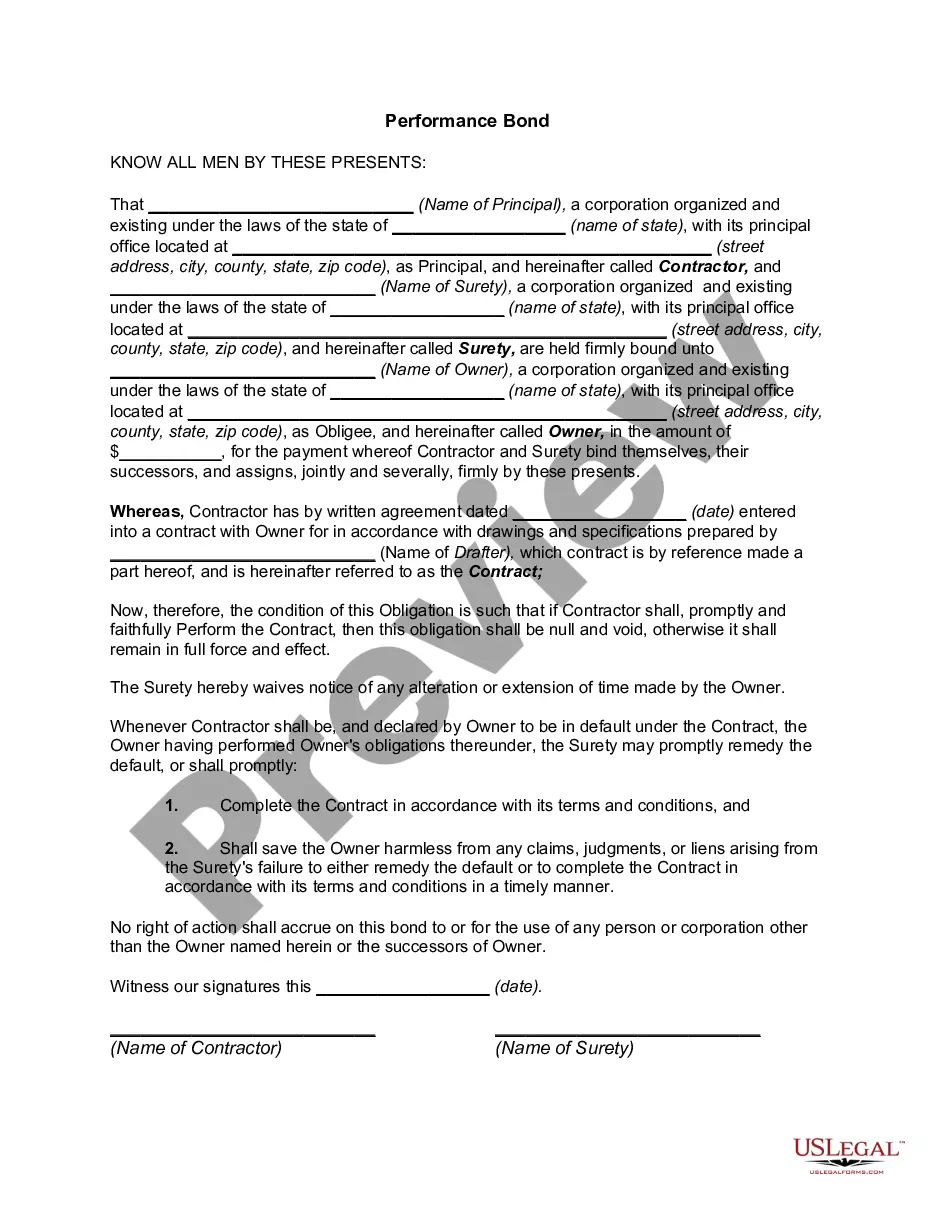
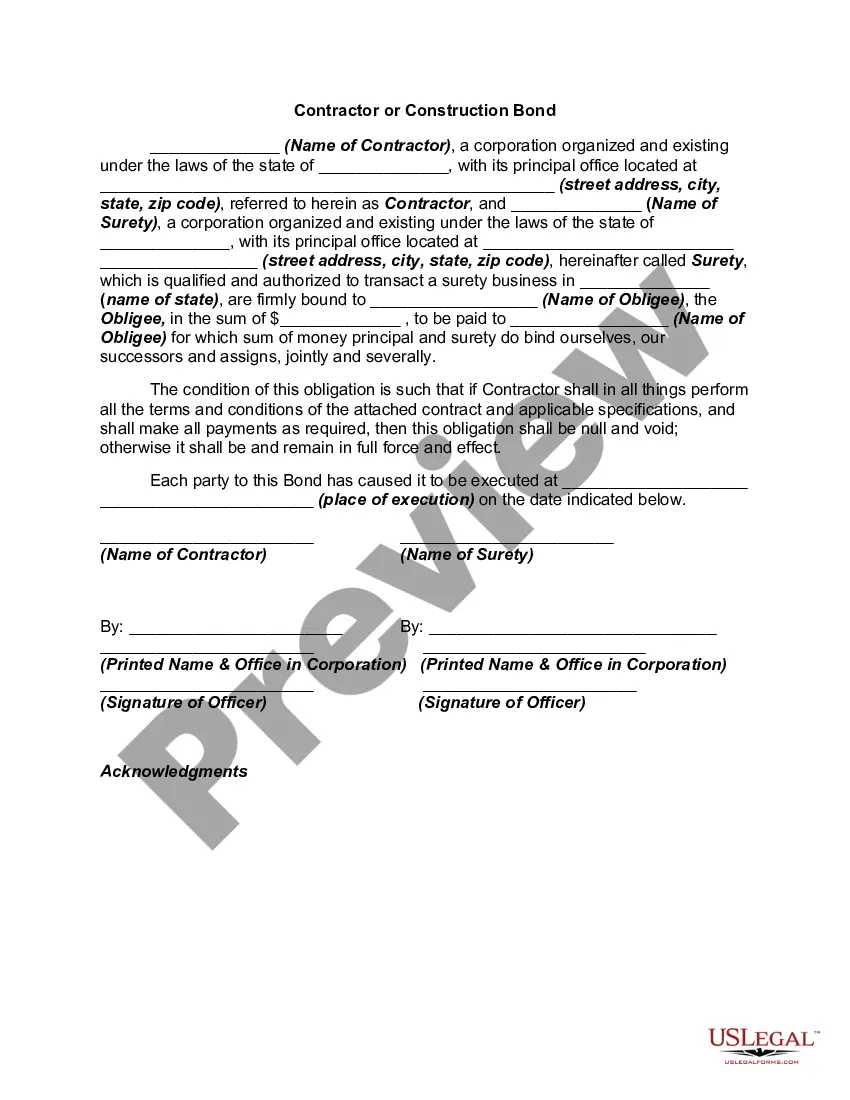
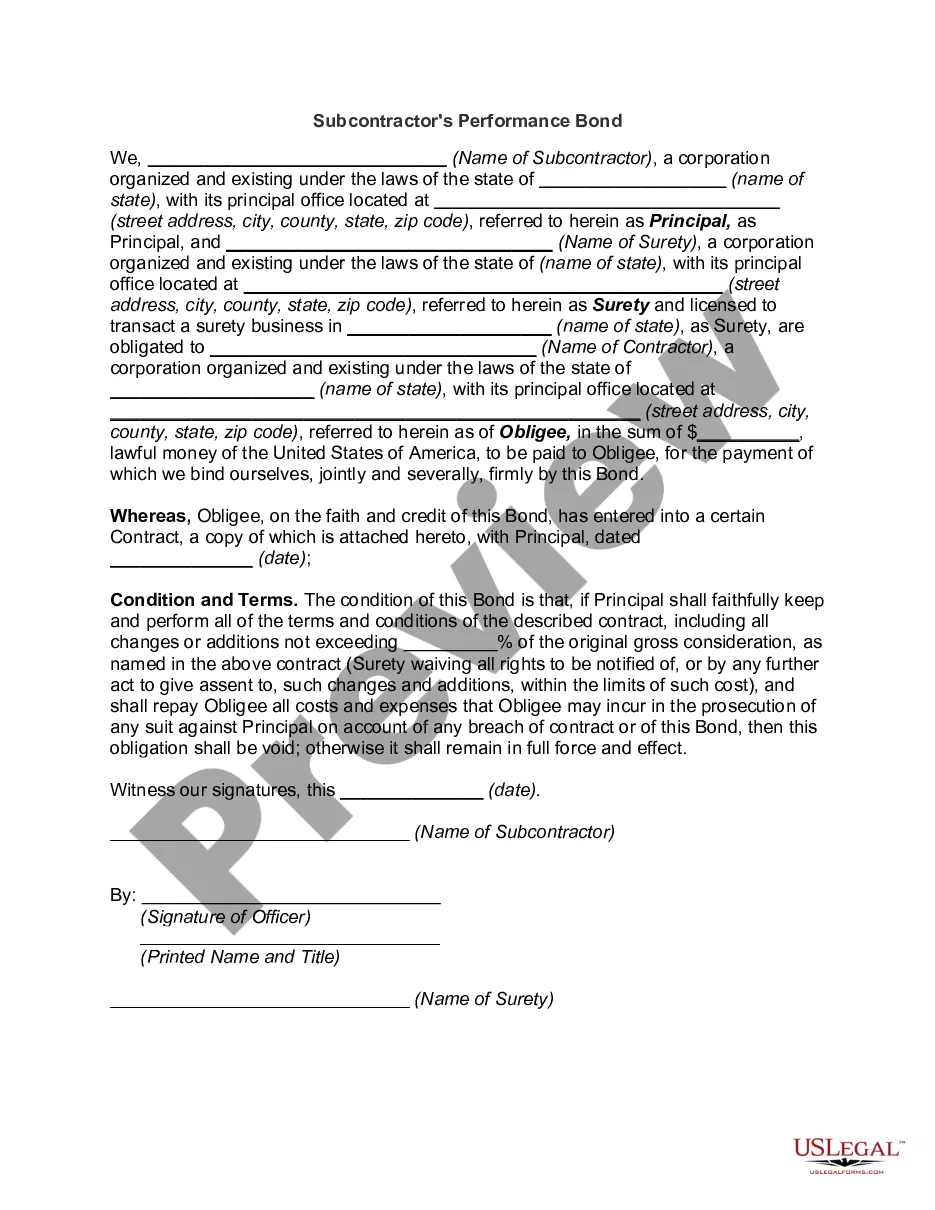
A performance bond, also known as a contract bond, is a surety bond issued by an insurance company or a bank to guarantee satisfactory completion of a project by a contractor.
Yes, if you’re turned down for a performance bond, you can often appeal the decision. It may involve providing more information or documentation to show you’re the right fit.
Projects like construction of public buildings, roadwork, and infrastructure improvements often require a performance bond to ensure everything runs smoothly.
Not necessarily. Performance bonds are more common for public projects, but a private project owner can request one if they want extra protection.
If a contractor falls short, the surety company steps in. They’ll help cover any extra costs to complete the job, so the project doesn’t get stalled or left in the lurch.
To get a performance bond, you'll need to work with a surety company. They’ll check your background and financials, kind of like a job interview, to see if you’re a good candidate for the bond.
Typically, contractors and builders working on public projects in Detroit need a performance bond. It's a way to reassure the city and project owners that the job will be done right.
A performance bond is like a safety net for projects in Detroit. It ensures that if a contractor doesn't complete the job as promised, the bond can help cover the costs of finishing the work.