Salt Lake Utah Sample Letter regarding Deposition
Description
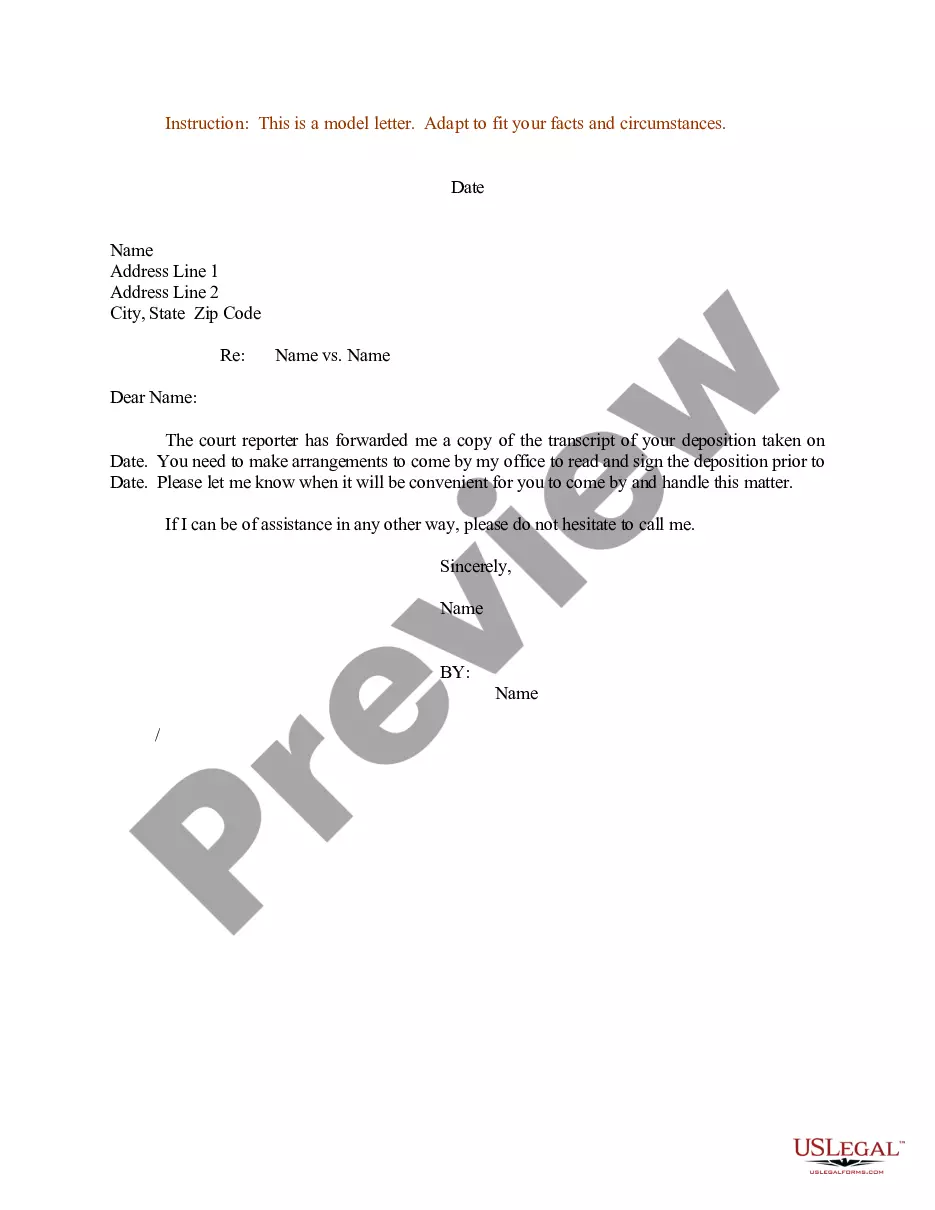

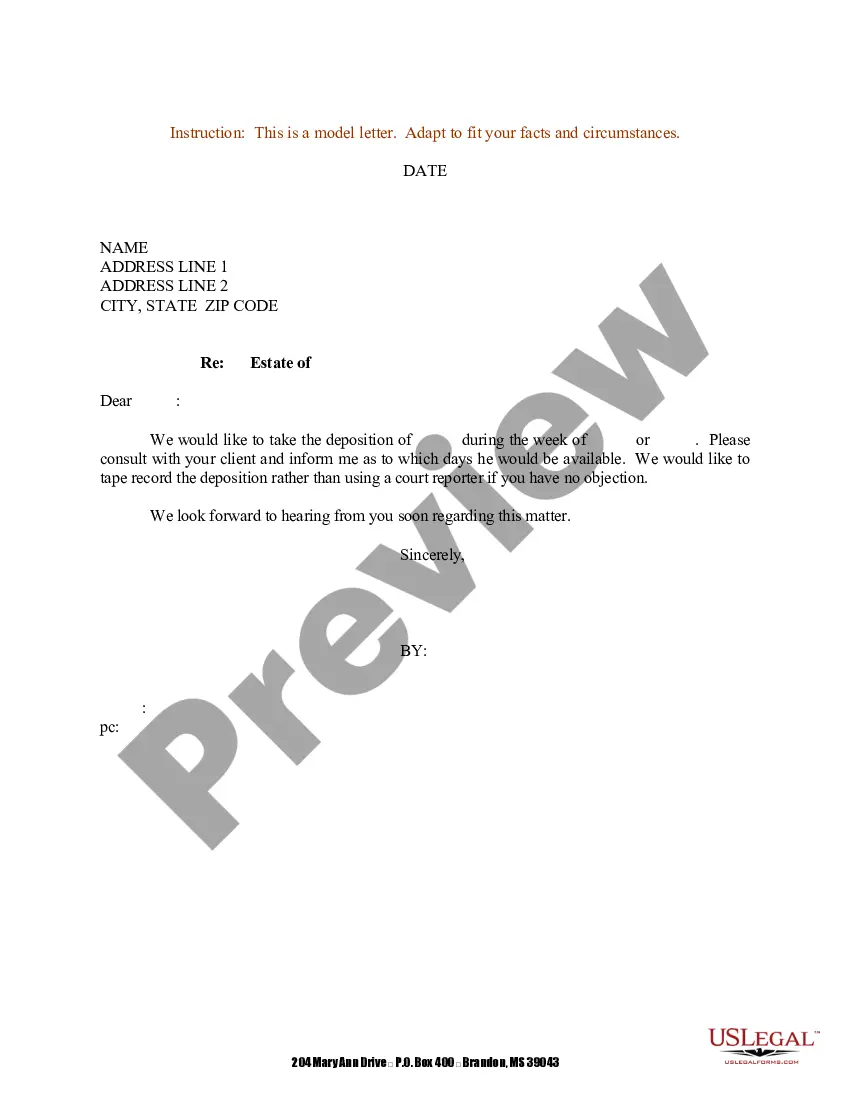
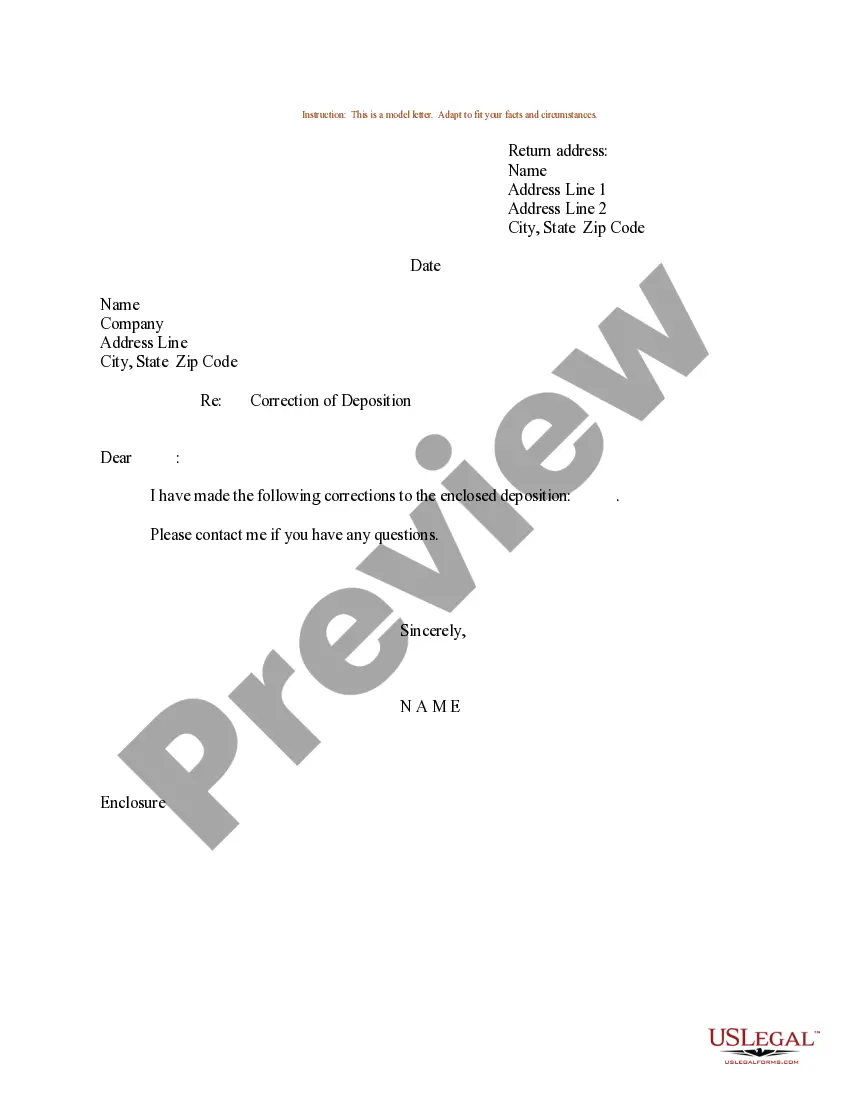
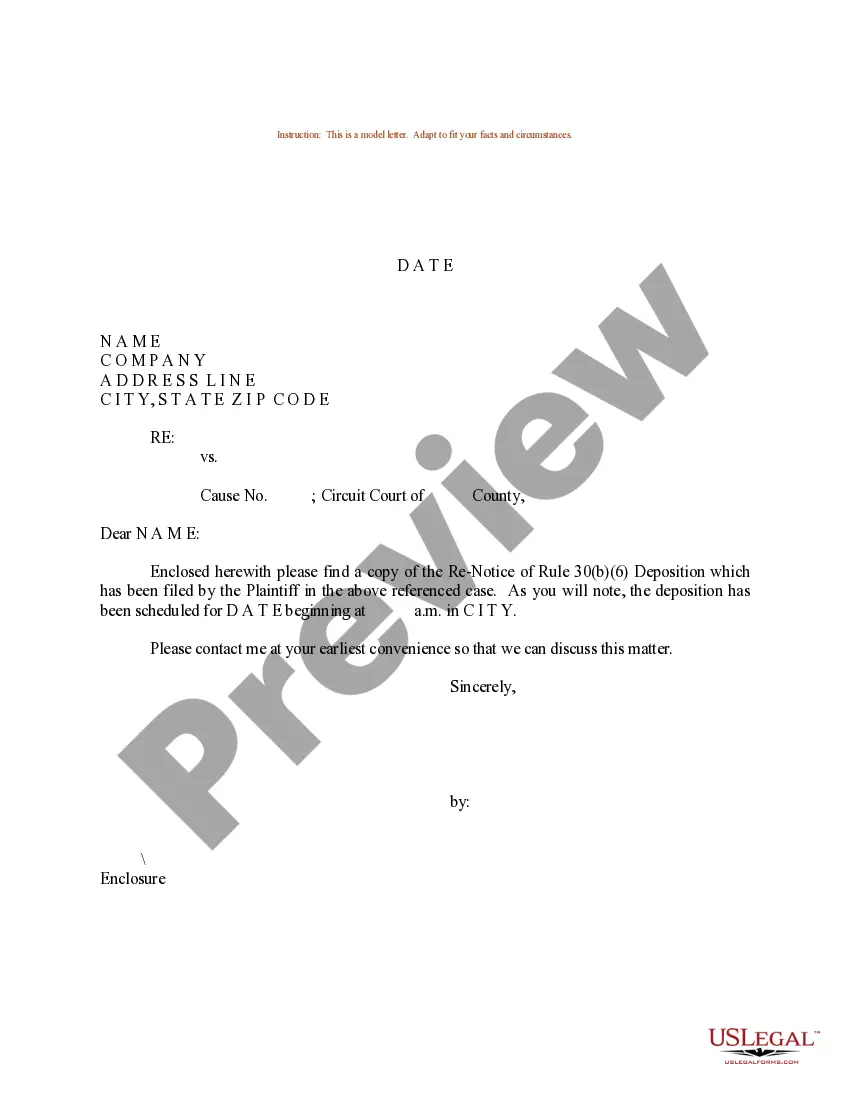
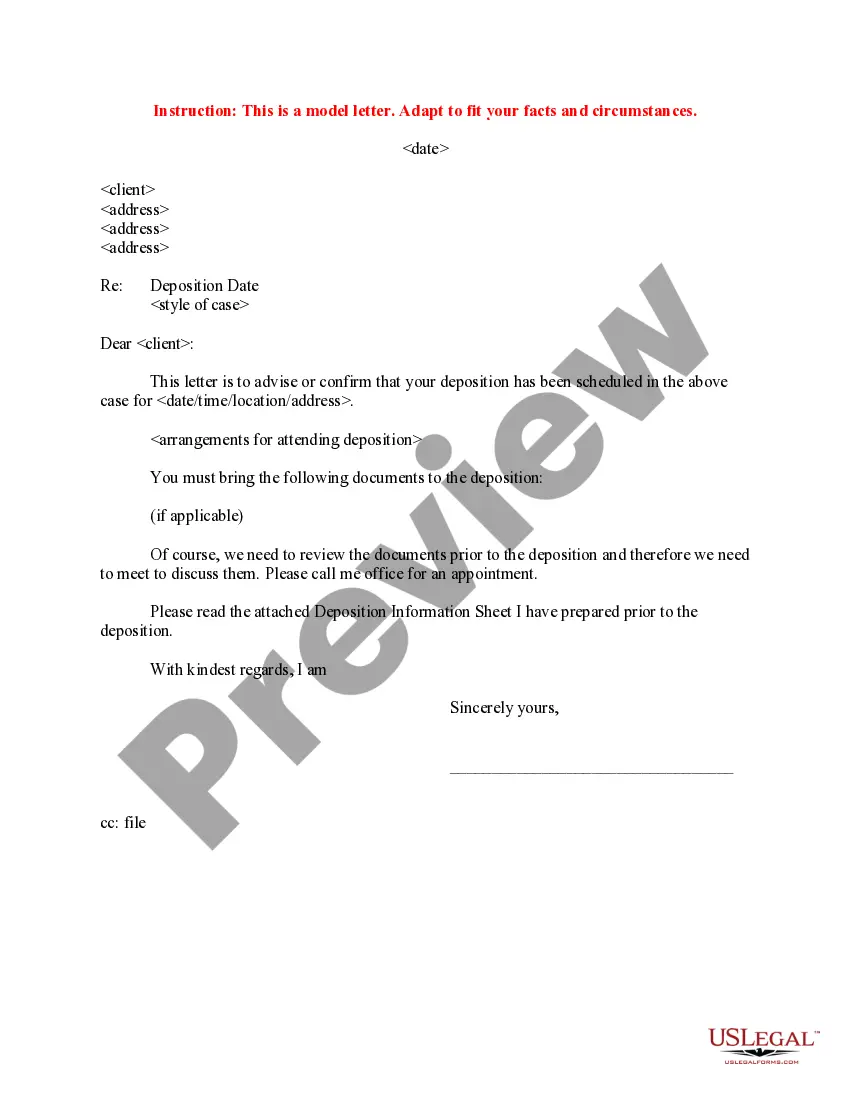
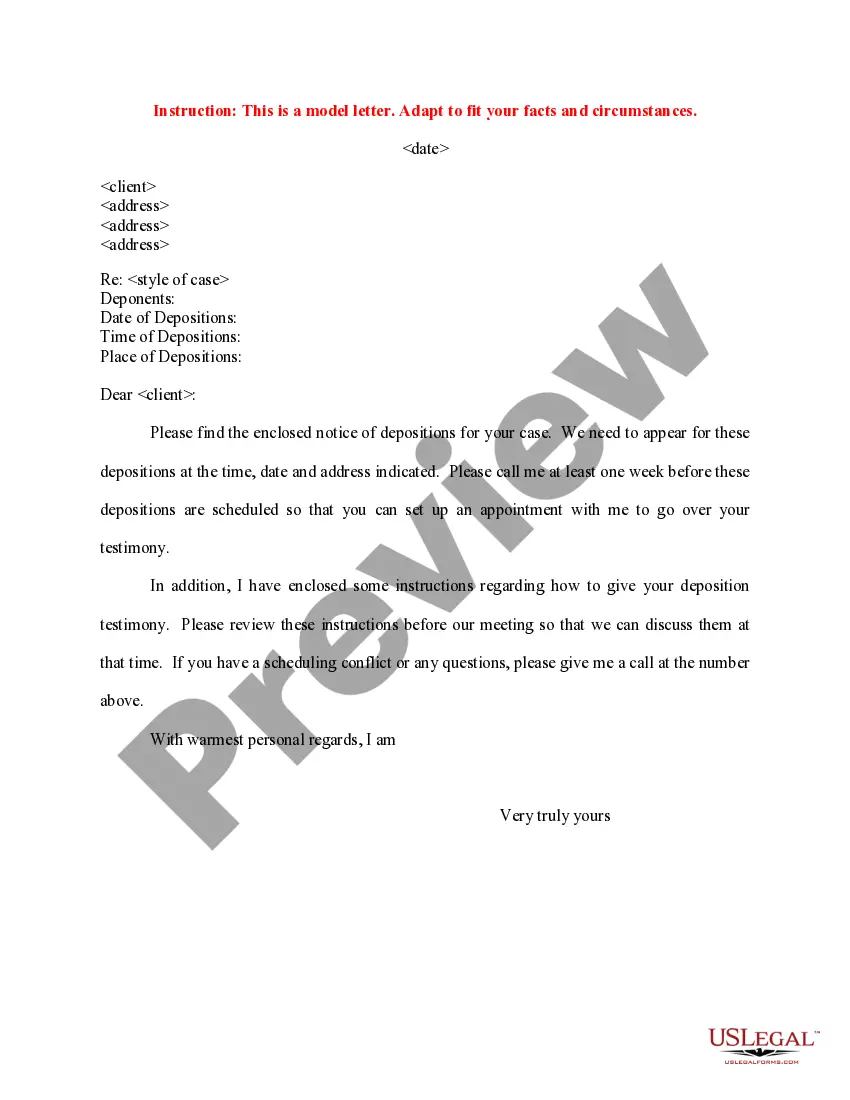

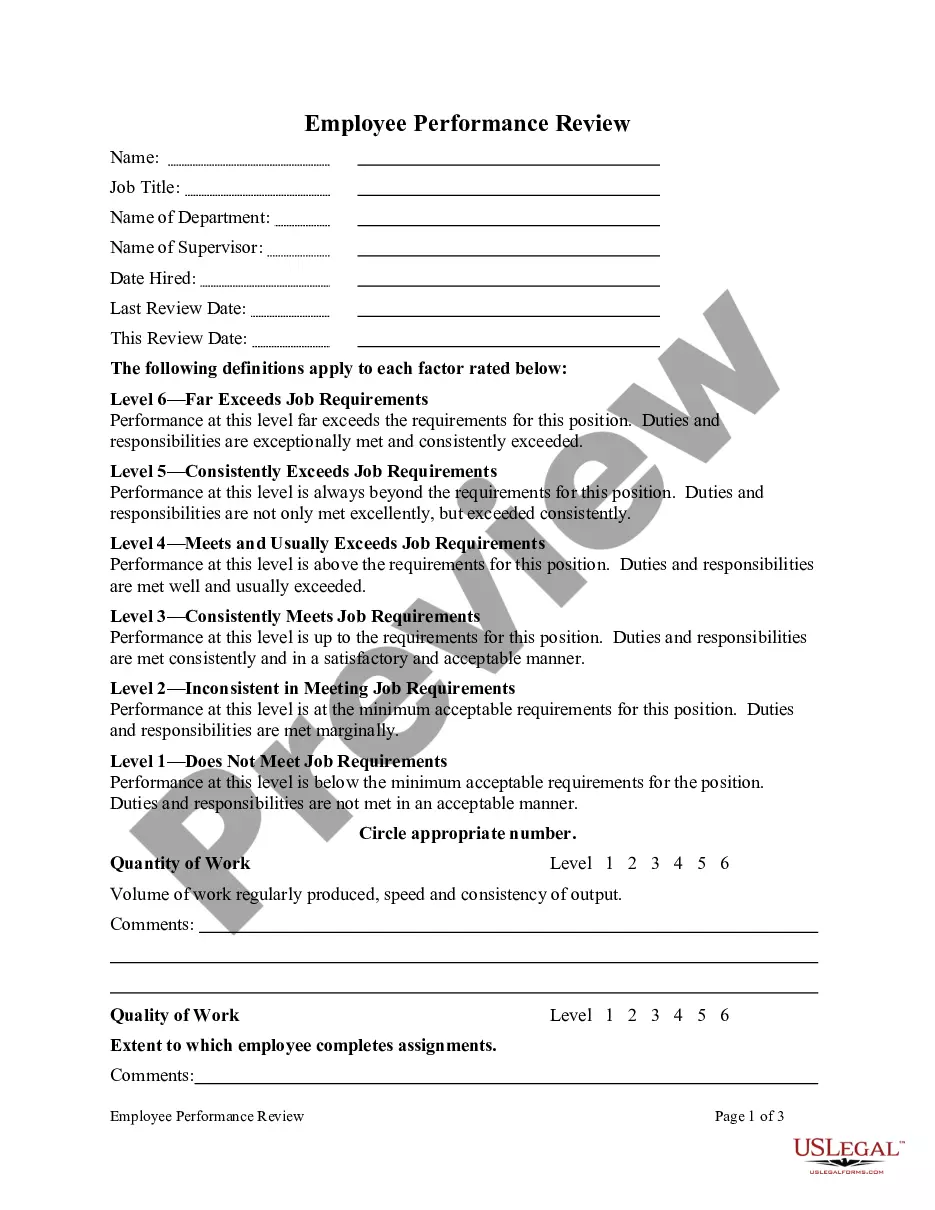

How to fill out Sample Letter Regarding Deposition?
Generating legal documents is essential in the contemporary world. Nonetheless, it’s not always necessary to look for professional help to develop some of them from scratch, such as the Salt Lake Sample Letter concerning Deposition, by utilizing a platform like US Legal Forms.
US Legal Forms offers more than 85,000 documents to choose from across various categories, including living wills, property agreements, and divorce documents. All forms are categorized by their respective state, simplifying the search process.
Additionally, you can discover comprehensive resources and guides on the site to facilitate any tasks related to document preparation.
If you are already subscribed to US Legal Forms, you can access the required Salt Lake Sample Letter regarding Deposition, Log In to your account, and download it. It should be noted that our website cannot completely replace an attorney. For particularly complex cases, we recommend utilizing an attorney's services to review your form before signing and submitting it.
With over 25 years of experience, US Legal Forms has established itself as a reliable source for numerous different legal forms for millions of clients. Join them today and obtain your state-compliant documents with ease!
- Review the document's preview and outline (if available) for basic information about what you’ll receive upon downloading the form.
- Make sure that the document you select is tailored to your state/county/region, as state regulations can affect the validity of certain documents.
- Investigate the related document templates or restart your search to locate the correct file.
- Click Buy now and create your account. If you already possess an account, opt to Log In.
- Select the option, then a suitable payment method, and purchase the Salt Lake Sample Letter regarding Deposition.
- Decide to save the form template in any available format.
- Navigate to the My documents tab to re-download the document.
Form popularity
FAQ
These papers can be served by: Mailing them to the last known address provided. Handing them to the person. Emailing them to the most recent email address provided.
Time to File and Serve Within 14 days after filing of the Motion.
As a rule, four types of discovery are identified. These include deposition, interrogatories, production of documents, and physical or mental examinations (Crain et al. 138).
To begin preparing for trial, both sides engage in discovery . This is the formal process of exchanging information between the parties about the witnesses and evidence they ll present at trial. Discovery enables the parties to know before the trial begins what evidence may be presented.
That disclosure is accomplished through a methodical process called "discovery." Discovery takes three basic forms: written discovery, document production and depositions.
Essentially, a party must disclose to the other parties the information, documents and witnesses that support the party's claims and defenses. Discovery refers to the procedures by which each party learns about the information, documents and witnesses that the other party does not have to disclose.
Documents can be served by a sheriff, a constable, a U.S. Marshal, or by any person 18 or older who is: not a party in the case or an attorney for a party in the case, not been convicted of a felony violation of a sex offense listed in Utah Code section 77-41-102(16), or.
The summons and complaint may be served by the sheriff or constable, or their deputy. Utah Process Service may also be done by a United States Marshal or their deputy, or by any other person eighteen years of age or older at the time of service, and not a party to the action or a party's attorney.
Discovery is shocking, unplanned, overwhelming, and usually only a portion of the betrayal is revealed and acknowledged. Disclosure is the exact opposite. In disclosure, the cheating partner voluntarily tells the betrayed partner the full scope and details about his behavior.
(1) A subpoena may be served by any person who is at least 18 years of age and not a party to the case. Service of a subpoena upon the person to whom it is directed shall be made as provided in Rule 4(d).