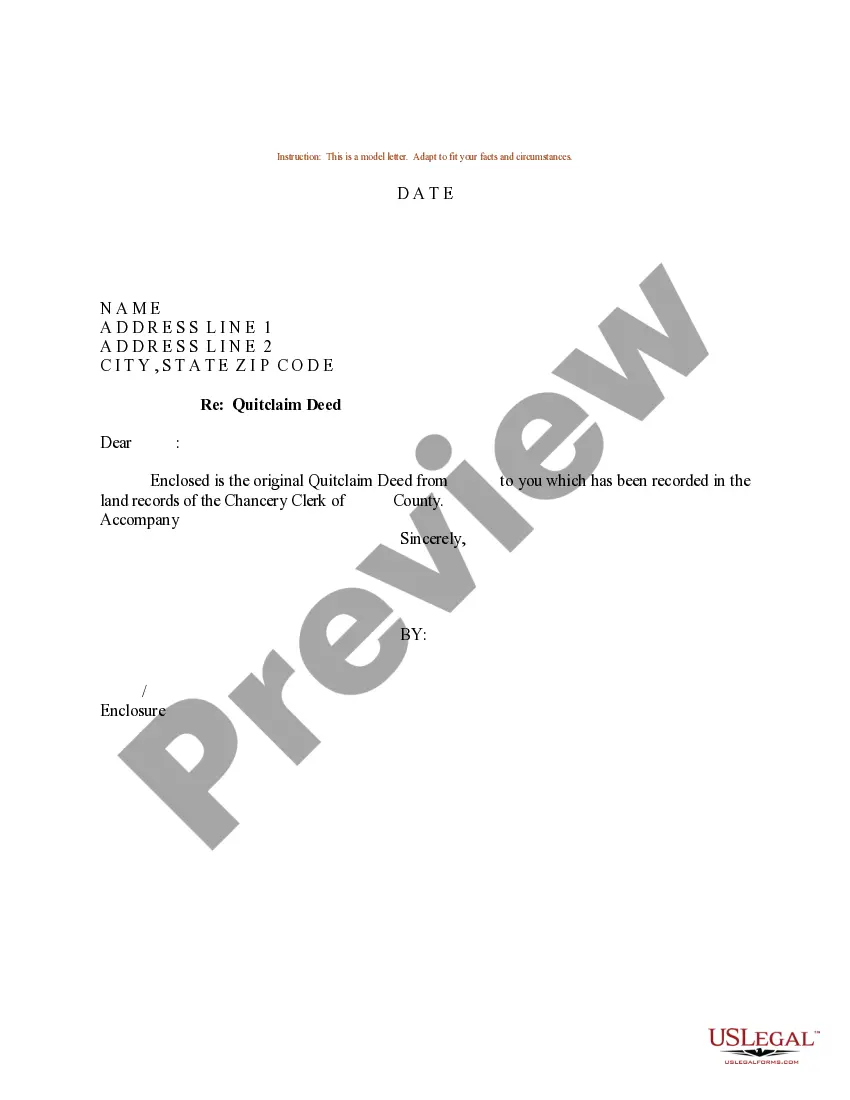
After signing, you should file the quitclaim deed with the local county recorder's office to make it official. It’s like putting a stamp on your promise for everyone to see!
No, a quitclaim deed doesn’t remove liens or debts on the property. Think of it like passing a hot potato; you’re handing over the property, but the issues still stick around!
Yes, quitclaim deeds typically need to be signed in front of a notary public. It’s a way to add an extra layer of trust, saying, 'This is the real deal!'
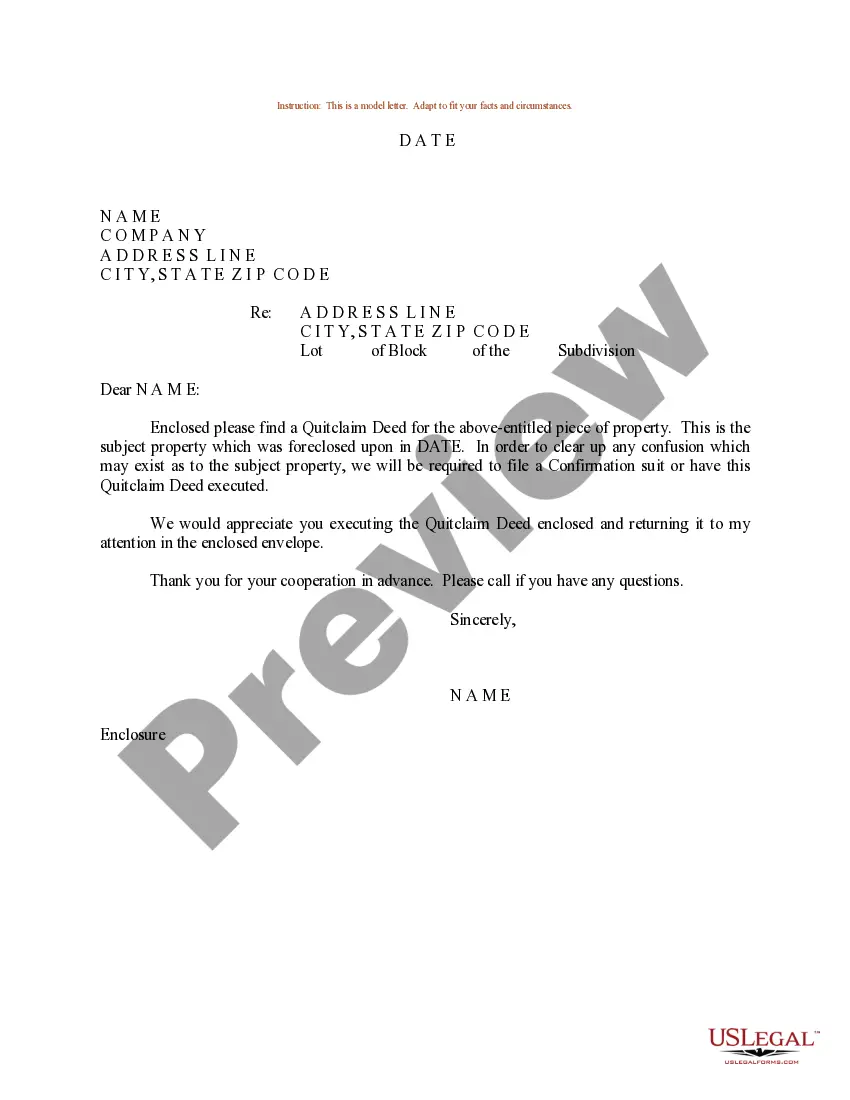
In your quitclaim deed letter, include the names of the parties involved, a clear description of the property, and the statement that you're transferring your interest. It’s like making your intentions crystal clear!
People often use quitclaim deeds to simplify property transfers, like between family members or in divorces, because it's a fast way to handle ownership changes without much fuss.
In foreclosures, a quitclaim deed allows the lender or the bank to transfer property ownership quickly after a foreclosure sale, usually to a new owner or back to itself.
No, they’re not the same. A warranty deed offers guarantees about the property’s title, while a quitclaim deed leaves you high and dry in terms of guarantees. It’s like trading a rock-solid car for a used bicycle!