Alameda California Short Term Rental Agreement with Rental Rules
Description
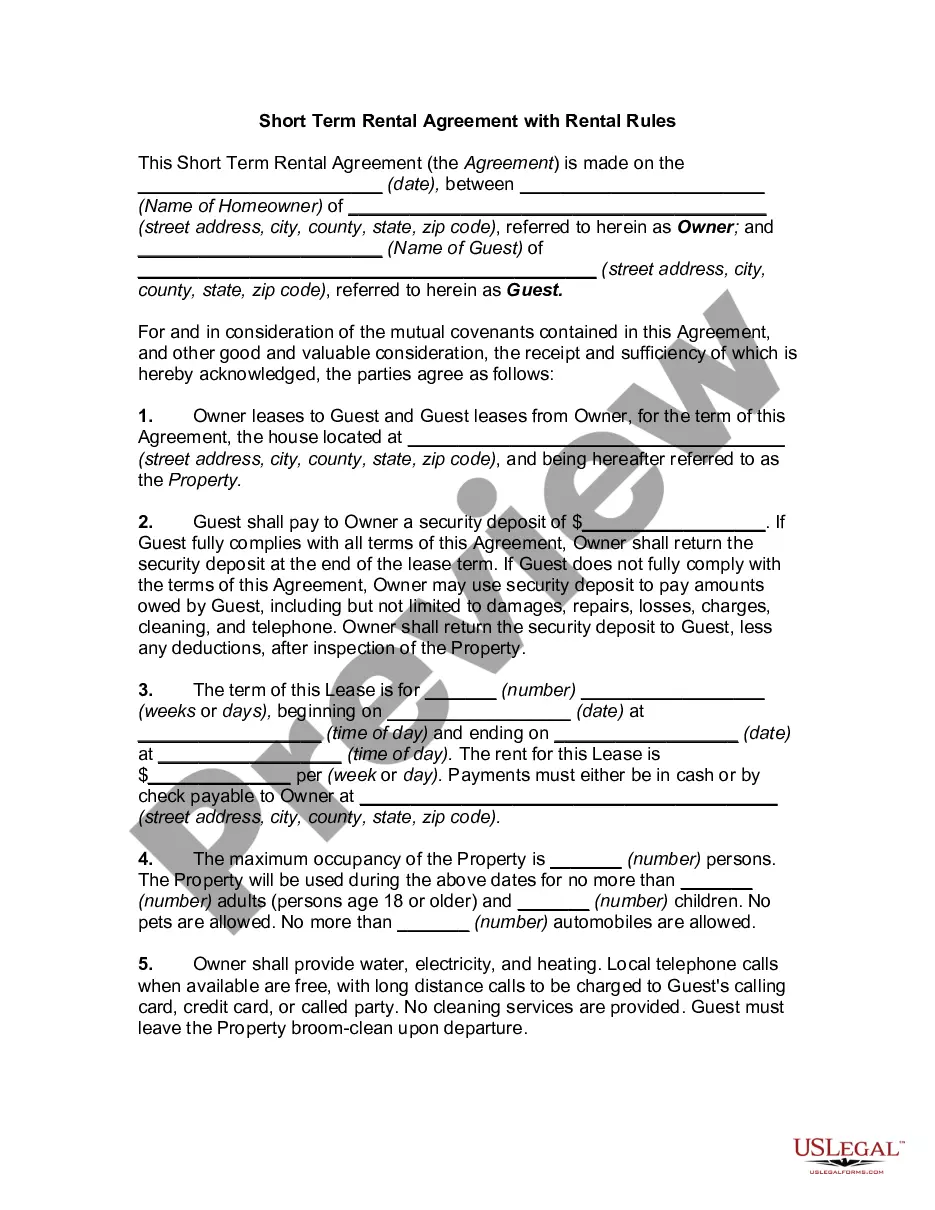
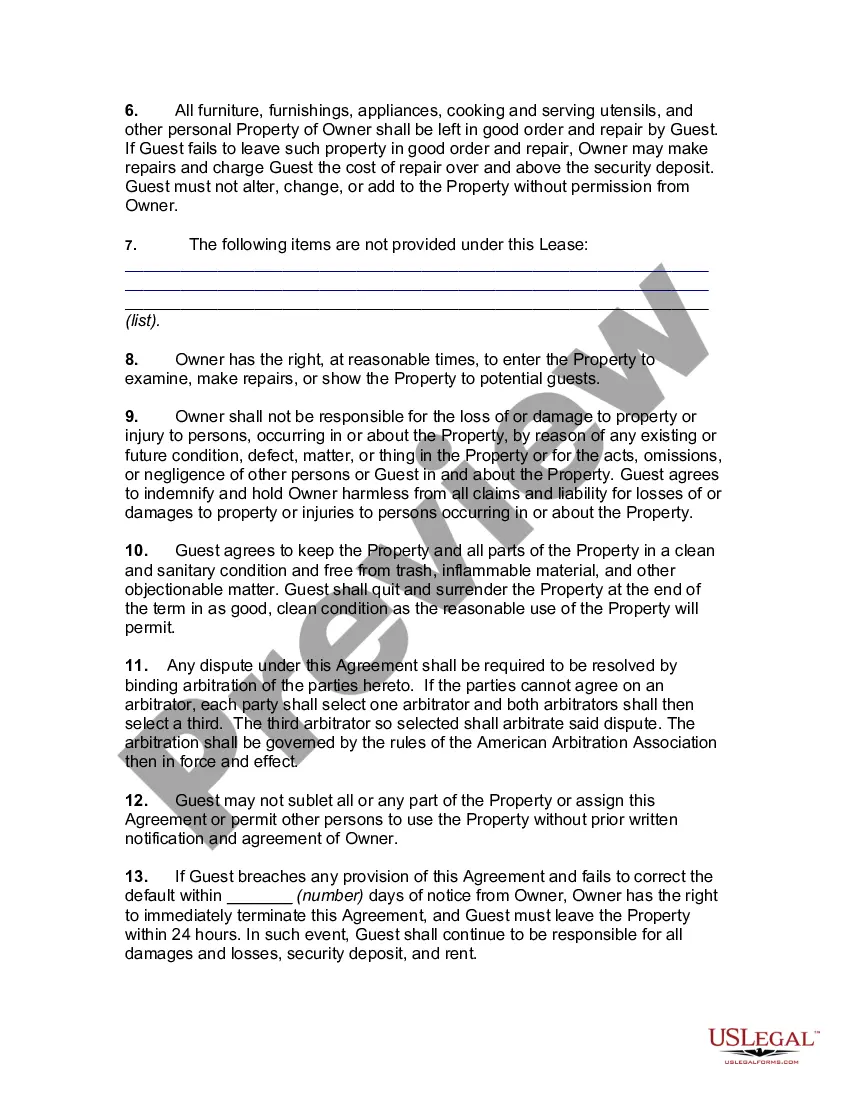
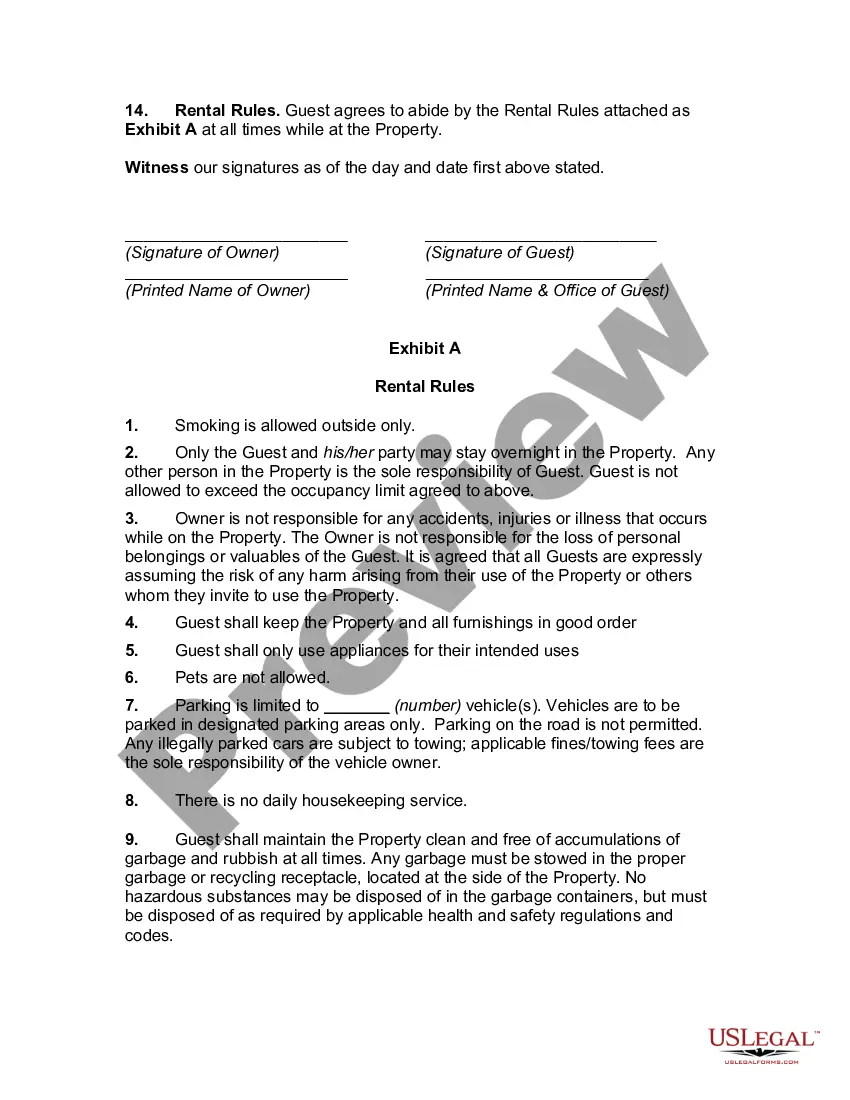
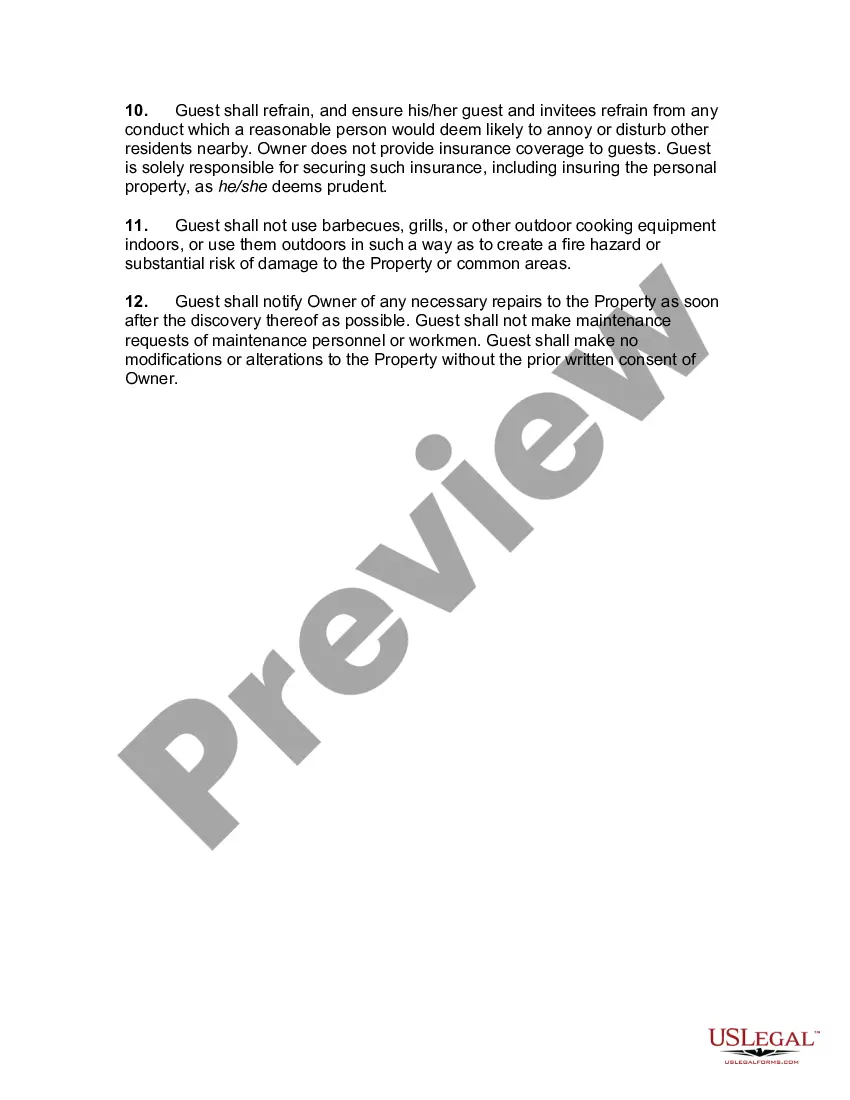
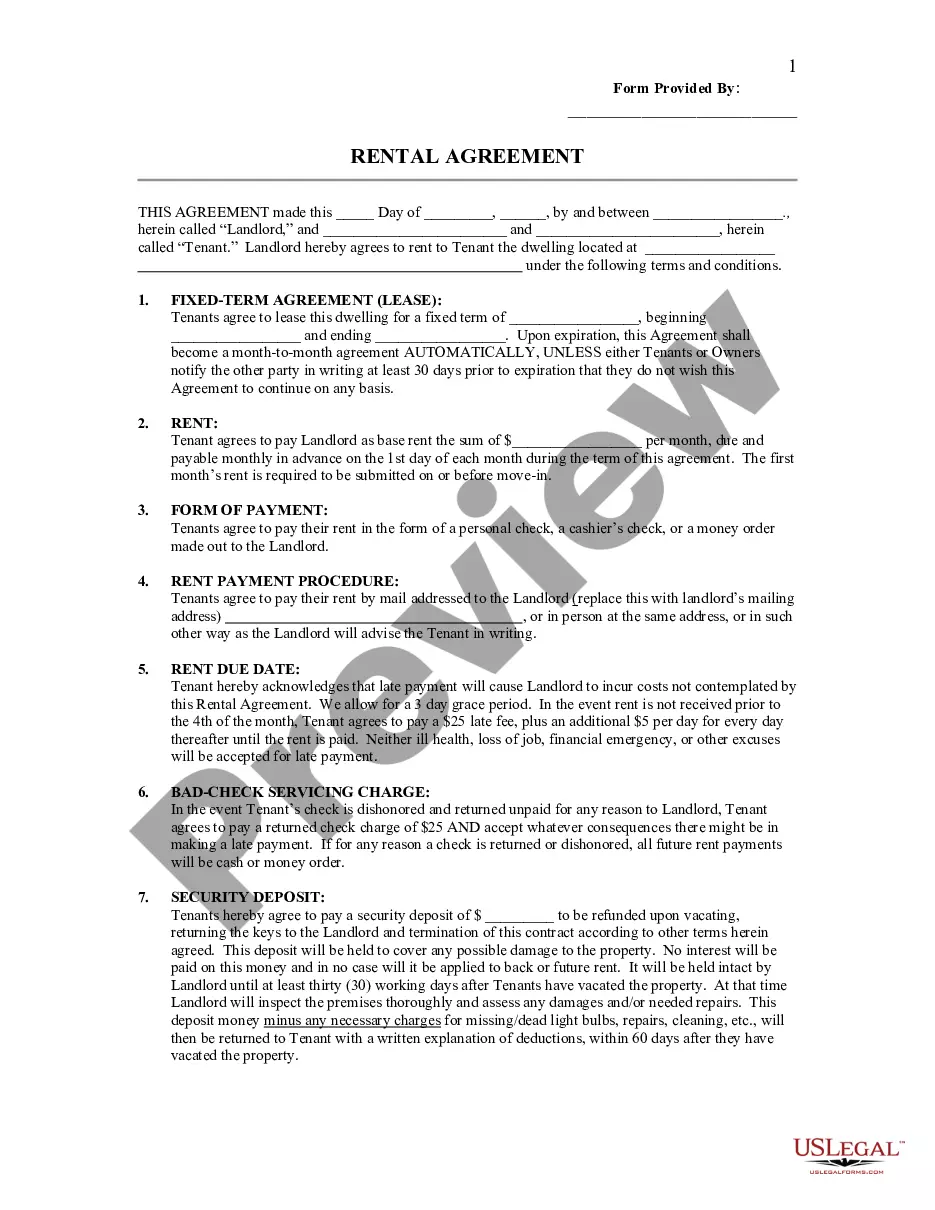
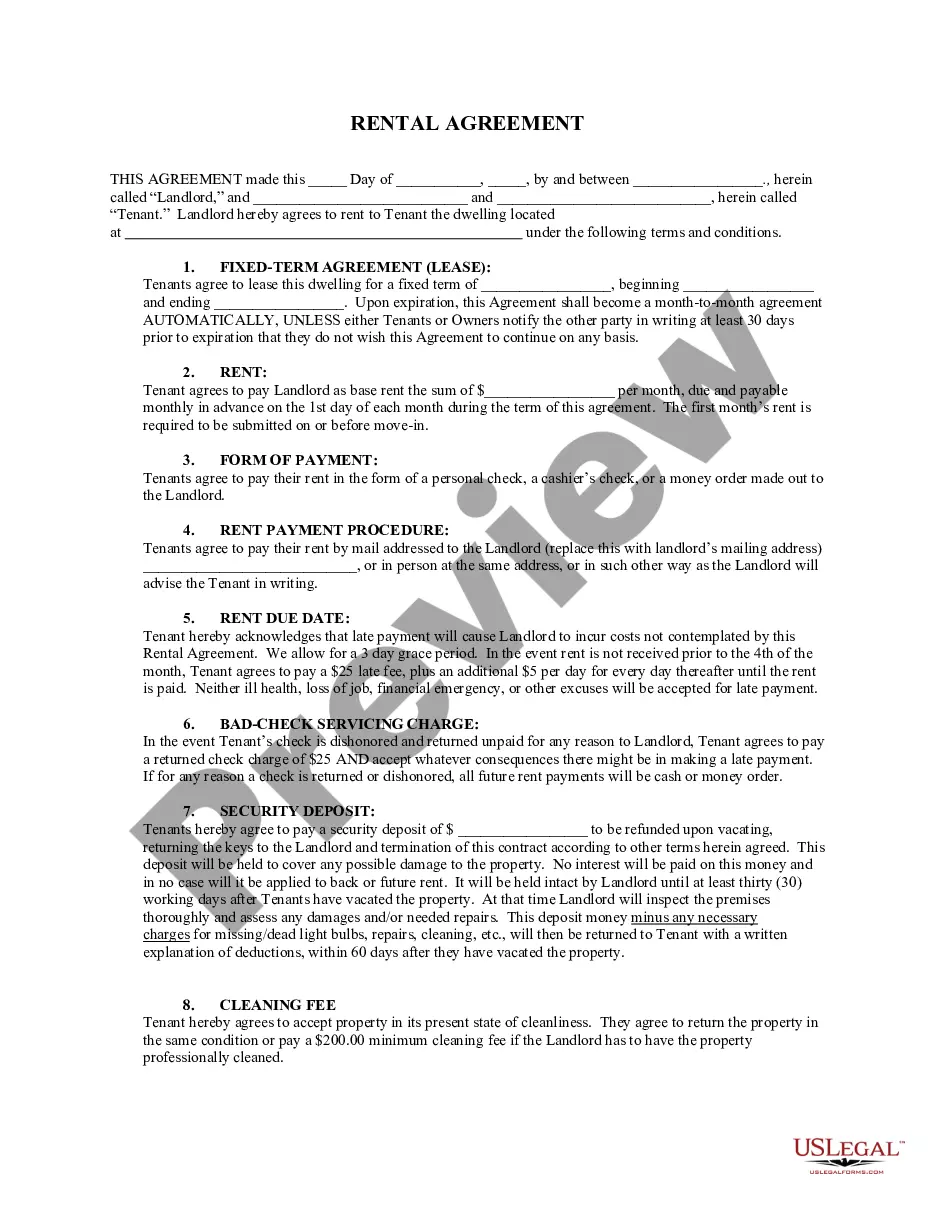
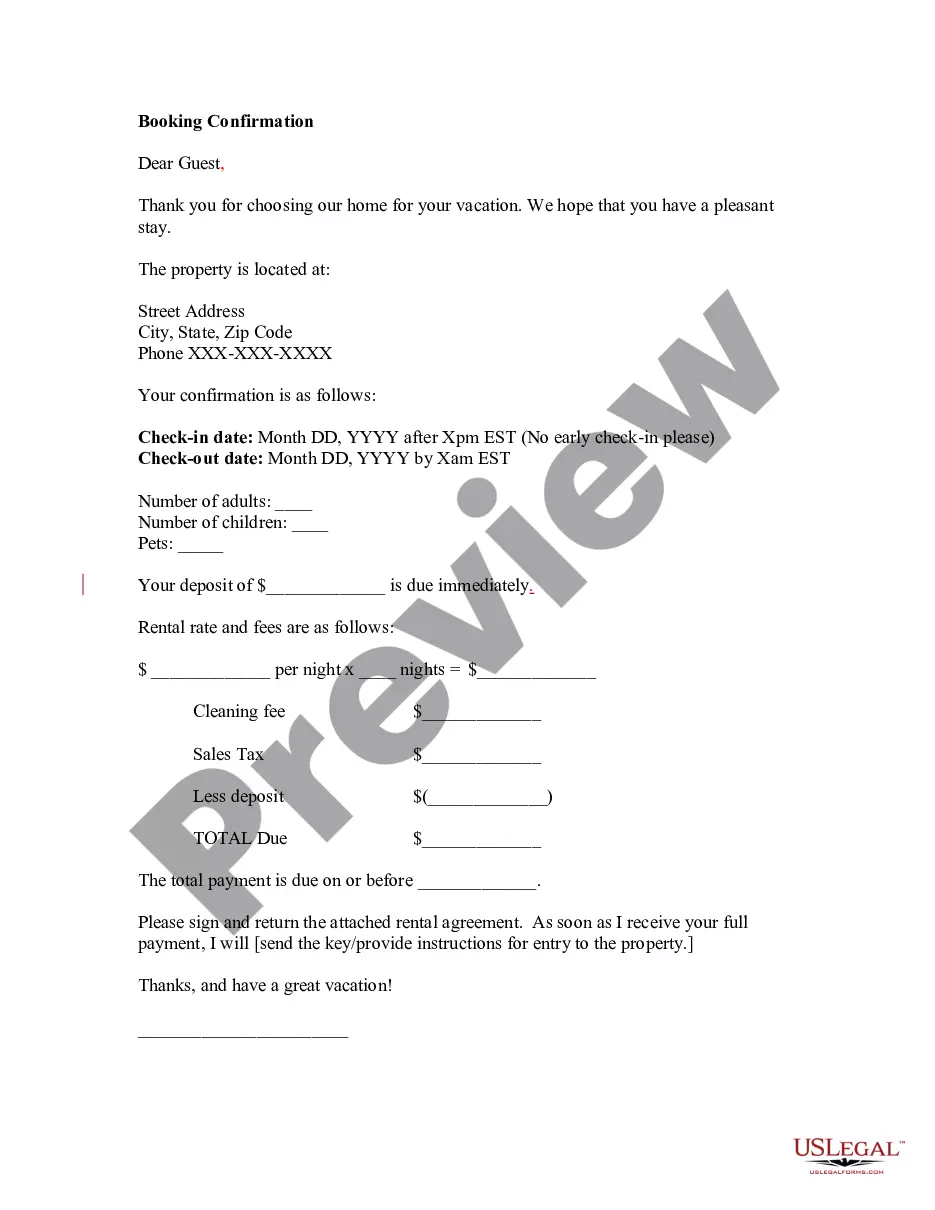
Get your form ready online
Our built-in tools help you complete, sign, share, and store your documents in one place.
Make edits, fill in missing information, and update formatting in US Legal Forms—just like you would in MS Word.
Download a copy, print it, send it by email, or mail it via USPS—whatever works best for your next step.
Sign and collect signatures with our SignNow integration. Send to multiple recipients, set reminders, and more. Go Premium to unlock E-Sign.
If this form requires notarization, complete it online through a secure video call—no need to meet a notary in person or wait for an appointment.
We protect your documents and personal data by following strict security and privacy standards.

Make edits, fill in missing information, and update formatting in US Legal Forms—just like you would in MS Word.

Download a copy, print it, send it by email, or mail it via USPS—whatever works best for your next step.

Sign and collect signatures with our SignNow integration. Send to multiple recipients, set reminders, and more. Go Premium to unlock E-Sign.

If this form requires notarization, complete it online through a secure video call—no need to meet a notary in person or wait for an appointment.

We protect your documents and personal data by following strict security and privacy standards.
Looking for another form?
How to fill out Short Term Rental Agreement With Rental Rules?
Creating documentation for the company or individual requirements is always a significant obligation.
When forming a contract, a public service inquiry, or a power of attorney, it’s crucial to take into account all federal and state laws of the specific area.
However, smaller counties and even municipalities also have legislative processes that you must consider.
To find the one that meets your specifications, use the search bar in the header of the page.
- All these elements contribute to making it stressful and time-consuming to formulate the Alameda Short Term Rental Agreement with Rental Rules without expert help.
- It's simple to avoid incurring costs on lawyers writing your documents and create a legally acceptable Alameda Short Term Rental Agreement with Rental Rules independently, utilizing the US Legal Forms online repository.
- This is the largest online collection of state-specific legal templates that are professionally validated, so you can be assured of their legitimacy when selecting a sample for your region.
- Former subscribers need only to Log In to their accounts to retrieve the needed form.
- If you lack a subscription, follow the guide provided below to obtain the Alameda Short Term Rental Agreement with Rental Rules.
- Browse the page you have opened and verify if it includes the sample you are seeking.
- To accomplish this, utilize the form description and preview if these features are available.
Form popularity
FAQ
A: Under the State's COVID-19 rental protections tenants cannot be evicted if, due to COVID-19 financial distress, they cannot pay rent that came due during the covered periodMarch 1, 2020 until September 30, 2021. So, a tenant must resume regular rent payments beginning October 1, 2021.
A: Rent levels for all controlled units (generally, all multi-family units built before February 1995) have been frozen during the emergency. However, as of , landlords may serve tenants with notices of rent increases for no more than the current cap, which is 2.7%.
Because of the Rent Increase freeze in Ordinance No. 3275, a Landlord is precluded from increasing the Tenant's Rent by 2.8% until January 1, 2021. Assume that the Annual General Adjustment for the period September 1, 2020 and August 31, 2021 is 2%.
Residents of Alameda County are protected by the County's eviction moratorium until 60 days after the expiration of the local health emergency, which is still in effect.
Alameda's City Rent Control Ordinance regulates how much a tenant's rent can be raised annually, protects tenants from eviction unless there is a just-cause reason to do so under the law, provides relocation to tenants, regulates buyout agreements, and prohibits landlord retaliation against tenants.
California is one of two states to have statewide rent control, because of AB 1482 rent increases cannot go beyond 5% plus the cost of living or 10% each year, whichever is higher. This new law only applies to older buildings built before 2005.
Beginning , landlords of most Alameda rental units may serve their tenant with rent increase notices of no more than 2.7%, after the Alameda City Council adopted new legislation altering the moratorium on rent increases.
A Program Fee of $148 is imposed on every rental property owner in the City of Alameda for each Fully Regulated Unit owned.
Beginning , landlords of most Alameda rental units may serve their tenant with rent increase notices of no more than 2.7%, after the Alameda City Council adopted new legislation altering the moratorium on rent increases.