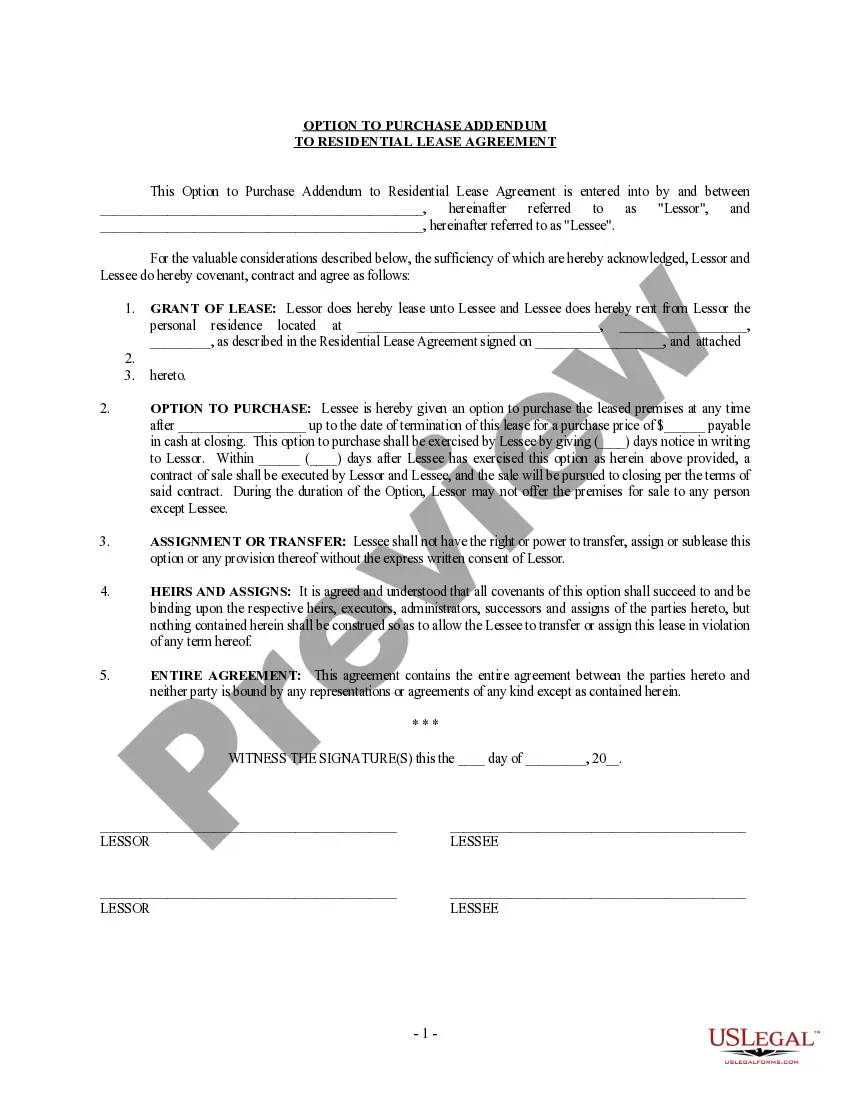
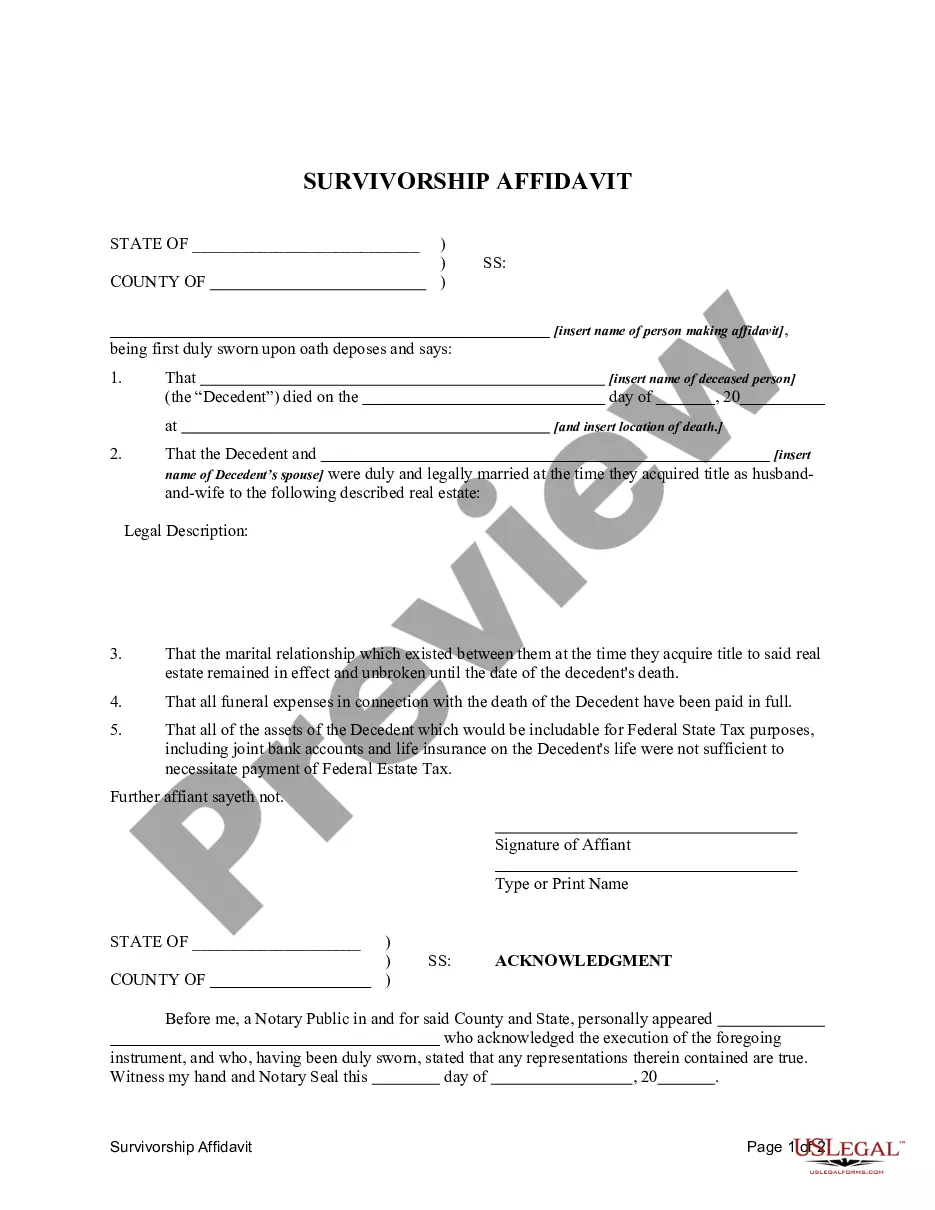
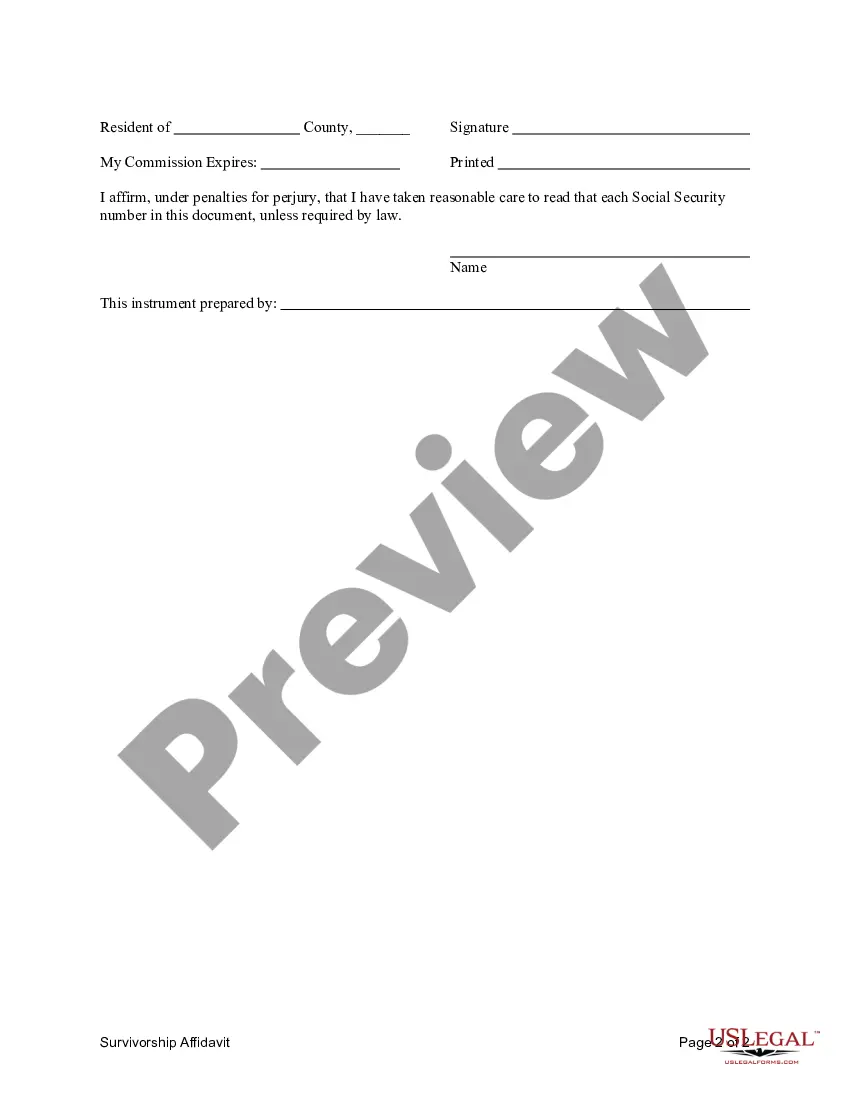
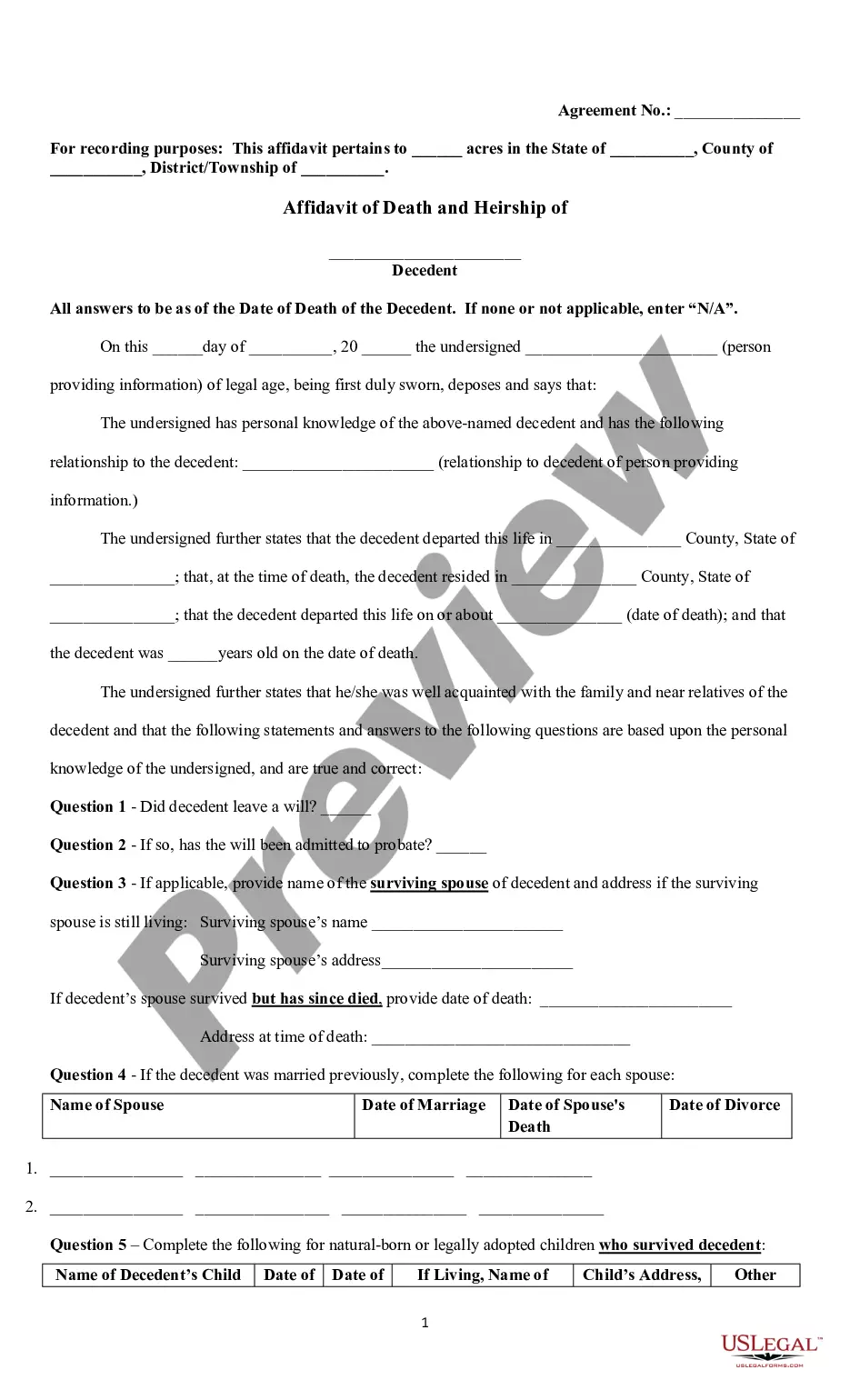
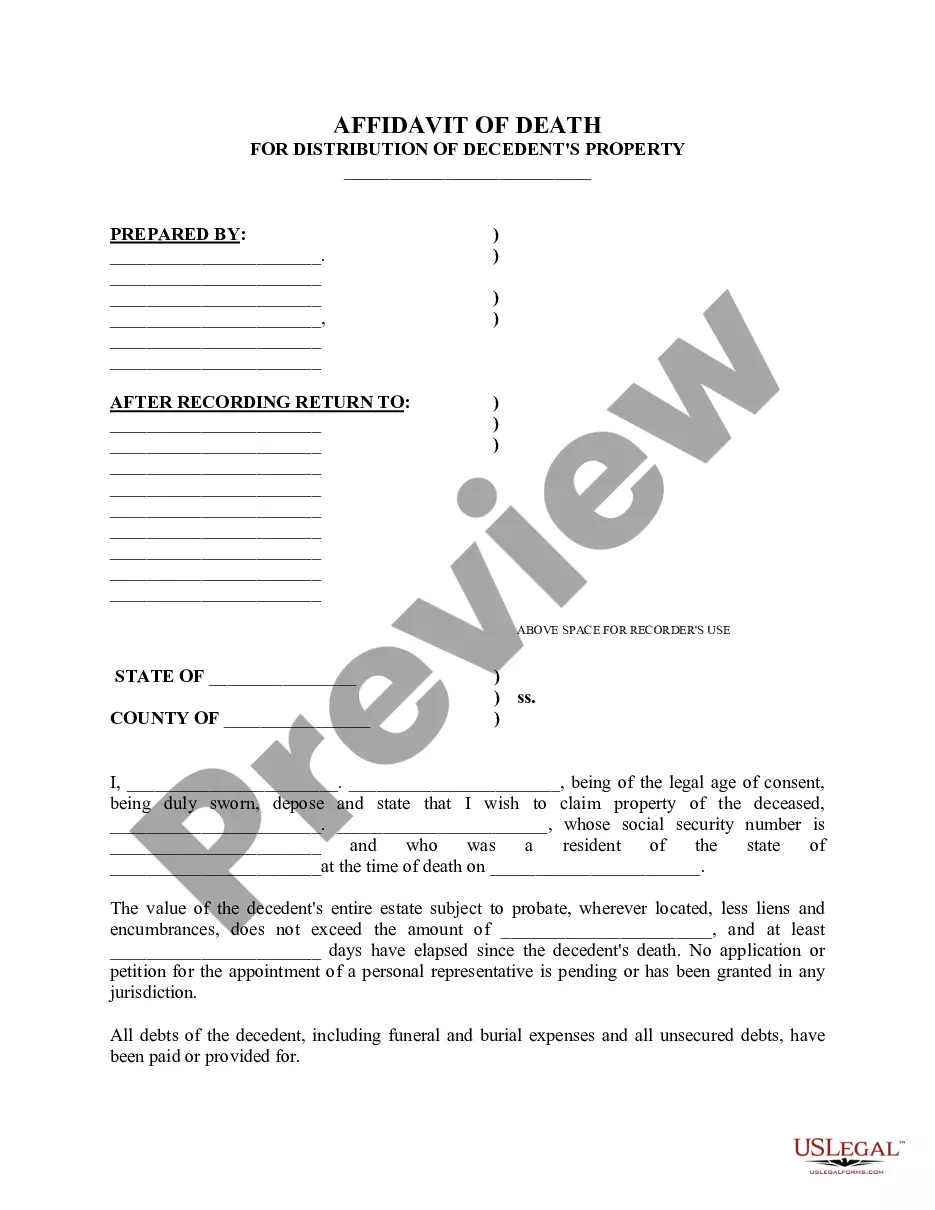
The Survivorship Affidavit is a form for a person to complete to establish the identity of the survivor in a joint tenancy or other property ownership relationship.
Salt Lake Utah Survivorship Affidavit
State:
Multi-State
Category:
County:
Salt Lake
Control #:
US-05550
Format:
Word
140 downloads
Description
Free preview

Get your form ready online
Our built-in tools help you complete, sign, share, and store your documents in one place.
Built-in online Word editor
Make edits, fill in missing information, and update formatting in US Legal Forms—just like you would in MS Word.
Export easily
Download a copy, print it, send it by email, or mail it via USPS—whatever works best for your next step.
E-sign your document
Sign and collect signatures with our SignNow integration. Send to multiple recipients, set reminders, and more. Go Premium to unlock E-Sign.
Notarize online 24/7
If this form requires notarization, complete it online through a secure video call—no need to meet a notary in person or wait for an appointment.
Store your document securely
We protect your documents and personal data by following strict security and privacy standards.
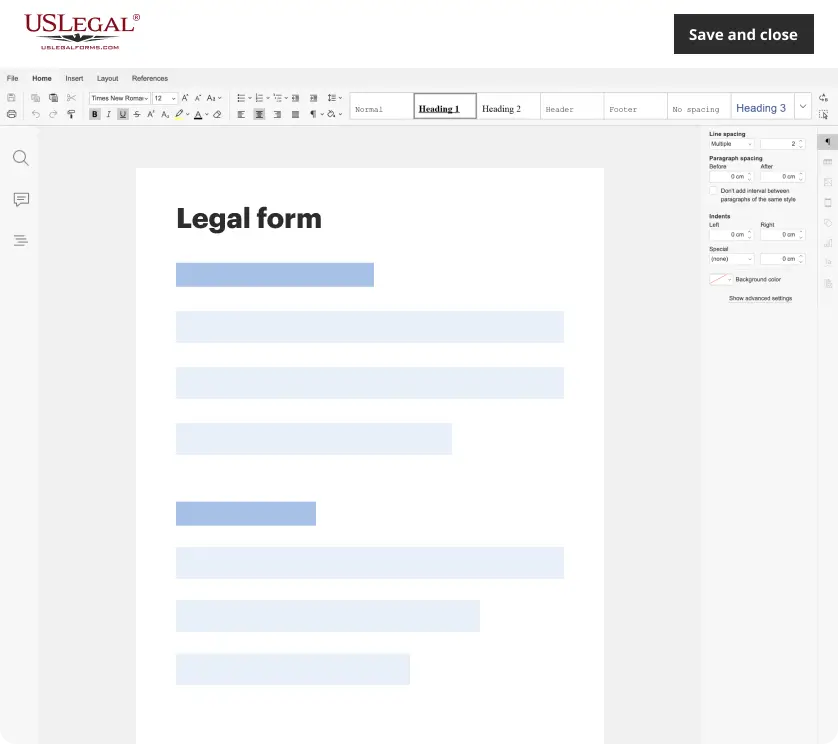
Make edits, fill in missing information, and update formatting in US Legal Forms—just like you would in MS Word.
Download a copy, print it, send it by email, or mail it via USPS—whatever works best for your next step.
Sign and collect signatures with our SignNow integration. Send to multiple recipients, set reminders, and more. Go Premium to unlock E-Sign.

If this form requires notarization, complete it online through a secure video call—no need to meet a notary in person or wait for an appointment.
We protect your documents and personal data by following strict security and privacy standards.
Looking for another form?
How to fill out Survivorship Affidavit?
Drafting legal paperwork can be tedious.
Moreover, if you choose to hire a lawyer to compose a business agreement, documents for ownership transfer, pre-nuptial contract, divorce documentation, or the Salt Lake Survivorship Affidavit, it might cost you a significant amount.
Browse through the page to verify there is a template available for your region.
- What is the most effective method to save time and expenses while creating authentic forms that fully adhere to your state and local laws.
- US Legal Forms offers an excellent solution, whether you are looking for templates for personal or commercial purposes.
- US Legal Forms boasts the largest online collection of state-specific legal documents, supplying users with current and professionally reviewed templates for any situation, all centralized in one location.
- Thus, if you require the latest version of the Salt Lake Survivorship Affidavit, you can effortlessly locate it on our site.
- Accessing the documents takes minimal time.
- Users with an existing account should confirm their subscription is active, Log In, and choose the template by clicking on the Download button.
- If you haven’t subscribed yet, here is how you can acquire the Salt Lake Survivorship Affidavit.
Form popularity
FAQ
Probate is required if: the estate includes real property (land, house, condominium, mineral rights) of any value, and/or. the estate has assets (other than land, and not including cars) whose net worth is more than $100,000.
A motor vehicle is a chattel and you do not have to wait until a grant of probate or letters of administration have been issued to be able to transfer a car to another owner or to sell it.
The most common documents that you need to have with you are the following: Deed of Absolute Sale (DAS), original copy and photocopies. Transfer Certificate of Title (TCT) or Condominium Certificate of Title (TCT), duplicate copy and photocopies.
In the State of Utah, a small estate affidavit is not filed with the court. Instead, the form must be signed in front of a notary public.
Is Probate Required in Utah? Estates must go through probate as required by state law in Utah. However, there are ways to avoid probate if you plan ahead.
How To Transfer A Car Title When Owner Is Deceased. Whether you are the surviving spouse or the heir to an estate, you will need a couple documents to transfer the title from the deceased's name to yours. You must fill out the Survivor Affidavit and have the document notarized.
Forms to complete Notice of change of particulars (NCP) Application for registration and licensing (RLV) Notice of change of ownership/sale of motor vehicle (NCO) Notice in respect of traffic register number (ANR)
Complete the Utah vehicle title application form. Provide proof of a vehicle safety/emissions inspection (if applicable)...Gather the Necessary Documentation Death certificate. Order from Probate Court to transfer the title of the vehicle. Certificate of title. Odometer disclosure statement. Transfer fee.
Utah law allows someone handling the estate of a person who died (the decedent) with a "small estate" to use a small estate affidavit to collect personal property (such as money in a bank account, jewelry, clothing, and furniture) instead of going through the probate process.
In Utah, if the value of the entire probate estate does not exceed $100,000, the estate is considered a small estate, and it can be closed within thirty days after the death.