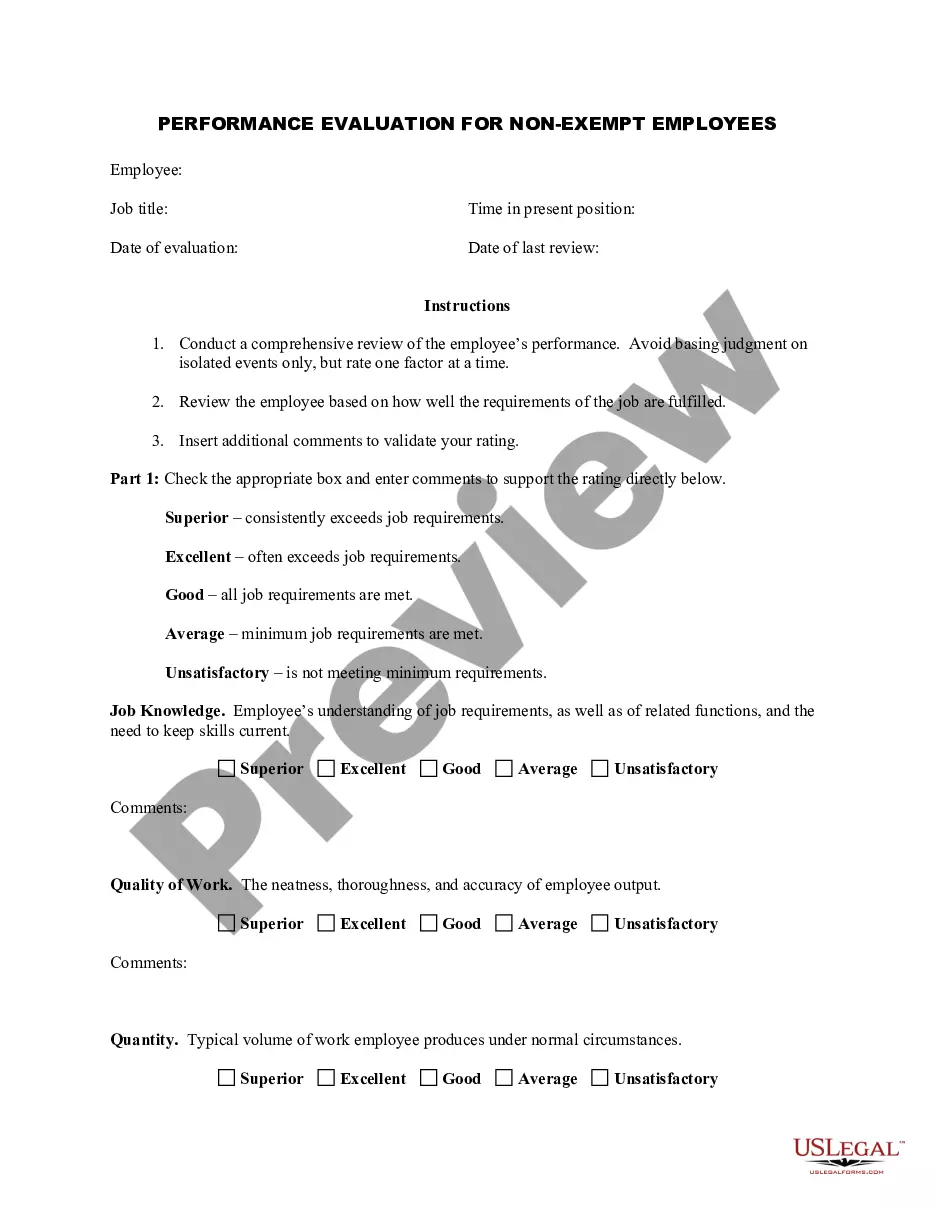
Minneapolis Minnesota Exit Procedure Acknowledgment Regarding Proprietary Information
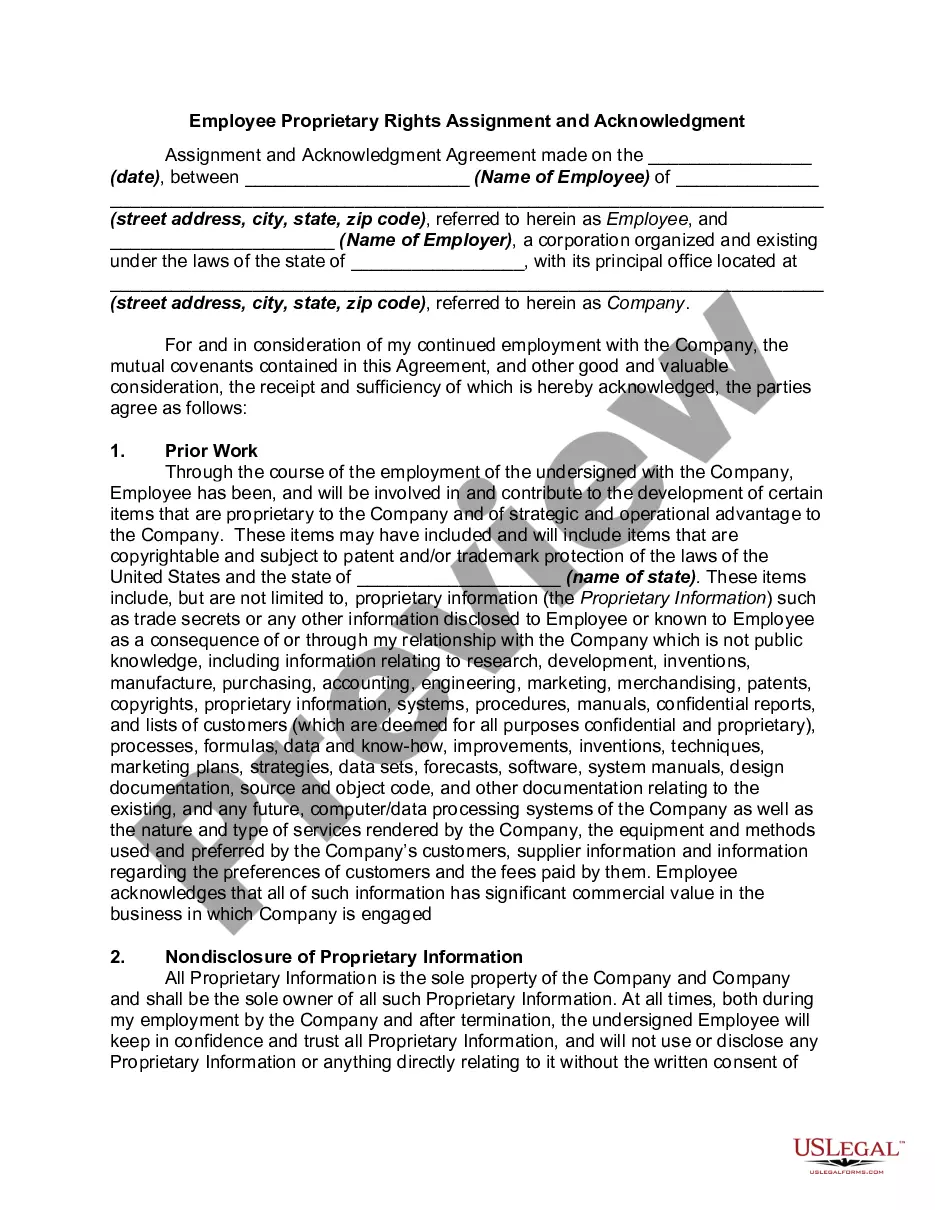
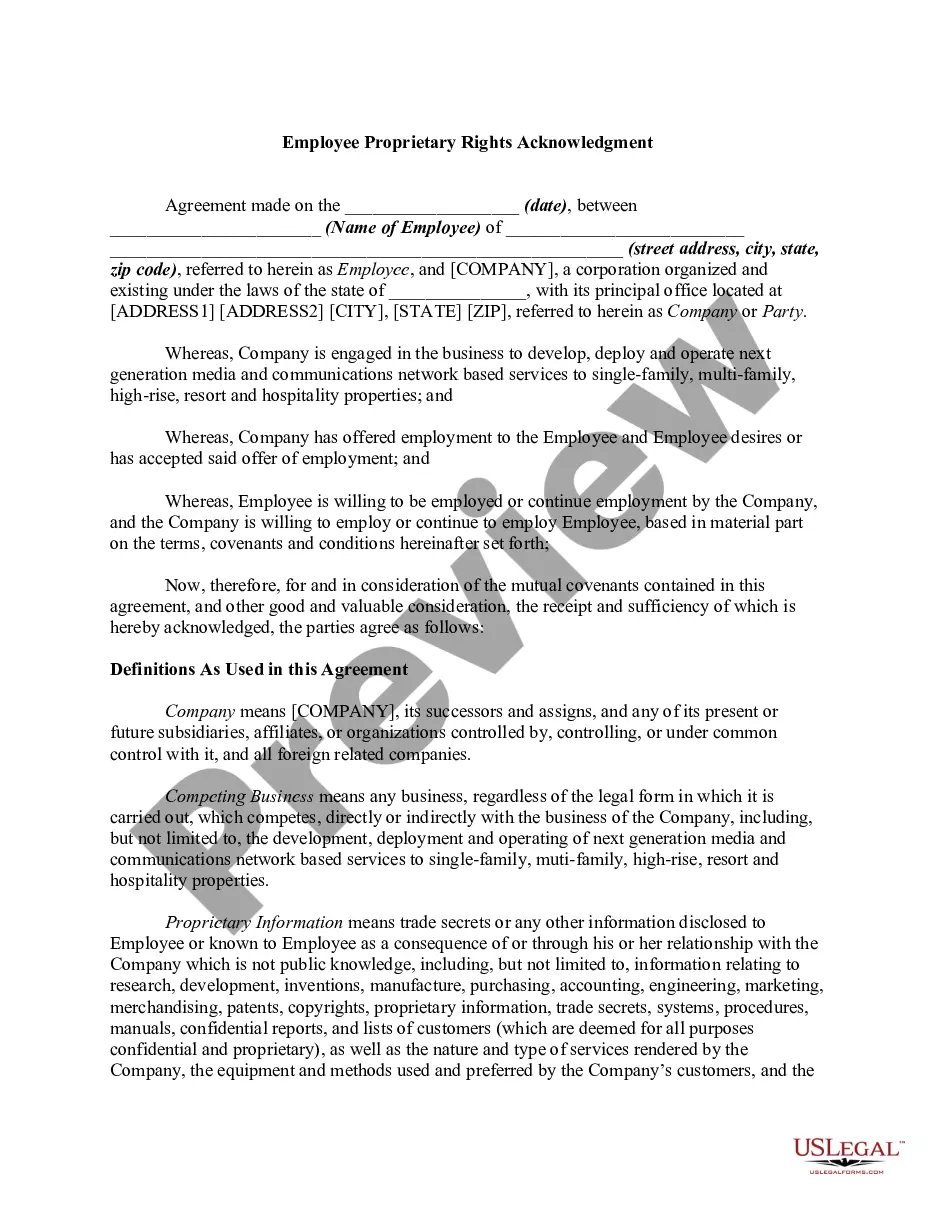
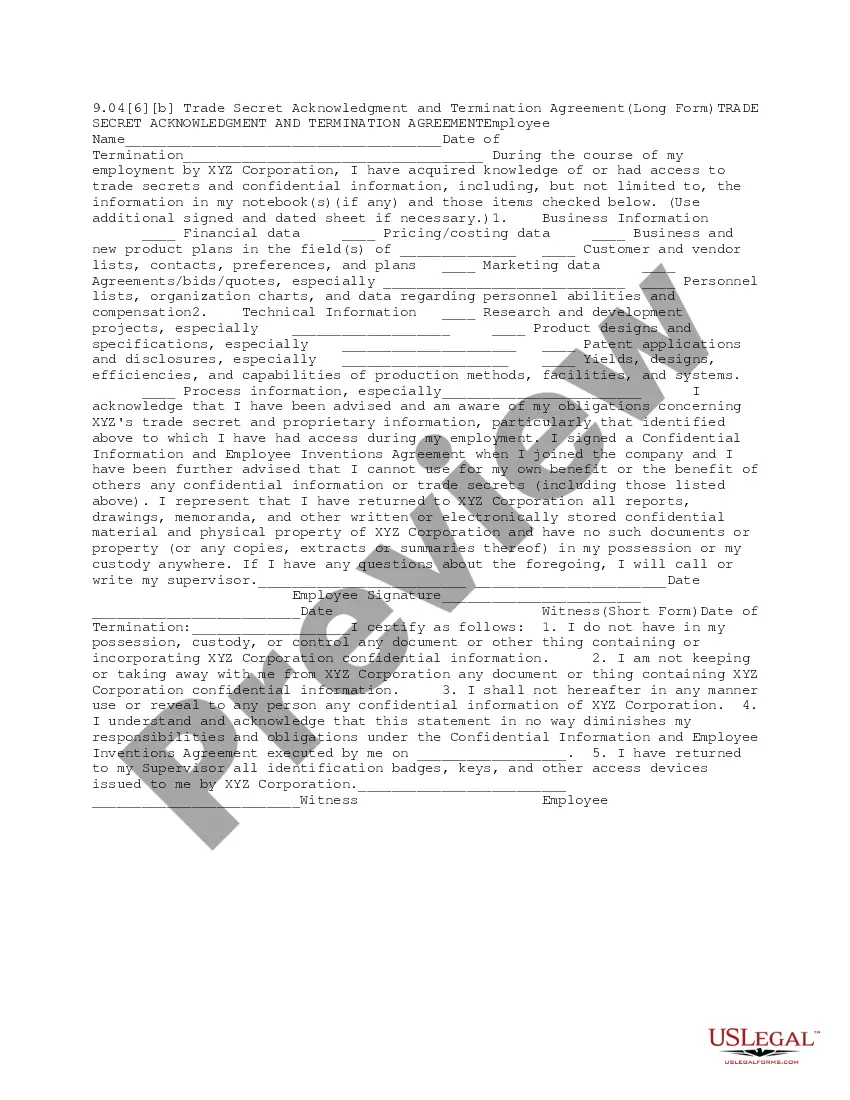
Description



Form popularity
FAQ
Quiet firing refers to the subtle actions taken by employers to push an employee out of their job without formal termination. While it is not explicitly illegal in Minnesota, it can lead to potential legal issues if it violates an employee's rights. Understanding the Minneapolis Minnesota Exit Procedure Acknowledgment Regarding Proprietary Information can help both employees and employers navigate these challenging situations, ensuring that all parties are treated fairly and with respect.
The inevitable disclosure doctrine allows employers to prevent former employees from working for competitors if they are likely to disclose trade secrets or proprietary information. In Minnesota, this legal principle protects businesses from unfair competition. Familiarity with the Minneapolis Minnesota Exit Procedure Acknowledgment Regarding Proprietary Information helps employees understand the implications of their past roles and the importance of safeguarding proprietary data.
A conflict of interest occurs when a state employee’s personal interests interfere with their official duties. In Minnesota, employees must disclose any potential conflicts to maintain integrity and accountability in their roles. The Minneapolis Minnesota Exit Procedure Acknowledgment Regarding Proprietary Information addresses these conflicts, ensuring that employees are aware of their responsibilities to protect sensitive information, even after leaving their positions.
The Minnesota employee code of conduct outlines the expected behavior and responsibilities of state employees. This code ensures that employees adhere to ethical standards, promote transparency, and maintain public trust. Understanding the Minnesota employee code of conduct is essential for navigating the Minneapolis Minnesota Exit Procedure Acknowledgment Regarding Proprietary Information, as it emphasizes the importance of confidentiality and proper handling of proprietary data.
A notary acknowledgment serves to verify that the signer willingly signed a document and understands its implications. This act protects against potential disputes regarding the validity of the signature and the signer's intent. For documents like the Minneapolis Minnesota Exit Procedure Acknowledgment Regarding Proprietary Information, a notary acknowledgment adds a layer of credibility and legal protection.
The primary purpose of acknowledgment before a notary public when signing a deed is to ensure that the signer understands the document and is signing it voluntarily. This process helps to prevent fraud and misrepresentation. In relation to the Minneapolis Minnesota Exit Procedure Acknowledgment Regarding Proprietary Information, this acknowledgment can provide greater security for all parties involved.
A notary acknowledgment form in Minnesota is a document that a notary public uses to confirm that a signer has acknowledged their signature on a specific document. This form typically includes the notary's seal, signature, and the date of notarization. For the Minneapolis Minnesota Exit Procedure Acknowledgment Regarding Proprietary Information, this form provides essential legal validation for the signed document.
To notarize a document in Minnesota, first, find a licensed notary public. The signer must present a valid form of identification and sign the document in the notary's presence. The notary will then complete the notarial certificate, which may include an acknowledgment, especially for the Minneapolis Minnesota Exit Procedure Acknowledgment Regarding Proprietary Information. Using platforms like USLegalForms can simplify this process by connecting you with notaries.
No, an acknowledgment is not the same as a signature. While a signature represents the signer's consent to the document, an acknowledgment confirms that the signer understands the document and is signing it voluntarily. This distinction is crucial when executing the Minneapolis Minnesota Exit Procedure Acknowledgment Regarding Proprietary Information, as it adds an extra layer of legal assurance.
In Minnesota, a jurat and a notarial certificate serve different purposes. A jurat requires the signer to take an oath or affirmation, while a notarial certificate simply verifies a signature's authenticity. When dealing with the Minneapolis Minnesota Exit Procedure Acknowledgment Regarding Proprietary Information, ensure you follow the correct notarial procedures to avoid any legal complications.