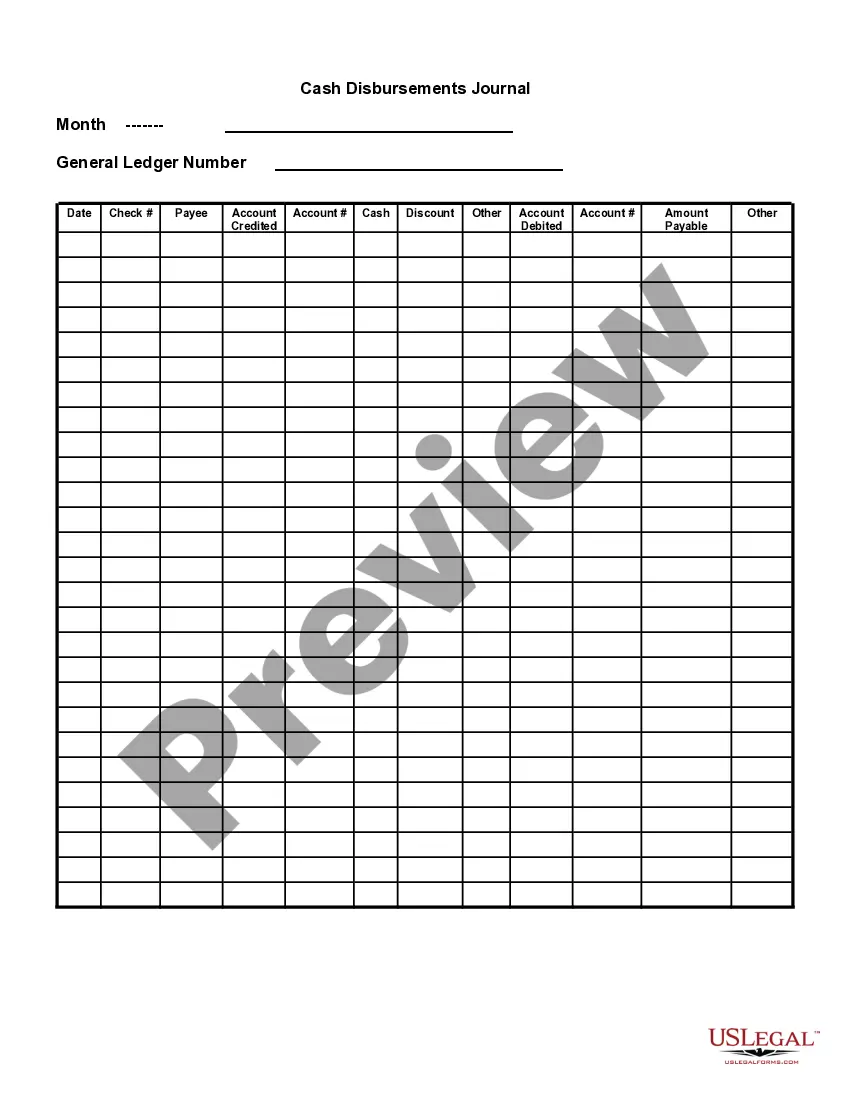
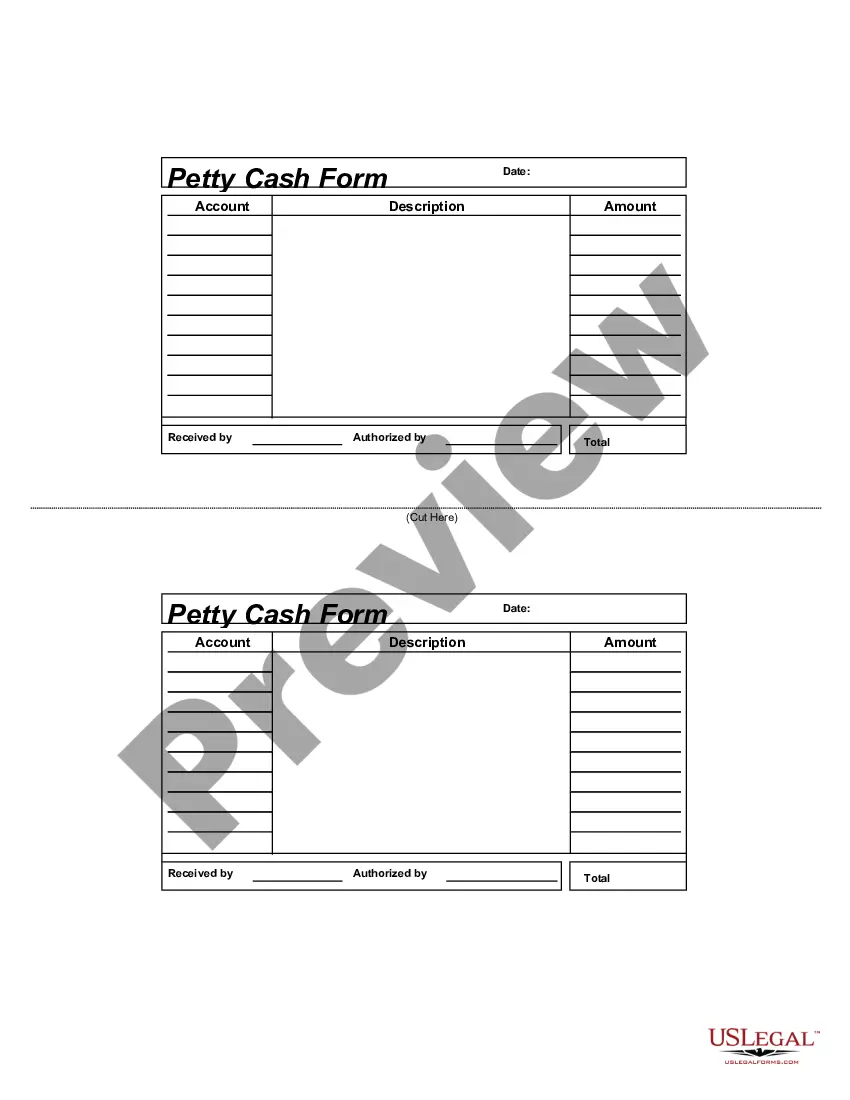
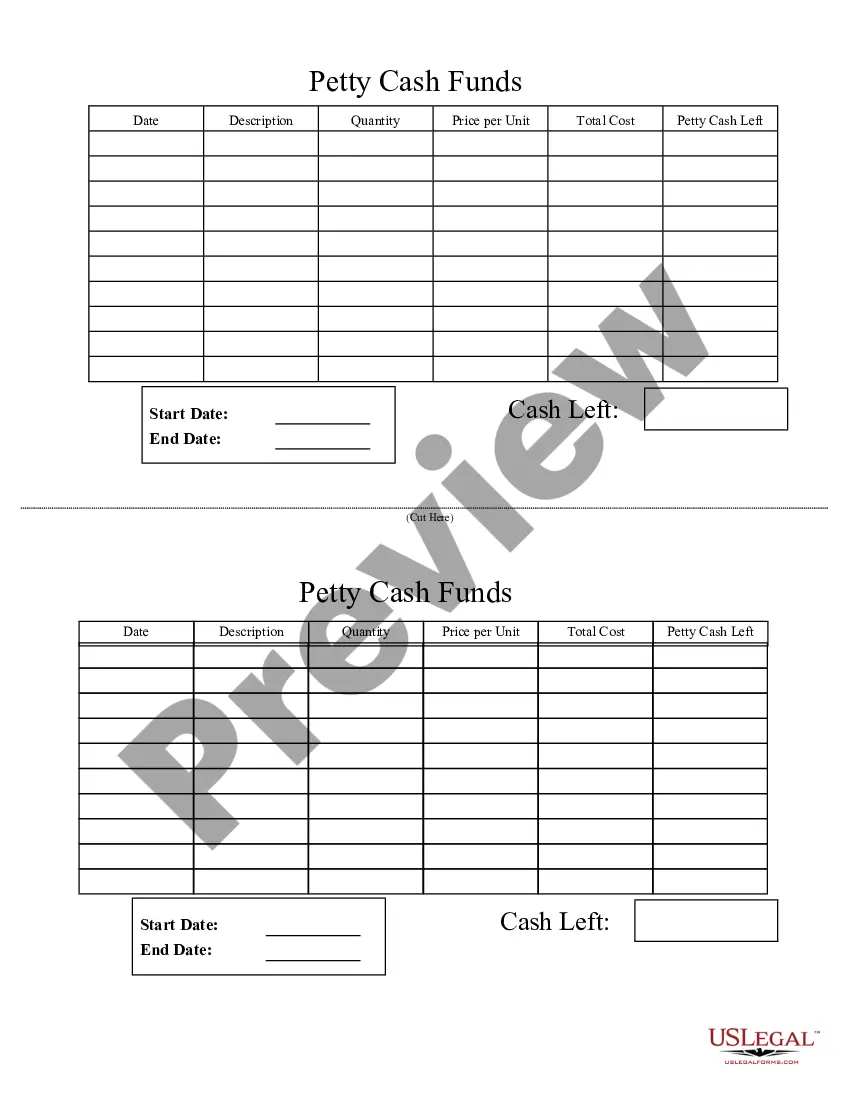
Tucson Arizona Petty Cash Journal
Description




Form popularity
FAQ
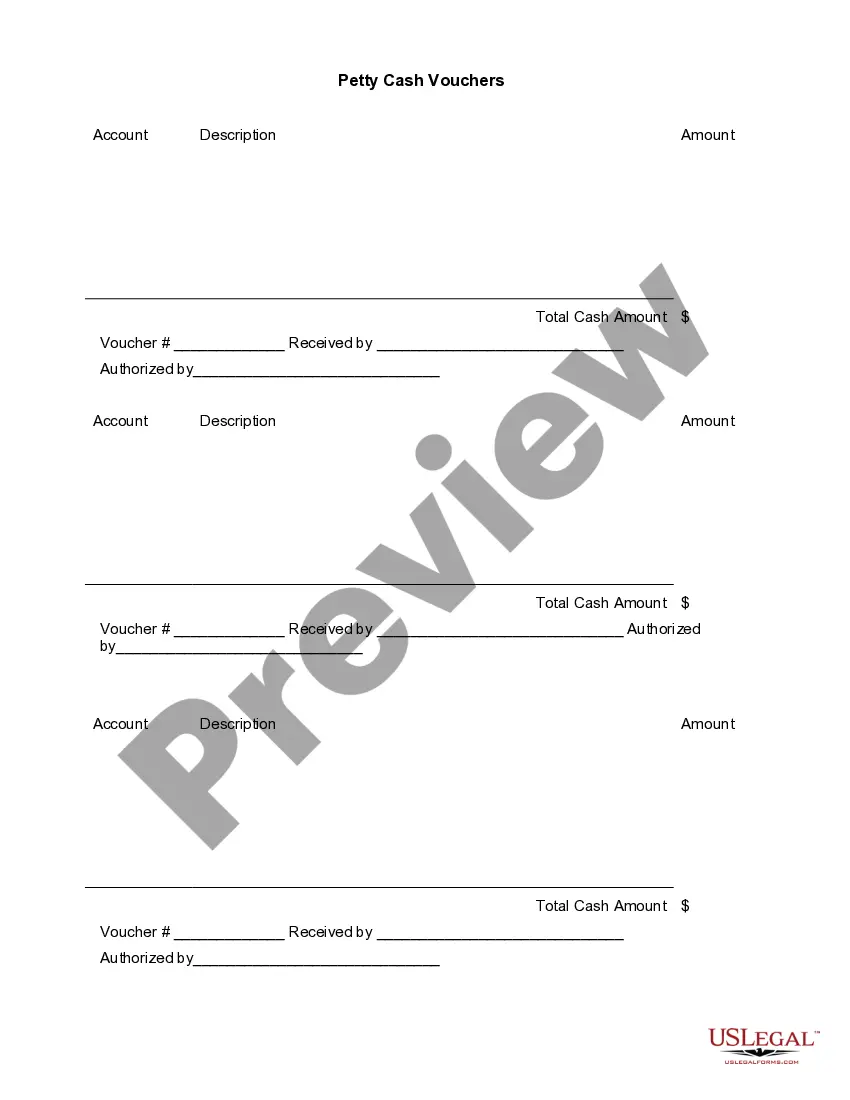
To fill out a petty cash receipt, include the date of the transaction, the amount received, and the purpose of the cash disbursement. In the Tucson Arizona Petty Cash Journal, ensure that the receipt aligns with your journal entries for accuracy. Providing clear descriptions on the receipt enhances transparency and helps in future reconciliations.
Filling in the Cash Receipts Journal (CRJ) involves documenting cash inflows related to petty cash in the Tucson Arizona Petty Cash Journal. Record the date, transaction details, and amount received. This helps maintain a comprehensive view of cash movements. A well-maintained CRJ ensures that you can track all cash activities effectively.
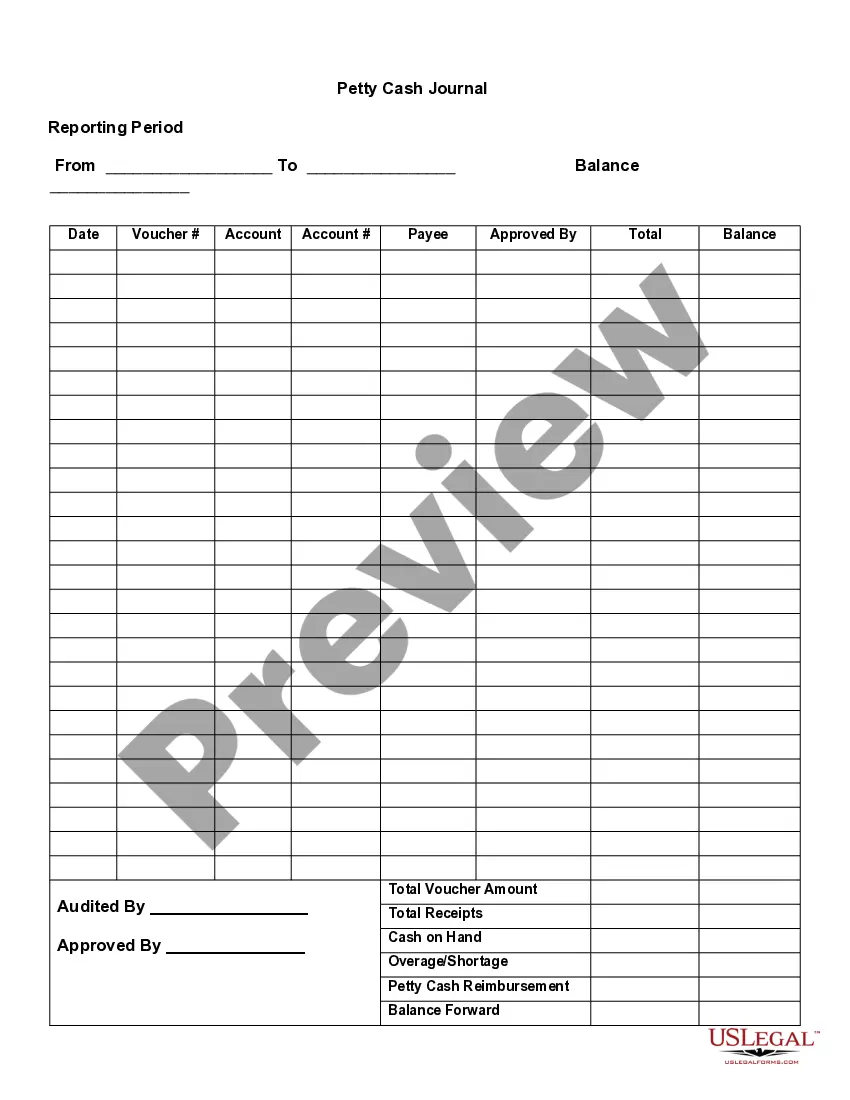
To make journal entries for petty cash, begin by documenting the transaction date, the amount spent, and the purpose in the Tucson Arizona Petty Cash Journal. Ensure you categorize each entry accurately for efficient tracking. For instance, if you spend $30 on office supplies, record it under 'office expenses.' Consistent entries help maintain clarity in your financial records.
Filling in a petty cash book requires you to record the date, amount, purpose, and any additional notes for each transaction. In the Tucson Arizona Petty Cash Journal, structure your entries clearly for easy reference. Make sure to update the balance after each entry to reflect the current petty cash amount. Regularly reviewing this book can help you manage your finances effectively.
Yes, in the Tucson Arizona Petty Cash Journal, it's essential to create a journal entry for every petty cash transaction. This practice ensures accountability and provides a clear audit trail. By documenting each transaction, you can easily track spending and identify any discrepancies that may arise. Remember, accurate records help maintain financial integrity.
To create a petty cash journal entry in the Tucson Arizona Petty Cash Journal, start by noting the date of the transaction. Next, specify the amount spent and the purpose of the cash outflow. Then, categorize the expense appropriately and provide a brief description. Finally, ensure you reconcile these entries regularly to maintain an accurate financial overview.
In the Tucson Arizona Petty Cash Journal, you might record journal entries such as cash purchases for office supplies, refunds to employees, payment of minor expenses, replenishing the petty cash fund, and recording petty cash discrepancies. For instance, if you spend $50 on office supplies, you would document that amount in your journal. Each entry should clearly reflect the date, amount, category, and a brief description. This clarity helps maintain accurate financial records.
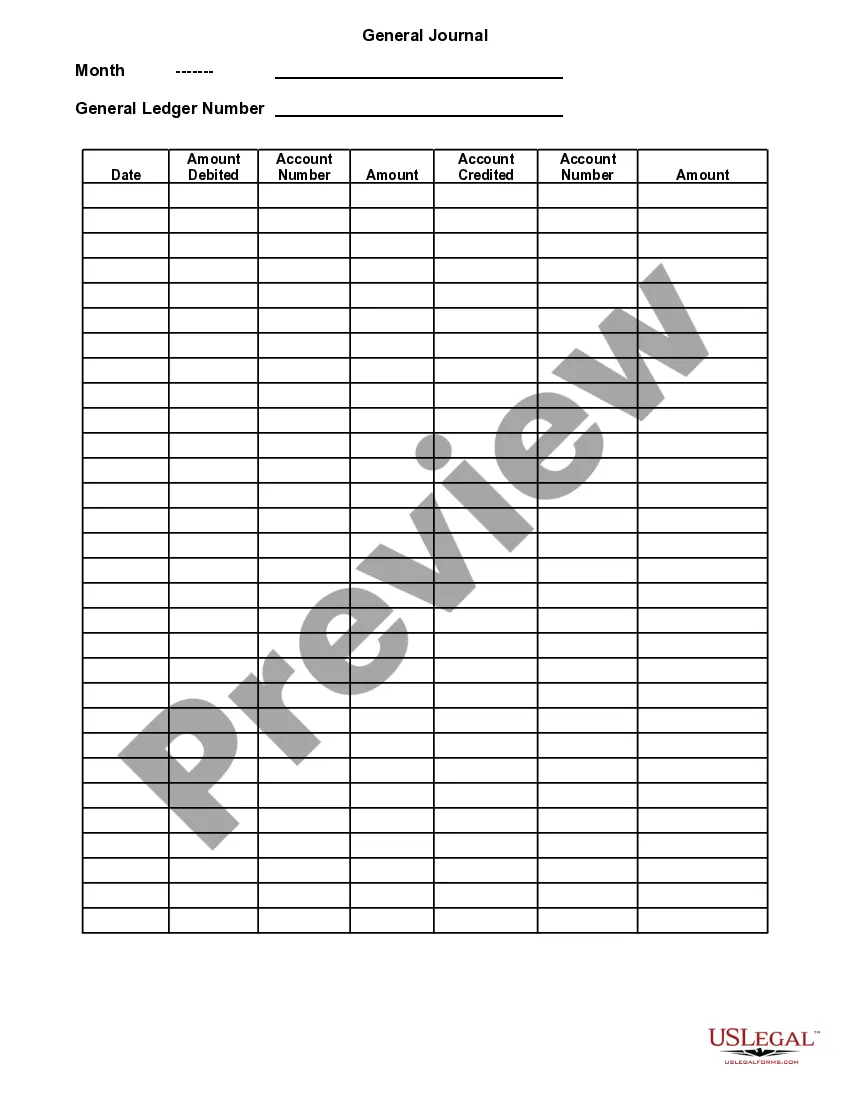
Yes, petty cash transactions should be recorded in the general journal. When you set up your petty cash fund or when you replenish it, make sure to document these entries in your Tucson Arizona Petty Cash Journal. This practice ensures that all financial activities are accounted for and provides a comprehensive view of your company’s financial transactions.
Petty cash is generally considered an asset on your balance sheet. It represents cash that your company has available for immediate use. Tracking this cash flow accurately in your Tucson Arizona Petty Cash Journal is essential for maintaining a clear understanding of your overall financial position and ensuring proper cash management.
To create a petty cash journal, start by setting up a dedicated section in your accounting system or use a template. Record each transaction, including the date, amount spent, purpose, and any receipts in your Tucson Arizona Petty Cash Journal. Regularly update and review this journal to ensure accuracy and to reconcile your petty cash balance with your financial records.