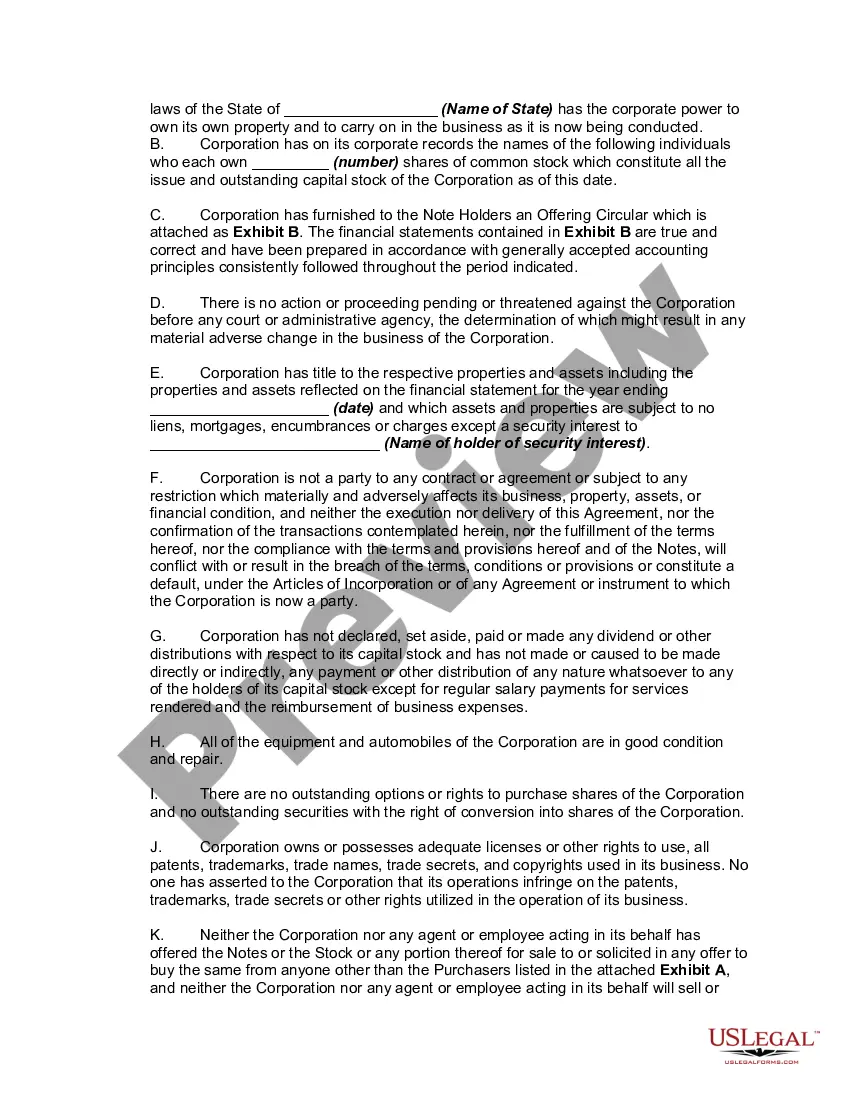
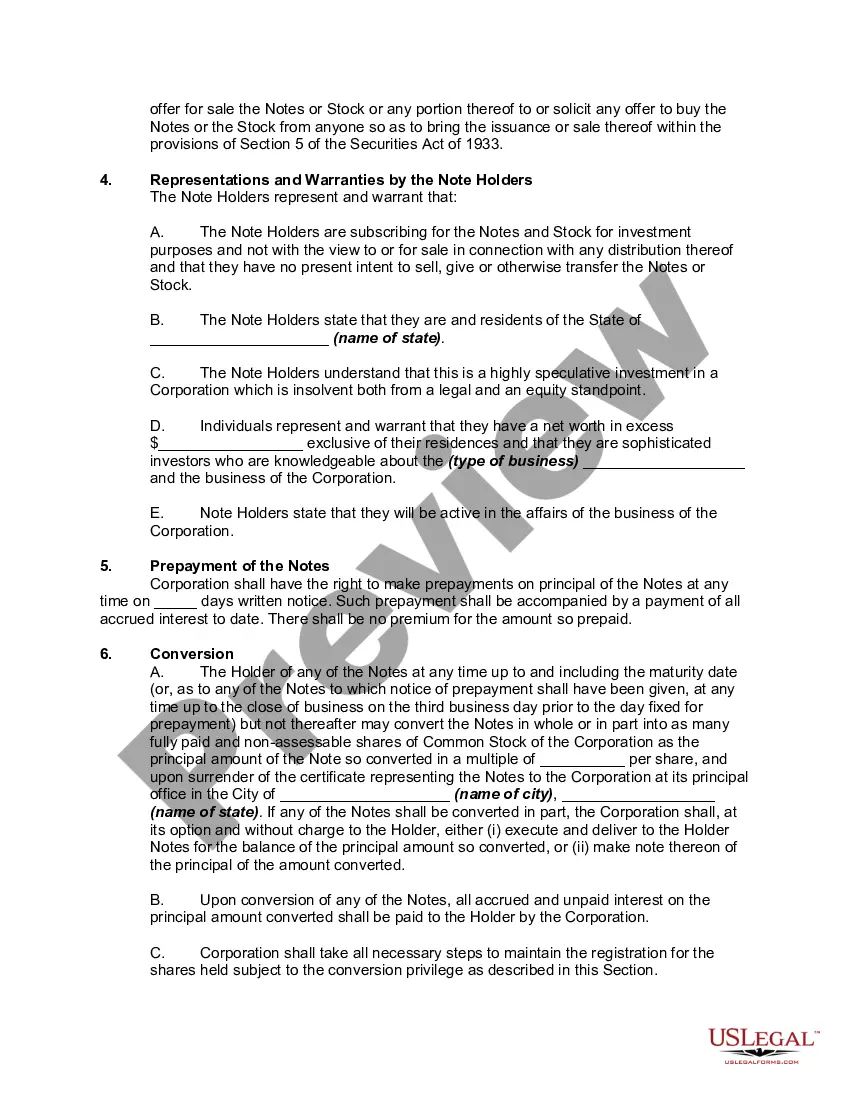
Seattle Washington Convertible Note Agreement
Description




Form popularity
FAQ
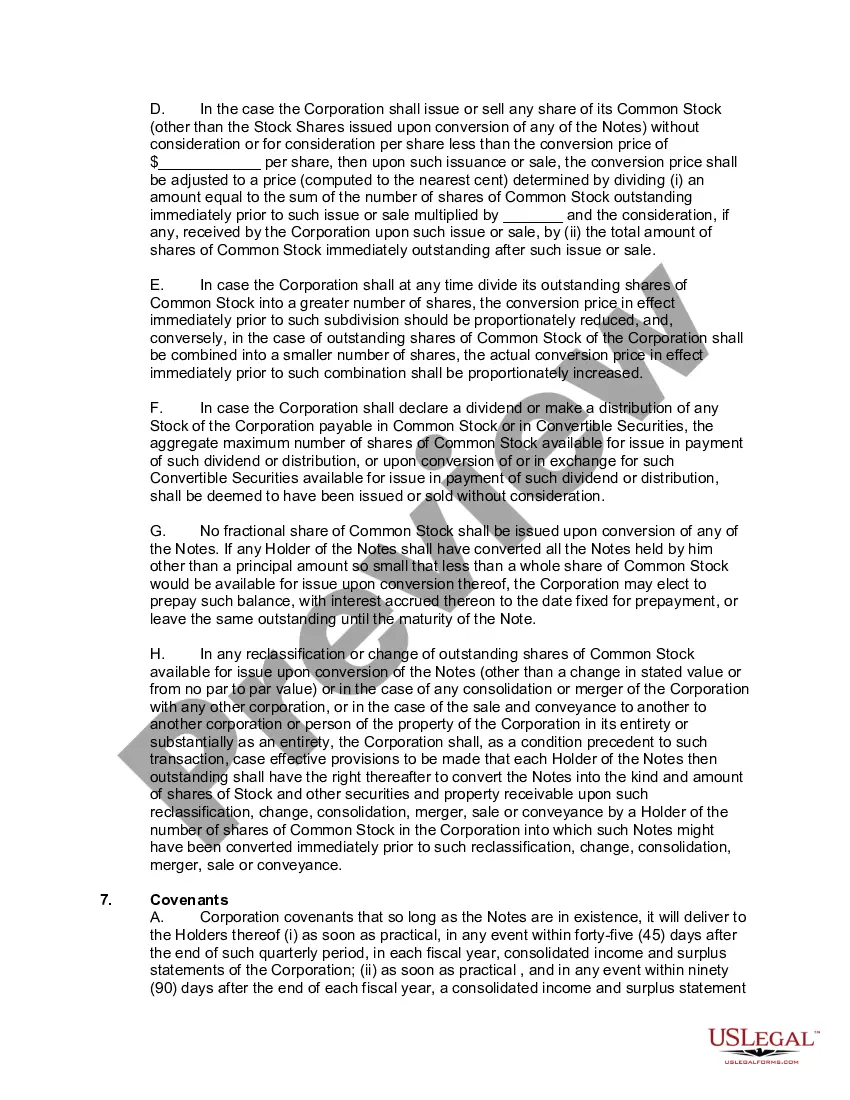
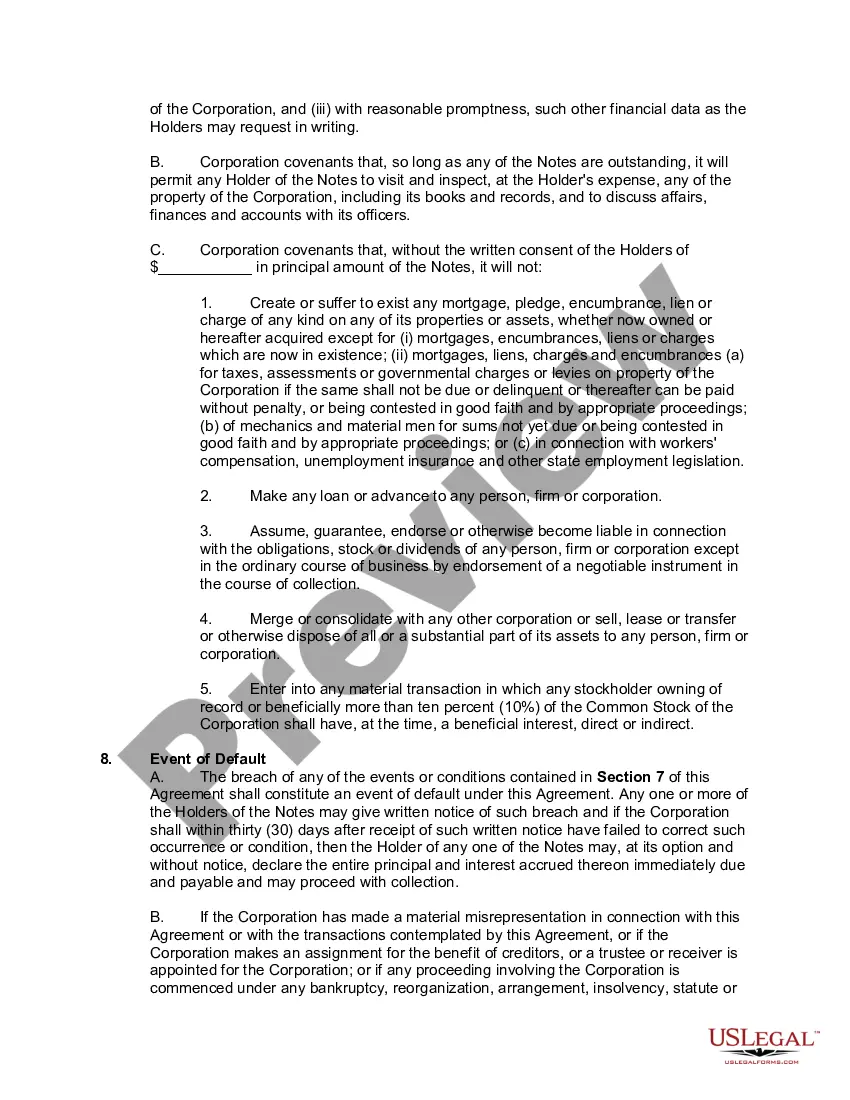
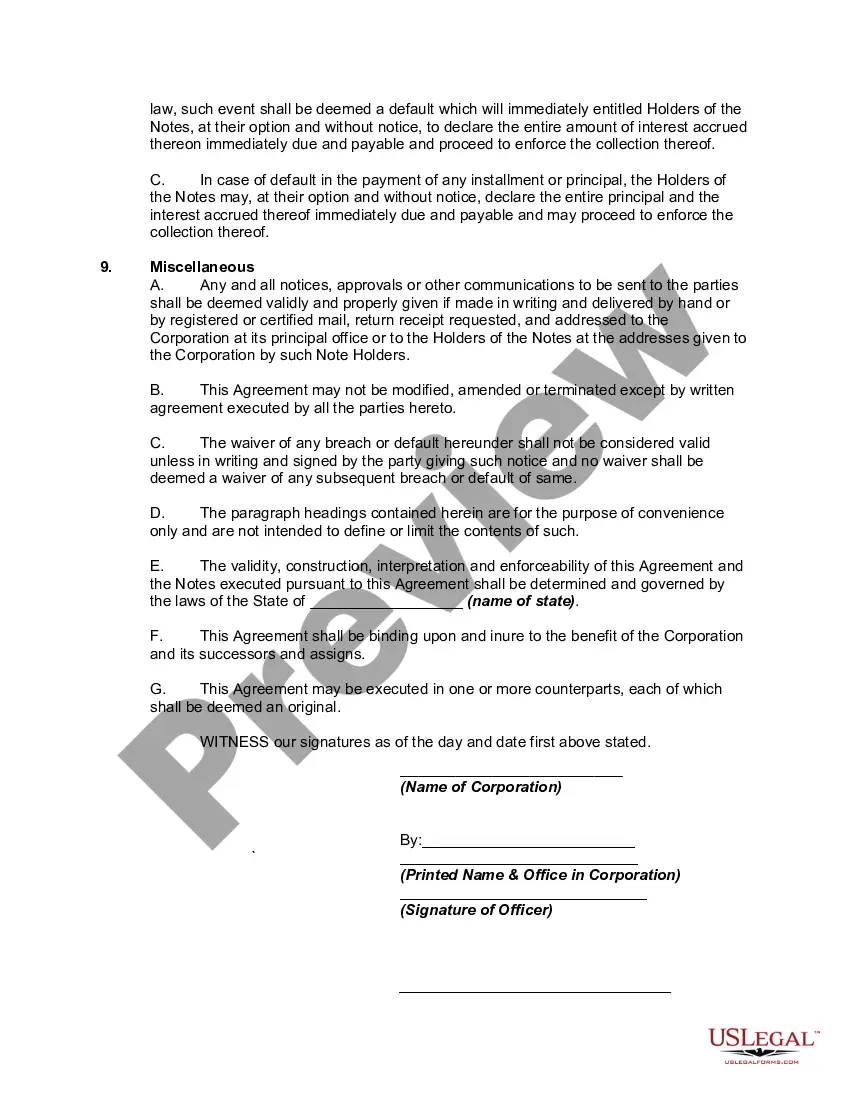
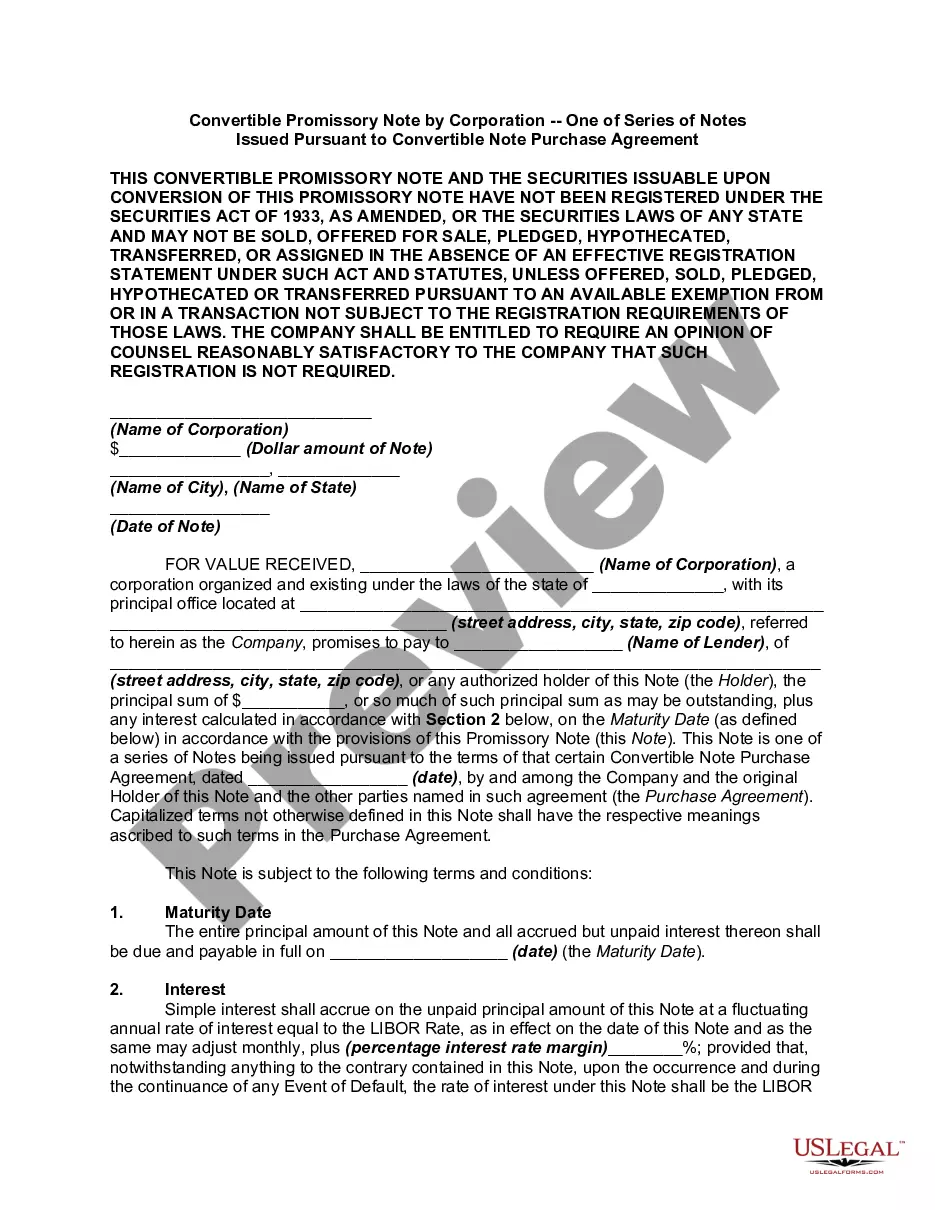
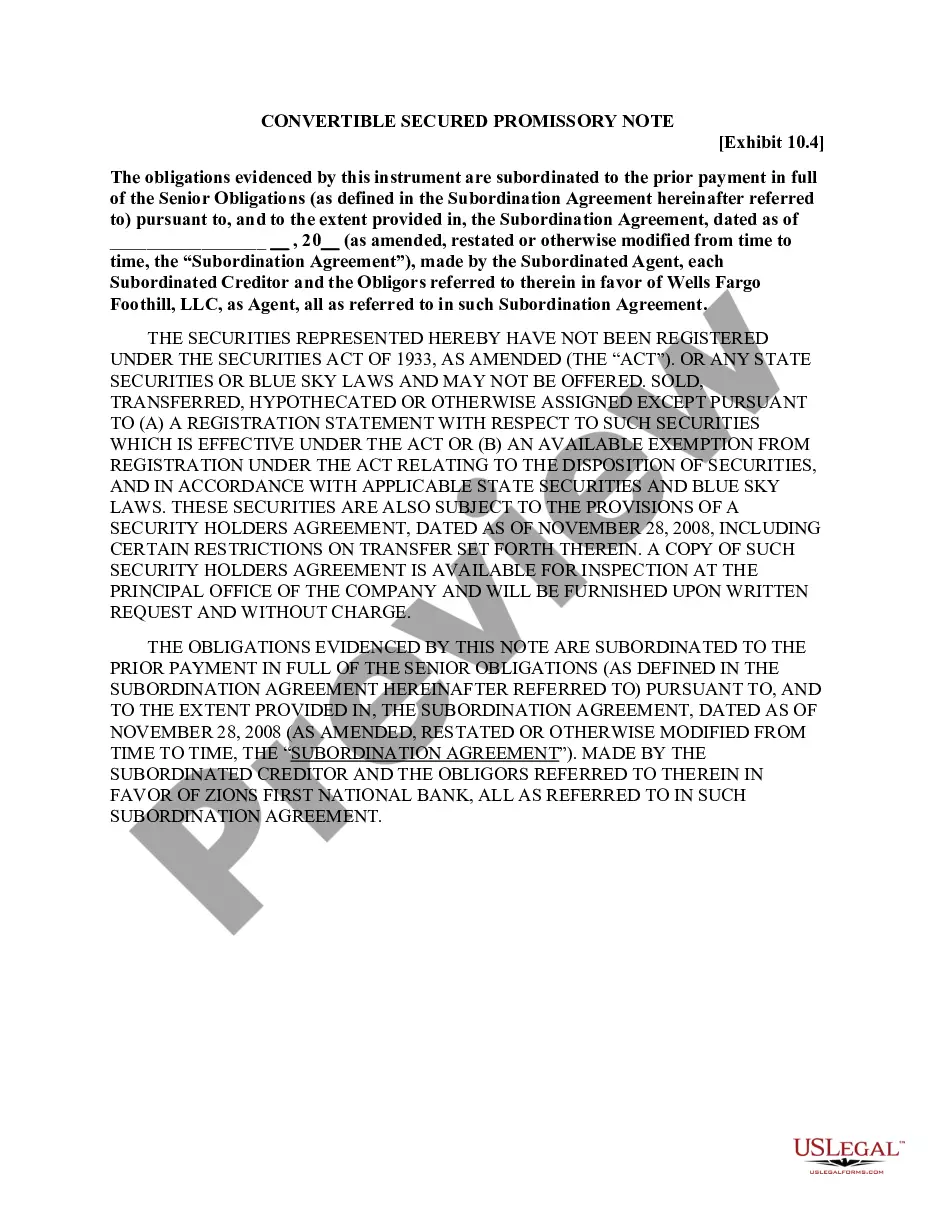
A convertible note example might include a tech startup issuing a note worth $250,000 with an interest rate of 6% and a maturity date of 18 months. The Seattle Washington Convertible Note Agreement would detail how and when the note could convert into equity, as well as the valuation cap. This structure allows the startup to secure funding while giving investors the potential for future equity ownership.
A convertible currency is a currency that can be easily exchanged for another currency without restrictions. For instance, the US dollar is often considered a convertible currency because it can be freely traded on the foreign exchange market. While this concept differs from the Seattle Washington Convertible Note Agreement, understanding currency convertibility can be valuable for international investors considering such financial instruments.
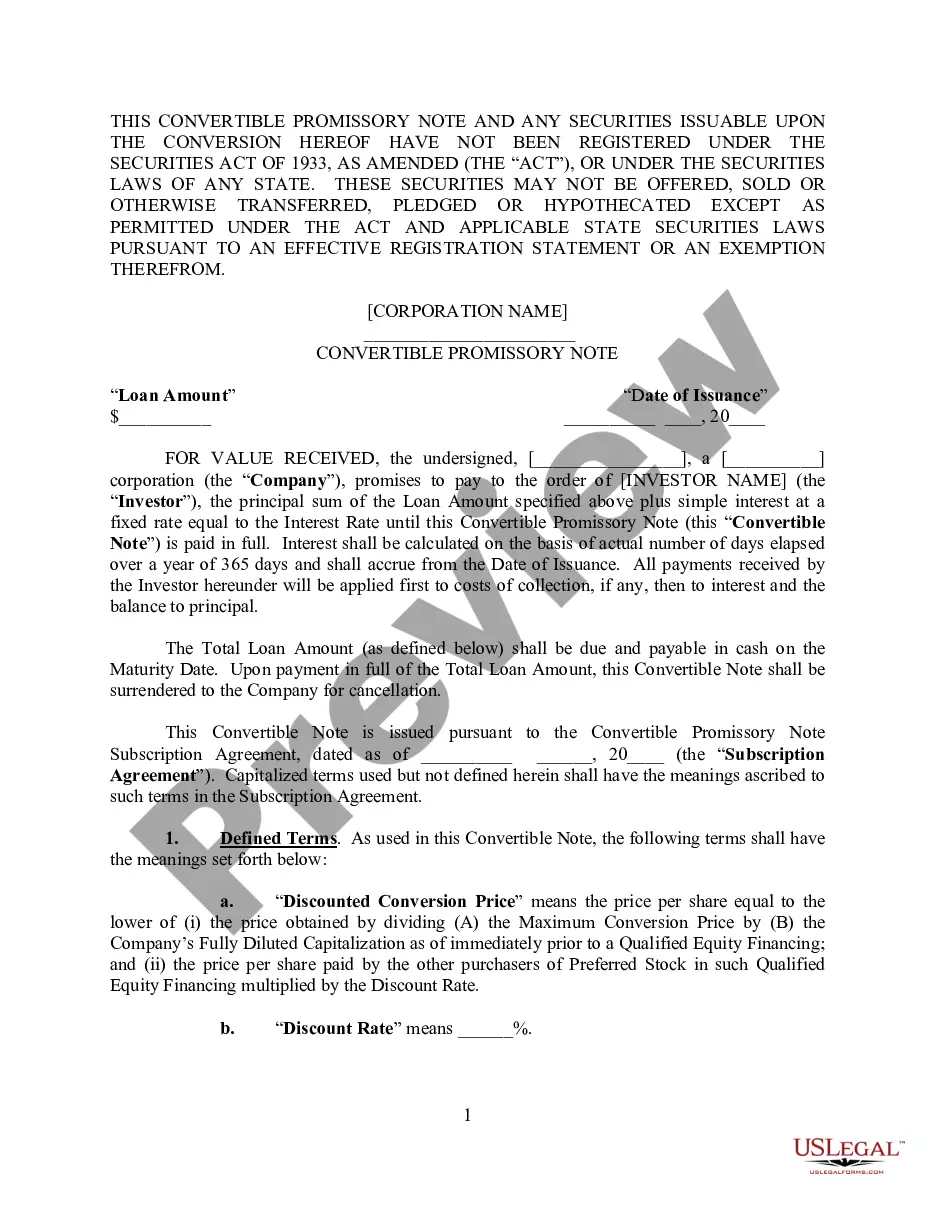
An example of a convertible note could involve a startup seeking $100,000 in funding. The Seattle Washington Convertible Note Agreement might specify a 5% interest rate and a conversion discount of 20% for future equity rounds. When the startup raises its next round of funding, the investor can convert their note into shares at the discounted rate, thereby benefiting from the company's growth.
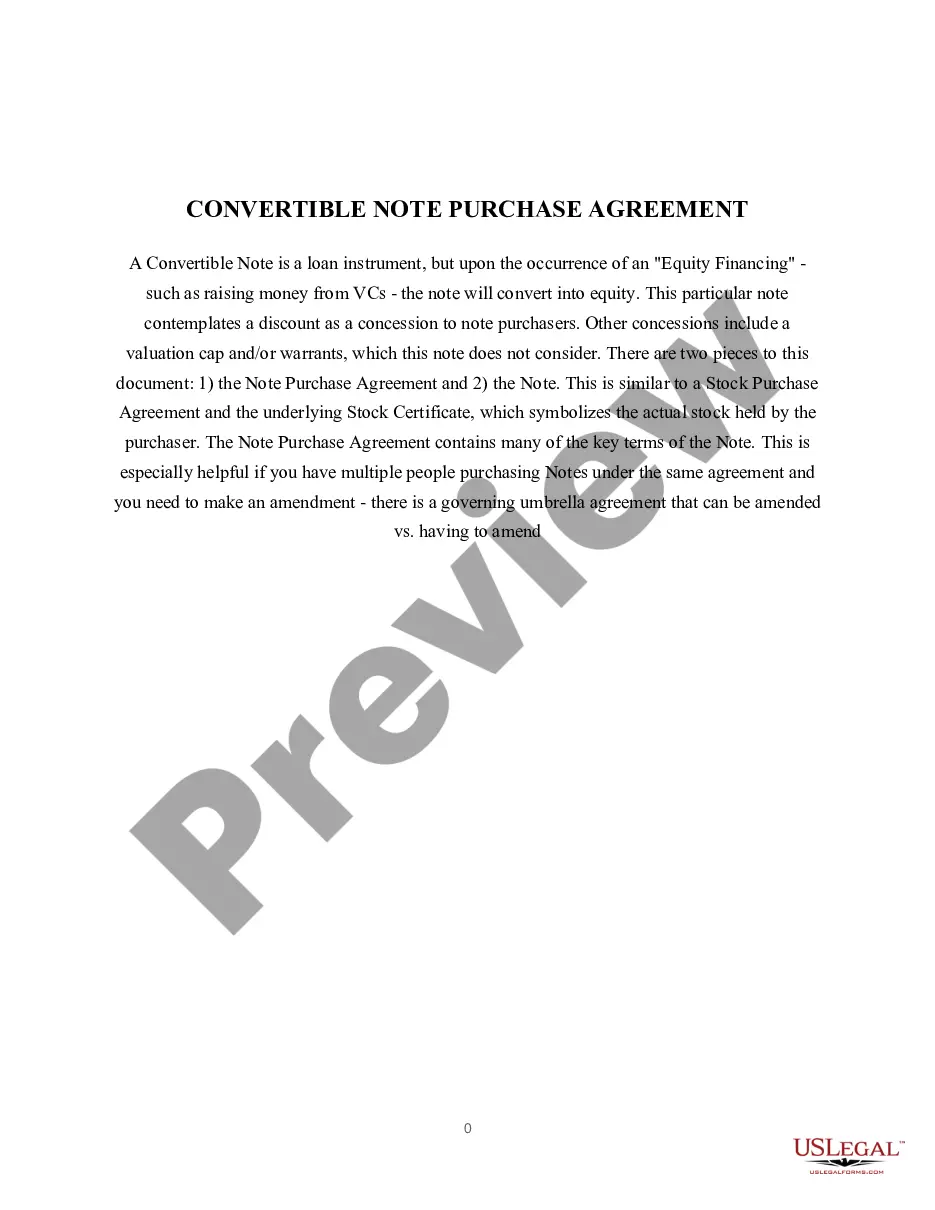
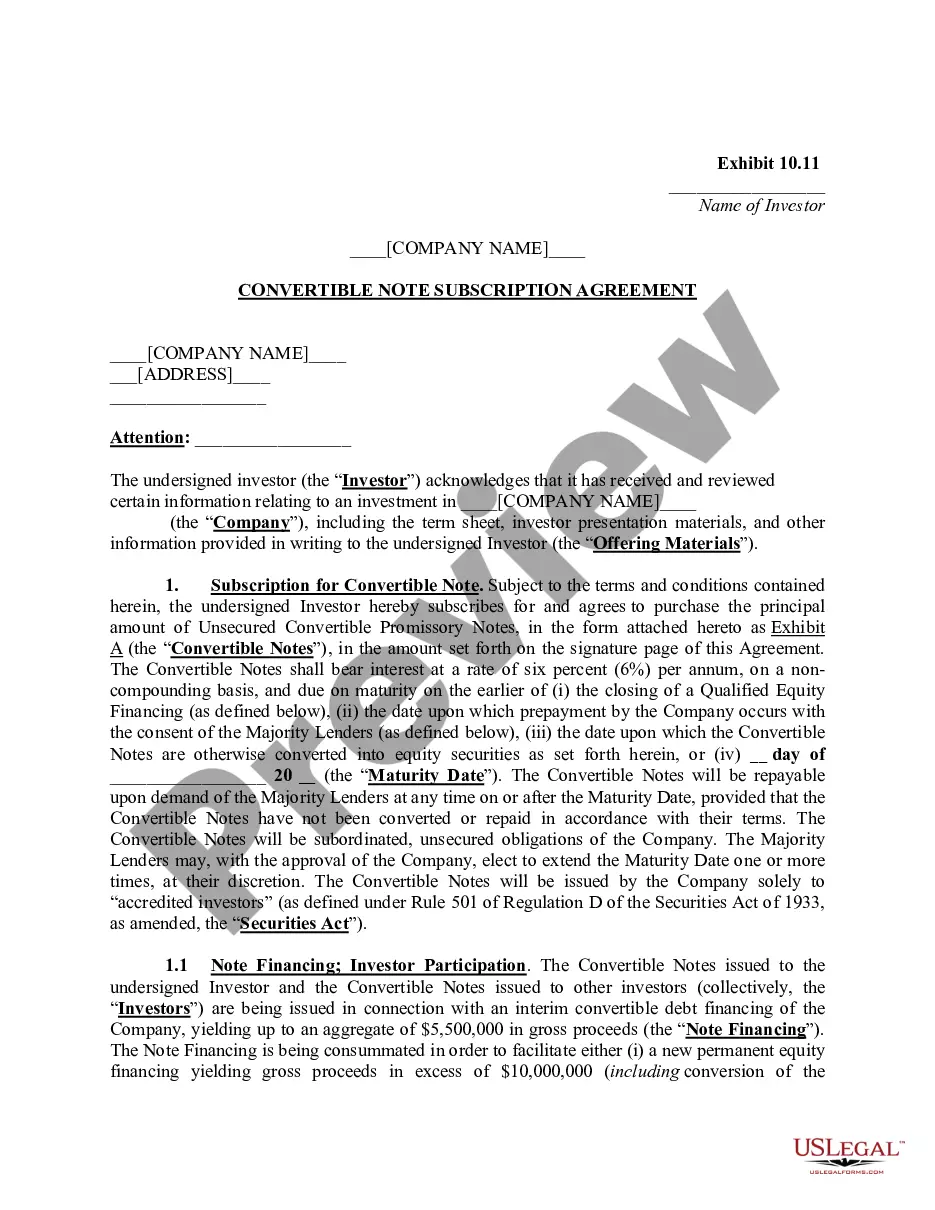
The process of issuing convertible notes typically begins with a startup or company determining how much funding it needs. Next, the company drafts the terms of the Seattle Washington Convertible Note Agreement, which outlines the principal amount, interest rate, and conversion terms. After that, the company presents this agreement to potential investors. Once both parties agree on the terms, they sign the agreement, and the funds are transferred to the company.
PAS 3, or any other specific accounting standard, may not be universally required for convertible notes, but it can influence how they are reported. Companies must ensure compliance with applicable regulations and accounting practices when structuring their Seattle Washington Convertible Note Agreement. Consulting with a financial advisor can provide clarity on this matter.
One disadvantage of a convertible note is that it can create confusion regarding ownership percentages during subsequent funding rounds. Additionally, if the note does not convert as expected, it may lead to unexpected debt obligations for the company. Carefully reviewing your Seattle Washington Convertible Note Agreement can help mitigate these risks.
Yes, convertible notes can be issued to residents, and they are commonly used in various funding scenarios. Companies can offer these notes to individual investors or groups, facilitating investment from local residents interested in supporting startups. When considering a Seattle Washington Convertible Note Agreement, it’s essential to ensure compliance with local regulations.
Companies often opt for convertible notes to attract early-stage investors without the need for complex valuations. This method allows for quick funding while deferring the valuation until a later round of investment. As a result, it encourages investment in startups and new ventures, making the Seattle Washington Convertible Note Agreement an appealing option.
A convertible note can be beneficial or detrimental, depending on the specific circumstances. It offers companies a way to raise capital without immediately determining a valuation. However, it can also lead to complications during future funding rounds if not structured carefully. Ultimately, understanding the terms of your Seattle Washington Convertible Note Agreement is crucial.
In Seattle, Washington, a convertible note can be issued by startups and companies seeking to raise capital. Typically, these entities use convertible notes to attract investors who want the option to convert their investment into equity later. This financial instrument is popular due to its flexibility and simplicity in early-stage funding. If you're looking to create a Seattle Washington Convertible Note Agreement, consider using a reliable platform like US Legal Forms to streamline the process.