Saint Paul Minnesota Convertible Note Agreement
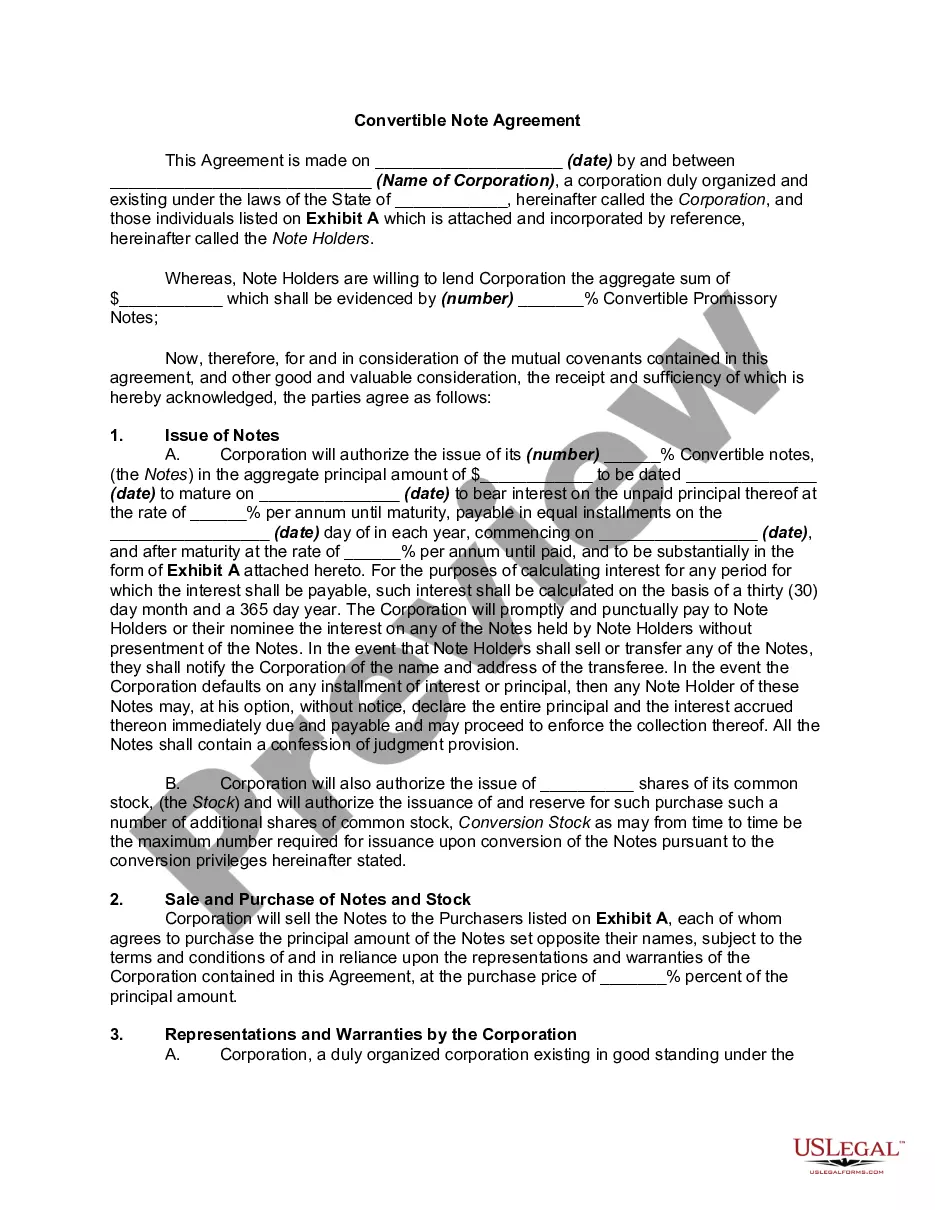
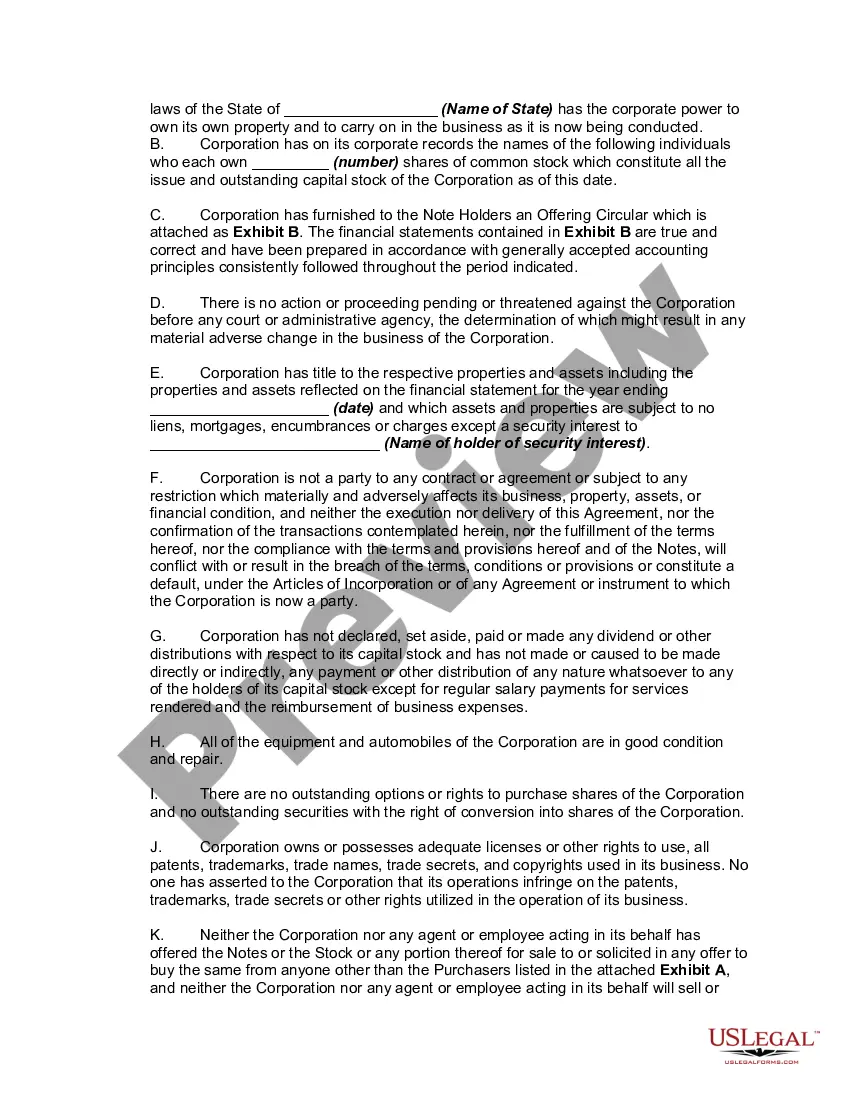
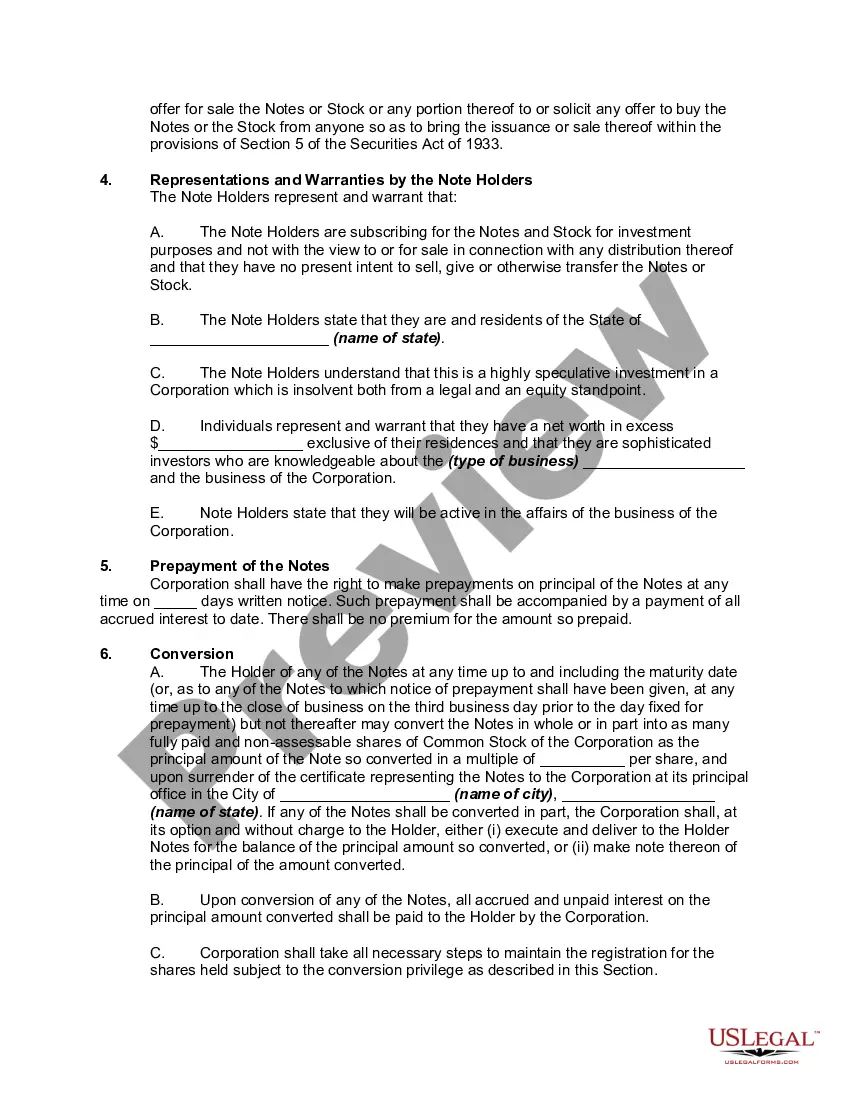
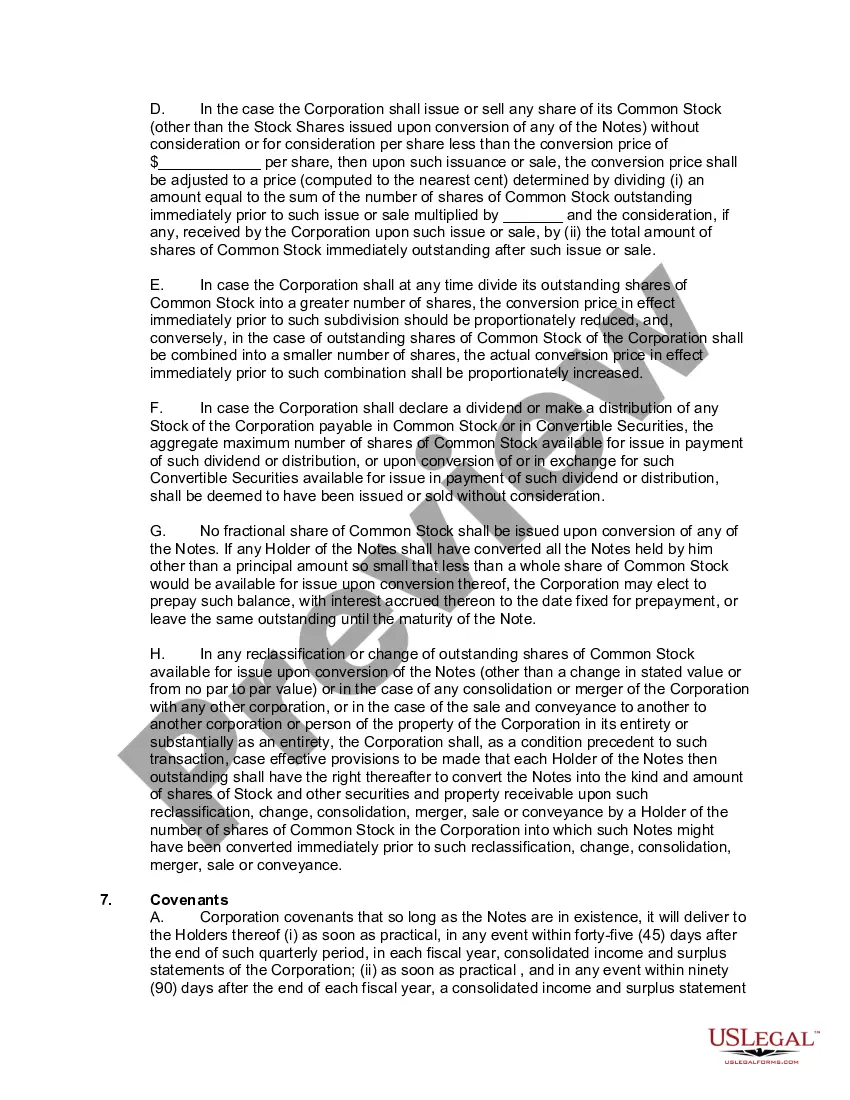
Description



Form popularity
FAQ
In Minnesota, a promissory note does not necessarily require notarization to be legally binding. However, having a notary public witness the signing of the document can provide an extra layer of security and credibility. This step can be particularly beneficial in the context of a Saint Paul Minnesota Convertible Note Agreement, as it helps clarify terms and intentions among all parties involved. For additional guidance, you can explore resources on the uslegalforms platform.
A convertible note can be issued by startups, small businesses, and even individual investors looking to raise capital. In Saint Paul, Minnesota, the Convertible Note Agreement serves as a flexible financing option that allows companies to convert debt into equity at a future date. This mechanism is especially appealing for early-stage companies that may not yet have a defined valuation. By using this agreement, businesses can attract investment while delaying immediate pressure for repayment.
Convertible senior notes are typically purchased by institutional investors, hedge funds, and individual accredited investors looking for fixed-income opportunities with equity upside. These investors are often attracted to the potential for conversion into stock if the company performs well. Engaging in a Saint Paul Minnesota Convertible Note Agreement may appeal to those seeking a balanced investment strategy.
The value of a convertible note depends on the specific circumstances of the company and its investors. For many startups, convertible notes provide flexibility and a less burdensome fundraising process. However, it is essential to review the terms of the Saint Paul Minnesota Convertible Note Agreement to determine if it aligns with your financial goals.
Companies often choose to offer convertible notes as a way to raise capital quickly and efficiently. This financial instrument allows startups to delay valuation discussions until they have more traction. By using a Saint Paul Minnesota Convertible Note Agreement, companies can attract investors while providing them with a potential equity stake in the future.
A convertible note can present certain disadvantages for both investors and companies. For investors, the risk of conversion can lead to diluted ownership if the company performs well and raises additional funding. For companies, reliance on convertible notes may result in future valuation disputes, making it crucial to consider a Saint Paul Minnesota Convertible Note Agreement carefully.
PAS 3, which pertains to financial reporting for small entities, may not be strictly required for all convertible notes. However, if your business operates under the guidelines of the Saint Paul Minnesota Convertible Note Agreement and meets certain criteria, it is wise to consult with an accountant. They can help ensure you comply with any applicable regulations and maintain transparent financial records, fostering trust with your investors.
A common example of a convertible note offering is when a startup raises funds through investors who provide capital in exchange for a convertible note. This note typically converts into equity during a future financing round, allowing investors to benefit from the company's growth. In the context of a Saint Paul Minnesota Convertible Note Agreement, this structure can help local businesses attract essential funding while offering investors potential upside.
To account for a convertible promissory note under a Saint Paul Minnesota Convertible Note Agreement, you should recognize the note as a liability initially. Record the amount borrowed and any interest that accrues. When the note converts to equity, adjust the entries to reflect the new ownership structure. This ensures accurate financial reporting and compliance with accounting standards.