Kansas City Missouri Convertible Note Agreement
Description





Form popularity
FAQ
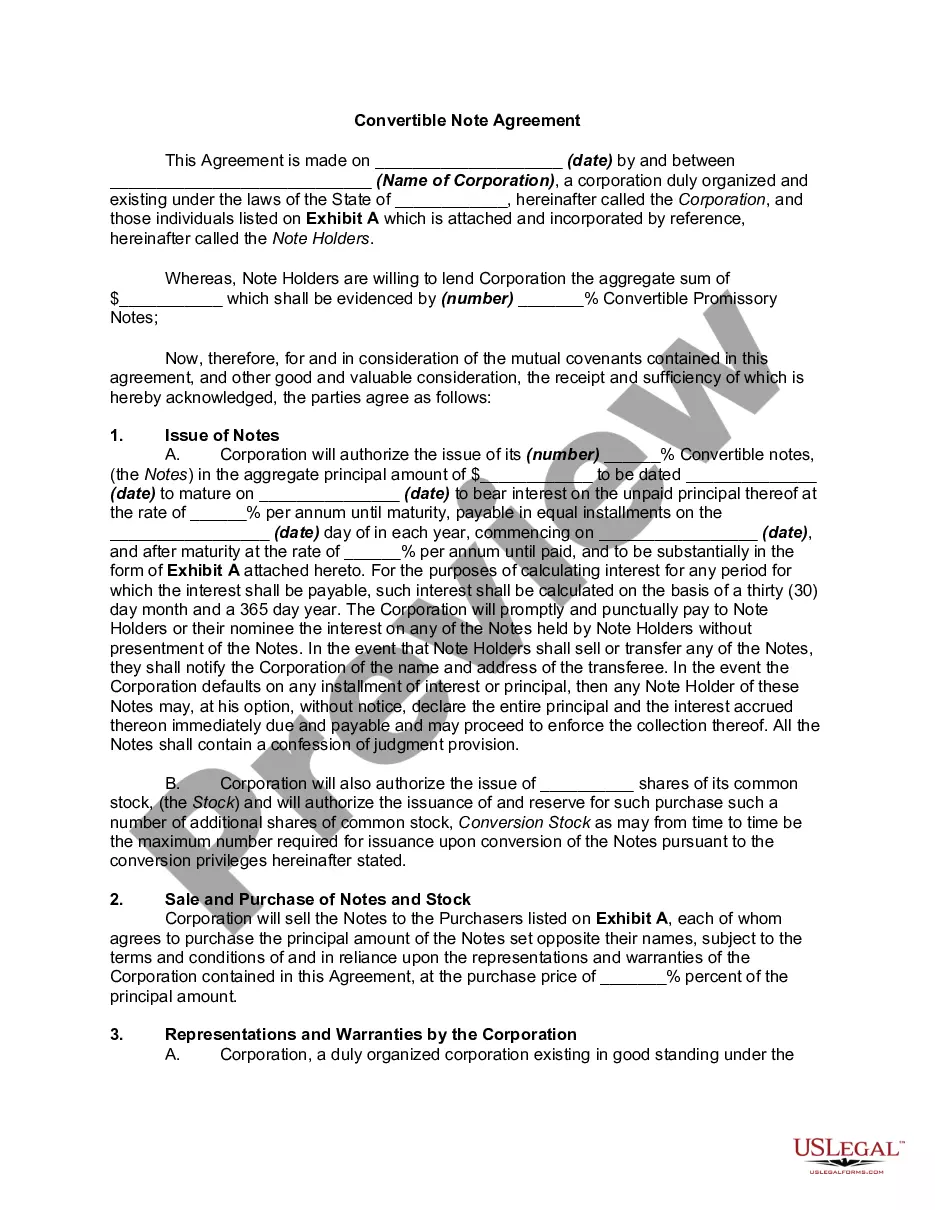
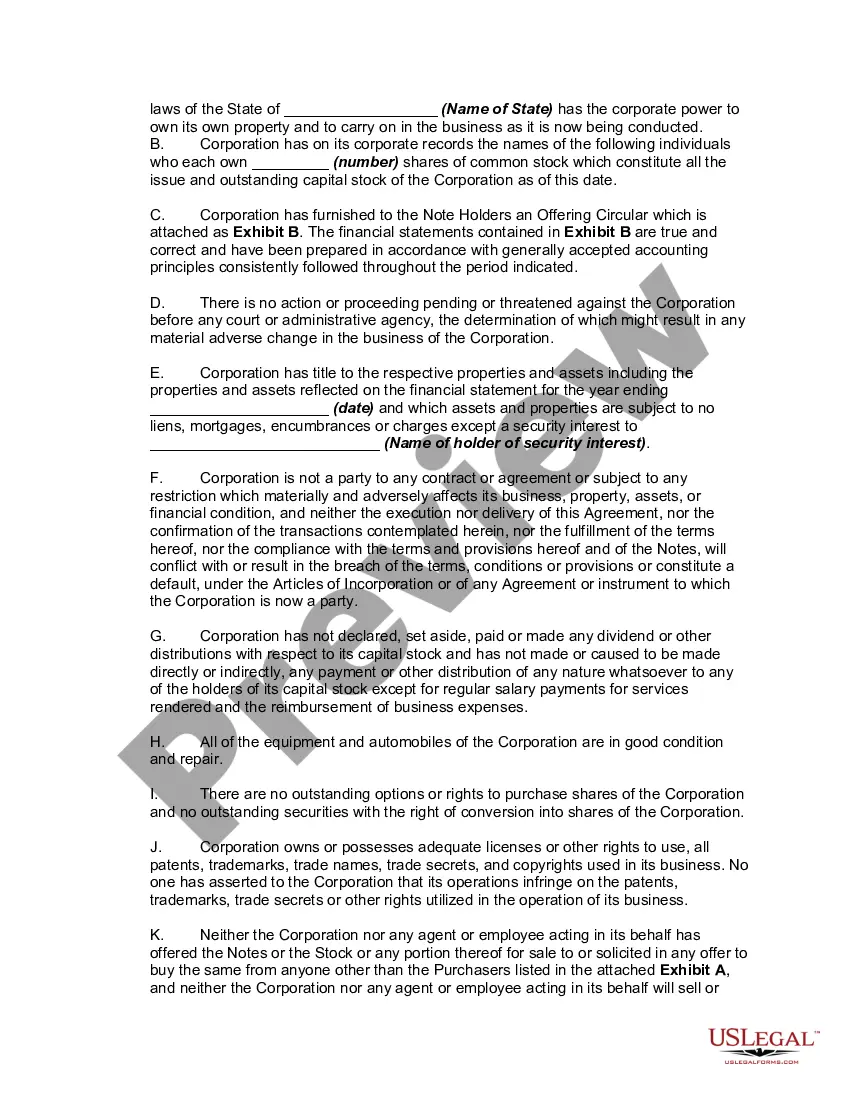
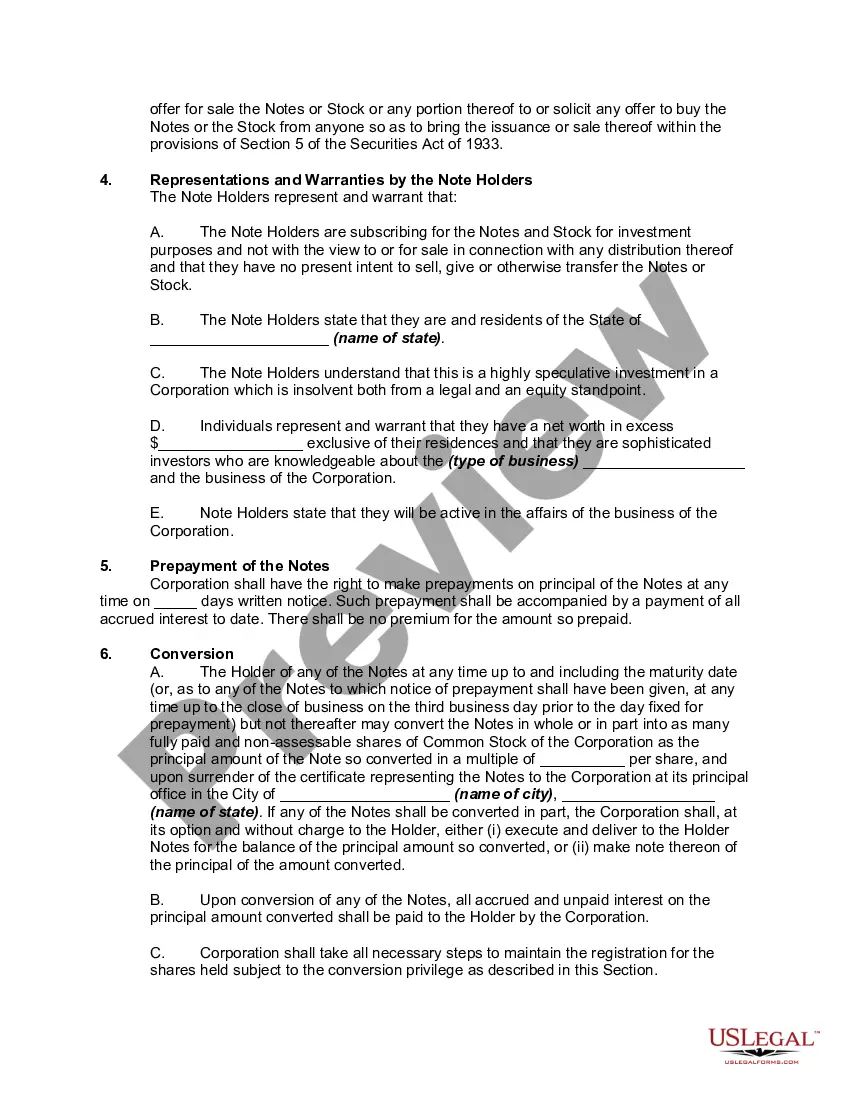
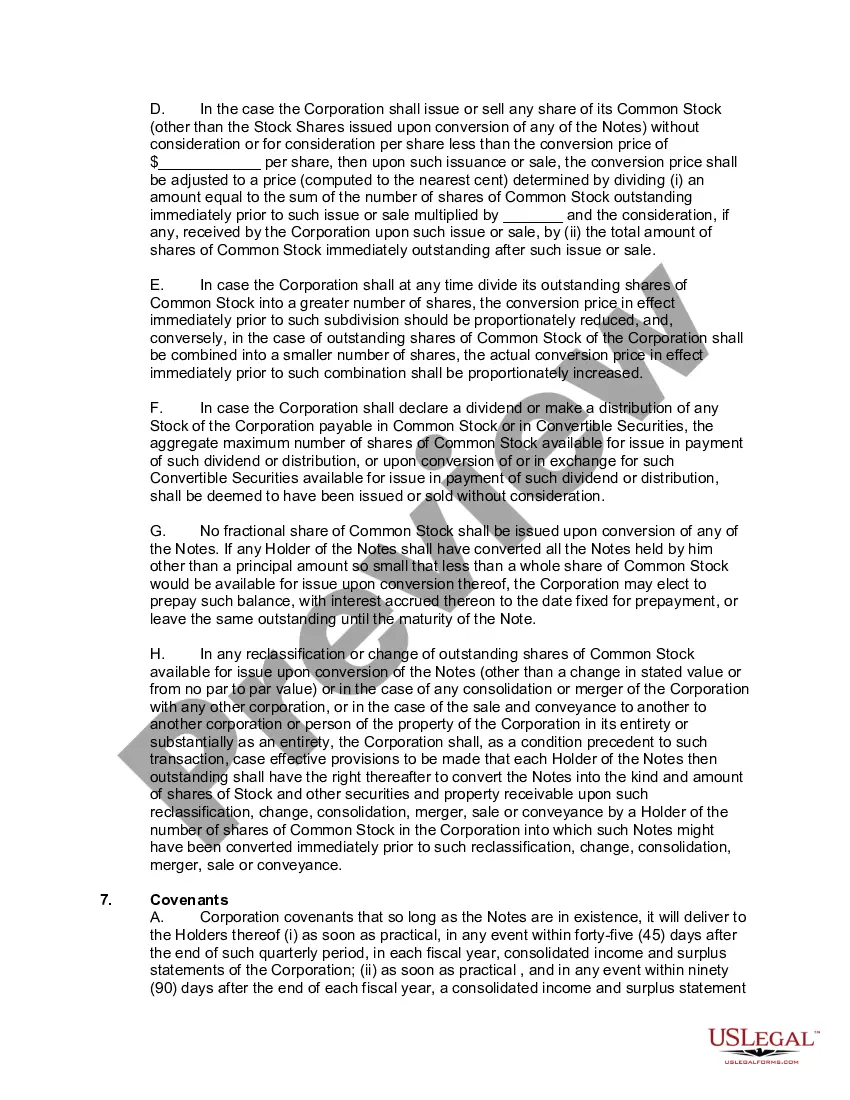
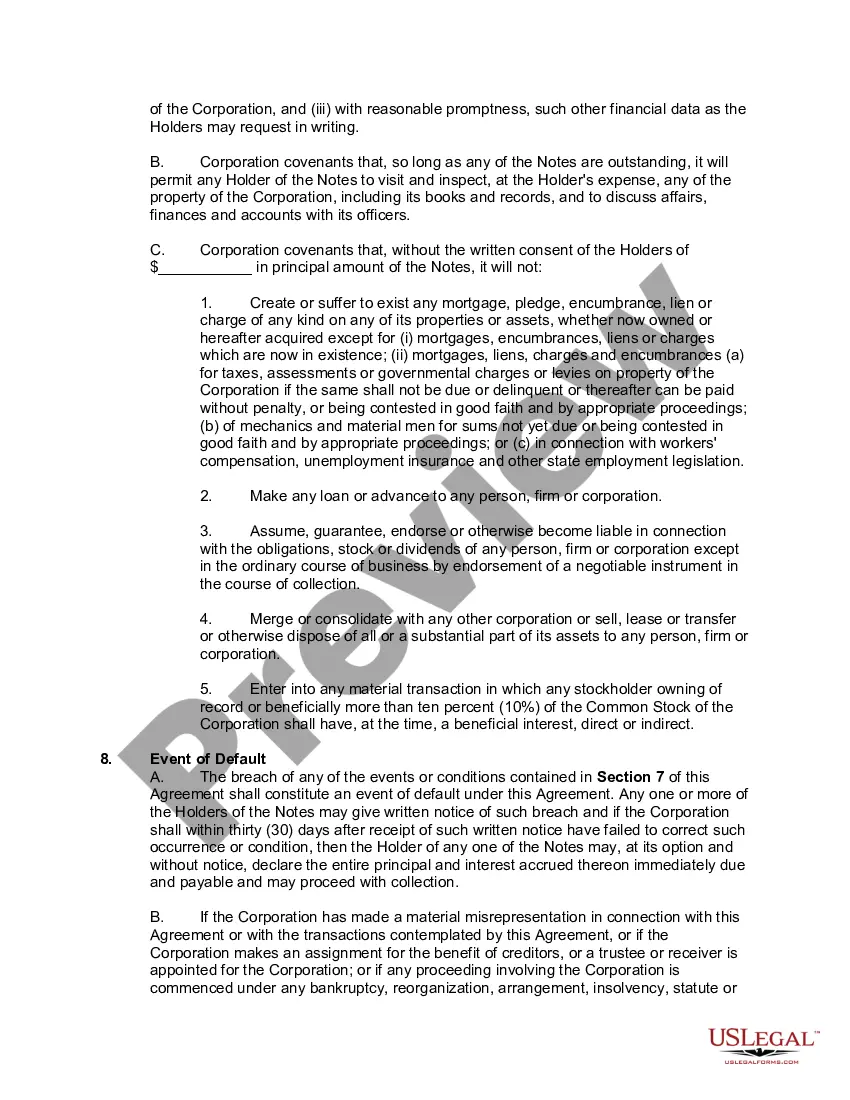
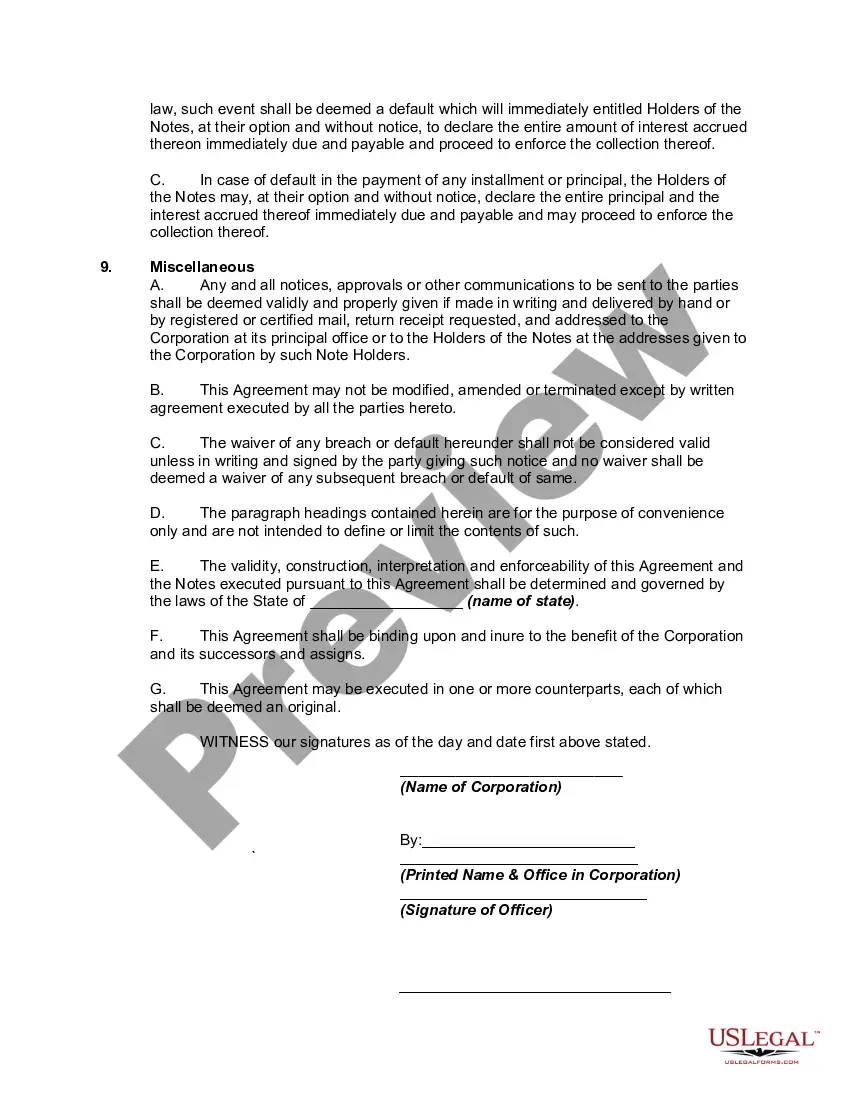
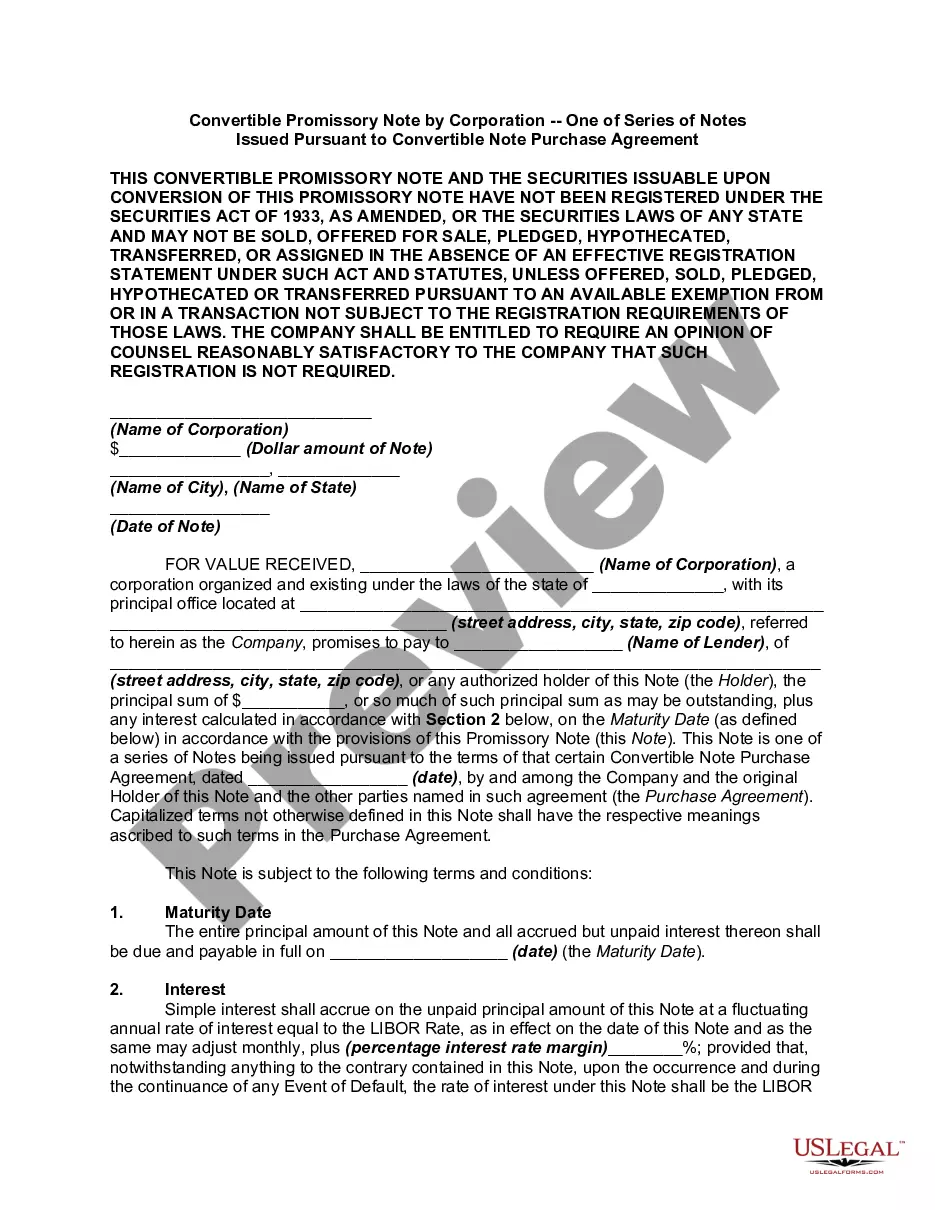
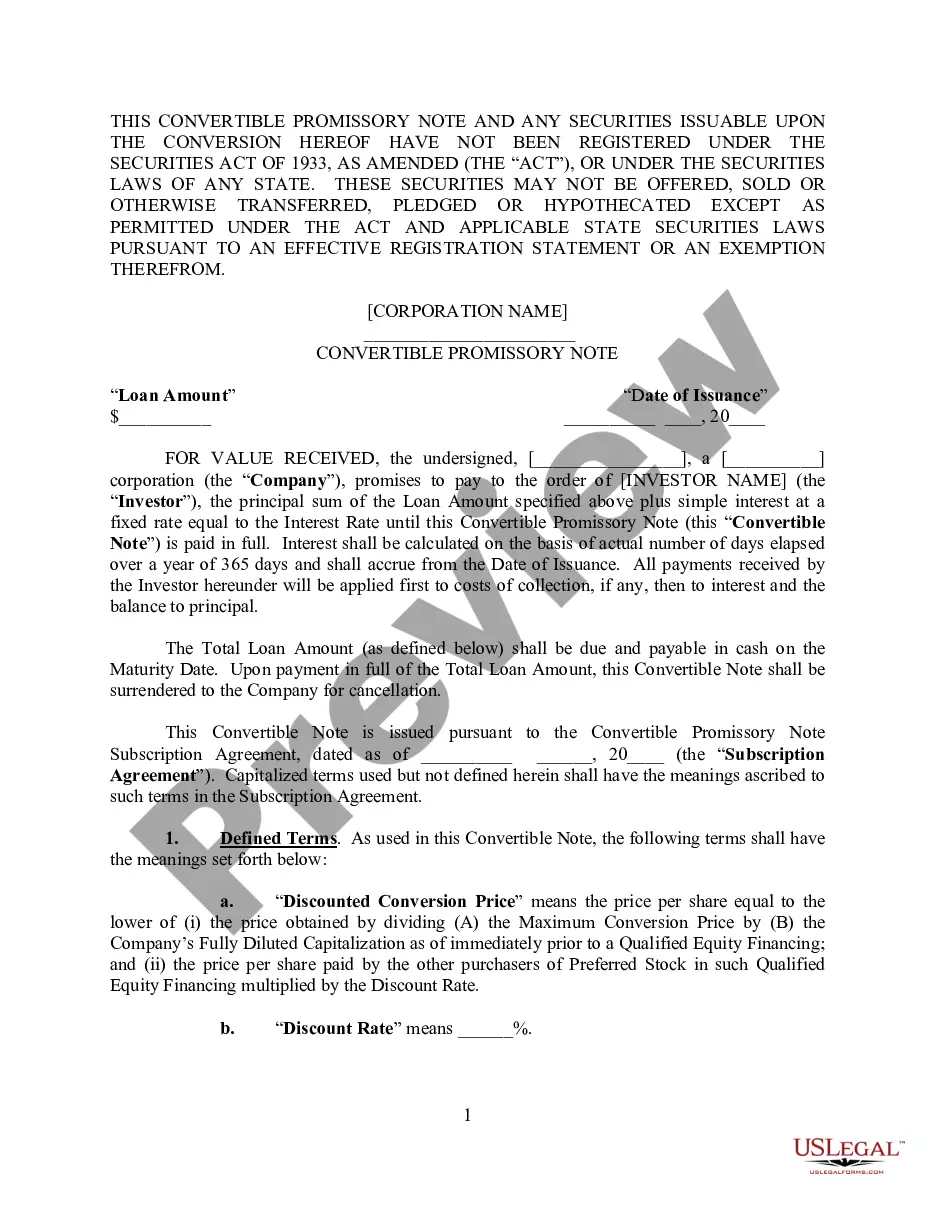
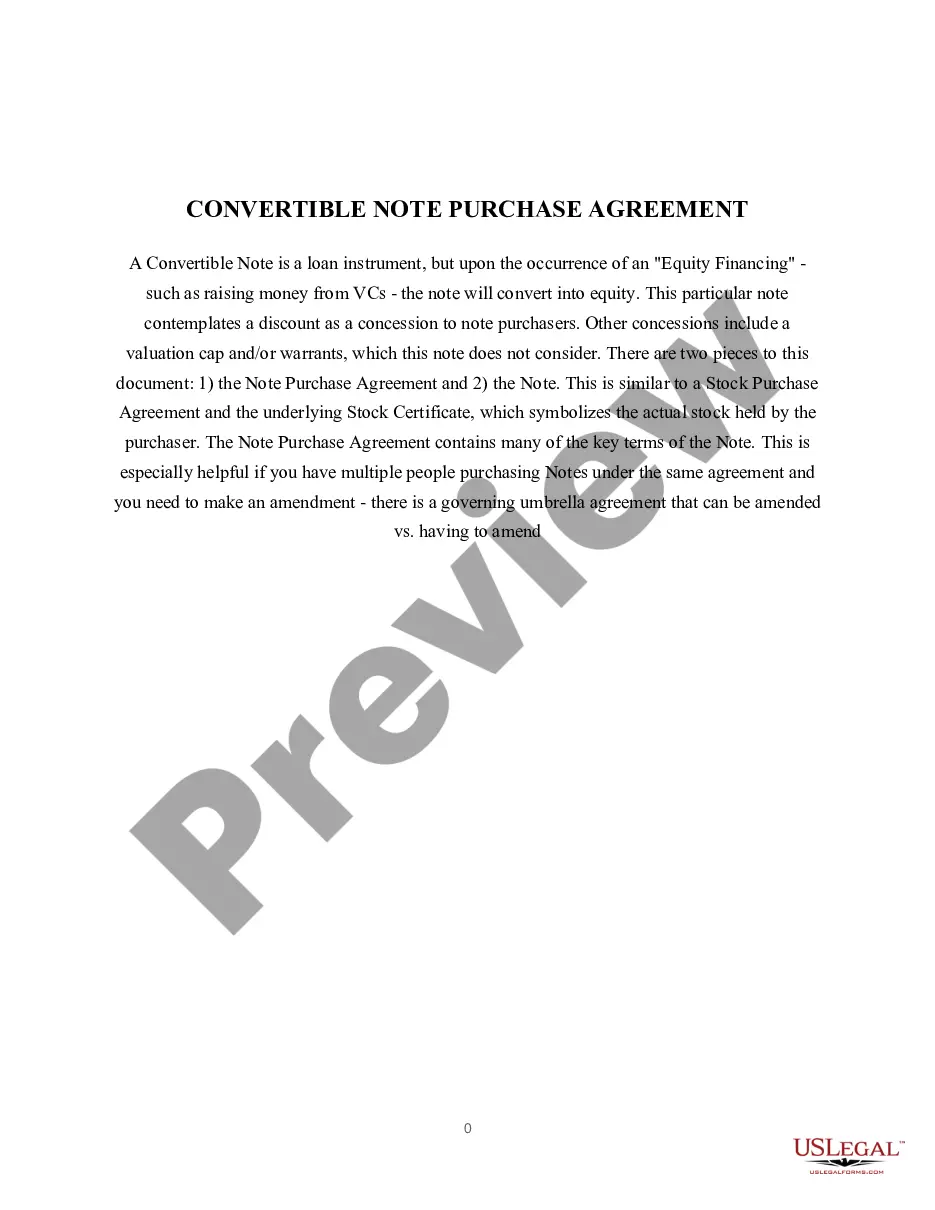
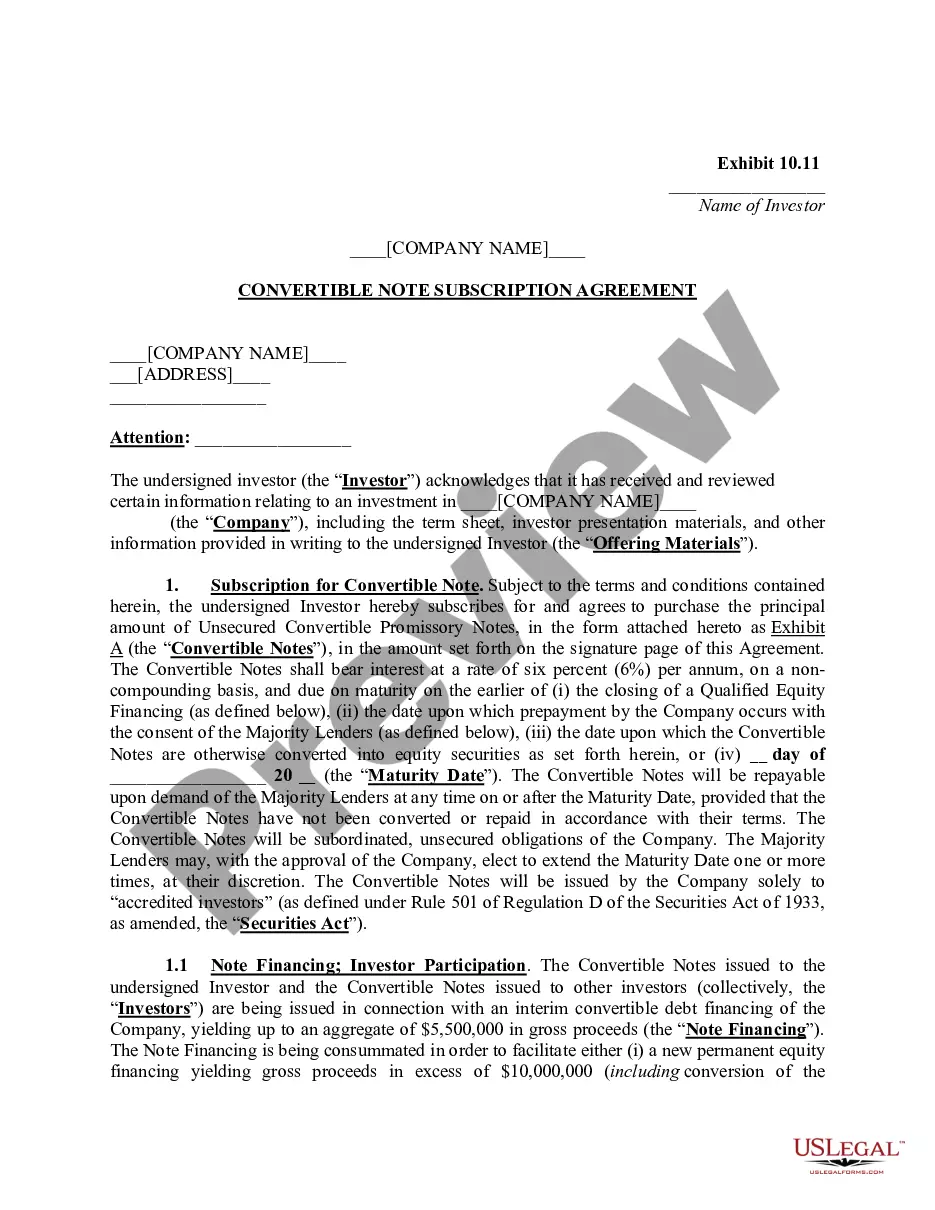
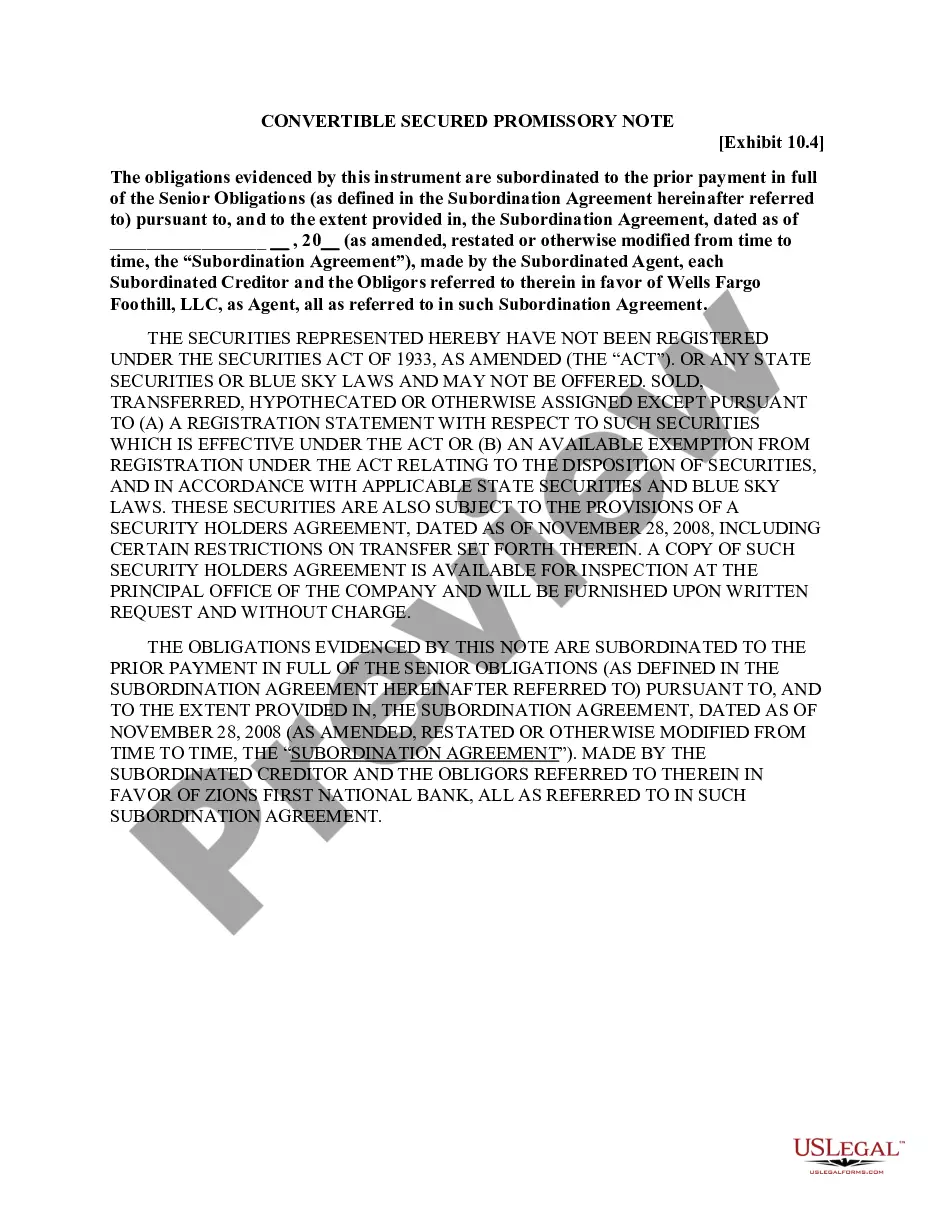
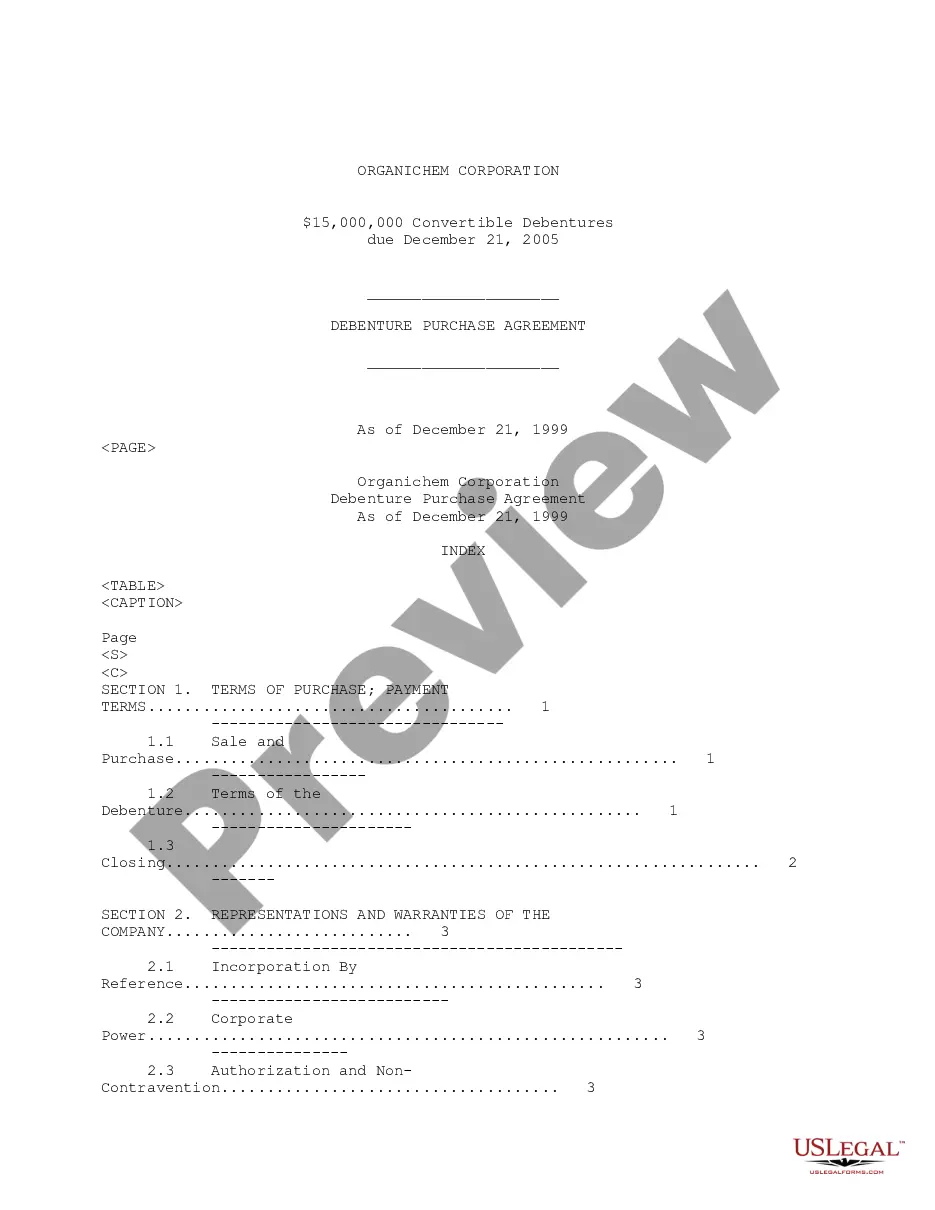
A convertible note agreement is a legal document that outlines the terms and conditions under which a convertible note is issued. This agreement includes details such as the interest rate, maturity date, and conversion process into equity. By utilizing a Kansas City Missouri Convertible Note Agreement, companies can ensure clarity and protection for both themselves and their investors.
Some disadvantages of convertible notes include potential dilution of ownership and the complexity of terms that may confuse some investors. Additionally, if a company does not perform well, investors may end up with significant losses. Therefore, understanding the specifics of a Kansas City Missouri Convertible Note Agreement is essential for both parties to mitigate risks.
Companies often offer convertible notes to quickly secure funding while delaying the valuation of their business. This approach allows for faster capital acquisition, which is crucial for growth and development. A Kansas City Missouri Convertible Note Agreement enables businesses to access necessary funds while keeping the door open for future equity discussions.
Whether a convertible note is good or bad depends on the perspective of the investor and the company. For companies, it can be a simpler way to raise funds without immediate dilution of ownership. For investors, a Kansas City Missouri Convertible Note Agreement can be beneficial if structured well, but it also carries risks if the company does not succeed.
Typically, startups and early-stage companies issue convertible notes to raise funds quickly without a complicated valuation process. Investors provide capital in exchange for the promise of equity at a later date. In a Kansas City Missouri Convertible Note Agreement, the company issuing the note can attract investment while maintaining flexibility in growth.
A convertible note certificate is a document that outlines the terms of a convertible note, which is a type of debt that can convert into equity in the future. This certificate details important aspects like interest rates, maturity dates, and conversion terms. In the context of a Kansas City Missouri Convertible Note Agreement, it serves to protect both investors and companies by providing clear guidelines.
In Kansas, blue sky laws regulate the sale of securities to protect investors from fraud. These laws require issuers to register their offerings, including the Kansas City Missouri Convertible Note Agreement, and provide detailed disclosures. The Kansas Securities Commissioner oversees the enforcement of these laws, ensuring compliance and investor protection. Understanding the specifics of Kansas blue sky laws is essential for anyone looking to invest or raise capital in the state.
A blue sky policy refers to a set of guidelines and practices that ensure compliance with state securities regulations. This policy typically includes procedures for due diligence, registration, and disclosure relevant to offerings like the Kansas City Missouri Convertible Note Agreement. By implementing a blue sky policy, companies can minimize legal risks and build trust with potential investors. This proactive approach is vital for maintaining a solid reputation in the investment community.
Blue sky laws work by requiring issuers of securities to register their offerings and provide full disclosure to investors. This process helps to create a transparent market, where investors can evaluate the risks associated with financial products like the Kansas City Missouri Convertible Note Agreement. By regulating these offerings, blue sky laws aim to prevent fraudulent activities and protect investors. Familiarizing yourself with how these laws operate can enhance your investment strategy.
Blue sky laws are enforced by state securities regulators and, in some cases, federal authorities. These regulators monitor compliance to ensure that offerings, including the Kansas City Missouri Convertible Note Agreement, meet legal requirements. They investigate potential violations and can impose penalties for non-compliance. Knowing who enforces these laws helps you understand the importance of adhering to regulations in your investment practices.