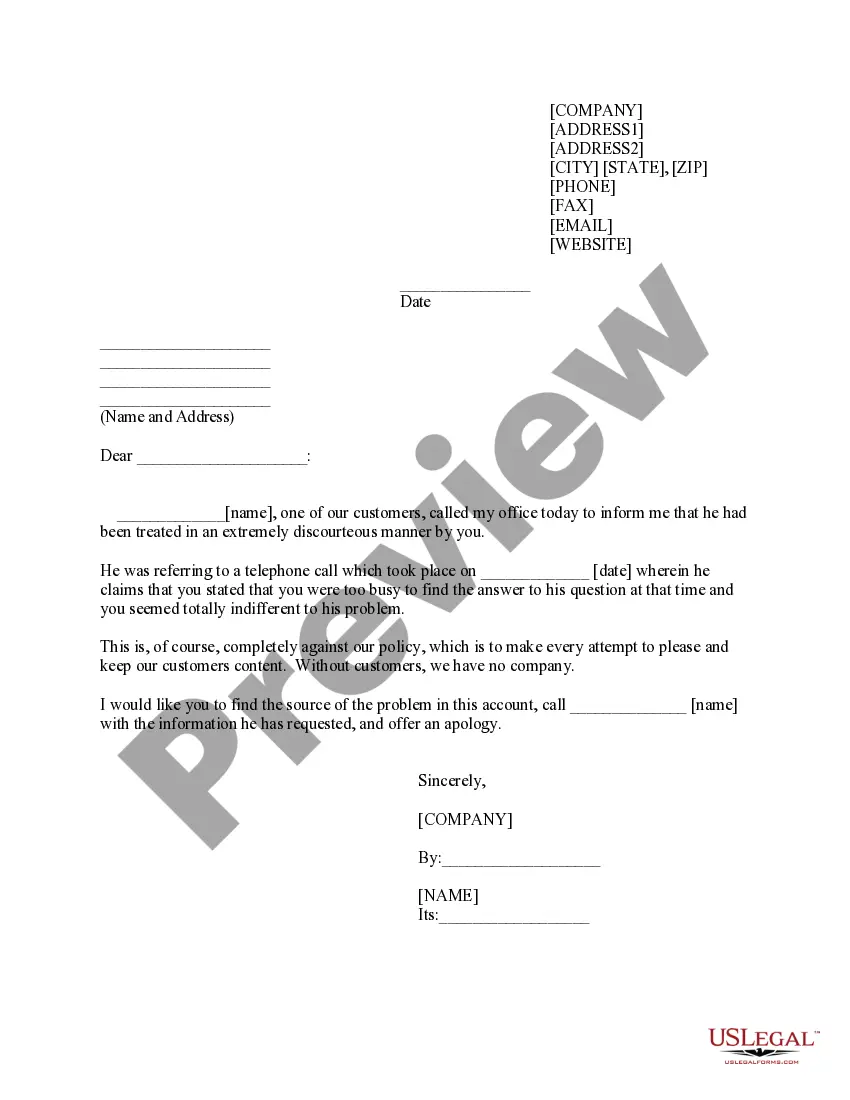
Detroit Michigan Convertible Note Agreement
Description




Form popularity
FAQ
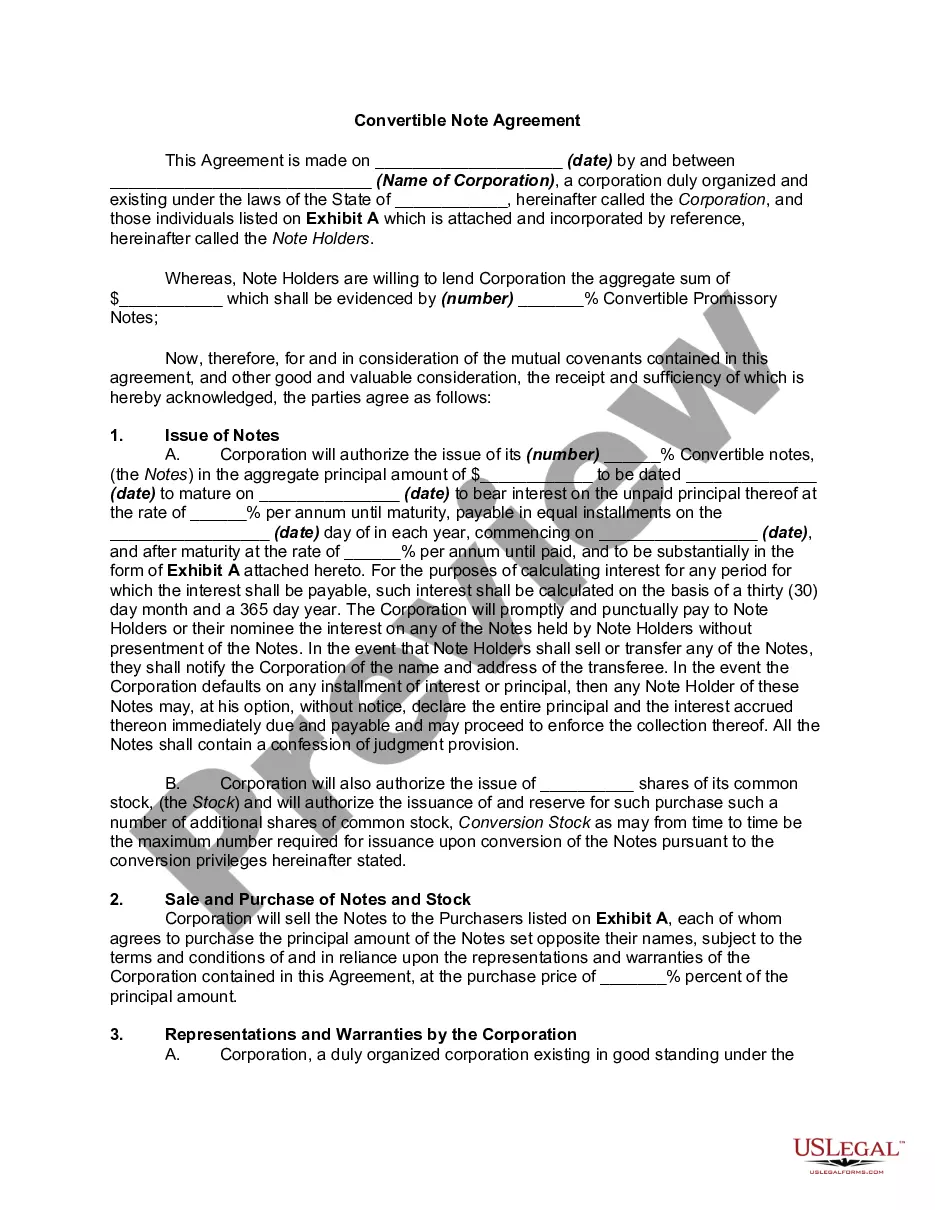
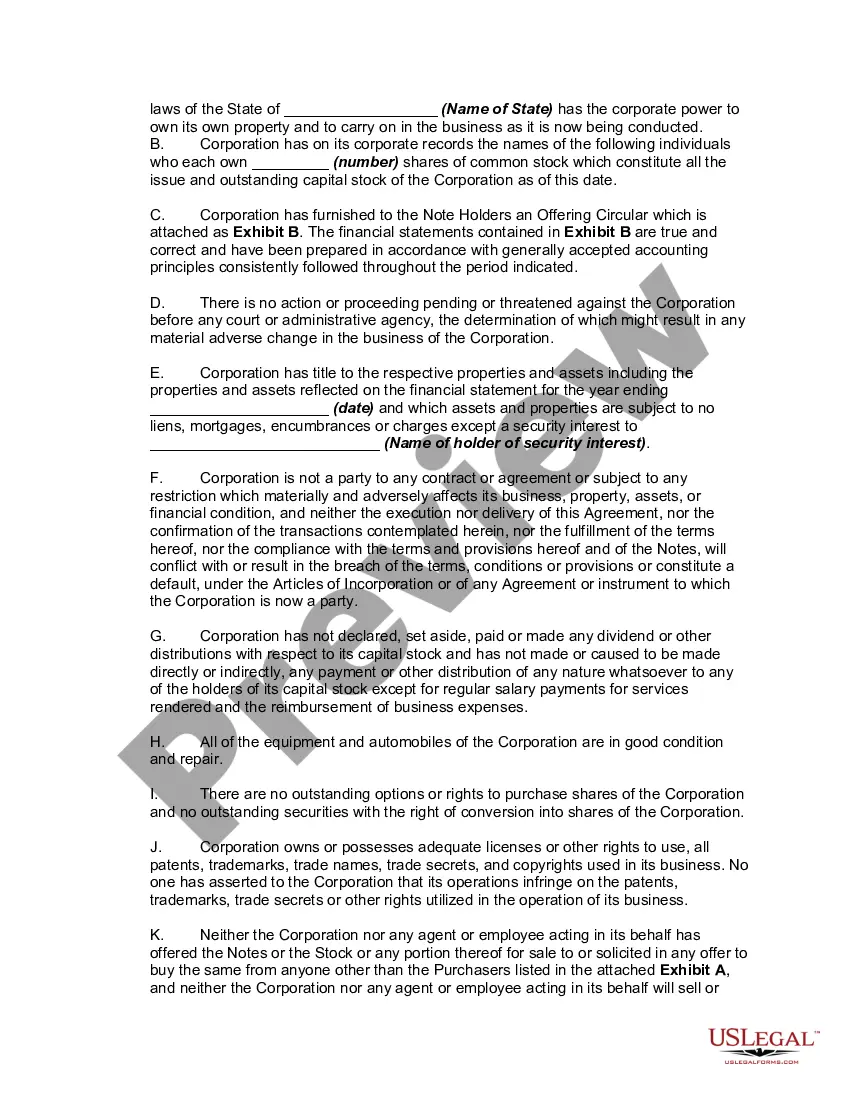
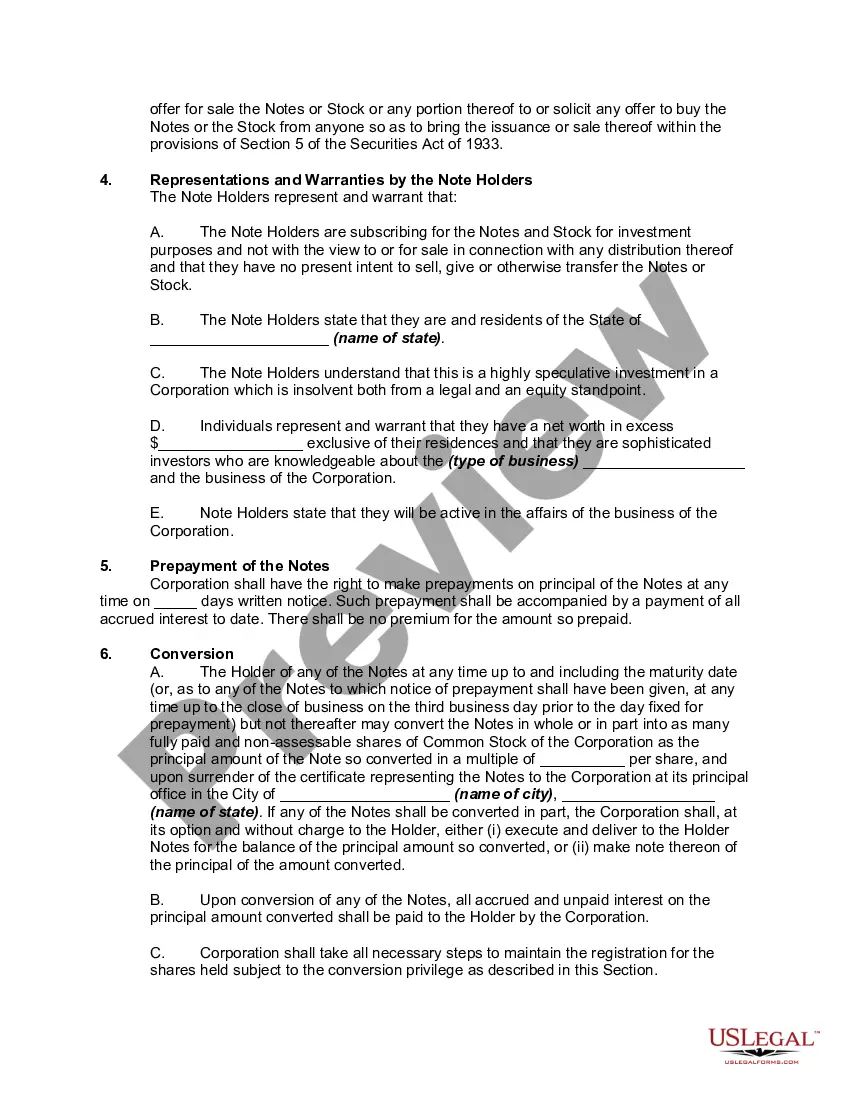
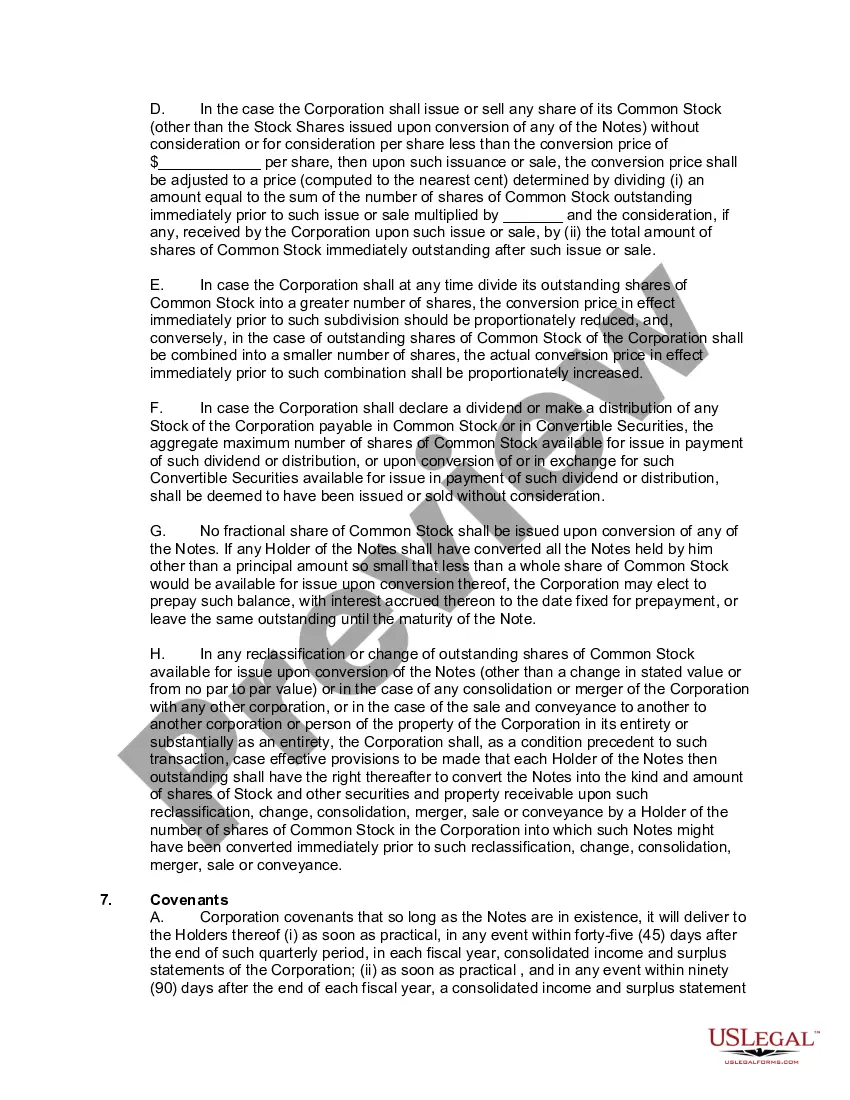
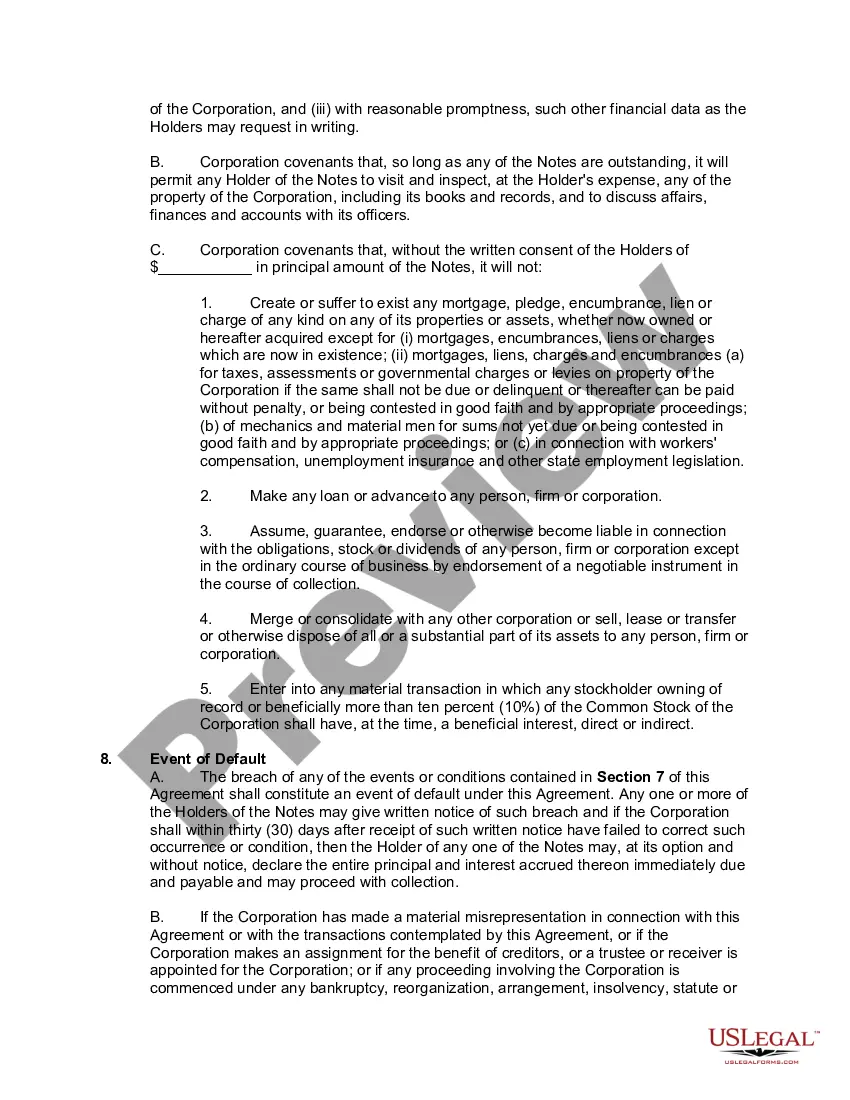
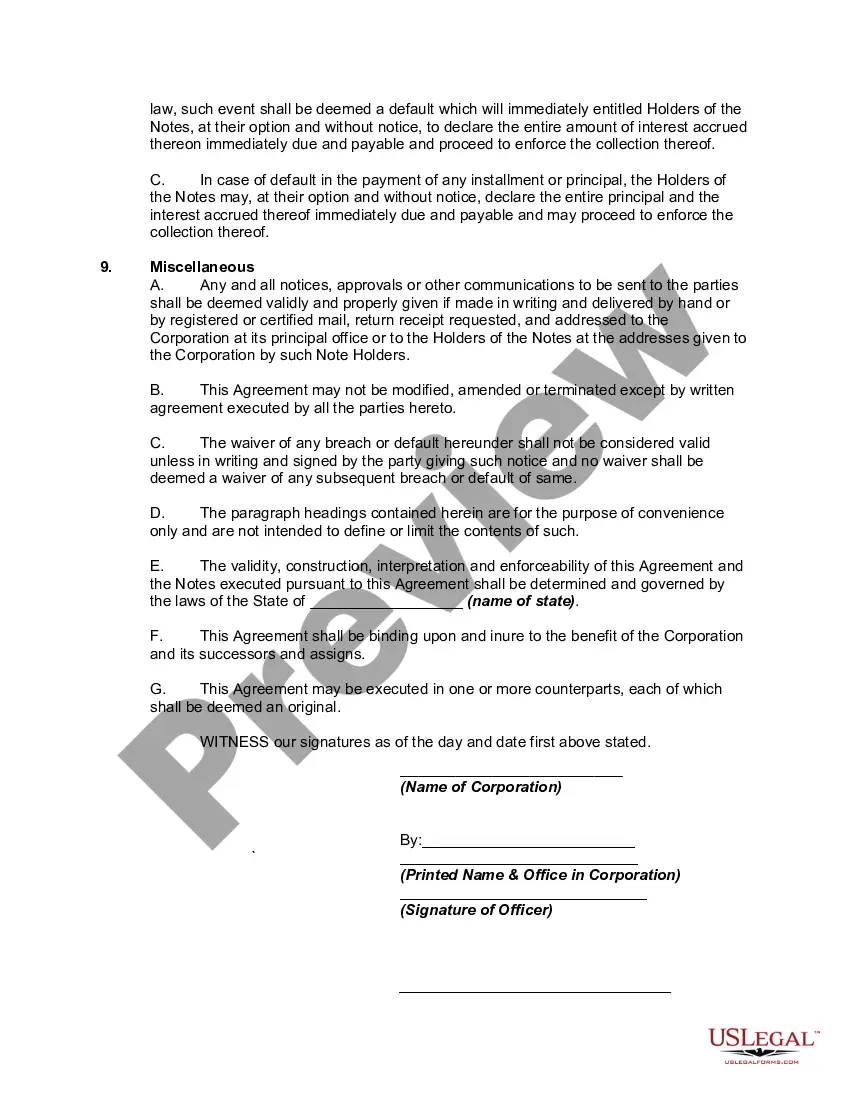
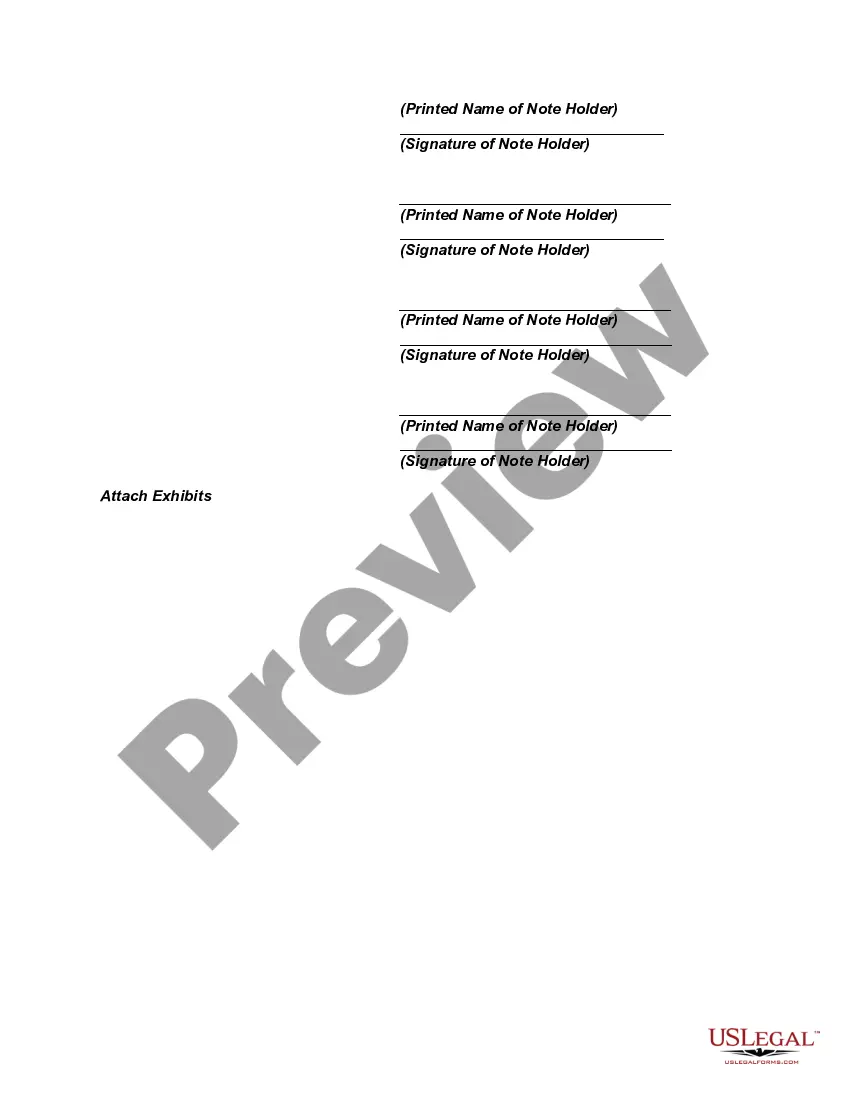
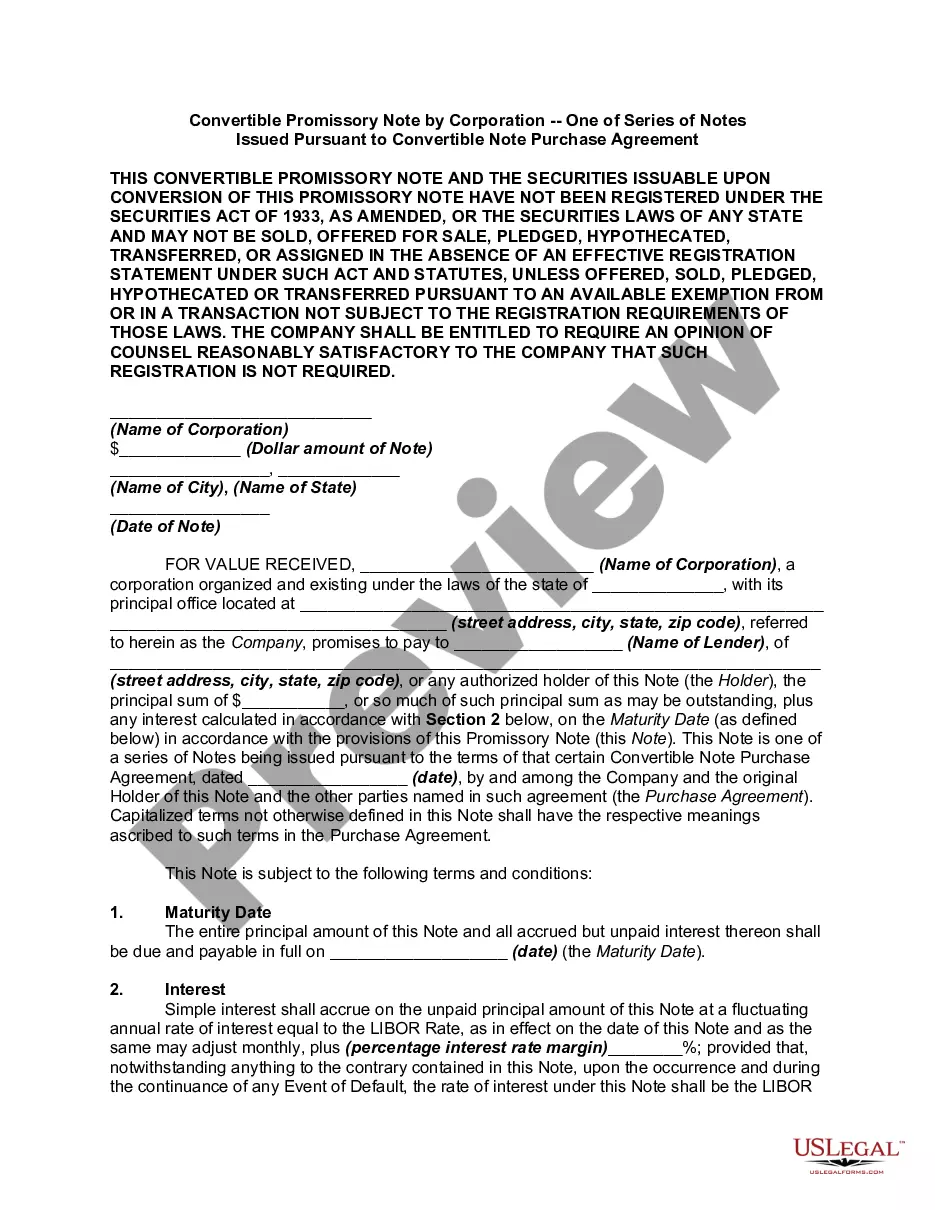
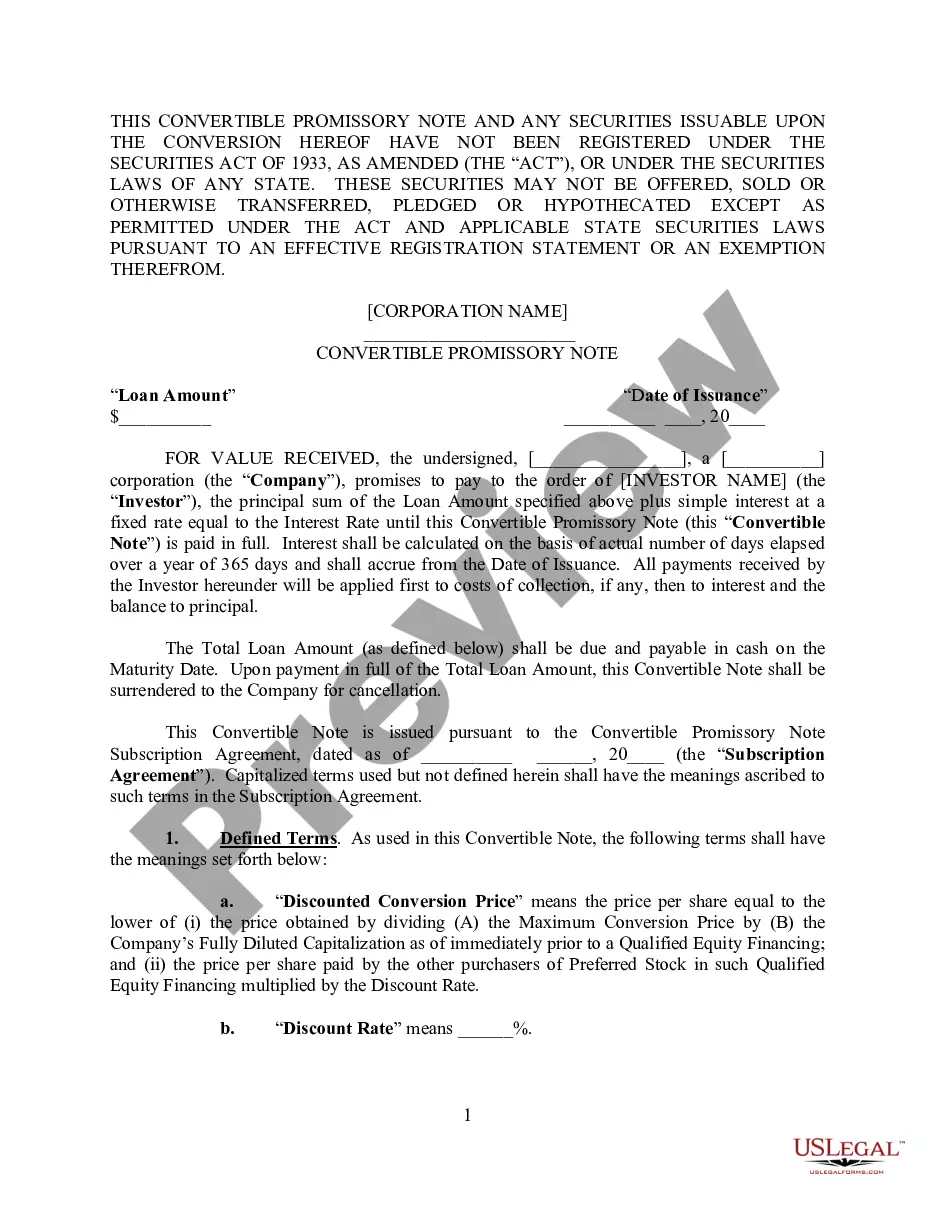
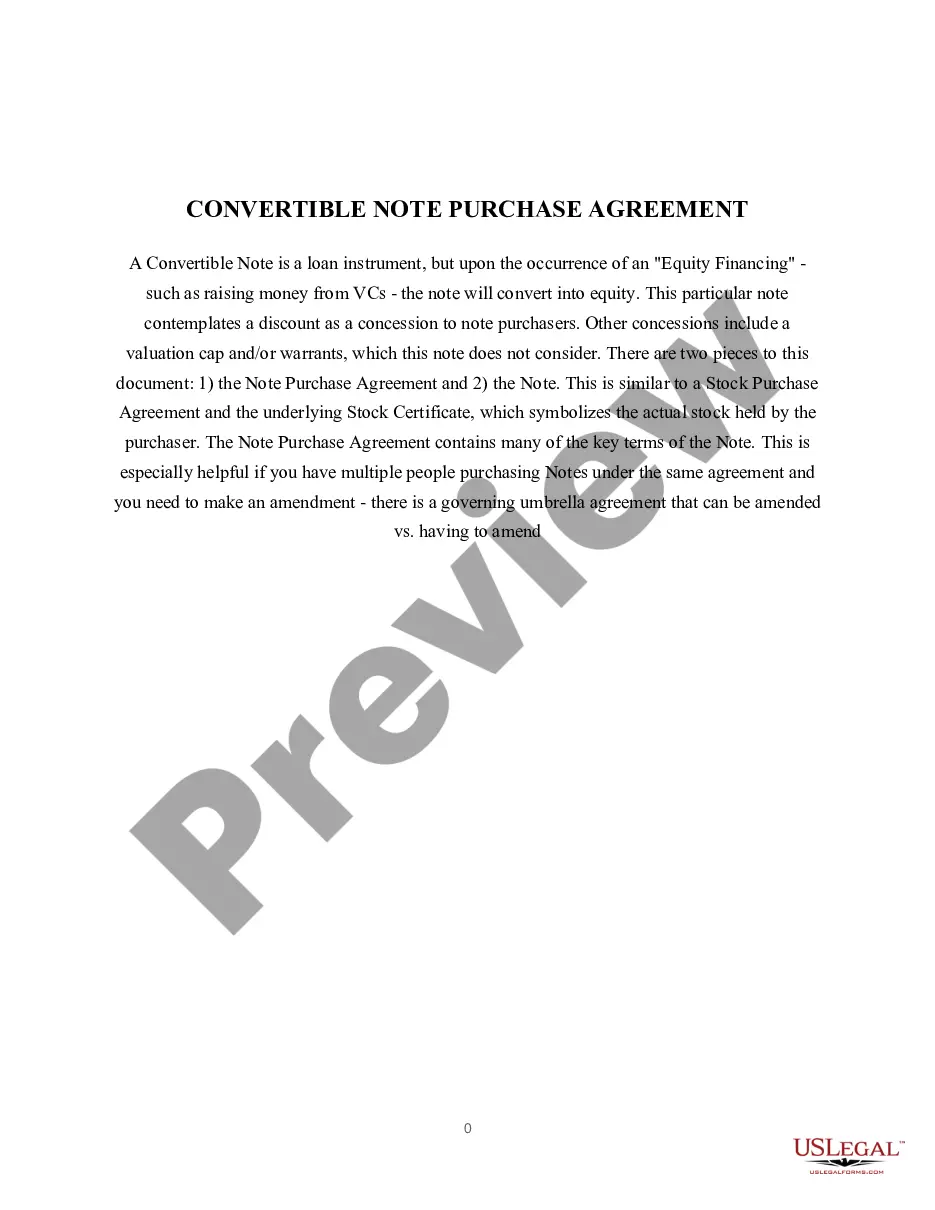
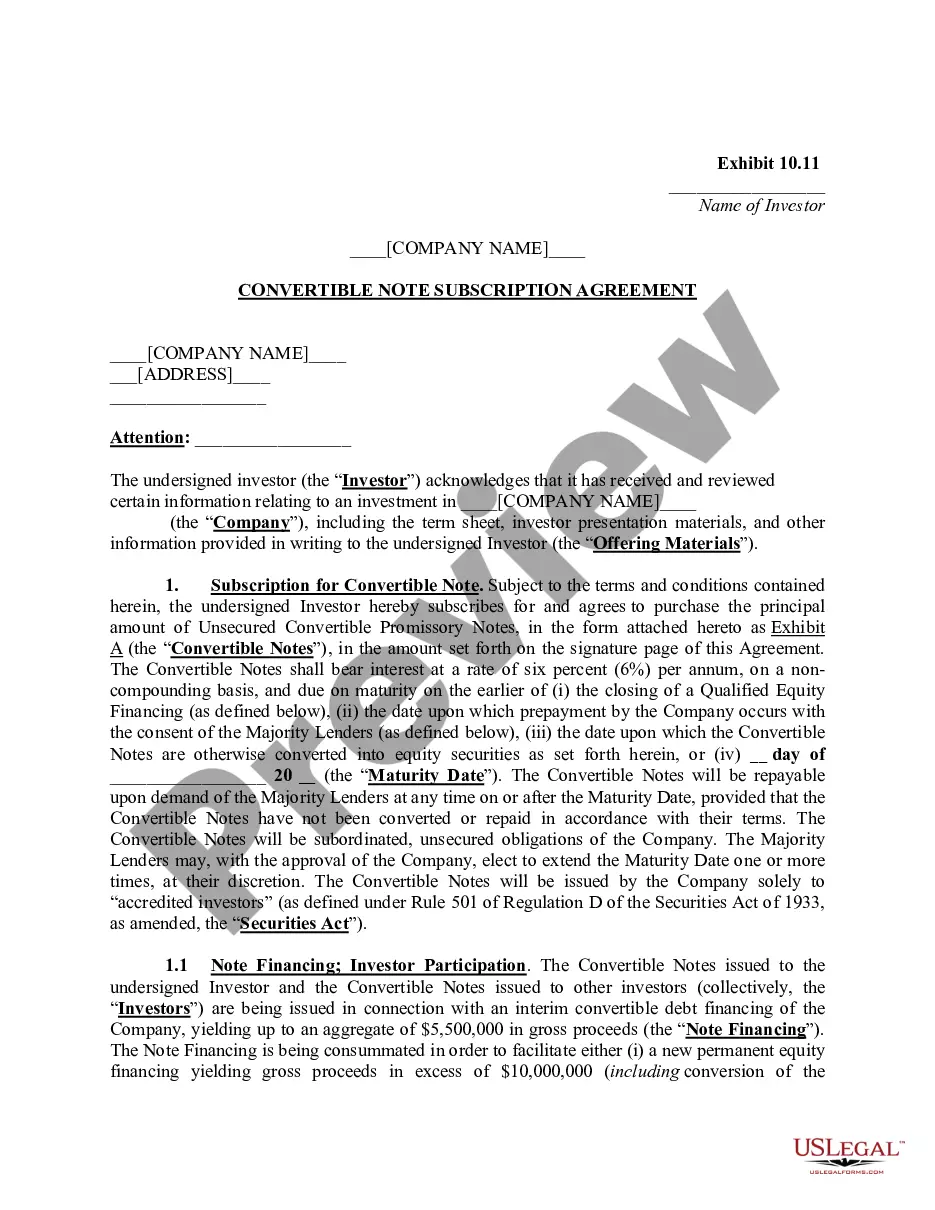
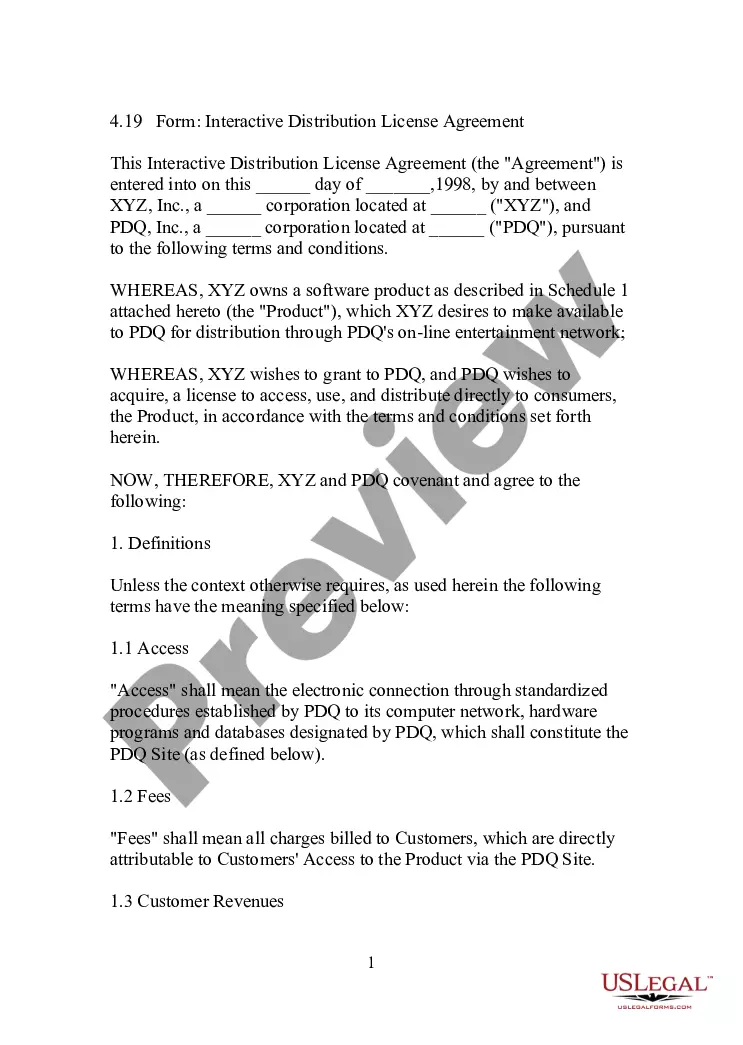
A convertible note agreement is a legal document that outlines the terms under which an investor provides funding to a startup in exchange for a future equity stake. This agreement typically includes details such as interest rates, conversion terms, and maturity dates. Understanding the specifics of a Detroit Michigan Convertible Note Agreement is vital for both investors and companies to ensure clarity and mutual benefit.
One disadvantage of a convertible note is the potential for dilution of ownership when the note converts into equity. Additionally, the terms can sometimes be complex, leading to misunderstandings or disputes. It’s crucial to clearly outline the conditions in a Detroit Michigan Convertible Note Agreement to minimize risks and protect all parties involved.
Companies often offer convertible notes as a way to attract investors without needing to set a firm valuation. This approach is appealing, particularly in the early stages of development when valuations can be uncertain. By utilizing a Detroit Michigan Convertible Note Agreement, companies can streamline the fundraising process and offer potential investors a future equity stake.
A convertible note can be a beneficial tool in fundraising, especially for startups. It allows companies to secure immediate funding while deferring equity valuation until a later stage. However, whether it's good or bad depends on your specific situation. Understanding the terms outlined in a Detroit Michigan Convertible Note Agreement is essential to make an informed decision.
The issuance of Compulsorily Convertible Preference Shares (CCPS) starts with the drafting of a CCPS agreement that outlines the rights and obligations of shareholders. The company then approaches investors, providing them with the agreement for review and negotiation. Once investors agree to the terms, they invest funds in exchange for CCPS, which will convert into equity in the future. Utilizing the Detroit Michigan Convertible Note Agreement template can offer guidance during this process, ensuring compliance and clarity.
Issuing convertible debentures involves a series of well-defined steps. The company first drafts a debenture agreement, similar to the convertible note agreement, which specifies the terms of conversion and interest. Following this, the company presents the debentures to potential investors, who can then decide whether to invest. The Detroit Michigan Convertible Note Agreement can serve as a reference point, ensuring that the terms are competitive and beneficial for both the company and the investors.
The process of a convertible note typically begins with the creation of the note itself, detailing important aspects such as interest rates and maturity dates. After the note is created, it is presented to investors, who can negotiate terms if necessary. Once accepted, the investors provide funding, and the company uses the capital for its operations. The Detroit Michigan Convertible Note Agreement is crucial here, as it ensures clarity and legality throughout the process.
When a company issues convertible notes, it receives immediate funding in exchange for a promise to convert the notes into equity at a later date. This process allows the company to raise capital while deferring valuation discussions until a future financing round. Investors benefit from the potential for equity ownership, and the company can use the funds to grow. The Detroit Michigan Convertible Note Agreement serves as the foundation for this transaction, detailing the terms of conversion and repayment.
The process of issuing a convertible note involves several key steps. First, the company drafts a convertible note agreement, outlining the terms and conditions of the investment. Next, the company presents this agreement to potential investors, allowing them to review the terms. Once investors agree, they sign the agreement and provide the necessary funds, effectively completing the issuance of the Detroit Michigan Convertible Note Agreement.
A convertible currency is one that can easily be exchanged for other currencies in the foreign exchange market, such as the U.S. dollar or the euro. This flexibility makes it easier for businesses to operate internationally. While this topic may seem different from a Detroit Michigan Convertible Note Agreement, understanding financial instruments is essential for any startup engaging with global investors.