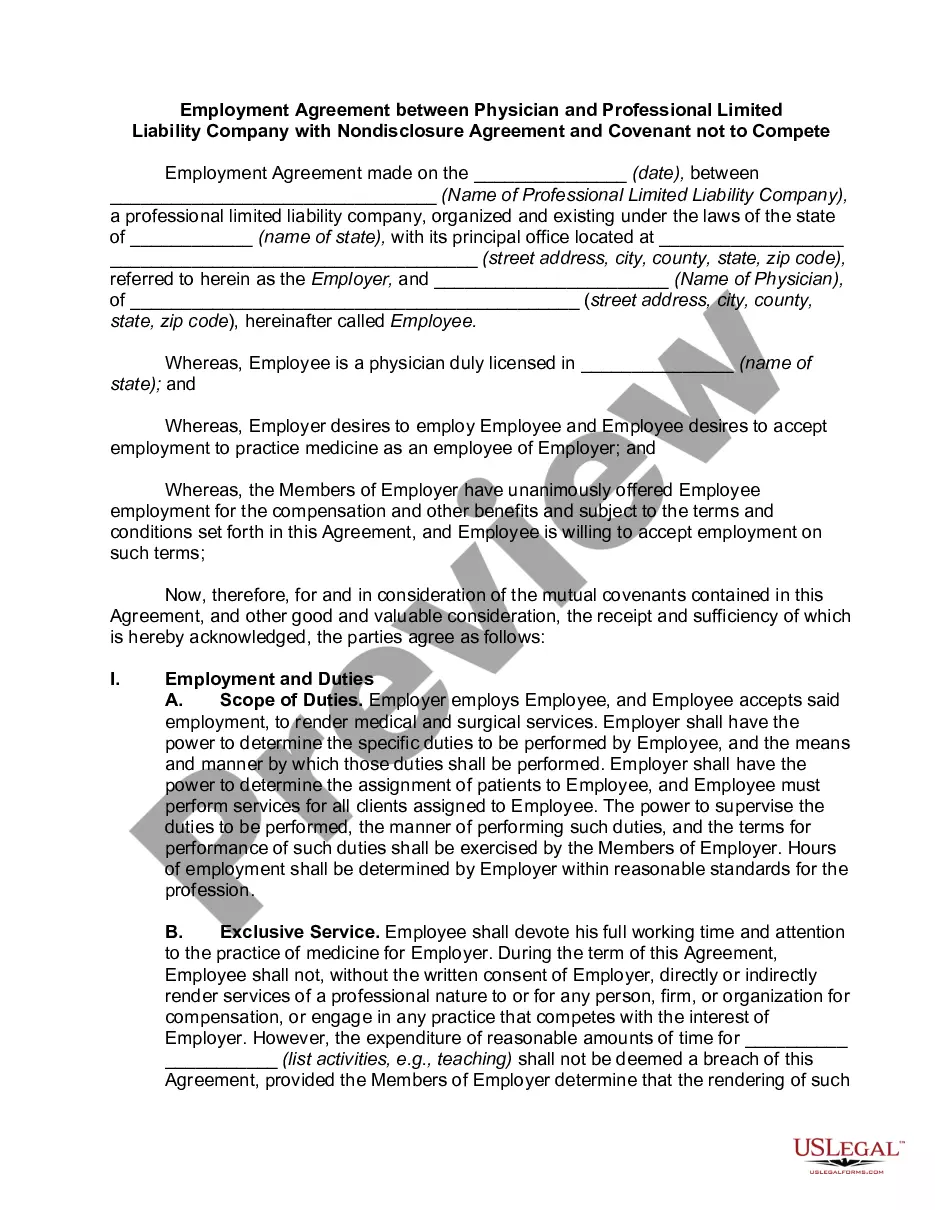
Boston Massachusetts Convertible Note Agreement
Description

Form popularity
FAQ
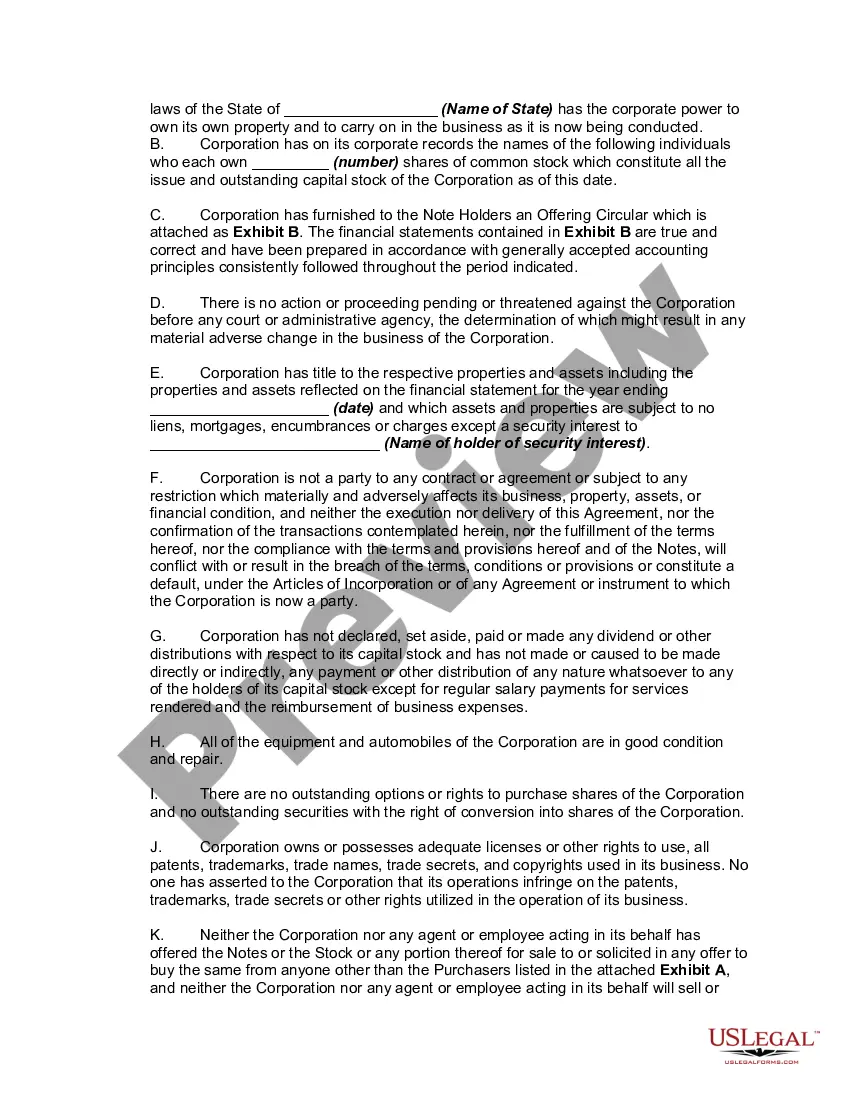
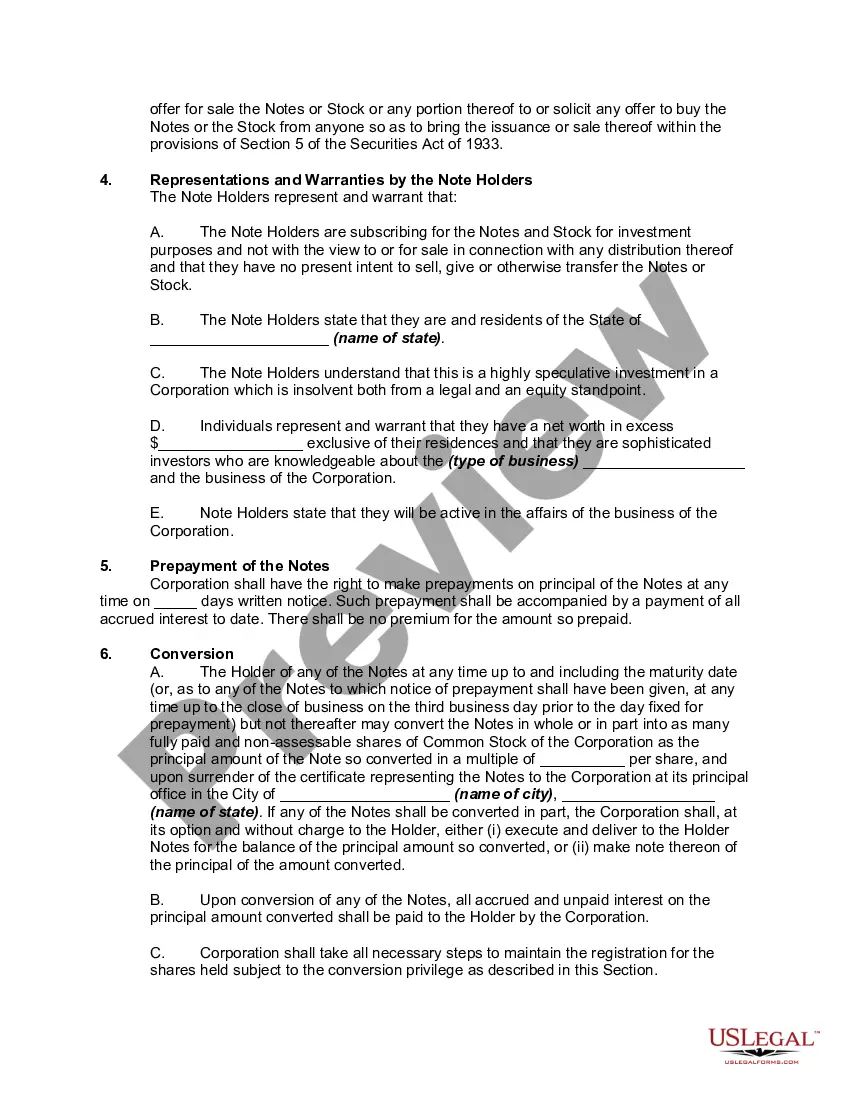
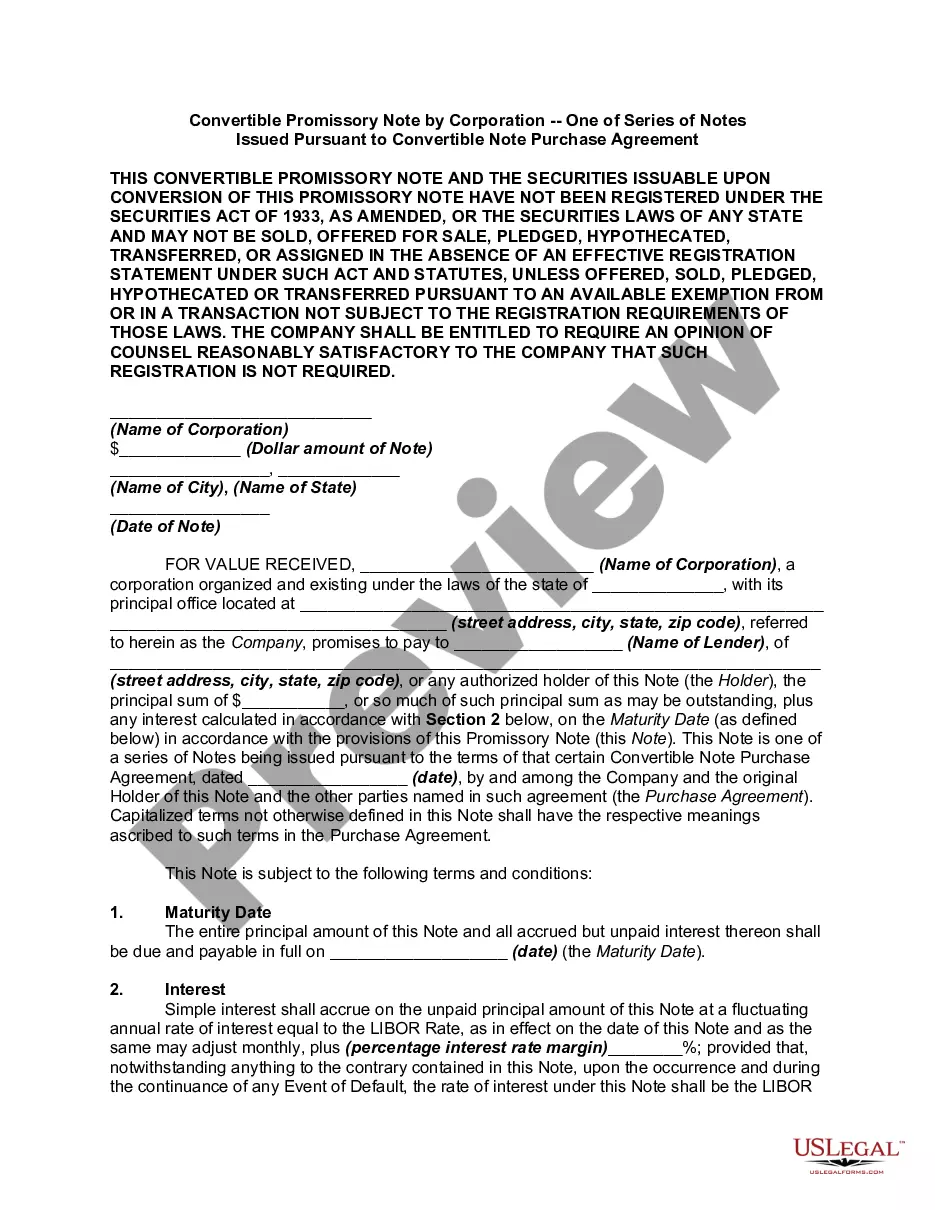
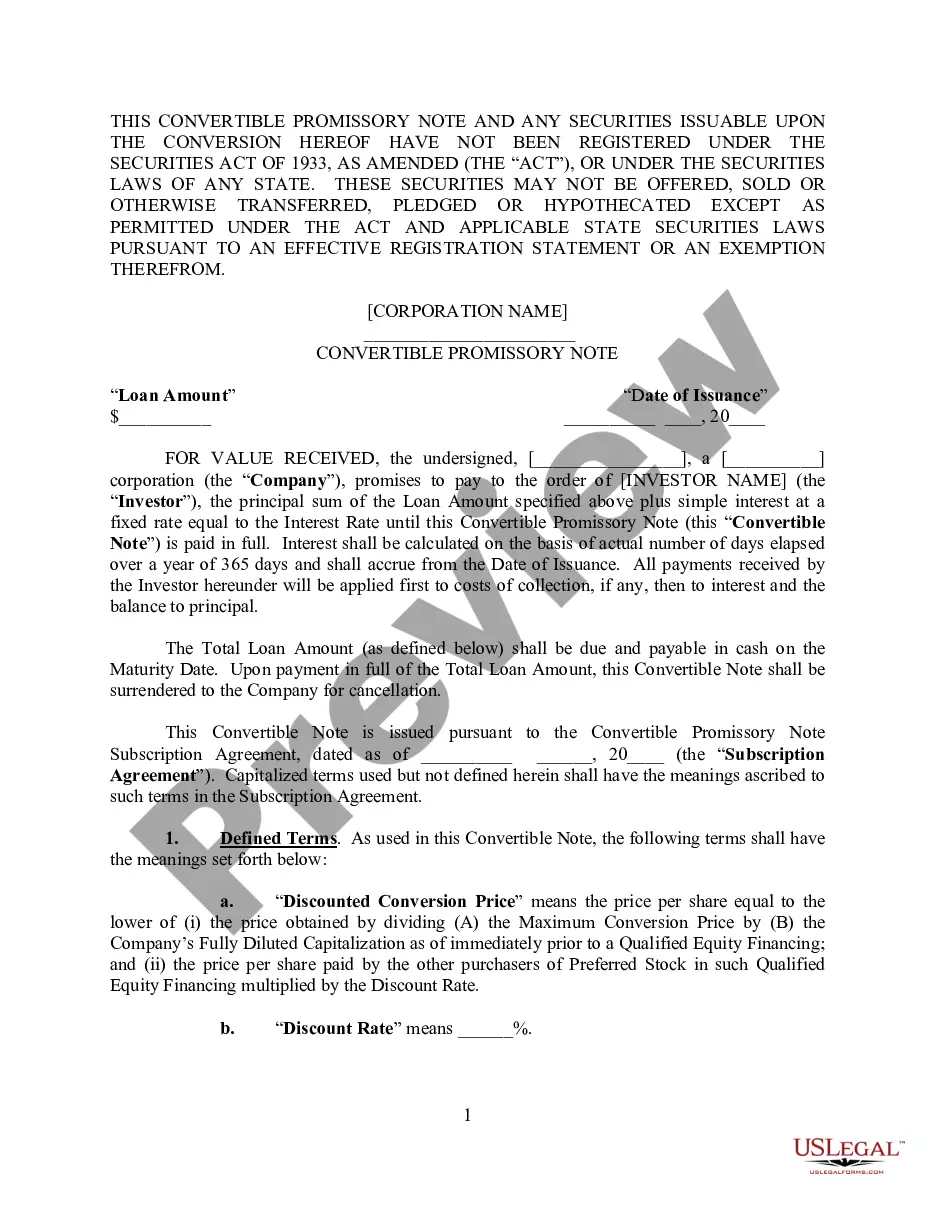
A typical example of a convertible note would be a startup that needs funding quickly. Suppose the startup issues a note for $250,000, which will convert into equity during the next funding round at a 20% discount. This arrangement is often detailed in the Boston Massachusetts Convertible Note Agreement, making it clear how and when the conversion will occur. Such structures help businesses grow while providing investors with a future stake in the company.
A convertible currency is one that can be easily exchanged for other currencies without restrictions. The US dollar serves as a prime example, as it is widely accepted and can be traded in global markets. Understanding the implications of a Boston Massachusetts Convertible Note Agreement is essential, as such agreements may involve currency conversion in international investments. This flexibility can benefit both investors and startups.
A convertible note is a financial instrument often used by startups to raise capital. For instance, a company might issue a convertible note to an investor for $100,000, promising to convert this amount into equity at a future financing round. The terms of the Boston Massachusetts Convertible Note Agreement will specify the conversion rate and other details. This allows early-stage companies to secure funding without needing to determine a valuation right away.
The value of a convertible note largely depends on the specific circumstances of the company and its funding strategy. For many startups, convertible notes provide a flexible way to secure funding while delaying the complexities of valuation. By utilizing a Boston Massachusetts Convertible Note Agreement, companies can structure their financing in a way that benefits both them and their investors, fostering a positive investment experience.
Convertible notes are typically not publicly traded; they are considered private securities. This means they are usually offered to a limited number of investors through private placements. By employing a Boston Massachusetts Convertible Note Agreement, companies can effectively manage these private transactions and maintain control over their funding sources.
Any organization looking to raise capital can issue a convertible note, including startups and established companies. These notes are particularly popular among early-stage businesses seeking investment from angel investors or venture capitalists. By using a Boston Massachusetts Convertible Note Agreement, these companies can create a clear structure for their funding efforts and ensure compliance with local regulations.
Companies often offer convertible notes as a way to secure funding without the immediate need to determine a company valuation. This financial instrument allows investors to convert their investment into equity at a later date, typically during a future financing round. By using a Boston Massachusetts Convertible Note Agreement, companies can attract early-stage investors while postponing complex negotiations about valuation.
Issuing Compulsory Convertible Preference Shares (CCPS) requires drafting a detailed agreement that specifies the terms of conversion and dividends. The issuer must obtain approvals from shareholders and regulatory bodies before proceeding. This process is akin to preparing a Boston Massachusetts Convertible Note Agreement, emphasizing the importance of clear communication and compliance.
Yes, PAS 3 (a regulatory framework) is often necessary when issuing a convertible note, as it ensures compliance with local regulations. The Boston Massachusetts Convertible Note Agreement must adhere to these guidelines to protect both the issuer and the investors. Consulting with legal experts or using platforms like uslegalforms can simplify this process.
The procedure involves drafting a detailed agreement for fully convertible debentures, outlining the conversion terms and conditions. The issuer must then secure necessary approvals and present the offer to potential investors who are interested. This process is similar to the Boston Massachusetts Convertible Note Agreement, ensuring that all parties understand their rights and obligations.