Anchorage Alaska Convertible Note Agreement
Description


Form popularity
FAQ
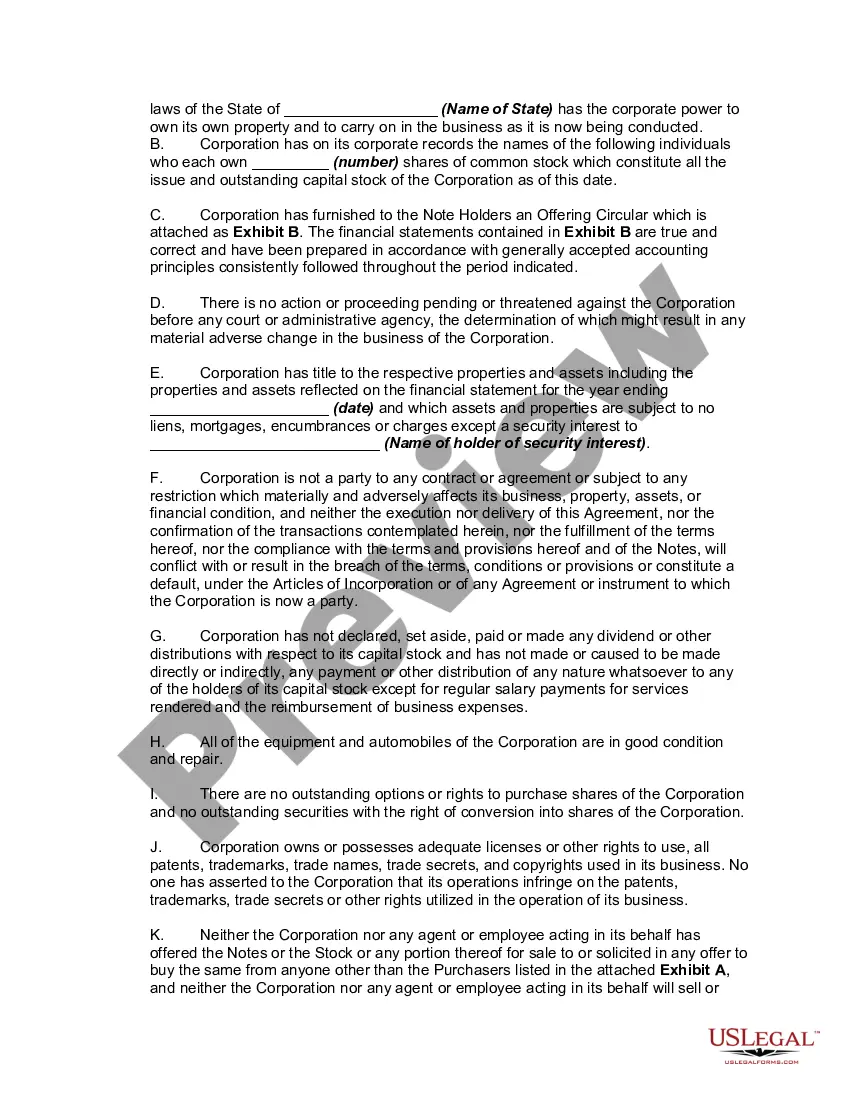
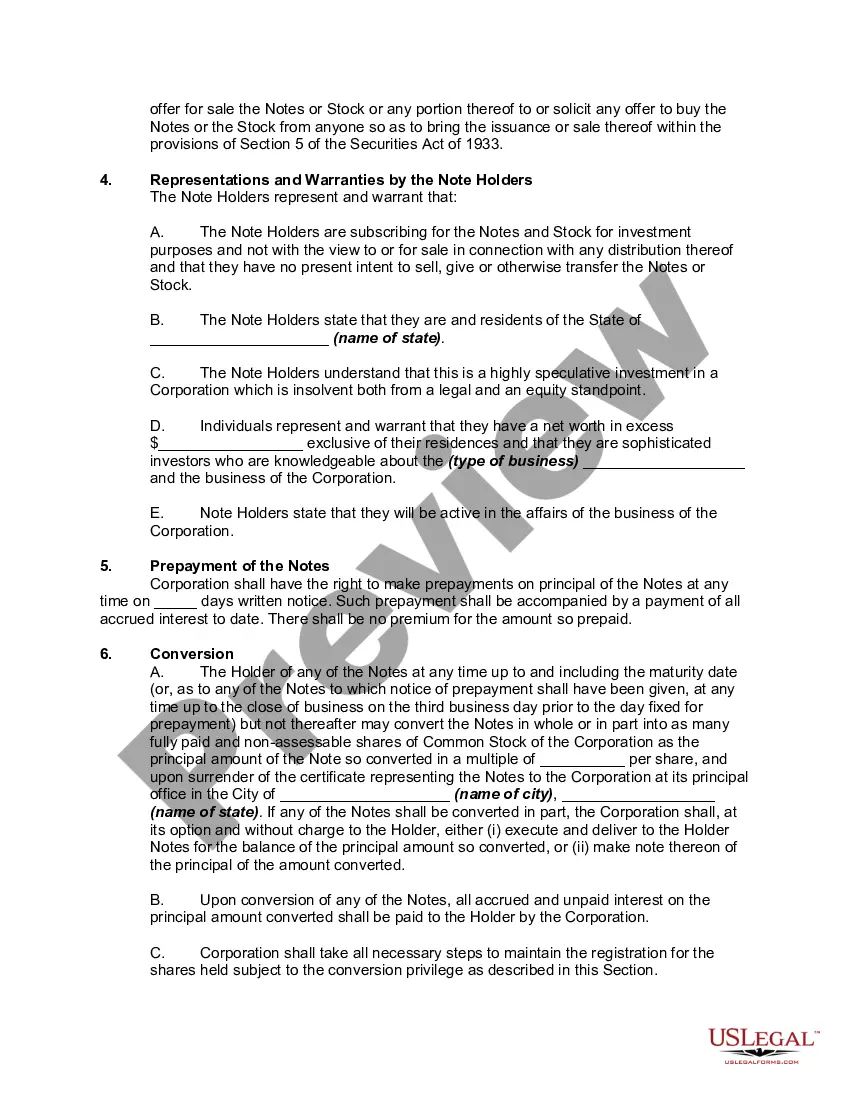
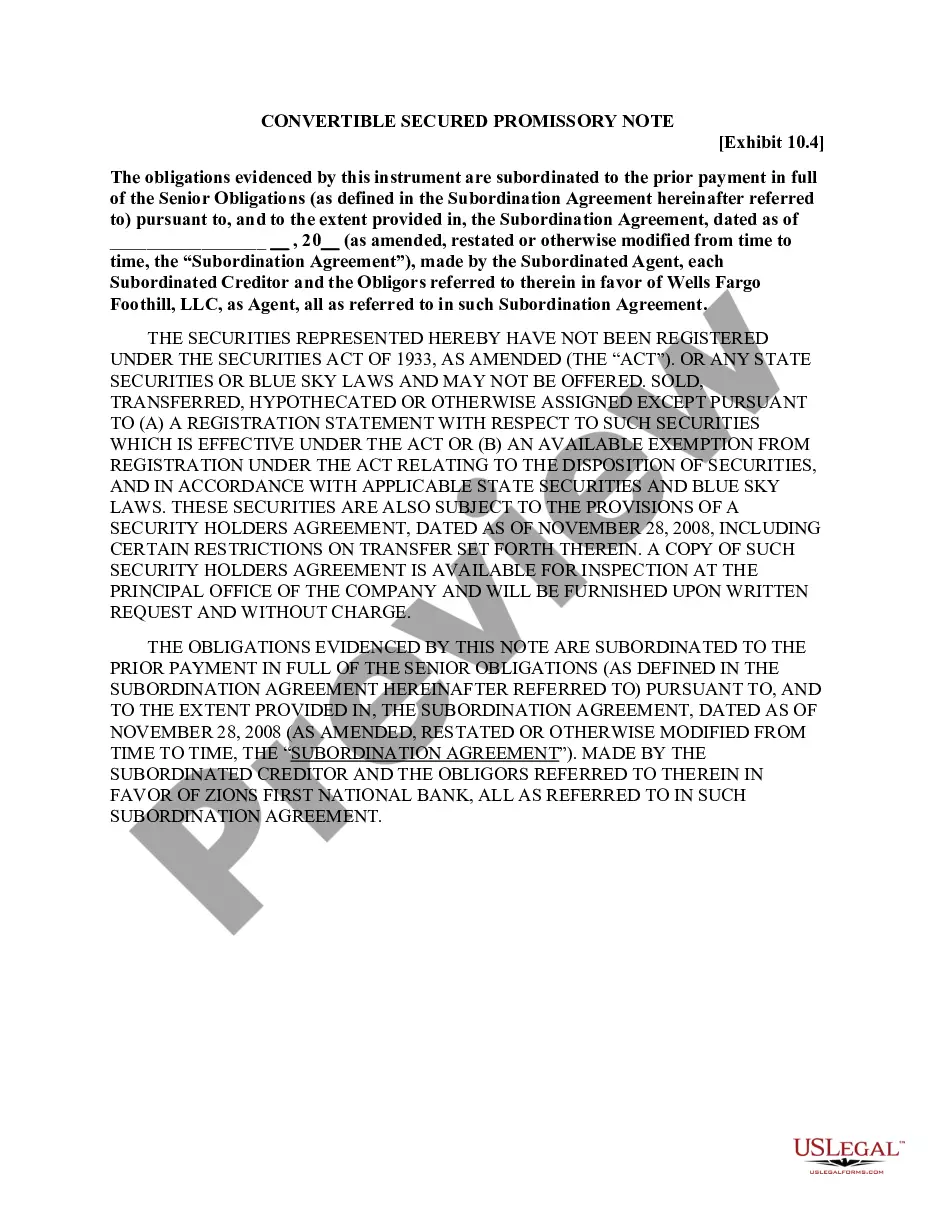
An example of a convertible note might involve an investor lending $100,000 to a startup, with the agreement allowing for conversion to equity at a predetermined valuation. This arrangement offers potential upside for the investor if the company performs well. When exploring the Anchorage Alaska Convertible Note Agreement, such examples illustrate the investment's mechanics.
A convertible note example could be a startup issuing a note to raise initial capital. The investor provides funds, and in return, the note can later convert into equity based on specific terms. Understanding these examples can help you navigate the Anchorage Alaska Convertible Note Agreement effectively.
PAS 3, or the Philippine Accounting Standard, is not typically required for a convertible note. Instead, the focus is on the terms outlined in the Anchorage Alaska Convertible Note Agreement. These terms dictate how the note converts into equity, providing clarity for both investors and issuers.
A convertible currency is one that can be easily exchanged for another currency. For instance, the US Dollar is a widely recognized convertible currency. In the context of the Anchorage Alaska Convertible Note Agreement, investors often seek stability in convertible currencies when considering their investment options.
The value of a convertible note can vary depending on individual circumstances and market conditions. In many cases, the Anchorage Alaska Convertible Note Agreement presents a beneficial opportunity for both startups and investors, facilitating funding with less immediate equity pressure. However, it can also lead to complexities regarding ownership stakes and financial expectations. Ultimately, the effectiveness of a convertible note relies on clear communication and the specific terms laid out in the agreement.
Companies often offer convertible notes as a means to raise funds quickly and with fewer immediate costs. The Anchorage Alaska Convertible Note Agreement allows businesses to attract investors while delaying the valuation of the company until a later round of funding. This approach provides flexibility for both the company and the investors, facilitating growth without the pressure of immediate equity negotiations. Furthermore, it can serve as a bridge for startups seeking to transition to equity financing.
Convertible notes, including the Anchorage Alaska Convertible Note Agreement, come with certain disadvantages. One major concern is the potential dilution of ownership, which can occur when the notes convert into equity. Additionally, if the company's valuation does not increase as expected, investors may feel dissatisfied with their investment. Lastly, the terms of a convertible note can sometimes lead to confusion when converting to equity, making it crucial to have clear agreements.