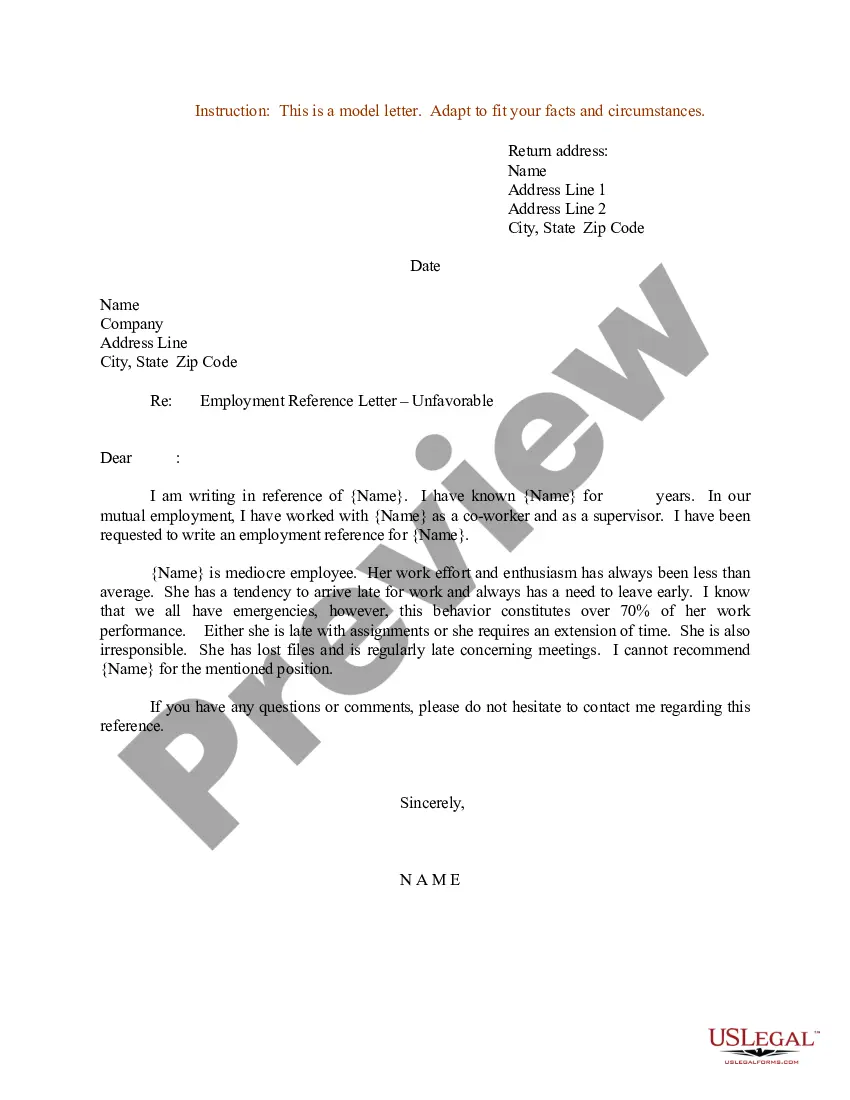
Suffolk New York Sample Letter for Employment Reference Letter - Unfavorable
Description
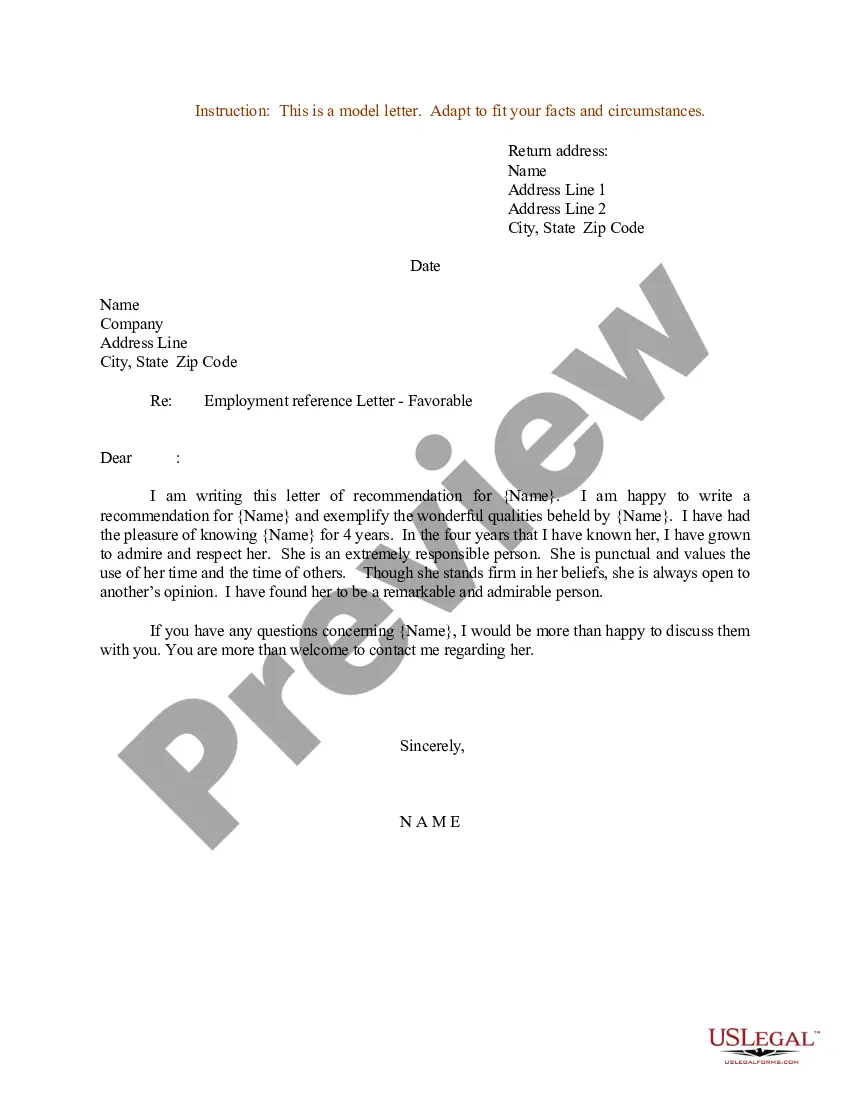
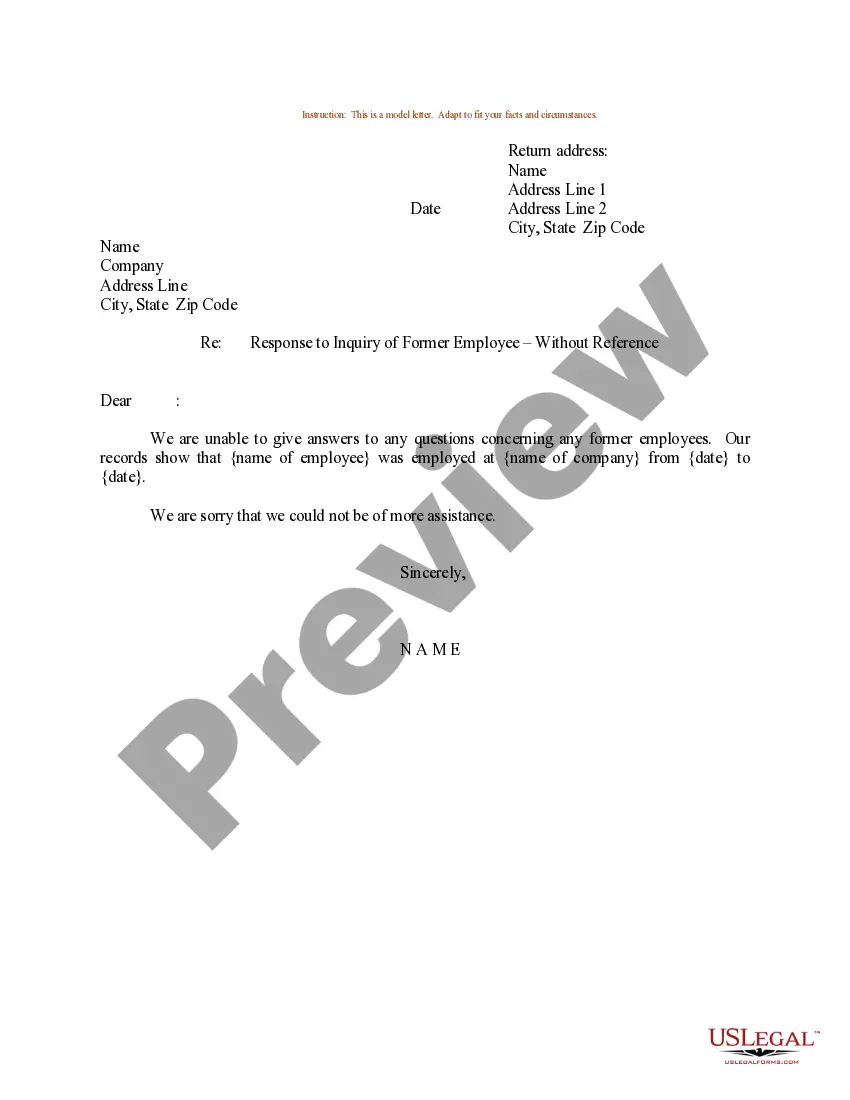
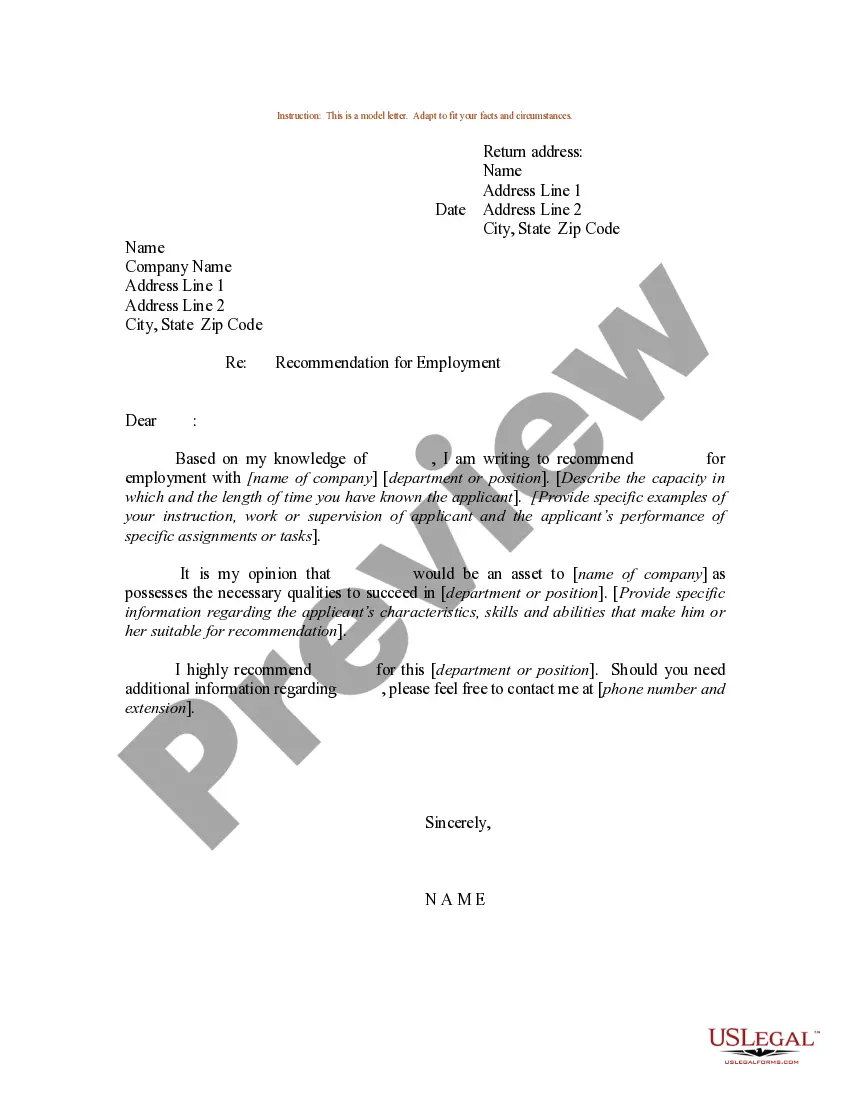
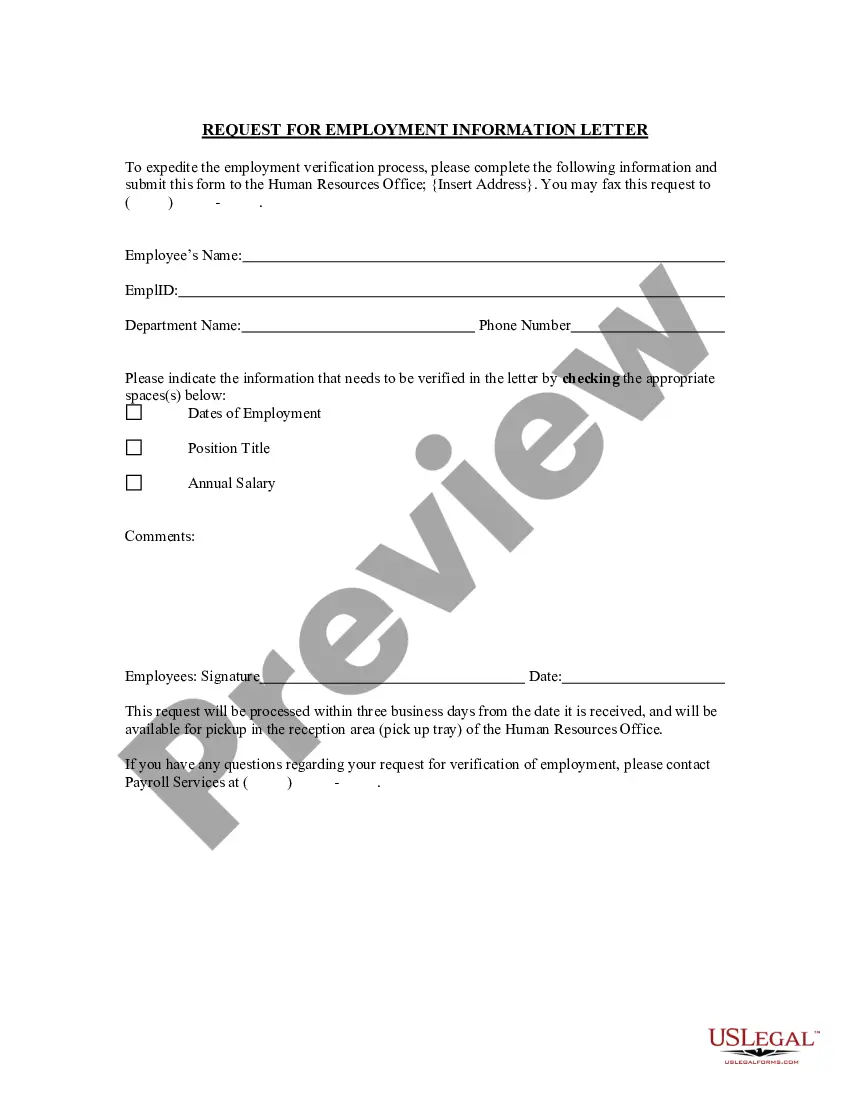



How to fill out Sample Letter For Employment Reference Letter - Unfavorable?
Drafting legal paperwork can be a hassle. Moreover, if you opt to hire a lawyer to create a business agreement, documents for ownership transfer, pre-nuptial agreement, divorce documents, or the Suffolk Sample Letter for Employment Reference - Negative, it might set you back significantly.
So what is the most effective way to conserve both time and money while generating authentic documents fully compliant with your state and local statutes and requirements.
Check the form description and utilize the Preview option, if available, to verify it’s the document you are looking for.
- US Legal Forms serves as an ideal answer, whether you are in search of templates for personal or corporate purposes.
- US Legal Forms is the largest online repository of state-specific legal documents, offering users the latest and professionally verified forms for any circumstance, all consolidated in one location.
- Thus, if you require the latest edition of the Suffolk Sample Letter for Employment Reference - Negative, you can effortlessly find it on our platform.
- Acquiring the documents takes minimal time.
- Users who already possess an account should confirm their subscription is active, Log In, and select the sample by using the Download button.
- If you have not yet subscribed, here is how you can obtain the Suffolk Sample Letter for Employment Reference - Negative.
- Browse the page and confirm a sample exists for your region.
Form popularity
FAQ
There are three ways you can handle this situation. Option 1: Just say no. First and foremost, know that you are under no legal or moral obligation to give someone a recommendation.Option 2: Say you're not the right person.Option 3: Give the rec2026 but don't rave.
Although you can certainly provide a negative employee reference, you should consider refusing. Writing a negative reference carries potential legal liability. For example, you could be sued if you exaggerate your criticism or if you misrepresent any fact.
Just Provide the Pertinent Details In your reference letter for a bad employee, it's best to stick to the pertinent details such as their dates of employment and their job title. You don't need to provide any additional details about performance.
Some people will decline to provide a reference, if they don't have much positive to say. But some people may feel awkward about telling you that they don't feel comfortable giving you a positive reference, and will agree despite their reservations.
So be honest, and decline on behalf of the other person's best interests: Medha, I wish I could help, but I really don't think I know you well enough to provide as strong a reference as you probably need and deserve. I'd encourage you to reach out to someone who knows your work style/product/ethic better.
Just Provide the Pertinent Details. In your reference letter for a bad employee, it's best to stick to the pertinent details such as their dates of employment and their job title. You don't need to provide any additional details about performance.
Avoid vague, general statements of the applicant's personal ability. Instead, provide specific examples of performance and the situation in which the performance occurred. Provide specific facts for any negative information.
You Have the Right to Decline a Reference Request There is never an obligation to give someone a reference. You can politely and diplomatically decline the request without offending the person who asked you. The trick is to do so without making your refusal sound like a personal criticism or a professional rejection.
Let the letter writer know if there are any specific points you'd like emphasized. Be specific about what you needshare details on who to address the letter to, the name of the company and the position you're applying to, the timing, and so on. Offer to reciprocate when they next need a recommendation letter.