San Antonio Texas Promissory Note in Connection with a Sale and Purchase of a Mobile Home
Description
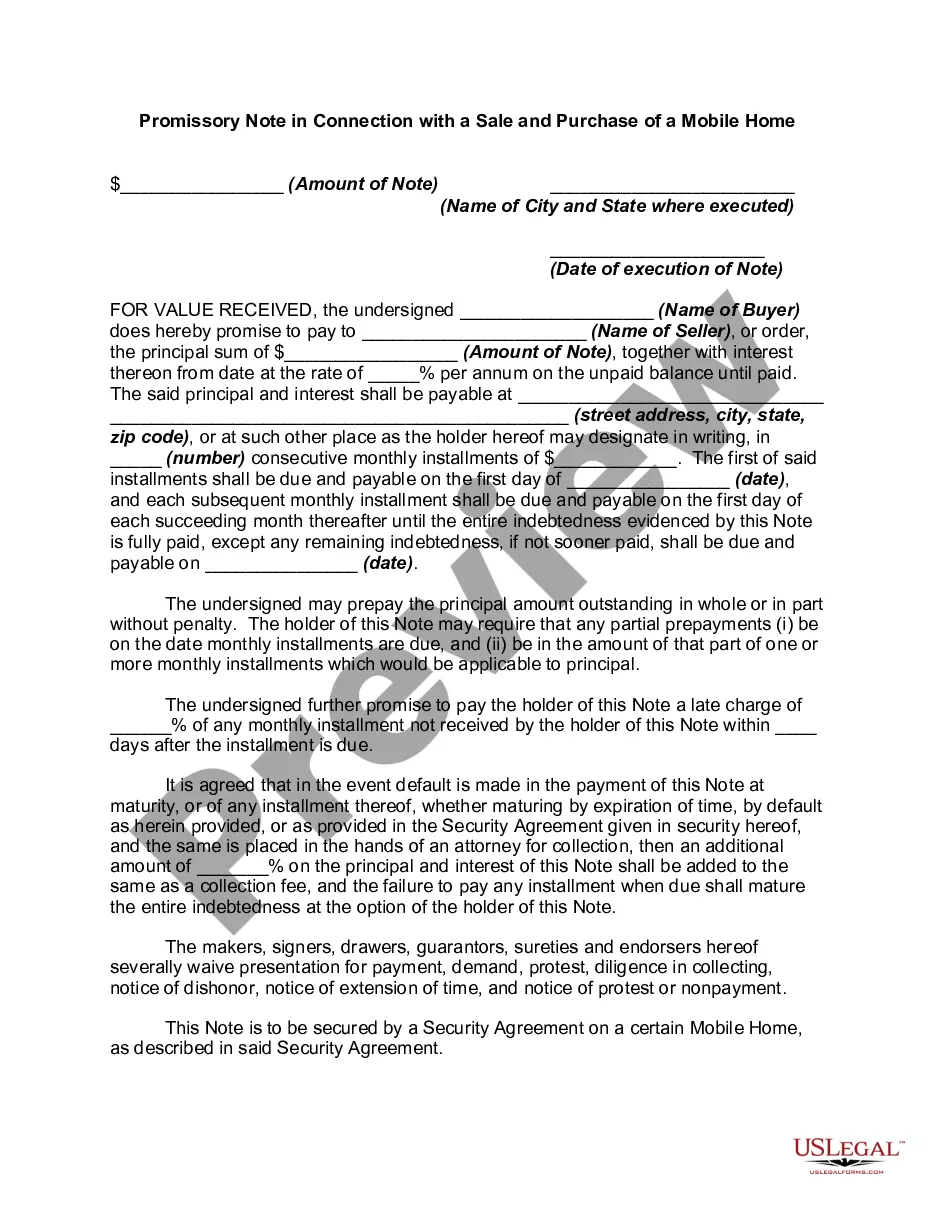
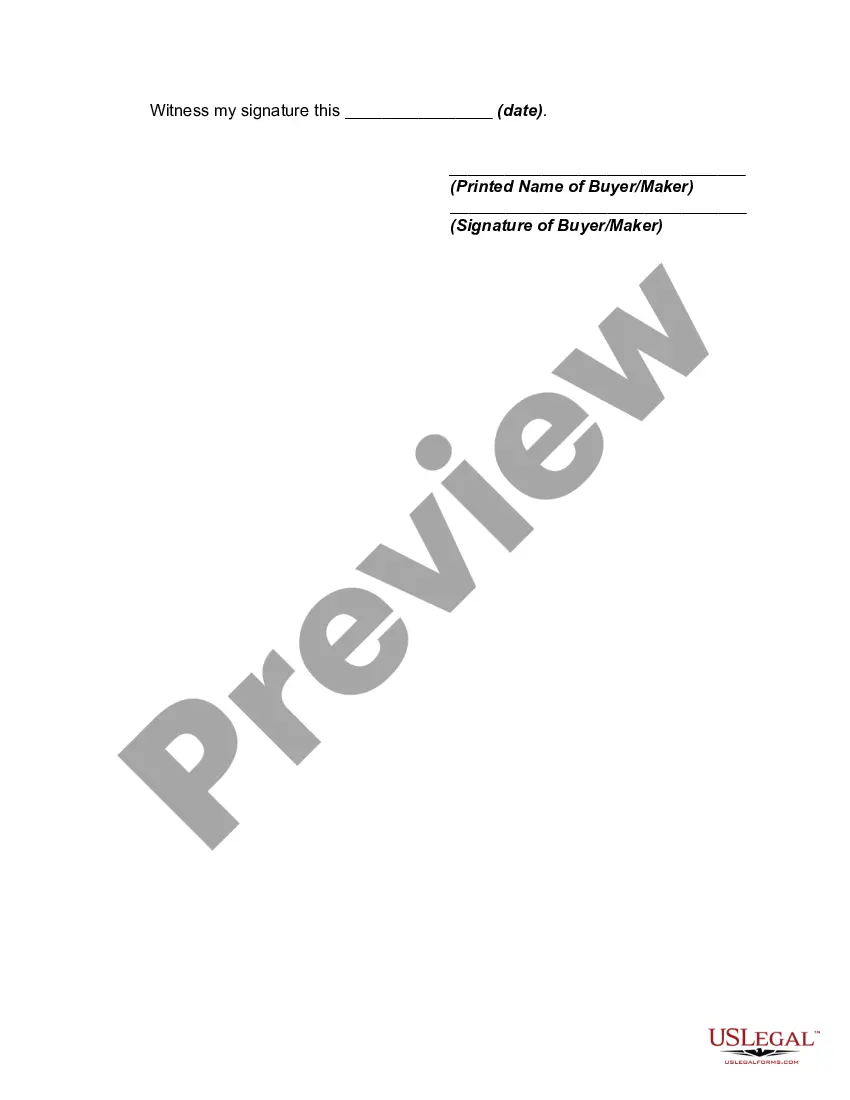
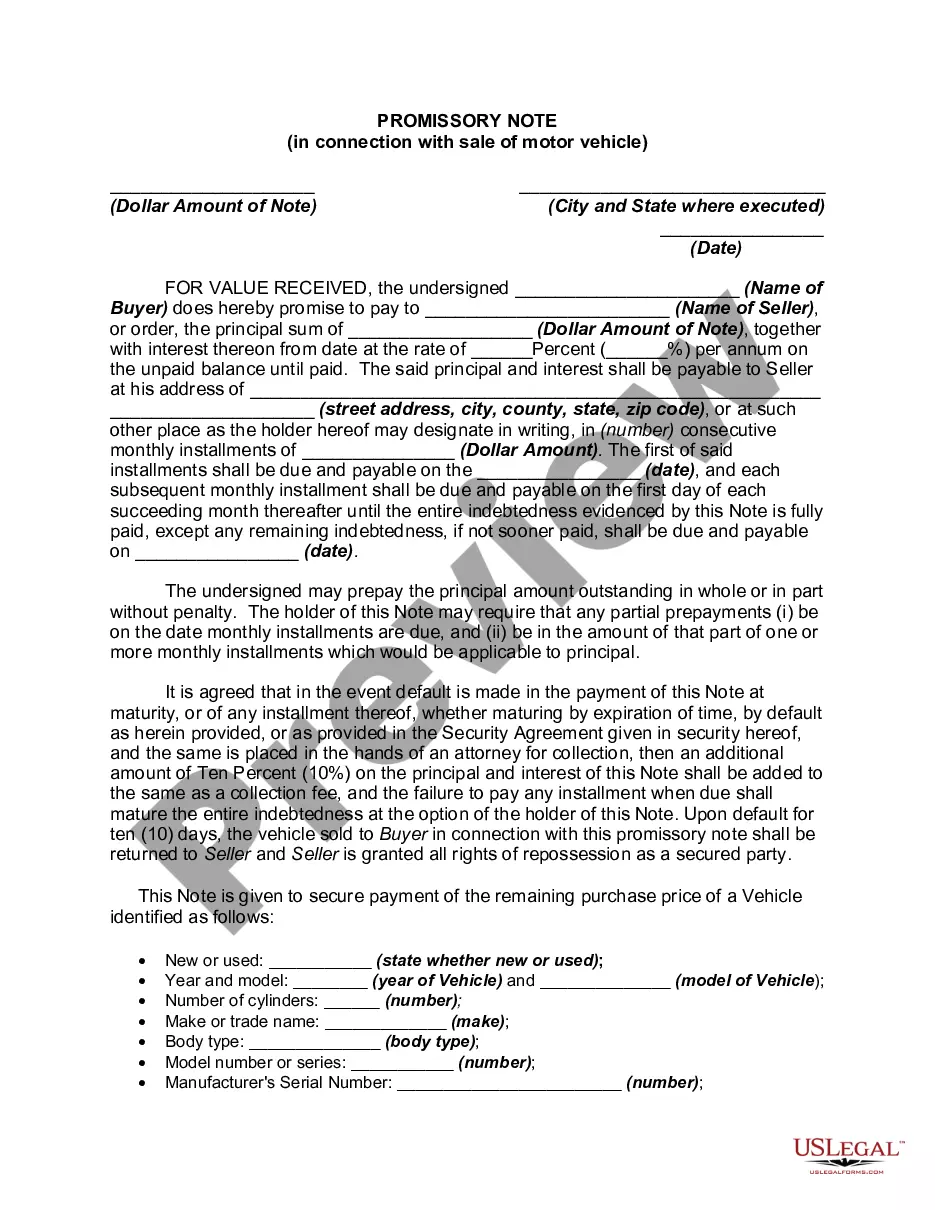
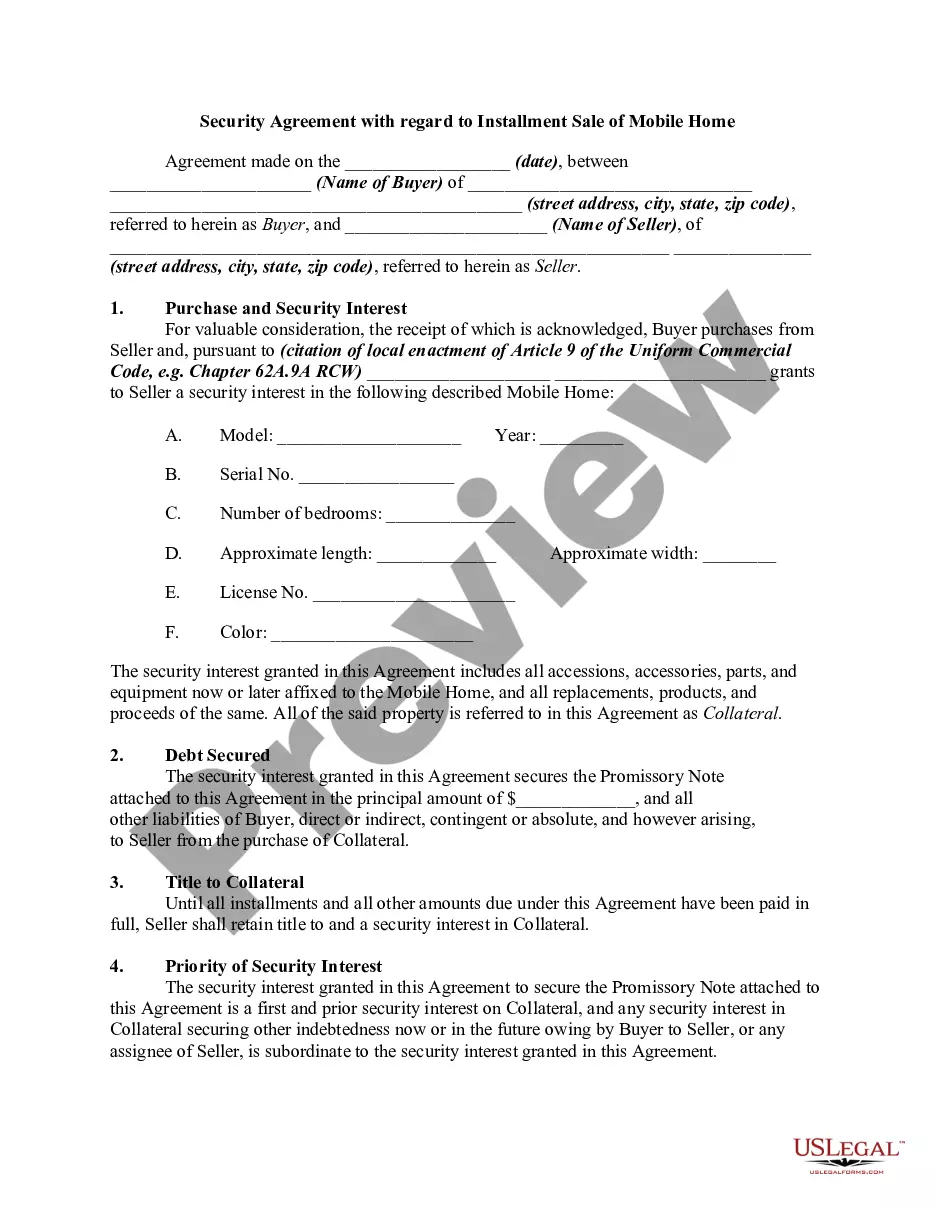
Get your form ready online
Our built-in tools help you complete, sign, share, and store your documents in one place.
Make edits, fill in missing information, and update formatting in US Legal Forms—just like you would in MS Word.
Download a copy, print it, send it by email, or mail it via USPS—whatever works best for your next step.
Sign and collect signatures with our SignNow integration. Send to multiple recipients, set reminders, and more. Go Premium to unlock E-Sign.
If this form requires notarization, complete it online through a secure video call—no need to meet a notary in person or wait for an appointment.
We protect your documents and personal data by following strict security and privacy standards.
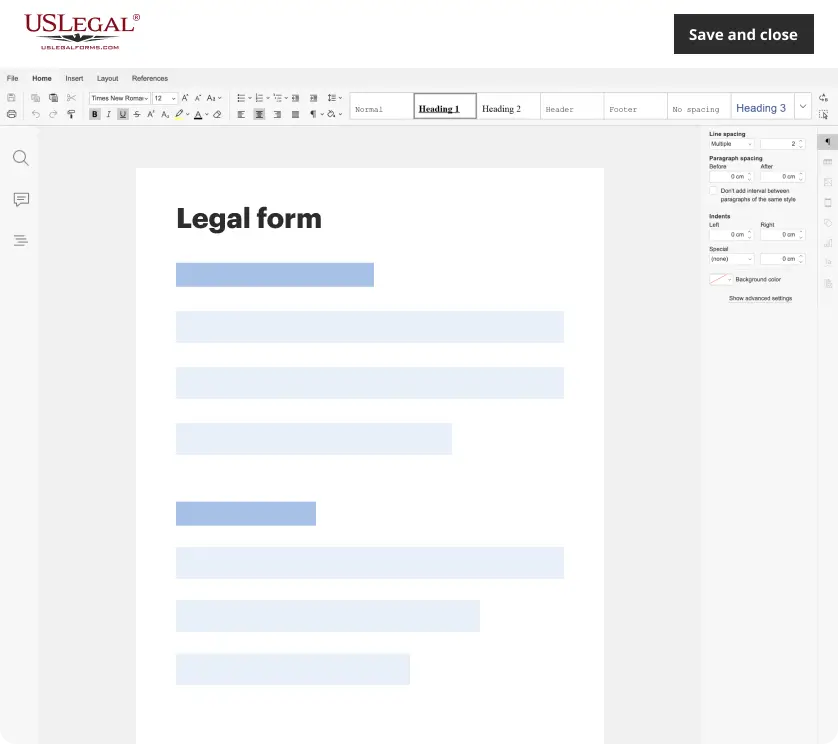
Make edits, fill in missing information, and update formatting in US Legal Forms—just like you would in MS Word.
Download a copy, print it, send it by email, or mail it via USPS—whatever works best for your next step.
Sign and collect signatures with our SignNow integration. Send to multiple recipients, set reminders, and more. Go Premium to unlock E-Sign.
If this form requires notarization, complete it online through a secure video call—no need to meet a notary in person or wait for an appointment.
We protect your documents and personal data by following strict security and privacy standards.
Looking for another form?
How to fill out Promissory Note In Connection With A Sale And Purchase Of A Mobile Home?
Preparing documentation for business or personal needs is always a significant obligation.
When drafting a contract, a civic service application, or a power of attorney, it is crucial to take into account all federal and state laws applicable to the specific region.
Nevertheless, small counties and even municipalities have legislative processes that need to be factored in.
The advantageous aspect of the US Legal Forms library is that all the forms you've ever obtained are preserved – you can retrieve them in your profile within the My documents tab at any time. Join the platform and effortlessly acquire verified legal documents for any scenario with just a few clicks!
- All these elements contribute to the stress and duration required to create a San Antonio Promissory Note in Relation to the Sale and Purchase of a Mobile Home without professional assistance.
- You can sidestep unnecessary expenses on attorneys crafting your documents and personally draft a legally binding San Antonio Promissory Note in Relation to the Sale and Purchase of a Mobile Home by utilizing the US Legal Forms online resource.
- It is the largest internet repository of state-specific legal paperwork that is professionally verified, ensuring you can trust their authenticity when choosing a template for your county.
- Previously registered users only need to Log In to their accounts to download the necessary document.
- If you have not yet subscribed, follow the step-by-step instructions below to acquire the San Antonio Promissory Note in Relation to the Sale and Purchase of a Mobile Home.
- Review the page you've opened and confirm if it contains the document you need.
- To do this, utilize the form description and preview if these features are available.
Form popularity
FAQ
A promissory note can become invalid if it excludes A) the total sum of money the borrower owes the lender (aka the amount of the note) or B) the number of payments due and the date each increment is due.
A promissory note must include the date of the loan, the dollar amount, the names of both parties, the rate of interest, any collateral involved, and the timeline for repayment. When this document is signed by the borrower, it becomes a legally binding contract.
A buyer wanted to use a promissory note for consideration on the purchase of a property. Can he do this? Yes, this is acceptable as long as the seller agrees.
Promissory notes are ideal for individuals who do not qualify for traditional mortgages because they allow them to purchase a home by using the seller as the source of the loan and the purchased home as the source of the collateral.
In the context of a promissory note, the promisor usually obtains consideration in the form of a loan, and the promisee receives consideration in the form of the promise to repay under the terms specified in the note.
In many ways, a promissory note works as a type of IOU document, although it is more complex in practice. However, it is also much more informal than a loan agreement and does not legally bind the lender in the same way, although the borrower is still bound by the note.
In order for a promissory note to be valid and legally binding, it needs to include specific information. "A promissory note should include details including the amount loaned, the repayment schedule and whether it is secured or unsecured," says Wheeler.
The buyer gives a down payment to the seller that acts as a gesture of good faith as well as security for the repayment of the note. The home's deed also acts as collateral on the note and should the buyer default, the deed and the down payment are kept by the seller.
A promissory note can become invalid if it excludes A) the total sum of money the borrower owes the lender (aka the amount of the note) or B) the number of payments due and the date each increment is due.
At its most basic, a promissory note should include the following things: Date. Name of the lender and borrower. Loan amount. Whether the loan is secured or unsecured. If it's secured with collateral: What is the collateral?Payment amount and frequency. Payment due date. Whether the loan has a cosigner, and if so, who.