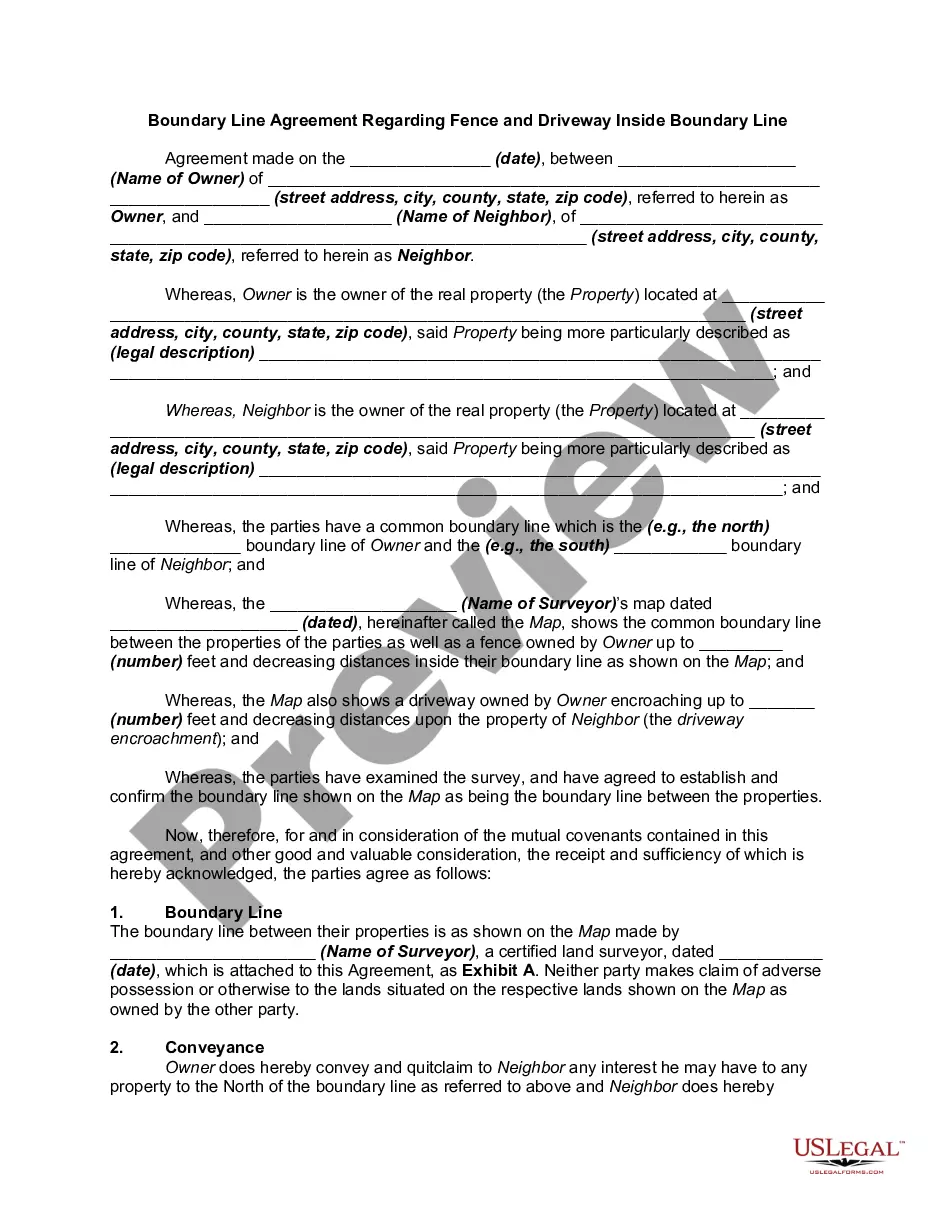
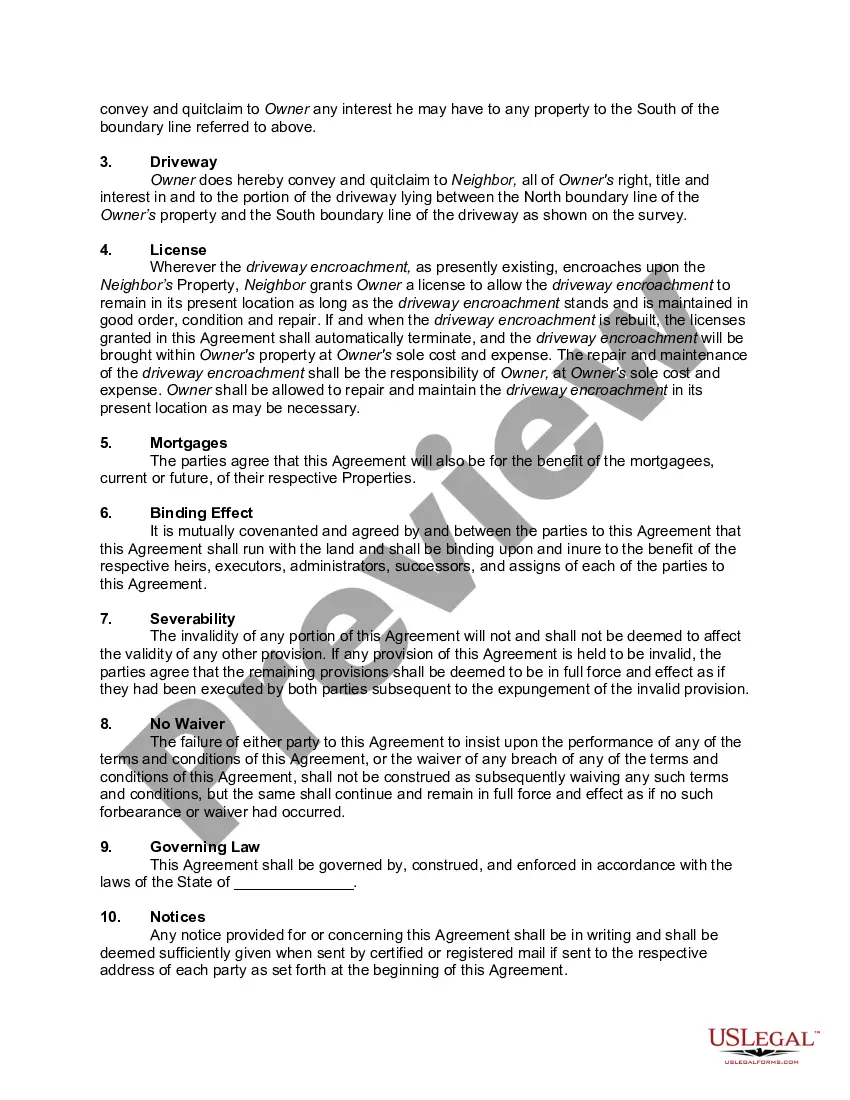
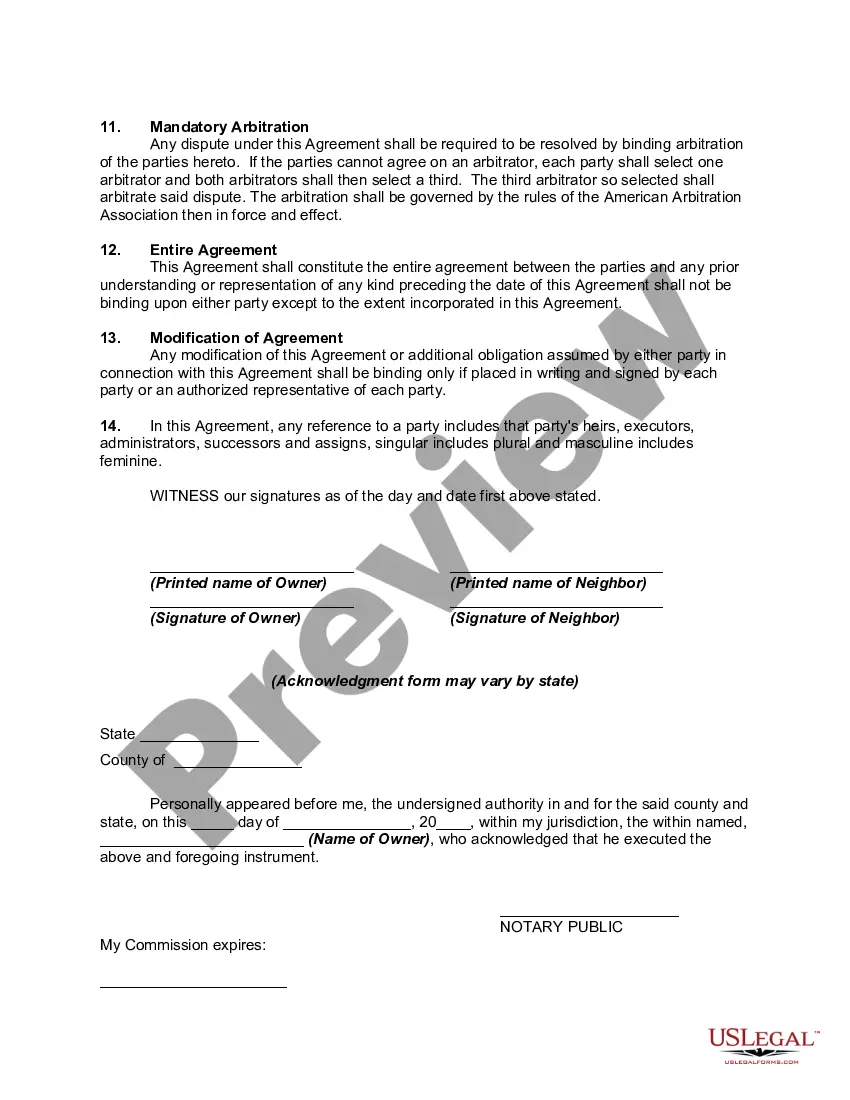
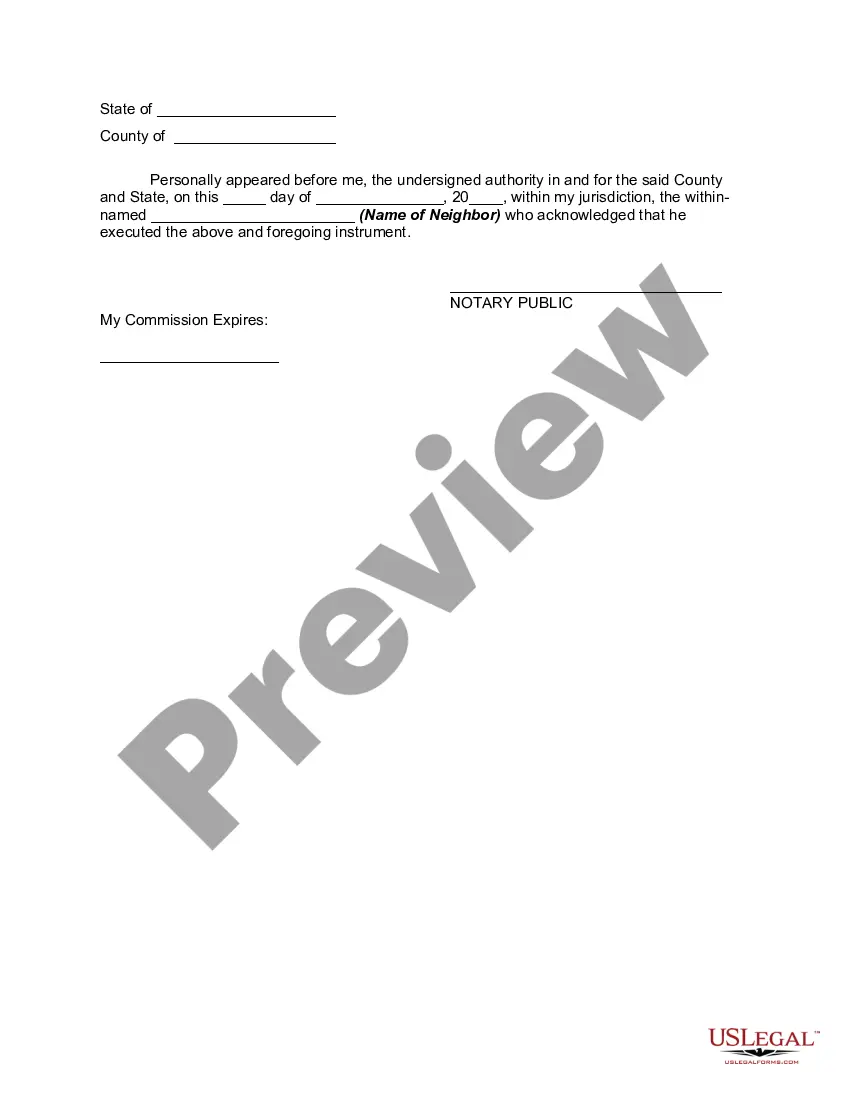
Harris Texas Boundary Line Agreement Regarding Fence and Driveway Inside Boundary Line
Description
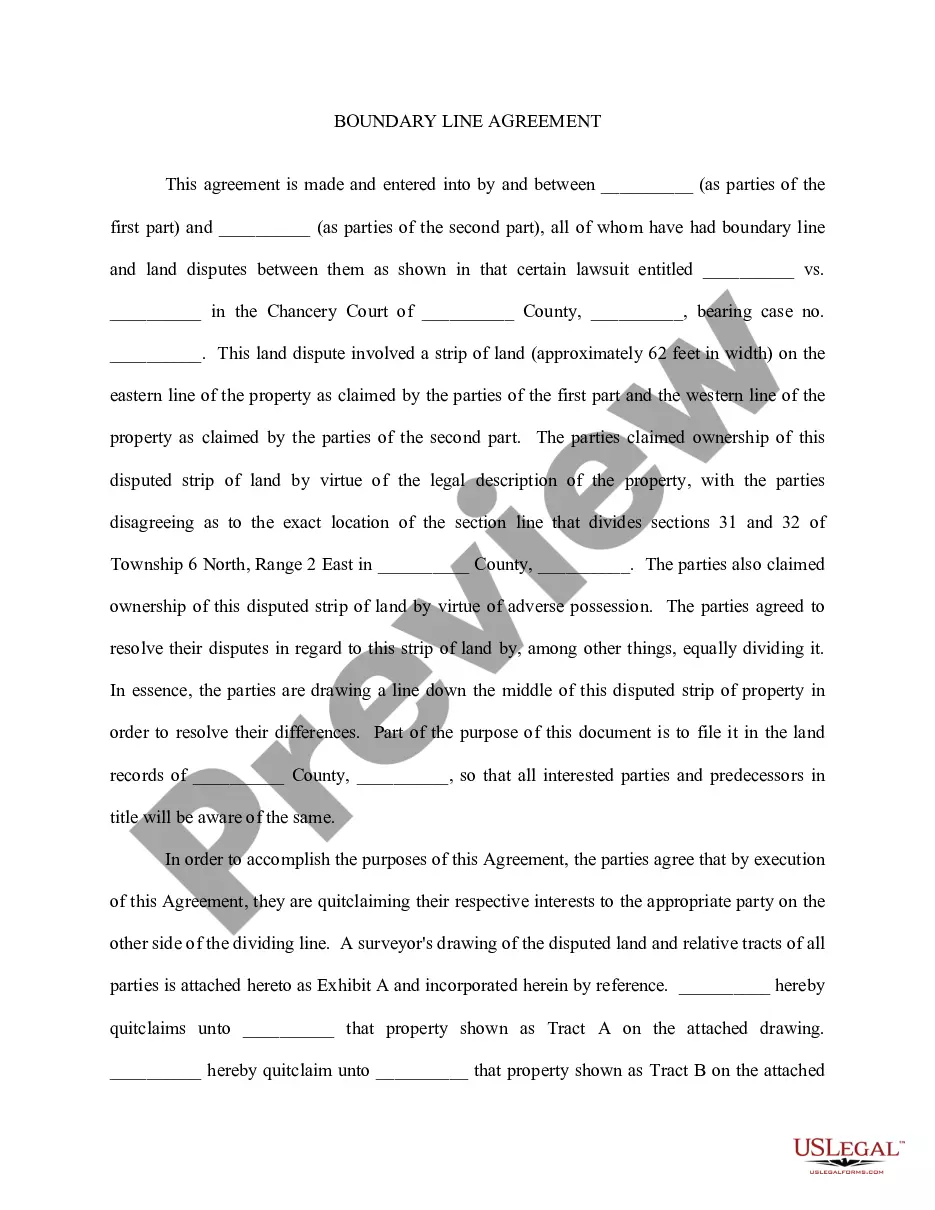
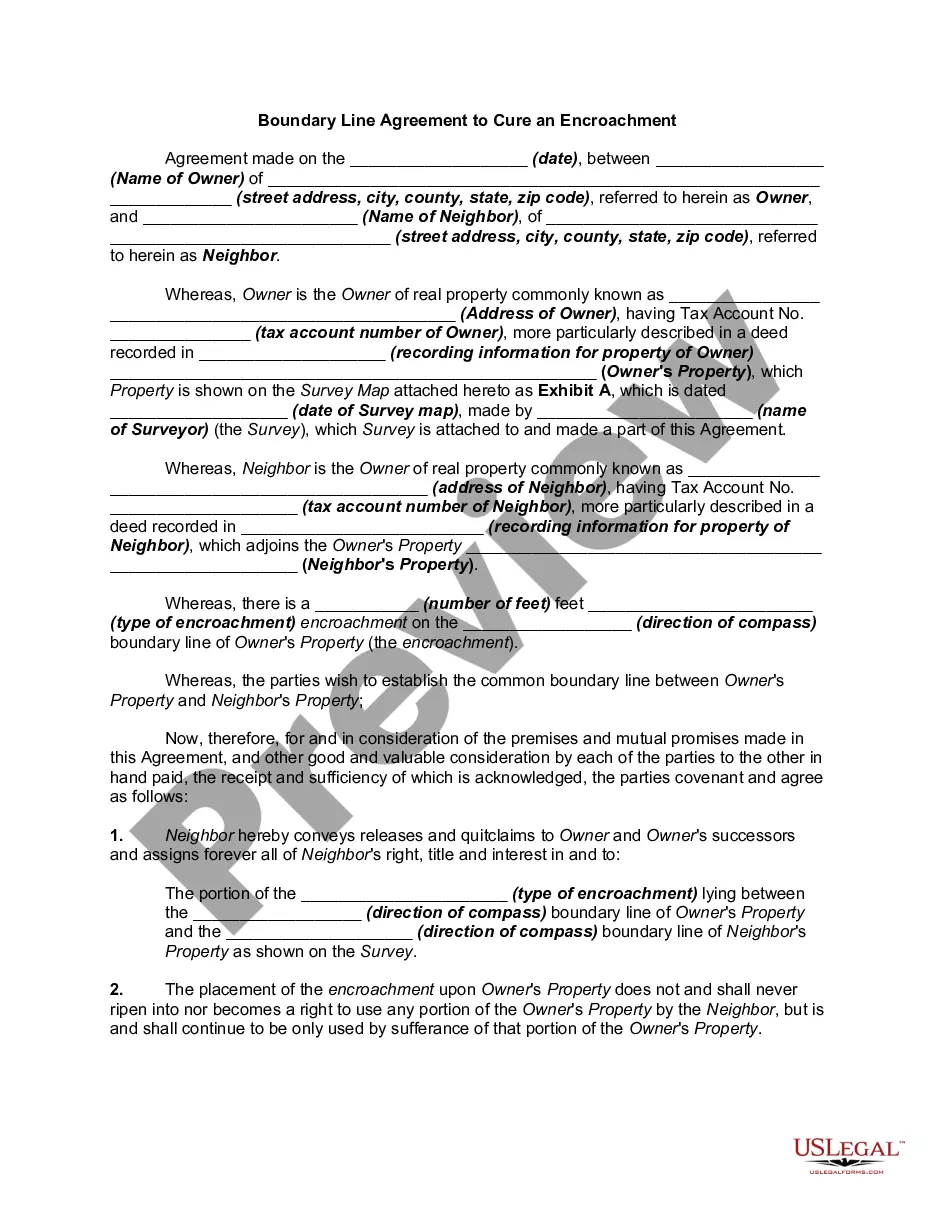
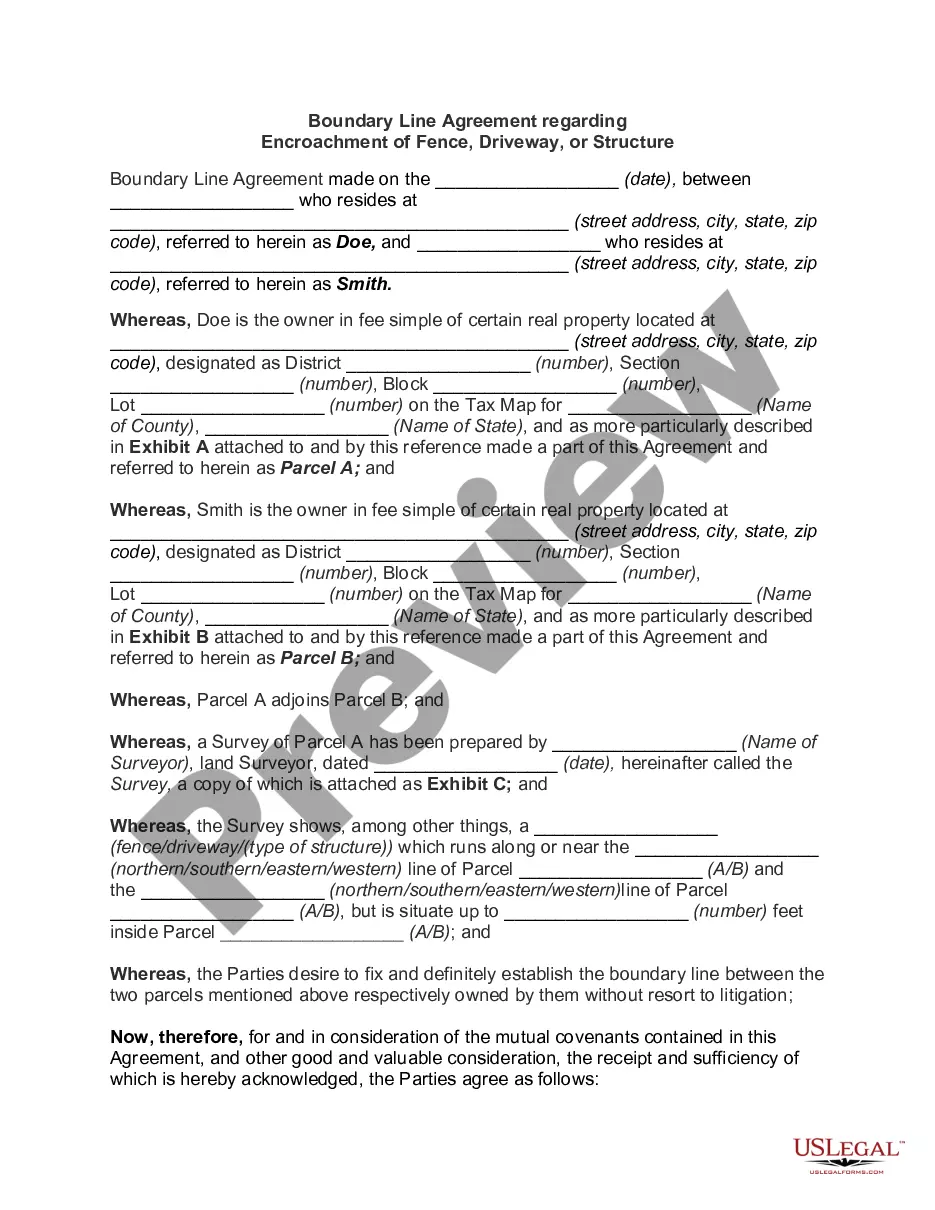
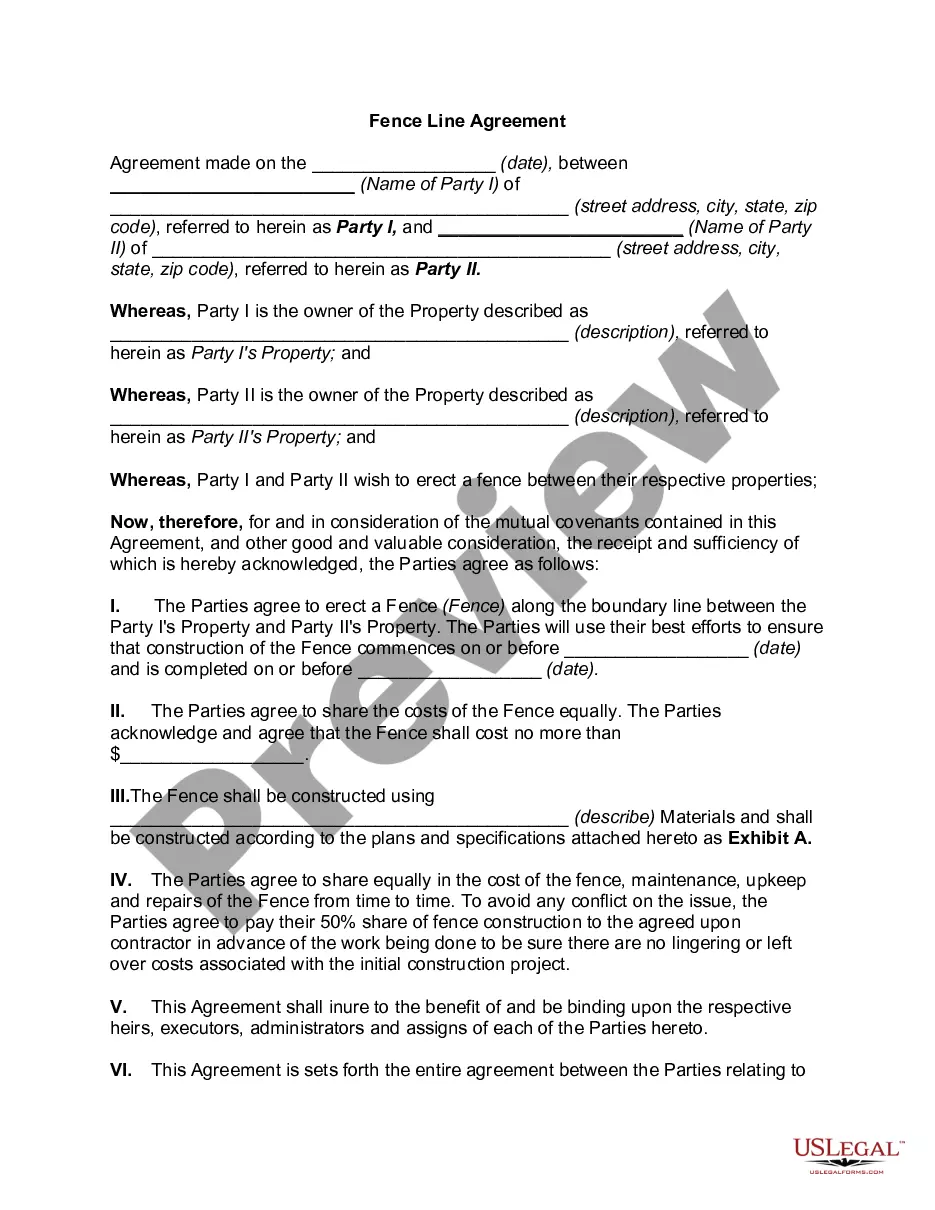
Get your form ready online
Our built-in tools help you complete, sign, share, and store your documents in one place.
Make edits, fill in missing information, and update formatting in US Legal Forms—just like you would in MS Word.
Download a copy, print it, send it by email, or mail it via USPS—whatever works best for your next step.
Sign and collect signatures with our SignNow integration. Send to multiple recipients, set reminders, and more. Go Premium to unlock E-Sign.
If this form requires notarization, complete it online through a secure video call—no need to meet a notary in person or wait for an appointment.
We protect your documents and personal data by following strict security and privacy standards.

Make edits, fill in missing information, and update formatting in US Legal Forms—just like you would in MS Word.

Download a copy, print it, send it by email, or mail it via USPS—whatever works best for your next step.

Sign and collect signatures with our SignNow integration. Send to multiple recipients, set reminders, and more. Go Premium to unlock E-Sign.

If this form requires notarization, complete it online through a secure video call—no need to meet a notary in person or wait for an appointment.

We protect your documents and personal data by following strict security and privacy standards.
Looking for another form?
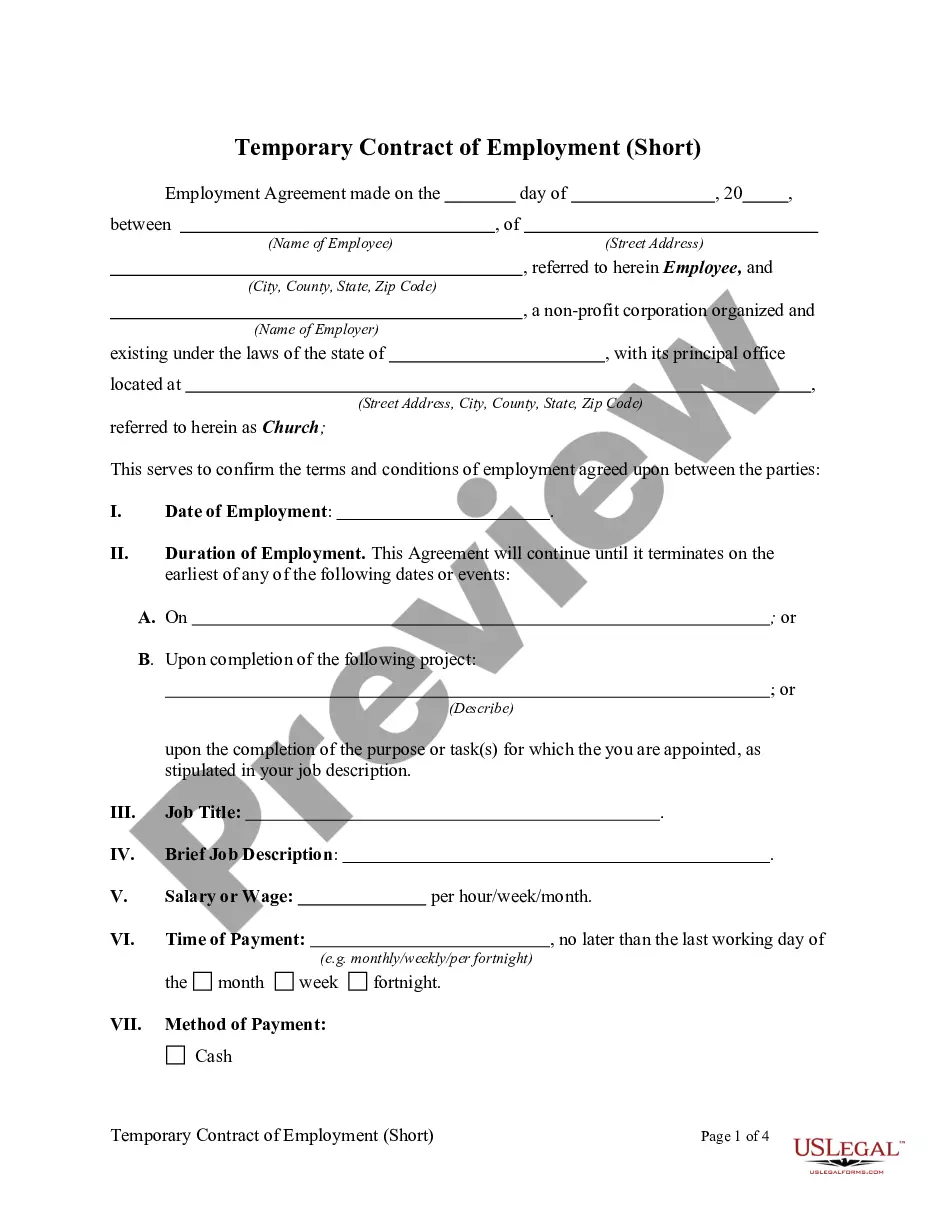
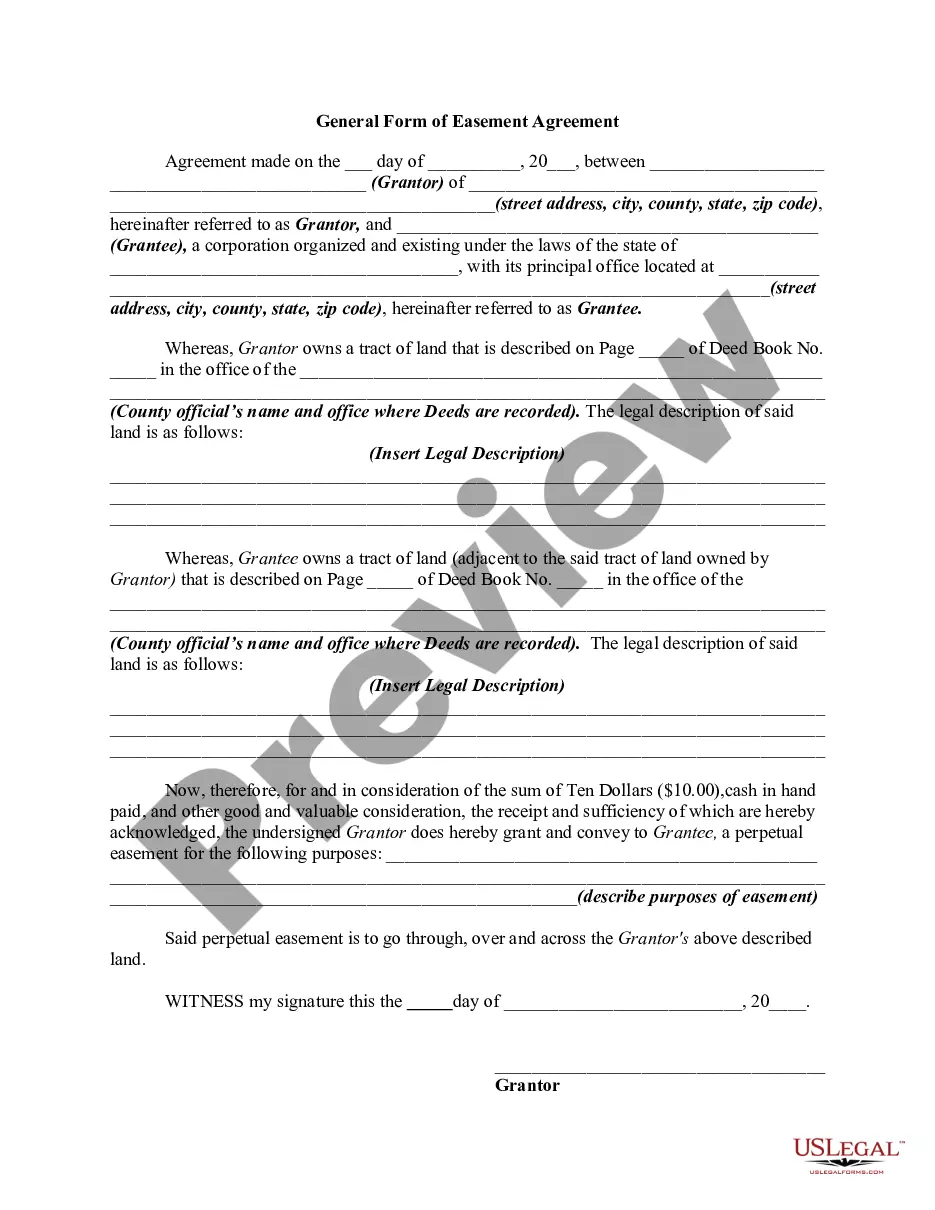
How to fill out Boundary Line Agreement Regarding Fence And Driveway Inside Boundary Line?
How long does it typically take you to create a legal document.
Since each state has its own statutes and regulations for various aspects of life, locating a Harris Boundary Line Agreement Concerning Fence and Driveway Within Boundary Line that meets all local standards can be exhausting, and commissioning it from a qualified attorney is frequently expensive.
Numerous online platforms provide the most sought-after state-specific templates for download, but utilizing the US Legal Forms library is the most beneficial.
Choose the subscription plan that best fits your needs. Sign up for an account on the platform or Log In to proceed to the payment methods. Make a payment via PayPal or with your credit card. Change the file format if necessary. Click Download to save the Harris Boundary Line Agreement Concerning Fence and Driveway Within Boundary Line. Print the document or use any preferred online editor to complete it electronically. Regardless of how many times you need to use the purchased form, you can find all the samples you’ve ever stored in your profile by accessing the My documents tab. Give it a try!
- US Legal Forms is the largest online repository of templates, categorized by state and usage area.
- In addition to the Harris Boundary Line Agreement Concerning Fence and Driveway Within Boundary Line, you can find any specific document necessary for managing your business or personal matters, adhering to your local standards.
- Experts verify all samples for their relevance, ensuring you can prepare your documents accurately.
- Using the service is quite straightforward.
- If you already possess an account on the platform and your subscription is active, you just need to Log In, select the desired form, and download it.
- You can save the file in your profile at any future time.
- Alternatively, if you are new to the platform, there will be a few additional steps needed before you acquire your Harris Boundary Line Agreement Concerning Fence and Driveway Within Boundary Line.
- Examine the content of the page you’re currently on.
- Review the description of the sample or Preview it (if accessible).
- Search for another form using the related option in the header.
- Press Buy Now when you are confident in your selected file.
Form popularity
FAQ
In Texas, you can generally build a fence right on the property line, but local ordinances may vary. Checking with your local zoning office can provide specifics for your area. A Harris Texas Boundary Line Agreement Regarding Fence and Driveway Inside Boundary Line can help you and your neighbor agree upon the exact placement, ensuring compliance with local laws.
Here's a quick look at a few. How far should a shed be placed from property lines? You typically can't build a shed within 10 feet of the rear property line and 15 feet from a side property line. There should be sufficient room between your shed and your neighbor's yard.
Usually 5 feet minimum. You need to check with your local government building codes, but in most normal neighborhoods the side setback is five feet. There are also some neighborhoods here that do not allow buildings that close to the property line 10 feet from the side property line for example.
The building distance limit depends on the structure you intend on building. It usually ranges between five to 15 feet. It is important to communicate property boundaries with your neighbor before beginning any permanent or semi-permanent projects, due to the risk of township or county penalties.
The short answer to this question is, of course, no. If you own the fence and you have not granted your neighbour permission to do so, they are not allowed to attach or nail things to your fence.
It's simple: you can only do this if your neighbour says you can. If you lean something against or hang something on your neighbour's fence without permission and the extra burden on the panels causes damage to the fencing (which is very likely to happen sooner or later), you will have to pay for the repairs.
In most areas, fences can be installed between 2-8 inches from the boundary line. However, some areas may allow you to build right up to the property line.
Typically, fences are installed anywhere from 2 to 8 inches from a property line in most areas. Some areas might allow to go right up to a property line, especially if you live in an urban row house where every inch makes a difference!
California law presumes that a fence located directly on the property line benefits both homeowners equally. As such, the law states that both homeowners are equally responsible for costs associated with repair and maintenance. The costs involved must be 'reasonable,' and backed up by evidence of their need.
Yes. Yes, you can build next to your neighbour's fence. As long as you're inside your property line you're fine.