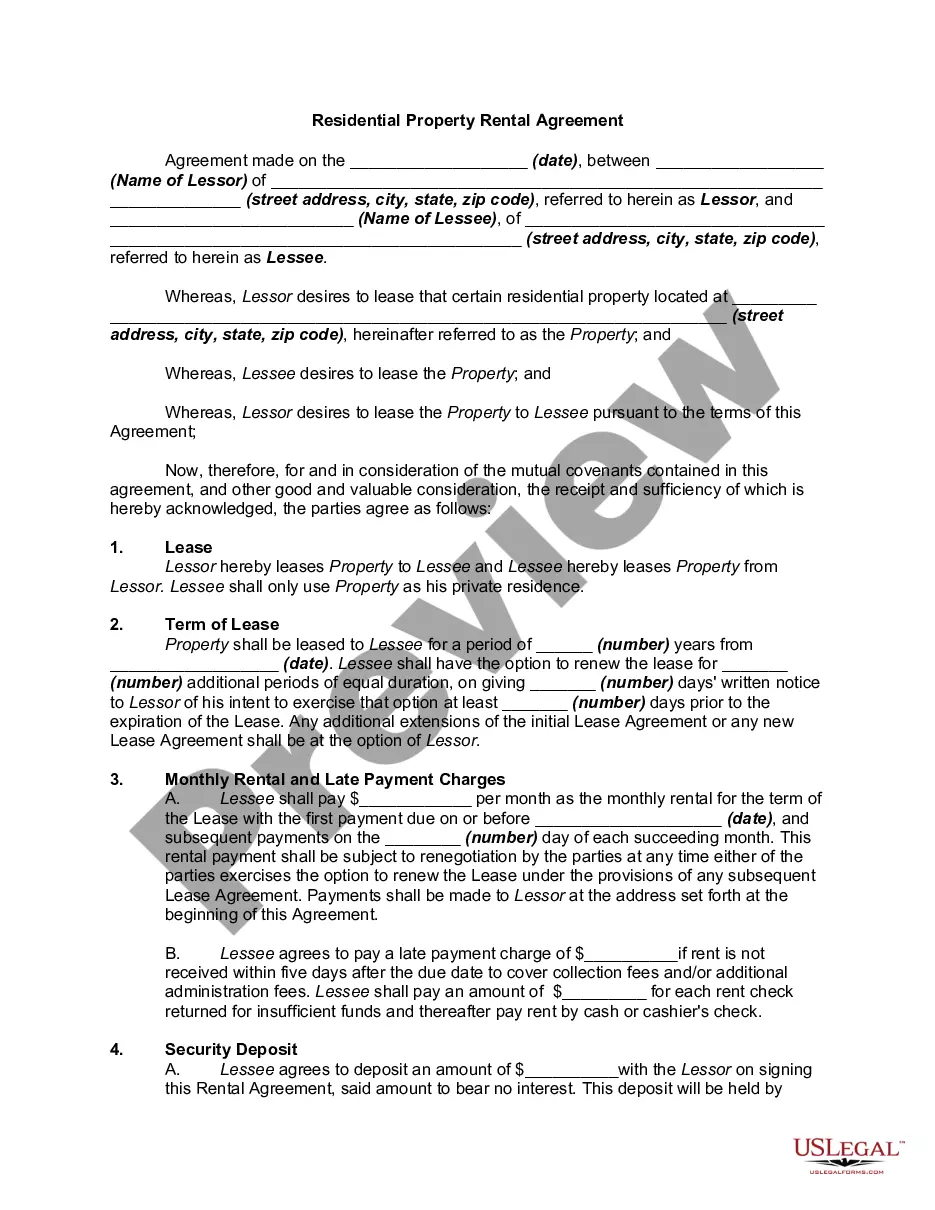
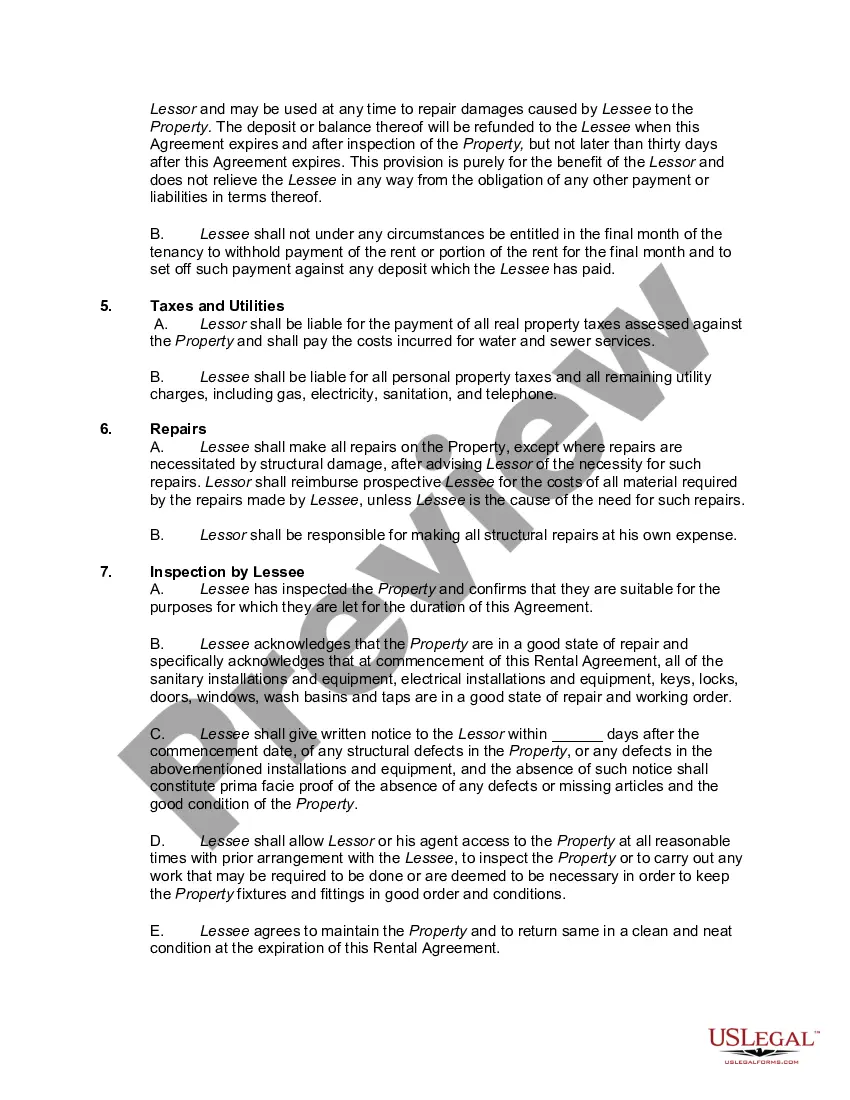
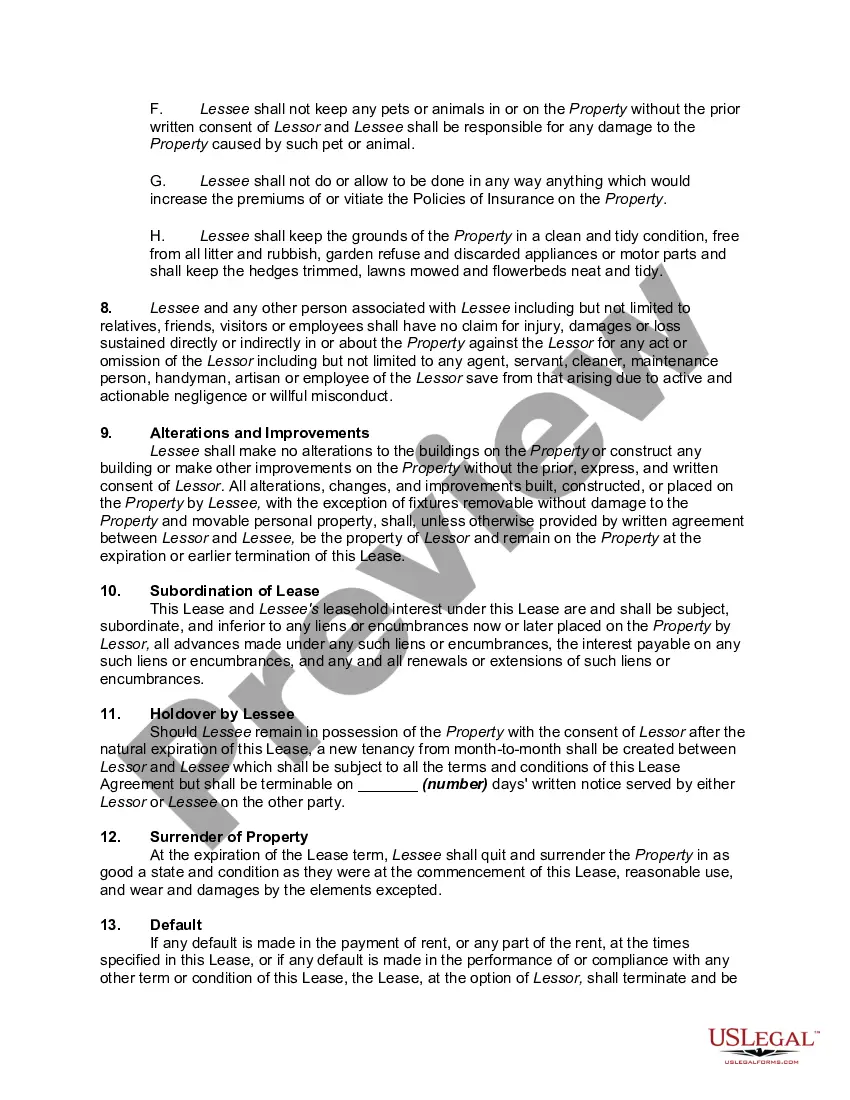
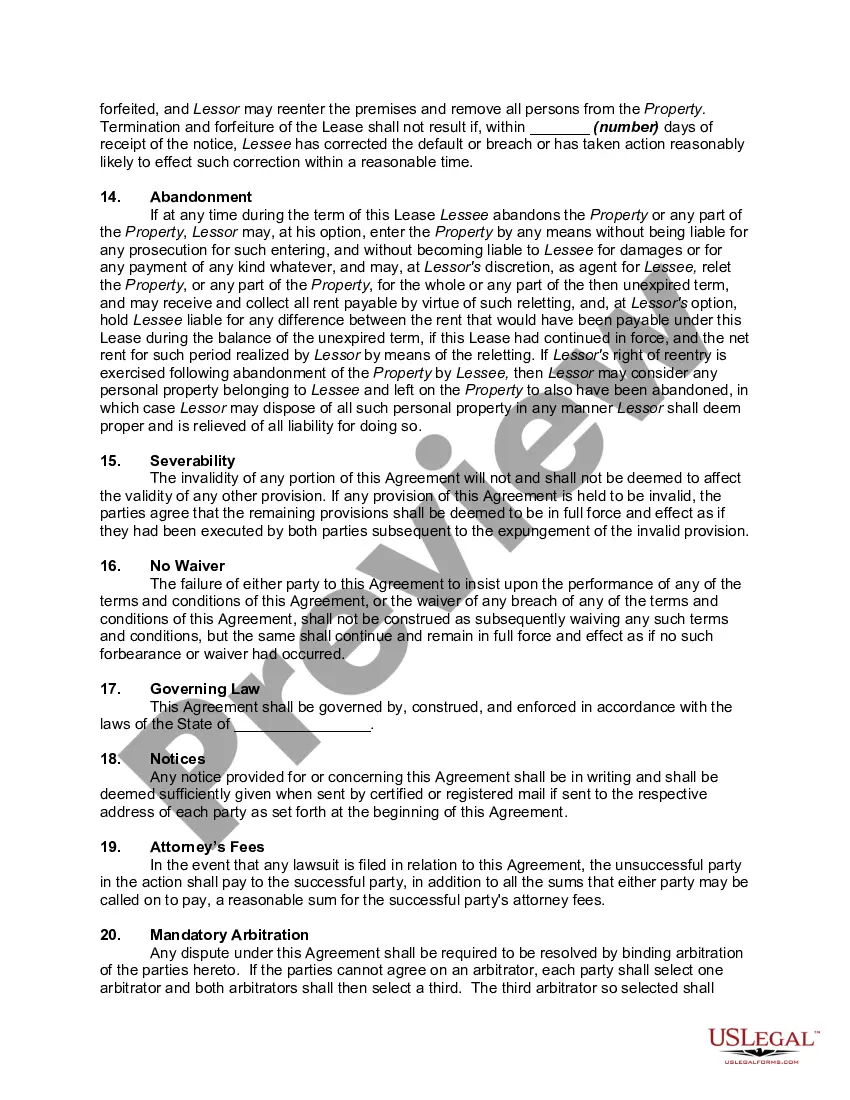
Collin Texas Residential Property Rental Agreement
Description
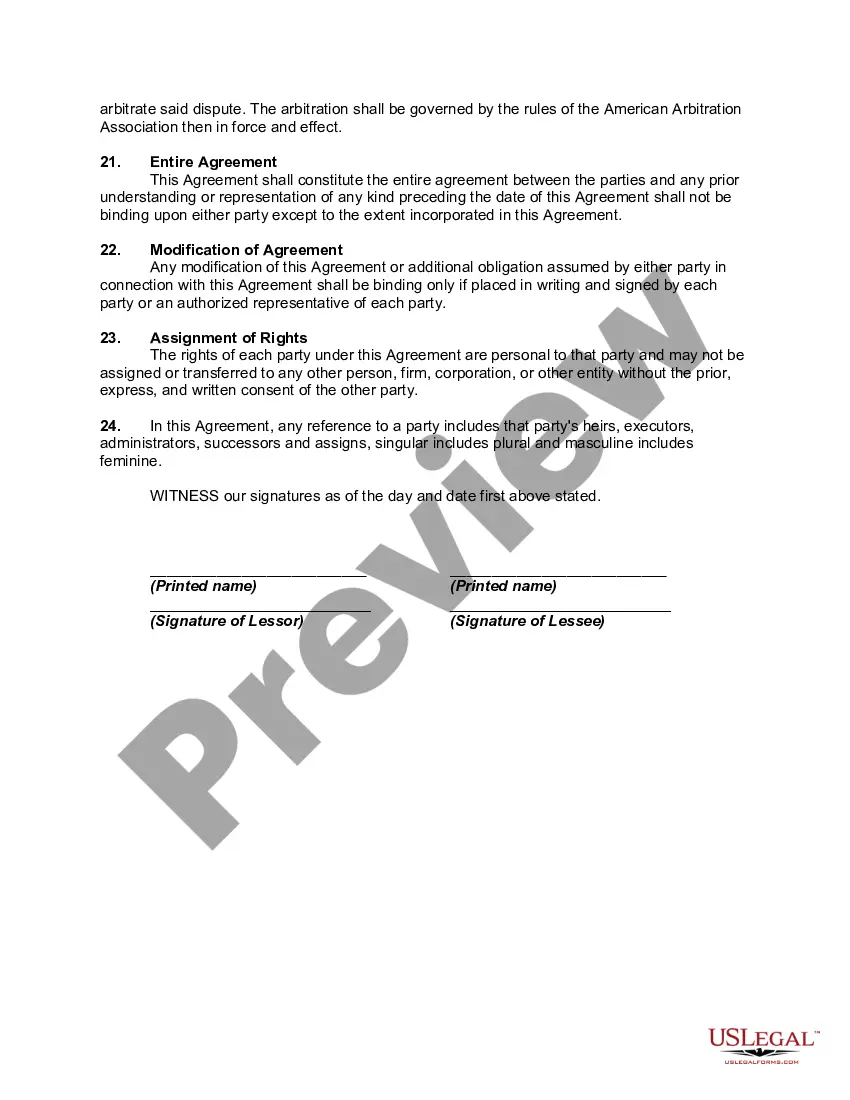
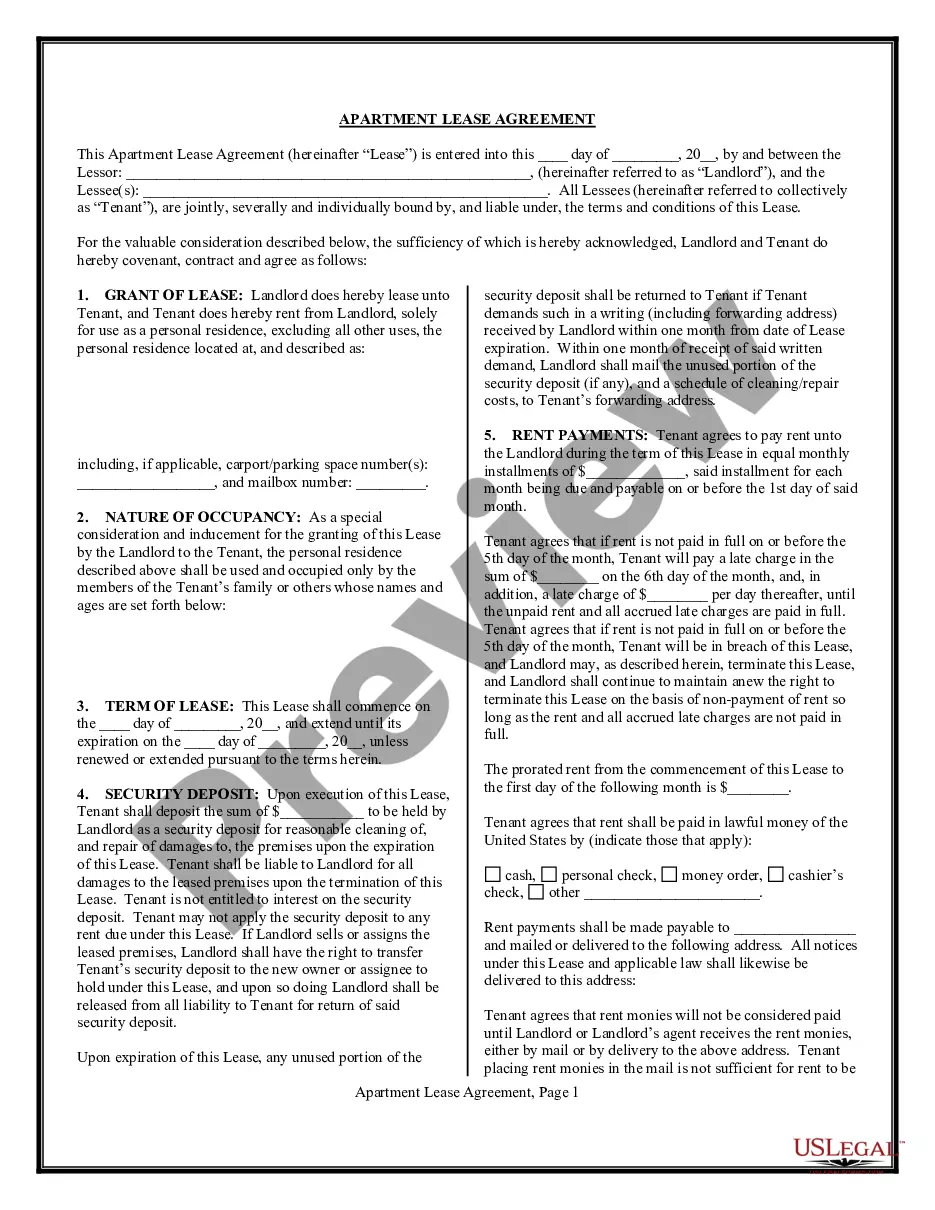
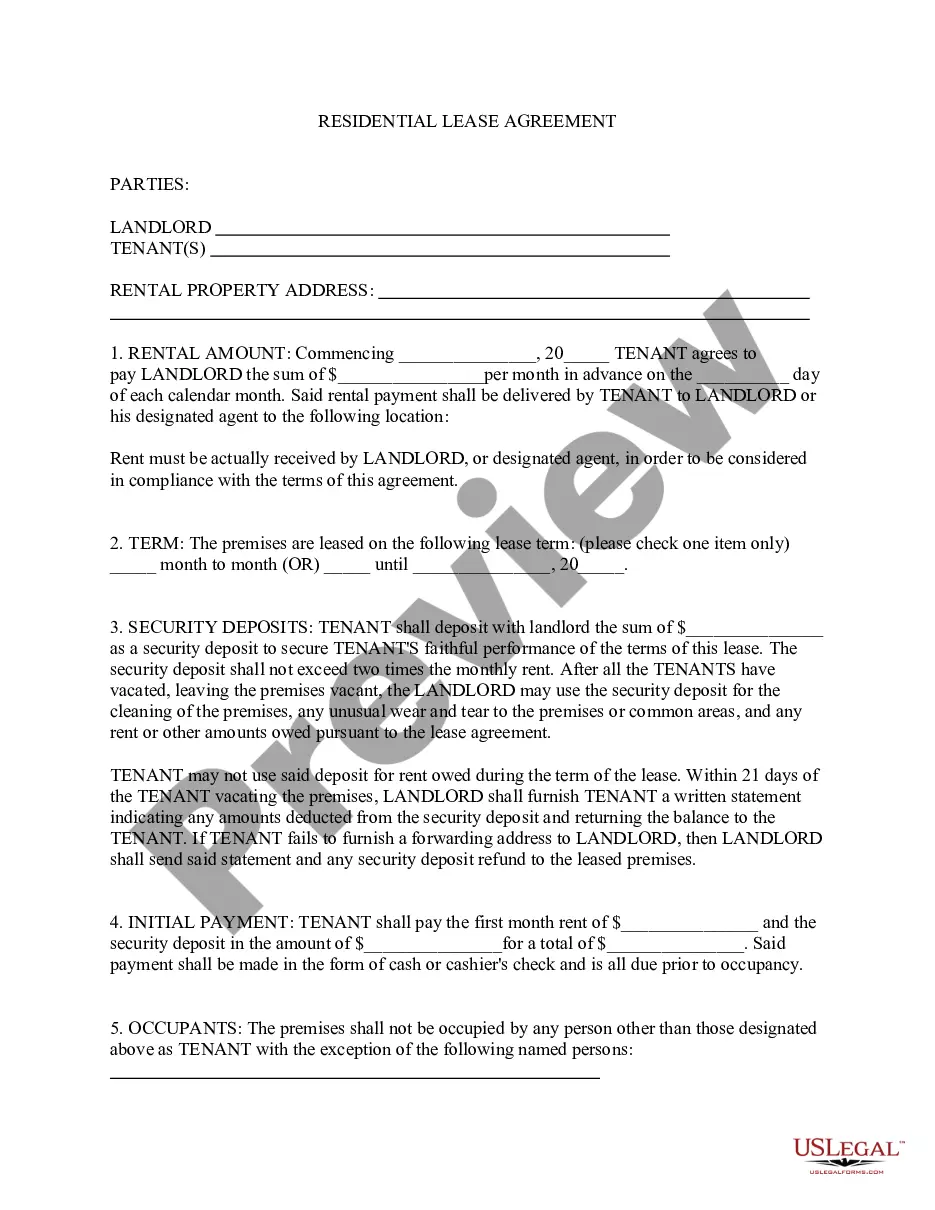
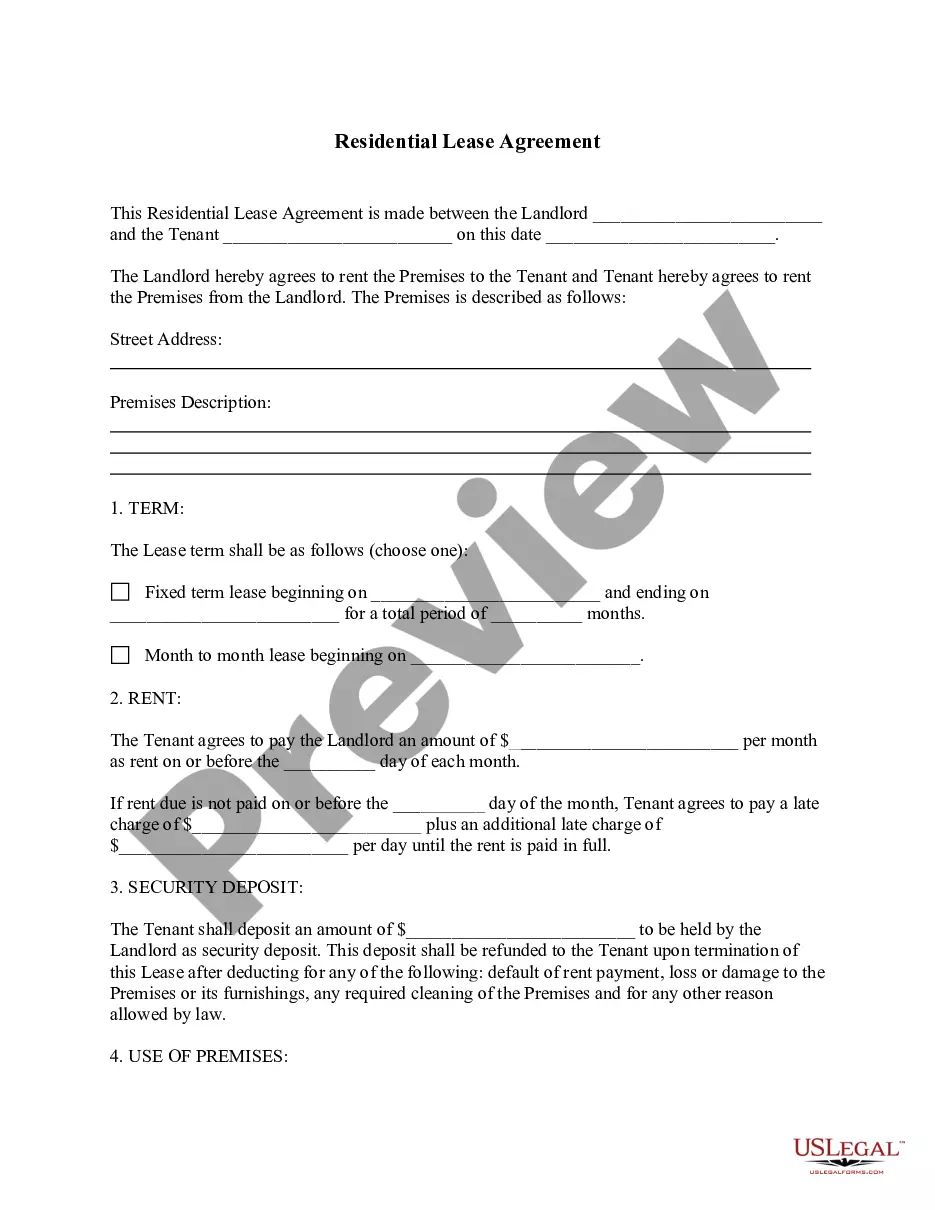
Get your form ready online
Our built-in tools help you complete, sign, share, and store your documents in one place.
Make edits, fill in missing information, and update formatting in US Legal Forms—just like you would in MS Word.
Download a copy, print it, send it by email, or mail it via USPS—whatever works best for your next step.
Sign and collect signatures with our SignNow integration. Send to multiple recipients, set reminders, and more. Go Premium to unlock E-Sign.
If this form requires notarization, complete it online through a secure video call—no need to meet a notary in person or wait for an appointment.
We protect your documents and personal data by following strict security and privacy standards.

Make edits, fill in missing information, and update formatting in US Legal Forms—just like you would in MS Word.

Download a copy, print it, send it by email, or mail it via USPS—whatever works best for your next step.

Sign and collect signatures with our SignNow integration. Send to multiple recipients, set reminders, and more. Go Premium to unlock E-Sign.

If this form requires notarization, complete it online through a secure video call—no need to meet a notary in person or wait for an appointment.

We protect your documents and personal data by following strict security and privacy standards.
Looking for another form?
How to fill out Residential Property Rental Agreement?
Regardless of whether you plan to establish your enterprise, engage in a transaction, request an ID update, or address familial legal matters, it is essential to prepare specific documentation that complies with your local laws and regulations.
Locating the appropriate documents may require significant time and effort unless you utilize the US Legal Forms library.
The platform delivers users over 85,000 expertly drafted and validated legal documents for any personal or business situation. All files are organized by state and purpose, making it simple and easy to select a copy such as the Collin Residential Property Rental Agreement.
Documents available on our site are reusable. With an active subscription, you can access all your previously acquired paperwork whenever required in the My documents section of your profile. Stop squandering time on a never-ending search for current formal documentation. Register for the US Legal Forms platform and organize your paperwork with the most extensive online form library!
- Ensure the template meets your personal requirements and state law regulations.
- Examine the form description and review the Preview if available on the page.
- Use the search bar provided for your state above to find another document.
- Press Buy Now to acquire the template once you discover the appropriate one.
- Select the subscription plan that best fits your needs to proceed.
- Log in to your account and settle the payment using a credit card or PayPal.
- Download the Collin Residential Property Rental Agreement in your preferred file format.
- Print the document or fill it out and sign it electronically via an online editor to save time.
Form popularity
FAQ
Your landlord in Texas has a maximum of seven days to make a serious repairless if it has to do with heat, running water, sewage, broken pipes, or flooding. If you live in Texas, state law gives your landlord a maximum of seven days to address a repair after you've notified them of the issue using certified mail.
Renters are seeing their housing costs jump as population increases, strict zoning regulations and rising home sales push up rent prices.
There is not a statewide law that places limits on how much a landlord can increase the rent when a lease is renewed. In fact, Texas law only allows cities to establish local rent control ordinances in certain cases.
Can my landlord increase my rent now that the public health emergency has ended? No. Rent increases cannot occur until after December 31, 2021. Landlords must provide a minimum of a 30-day notice before a rent increase can occur, so higher rent cannot be charged until February 2022.
The right to "quiet enjoyment" of your home. This means your landlord cannot evict you without proper cause (most commonly nonpayment of rent) or otherwise disturb your right to live in peace and quiet. Your landlord must also protect you from any wrongful actions taken by other tenants.
The law requires your landlord to repair conditions that affect the physical health and safety of ordinary tenants. These could include things like roaches, rats, sewage leaks, roof leaks, faulty electrical wiring, and normal wear and tear to the unit (such as ripped carpeting or broken flooring).
CDC's Order Halting Evictions On August 3, 2021, the Centers for Disease Control and Prevention (CDC) issued an Order preventing many residential tenants from being evicted for nonpayment of rent. Note This Order was struck down by the Supreme Court PDF on August 26, 2021. Read the Order itself along with FAQs.
Texas Law. This section of the Texas Property Code discusses repair and deduct remedies for tenants if the landlord is liable to the tenant under Section 92.056(b). This section states that a landlord cannot waive their responsibility to repair conditions that affect a tenant's health or safety.
The Condition, Maintenance, and Repairs Maintenance is a major landlord responsibility. Hence, a landlord needs to keep the unit habitable and fix any damage caused by normal wear and tear by: Ensuring that electrical, lighting and plumbing are in excellent condition.