Minneapolis Minnesota Sample EMail Policy
Description



Form popularity
FAQ
Government email addresses generally follow a specific format that ensures consistency and reliability. In most cases, they include the employee's first initial followed by their last name, and then the domain for the agency. By adhering to the guidelines in the Minneapolis Minnesota Sample Email Policy, you can ensure that your correspondence reaches the intended recipients without delay.
The format of an official email typically includes a clear subject line, a formal greeting, a concise body, and a professional closing. It's important to maintain clarity and purpose throughout your message. Utilizing the Minneapolis Minnesota Sample Email Policy as a guide can help you structure your emails appropriately and effectively convey your message.
Yes, you can email a Minnesota Department of Corrections employee, but it's essential to follow established guidelines. Ensure that your communication aligns with the Minneapolis Minnesota Sample Email Policy to maintain professionalism and respect. Adhering to these guidelines fosters effective communication and strengthens your relationship with public sector employees.
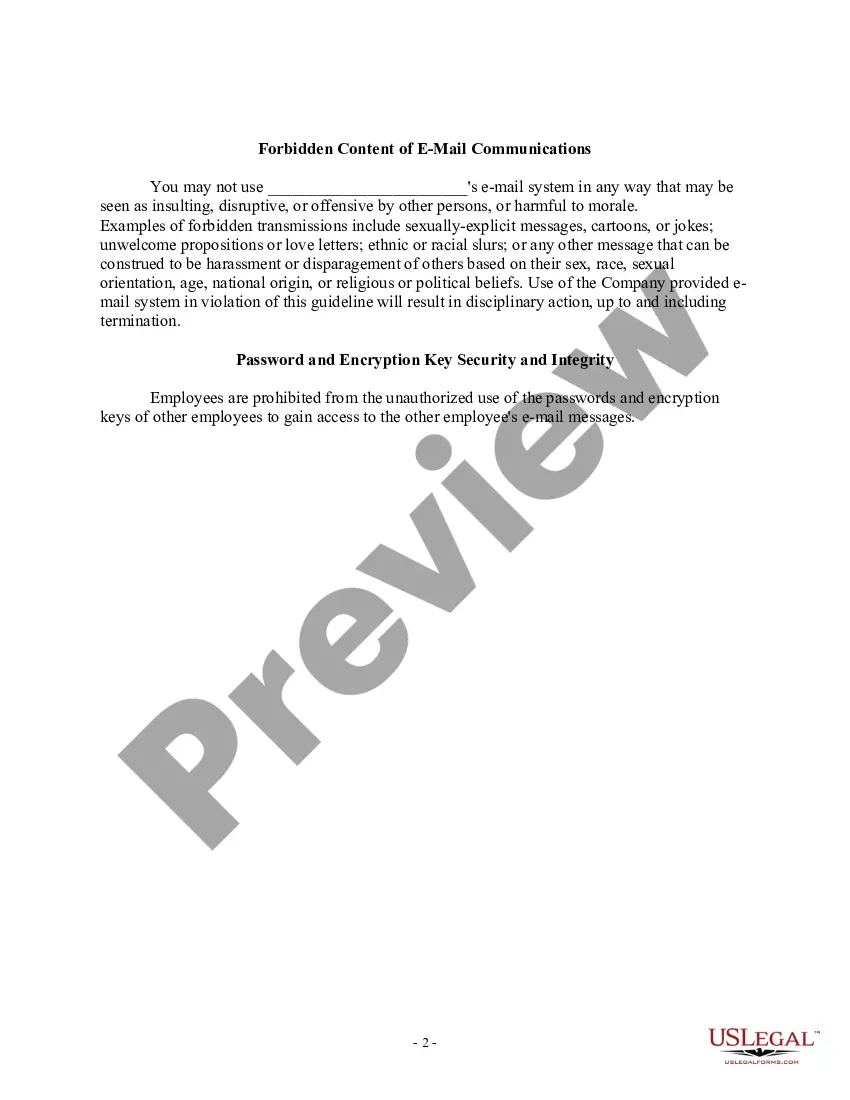
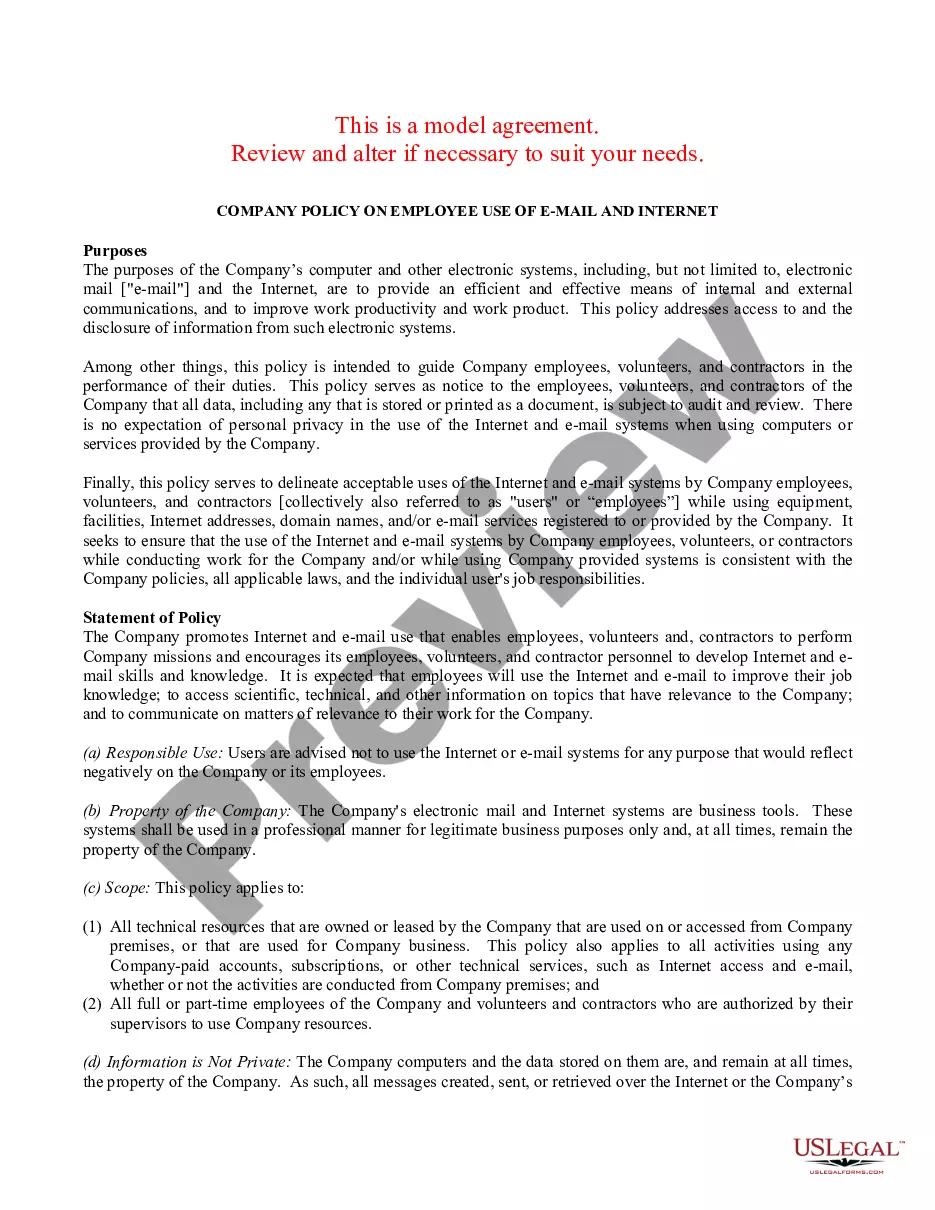
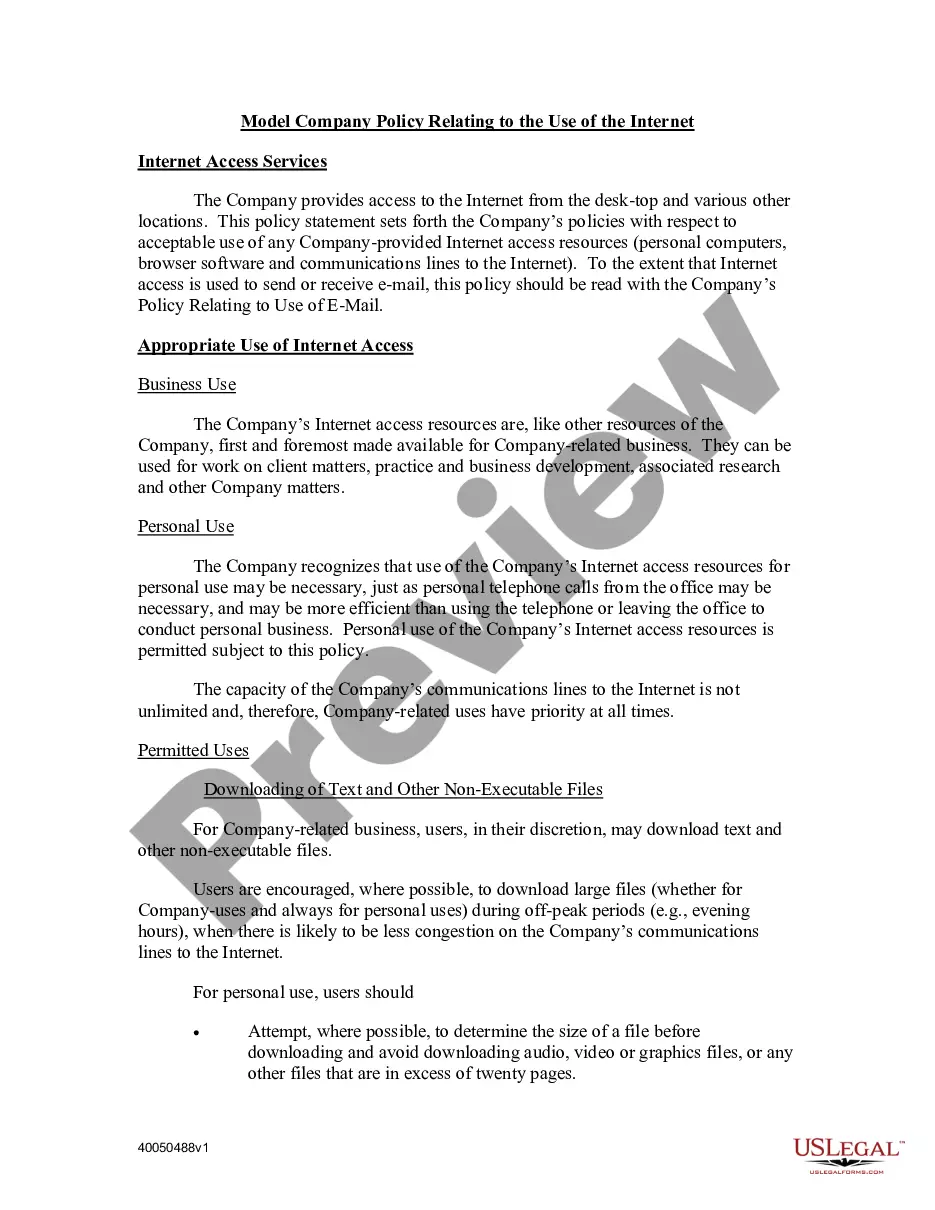
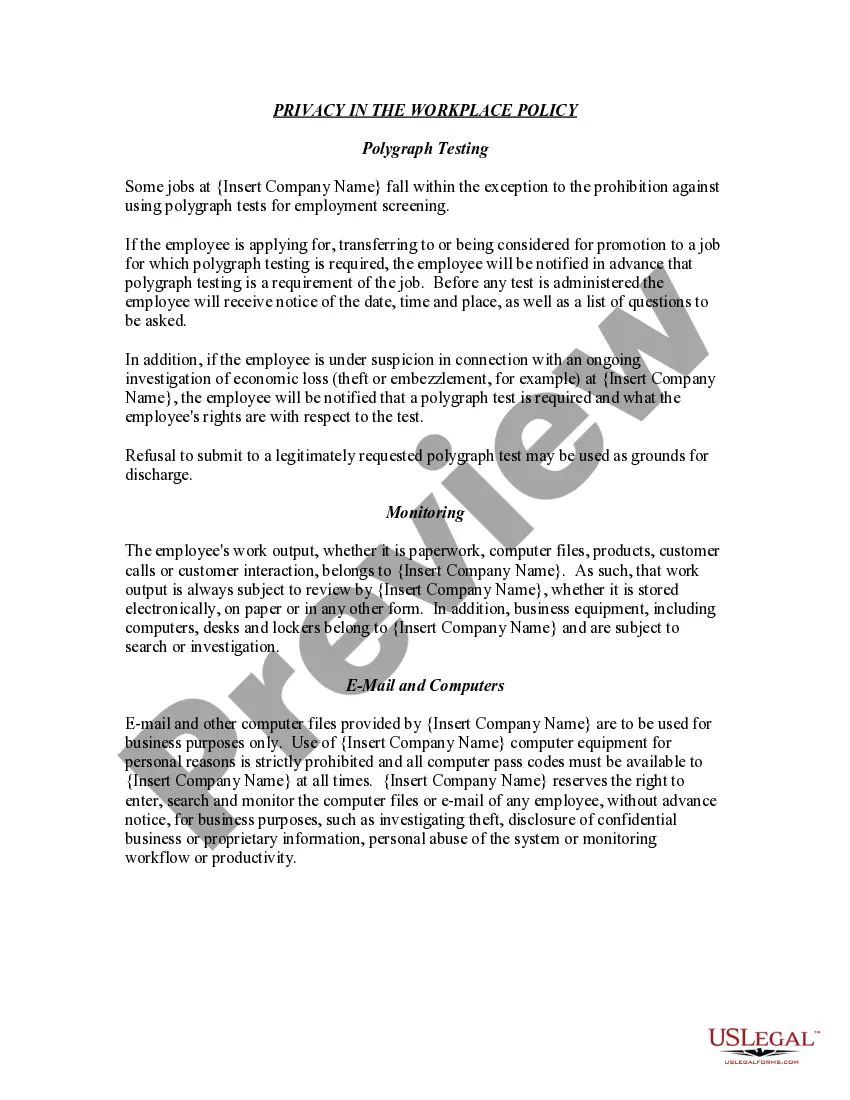
An acceptable use policy for emails defines how employees should engage with email communication. This policy should cover topics such as prohibited content, privacy expectations, and security practices. By following the Minneapolis Minnesota Sample Email Policy, your organization can ensure that all employees understand their responsibilities and the consequences of misuse.
Creating an email policy begins with identifying your organization's communication goals. You should consider guidelines for appropriate content, security measures, and usage protocols. The Minneapolis Minnesota Sample Email Policy provides a framework to help you draft a comprehensive policy that meets your specific needs.
The official email address serves as a primary point of communication for your organization. In Minneapolis, Minnesota, the sample email policy outlines how to format and use this address correctly. Ensuring consistency and professionalism in your communication helps maintain your organization's credibility.
An acceptable use policy for email sets clear expectations for how employees should use email services within the organization. It generally includes guidelines on acceptable content, prohibited activities, and security measures to protect sensitive information. By implementing a well-defined policy, you not only safeguard your organization but also promote a professional work environment. The Minneapolis Minnesota Sample Email Policy can serve as a valuable reference to help you establish these guidelines.
Creating an email policy involves identifying the goals and requirements of your organization, as well as legal and compliance considerations. Start by outlining acceptable behavior, security protocols, and procedures for handling sensitive information. Utilizing a template like the Minneapolis Minnesota Sample Email Policy can streamline this process, ensuring that you cover all necessary aspects effectively. This approach allows you to create a comprehensive policy that meets your organization's needs.
An example of an email policy includes guidelines on appropriate use, security measures, and retention practices. For instance, the policy may state that emails should be used for work-related communications and prohibit sharing sensitive information without proper encryption. To discover more about crafting your own policy, consider the Minneapolis Minnesota Sample Email Policy as a helpful resource. It provides a framework that can simplify the process of drafting your own policy.
In Minnesota, the standard email format typically follows the structure of firstname.lastname@company. This format ensures clarity and professionalism in business communications. If you seek guidance on creating a compliant email format, you can reference the Minneapolis Minnesota Sample Email Policy for best practices. This sample policy can help you align your email format with local standards.