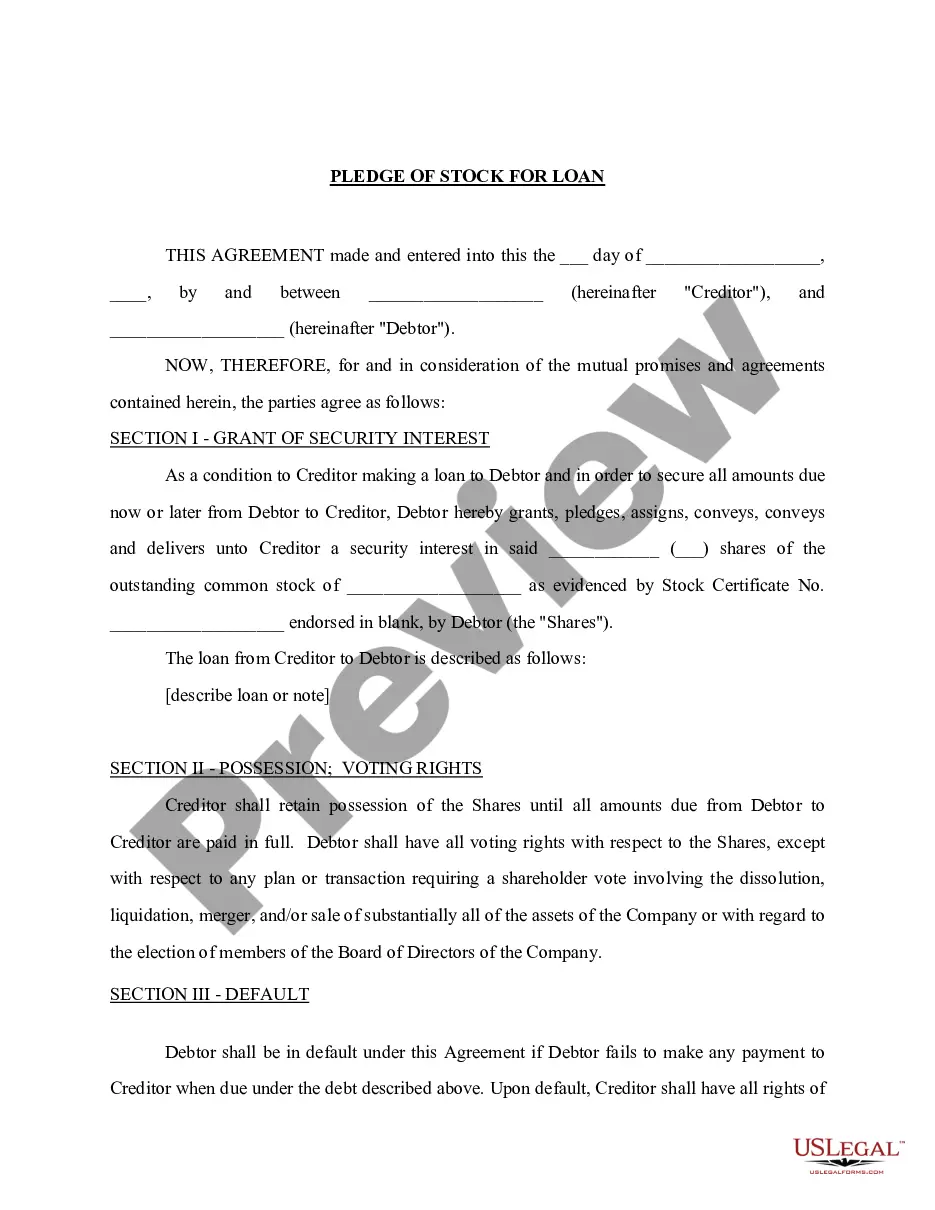
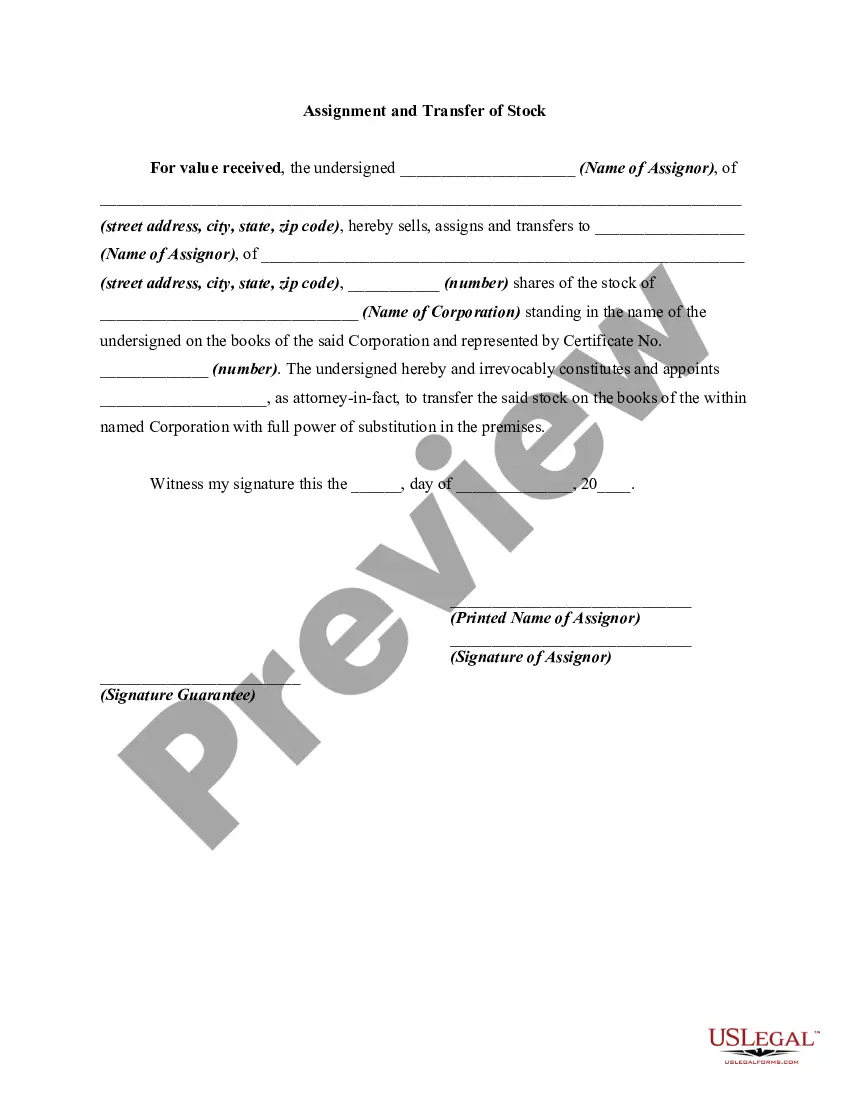
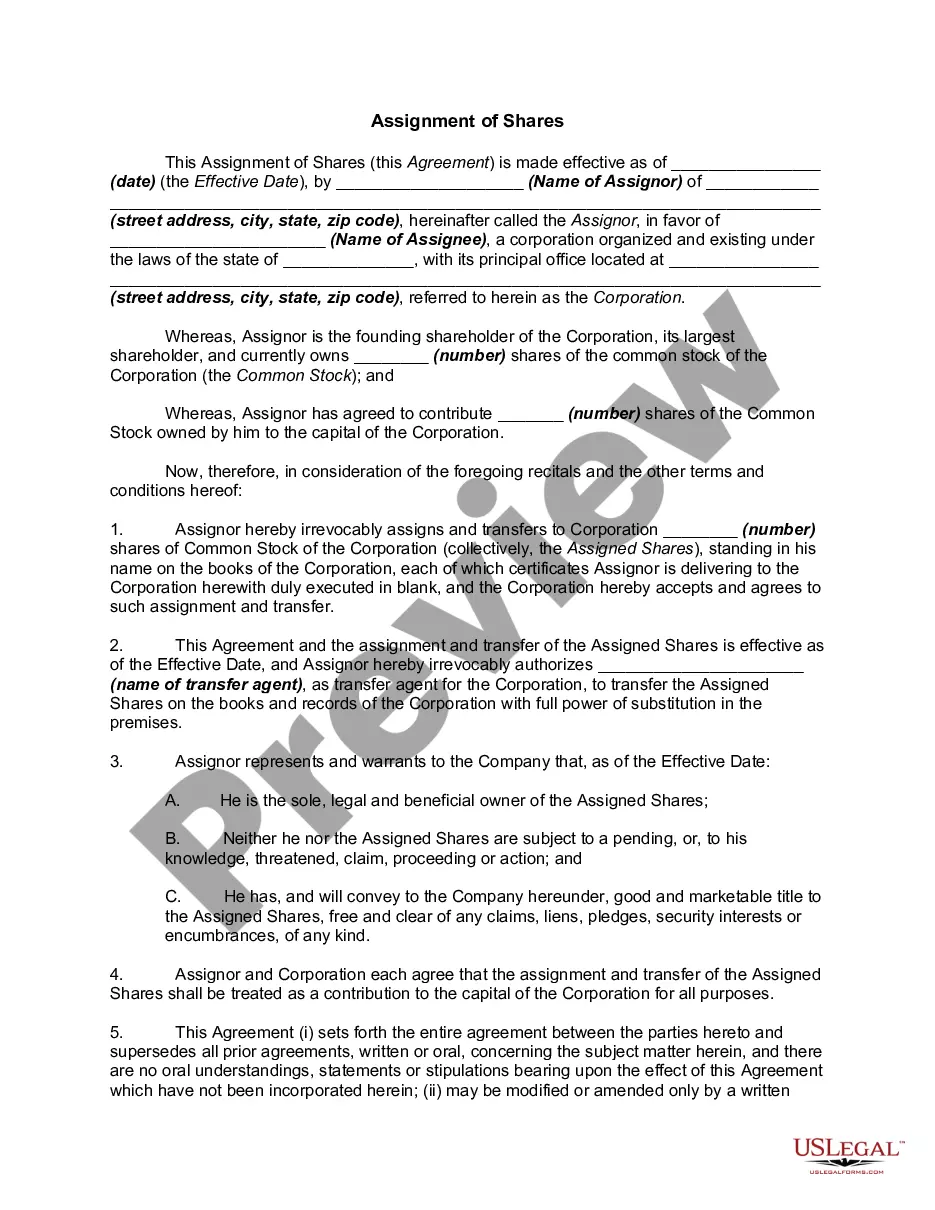
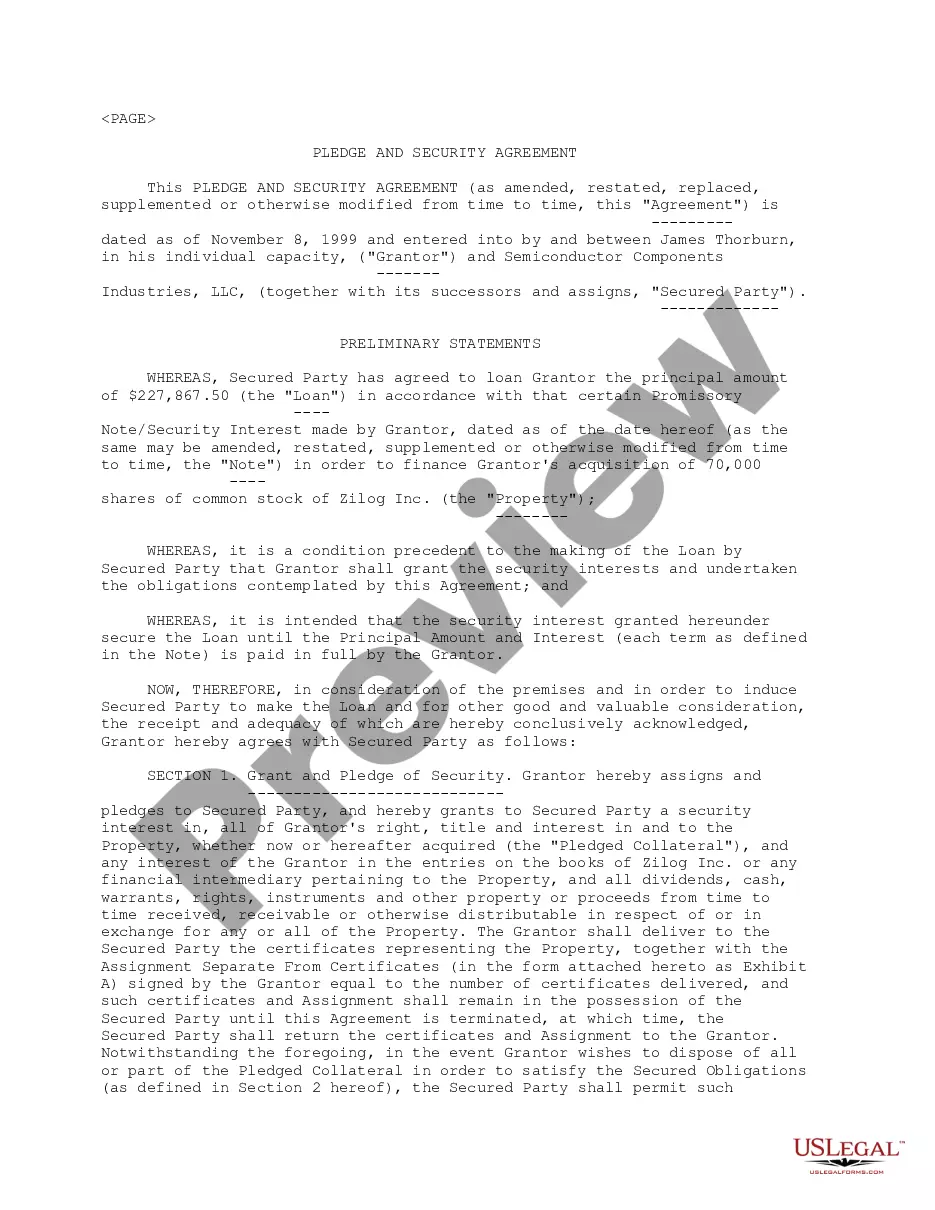
Austin Texas Pledge of Shares of Stock
Description
Form popularity
FAQ
Rule 504 and Rule 506 differ mainly in the amount of funds that can be raised and the type of investors involved. Rule 504 permits companies to raise up to $10 million within 12 months, while Rule 506 has no cap on the amount raised but restricts participation to accredited investors. If you are exploring an Austin Texas Pledge of Shares of Stock, understanding these differences can guide your fundraising strategy. Consider using uslegalforms to ensure your compliance with these rules and optimize your investment opportunities.
The key difference between rule 506 B and rule 506 C lies in the way companies can solicit investors. Rule 506 B allows for general solicitation only if the investors are pre-existing relationships, while rule 506 C permits general solicitation to the public, provided all investors are accredited. If you're considering an Austin Texas Pledge of Shares of Stock, knowing these distinctions can help you choose the right path for your fundraising efforts. Utilizing uslegalforms can further streamline your compliance with these regulations.
Rule 506 in Texas allows companies to raise unlimited funds from accredited investors, providing flexibility for businesses. This rule is vital for those looking to use an Austin Texas Pledge of Shares of Stock as part of their investment strategy. It offers companies the ability to solicit investments without going through the lengthy process of registering securities. Understanding this rule can help you navigate the investment landscape more effectively.
The rule 506 notice filing in Texas is a requirement for companies seeking to raise funds through private placements. This filing notifies the Texas State Securities Board about the offering of securities, including an Austin Texas Pledge of Shares of Stock. By complying with this rule, businesses can ensure they meet legal requirements while attracting potential investors. Using platforms like uslegalforms can simplify the filing process to ensure you meet all necessary regulations.
The pooled collateral program in Texas allows multiple borrowers to combine their assets, providing a collective security for loans. This initiative can enhance borrowing power and lower interest rates for participants. By participating in the Austin Texas Pledge of Shares of Stock, you can benefit from this program while increasing your financing options. It's a smart way to maximize your investment potential.
Whether share pledging is good or bad depends on your financial situation and objectives. An Austin Texas Pledge of Shares of Stock can provide immediate access to capital, but it also comes with risks, such as losing your shares if obligations are not met. It’s essential to weigh the benefits against the potential downsides. For a clearer understanding and to create legally sound agreements, consider using uslegalforms to help you through the process.
Yes, Texas recognizes the pledge of shares, and it is a common practice in the state, especially in the context of an Austin Texas Pledge of Shares of Stock. This legal framework allows individuals and businesses to use their shares as collateral for various financial transactions. It’s important to be aware of the state laws governing such pledges to ensure compliance. For assistance, you can refer to uslegalforms, which offers resources tailored to Texas laws.
A good pledged percentage typically ranges between 50% and 75% of the total value of your shares in the context of an Austin Texas Pledge of Shares of Stock. This percentage allows you to leverage your assets while still maintaining a significant stake in your company. It's essential to consider your financial goals and the level of risk you are comfortable with. To better understand the implications, consulting with a financial advisor or utilizing resources on uslegalforms can be beneficial.