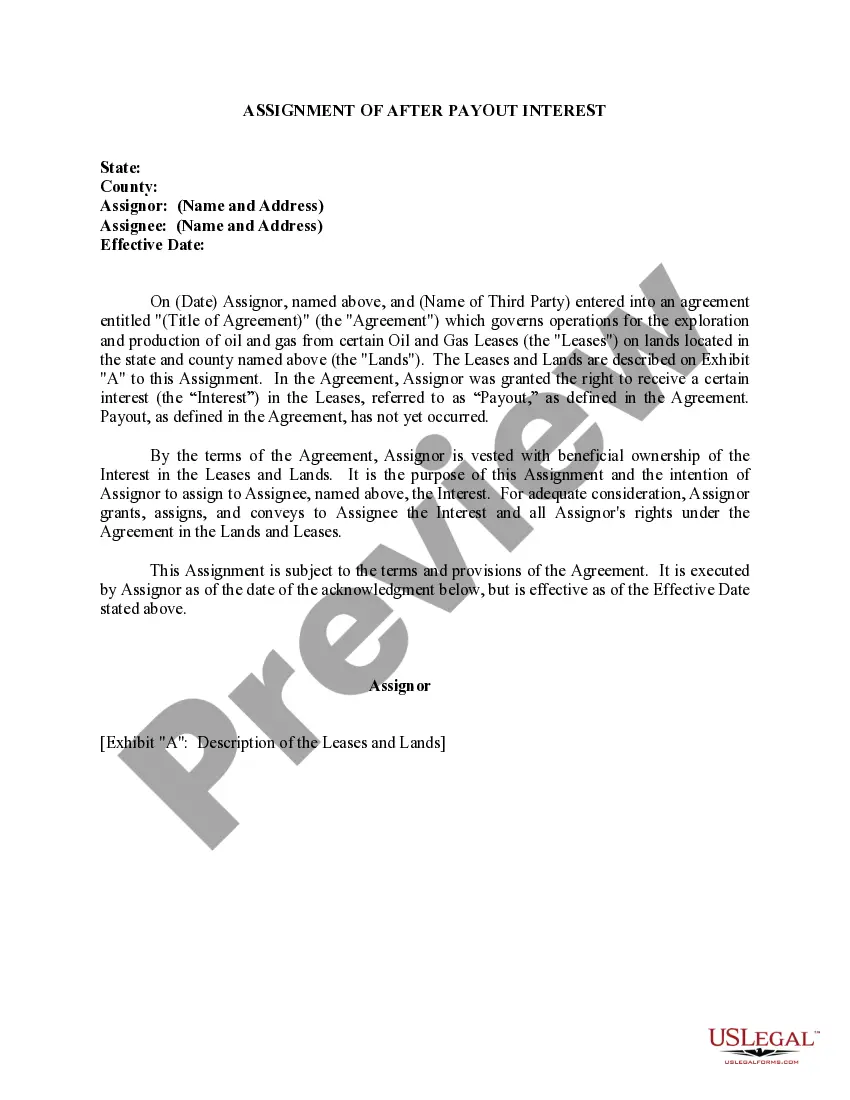
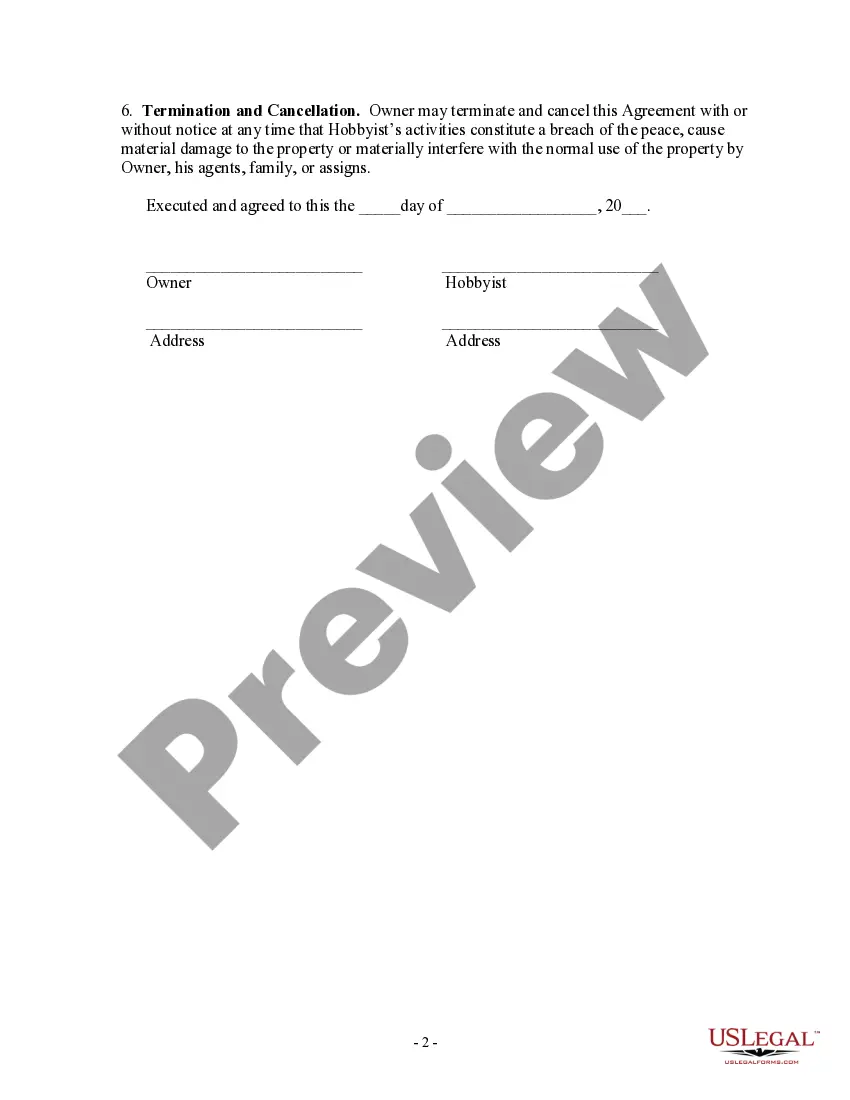
Plano Texas Metal - Detecting Agreement
Description
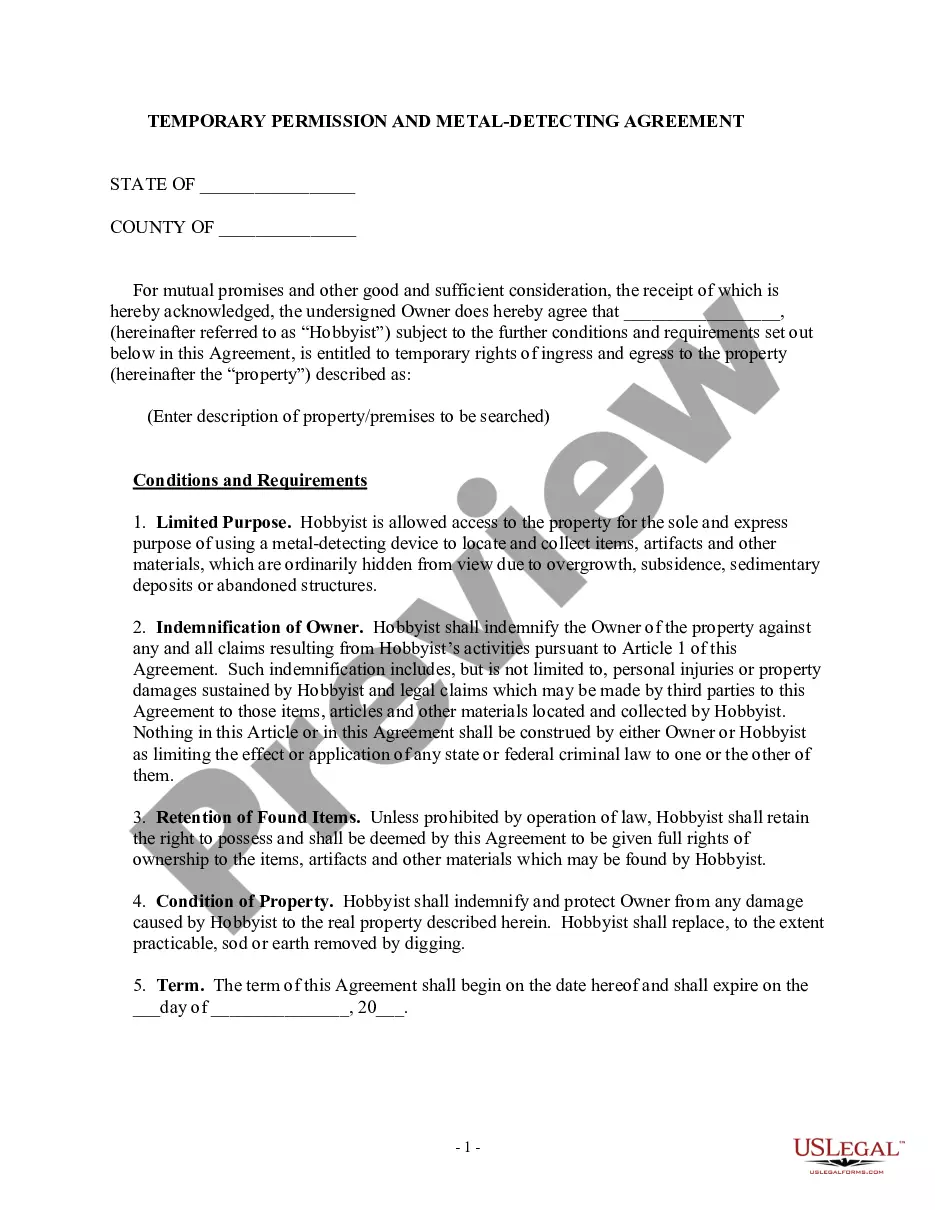
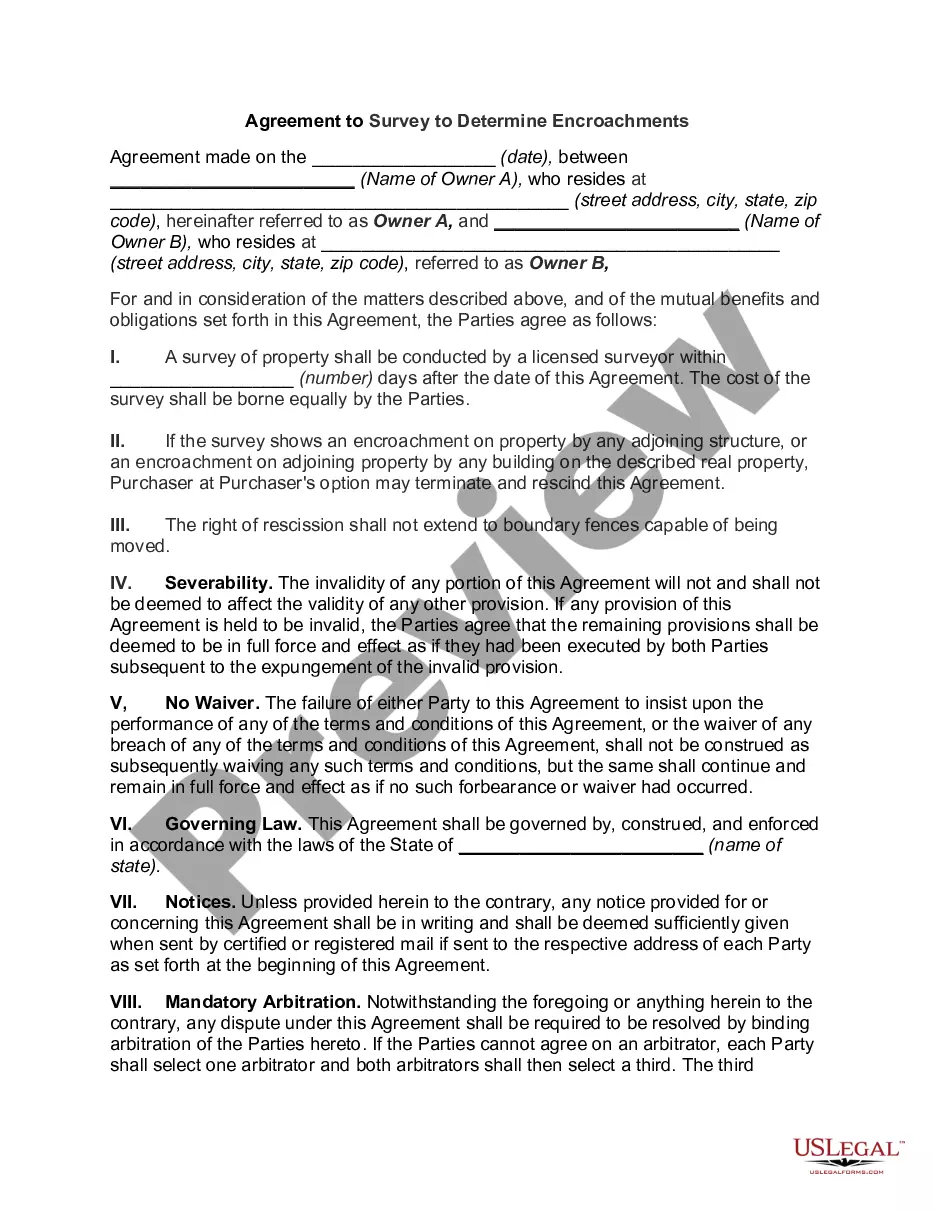







Form popularity
FAQ
Metal detecting in local parks often requires permission from local authorities. Some parks have strict regulations, while others may allow it with a Plano Texas Metal - Detecting Agreement. Before you start, check the park's rules or contact the park management for guidelines. This proactive approach will save you time and help you avoid any potential legal issues.
A permission statement is a clear, brief declaration from a landowner allowing you to metal detect on their property. For instance, it might state, 'I, Landowner's Name, give Your Name permission to metal detect on my property located at Address.' Including a Plano Texas Metal - Detecting Agreement can help outline the terms of your detecting activities. This statement ensures that both parties understand their rights and responsibilities.
A permission letter for metal detecting is a formal document that grants you authorization to search for metal on a particular property. This letter should include your name, the property address, and a brief explanation of your purpose. Including a Plano Texas Metal - Detecting Agreement can strengthen your request by demonstrating your intent to follow local laws. Having this letter protects both you and the landowner from any misunderstandings.
Yes, you typically need permission to metal detect on private property and some public lands. Without a Plano Texas Metal - Detecting Agreement, you risk legal issues or potential fines. Always check local laws and regulations before you begin. Obtaining permission helps maintain good relations with landowners and ensures a respectful approach to metal detecting.
To ask permission for metal detecting, start by identifying the landowner of the area you wish to explore. You can approach them in person or send a written request, detailing your intentions. It is helpful to include your Plano Texas Metal - Detecting Agreement to show your commitment to responsible detecting. Be polite and clear about your plans to ensure a positive response.
In most cases, you do not need a specific permit to use a metal detector on private property if you have permission. However, some public lands, parks, or historical sites may require a permit or have restrictions. To avoid any issues, it is advisable to check local regulations. The Plano Texas Metal - Detecting Agreement can guide you in understanding these requirements and ensuring you stay compliant.
A common agreement in metal detecting involves respecting the land and maintaining open communication with property owners. Many enthusiasts use a Plano Texas Metal - Detecting Agreement to outline their intentions and ensure both parties understand their rights. This agreement often includes clauses on what to do with found items and expectations regarding site restoration. This clarity helps build trust and a positive relationship with landowners.
To gain permission for metal detecting, you should contact landowners directly and ask for their consent. A clear and polite approach often goes a long way in securing a positive response. For public lands, check with local authorities to understand any specific guidelines. Having a Plano Texas Metal - Detecting Agreement can serve as a useful reference to ensure you are following proper protocols.
Plano, Texas, has a diverse political landscape, with a mix of both Democratic and Republican voters. This diversity reflects the community's different perspectives and values. Understanding the political climate can be beneficial, especially if you are considering community engagement or local events related to metal detecting. The Plano Texas Metal - Detecting Agreement encourages respectful interactions across all community divides.
When you go metal detecting in Texas, you can generally keep what you find, provided you do not disturb private property without permission. This aligns with the Plano Texas Metal - Detecting Agreement, which emphasizes respect for landowners' rights. Remember, if you find something valuable or historical, it may be subject to local laws. Always check local regulations to stay compliant.