Boston Massachusetts Metal - Detecting Agreement
Description






Form popularity
FAQ
Yes, you typically need permission to metal detect on public land, as regulations vary by location. Some parks and recreational areas may have specific rules regarding metal detecting. Always consult the Boston Massachusetts Metal - Detecting Agreement for guidelines on where you can legally search. By securing the necessary permissions, you can enjoy your metal detecting adventures without worry.
If you are caught metal detecting without permission, you may face fines or confiscation of your equipment. It's crucial to respect private property and local laws to avoid complications. By referring to the Boston Massachusetts Metal - Detecting Agreement, you can gain clarity on the permissions needed for metal detecting in your area. Staying informed protects your hobby and ensures a positive experience.
In Massachusetts, it is not illegal to possess a radar detector, but using one in a commercial vehicle is prohibited. It's essential to stay informed about local regulations to avoid fines. If you're exploring metal detecting in Boston, Massachusetts, understanding these laws can help you navigate potential issues. Always consult resources like the Boston Massachusetts Metal - Detecting Agreement to ensure compliance.
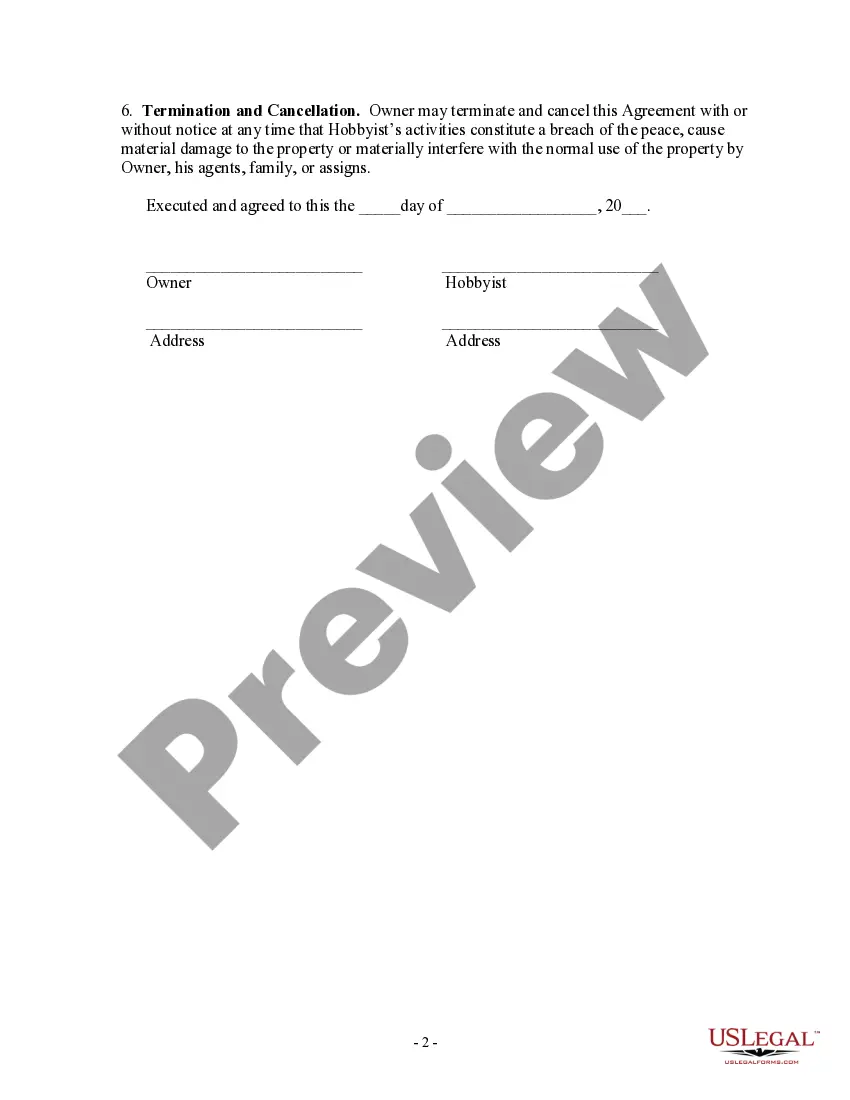
To get permission for metal detecting, you should first identify the landowner, whether it's private or public property. Then, reach out to them directly, explaining your intentions and the benefits of metal detecting. Having a Boston Massachusetts Metal - Detecting Agreement can streamline this process, providing a clear structure for permissions and responsibilities.
In Boston, Massachusetts, you generally need a permit for using a metal detector, especially in public parks and beaches. Local regulations may vary, so it's essential to check with city officials or relevant authorities. Obtaining a Boston Massachusetts Metal - Detecting Agreement can help you understand the specific requirements and ensure compliance with local laws.
Certain locations in Boston, Massachusetts, are off-limits for metal detecting, including historical sites, cemeteries, and protected parks. It's crucial to familiarize yourself with local laws and regulations to avoid areas designated as restricted. Following the Boston Massachusetts Metal - Detecting Agreement can help you navigate these regulations effectively and ensure a responsible detecting experience.
When approaching a farmer for permission to metal detect, it's essential to be polite and respectful. Start by introducing yourself and explaining your interest in metal detecting and its potential benefits, such as finding historical artifacts. A clear understanding of the Boston Massachusetts Metal - Detecting Agreement may help you address any concerns the farmer has about their land.
In Boston, Massachusetts, metal detecting on public land can be subject to specific regulations. Generally, you need to check local laws, as some public areas may prohibit detecting due to historical preservation efforts. Always ensure you have the appropriate permissions and follow guidelines to avoid any legal issues related to the Boston Massachusetts Metal - Detecting Agreement.
Yes, metal detecting is legal in Massachusetts, but it comes with certain regulations. You must comply with the Boston Massachusetts Metal - Detecting Agreement and obtain permits when required. Additionally, always seek permission for private property and follow any local laws regarding public spaces. Staying informed about the legal landscape will help you enjoy your metal detecting adventures responsibly.
Acquiring a permit for metal detecting in Massachusetts typically involves submitting an application to the appropriate local authorities. This may include your name, proposed location, and the purpose of your search. Understanding the Boston Massachusetts Metal - Detecting Agreement can aid in completing your application correctly. Always check with your local municipality for specific guidelines and necessary documentation.