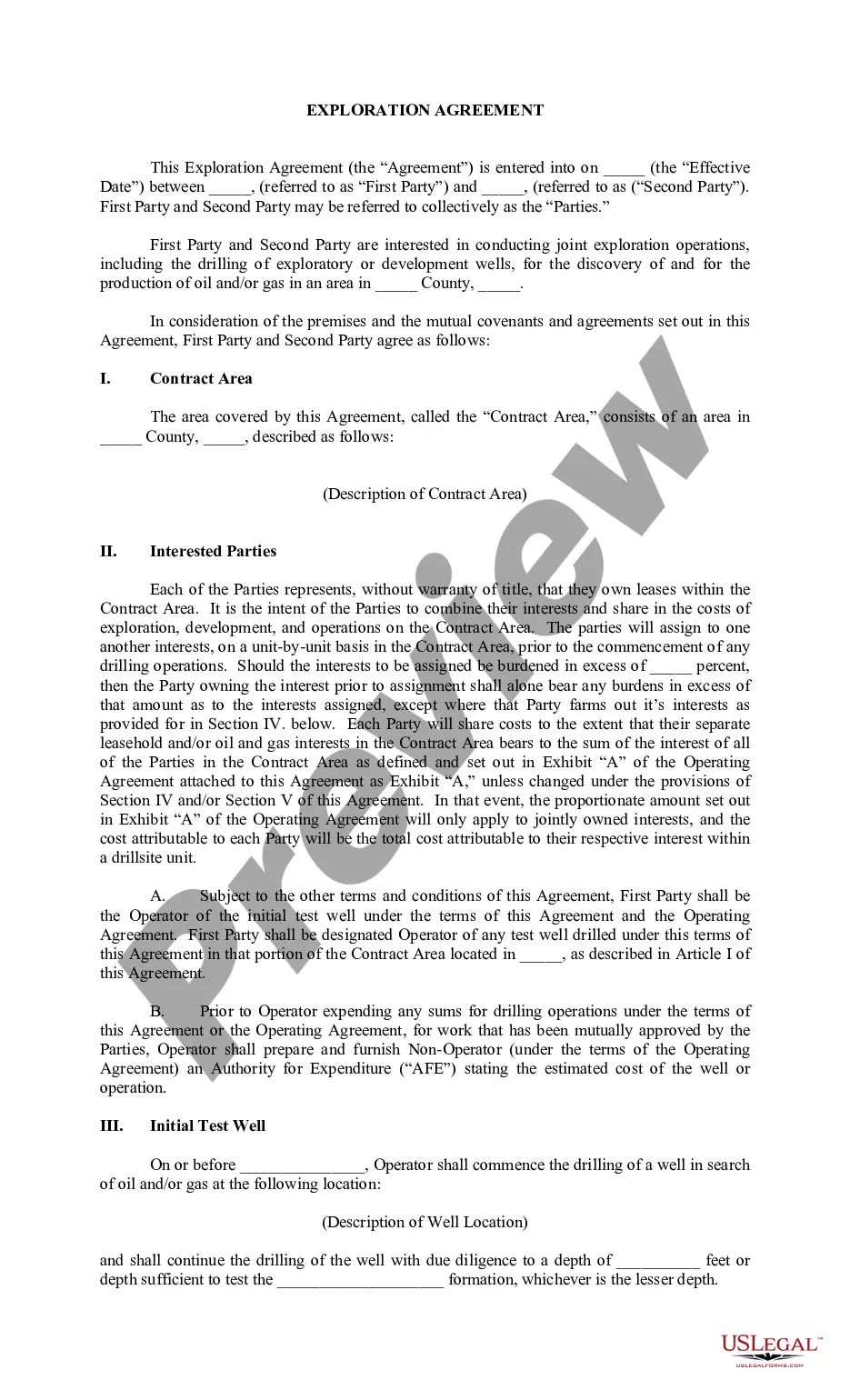
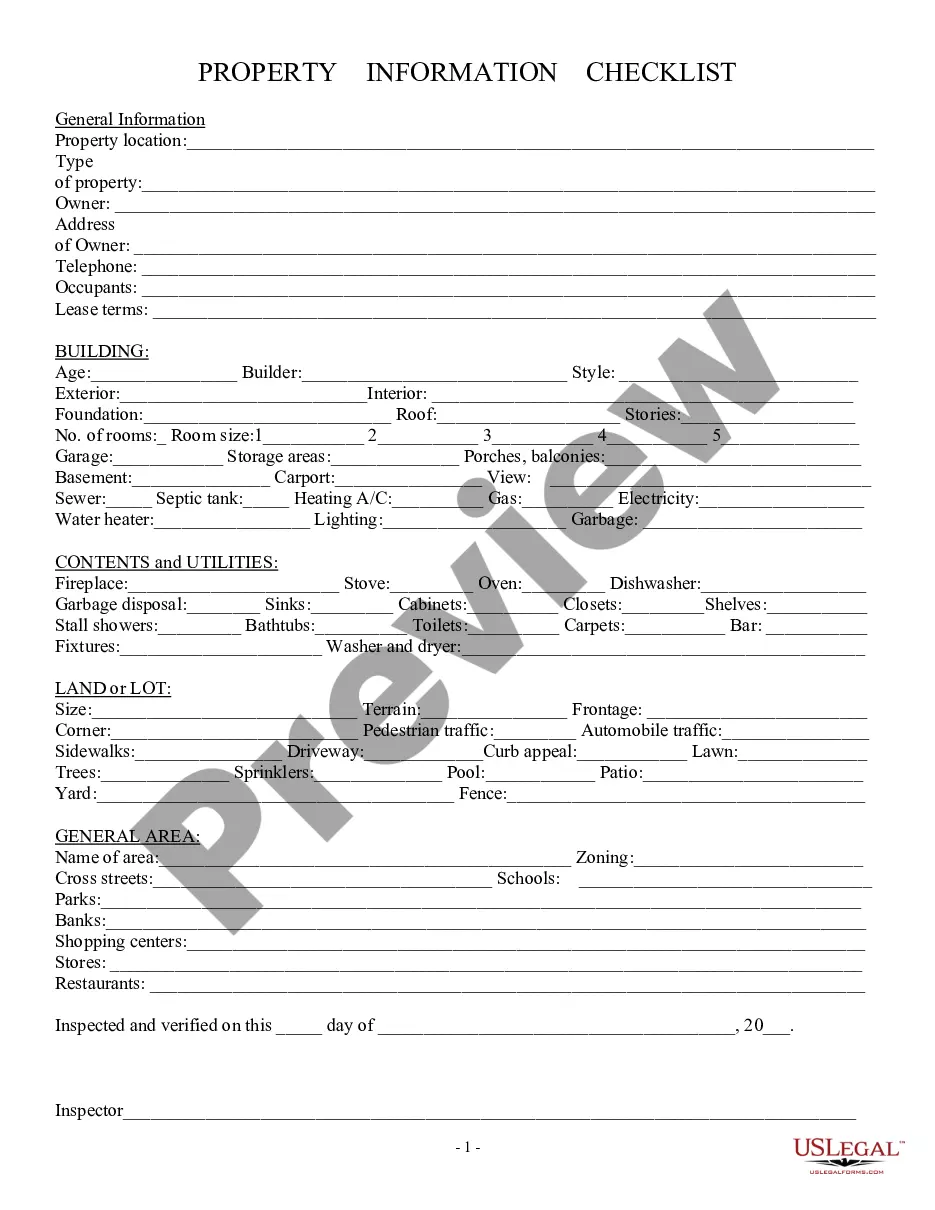
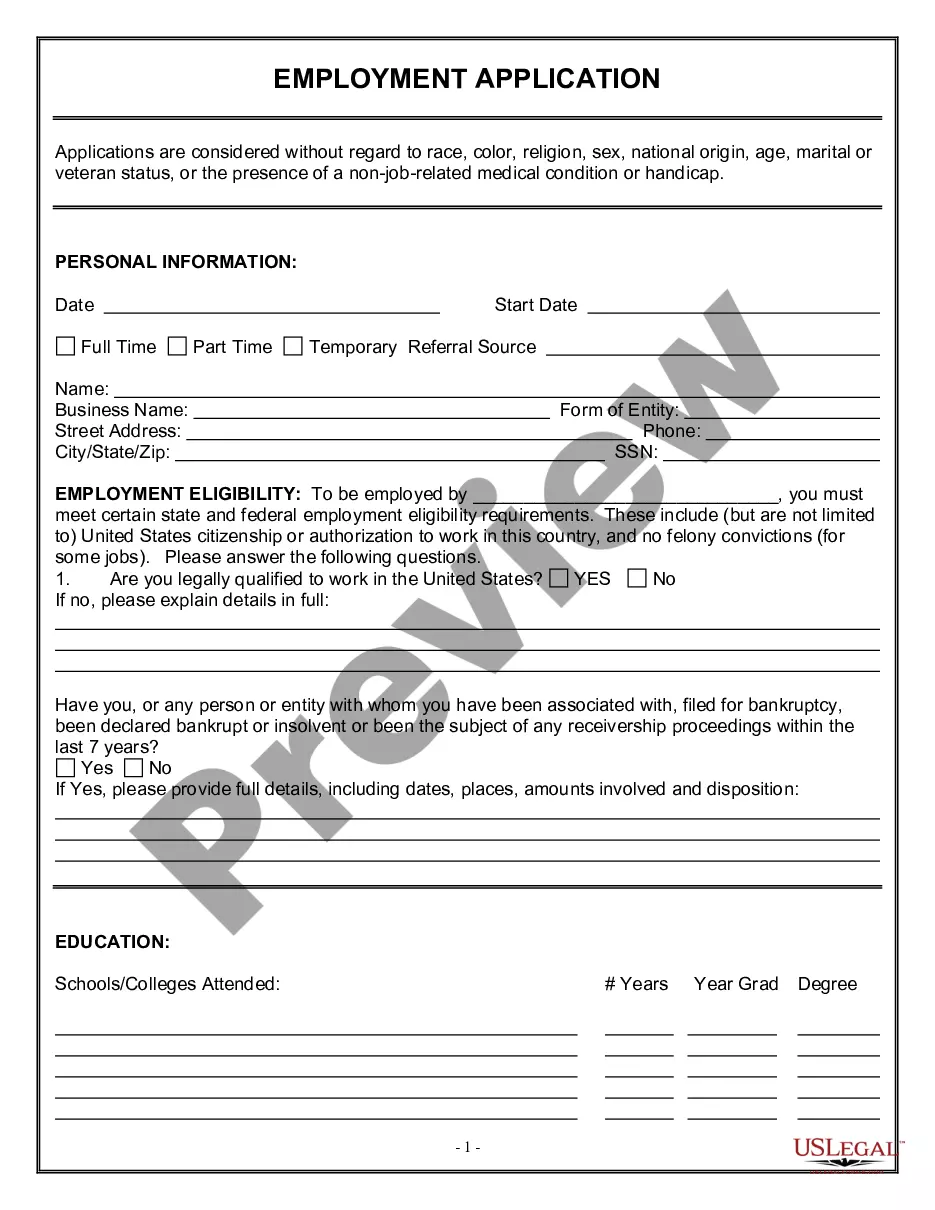
This form is a Property Information Checklist. The checklist contains sections for the following information: General Information, Contents and Utilities, Land or Lot, and General Area.
Fort Worth Texas Property Information Check List - Residential
Category:
State:
Multi-State
City:
Fort Worth
Control #:
US-01720-AZ
Format:
Word;
Rich Text
Instant download
Description
Free preview

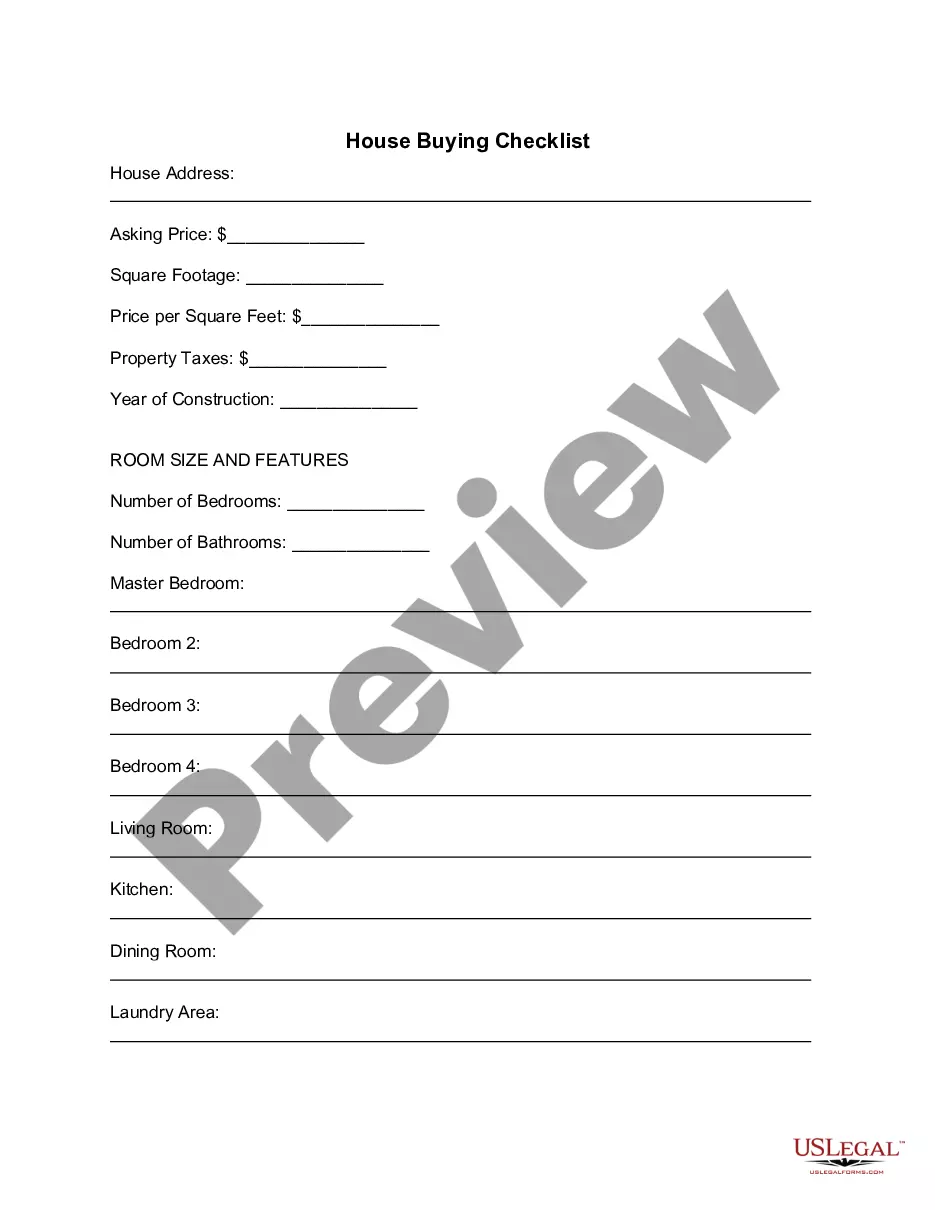
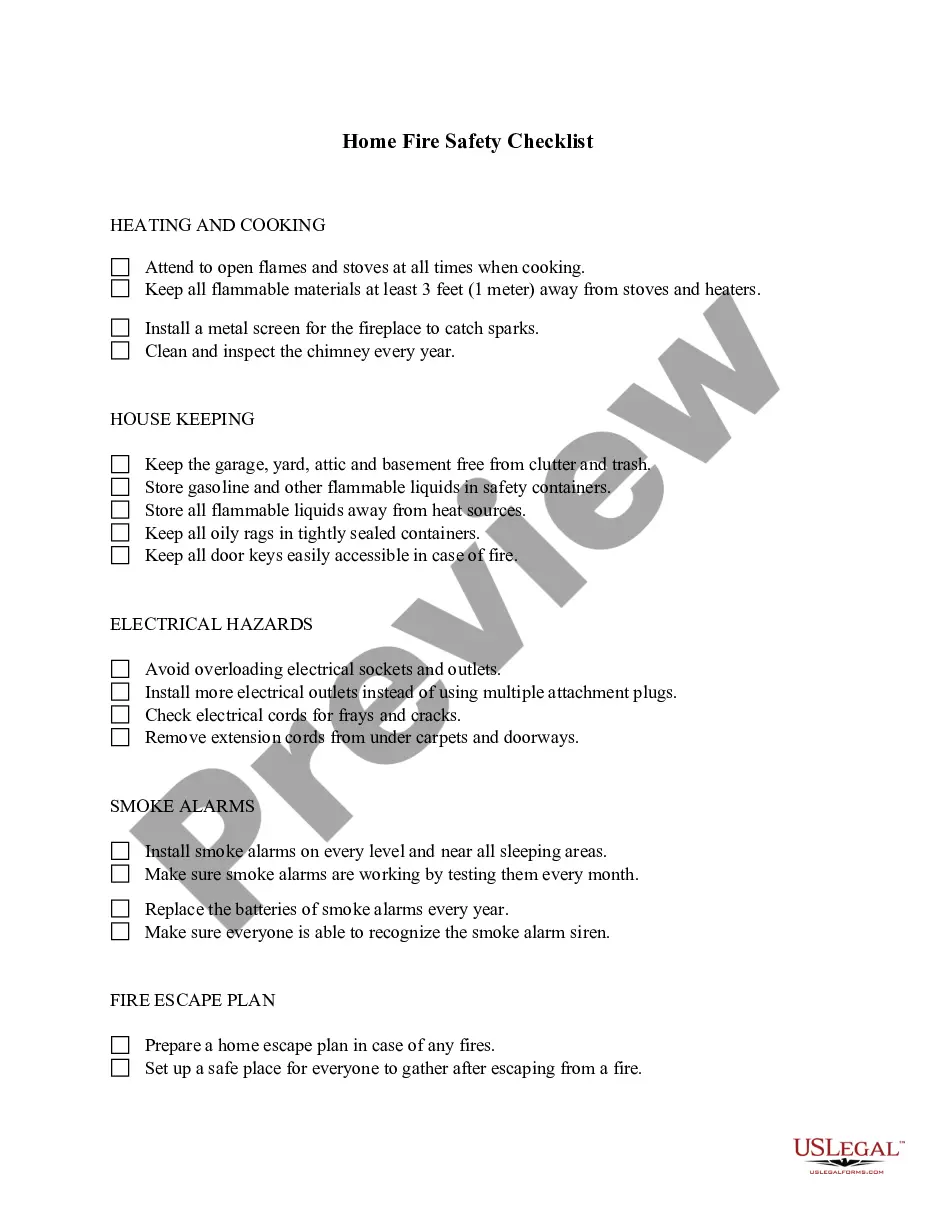
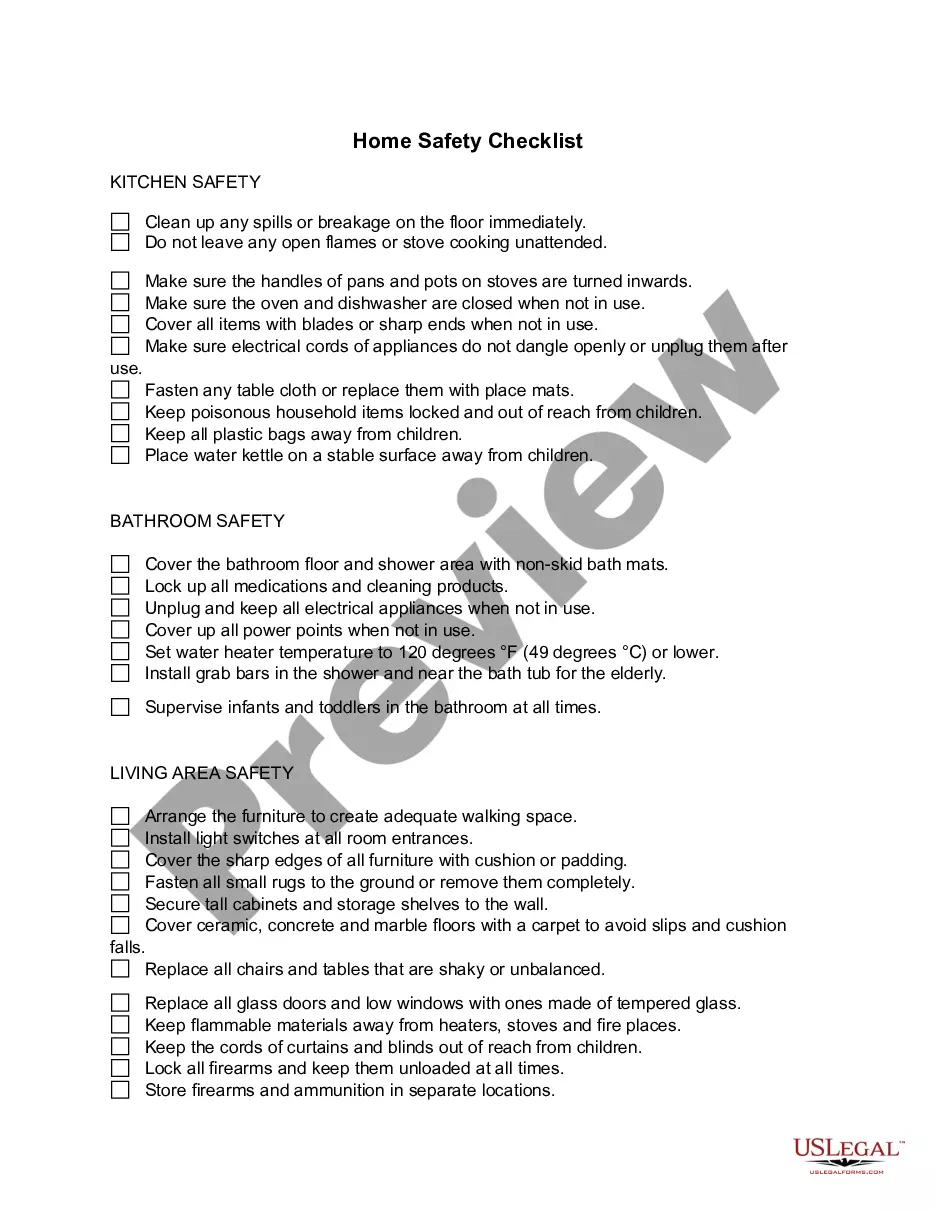
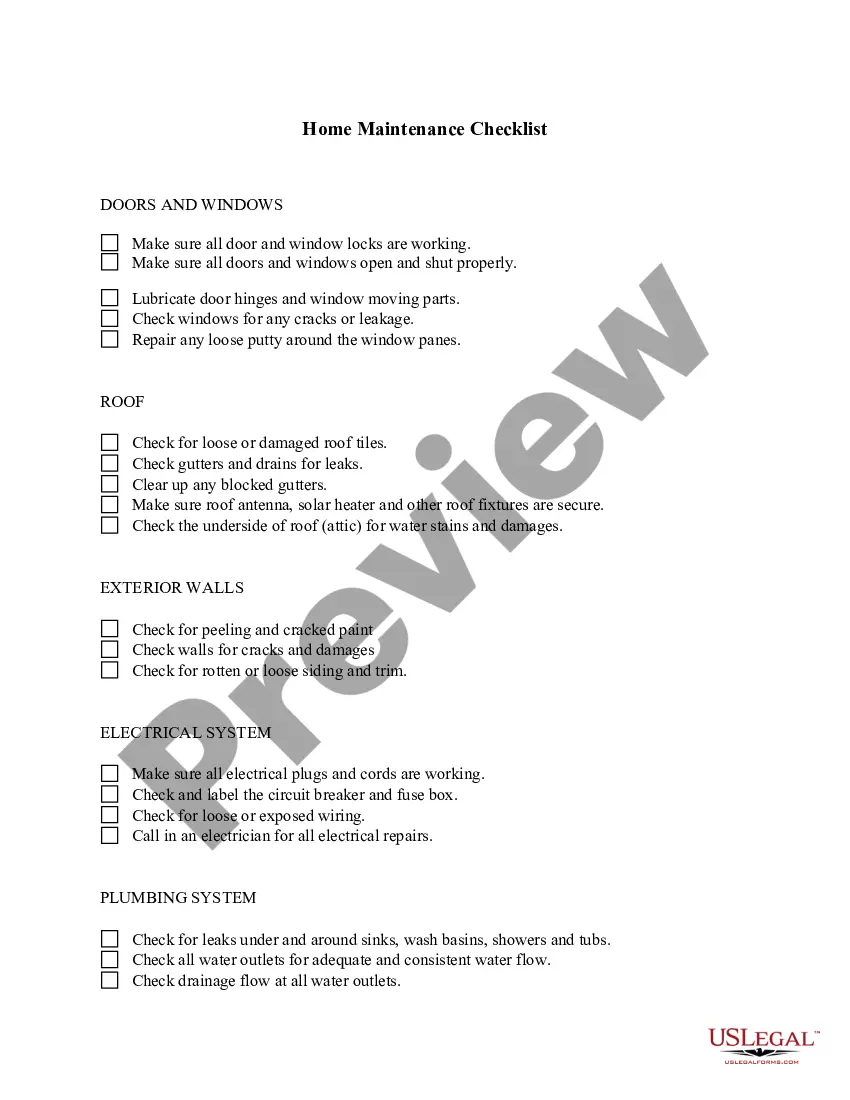

Form popularity
FAQ
To obtain a Certificate of Occupancy in Texas, you must submit an application to your local building authority. This process usually requires inspections to ensure your property meets all safety and zoning regulations. For your Fort Worth Texas Property Information Check List - Residential, consider using platforms like uslegalforms to access the necessary forms and guidance. This resource helps streamline your application process and ensures you have all required documentation.
Yes, obtaining a permit is essential when placing a mobile home on your property in Texas. The permit ensures that your mobile home complies with zoning laws and local regulations. This detail should be included in your Fort Worth Texas Property Information Check List - Residential, as it affects where and how you can place your mobile home. Following these guidelines helps you avoid fines and ensures your home fits within the community standards.
Yes, Tarrant County requires a certificate of occupancy for certain types of residential properties. This document verifies that a building complies with the applicable safety codes and zoning laws. For your Fort Worth Texas Property Information Check List - Residential, make sure you obtain this certificate before moving in. This process helps protect you and future occupants by ensuring the home is safe and livable.
In Texas, occupancy rules dictate how many people can live in a residential property based on its size and layout. Generally, these rules help ensure safety and comfort for all residents. For your Fort Worth Texas Property Information Check List - Residential, it's important to check local regulations, as they may vary. Understanding these rules can help you avoid penalties and ensure your property meets local standards.
You can request a Certificate of Occupancy through your local building department or municipal office. In Fort Worth, this process often includes filling out an application and providing documentation of completed inspections. Familiarizing yourself with the Fort Worth Texas Property Information Check List - Residential will guide you through the required steps. Always ensure that all prerequisites are met before making your request to streamline the process.
In Oklahoma, various projects require a building permit, including new constructions, remodels, and significant renovations. Common examples include adding rooms, decks, or changing the structure of your home. It is wise to consult the Fort Worth Texas Property Information Check List - Residential for insights on similar requirements in Texas. Always check with local authorities to ensure compliance with regulations to avoid complications.
To find out if a neighbor has a building permit, you can contact the local building department or check their online portal. Many cities, including Fort Worth, provide access to public records where you can view permits issued for specific addresses. Utilizing the Fort Worth Texas Property Information Check List - Residential can help you understand the types of permits that may be relevant. This information promotes transparency and helps maintain community standards.
To obtain a Certificate of Occupancy in Texas, you must meet several requirements, including passing inspections for safety and compliance with building codes. This certificate confirms that your property is suitable for occupancy and meets local standards. Familiarizing yourself with the Fort Worth Texas Property Information Check List - Residential can help you prepare the necessary documentation. Always ensure you have completed all required inspections prior to applying.
Yes, in Fort Worth, Texas, you typically need a permit to add on to your house. This requirement ensures that your addition complies with local building codes and zoning regulations. Before starting any construction, it's essential to check the Fort Worth Texas Property Information Check List - Residential to understand specific guidelines. Always consult with local authorities to avoid potential fines or issues.
Yes, property surveys are classified as public records in Texas. This means that they can be accessed by anyone who requests them, typically through local government offices. Understanding this aspect can help you gather important information about property lines and boundaries. Including this knowledge in your Fort Worth Texas Property Information Check List - Residential enhances your property research.