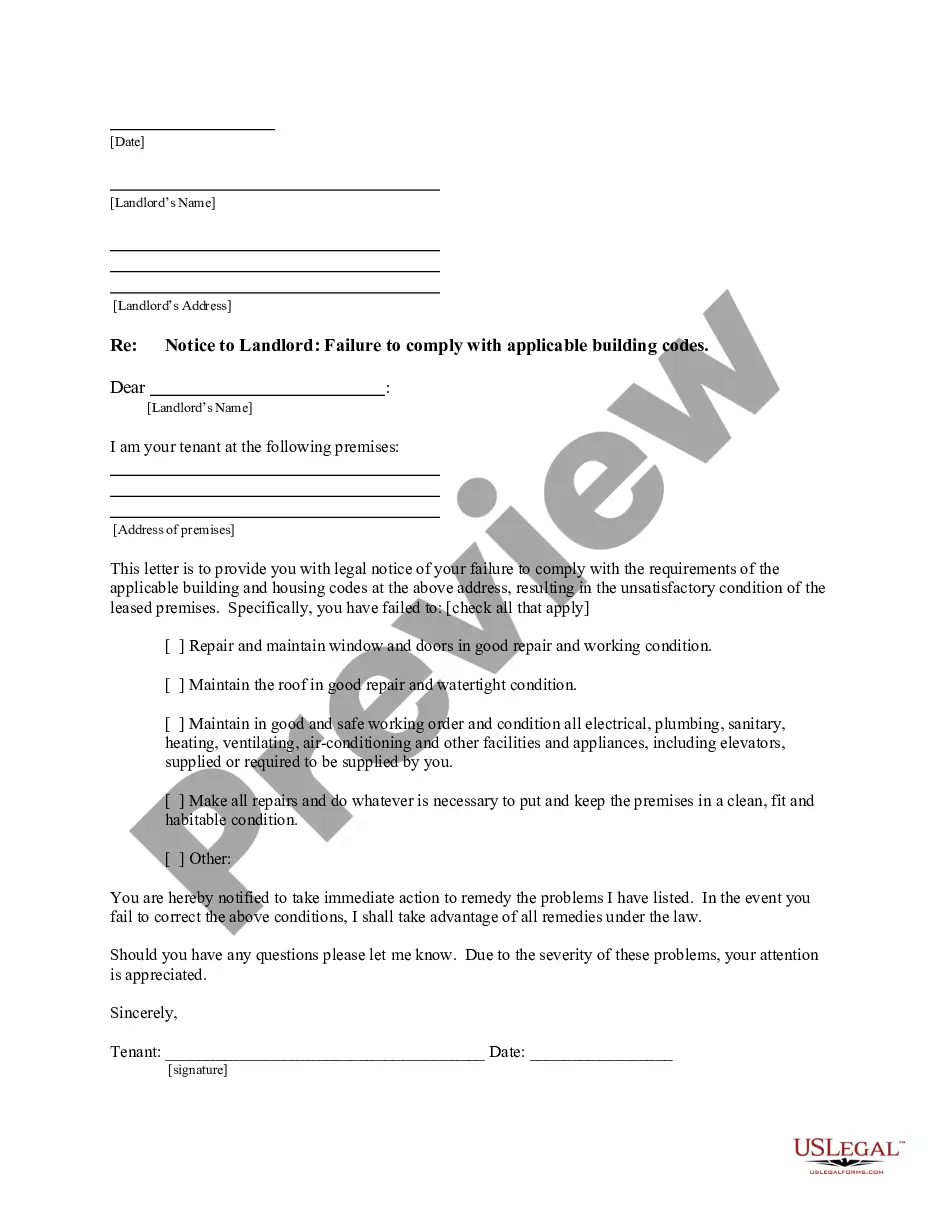
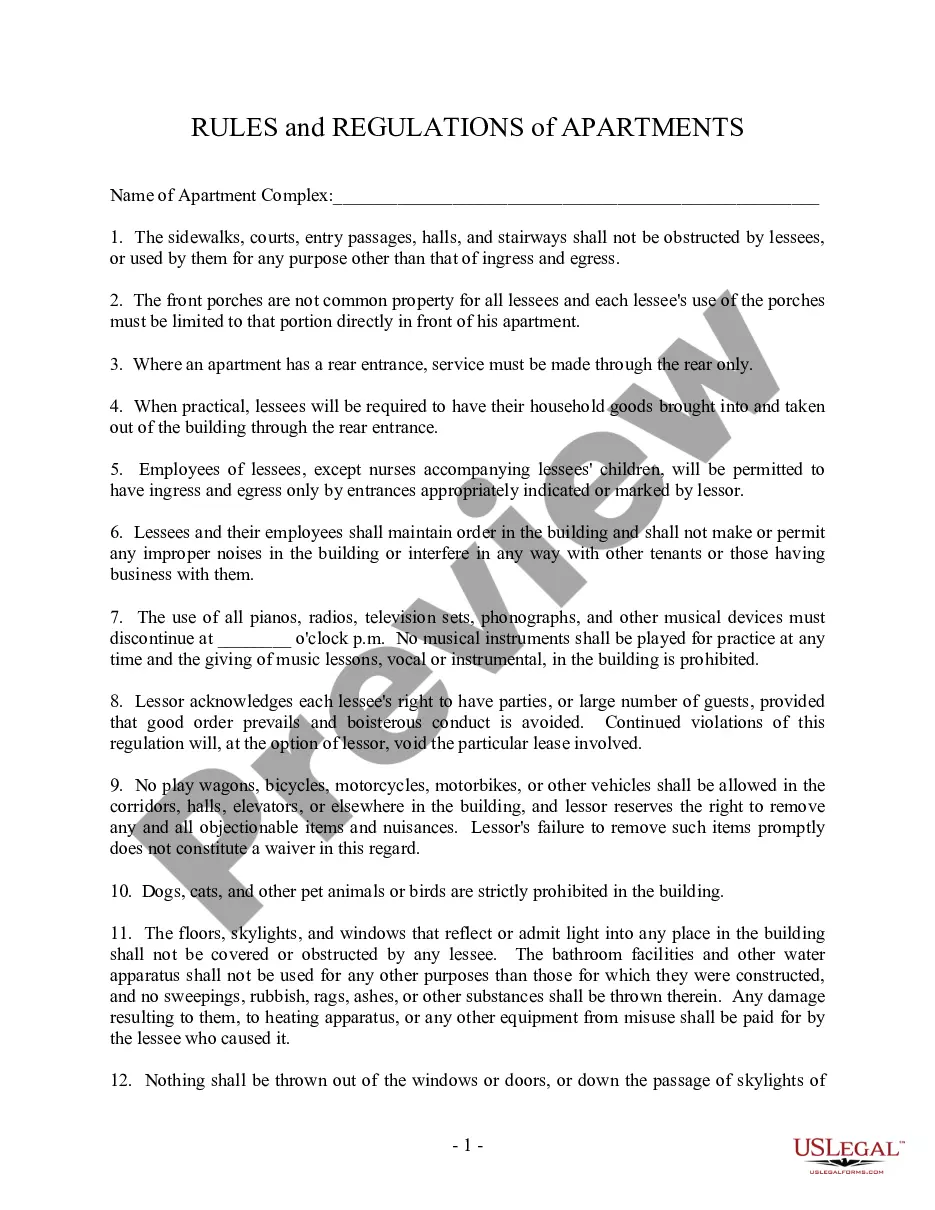
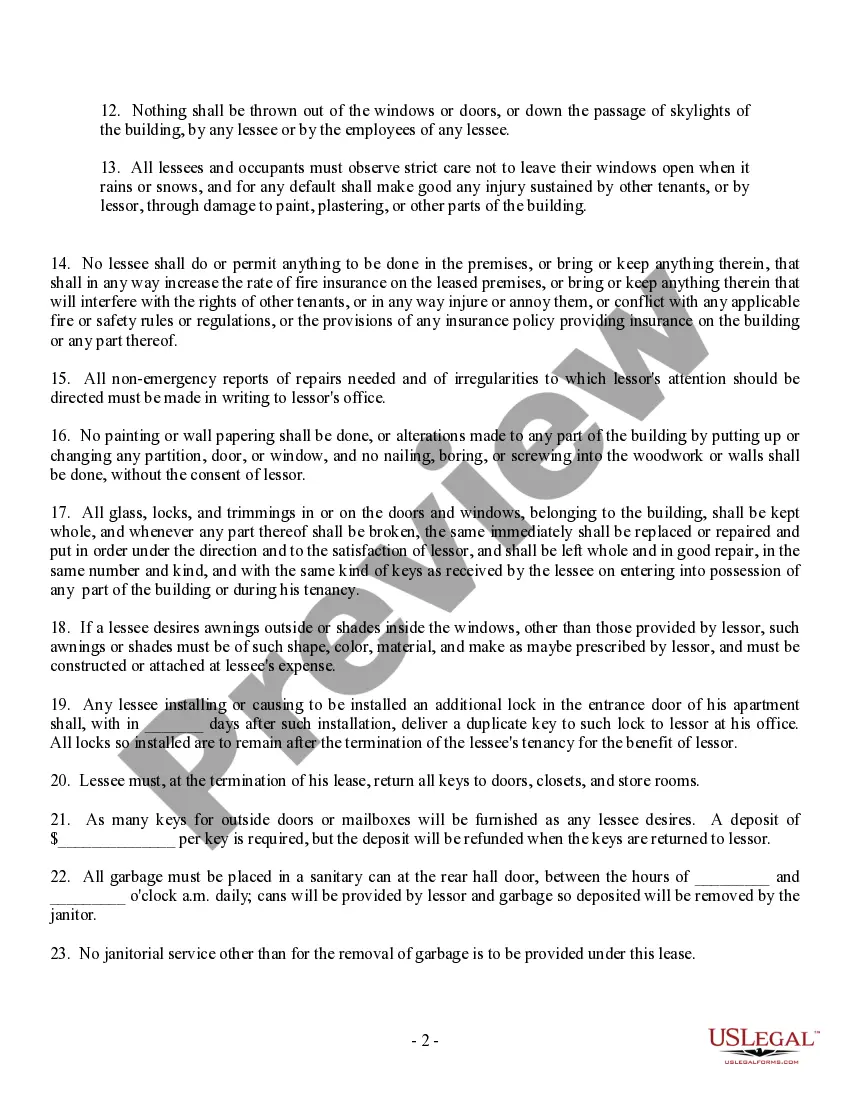
Boston Massachusetts Apartment Rules
Description







Form popularity
FAQ
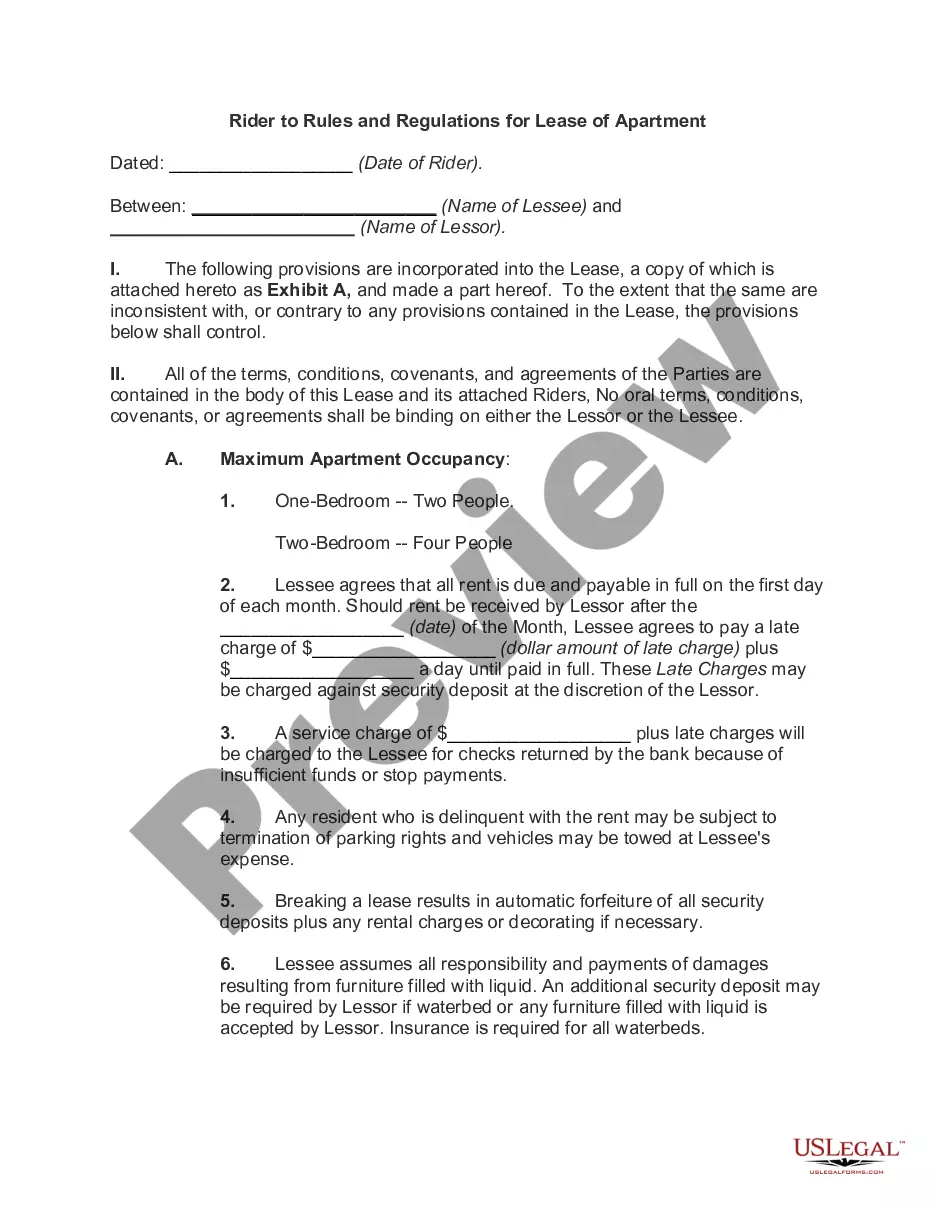
In Massachusetts, the occupancy limits for a 2 bedroom apartment generally align with Boston Massachusetts Apartment Rules, which recommend two people per bedroom. This means that ideally, four people can live in a two bedroom apartment. Additionally, factors such as lease agreements and local housing standards can affect this number. To ensure compliance with all regulations, consider consulting with uslegalforms for guidance on your specific living situation.
The number of people allowed to live in a two bedroom apartment often depends on local laws and regulations. In Boston, Massachusetts Apartment Rules typically suggest that two occupants per bedroom is a reasonable guideline. Therefore, you could expect up to four people to reside comfortably in a two bedroom unit. However, it’s essential to check with your landlord or local housing authorities to confirm any specific occupancy limits.
In Massachusetts, landlords can end a tenancy for specific reasons, which are outlined in Boston Massachusetts Apartment Rules. These reasons include non-payment of rent, violation of lease terms, or the landlord's intent to occupy the unit themselves. Other grounds may involve substantial damage to the property or illegal activities occurring on the premises. Knowing these permitted grounds can empower tenants to understand their lease agreements better.
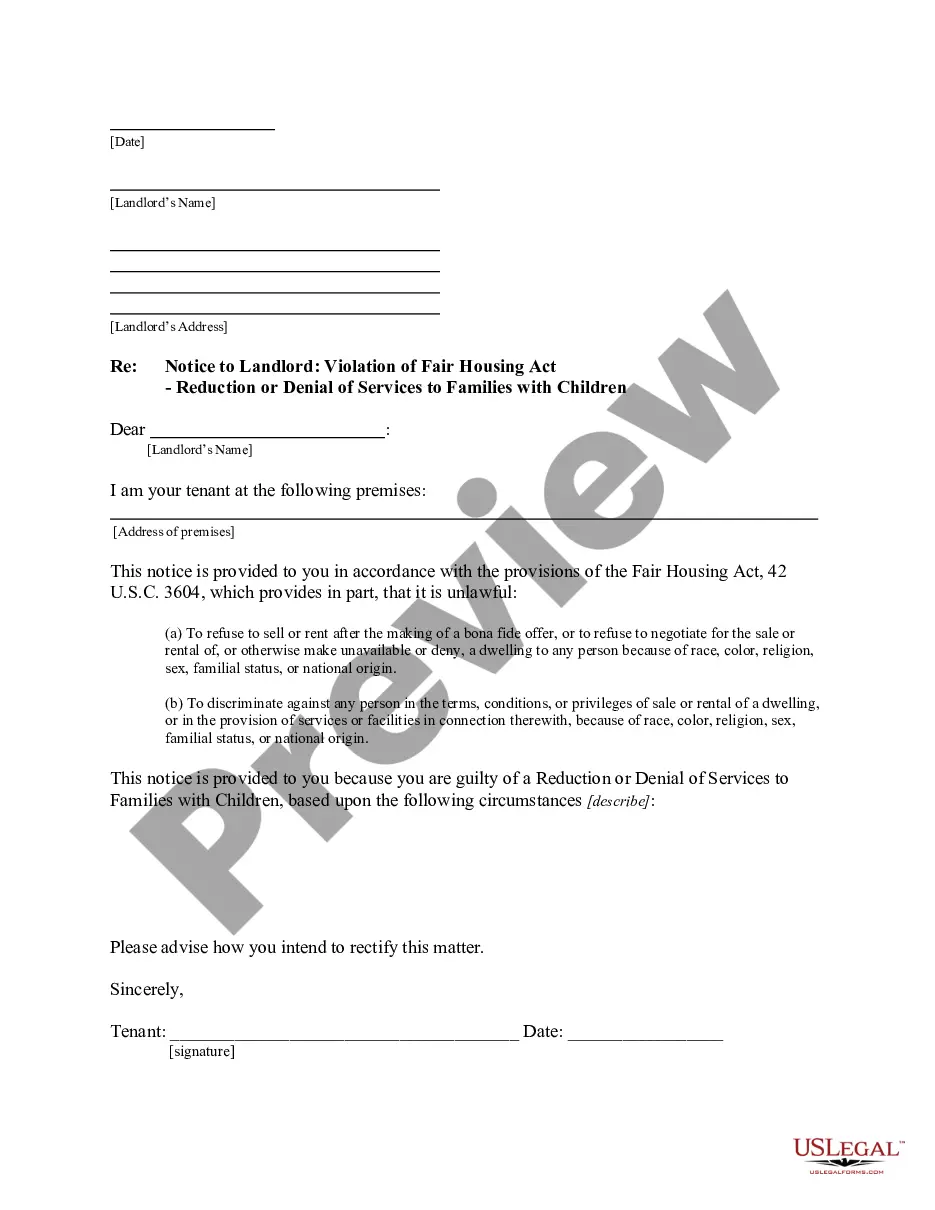
Landlords are prohibited from engaging in illegal activities such as discrimination, harassment, or retaliatory eviction, as stated in Boston Massachusetts Apartment Rules. They cannot refuse to rent based on race, color, or other protected categories. Additionally, landlords must not withhold essential services or fail to maintain the property. Understanding these illegal practices can help you protect your rights as a tenant.
In Massachusetts, the number of occupants allowed in a 2-bedroom apartment typically depends on local occupancy laws and the size of the bedrooms. Generally, the Boston Massachusetts Apartment Rules suggest that two persons per bedroom is a standard guideline. Therefore, a 2-bedroom apartment could accommodate up to four people. Always check with your landlord for any specific rules they may have regarding occupancy.
Under Boston Massachusetts Apartment Rules, landlords cannot evict tenants without just cause or retaliate against them for exercising their rights. They are also prohibited from entering a tenant's unit without proper notice or consent. Understanding these restrictions helps tenants know their rights and protects them from unlawful practices. If you encounter any issues, consider using platforms like uslegalforms for guidance.
Landlords in Boston must comply with specific regulations outlined in Boston Massachusetts Apartment Rules. They can collect rent, maintain the property, and provide proper notice before entering your apartment. However, they cannot discriminate against tenants based on race, gender, or other protected characteristics. It’s essential to understand these boundaries to foster a respectful living environment.
While there is no specific credit score requirement to rent in Boston, a score of 650 or above is generally preferred by landlords. A higher score can open more doors and provide better rental options. Understanding the Boston Massachusetts Apartment Rules can help you navigate the rental market more successfully. If your credit is lower, you might benefit from using uslegalforms to find solutions or negotiate terms.
In Massachusetts, landlords must follow strict regulations outlined in Boston Massachusetts Apartment Rules. For example, they cannot discriminate based on race, gender, or religion. Additionally, landlords are prohibited from entering your apartment without proper notice. Knowing these rules empowers you as a tenant and helps maintain a fair rental environment.
Affording an apartment on a $2000 monthly income can be quite challenging in Boston. Most experts recommend spending no more than 30% of your income on housing, which would be $600 in this case. Understanding the Boston Massachusetts Apartment Rules can help you find affordable options. You may also want to explore shared living arrangements or subsidies available through local programs.