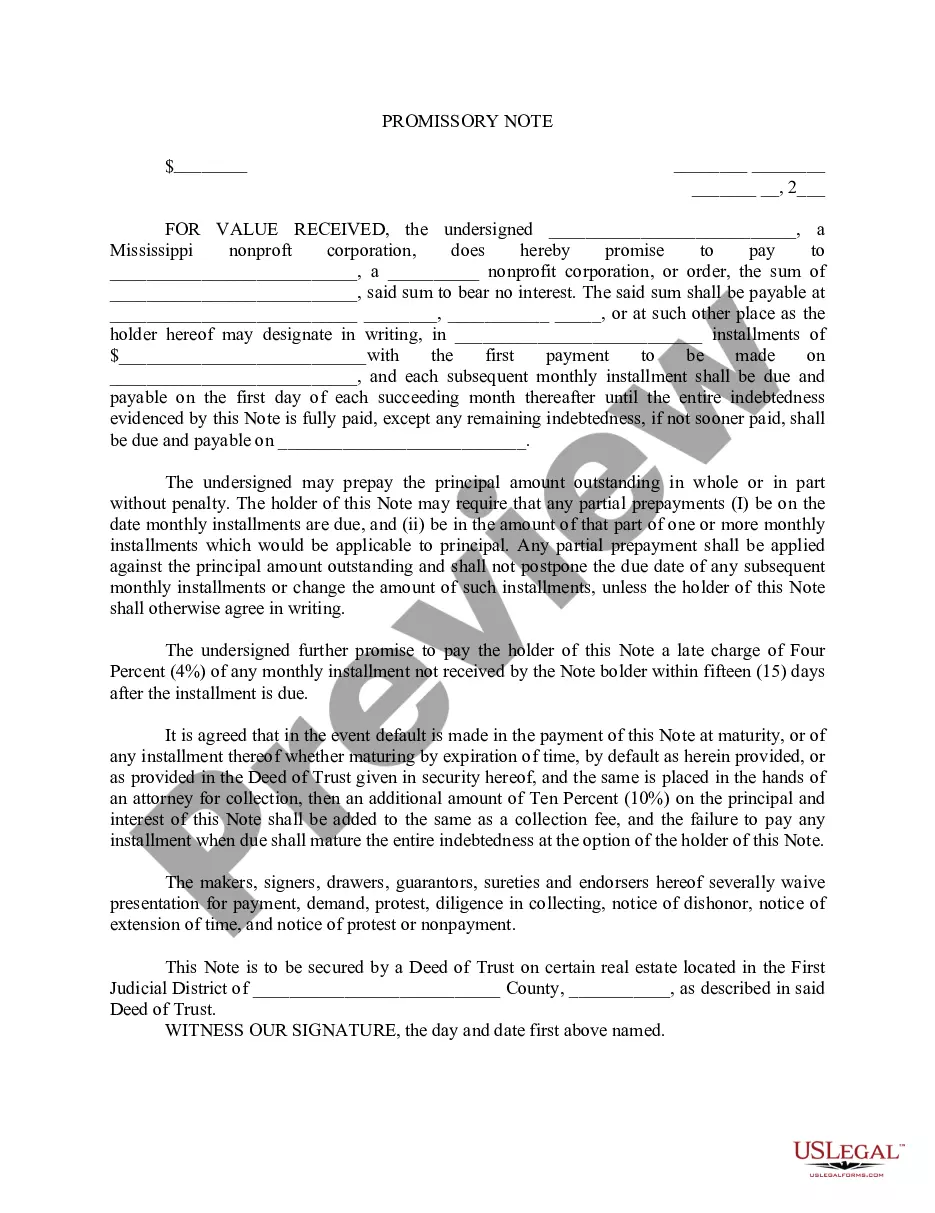
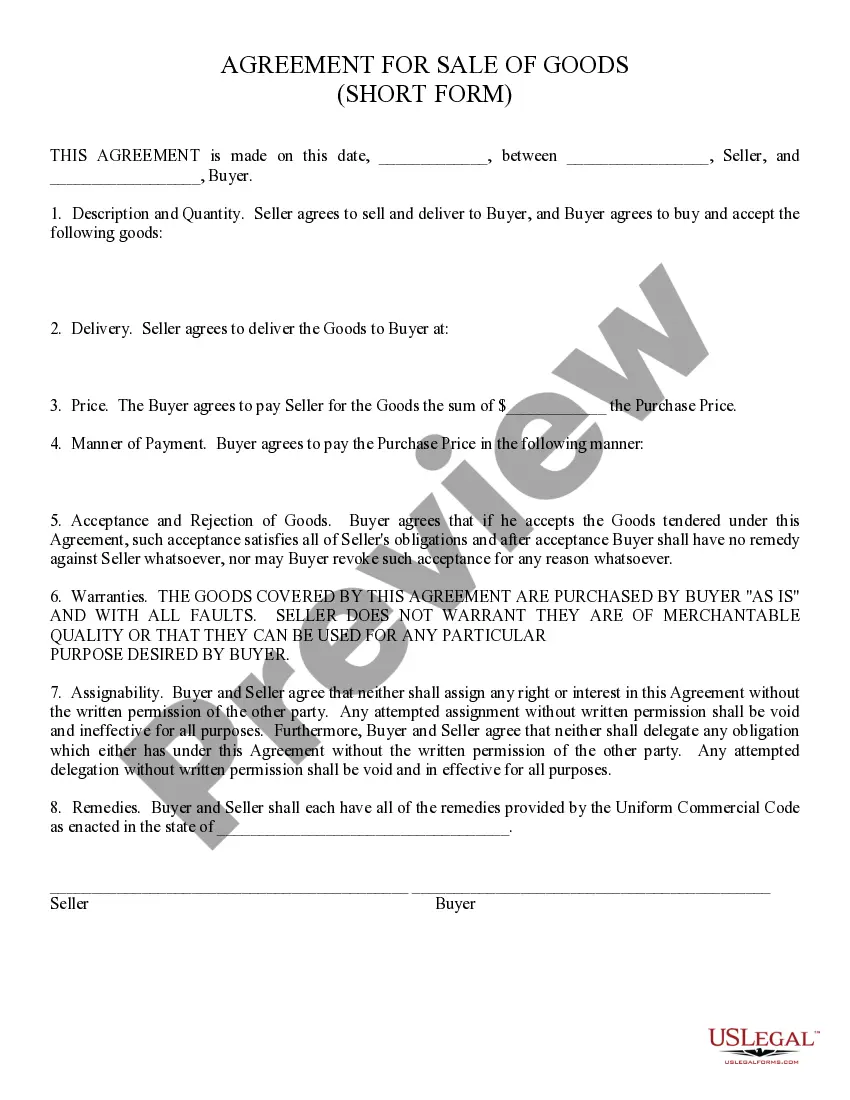
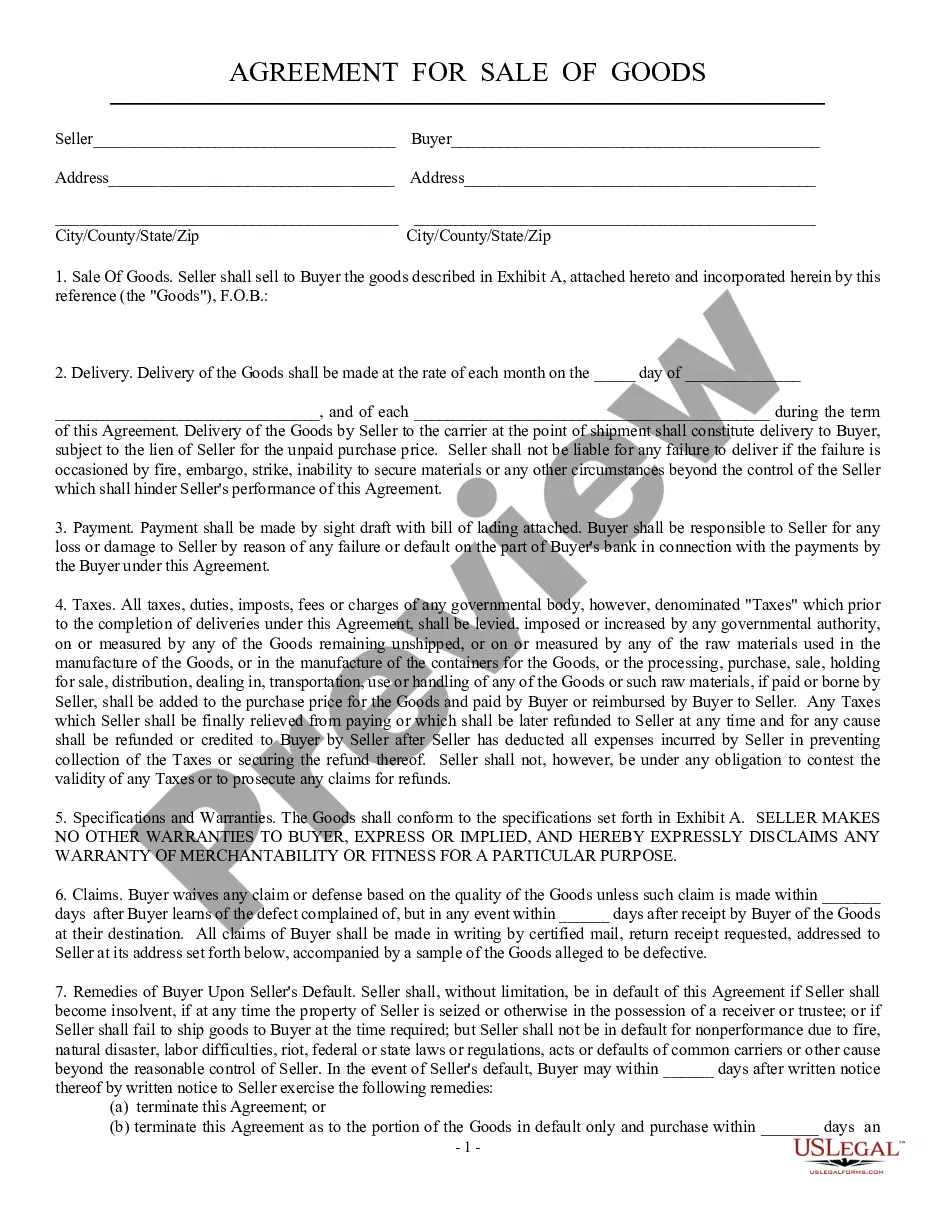
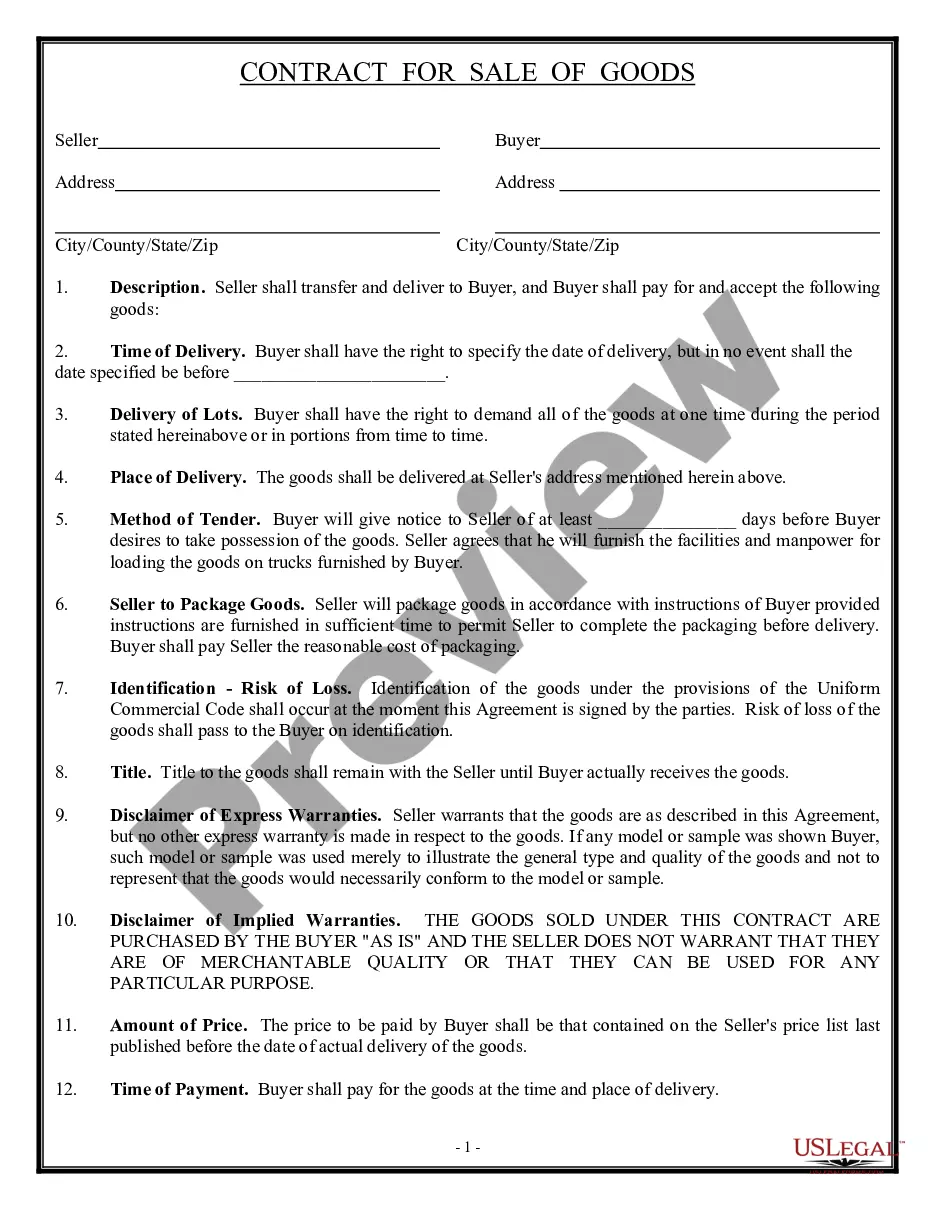
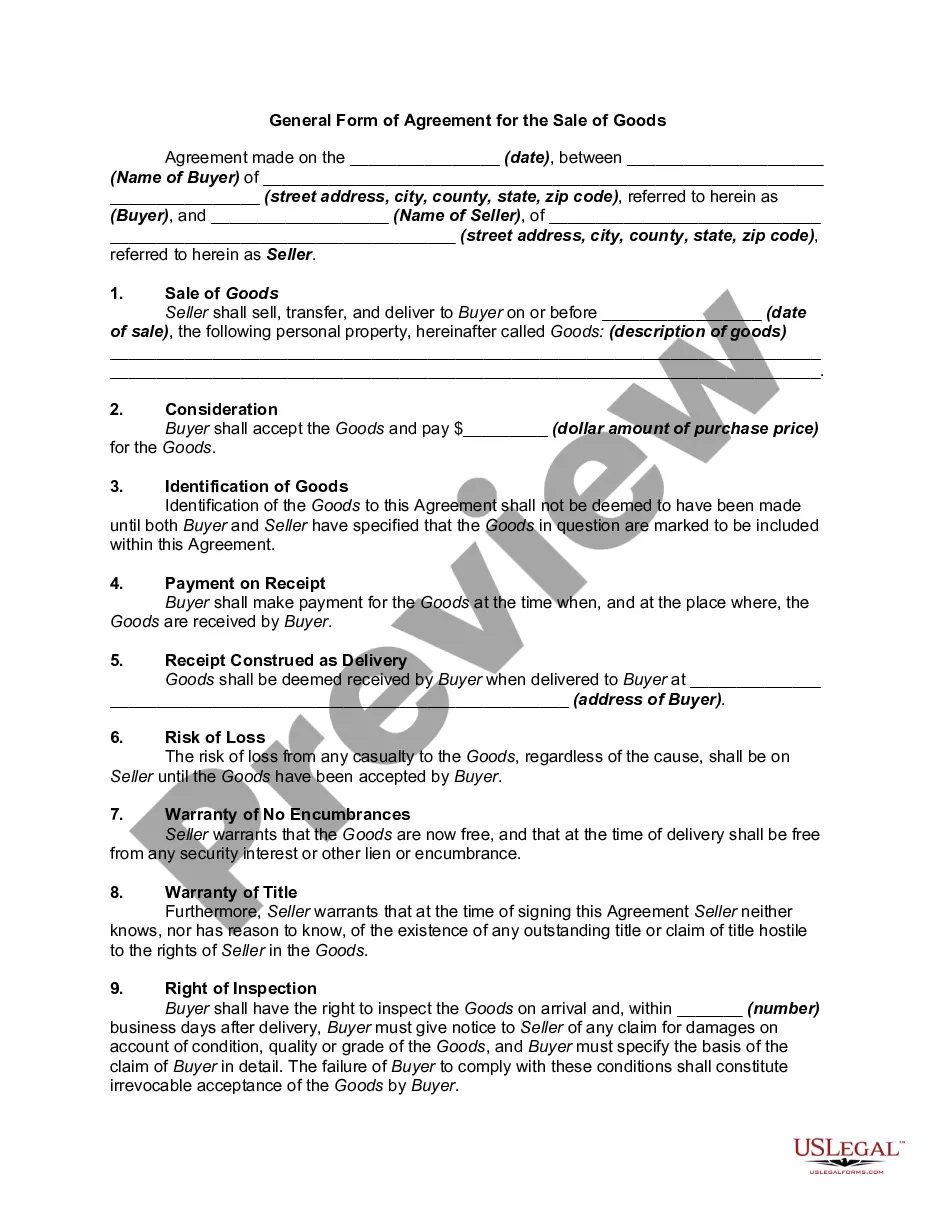
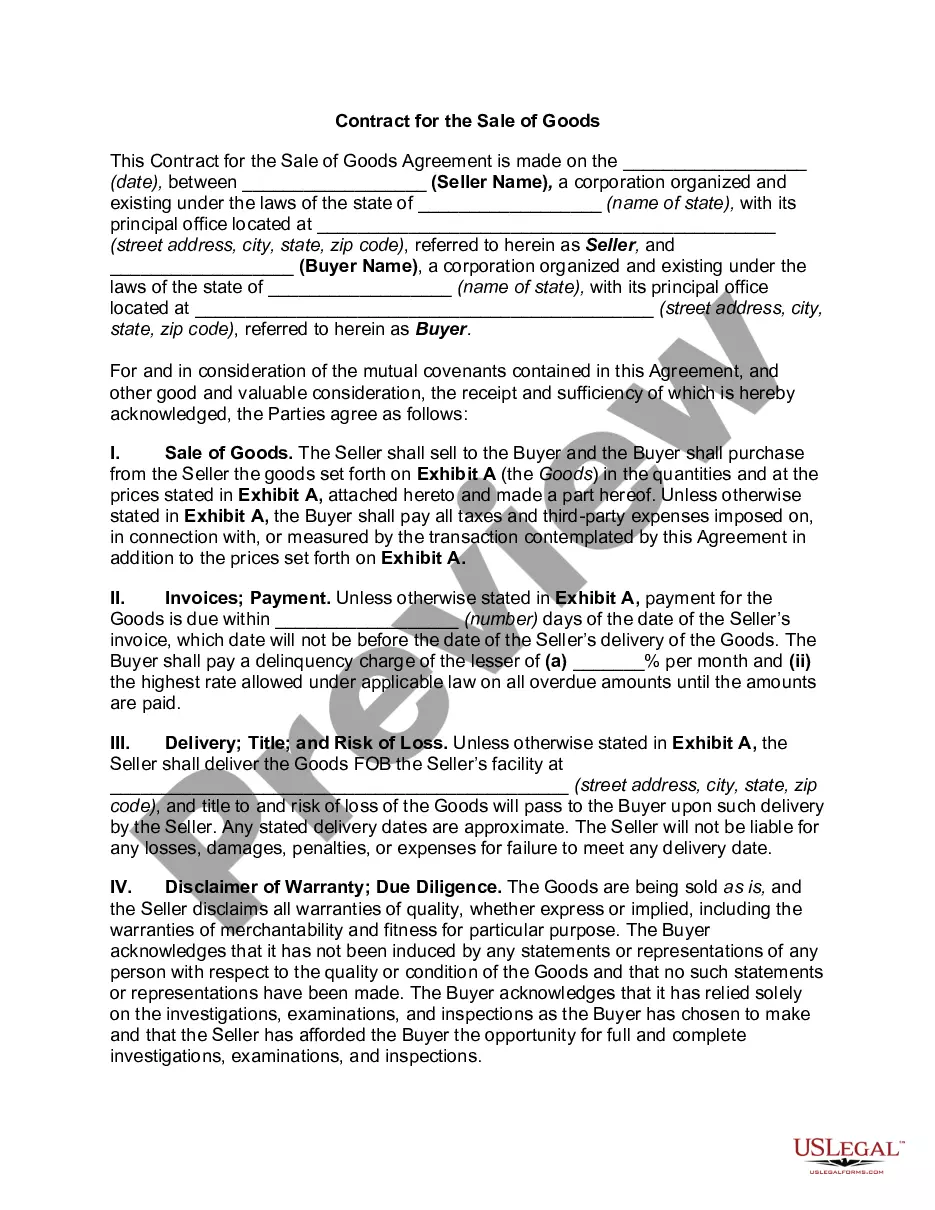
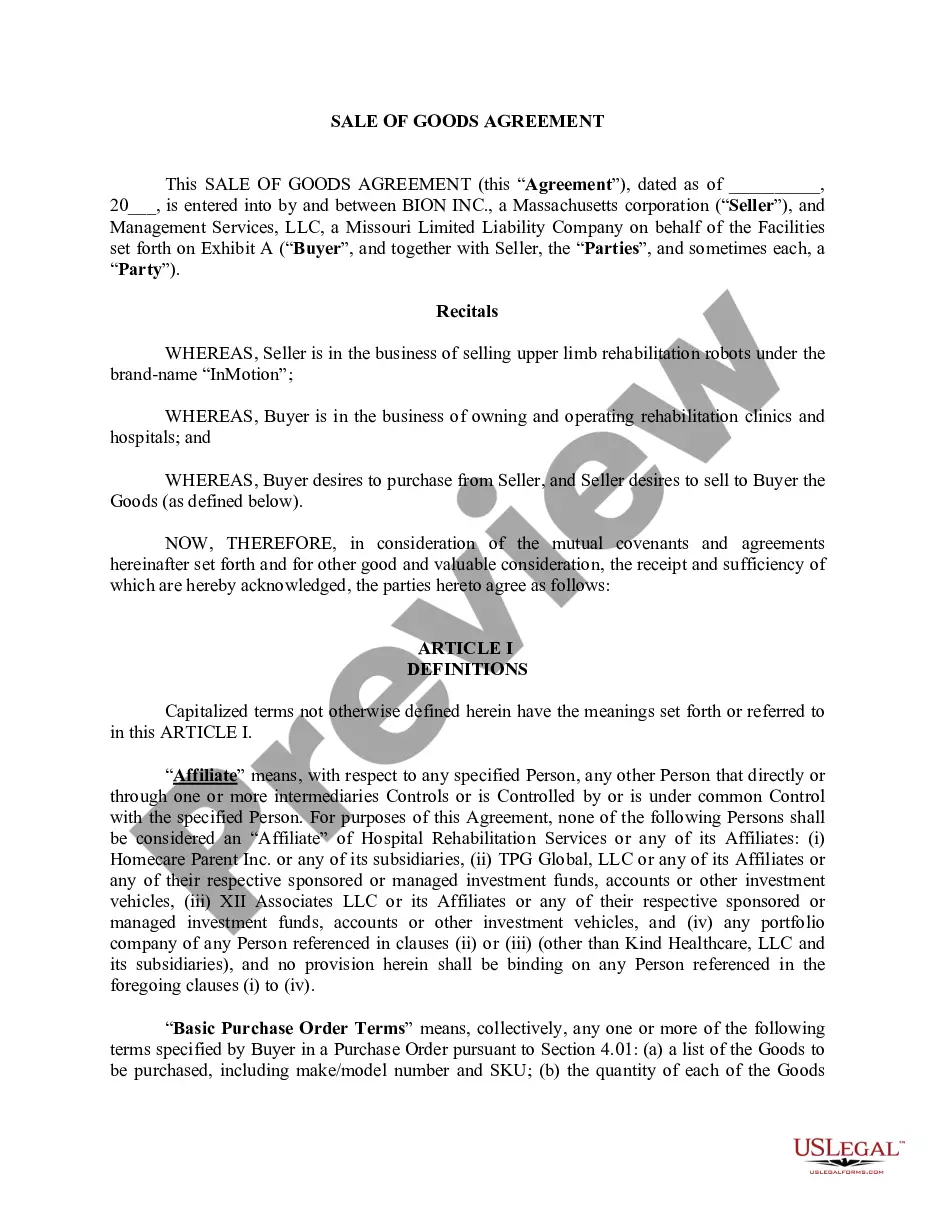
Minneapolis Minnesota Sale of Goods, Short Form
Description



Form popularity
FAQ
In Minnesota, certain items are exempt from sales tax, which can significantly impact buyers and sellers alike. Common exemptions include specific food items, clothing, and certain medical devices. Understanding these exemptions is vital for those involved in the Minneapolis Minnesota Sale of Goods, Short Form. For clarity on what qualifies for exemption, you can refer to resources provided by USLegalForms for detailed explanations and compliance tips.
The Minnesota Fact Sheet 128 provides important information about the sale of goods in Minneapolis, Minnesota. It outlines the legal framework regulating sales transactions and helps both buyers and sellers understand their rights and responsibilities. This document plays a crucial role when navigating the specifics of the Minneapolis Minnesota Sale of Goods, Short Form. To ensure compliance, consider accessing resources like USLegalForms for templates and guidance.
The sales tax rate in Minneapolis, MN, currently stands at 8.88%. This rate consists of state, county, and city taxes, and it applies to most sales of goods and services. If you're engaged in the Minneapolis Minnesota Sale of Goods, Short Form, it is crucial to be aware of this rate to stay compliant with tax regulations. Using tools and forms available on uslegalforms can help you navigate these requirements effectively.
The small seller exception in Minnesota allows certain small businesses to be exempt from charging sales tax if their sales are below a specific threshold. This benefit is significant for startups or smaller suppliers involved in the Minneapolis Minnesota Sale of Goods, Short Form, as it alleviates some financial burdens. Understanding this exception can help you save on business expenses. For more information, the uslegalforms platform provides resources you may find helpful.
The ST3 form in Minnesota is a sales tax certificate that allows qualifying purchasers to buy goods without paying sales tax. This form is particularly important for businesses involved in the Minneapolis Minnesota Sale of Goods, Short Form. It helps companies manage their tax liabilities effectively. You can obtain the ST3 form through the Minnesota Department of Revenue or various legal platforms.
Pro: Vibrant arts and culture scene. ... Con: Harsh winters. ... Pro: Abundant natural beauty. ... Con: Mosquitoes in summer. ... Pro: Great infrastructure. ... Con: Rural isolation. ... Pro: Thriving job market. ... Con: Traffic congestion in urban areas.
While living in Minneapolis, you can benefit from small-town vibes and big-city amenities. Although the cost of living is 3% higher than the state average, Minneapolis offers a budding economy, excellent and affordable healthcare, and 0% tax on clothing and shoes. Housing can also be very affordable!
Minnesota Minneapolis, officially the City of Minneapolis, is a city in and the county seat of Hennepin County, Minnesota, United States. With a population of 429,954, it is the state's most populous city as of the 2020 census. Minneapolis - Wikipedia wikipedia.org ? wiki ? Minneapolis wikipedia.org ? wiki ? Minneapolis
MINNEAPOLIS (WCCO) -- ing to a new survey, Minneapolis is increasingly among the world's most livable cities, even amid the COVID-19 pandemic. The Economist's Global Livability Index for 2021 listed the City of Lakes as the 36th most livable city in the world, up 19 spots since last year.
The cost of living in Minneapolis, MN is 2% lower than the state average and 6% lower than the national average. Minneapolis, MN housing is 13% cheaper than the U.S average, while utilities are about 6% less pricey.