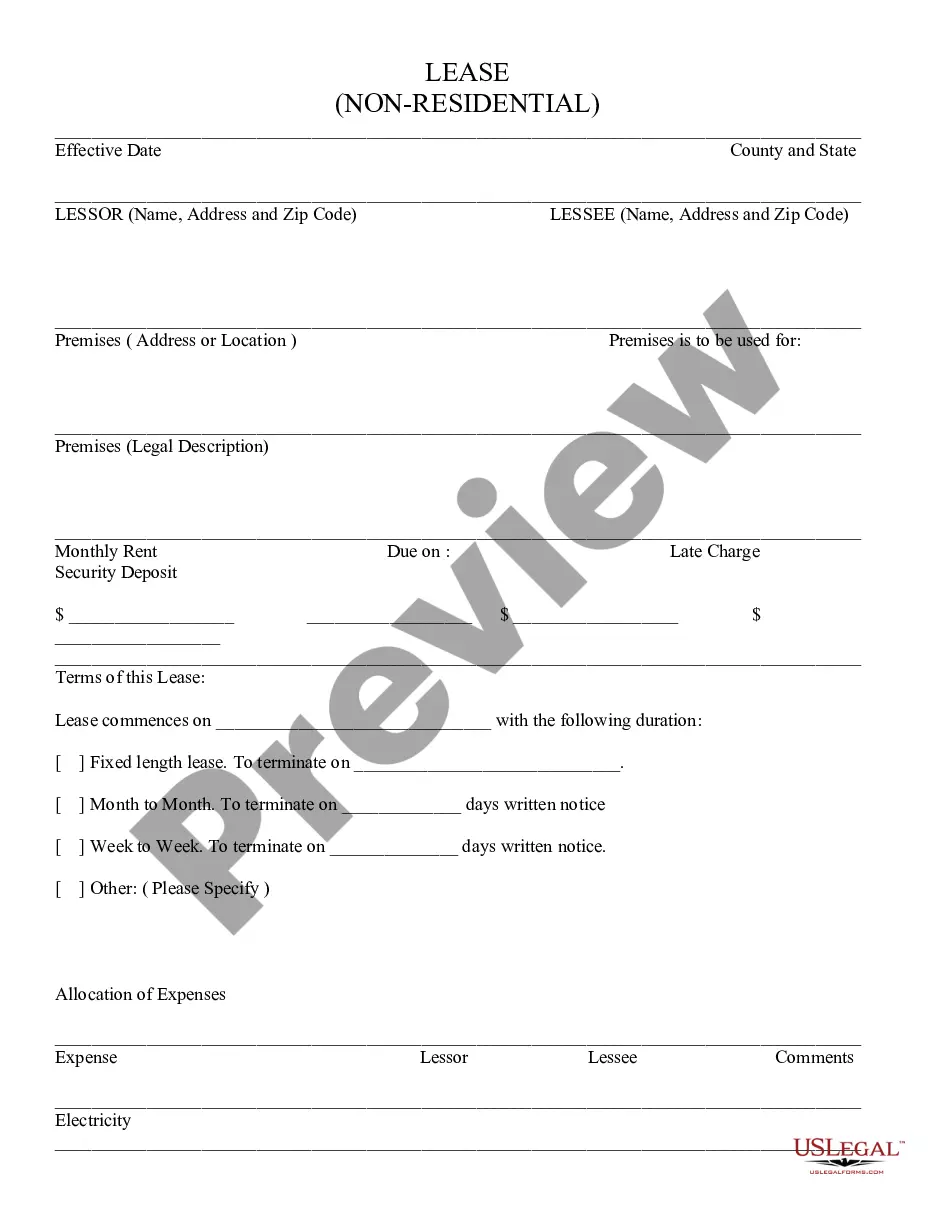
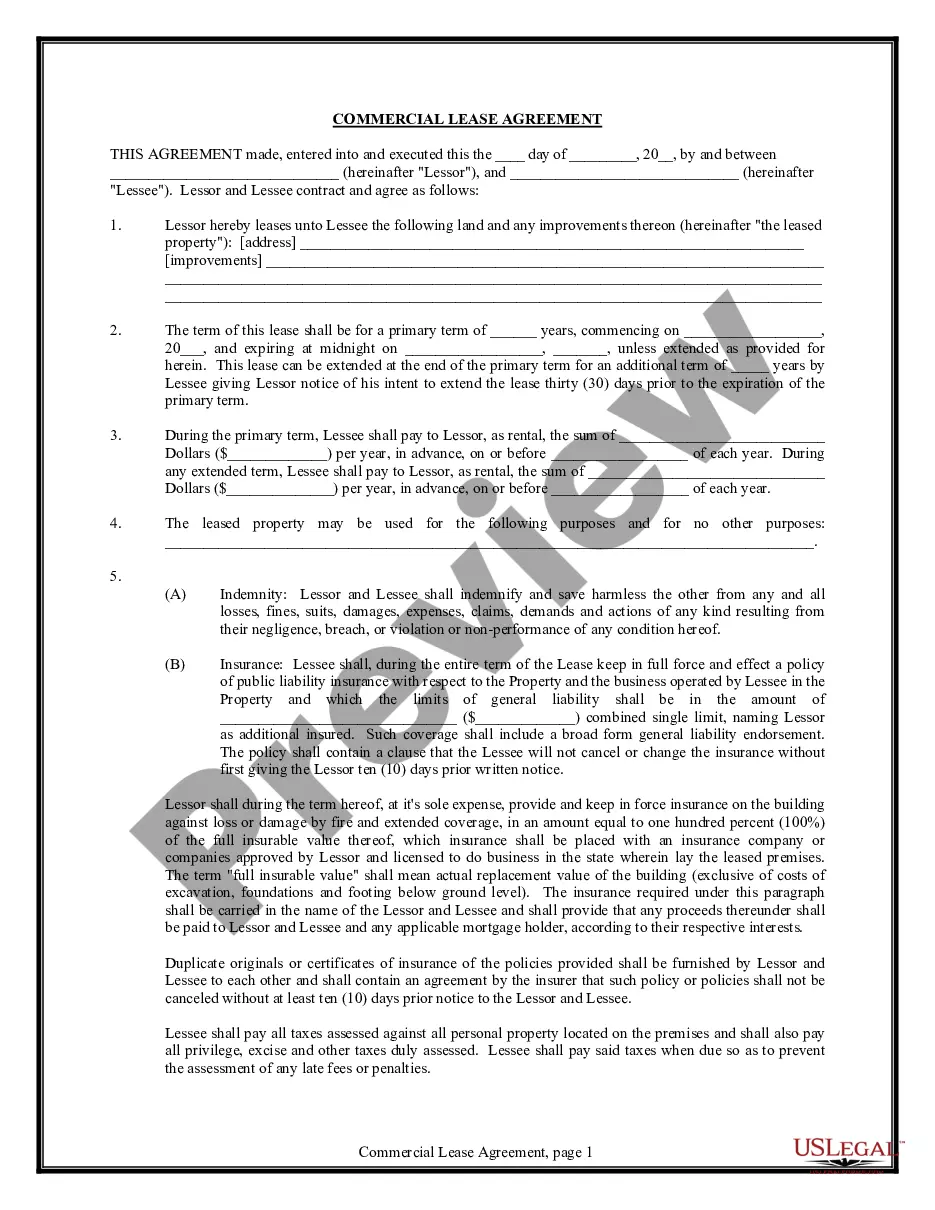
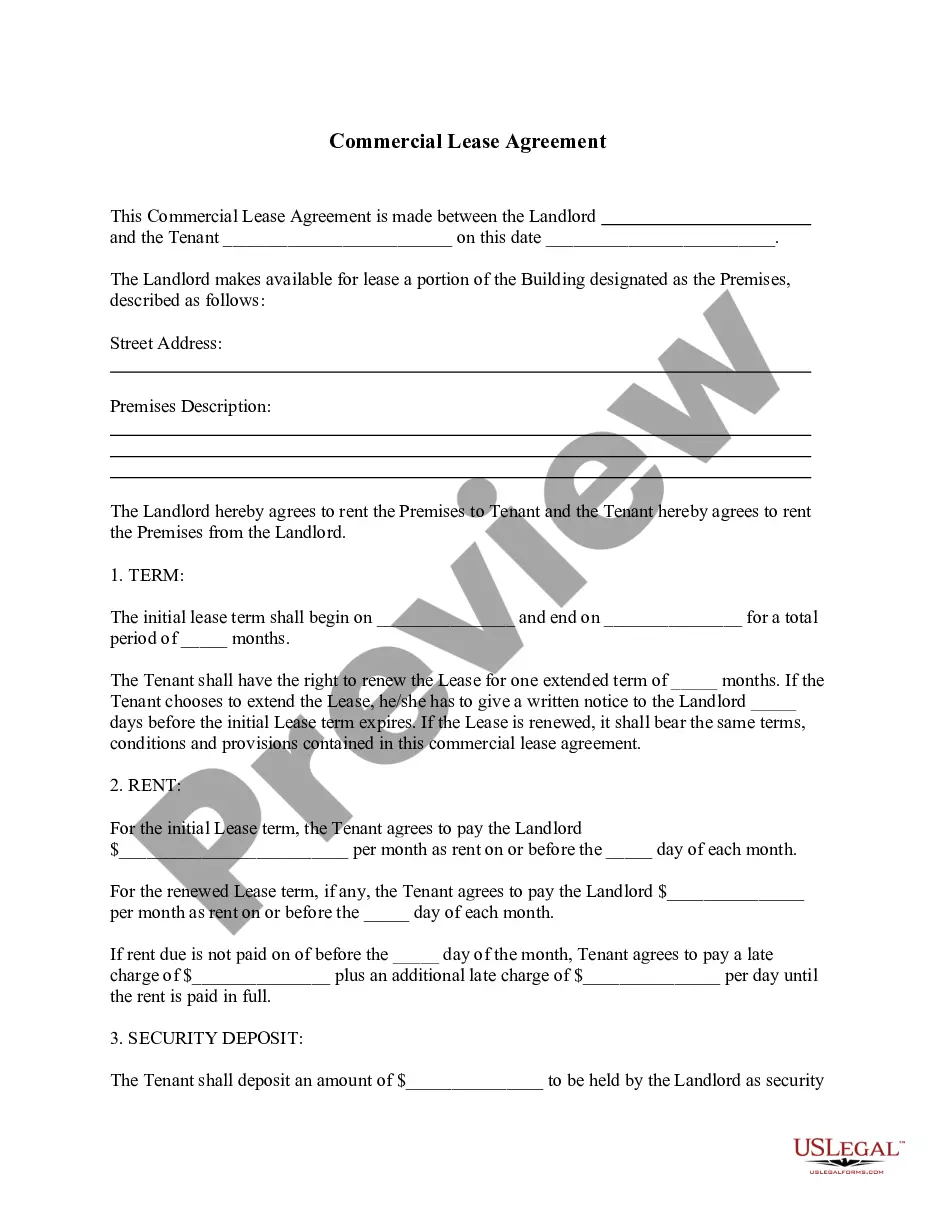
Seller agrees to transfer certain goods to the buyer and the buyer will pay for and accept the goods described in the contract. The contract also includes the following provisions: time of delivery, delivery of lots, place of delivery, method of tender, and time of payment.
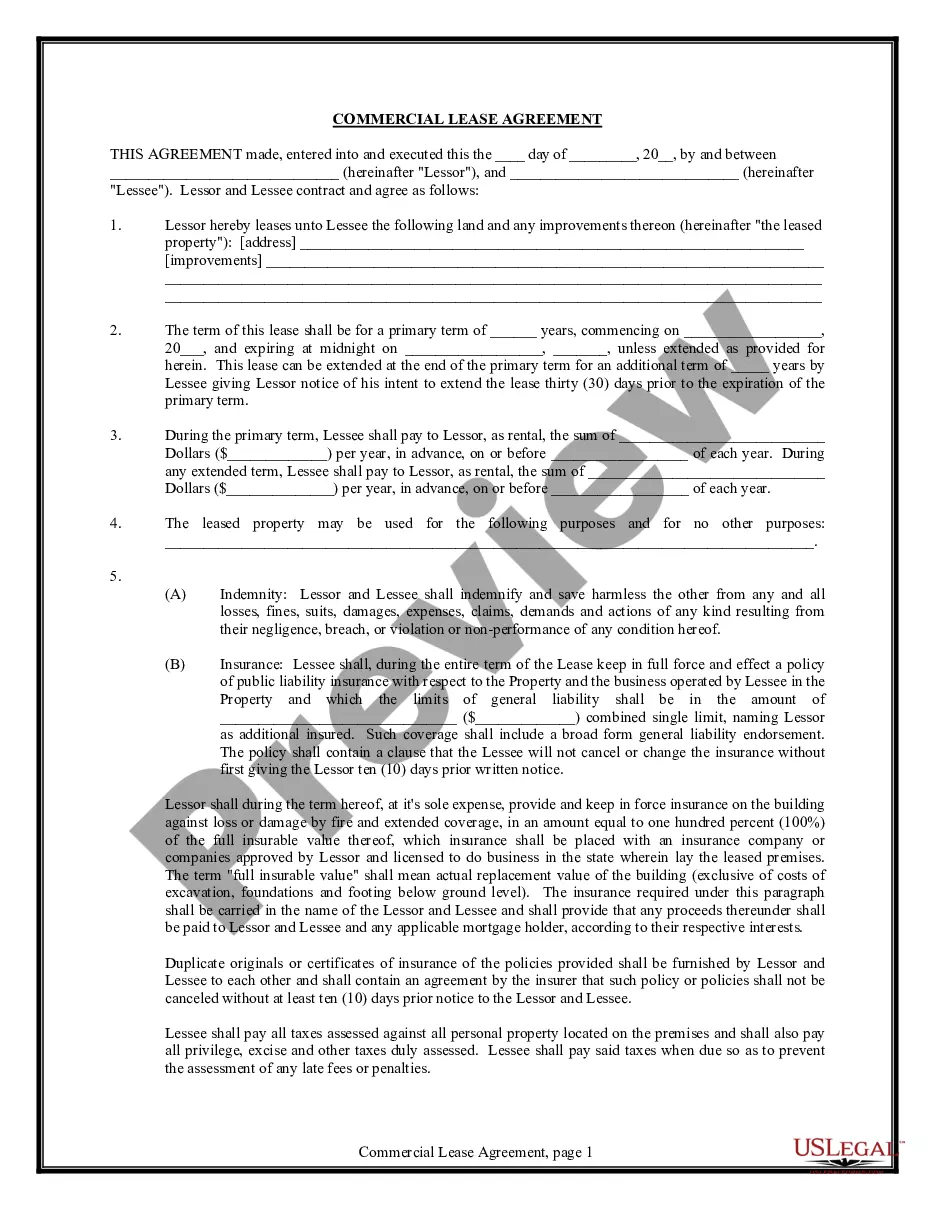
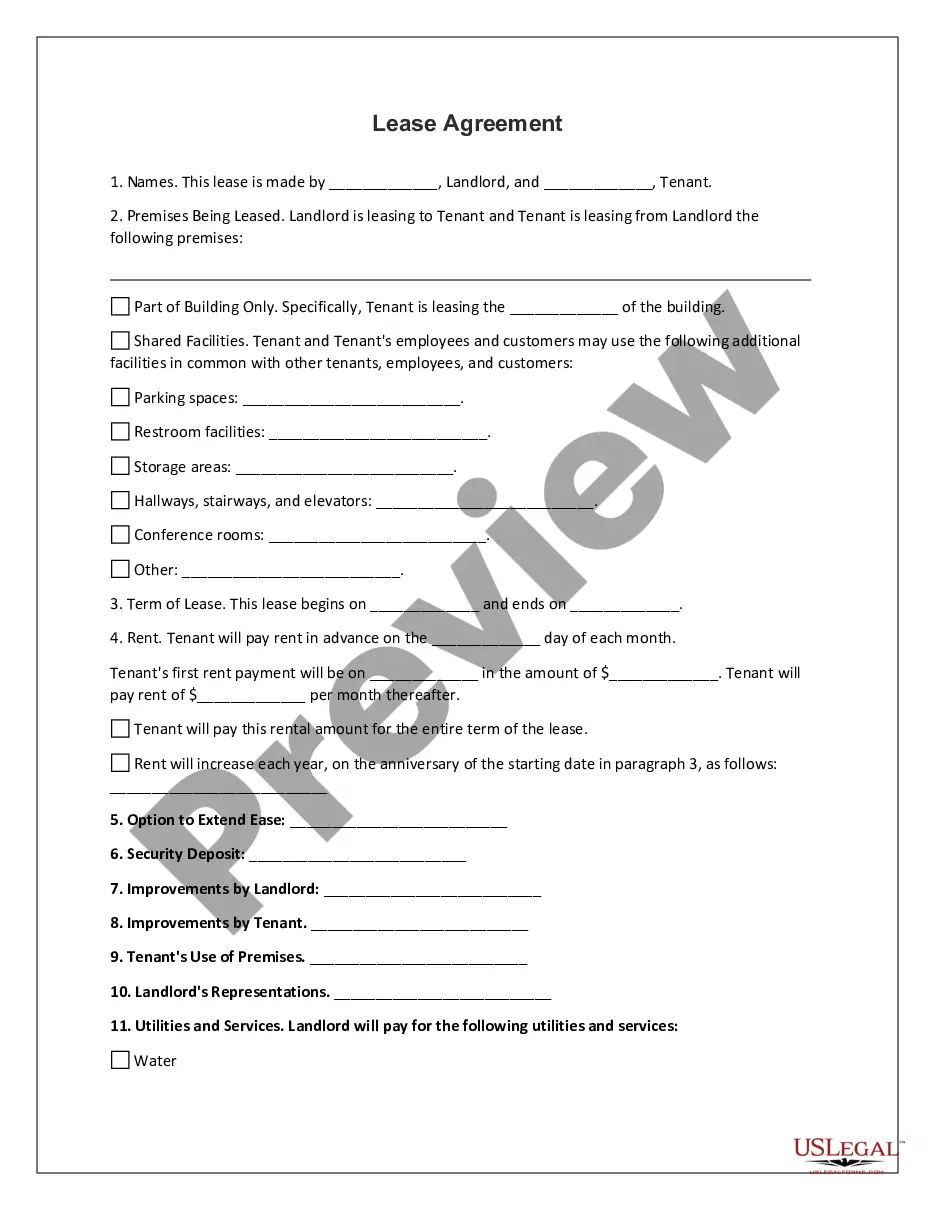
Cincinnati Ohio Commercial Space Simple Lease
Category:
State:
Multi-State
City:
Cincinnati
Control #:
US-01669-AZ
Format:
Word;
Rich Text
Instant download
Description
Free preview







Form popularity
FAQ
Getting approved for a commercial property, like a Cincinnati Ohio Commercial Space Simple Lease, can vary in difficulty depending on several factors, including your credit history, business type, and financial health. While some applicants may find it challenging, preparing your documents and business plan can greatly enhance your chances. Additionally, partnering with resources such as uslegalforms can simplify the process and help you navigate the requirements smoothly.
The minimum credit score for a Cincinnati Ohio Commercial Space Simple Lease often begins around 600. While this is a general guideline, some landlords might have more flexible requirements if you have a strong business proposal or can provide additional collateral. It’s always wise to check with your specific landlord or property manager for their criteria. Understanding these details can help you strategize effectively.
Typically, for a Cincinnati Ohio Commercial Space Simple Lease, you should aim for a credit score of at least 650. However, requirements may vary based on the landlord and the location of the property. A higher score can provide you more leverage in negotiations, and may lead to better lease terms. It's beneficial to check your credit ahead of time so you can make any necessary improvements.
To get approved for a Cincinnati Ohio Commercial Space Simple Lease, start by preparing your business documents, including financial statements and your business plan. Landlords look for solid financial health and a clear plan for your commercial space. It helps to present yourself professionally and demonstrate a strong track record. Utilizing platforms like uslegalforms can guide you through the leasing process and increase your chances of approval.
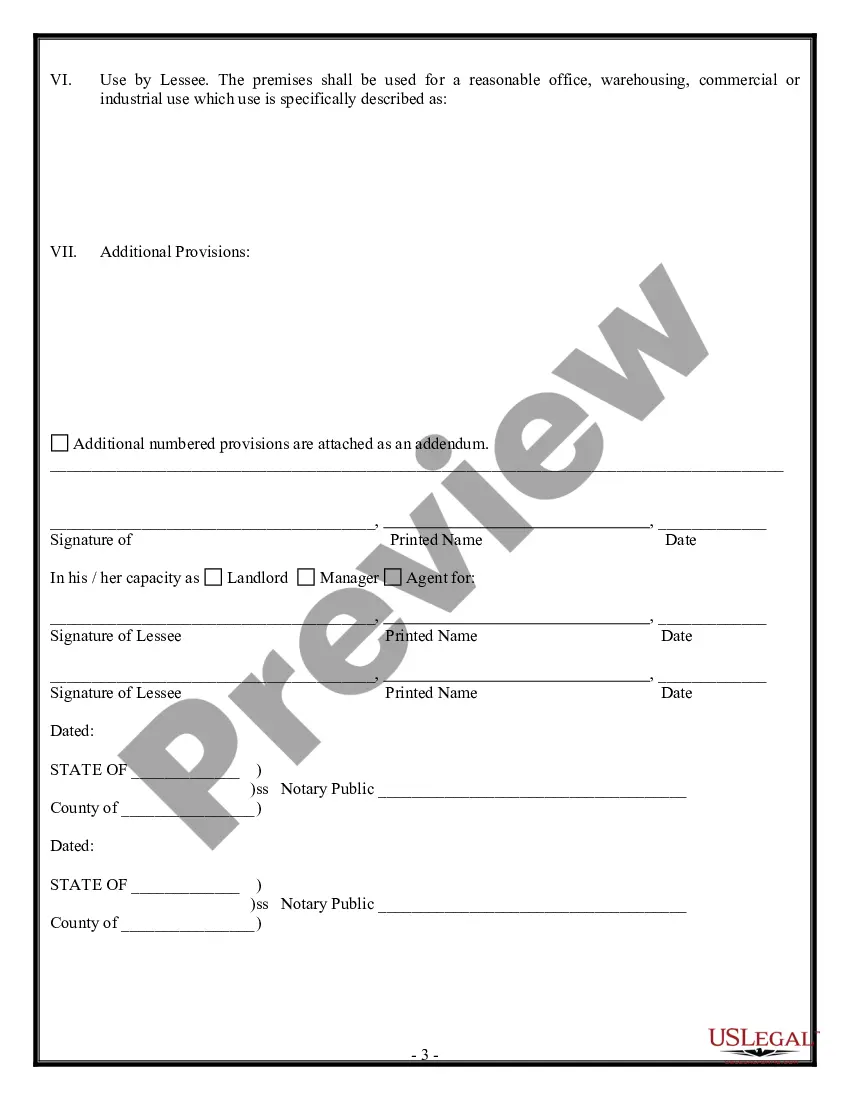
Commercial leases in Ohio, including those for Cincinnati Ohio commercial space simple leases, do not require notarization to be valid. While notarization can provide added assurance and clarity, the lack of it does not void the lease agreement. However, it's always wise to have a written lease, as it serves as proof of the agreement. If you are uncertain about the legal requirements, consult legal resources or professionals.
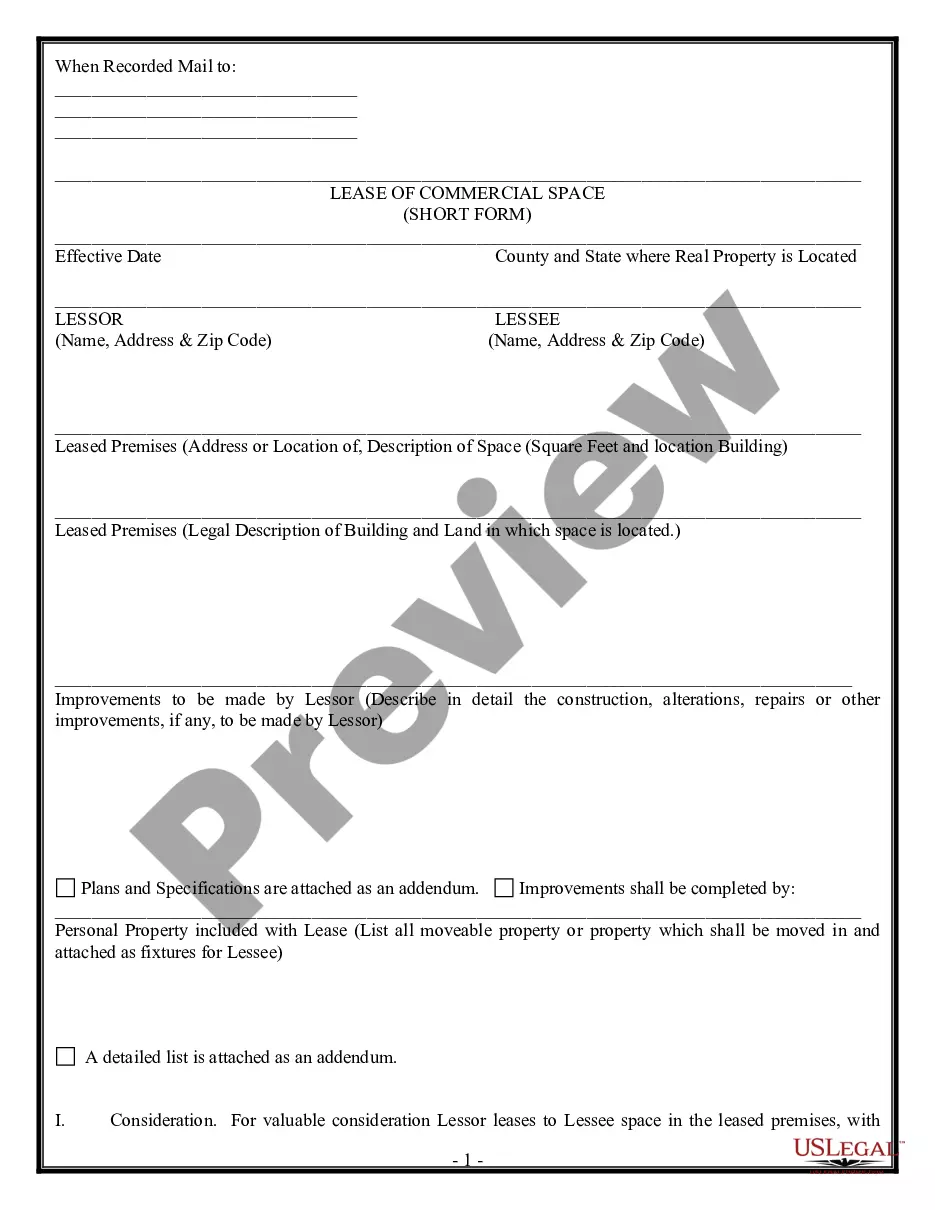
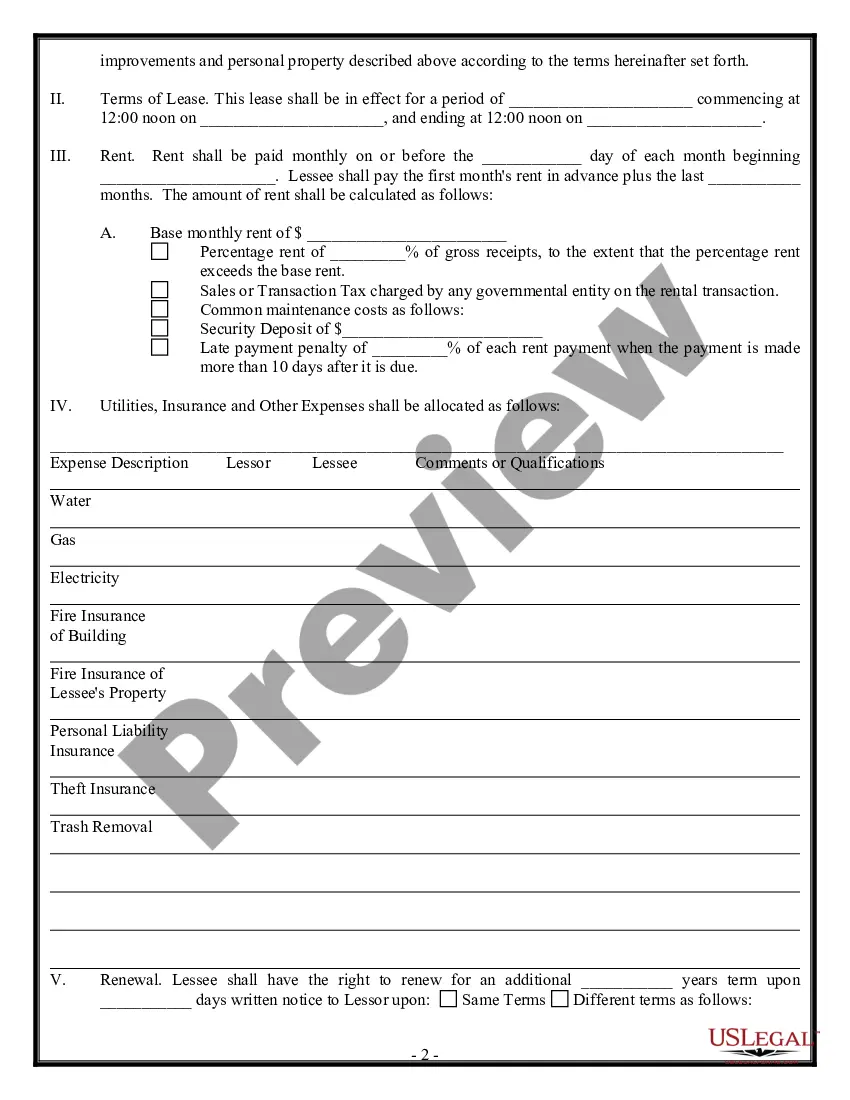
Leasing a commercial space starts with identifying your business needs, budget, and desired location. Next, you can search for properties that meet those criteria and set up viewings. Once you find the right space, you negotiate the terms with the landlord and prepare your Cincinnati Ohio commercial space simple lease. After agreeing on terms, ensure you review the lease carefully, and consider using a platform like uslegalforms to support the process.
The three primary types of commercial leases include gross leases, net leases, and percentage leases. A gross lease covers all expenses, while a net lease requires the tenant to cover some additional costs like property taxes and maintenance. Percentage leases involve the tenant paying a base rent plus a percentage of their revenue. Understanding these types is essential when entering into a Cincinnati Ohio commercial space simple lease to ensure it aligns with your business needs.
Yes, a lease can be legally binding without notarization in Ohio, including Cincinnati Ohio commercial space simple leases. While notarization adds an extra layer of security, it is not a requirement for the lease's validity. However, having a lease notarized can help prevent disputes by providing clear evidence of the agreement. If you have any concerns about legal issues in your lease, consider consulting a professional.
To complete a commercial lease, start by reviewing the terms outlined in the Cincinnati Ohio Commercial Space Simple Lease. Confirm critical elements such as rental amount, duration, and any special clauses. Next, fill in the required information thoroughly and double-check for accuracy. Lastly, consider consulting legal resources or platforms like uSlegalforms to ensure a smooth and correct completion.
Filling out a commercial lease agreement, especially for a Cincinnati Ohio Commercial Space Simple Lease, involves several straightforward steps. First, gather all necessary information about the property and the parties involved. Next, ensure you understand each section of the lease and provide accurate details. If you need assistance, consider using platforms like uSlegalforms, which offer templates and guidance specifically designed for such agreements.