Columbus Ohio Order Granting Protective Order
Description


Form popularity
FAQ
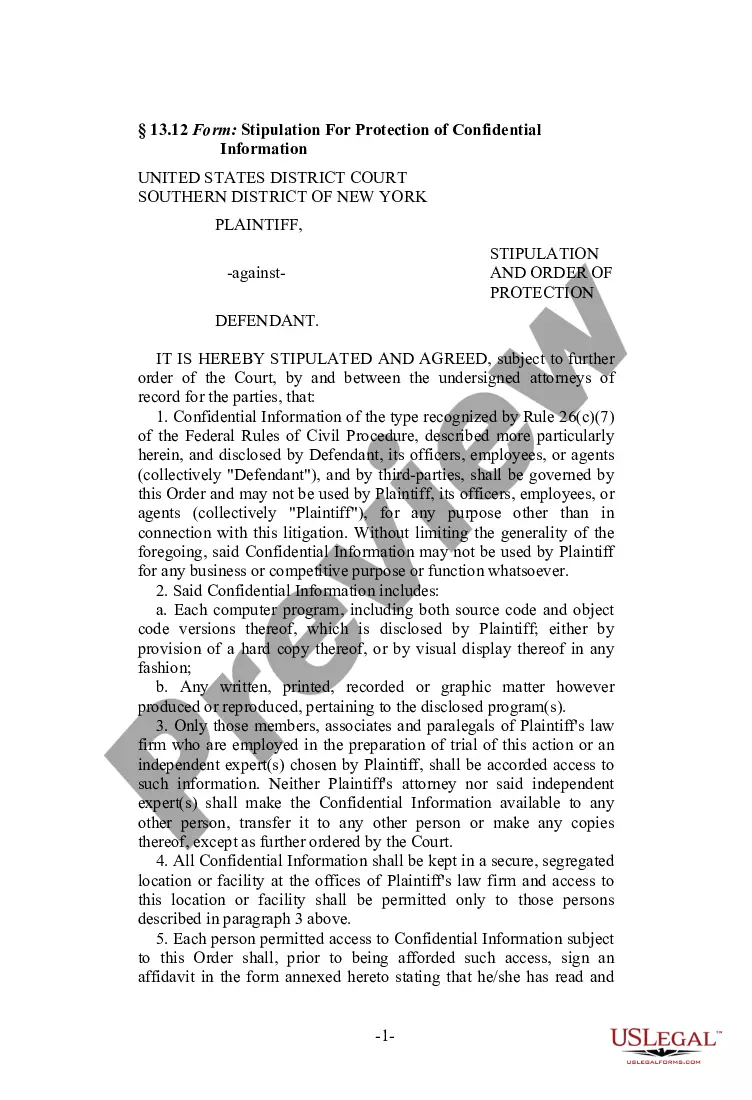
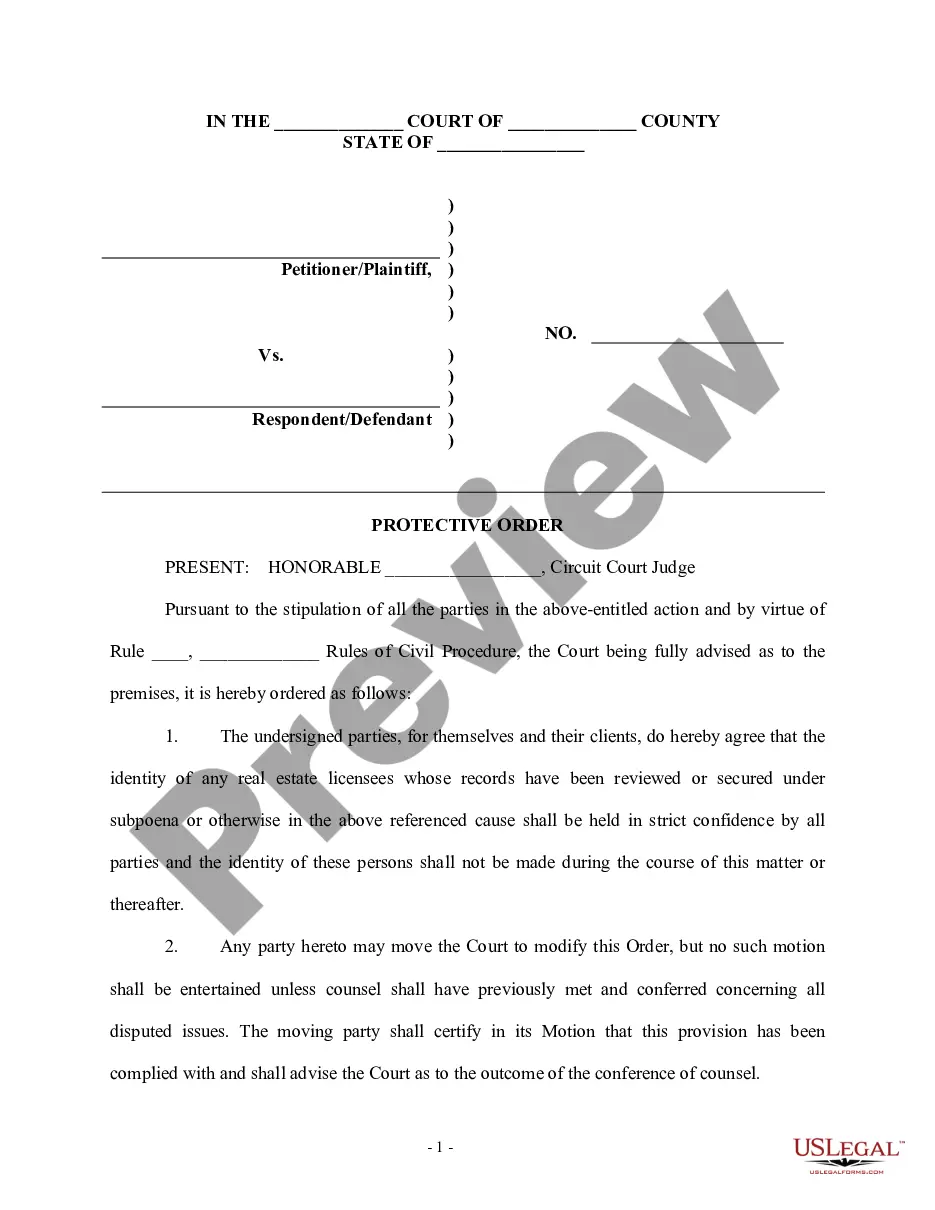
A motion for a protective order in Ohio civil rules is a legal request to the court to limit or restrict the discovery process to protect a party from annoyance, embarrassment, or oppression. This legal mechanism can be important in various situations and is often part of proceedings that could involve a Columbus Ohio Order Granting Protective Order. By filing this motion, parties can seek to safeguard sensitive information from being disclosed unnecessarily.
In Ohio, a no contact order may be issued in cases involving domestic violence, stalking, or harassment. The order generally prohibits the offender from contacting the victim directly or indirectly. The court issues this order to ensure the safety of the victim and can be pivotal in cases related to a Columbus Ohio Order Granting Protective Order. It is essential to establish a clear threat or previous incidents to qualify for this order.
At a protection order hearing, clearly communicate your experiences and concerns without exaggeration or emotion. Focus on specific incidents, providing dates, times, and descriptions of events that led you to seek a protective order. Being concise and factual will strengthen your appeal for a Columbus Ohio Order Granting Protective Order.
To win an order of protection hearing in Columbus, Ohio, it is essential to present clear, compelling evidence of threats or harm. Gather documentation, witness statements, and relevant records to support your case. Adequately preparing your testimony and understanding legal procedures increase your chances of a favorable outcome with a Columbus Ohio Order Granting Protective Order.
In Ohio, a Temporary Protection Order (TPO) is a short-term measure offered before a court hearing, while a Civil Protection Order (CPO) is a longer-lasting solution issued after a hearing. A TPO provides immediate protection and is often granted without the accused present, whereas a CPO remains in effect for a specified period after evaluating both parties' evidence. Knowing these distinctions helps in obtaining the right Columbus Ohio Order Granting Protective Order for your situation.
A judge may deny a protection order in Columbus for several reasons, including lack of evidence or if the claims do not meet legal standards. If the petitioner fails to show a credible threat or documented history of abuse, the court may find no grounds for protection. Understanding these factors is vital when pursuing a Columbus Ohio Order Granting Protective Order.
To beat a protection order in Columbus, Ohio, you need to gather evidence that contradicts the claims made against you. Presenting a solid defense during the hearing, demonstrating the lack of justification for the order, and potentially showcasing character witnesses can strengthen your position. Remember, a Columbus Ohio Order Granting Protective Order can be challenged, but strategic preparation is key.
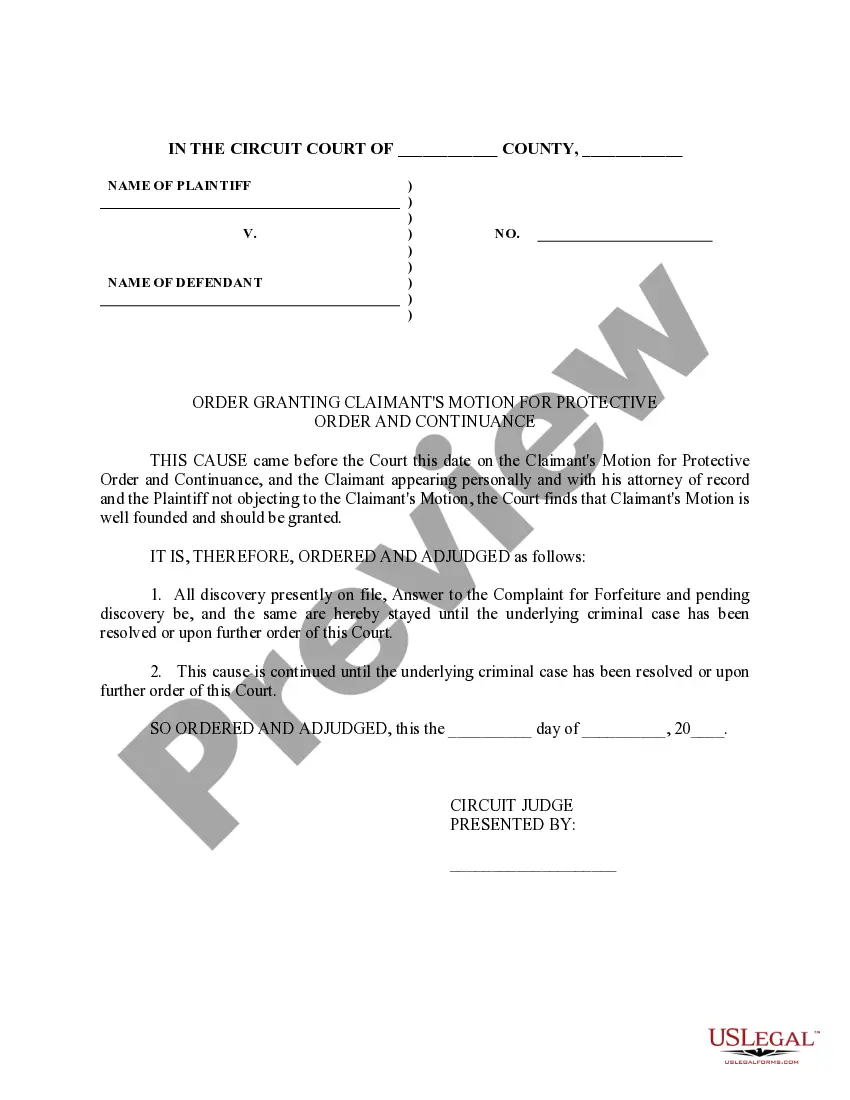
An order granting a motion for a discovery protective order in Columbus, Ohio, allows a party in a legal dispute to protect sensitive information from being disclosed. This order ensures that confidential materials shared during the discovery process remain secure. It is essential for parties concerned about privacy when navigating the complexities of a Columbus Ohio Order Granting Protective Order.
In Columbus, Ohio, there are three types of protection orders: Domestic Violence Protection Orders (DVPO), Civil Protection Orders (CPO), and Temporary Protection Orders (TPO). Each type addresses different situations involving abuse or harassment. Understanding these distinctions is crucial when seeking a Columbus Ohio Order Granting Protective Order tailored to your needs.