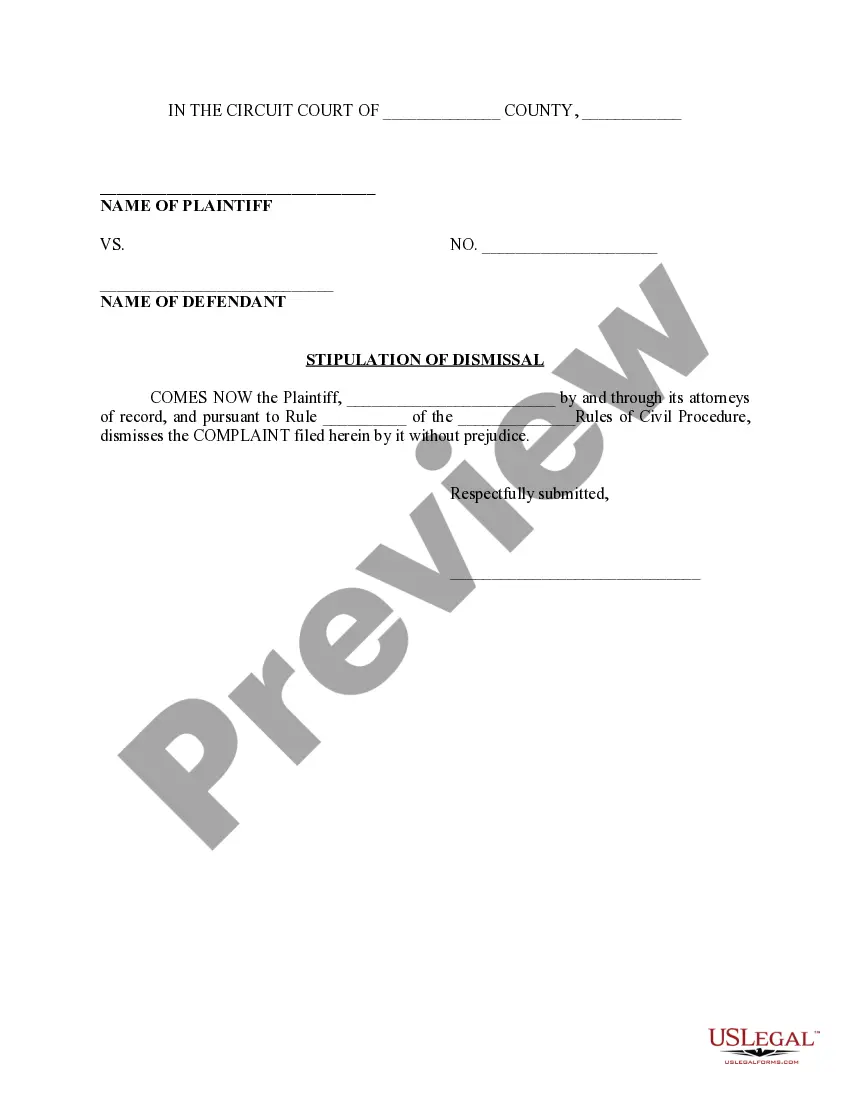
Las Vegas Nevada Stipulation for Dismissal
Description
Get your form ready online
Our built-in tools help you complete, sign, share, and store your documents in one place.
Make edits, fill in missing information, and update formatting in US Legal Forms—just like you would in MS Word.
Download a copy, print it, send it by email, or mail it via USPS—whatever works best for your next step.
Sign and collect signatures with our SignNow integration. Send to multiple recipients, set reminders, and more. Go Premium to unlock E-Sign.
If this form requires notarization, complete it online through a secure video call—no need to meet a notary in person or wait for an appointment.
We protect your documents and personal data by following strict security and privacy standards.

Make edits, fill in missing information, and update formatting in US Legal Forms—just like you would in MS Word.

Download a copy, print it, send it by email, or mail it via USPS—whatever works best for your next step.

Sign and collect signatures with our SignNow integration. Send to multiple recipients, set reminders, and more. Go Premium to unlock E-Sign.

If this form requires notarization, complete it online through a secure video call—no need to meet a notary in person or wait for an appointment.

We protect your documents and personal data by following strict security and privacy standards.
Looking for another form?
Form popularity
FAQ
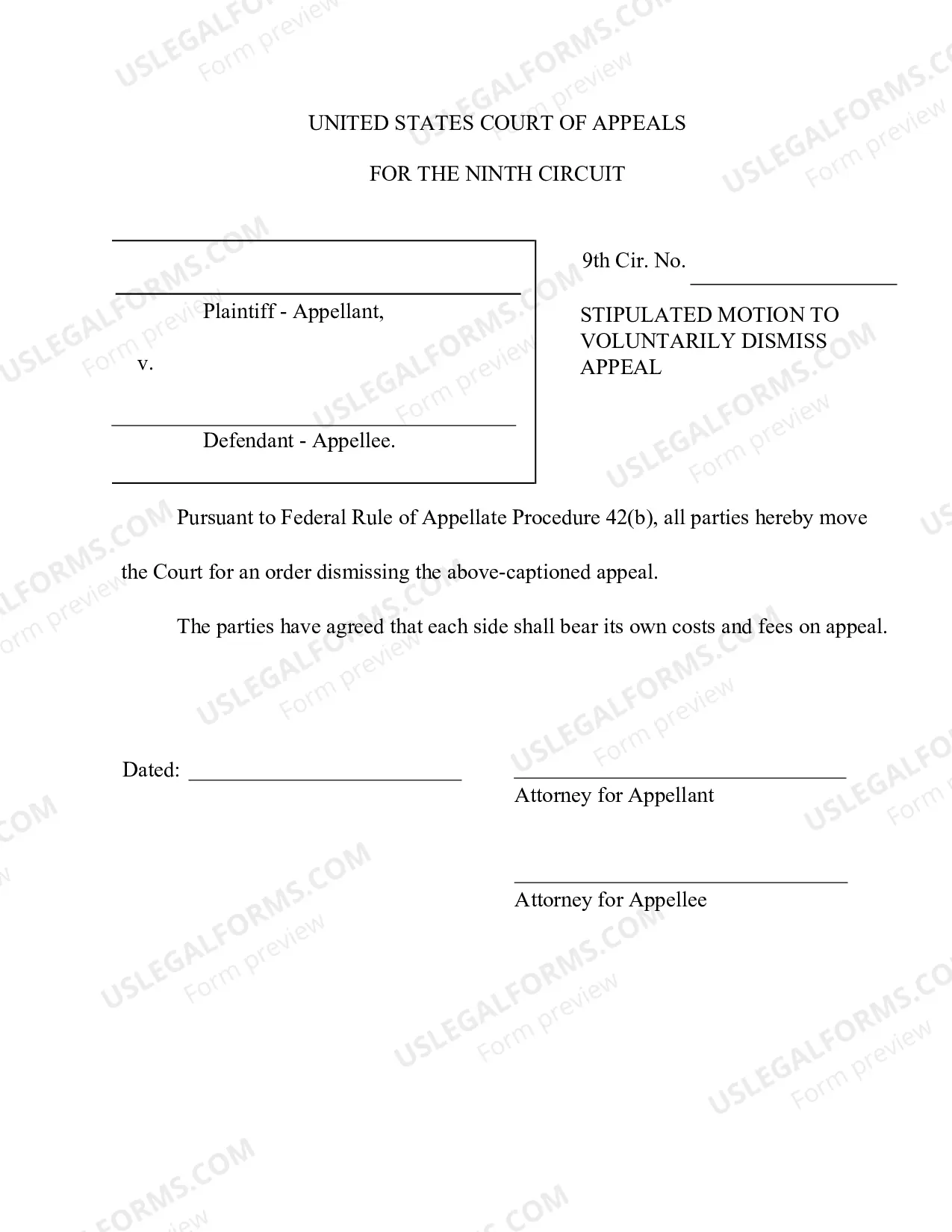
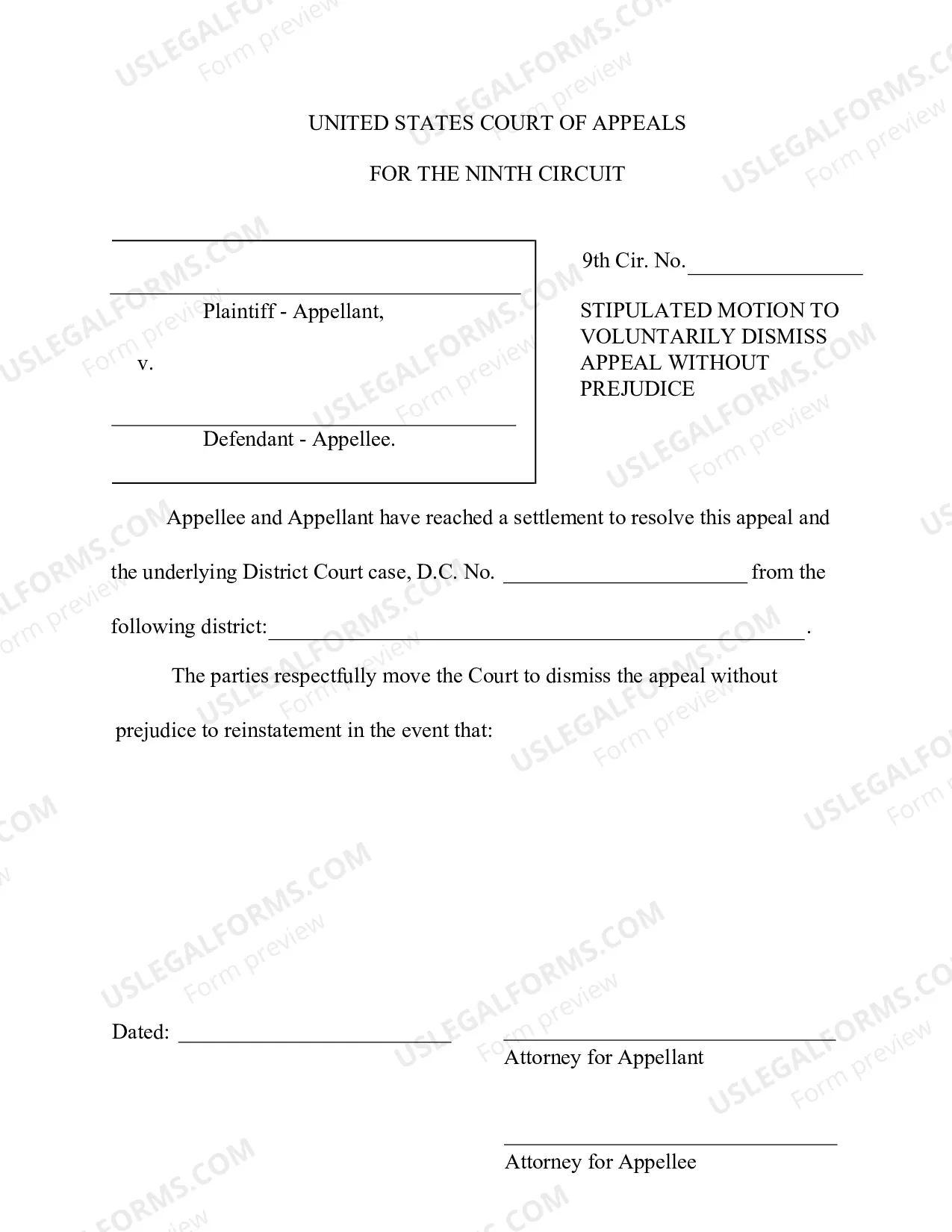
A stipulated motion indicates an agreement between parties involved in a legal case. When referring to a Las Vegas Nevada Stipulation for Dismissal, it shows that both parties consent to the dismissal of the case, eliminating the need for trial. This mutual agreement fosters a more amiable resolution, paving the way for both parties to move on without further conflict.
A stipulated motion to dismiss is a formal request filed in court, where both parties agree to dismiss a case without further court action. This is particularly relevant in the context of a Las Vegas Nevada Stipulation for Dismissal, allowing parties to efficiently conclude disputes. By agreeing to dismiss, both sides can save time, reduce legal costs, and avoid lengthy proceedings.
Rule 35 in Nevada refers to the process of seeking an examination of a party's mental or physical condition. This rule allows parties involved in legal proceedings, such as those concerning a Las Vegas Nevada Stipulation for Dismissal, to request evaluations when necessary. The court's approval is essential for these examinations, ensuring that the privacy and rights of all individuals are respected.
A dismissal stipulation is an agreement between parties to officially dismiss a case, often under specific conditions outlined in the stipulation itself. This agreement allows both sides to resolve their dispute without a trial, saving time and resources. Utilizing resources like uslegalforms can simplify the process of drafting and filing a dismissal stipulation in the context of Las Vegas Nevada Stipulation for Dismissal.
In Nevada, a 3 day notice of intent to take default serves as a legal notification to a party that their failure to respond to a lawsuit could lead to a default judgment against them. This notice provides an opportunity for the recipient to act before the court makes a ruling. Knowing how this process works can help you navigate your legal options effectively, especially when dealing with the Las Vegas Nevada Stipulation for Dismissal.
A stipulated dismissal with prejudice indicates that a case is permanently closed, and the parties involved cannot bring the same claim again in the future. This type of dismissal often arises from an agreement between both parties to settle the matter. Understanding the implications of this decision is crucial, especially in the context of Las Vegas Nevada Stipulation for Dismissal, as it ensures all issues are resolved thoroughly.
The three types of dismissals include voluntary dismissal, involuntary dismissal, and dismissal with prejudice. A voluntary dismissal occurs when the plaintiff chooses to end the action, often through a Las Vegas Nevada Stipulation for Dismissal. Involuntary dismissal happens when the court dismisses a case for failure to prosecute or follow procedural rules. Understanding these types of dismissals can guide your legal strategy effectively.
The 4.2 rule in Nevada refers to the requirement for parties to meet certain procedural steps before a stipulation of dismissal is entered. It ensures that both sides have had a fair chance to discuss terms and conditions. Understanding this rule is crucial when preparing a Las Vegas Nevada Stipulation for Dismissal, as it can affect the procedure and outcome of your case. Always consider consulting with legal experts for guidance.
A dismissal with prejudice in Nevada means that a case is permanently dismissed and cannot be brought back to court. This type of dismissal usually follows a settlement agreement, and it is binding on the parties involved. If you encounter a Las Vegas Nevada Stipulation for Dismissal, be sure to understand whether it is with or without prejudice, as this affects your legal rights moving forward. A dismissal with prejudice provides closure to the matter.
A stipulation of dismissal is a document that both parties submit to the court, indicating their agreement to terminate the case. In the realm of Las Vegas Nevada Stipulation for Dismissal, it highlights the collaborative nature of the resolution. This type of dismissal can occur with or without certain conditions. It's crucial to understand the implications of this agreement on any potential future claims.