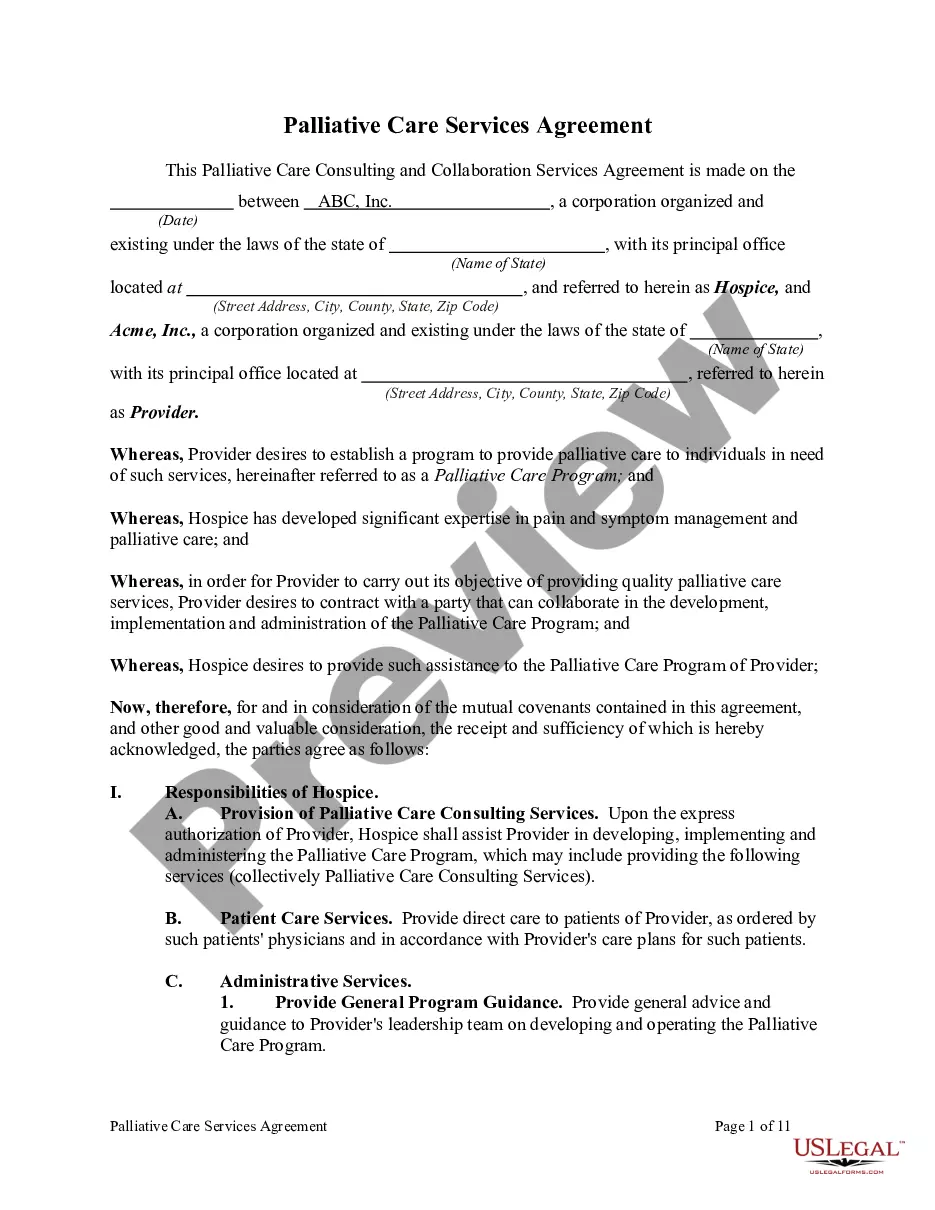
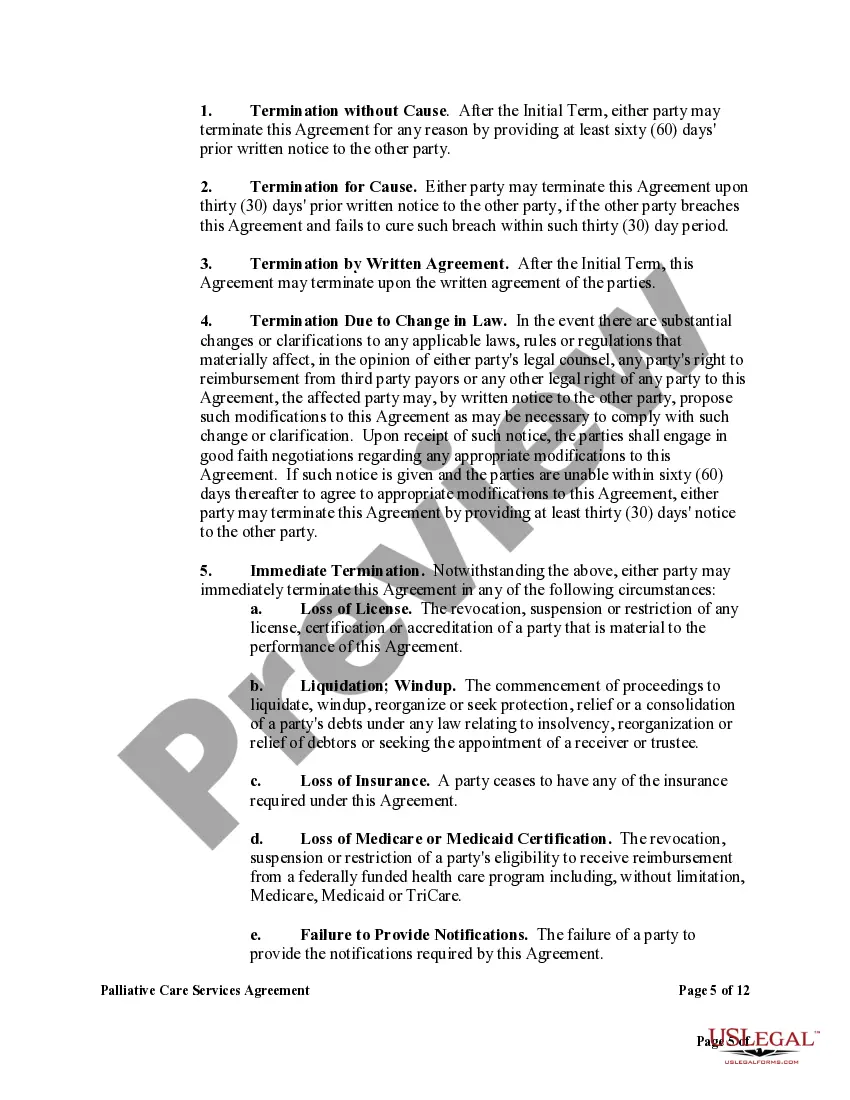
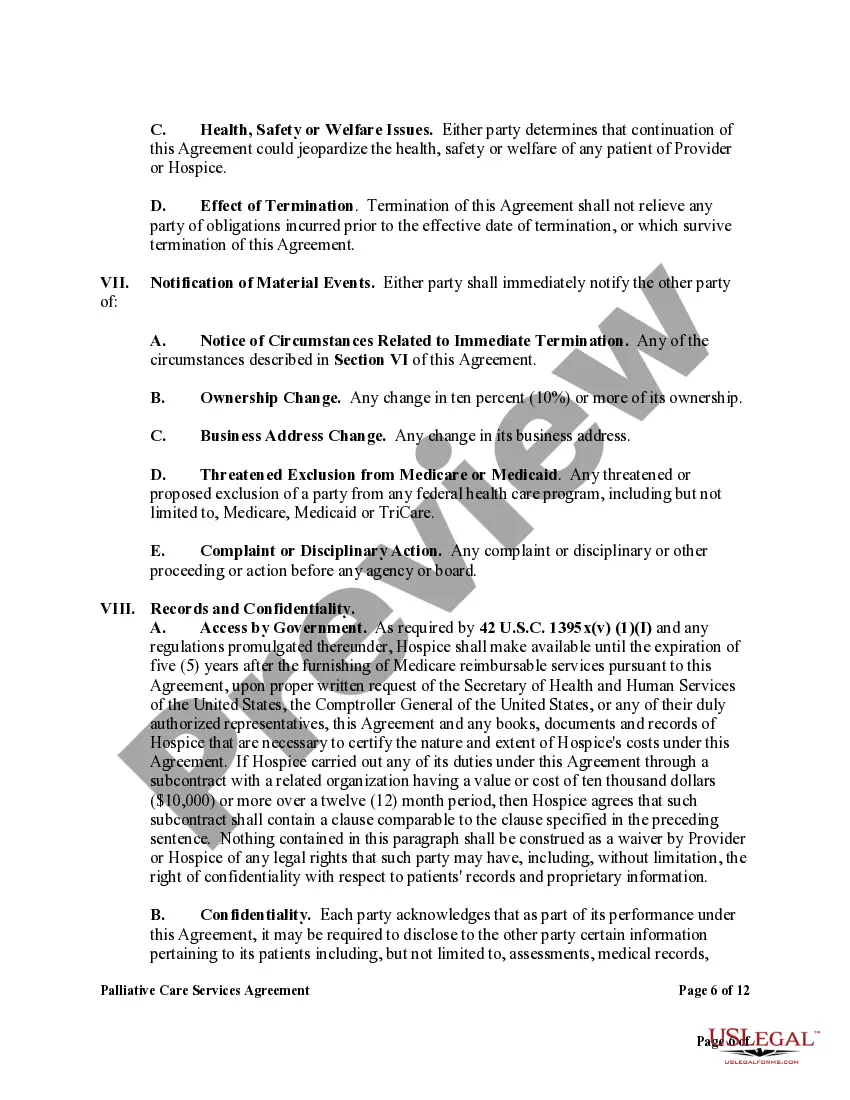
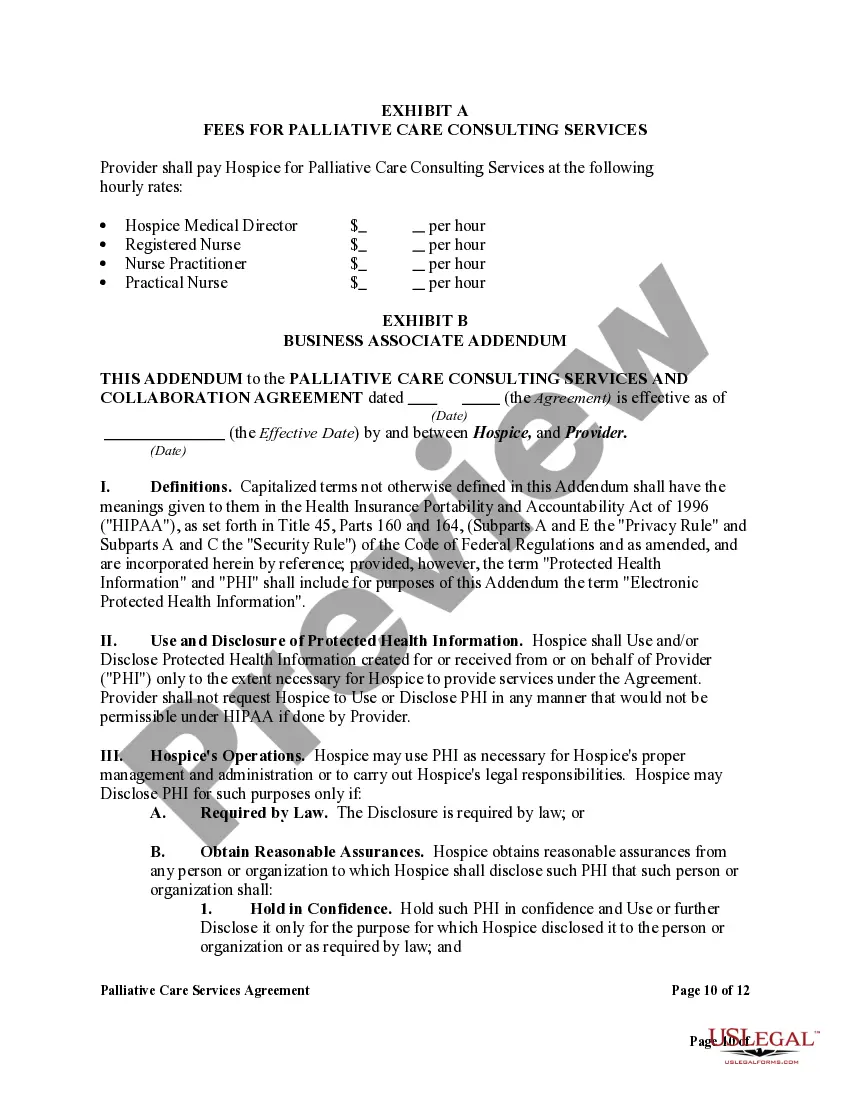
Hospices offer palliative and supportive care to the terminally ill, focusing on managing pain and other symptoms instead of seeking curative treatment for an illness. Recently, the concept of palliative care has expanded beyond the boundaries of hospice care to include care and services provided to patients suffering from progressive, incurable illnesses, who may or may not be eligible for hospice care, depending on whether their life expectancy is greater than six months.
Seattle Washington Palliative Care Services Agreement Related Searches
Why palliative care is bad
Palliative care vs hospice
DOH palliative care
How does hospice work in Washington State
Palliative care Roadmap
Palliative care, meaning
Hospice poulsbo wa
Hospice Seattle area
Interesting Questions
Not at all! Palliative care can be provided in various settings, including at home, outpatient clinics, or in long-term care facilities. It's all about what works best for you.
Just bring it up! You can say something like, 'I’ve been feeling overwhelmed with my illness and would like to explore palliative care options.' Remember, it’s your health, and you deserve the support.
Palliative care in Seattle is typically provided by a team of professionals, including doctors, nurses, social workers, and chaplains. It’s a team effort to give patients the best care possible.
Absolutely! Family members are a crucial part of the palliative care journey. Their involvement helps ensure that everyone’s needs, preferences, and emotions are taken into account, making care more holistic.
Palliative care can be received at any point during an illness, while hospice care is specifically for individuals who are nearing the end of life. Think of palliative care as support that runs alongside medical treatment.
Anyone coping with serious health issues can benefit from palliative care. It’s not just for end-of-life situations; it’s for anyone looking to manage symptoms and improve their overall well-being.
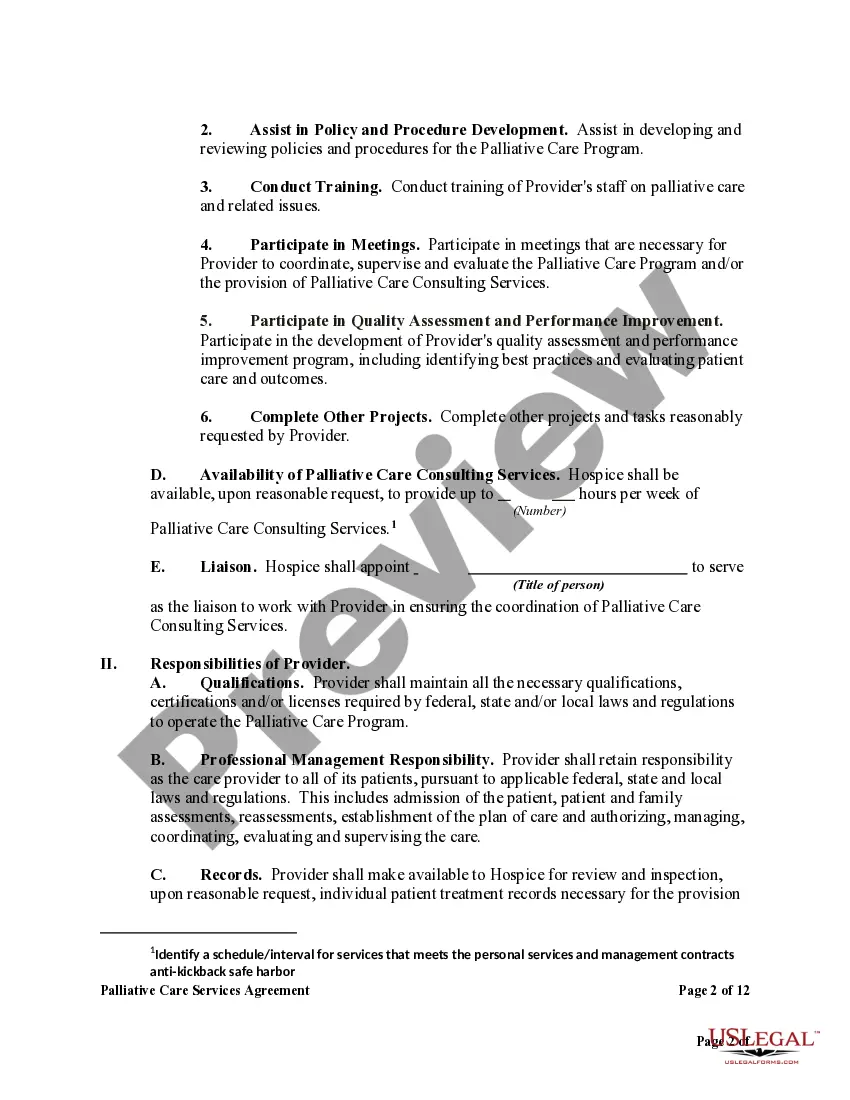
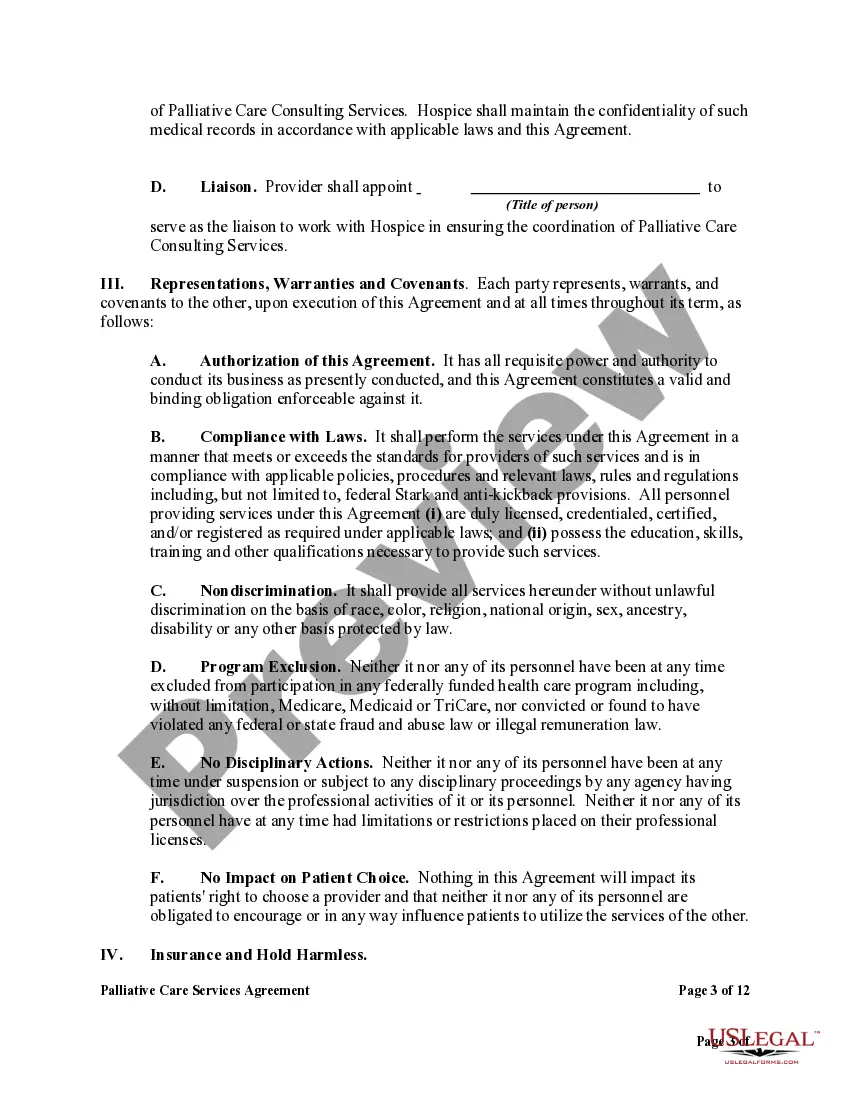
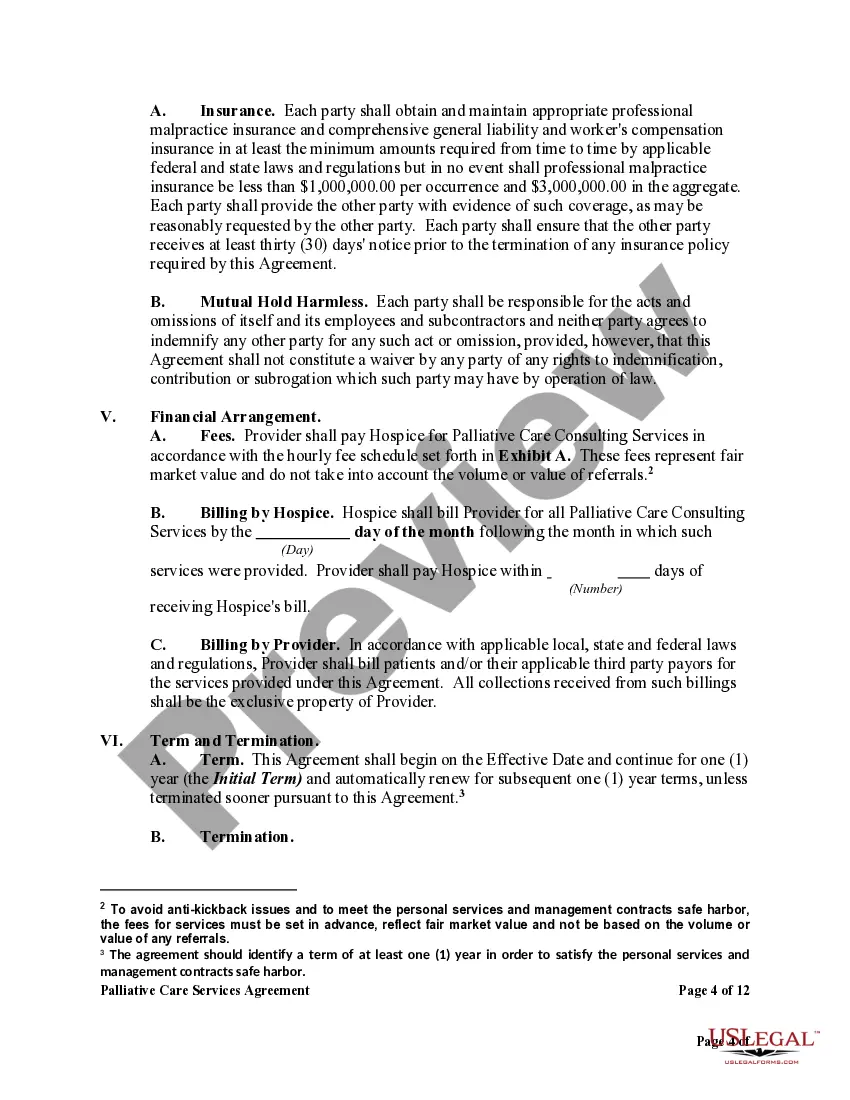
A Palliative Care Services Agreement in Seattle is a document that outlines how care and support will be provided to patients with serious illnesses. It's all about improving quality of life and making sure that patients and their families are on the same page.