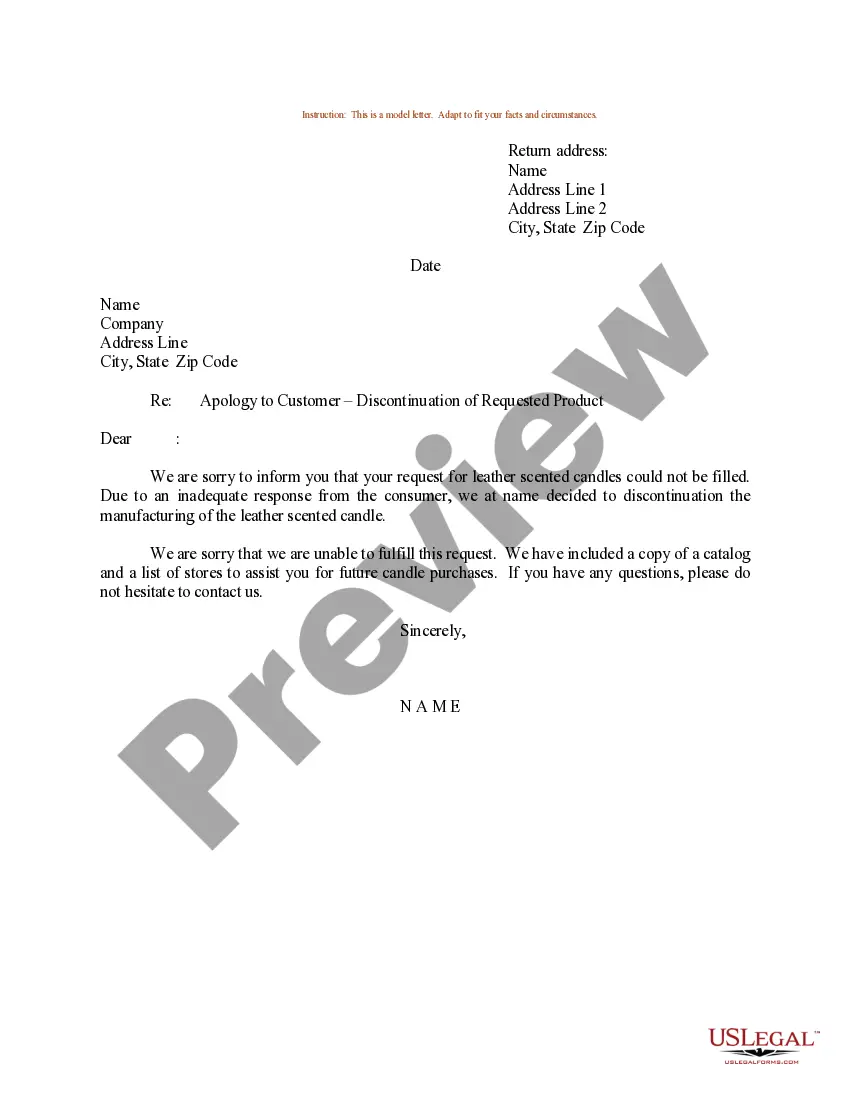
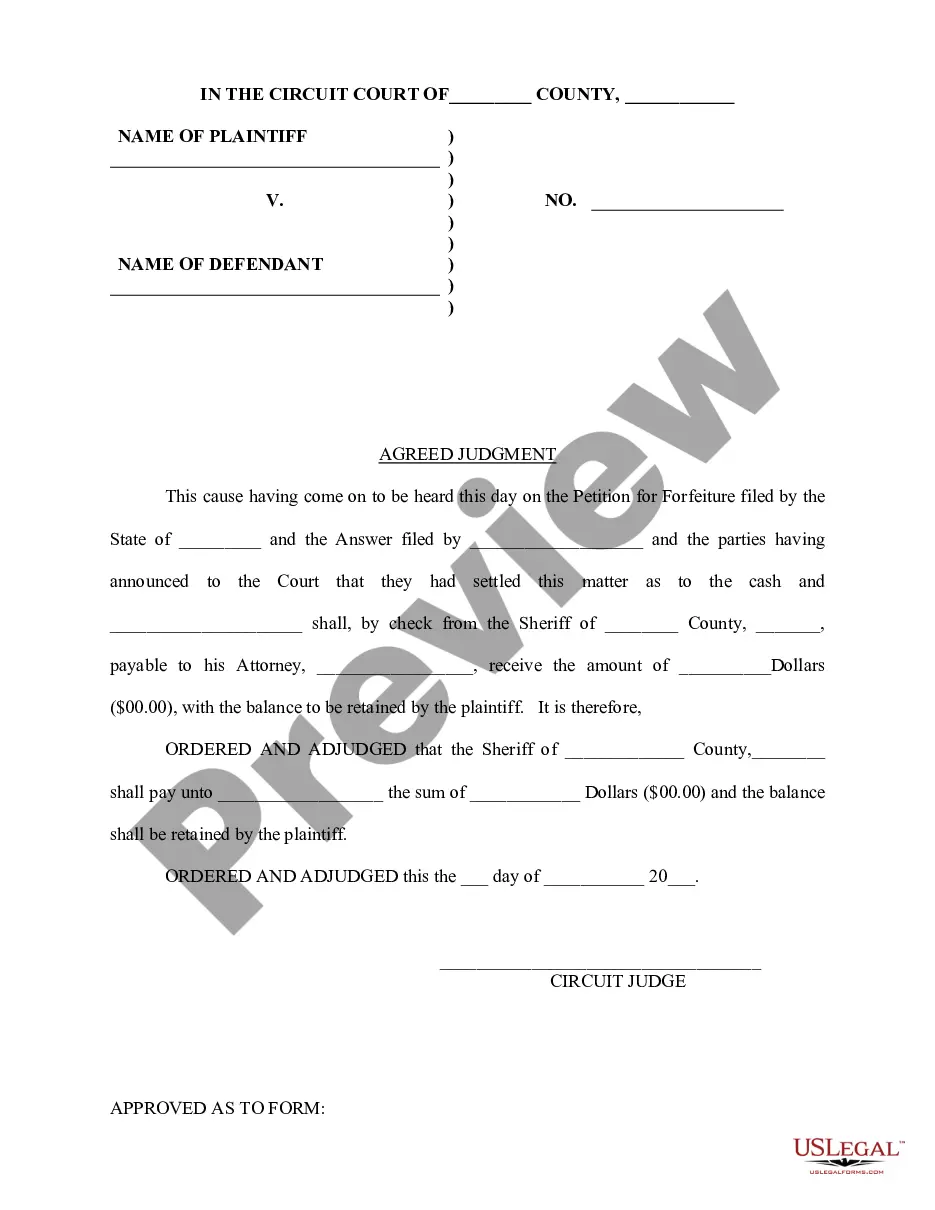
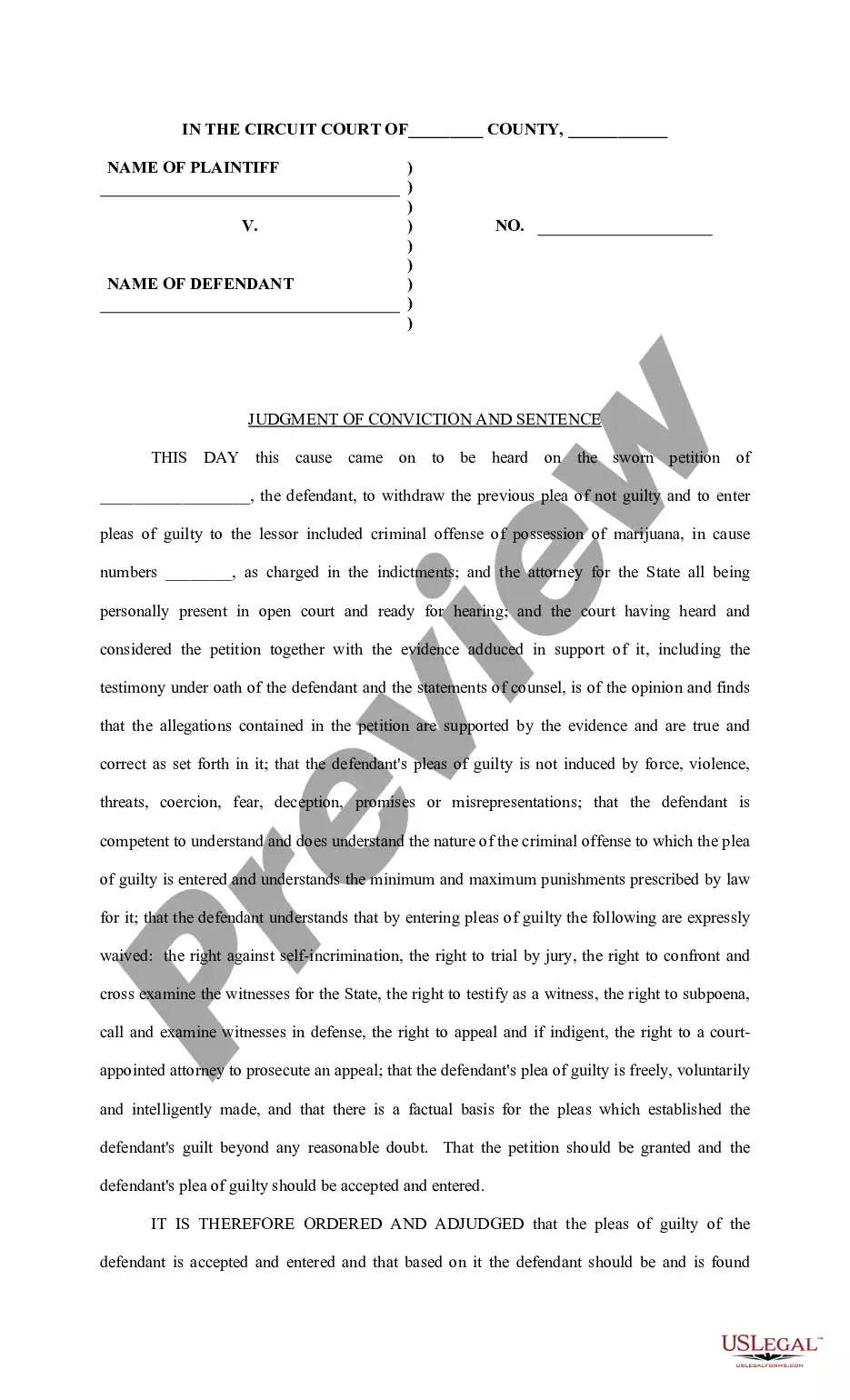
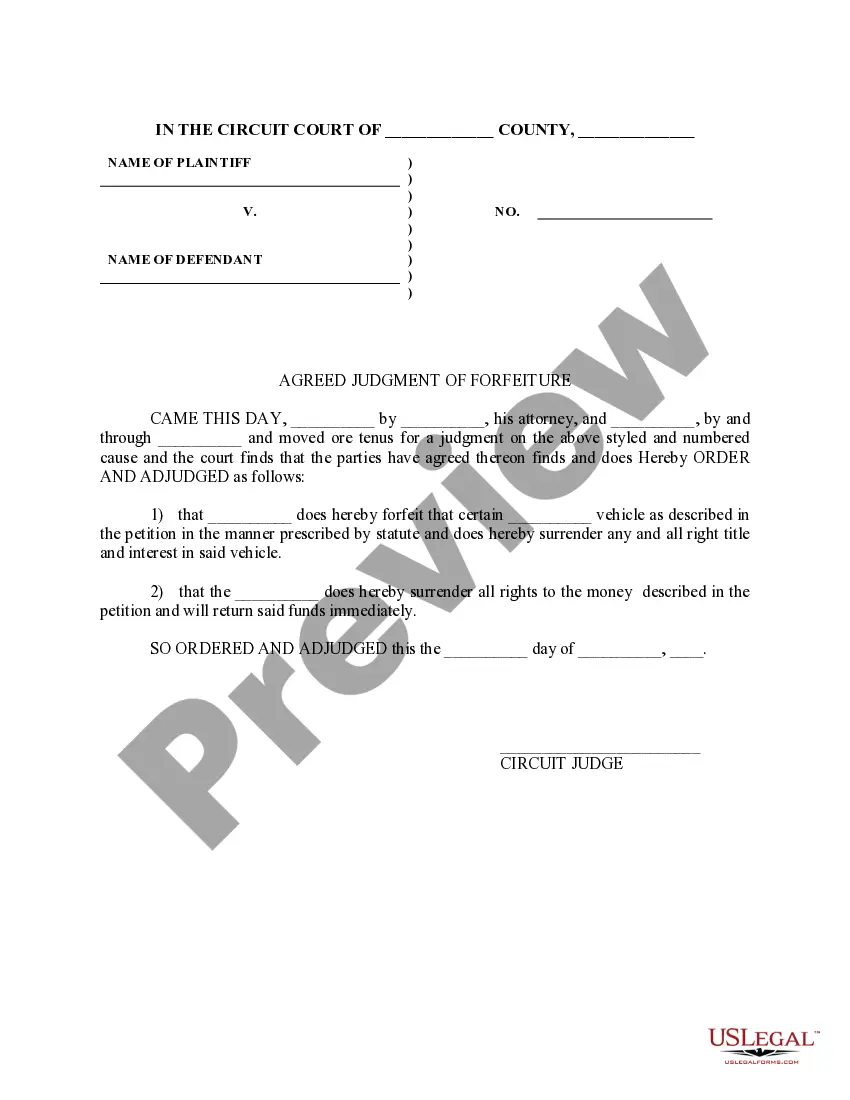
Minneapolis Minnesota Agreed Judgment
Description

Form popularity
FAQ
A judgment in Minnesota lasts for ten years, but you need to act before it expires to extend it. With a Minneapolis Minnesota Agreed Judgment, diligent record-keeping can assist in renewing the judgment so that it remains valid. Consider utilizing legal support to ensure compliance with renewal procedures. Proper management can lead to successful collection.
The three main types of judgment are default judgment, summary judgment, and consent judgment. In the context of a Minneapolis Minnesota Agreed Judgment, a consent judgment is reached when both parties agree to the terms. Understanding these types can help you determine which path is best for your situation. Each type carries different implications for enforcement and collection.
Collecting a judgment in Minnesota typically requires you to take legal steps like garnishment or liens. If you have obtained a Minneapolis Minnesota Agreed Judgment, you can utilize tools provided by the court system to pursue payment directly from the debtor's wages or bank accounts. It's advisable to document all interactions and payments thoroughly. Legal resources can help streamline this collection process.
After five years of a judgment in Minnesota, the judgment can become dormant if not enforced. However, your Minneapolis Minnesota Agreed Judgment may remain enforceable if a creditor actively collects within that timeframe. It’s essential to be aware of state regulations, as they determine the lifespan of judgments. Consulting with a legal expert or a platform like US Legal Forms can offer clarity on your specific case.
Satisfaction of judgment in Minnesota signifies that a debtor has fulfilled their obligation under a court's decision. When you achieve a Minneapolis Minnesota Agreed Judgment, you can file a satisfaction form in court to officially note that the judgment has been completed. This action removes the judgment from the public record, which can help improve your credit score. Understanding this process is crucial for both creditors and debtors alike.
Pro: Vibrant arts and culture scene. ... Con: Harsh winters. ... Pro: Abundant natural beauty. ... Con: Mosquitoes in summer. ... Pro: Great infrastructure. ... Con: Rural isolation. ... Pro: Thriving job market. ... Con: Traffic congestion in urban areas.
While living in Minneapolis, you can benefit from small-town vibes and big-city amenities. Although the cost of living is 3% higher than the state average, Minneapolis offers a budding economy, excellent and affordable healthcare, and 0% tax on clothing and shoes. Housing can also be very affordable!
Minnesota Minneapolis, officially the City of Minneapolis, is a city in and the county seat of Hennepin County, Minnesota, United States. With a population of 429,954, it is the state's most populous city as of the 2020 census. Minneapolis - Wikipedia wikipedia.org ? wiki ? Minneapolis wikipedia.org ? wiki ? Minneapolis
MINNEAPOLIS (WCCO) -- ing to a new survey, Minneapolis is increasingly among the world's most livable cities, even amid the COVID-19 pandemic. The Economist's Global Livability Index for 2021 listed the City of Lakes as the 36th most livable city in the world, up 19 spots since last year.
The cost of living in Minneapolis, MN is 2% lower than the state average and 6% lower than the national average. Minneapolis, MN housing is 13% cheaper than the U.S average, while utilities are about 6% less pricey.